Month: April 2023

  • EPISODE 809 1963 FARMALL TRCTOR TO THE RESCUE….APRIL 30, 2023

    EPISODE 809      1963 FARMALL TRACTOR TO THE RESCUE….APRIL 30, 2023

    alan skeoch
    april 30, 2023

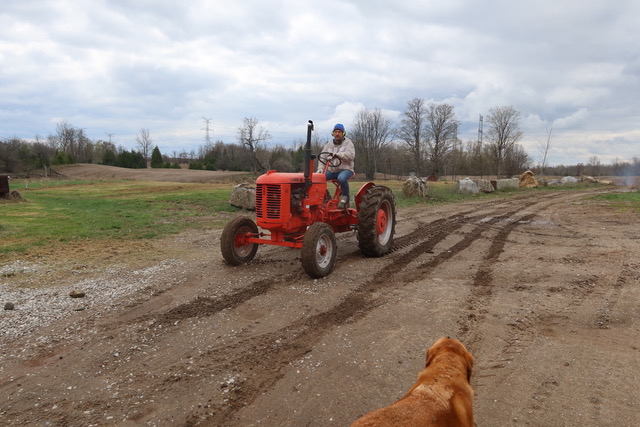
    Sometimes good things happen when least expected.  Who could possibly expect
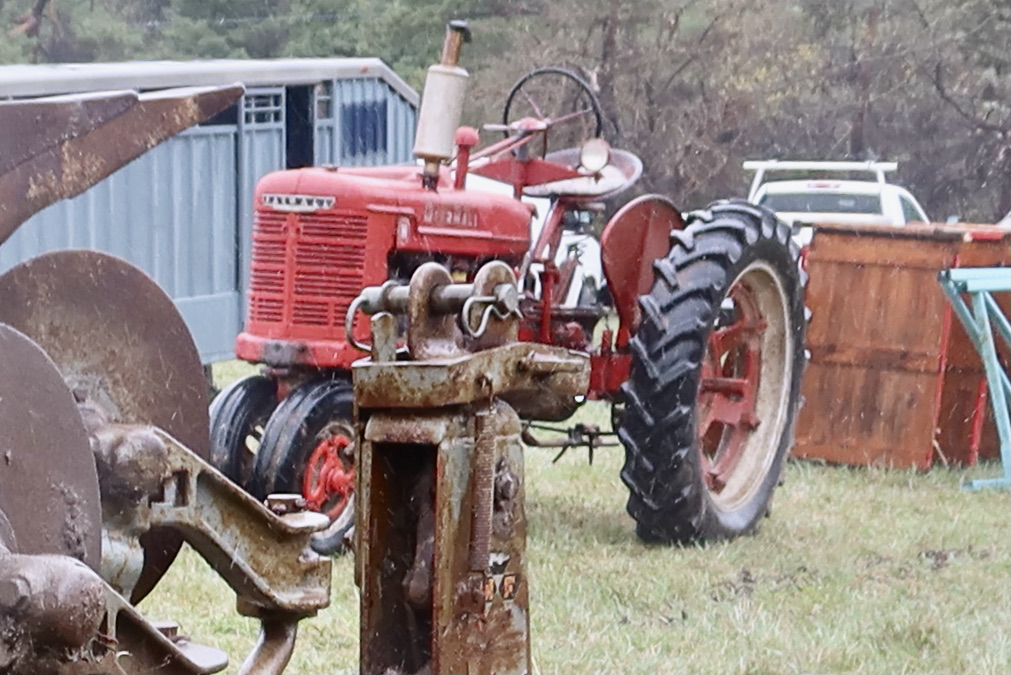
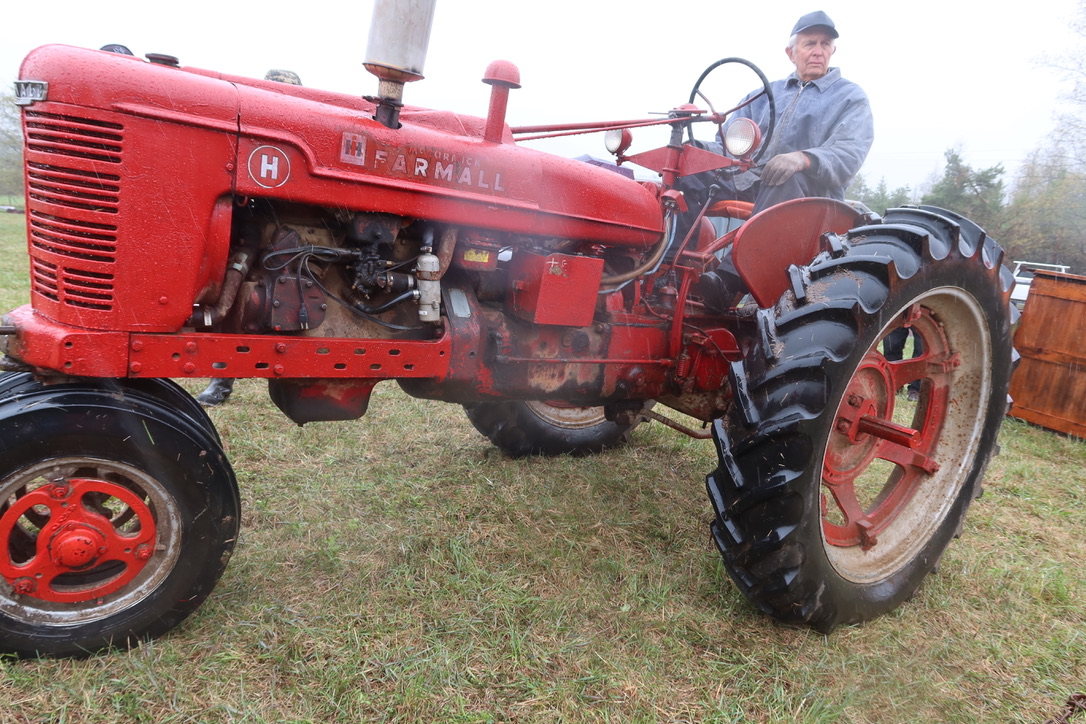
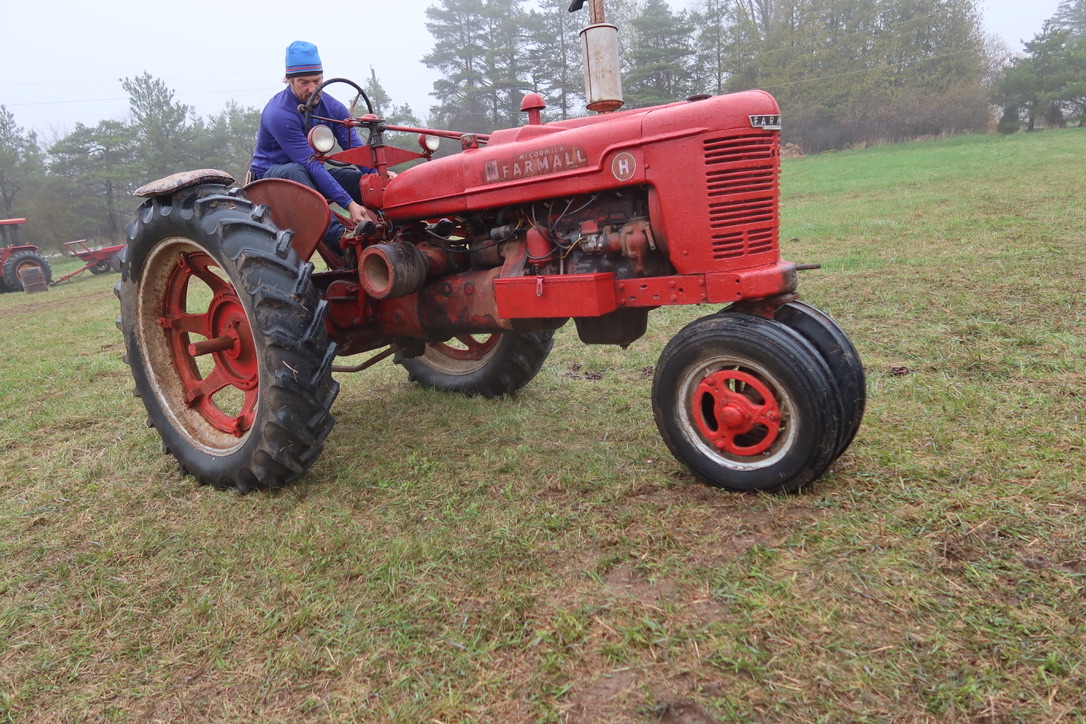
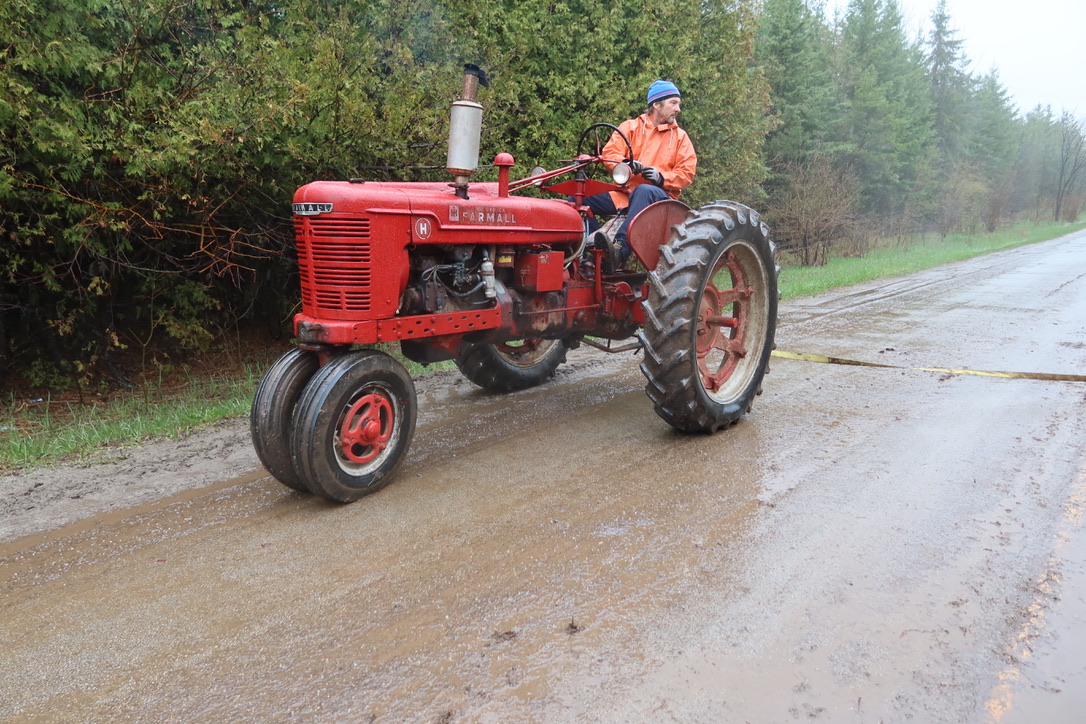
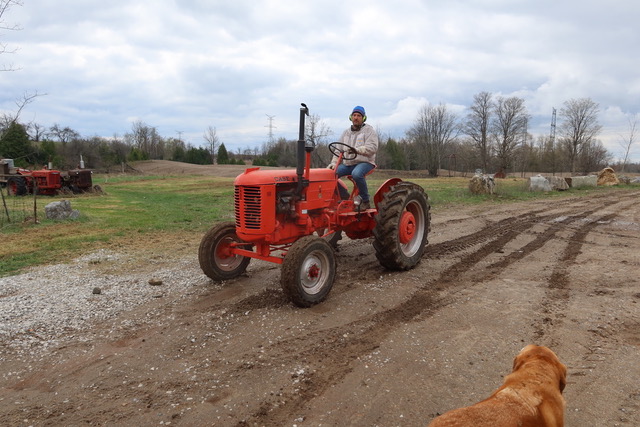
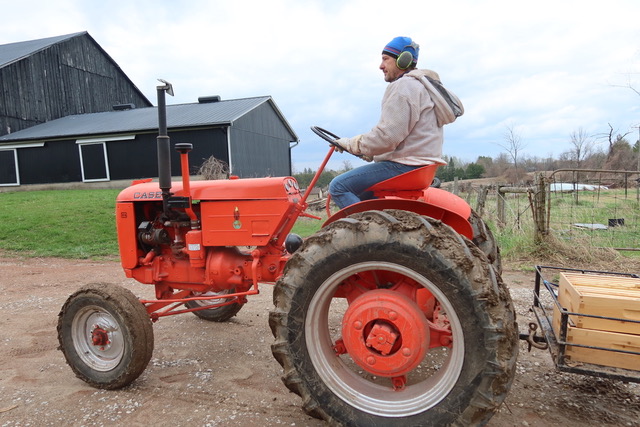
    a tractor built in 1963, a Farmall Row Crop tractor. would be capable of  rescue in
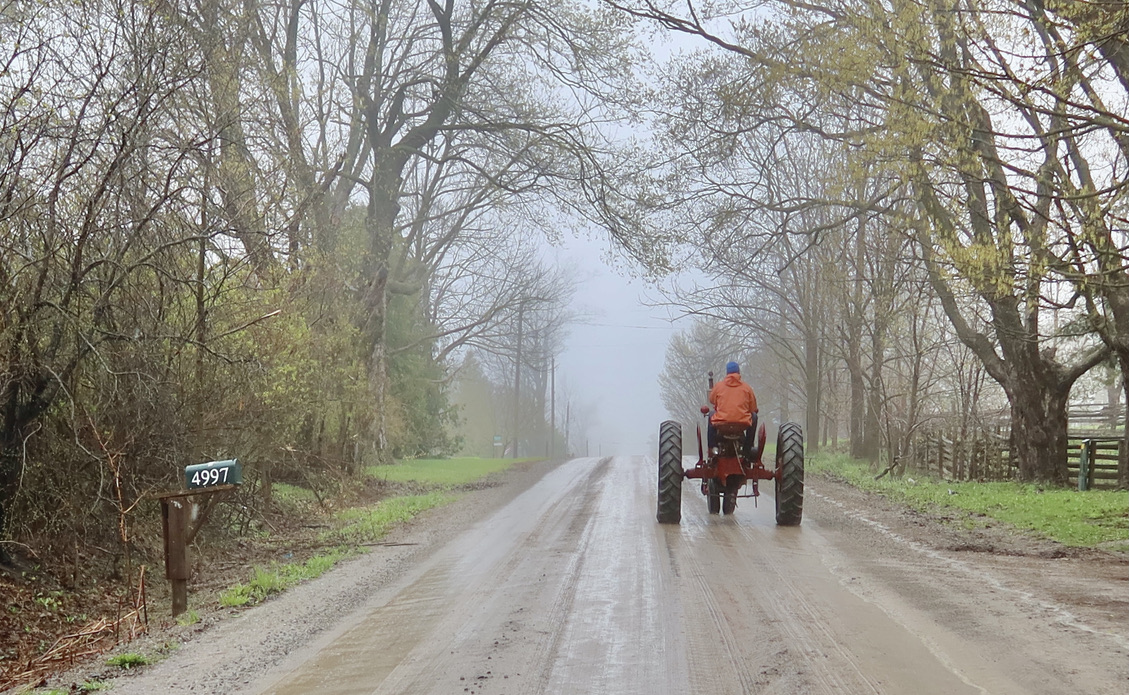
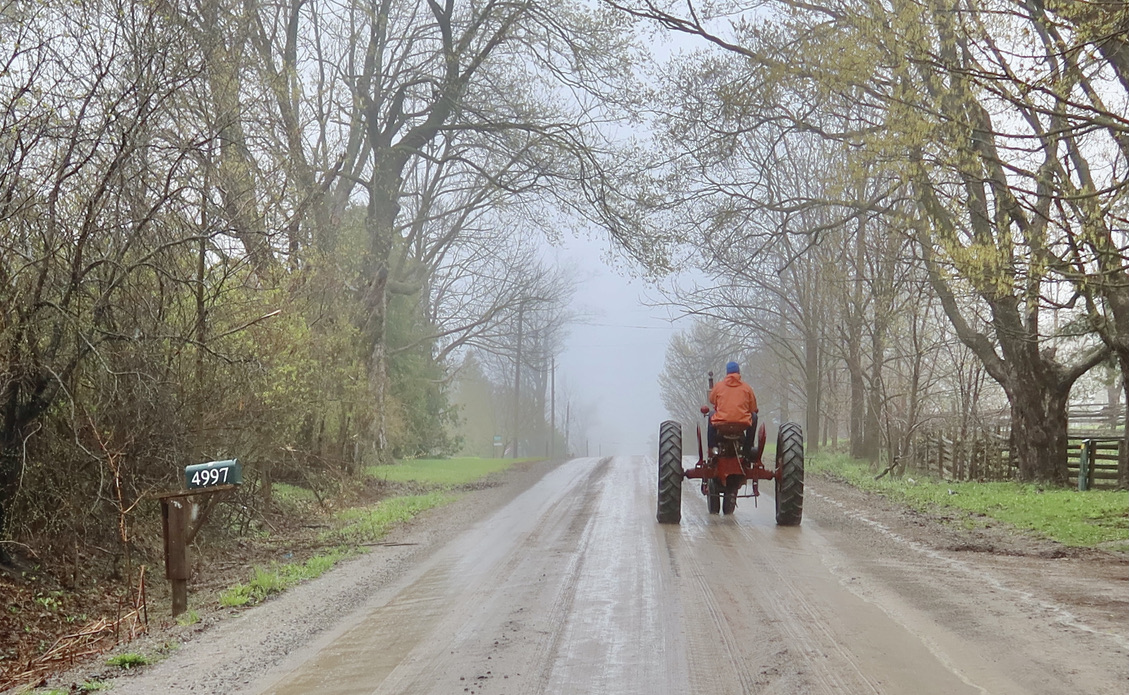
     a sea of mud  on a rainy day on April 30, 2023.   The tractor is 60 years old. Long past her prime.
    A large iron bin had been put in place for obsolete equipment.   The scrap man waited.

    This is a  feel good story.

    Sequence of events

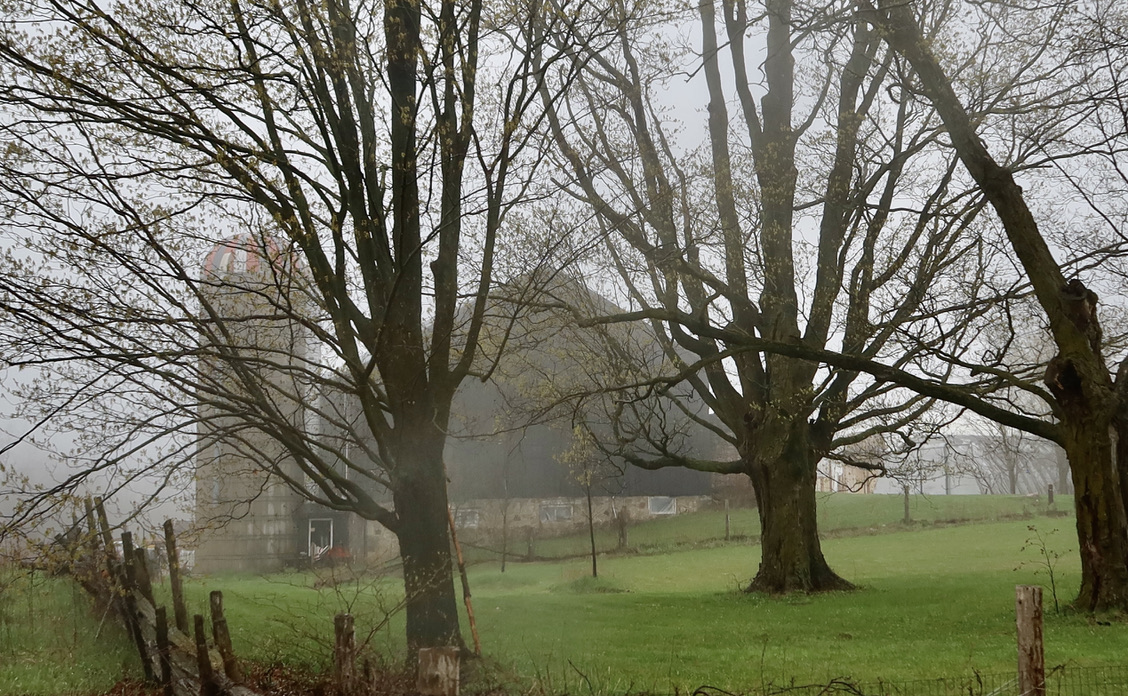
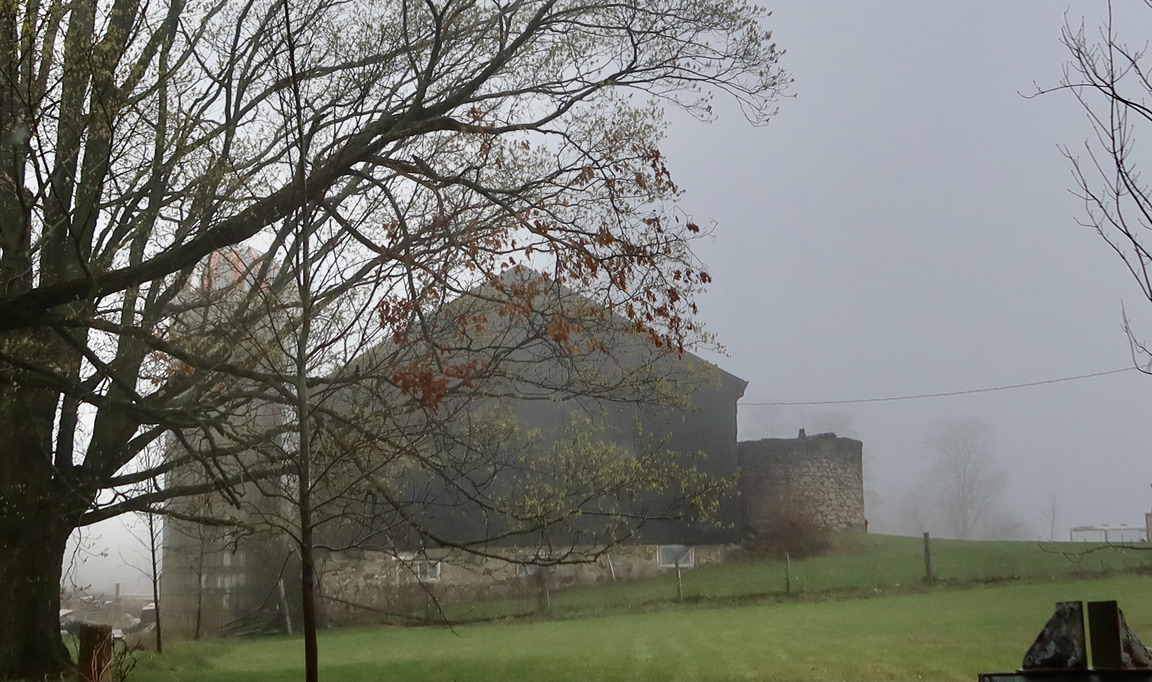
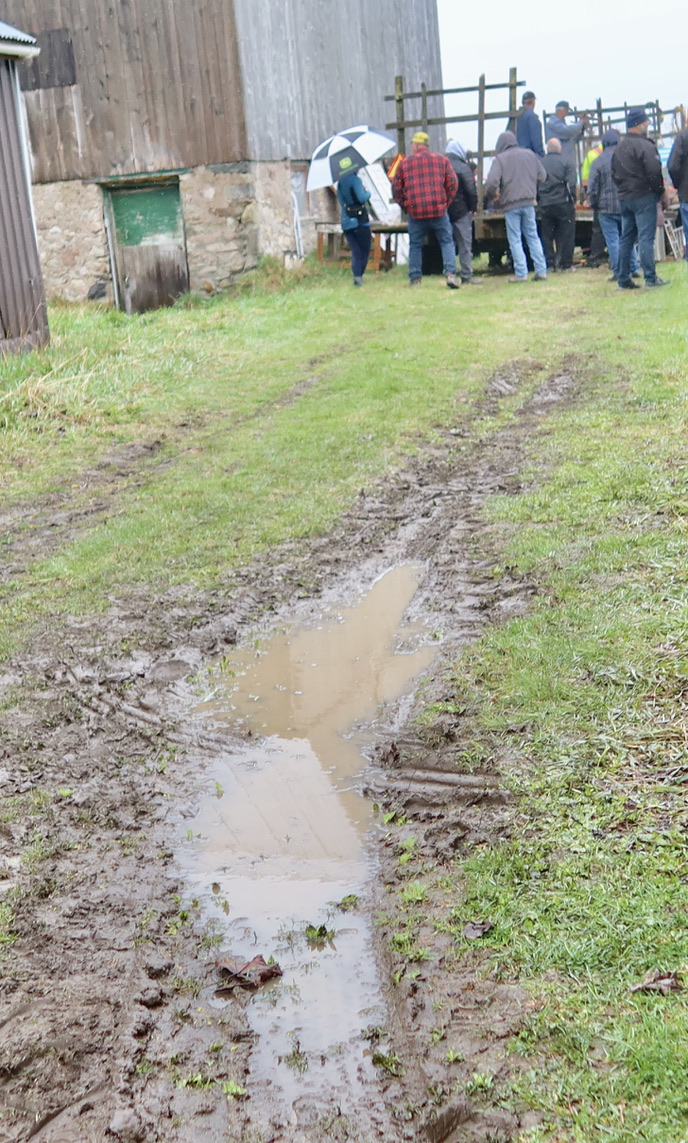
    1)  A rain swept day with heavy fog.  Lots of mud at the farm sale of
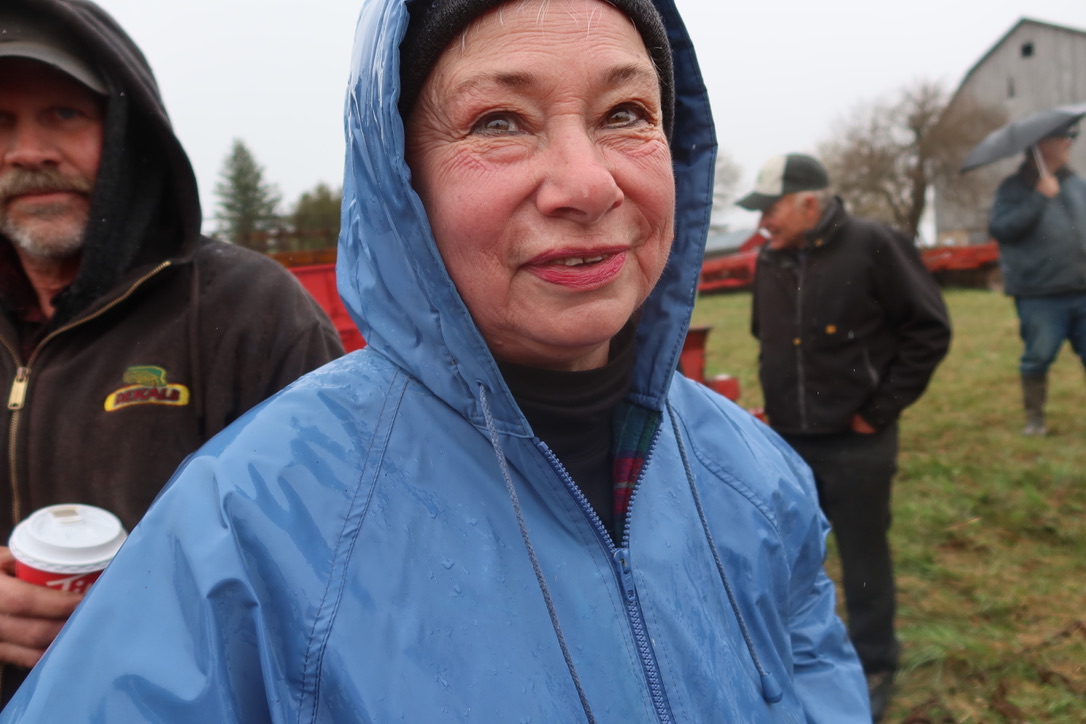
    Elizabeth Kilner and her husband  at their farm near Ballinafad, Ontario.


    2)  Among the farm equipment was the Row Crop Farmall Tractor which
    had been repainted sometime in the past.  It looked fine…better than fine.


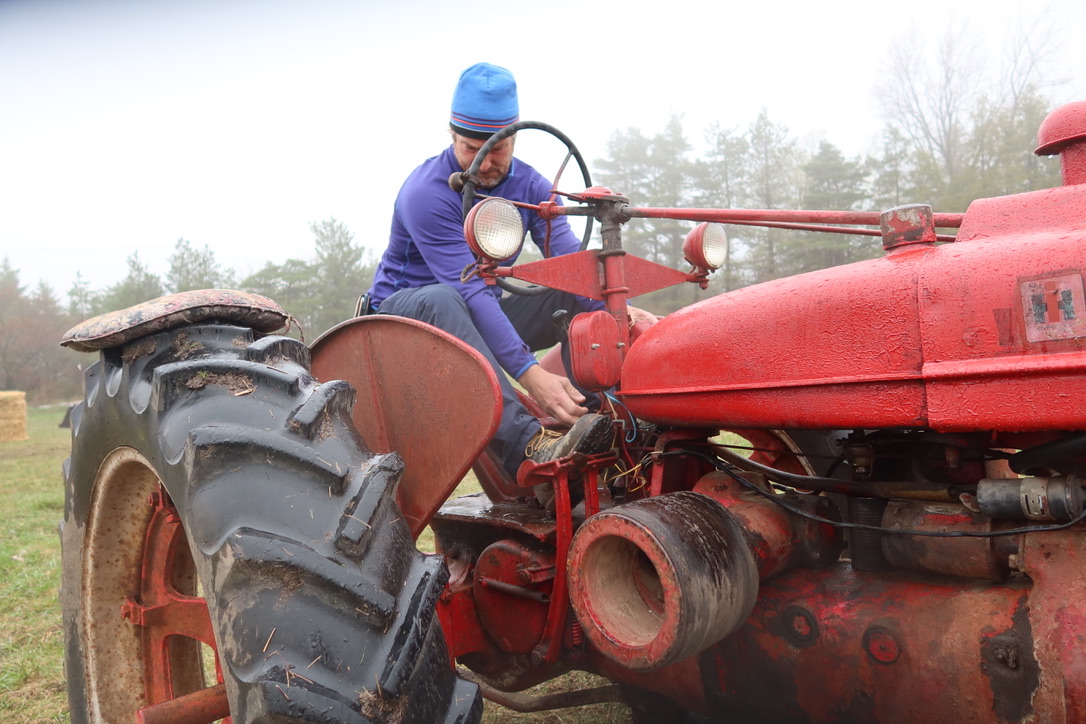
    3)  Mechanic Bill Brooks pushed the ignition button and immediately The Farmalll  began to OOMPA OOMPA THEN VAROOM.
    Purred like a kitten.
    “She’s been reliable ever since we bought her back in 1963….allways starts.  It has a block heater for winter days.”


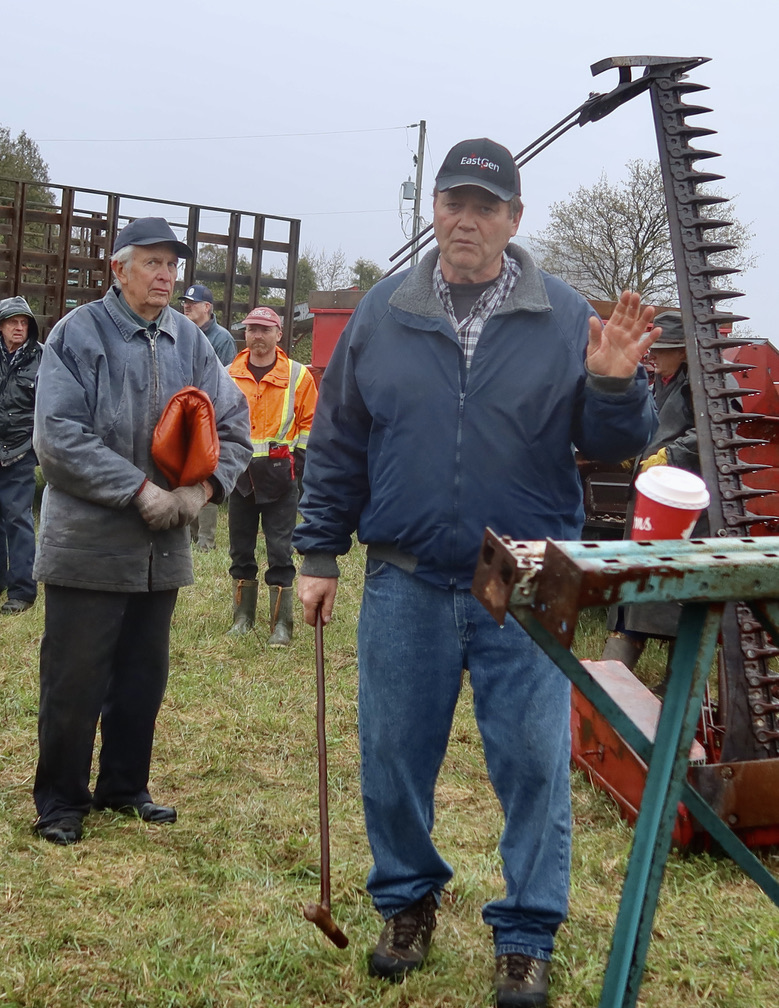
    4)  Auctioneer Doug Donaldson opened with his sales pitch.  “Runs perfectly, who will give me $2,000…Start me then, your choice.”
    Someone opened at $500 then the bidding got serious  Jumped in $50 chunks…$100 chunks.   Until finally I could not resist
    and shouted a couple of bids.   I bought her  (You can only guess at the price..I am not telling you.)


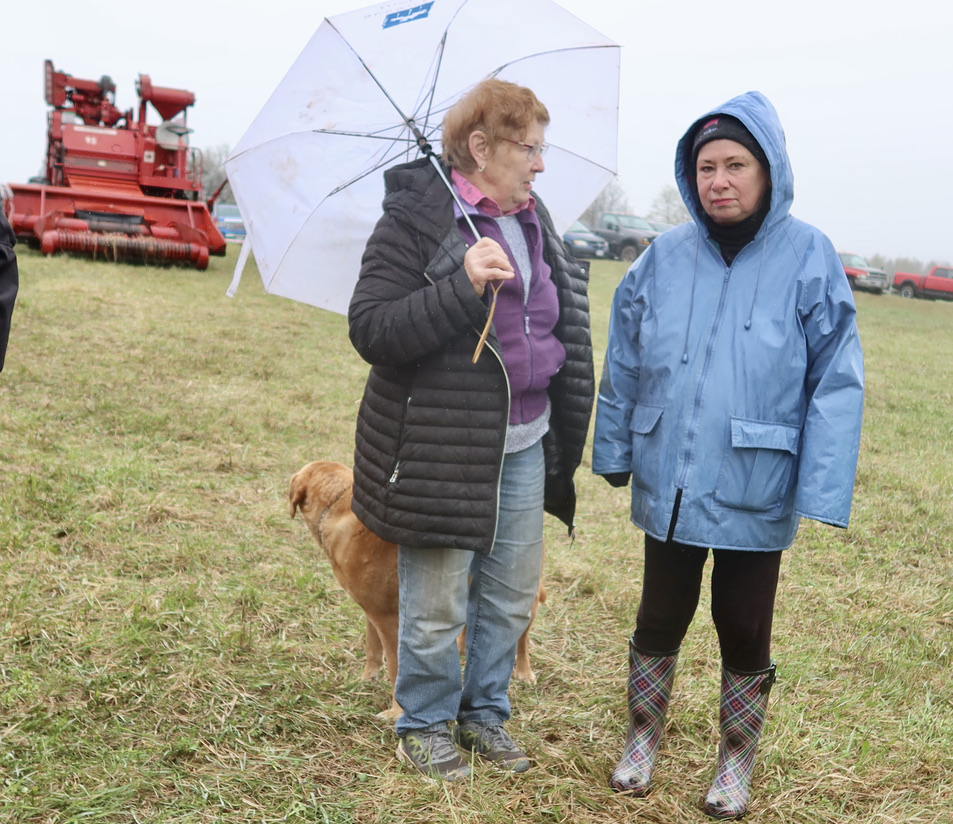
    5)  Marjorie and Elizabeth were not too interested in what happened next.  They talked about 
    cats and the forthcoming arrival of kittens.  Woody showed no interest at all.


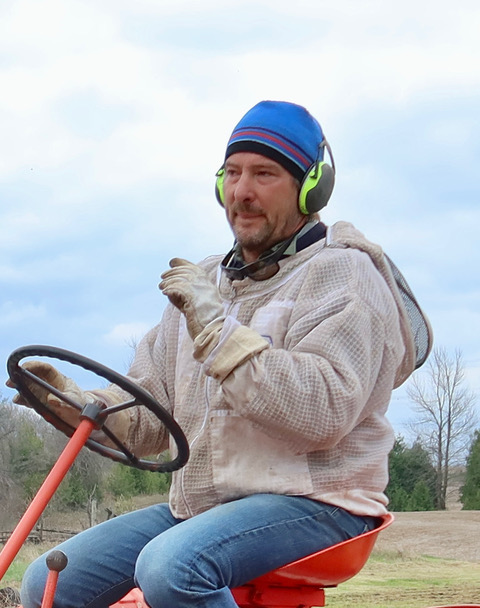
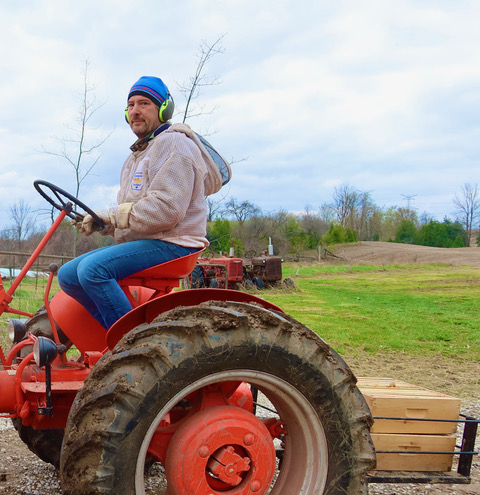
    6)  Then, a day later,  Andrew Skeoch arrived to move the Farmall to our farm.  The rain kept coming.  
    The field became a morass of mud in places.


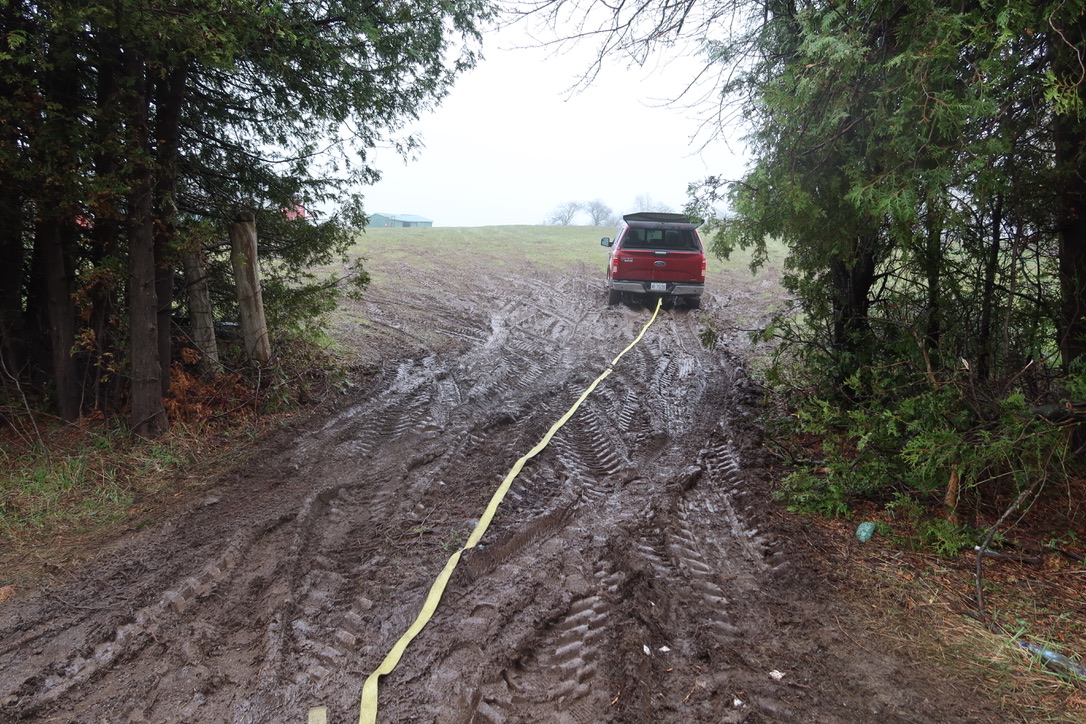
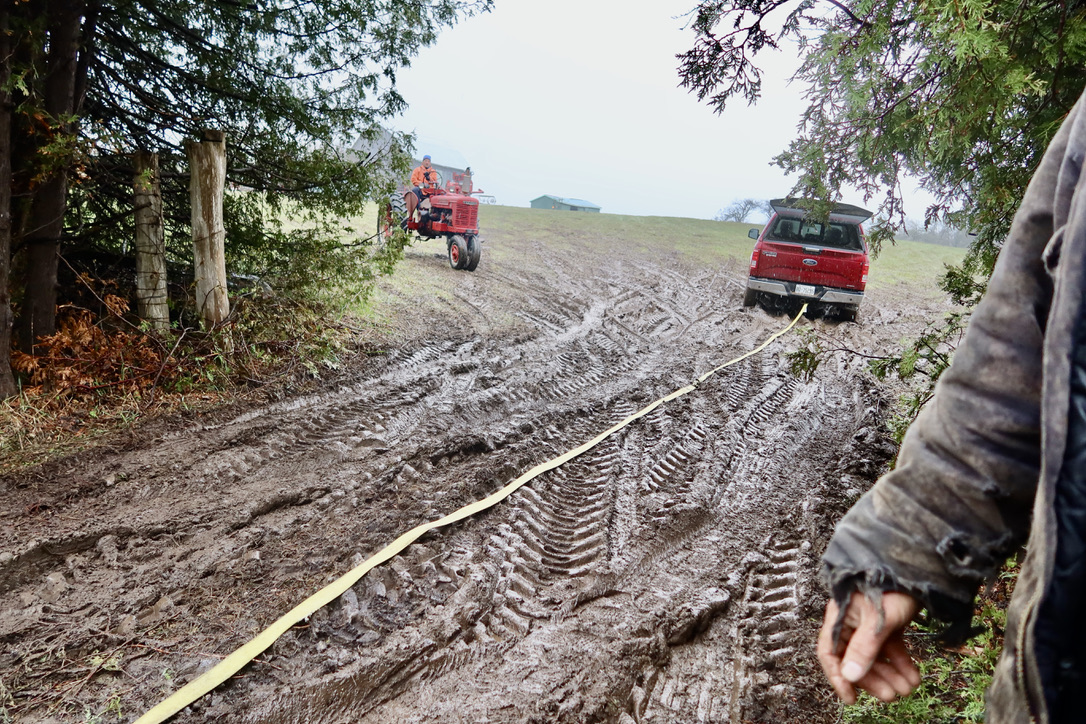
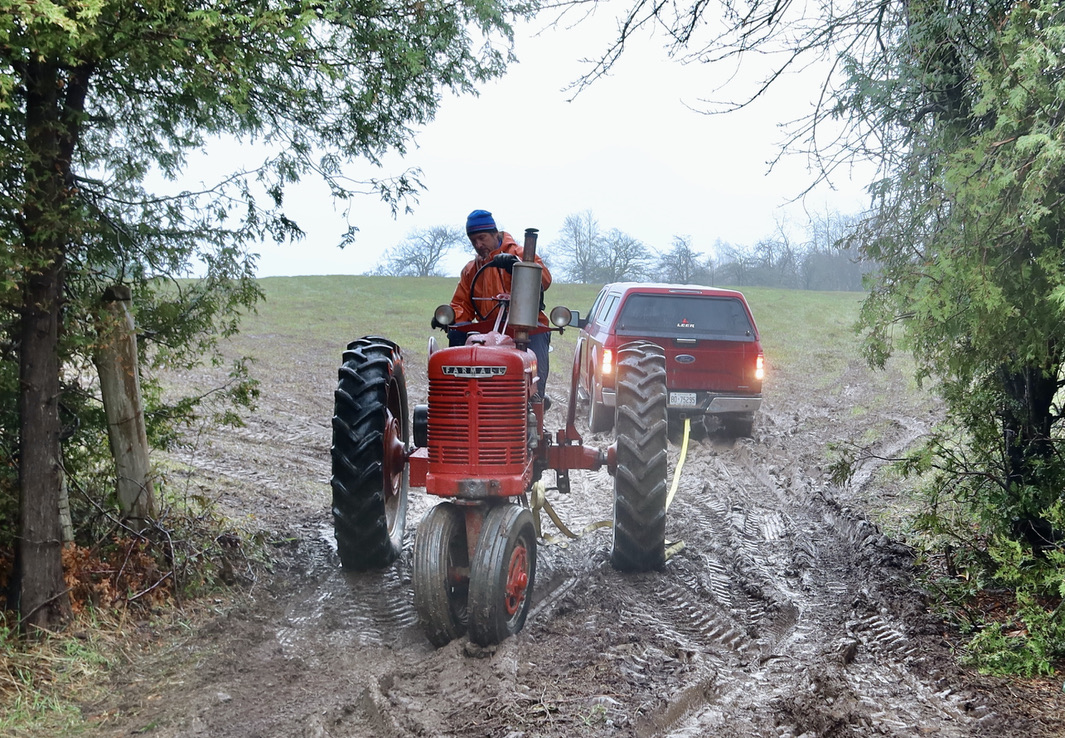
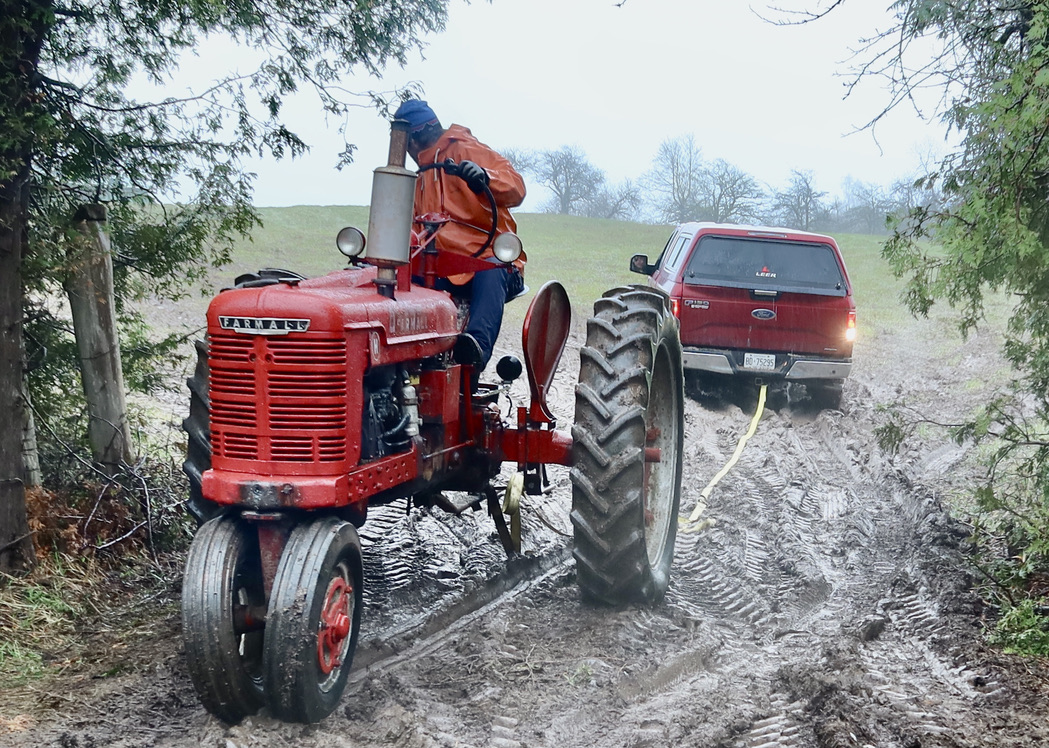
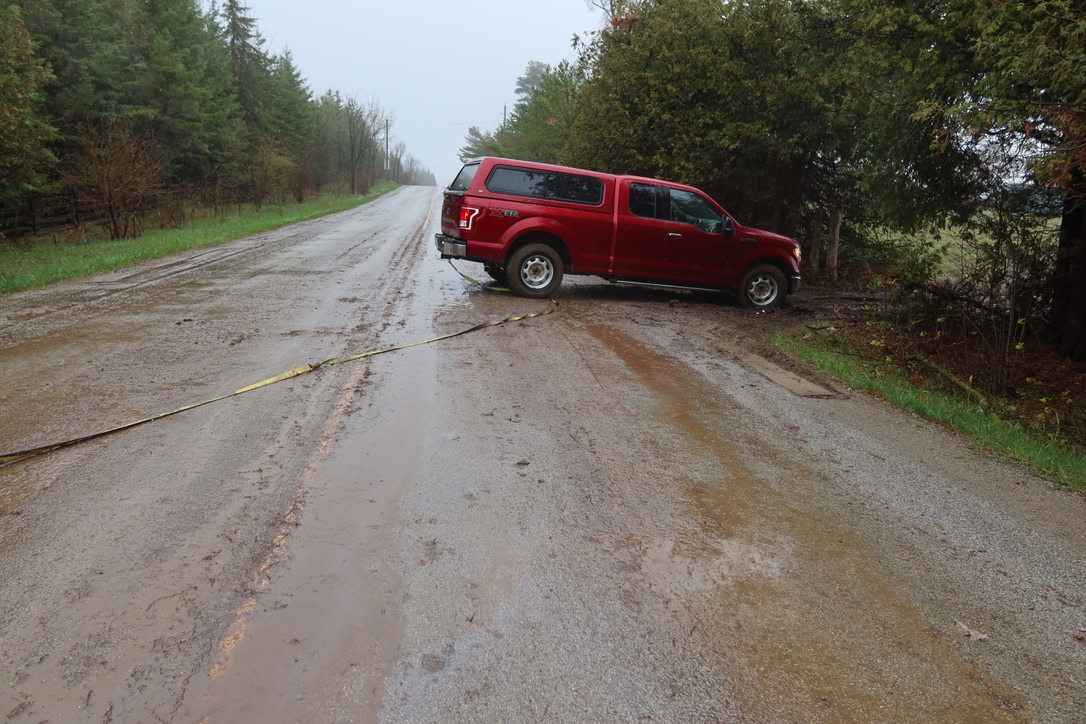
    7)  Out of the fog and the rain came a farmer who was in trouble.  His truck was stuck in 
    the mud.  No one around but us and the Formal.  “Could you drag me to the road.?”
    And that was when the Farmall, at age 60, did an heroic thing by hauling his truck from 
    a muddy hole to 32 sideroad..


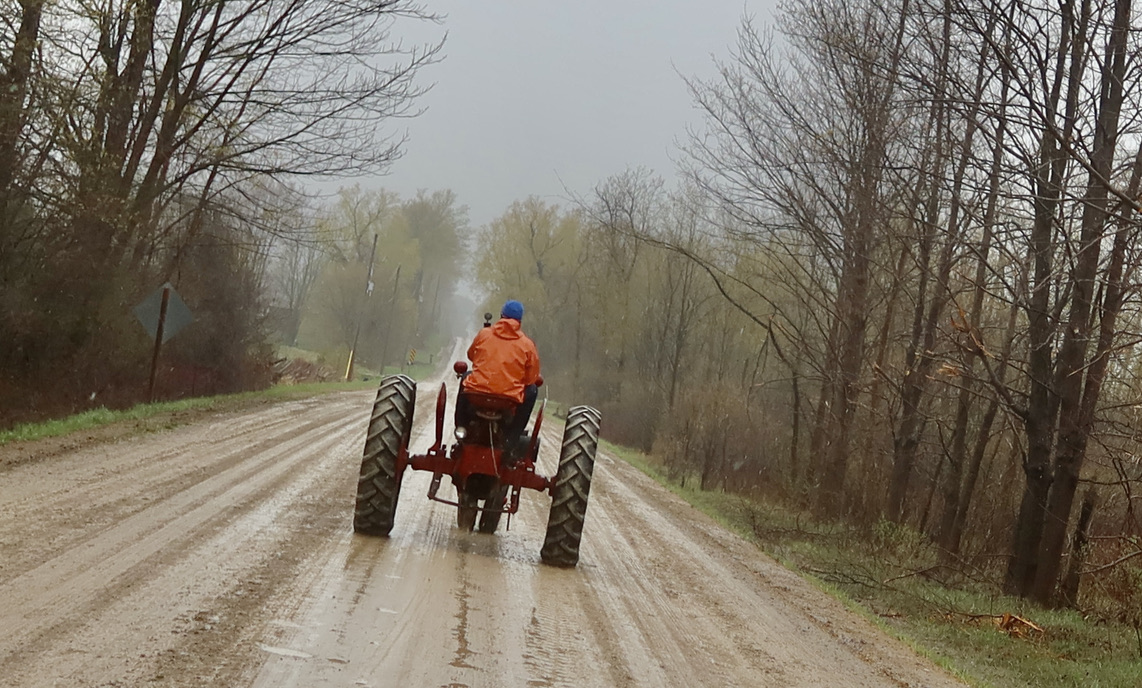
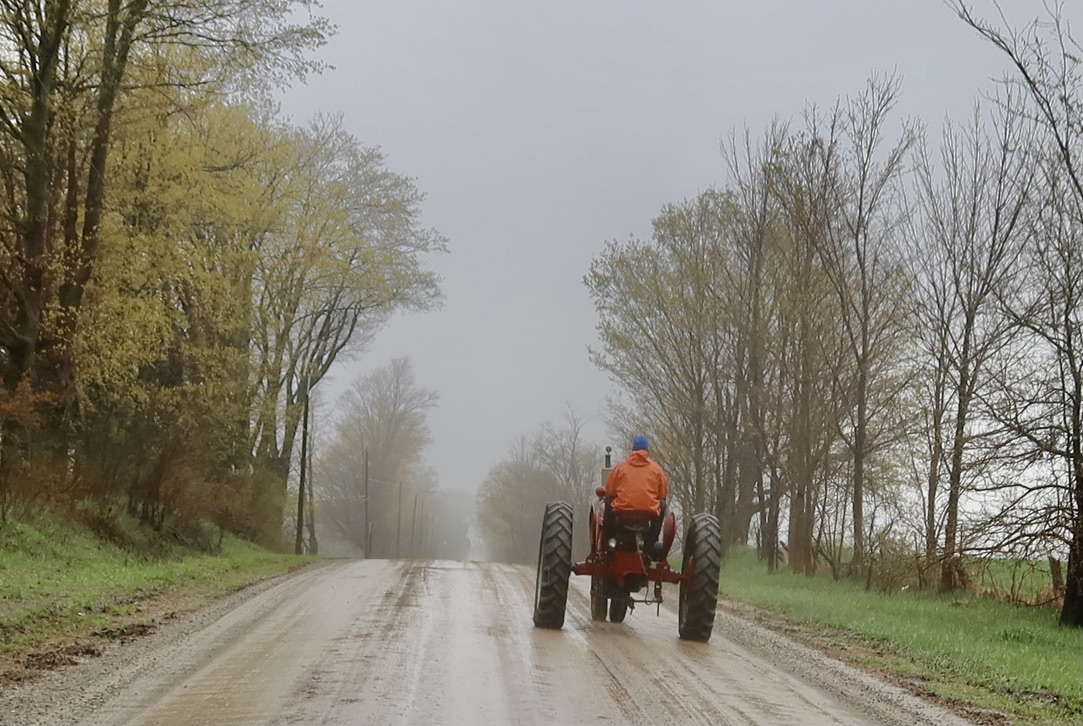
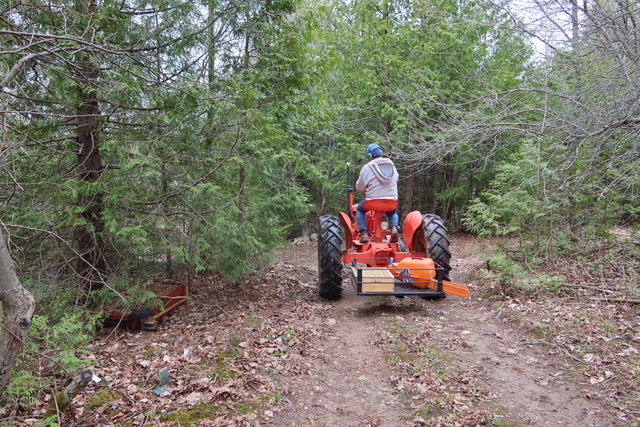
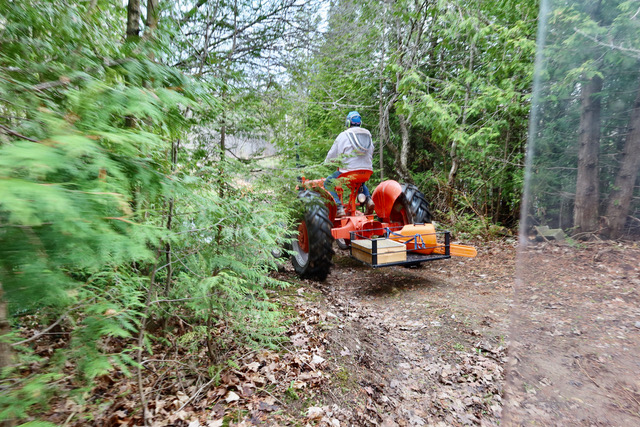
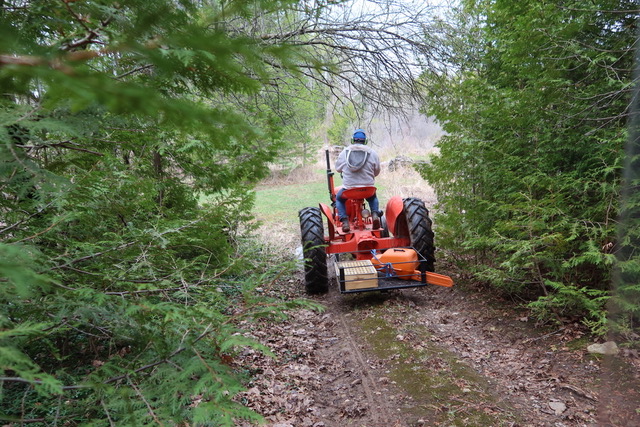
    8) After that Andrew and the Farmall headed up the Fifth line  bouncing from pot hole to pot hole.  Rain kept coming but both Andrew and
    the Farmall felt good


  • EPISODE 807 Part 3: Speech that was never given ORDOVECIAN FOSSILS….NAUTILOIDS AND CRNOIDS


    NOTE:  I CUT OST OF THIS SECTION…HERE IS A FRAGMENT….TRYING TO
    DO TOO MUCH AND FAILING.


    EPISODE 808    ORODOVICIAN SHALE….ANCIENT CREATURES ONCE LIVED HERE

    PART 3    THE SPEECH THAT WAS NEVER GIVEN

    alan skeoch
    APRIL 27  2023


    Strange things out there': Inside Lake Ontario's 'Bermuda Triangle' |  Globalnews.caBuilt in Canada, captured by the Americans, the figurehead of the USS Scourge is of Britain’s greatest naval leader Lord Admiral Nelson.lifeasahuman.com/files/2013/08/Scourge-figHd_c-650×511.jpg 650w, lifeasahuman.com/files/2013/08/Scourge-figHd_c-600×471.jpg 600w, lifeasahuman.com/files/2013/08/Scourge-figHd_c.jpg 1450w” sizes=”(max-width: 270px) 100vw, 270px”>USS Hamilton’s figurehead of the Roman goddess of the hunt Diana.lifeasahuman.com/files/2013/08/FH-Hamilton_c-650×511.jpg 650w, lifeasahuman.com/files/2013/08/FH-Hamilton_c-600×471.jpg 600w, lifeasahuman.com/files/2013/08/FH-Hamilton_c.jpg 1450w” sizes=”(max-width: 270px) 100vw, 270px”>
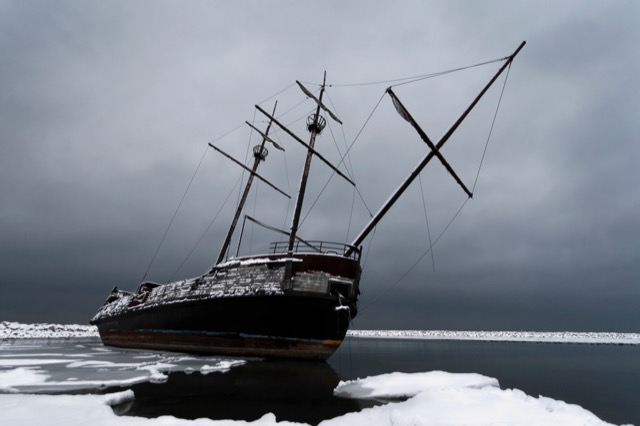
    The wreck above is a fake that was beached near Vineland for many years. It is a mood piece.  The carvings are real ….from the Scourge and the Hamilton warships…
    sunk in a storm during  the war of 1812 


    The bottom of Lake Ontario is littered with the wrecks of old schooners of which Scourge
    and the Hamilton (war of 1812) are the most famous because both Schooners sit upright in 88 metres of 
    water at he west end of Lake Ontario.  They are a museum that we will never see but
    they are there for us to imagine.   They sit on a bed of Ordovician shale in which fossils
    of ancient life are imbedded.


    North America's Inland Sea - HubPages
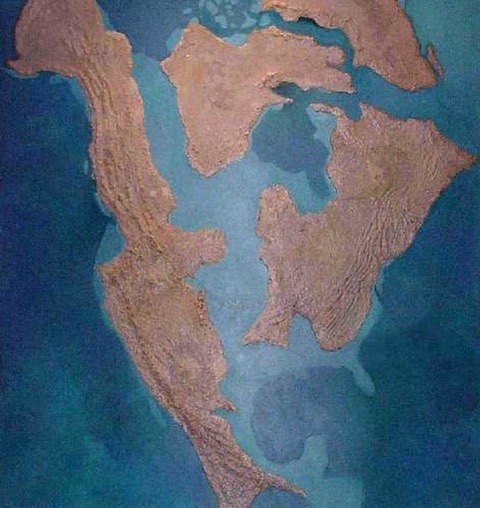
    Millions of years ago NORTH AMERICA was two large islands…between the islands was an Inland Sea some 500 feet deep


    “There was no land as we know it today as soil and plants…all above the water was just bare granite and volcanic islands…maybe a little bit of algae growing where
    the rock met the seas.  Noting else.  No trees, no plants, no grass and certainly no flowers.  But the sea
    was  full of  life.  Some places the sea bottoms was carpeted with crinoids.”
    “How do  you know?”
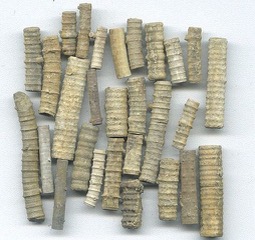
    “because some of these pieces of  shale have crinoid fossils so thick that the shale is hard to find. At some
    point whole populations of crinoids died another bodies  settled into the mud only to be changed by chemical
    action over millions of years into he fossils we can find littered here and there on this  shingle beach.”

    “What did they eat?”
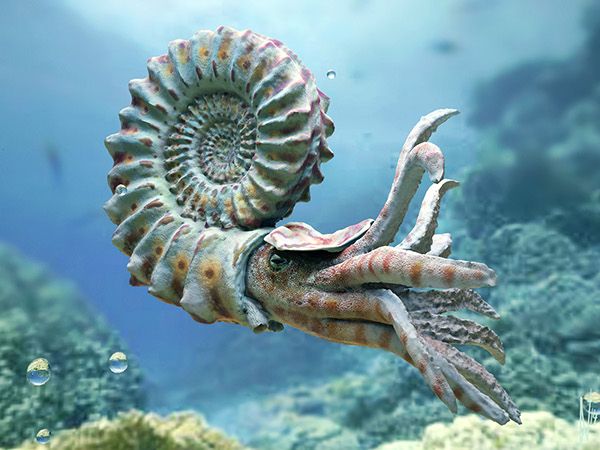
    “Nautiloids  were predators.  They ate other creatures, especially little trilobites. The inland sea tamed with life.

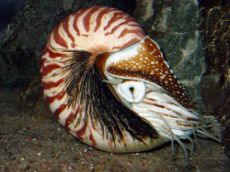
    Prehistoric Animals - Nautiloid and Helicoprion Beautiful Sea Creatures, Deep Sea Creatures, Wale, Extinct Animals, Prehistoric Creatures, Beautiful Fish, Fauna, Ocean Life, Creature Design
    A Nautillus…descendent of the Ordovician nautalloids that lived 450 million years ago


    “Most nautiloids did not survive the five great extinctions that devastated living things on our planet.   Most but not all.
    One nautallus can still be found in the deep tropical waters of the Asian Pacific Ocean.  Not easy to find for it dives into
    the dark depths of the ocean in day time and only rises to kill when the moon does.  A scary but beautiful creature.”


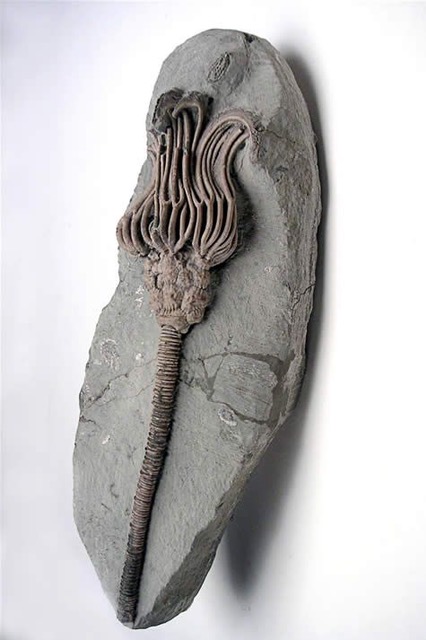
    - Crinoid fossil… Is it pathetic that I knew what this was before I read it? Stu… Crinoid fossil… Is it pathetic that I knew what this was before I read it? Crystals Minerals, Rocks And Minerals, Crinoid Fossil, Dinosaur Fossils, Extinct Animals, Prehistoric Creatures, Ammonite, Archaeology, Earth Science

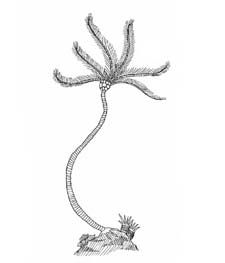
    “The creature that seems to have been very common 450 million years ago,  Crinoids looked like plants.
    As a matter of fact some called them ‘sea lilliies’.  But they were animals.  At the bottom of their long neck (spine if you will),
    crinoids had root like feet that anchored them to the bottom of the ancient seas.  At the top of their long necks
    was a bunch of tentacles that waved in  the ocean currents grabbing plankton and other bits of edible things
    that drifted  by.  The plankton was taken by the tentacle and dropped or placed  in the crinoid mouth at the tentacle base.
    The food was chewed and the good parts were kept.  The rejected parts were spit  out.   A crinoid had  a mouth and
    a rectum in the same place.”
    “Could they move?”
    “Yes, slowly the feet moved from stone to stone.”
    “Were they common?”
    “Very common…they lived  in  great  clusters wherever plankton moved on ocean subterranean currents.”
    “And if current changed they walked to a better spot, right?  How big were they?”
    “The fossils I have found that look like crinoids are quite small but I read somewhere that the crinoids could
    be as much as 140 feet long. 


    alan
  • EPISODE 807 DEATH OF THE STONEHOOKER PINTA AND HER CREW…AND THOUGHT OF SHALE BENEATH MISSISSAUGA SHORELINE, STORY 2


    EPISODE 807    SAD FATE OF THE PINTA….A STONEHOOKER FOUNDERS OFF MERIGOLD POINT

    alan skeoch


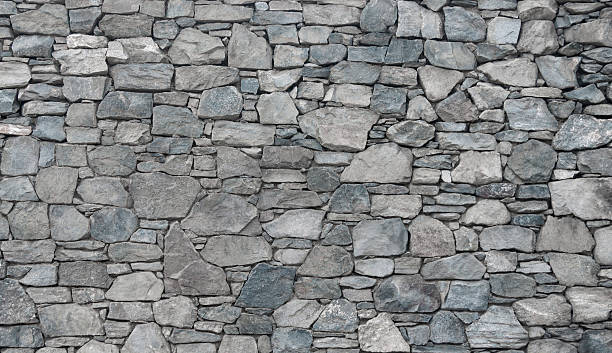
    Small stone slabs and large stone slabs artfully arranged.


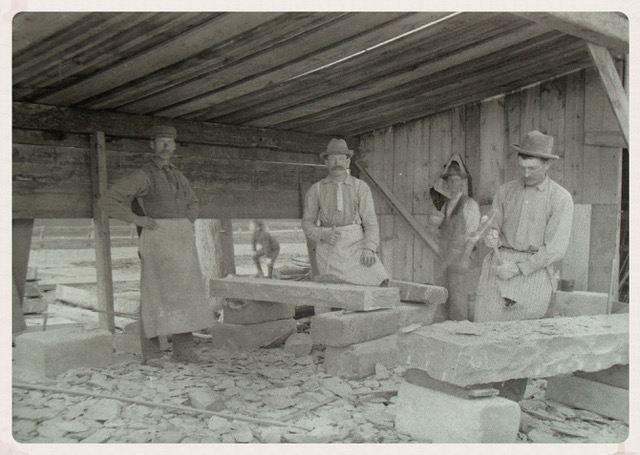
    Stonemasons working on the building of the Victoria Museum early 1900's | by Ross Dunn


    Stonemasons working on big slabs of stone.  THe slabs from Port Credit were much smaller …they had to be lifted by hand


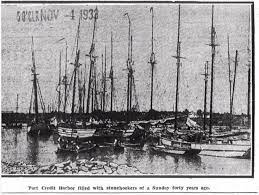
    The History of Stonehookers in Mississauga — Modern Mississauga MediaThe History of Stonehookers in Mississauga — Modern Mississauga MediaEPISODE 318 stonehooking….schooner days..thE LITHOPHONE…WALTER NAISH…ANCHOR  NNOT ATTACHED…ICE JAM BREAKS…POT CREDIT MEN TRY TO FND THE LITHOPHONE –  Alan Skeoch


    PART TWO OF “SPEECH THAT WAS NEVER GIVEN


    THE FATE OF THE PINTA, STONEHOOKER

    Stonehooking was a dirty business and the income was marginal.   Stonehookers earned about $10 to $15 for a toise of stone slabs…about
    the same size as a chord of wood but one hell of a lot heavier.  Just for the sake of readers that  are unfamiliar with stonehooking, let’s pretend
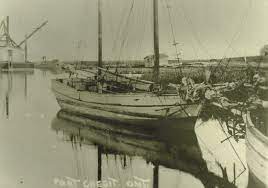
    you are joining the crew of the “Pinty”, a stonehooker whose wreck mayu still be found in deep water off Marigold Point where it foundered in 1882

    “What is expected of me?”
    “Never heard of stonehooking ?”
    “No…but I need money”
    “You won’t get rich stonehooking.”
    “What am I to do?”
    “lift stone slabs … shale slabs”
    “Where are they found?”
    “Three places…Easiest slabs are in shallow water close to shore.
    Jump in the water and use an iron bar to loosen the slabs then dump them
    into the scow.   Then row out to the Pinta … pile them in  the hold or just pile them
    on the deck even though that makes the Pinta a little too top heavy unless we are careful.”
    “You said the slabs can be found in three places.””
    “The other two places are more difficult.   Sometimes slabs can be
    found on  shore where the bedrock surfaces.   Easy to get the stone there but we often
    have to be sneaky about it.  Some farmers threaten with shotguns.The farmers hate us 
    because the stone protects their farm land.
    When we get those slabs out the waves smash inland. Erode the land.   The graveyard west of Port Credit was
    undermined and coffins swept out to open water.  Or so I heard. Best to have someone climb the mast
    to ensure no farmer in sight then we rush in and grab the slabs in the scow.  “
    “Sounds like fun. “
    “May sound funny but not so.  The slabs are heavy and getting slabs from shore is now illegal but
    we do it anyway.”
    “And the third way to get slabs? 
    “Deep water stonehooking.  Blind dragging with a stone rake.  Like fishing only a damnsite more
    difficult.  We drag a hook like thing that hooks slabs that we cannot see.  Then we have
    this ’stone rake’ which gets under the invisible slab ….loosens it…then we lift it from 
    the bedrock to the schooner or the small flat bottomed scow.  “
    “Sounds tough.”
    “One easy way to get slabs is by wading in shallow water.   Easy in summer but hell in
    the cold weather.  “
    “Are the slabs heavy?”
    “Most times they are.  Bigger the slab the better the ’noise”….Buyers want lots of
    the big slabs “
    “Why?”
    “For foundations .  Toronto is booming….need lots of slabs.”
    “Dirty work ….to much lifting. “
    “How many times?”
    “Count the times.  Imagine one slab.  First lift it from Lake Ontario into the scow….then from the 
    scow to the schooner deck or hold….then from the schooner to the Totonto pier …then, often
    from the pier to wagon haul by a tema of horses.   … get to hate that slab.”
    “Sail back to port Credit empty”
    “Hard to sail a schooner the it’s empty so we fill the hold for the return trip”
    “Fill it with?”
    “Horse manure.  Toronto streets and berms are full pop horse manure….thousands of horses.”
    “I wondered why the “Pinty” smelled odd?”
    “Port Credit farmers want horse manure.  Smells better than pig manure.  Actually I like
    the smell.”
    “Manure is easier on the schooner than slabs of shale.   Thos slabs crack the wooden deck
    and do great damage in he hold.   That’s why so many stonehookers look like they are on
    their last legs.”
    “Easy to see a stonehooker from a distance?”
    “How?”
    “The sails are paired so often that it’s hard to find a piece of original canvas.  Mended
    often.   Not a pretty sight.”
    “Why wold a schooner owner do stonehooking then?”
    “Despertation.   No other way to make a living.   Lots of schooners available cheap…some
    beautiful schooners end up as bedraggled stonehookers.”
    “Why?”
    “The schooners are obsolete.  The age of sail is over.   Internal combustion engines have taken over.  Moe=re reliable
    than sailing.
    “Enough talk … now get to work lifting slabs.  Take off your shirt and shoes.  Here’s a crowbar.
    You can take your pans of as well if you wish.  We need to get a shipload today.”
    “Were you joking about the coffins?”
    “Nope.”

    (Alan Skeoch, imaginary conversation between an apprentice stonehooker and an old hand.
    Aboard the Pinty on that fateful day the ship went down.  All hands drowned or froze to death.}


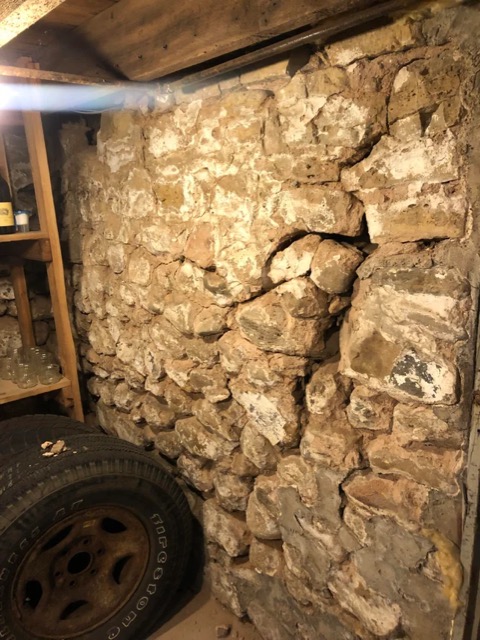
    1900 Fieldstone Foundation Mortar Questions : r/stonemasonry

    Foundation of 19th century house built of field stone rather than blue shale.


    THE SINKING OF THE PINTY IN 1882 — ALL CREW DROWNED EXCEPT ONE MAN WHO FROZE TO DEATH
    (article below was from Schooner Days)

    The Pinta, commonly known as the “Pinty,” was a scow, built for S. H. Cotton at Port Nelson in 1869, She was 58 feet on deck, 14 feet 4 inches beam, and 4 feet 8 inches deep, … Her end was tragic. Coming down from Oakville one cold morning, with a nor’west wind hoofing her along, she tried to go about and stand in for the land off Marigold’s Point, the wind following its usual practice at that point by hauling to the north.

    The Pinta had a big barndoor centreboard. The box was open slotted and came above the deck. The board was new and buoyant. It should have been ballasted until it was sufficiently waterlogged to sink of its own weight. When the snow squall struck the Pinta she luffed and got in irons, and as she lost way her board rose so high in the box that it caught the foreboom and would not let the foresail come over. That doomed her. A second puff caught her canvas aback and rolled her over. Men who were shingling a barn on Marigold’s Point saw her in trouble. She was blotted out by the snow flurry. When it disappeared she had disappeared too.
    “She was loaded too deep, ” said Captain Block. “I guess her hatches just filled when she tried to go about.” All hands were lost, although one man managed to get into the scow towing astern. The offshore wind carried him across the lake and the scow was picked up on the beach at Winona, his frozen body jammed under the thwarts.
    From Port Credit harbor, a tug was seen going up the lake in a futile attempt to render assistance. It was the Mixer, a Toronto boat owned by Frank Jackman. And Port Credit
    sailors still curse the well meant action of the men on Marigold’s Point, who saw the disaster and hastened word to Toronto, when the schooner Morning Star, sound and almost new, with Abe Block and half a dozen others right there to handle her, lay at the dock in Port Credit ready to put out at a minute’s notice hours nearer the disaster in those pre-telephone times.
    It was not until next day that word of the foundering of the “Pinty” reached Port Credit. The victims of the tragedy were William and Joseph Quinn of Oakville, brothers of the owner, Capt. James Quinn, and Bus Howell. Capt. Jas. Quinn and Capt. Mark Blow had left the Pinta some time before her fatal voyage. Oakville sailors had begged the younger mariners not to make a start, for the north wind threatened snow before they left.
    Twenty years later, in 1902, the Wood Duck sailed over the sunken wreck of the Pinta off Marigold’s Point. Her fatal centreboard box was still discernible down in the clear green water amid the remains 


  • Addition to episode 805″It was just lucky that Andrew came home at the moment for lunch”

    Marjorie added this comment to Episode 805
    “It was just lucky that Andrew came home from school at that moment for lunch.”
    alan

  • EPISODE 805 ANDREW AND HIS BEES….NEARLY GOT ME….ANGRY BEE YARD


    EPISODE 805    ANDREW SKEOCH AND HIS BEES…NEARLY GOT ME BUT I OUTRAN THEM

    alan skeoch
    April 24, 2023


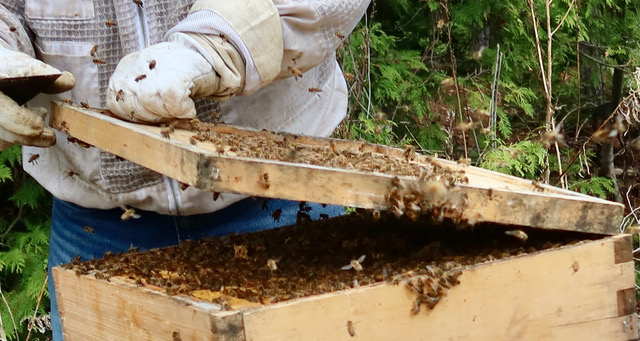
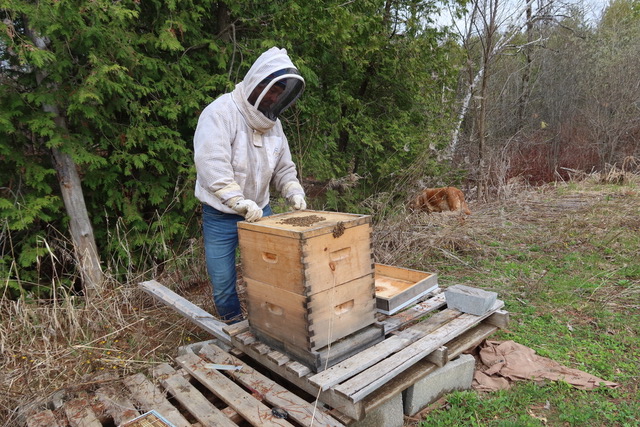
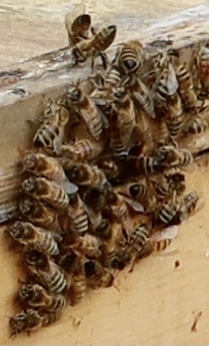
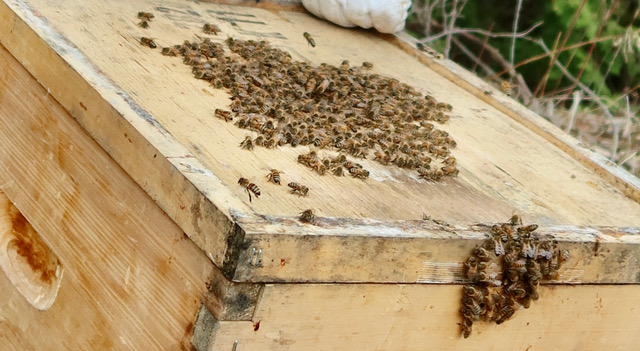
    If you plan to raise bees then be prepared to get bitten.  Bees can be unforgiving if disturbed.
    Andrew was fully protected and cautioned me “The bees are going to be angry so do not
    get too close.” They got me.

    How could I take that advice and at the same time put together a story?  Risks of
    journalism were faced just to get this story.   In the end the bees found me and I had
    to run like blazes to escape.  A couple landed on my skin but did not have time to bite…to sting.

    I did know a little about bee keeping from my failing attempt at bee keeping many 
    decades ago.  My failure may sound humourous but believe me it was not.  I became
    as angry as the bees.

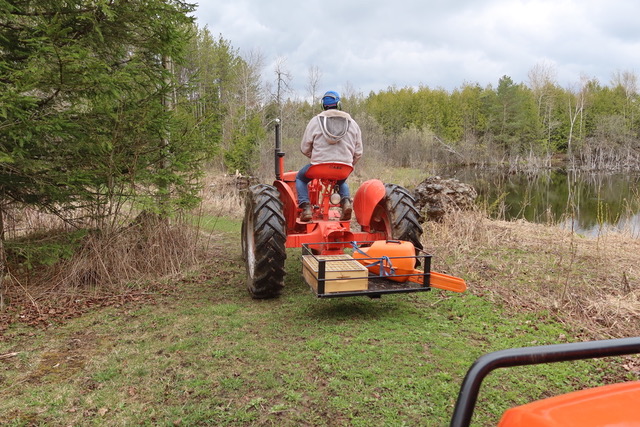
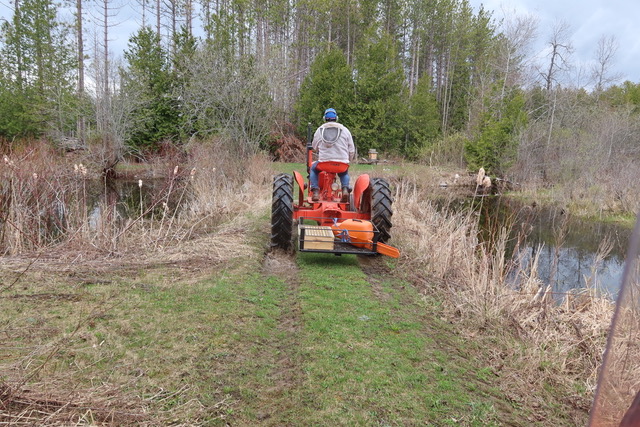
    First , join us as we travel to the bee yard.  Over the fields, through the cedar bush,
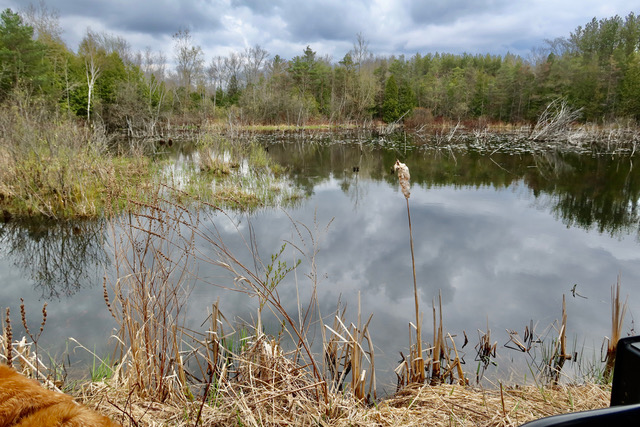
    Crossing our little bridge between two of the ponds, to arrive at the bee yard.

    Angry bees 

    Angry Marjorie…Angry Alan.

    Be sure and read he closing story to this Episode.


    E

    DECADES AGO I GOT AS ANGRY AS MY BEES

    FLASHBACK

    To understand how to raise bees requires hands on experience.  So I asked a friend  (at the time a friend) to help me.
    He was excellent.  Told me all the tricks…except for one trick.

    “Alan, he dropped in to visit when you  were at school.”
    “Why?”
    “He chased me around the kitchen table…scared me.”
    “You must be kidding.”
    “No..I do not want him around our house any more.”

    So I called him up and raised proper hell.   I was as angry as
    my bees…moreso.   Never heard from him again.  That day 
    ended my bee keeping..   I burned the hive at the back of
    our home.  Had to do that anyway because it was an old
    hive.  If you raise bees, used new hives.  Mine was infeced
    with something called foul brood.   Deadly and dangerous
    so the bee keeping experience ended.

    Andrew is doing a better job than I could do anyway..

    alan