Month: July 2023

  • Fwd: episode 856 DIDO ELIZABETH BELLE —


    EPISODE 856   DIDO ELIZABETH BELLE


    Alan skeoch
    july 13, 2023


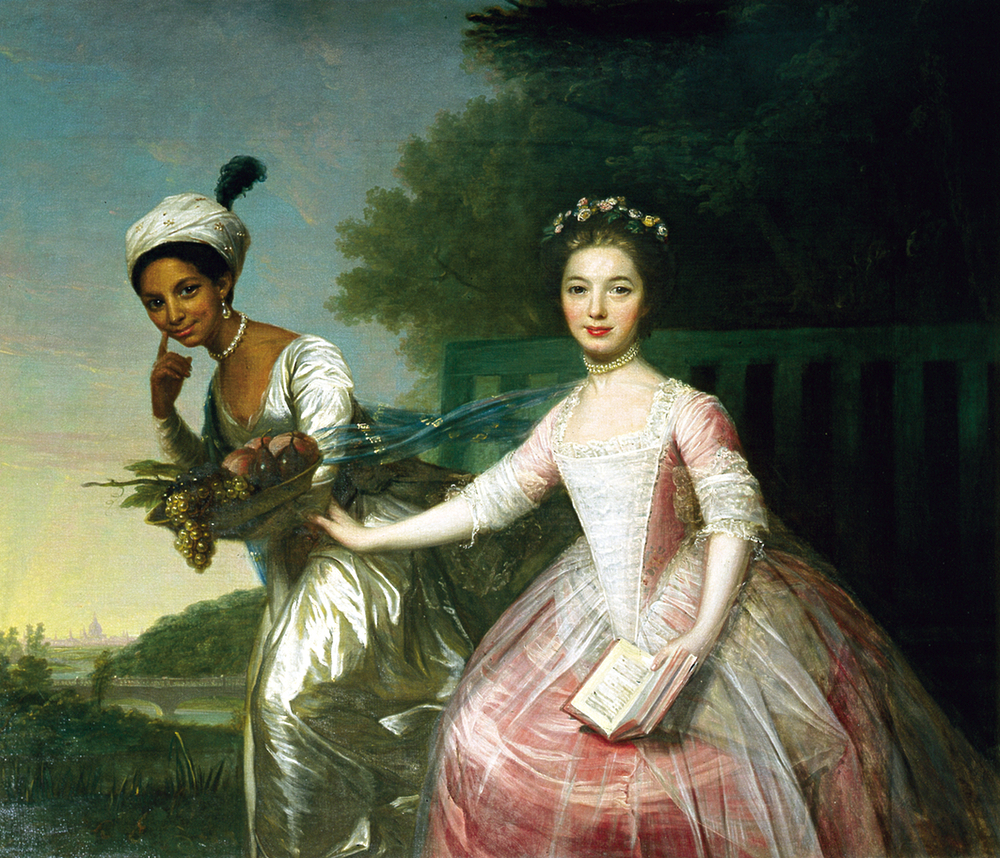
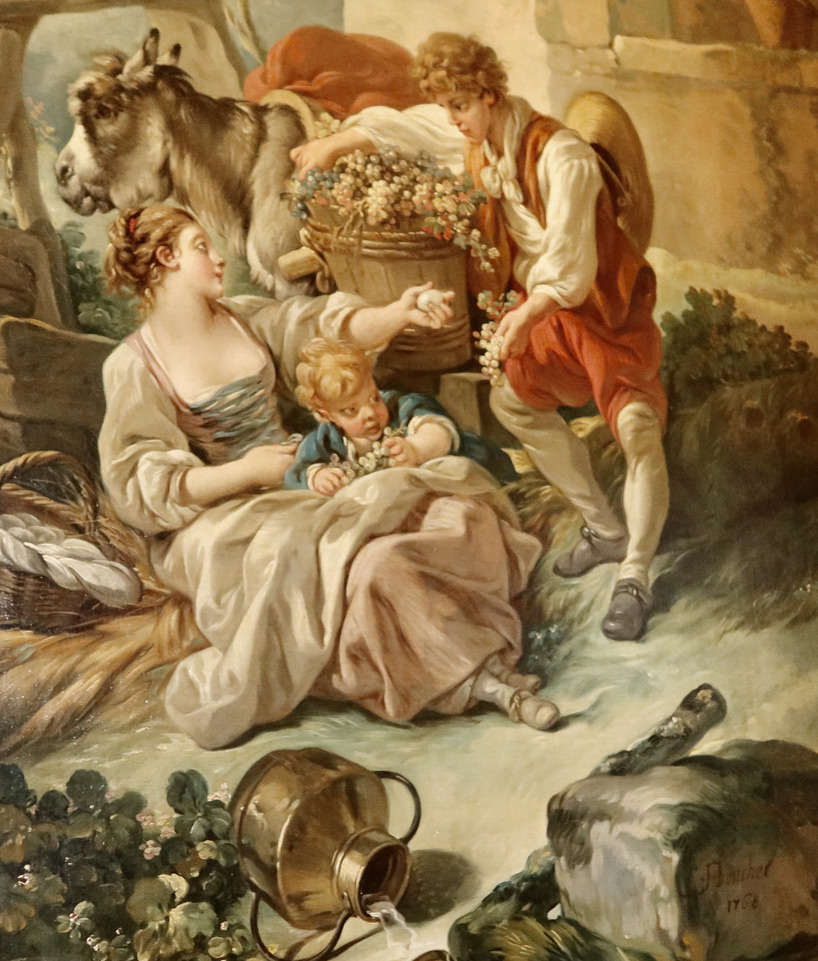
    What captures your attention when you look at this 18th century painting??


    “Who is the brown skinned lady in this paining?”
    “Her name was Dido Elizabeth Belle and she was born in 1761 in the British West Indies.’
    “What is startling about her ?”
    “Off the top, she is very pretty.”
    “And?”
    “And she seems totally relaxed with the white  girl…they seem to be good friends.”
    “Why is that remarkable?”
    “Slaves were expected to defer to their owners in the 18th century,  yet this brown girl
    seems to be good friend … certainly not a slave.  I think the girls are sharing conversation.
    As a mater of fact, the brown skinned girl named Dido is even more relaxed than the white girl. I would have
    expected the reverse in that century.   Seems like they are both sharing a secret conversation.
    they are equal, ..I would even go so far as to say the black girl is dominant..so totally
    relaxed.  So unlike a slave.”
    “Do you know who she was?”
    “No”
    “Here name was Dido Elizabeth Belle.”


    “She was a remarkable young lady…a lucky young lady”
    “How so?”
    “She may have influenced the abolition of slavery in England.
    ….her early life was startling.”

    HISTORY OF DIDO ELIZABETH BELLE


    NOTE:  BELOW  is a short history of this remarkable young lady who was made famous
    by the only painting of her which is the lead picture in this episode.  I encourage you
    to read more about her.  You will not be disappointed.   Her story complements
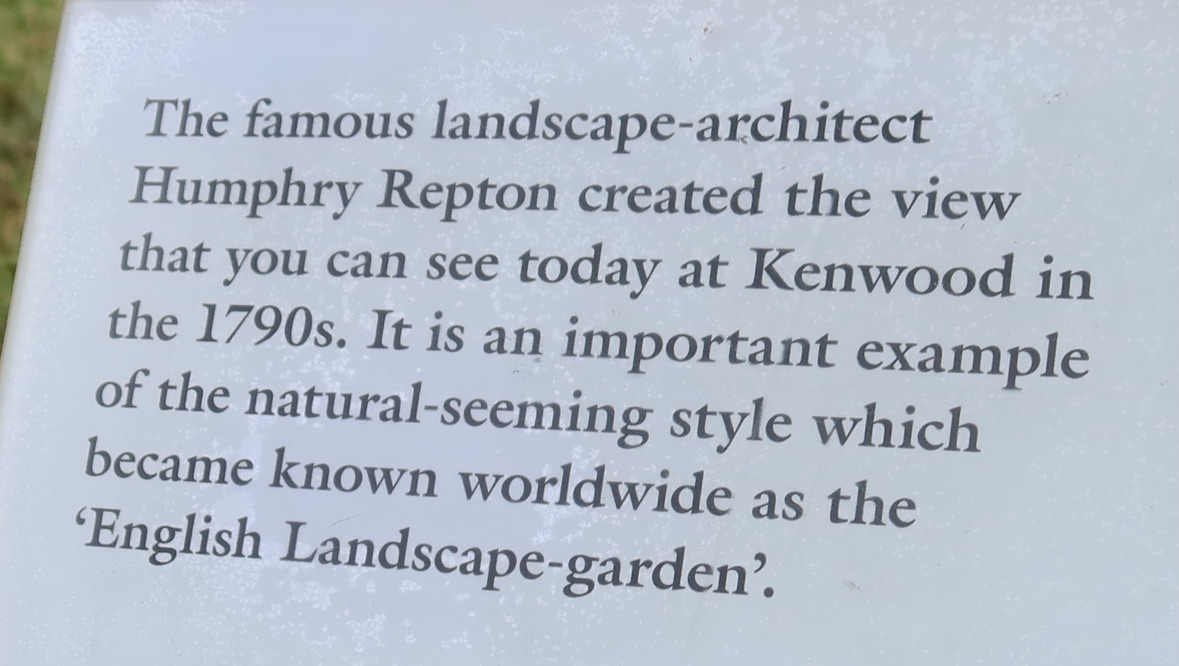
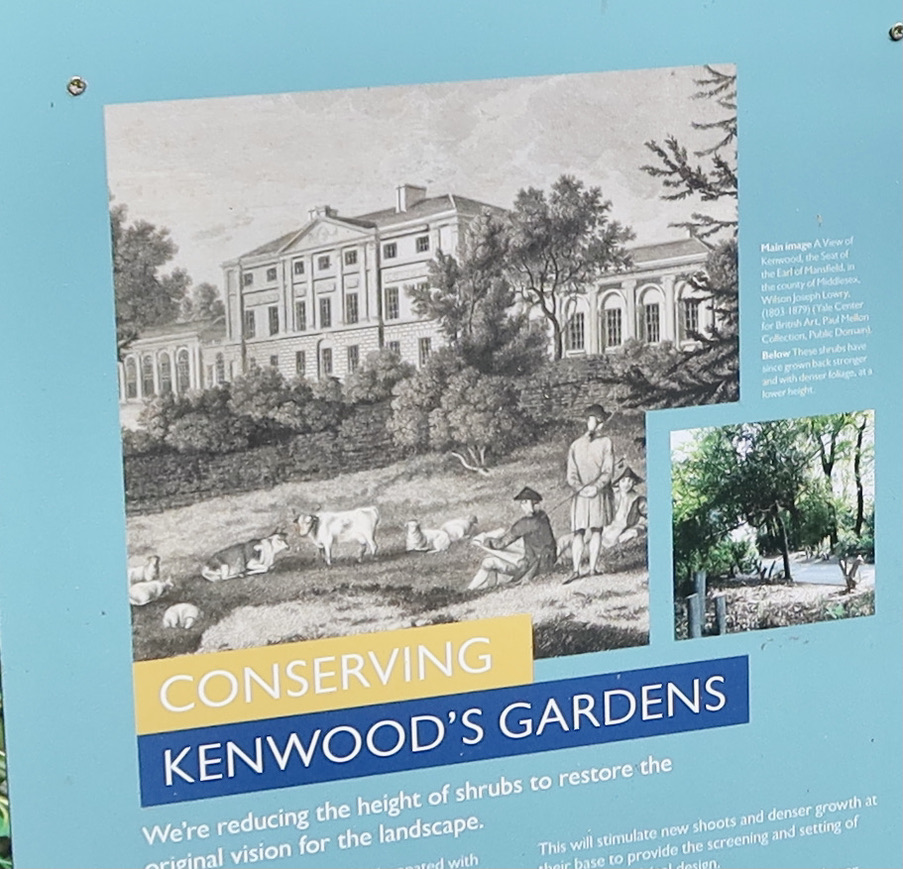
    my episode about Kenwood House which was sent earlier.  Much has been written 
    about Belle…even a movie.  Do a  little searching.


    alan

    ‘her mother, whose name is believed to be Maria Bell, was a slave in the West Indies. The year that Belle’s parents met is not known, nor is it clear that their relationship was consensual. Belle’s baptism records yield no information about her father which indicates she was considered an illegitimate child.

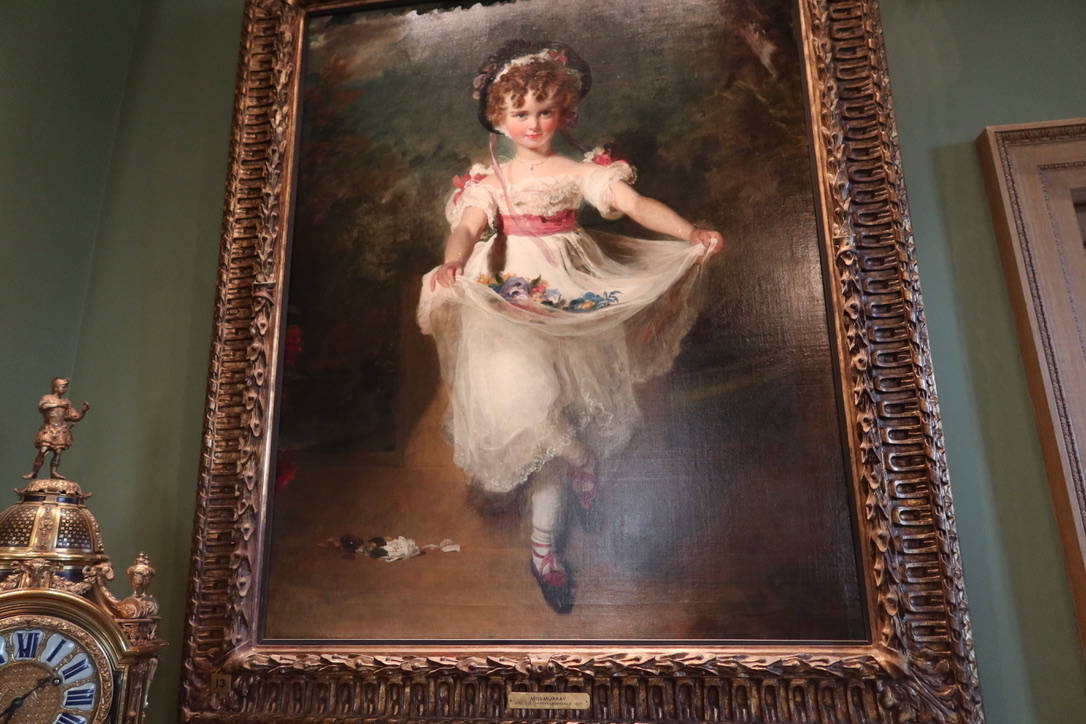
    Upon the death of Maria Bell, John Lindsay in 1766 requested that Belle be entrusted to his uncle, Lord Mansfield, who was already raising his young great-niece, Elizabeth Murray, due to her mother passing and her father’s serving the Crown as an ambassador first to Austria and later to France. The addition of Belle to Lord Mansfield’s household provided Elizabeth Murray with a playmate. Belle’s role in the household seemed to have been as Elizabeth’s lady’s companion rather than her lady’s maid.  While in the household she received an education and an annual allowance of £30, several times the wages of a domestic servant. As an adult she managed the estate’s dairy and poultry yards and helped Lord Mansfield with his correspondence, a task normally assigned a male secretary or clerk.

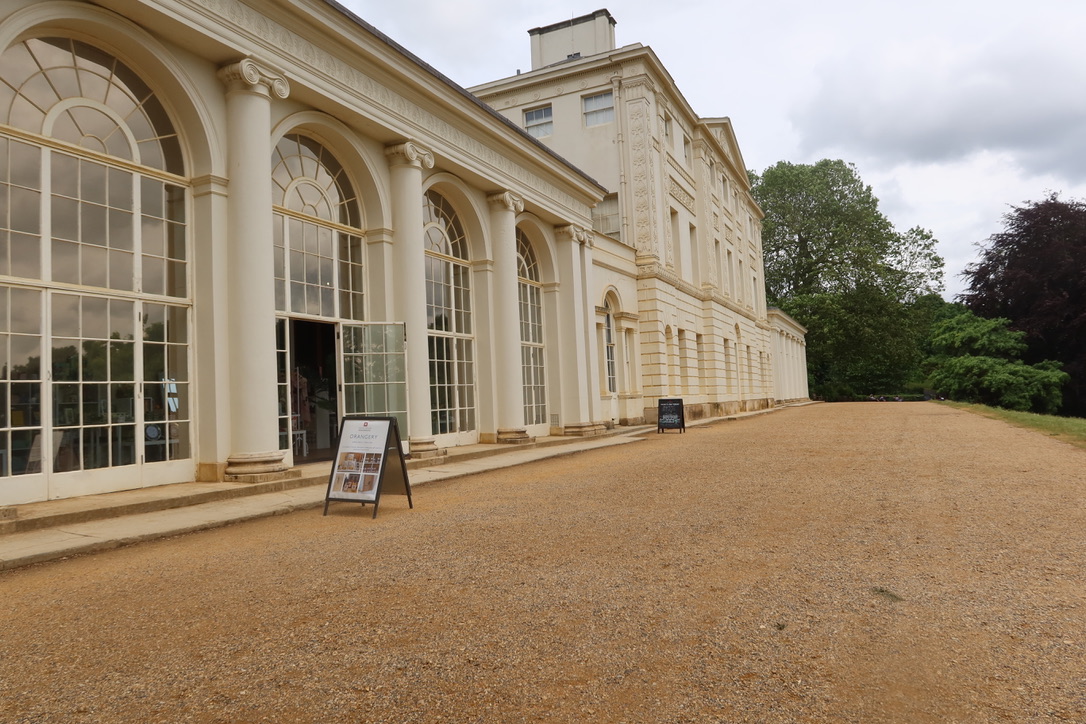
    Dido Elizabeth Belle spent nearly three decades at Kenwood House, the home of the Murray family. The best insight into Belle’s life with Lord Mansfield comes from Thomas Hutchinson who visited Kenwood House in 1779 when she was around 18 or 19. While dining with Mansfield, Hutchinson was surprised to see Belle, a woman of black ancestry, sitting with the ladies drinking coffee and later going on a walk with her arm locked with another woman.  An American guest reported, however, that Belle was not allowed to dine with the family.

    In 1784, Belle witnessed the death of Lady Mansfield and the following year the marriage of Lady Elizabeth Murray to a distant cousin, George Finch Hatton.  She remained at Kenwood House, however, for nearly another decade, finally leaving the estate upon the death of Lord Mansfield in 1793.
    Little is known about the remainder of her life.  She benefited from small inheritances left by Lord and Lady Mansfield. She did not receive an inheritance from her father, Sir John Lindsay, who died an Admiral in the British Navy in 1788.  On December 5, 1793 she married John Davinier, a French gentleman’s steward.  The couple had three children, twins Charles and John, baptized in 1795, and William Thomas, baptized in 1802.  Dido Elizabeth Belle Davinier died in 1804.  Her approximate age at the time of her death was 43.

  • EPISODE 862 GOBBLING UP THE LAND FOR A NEW WORLD….MAYBE GOOD, MAYBE NOT SO GOOD ..brain brewery once nearby

    EPISODE 862    GOBBLING UP THE LAND FOR A NEW WORLD….MAYBE GOOD, MAYBE NOT SO GOOD  ..brain brewery once nearby


    alan skeoch
    July 21, 2023


    B
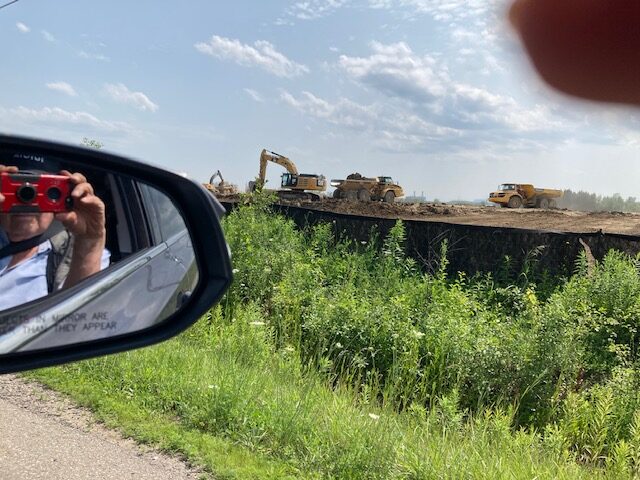
    picture taken July 20, at 8th Line and Steeles Avenue, Halton County.   That is
    my thumb in top corner and my camera in mirror.

    way we were brain brewery

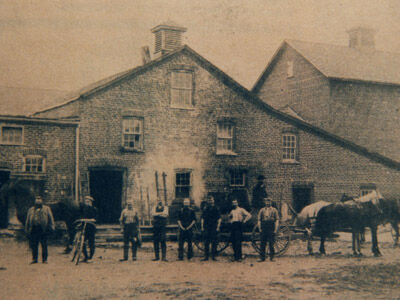
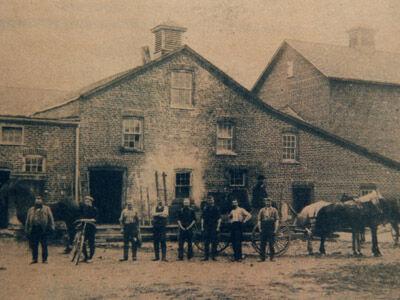
    Few would think today that the hamlet of Hornby was once the home of a thriving brewery. This image from 1890s pictures employees outside the Brain Brewery. Established in 1845 by local resident John Brain, this local business on ninth line became quite successful employing ten men its day. Image: Esquesing Historical Society Content: Heritage Halton Hills

    bloximages.chicago2.vip.townnews.com/theifp.ca/content/tncms/assets/v3/editorial/d/59/d599fc38-8651-5682-ad77-738a894ec0ad/63de34ed43a5a.image.jpg?resize=200%2C150 200w, bloximages.chicago2.vip.townnews.com/theifp.ca/content/tncms/assets/v3/editorial/d/59/d599fc38-8651-5682-ad77-738a894ec0ad/63de34ed43a5a.image.jpg?resize=225%2C169 225w, bloximages.chicago2.vip.townnews.com/theifp.ca/content/tncms/assets/v3/editorial/d/59/d599fc38-8651-5682-ad77-738a894ec0ad/63de34ed43a5a.image.jpg?resize=300%2C225 300w, bloximages.chicago2.vip.townnews.com/theifp.ca/content/tncms/assets/v3/editorial/d/59/d599fc38-8651-5682-ad77-738a894ec0ad/63de34ed43a5a.image.jpg?resize=400%2C300 400w” sizes=”100vw” alt=”way we were brain brewery” class=”blur img-responsive true-size” apple-inline=”yes” id=”C901F23F-3F64-4CBF-8DE5-A118F2B478A1″ src=”https://alanskeoch.ca/wp-content/uploads/2023/07/63de34ed43a5a.image_-1.jpg”>

    Few would think today that the hamlet of Hornby was once the home of a thriving brewery. This image from the 1890s shows employees outside the Brain Brewery. Established in 1845 by local resident John Brain, this local business on Ninth Line became quite successful employing 10 men in its day.
    picture courtesy Esquesing Historical Society


    In 1845 the Brain Brewery was built near here and farmers were contracted to grow hops
    on long poles. Now now the land is being levelled for the Trafalgar road expansion.  The last 
    hop barn was recently demolished not far away the fifth line of Halton County.

    The Brain Brewery is not even a memory now.   

    Change is the only sure thing in life.   Sometimes good, sometimes not so good.

    Does anyone know anything about the Brain Brewery?  I doubt it.


    Brain Brewery near Hornby

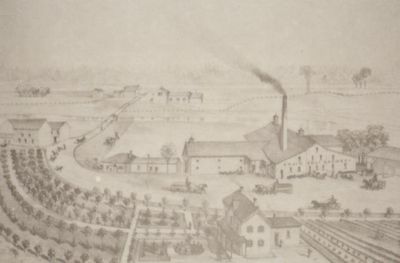
    A pen and ink sketch of the Brain Brewery on the 9th Line, Esquesing Township near Hornby. Taken from the 1877 Halton County Atlas. It was established in 1845 and remains can be seen on Lot 2, Concession 9.


  • EPISODE 860 SUMMERTIME…AND THE LIVIN’ IS EASY (LYRICS BY GEORGE GERSHWIN)


    EPISODE 860       SUMMERTIME…AND THE LIVIN’ IS EASY  (LYRICS BY GEORGE GERSHWIN)

    alan skeoch
    July 20. 2023

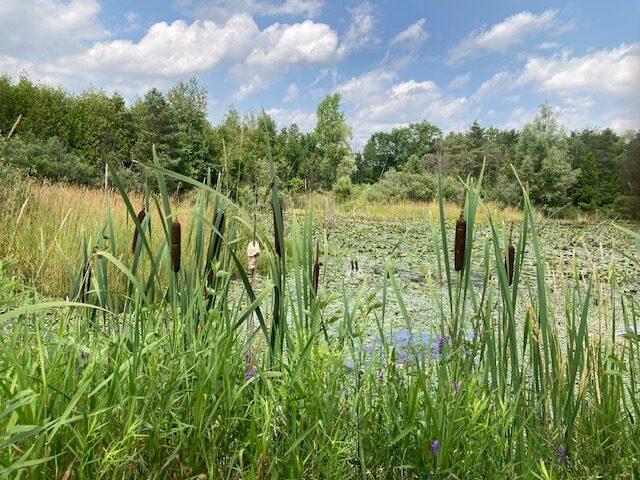
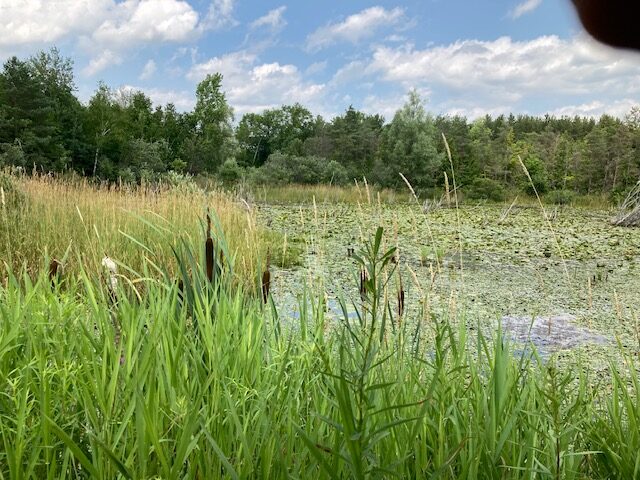
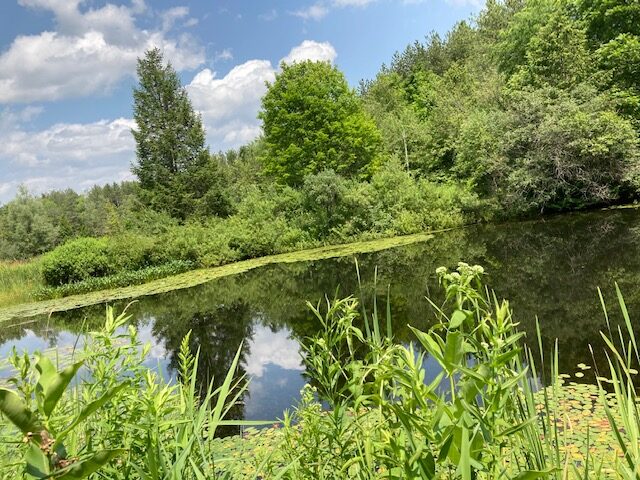
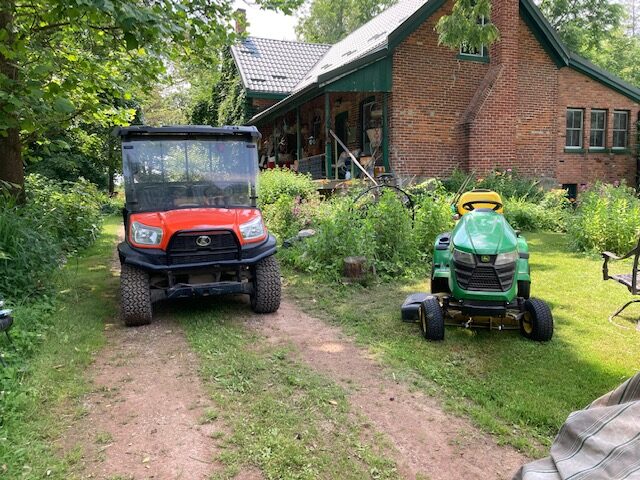
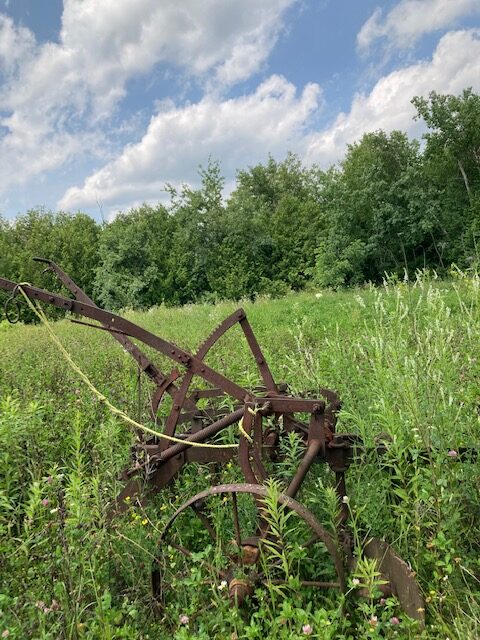
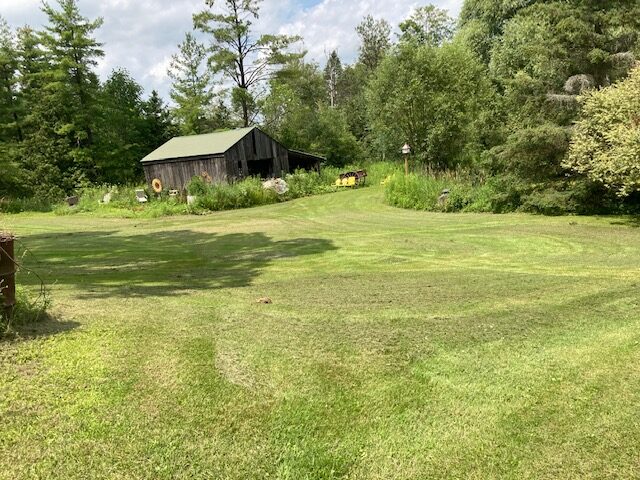
    TODAY, Woody and I took a drive around our farm.  Hardly a farm any more for we encourage the wilderness
    to return. Today was a day to sing because George Gershwin was right  “the living’ is easy”.
    A few thoughts in words below….certainly not Gershwin but you’re “going to rise up singing” as I have on
    this summer day (July 21, 2063)

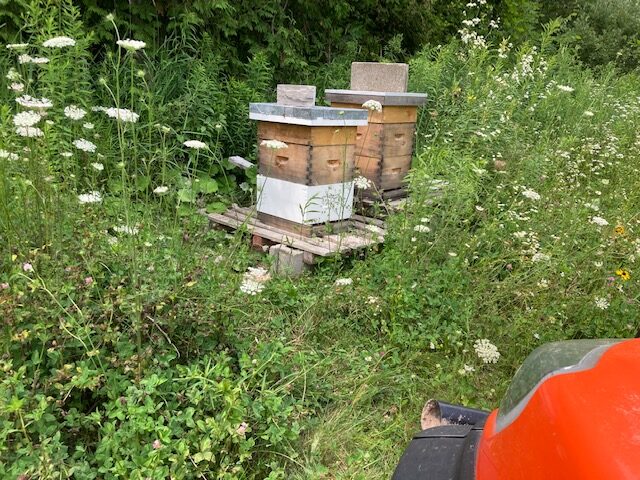
    “The bees got to humming
    And blue is the sky
    Marjorie is mowing
    I won’t even try

    The clover field
    will be sweet in the winter
    when these fields of green
    will be hard to recall”

    alan

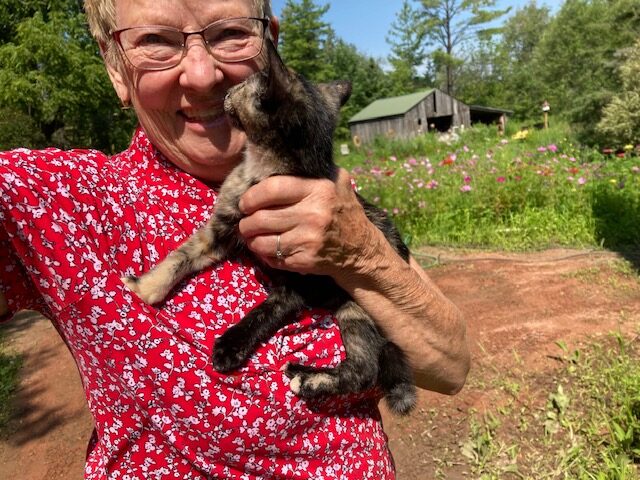
    What is Marjorie holding?   Seems alive…wild…frisky…take a guess.


    Summertime
    And the livin’ is easy
    Fish are jumpin’
    And the cotton is high
    Oh, your daddy’s rich
    And your ma is good-lookin’
    So hush, little baby
    Don’t you cry

    [Verse 2]
    One of these mornings
    You’re going to rise up singing
    Then you’ll spread your wings
    And you’ll take the sky
    But ’til that morning
    There’s a’nothing can harm you
    With daddy and mammy standing by

    Note: The song was written for the play Porgy and Bess but, to all of us…you, me and the bedpost…Summertime is here today
    so I expect you to sing.  

    alan
  • Fwd: EPISODE 859 EMILY BLOWER…FEMALE STONEHOOKER (SPEECH AT BRONTE HISTORICAL SOCIETY JULY 18, 2023


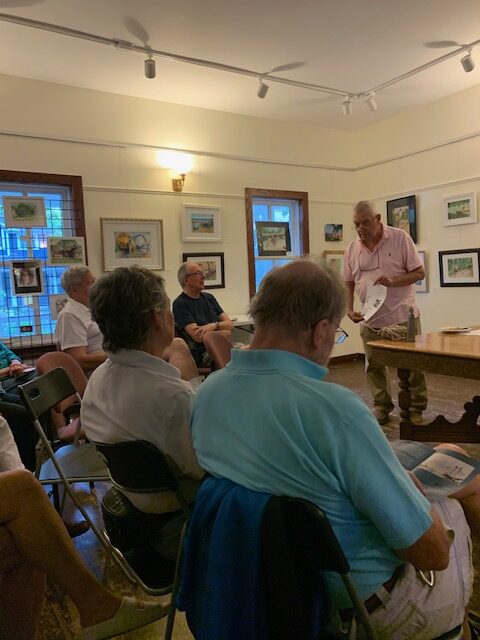
     EPISODE 859     EMILY BLOWER…FEMALE STONEHOOKER (SPEECH AT BRONTE HISTORICAL SOCIETY JULY 18, 2023


    july 18, 2023
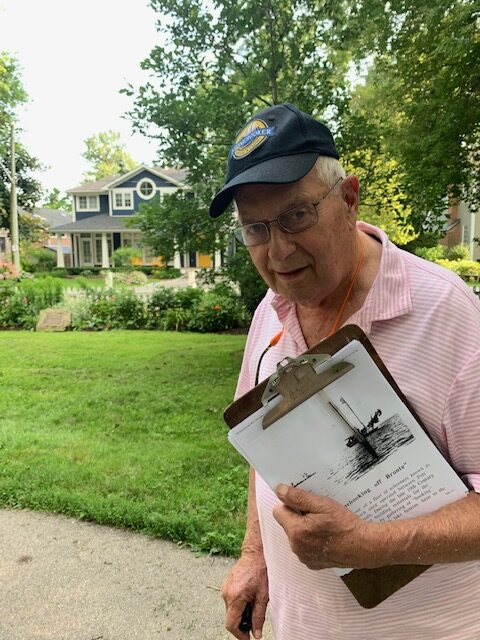
    Photo credits to Marjorie Skeoch

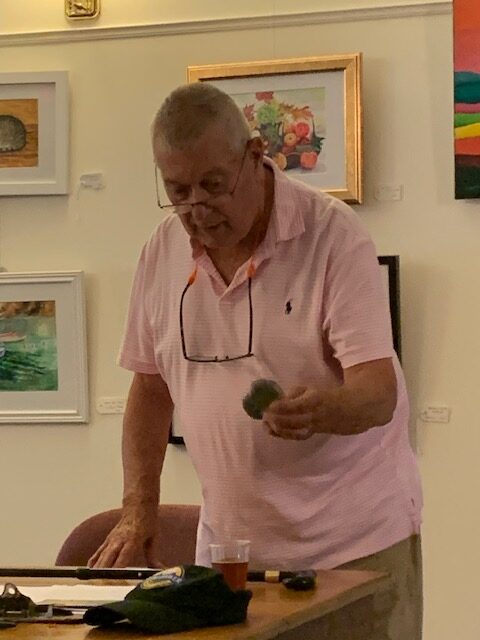
    “This little piece of fossilized shale is 450 million years old give or
    take 30 million years,  Ordovician shale from the bottom
    of the ocean seas that once covered great swaths of North America.
    Once upon a time it was mud.  Pressure and time have created 
    shale.    That shale is the subject of our discussion tonight”


    EMILY BLOWER

    In 1867 Tom Blower suddenly died leaving his wife Emily with eight children, all under 16 years of age.
    There was no safety net for Emily.   No insurance policy.  No government aid as we have today.
    Emily was on her own and we can only imagine her fear for the family future she faced.  

    There was one chance of family  survival.  Tom Blower was a stonehooker and owned the 
    schooner Catherine Hays.   I am not sure where Emily was living in Port Credit when Ton
    died but records reveal that Emily moved all eight children into the Cateirne Hays and
    first loaded split cordwood which she sold in the ‘Toronto market where the sttonehookers 
    docked at the foot of Bathurst Street. 

    The payment were not enough to feed and clothe her family so she decided to  become
    a stonehooker.  This was not an easy decision because stonehooking was physically
    demanding and dangerous.   Just sailing a schooner full of shale from the shale beds
    beween Bronte and Port Credit was tricky.  Some schooners like the Pinta were swamped
    in a sudden storm and crews  drowned.   (Bodies of the Quinn brothers were never 
    found.  The body of the third man   was found frozen solid under the thwarts of the Pinta’s scow.
    (that happened in 1882 by rhen the Blower boys were adult stonehookers well aware of the dangers..)

    Emily was an unusual woman.  Likely the only woman to become a stonehooker.
    The only reason we know about her decision to Stonehookers is because
    stonehooking captain Al Hare  of Port Credit made a comment about Emily that
    has been passed from person to person and thereby entered the historical record.

    (Note: One of our guests lives next door to a Blower descendent.  Perhaps a larger 
    story of Emily could be researched by maryanne Mason nd  Bronte Historical Society.}

    Let me attempt to paraphrase Al Hare: “I remember seeing Emily Blower stonehooking in waist deep
    water with her black skirt billowing with trapped air around her body while she
    directed her eight children to do what they could do to help.”  (These are words I have
    chosen but I believe are accurate…Alan Skeoch

    Why was Emily wading in waist deep water?   There were three ways of getting 
    slabs of shale.   First and the easiest was by quarrying slabs from the beaches
    along the North shores of Lake Ontario.  That was a tough job in itself made 
    tougher by angry shoreline farmers who blamed stonehookers for erosion of
    their farm land.  Eventually a law was passed that no stonehooker could 
    quarry or remove stone within 50 feet of the shore.   So Emily and her children
    had to operate in waist deep water to loosen and lift shale slabs.

    Emily may have even been forced to gather shale by the third method which was
    called “blind stavlling” in water six to eight feet deep.  Often the water was cloudy and the bottom could
    not be seen so a long stonehooking rake was used whose tines could hook
    and lift pieces of shale.   This seems to have been difficult so stonehookers
    preferred the easier two methods.

    Lifting shale was tough work.
    1) from where shale rested to the little scow
    2) from the scow to the schooner deck or hold
    3) from the schooner to the bathurst Street wharf
    4) from the wharf to the horse drawn wagons

    Then the empty stonehookers were often filled with horse manure for the return trip


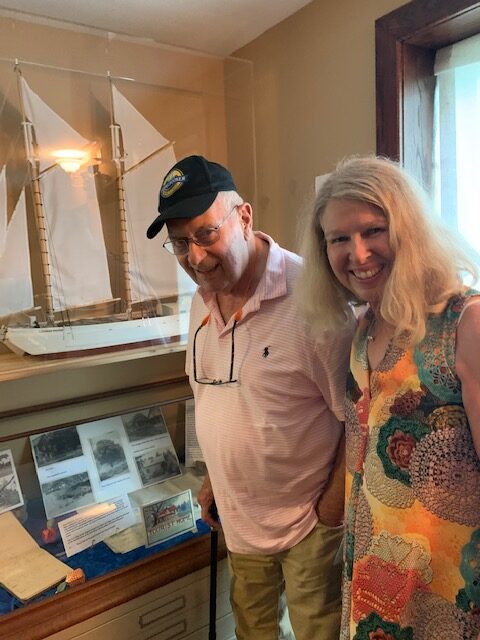
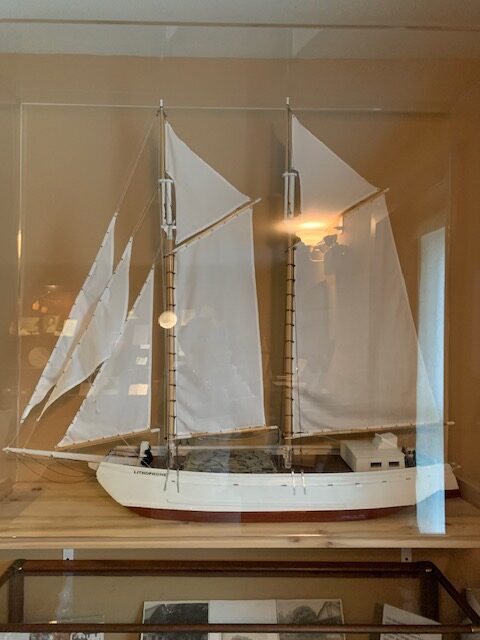
    Model of the Lithophone


    STONEHOOKING — A HARD LIFE … BUT A GOOD INCOME

    Emily could support her family by hooking shale.  As near as I can deternine
    the stonehookng trade was profitable.  If Emily could load just two cord-like ’tices’
    of shale on the deck of the Catherine Hays and then sail to the Bathust
    street Toronto wharf, she could sell the  3;x6’x12’ piles of shale for $5 each.
    Prices varied from  low of $3 to a high of over $10 to Toronto builders for house
    foundations)

    Suppose Emily got $10 for two piles of shale.  That does not sound like much
    money today.. i.e. the price of two cups of coffee.  But it was good money in
    Emily’s time.  In the year 1900, a $5 load of shale would be worth $183 today. (i.e. 2023)
    Two loads sold for twice that.   Stonehooking was a good business in spite 
    of the dishevelled look of the stonehooking schooners with their ragged 
    patched sails and splintered unpainted decks.  That income is Hard for me to believe. Maybe I am wrong.

    Emily’a boys became stonehookers and are the subject of one of
    W. Sniders’ stories in his newspaper features called Schooner Days
    published in the Toronto Telegram starting in 1931 when the stonehooking
    days were over.  At least one stonehooker was filled with straw and
    soaked in kerosene before it was set alight as entertainment for Torontonians
    at Sunnyside beach.


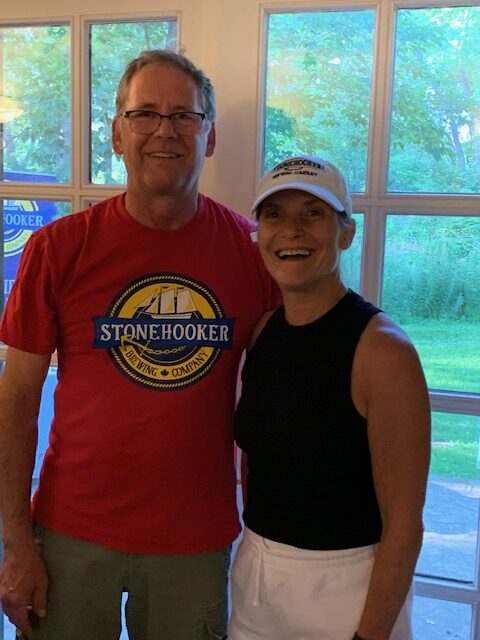
    Ross Noel and his wife are owners of the new Stonehooker Brewery and graciously provided samples of their production
    for our audience.  Pleasure. I managed to down two samples. Marjorie downed 1.5 samples.


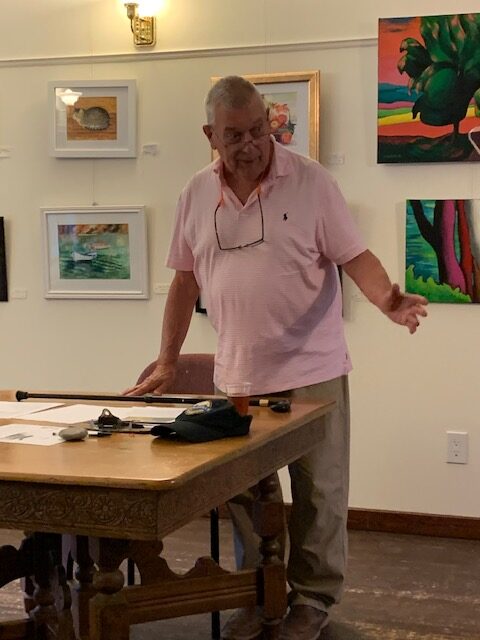
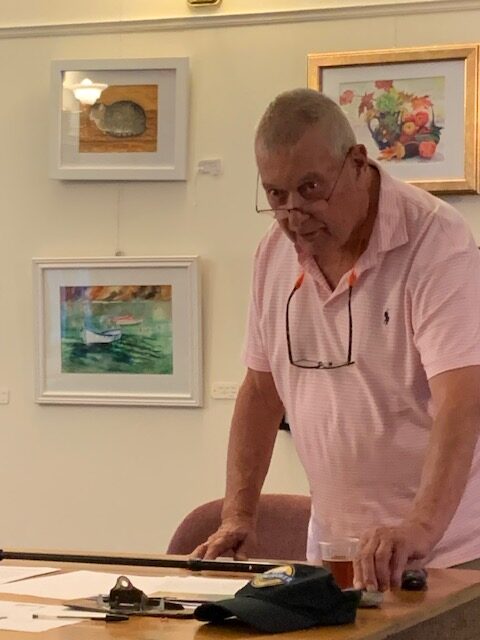
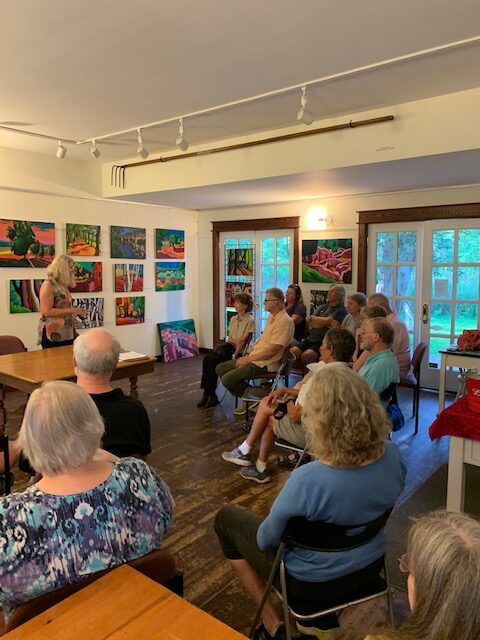
    Maryanne  Mason   hosted the evening and proudly displayed two Bronte artifacts…a stonehooking rake made by blacksmith Sam Adams and 
    a model of the Lithopone, a stonehooker made famous when Walter Naish failed to attach the anchor chain to the stonehooker and
    the ship floated away with the winter ice.


    Stonehookers took so much shale from the Lake Ontario shoreline that farmers fields and forests and one graveyard  were eroded,
    Sovereign House in Bronte is very close to the shoreline as were some farm buildings in the 19th century.  So eroded by stonehookers was Port
    Credit that loads of soil had to be dumped and then shielded with cement slabs to create Saddnigton Park.  Stonehookers were not popular.


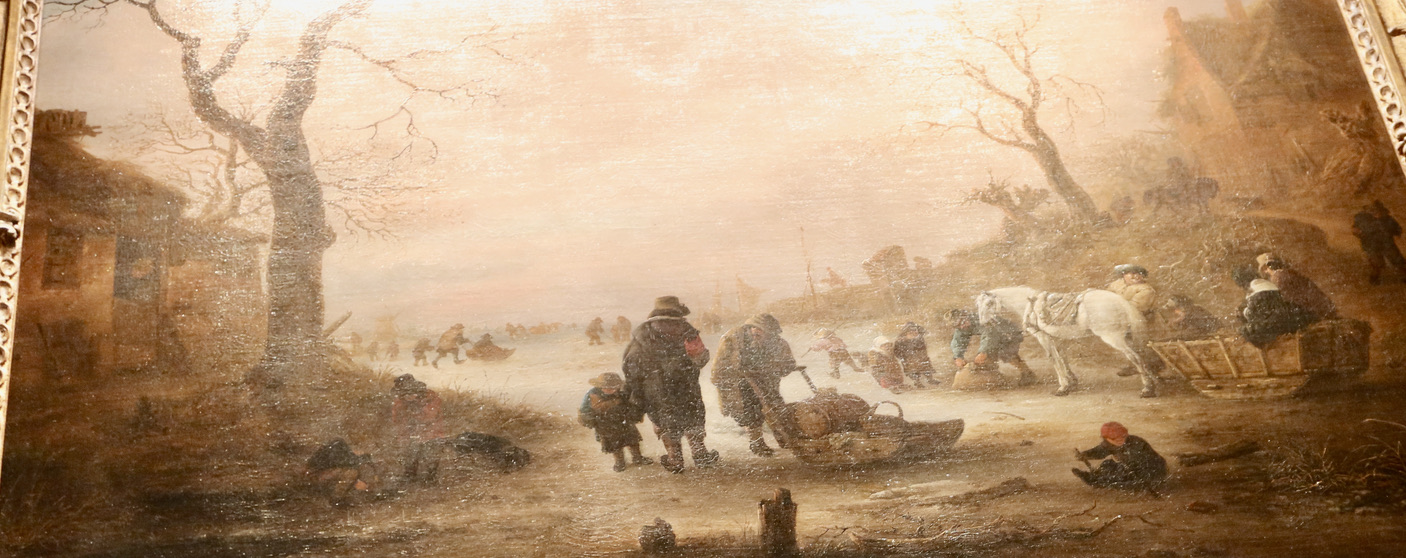
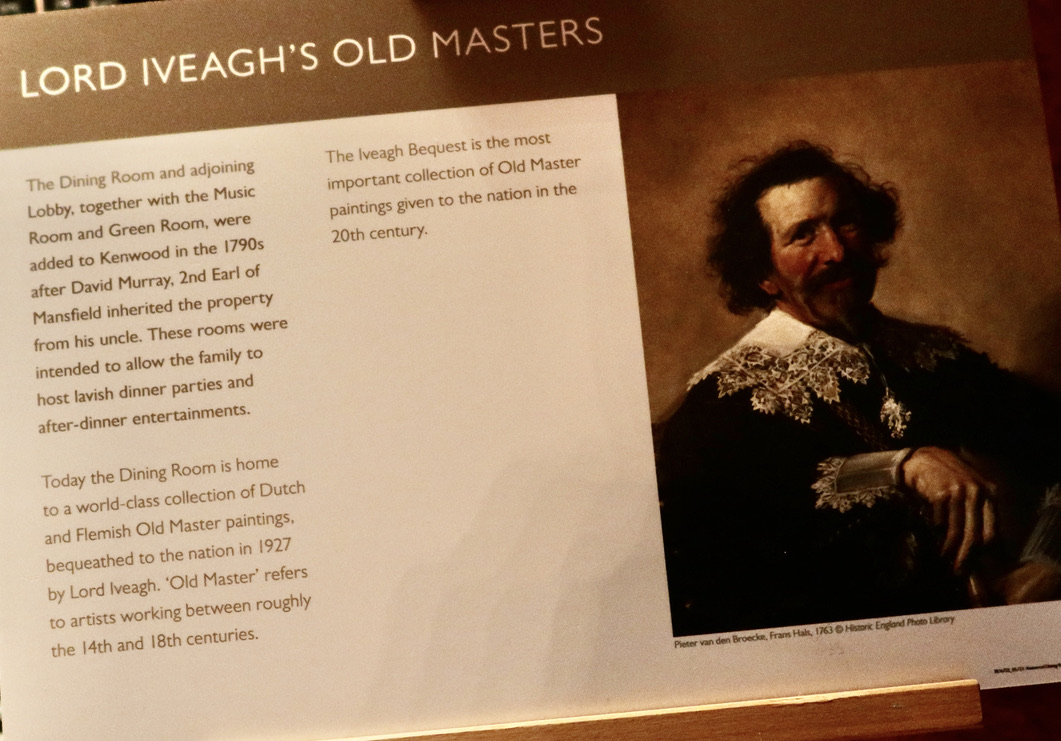
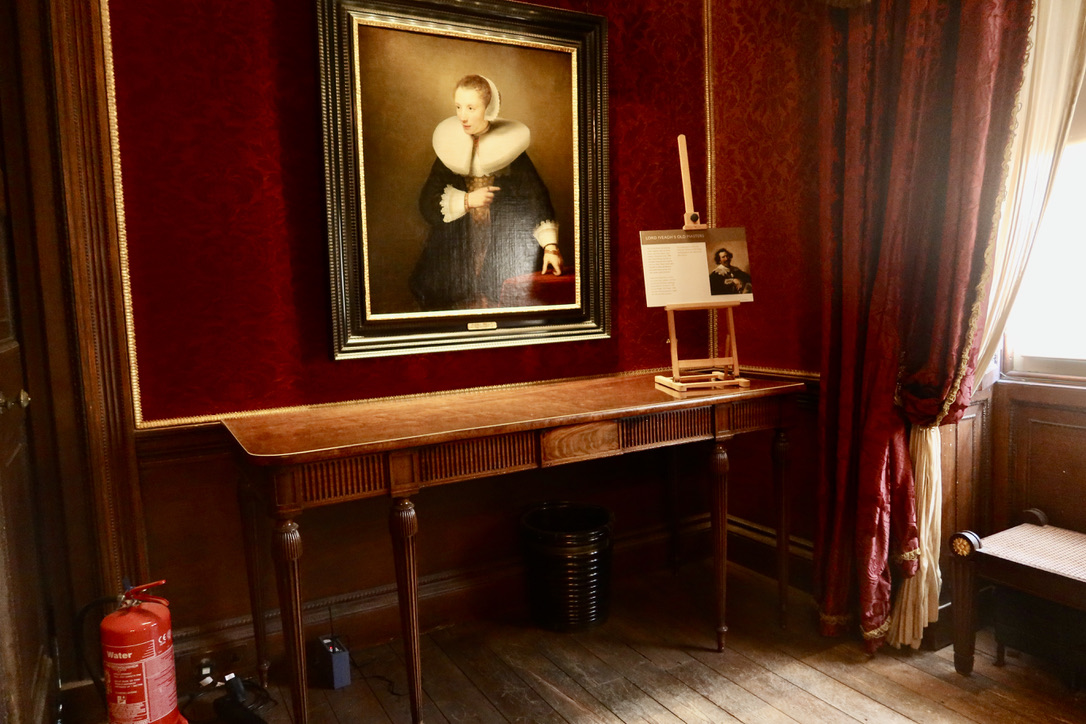
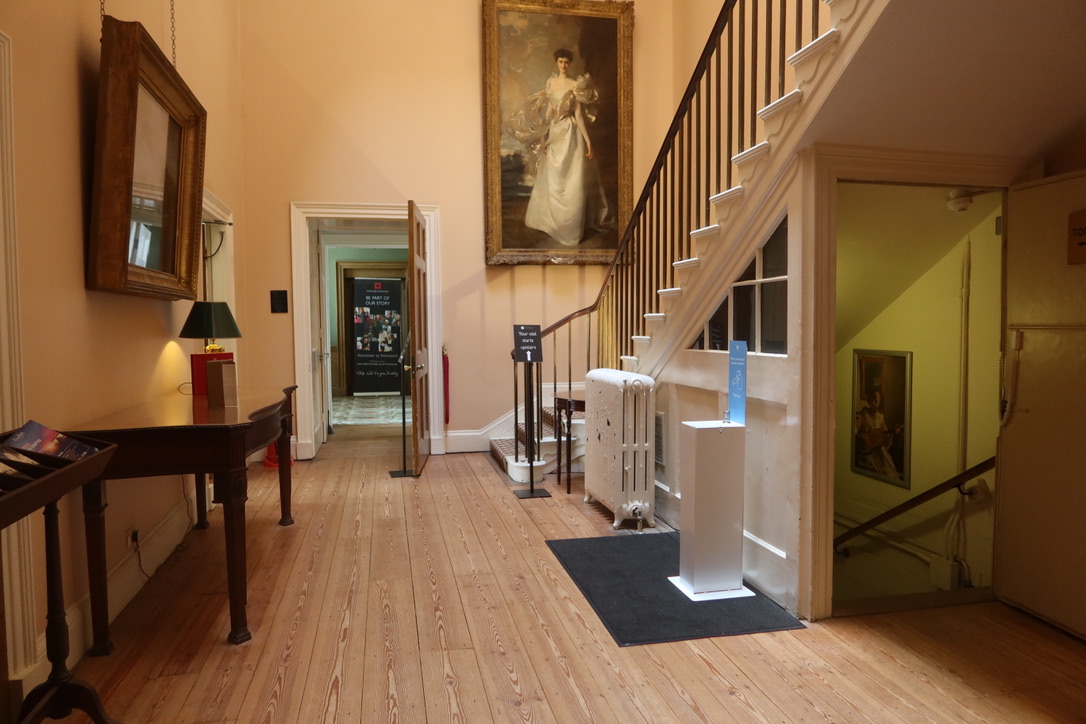
  • EPISODE 855 KENWOOD ART COLLECTION OF OLD MASTERS…INCLUDING IMAGE OF DIDO ELIZABETH BELLE


    EPISODE 855   KENWOOD ART COLLECTION OF OLD MASTERS…INCLUDING IMAGE OF DIDO ELIZABETH BELLE

    Alan skeoch
    June 2023

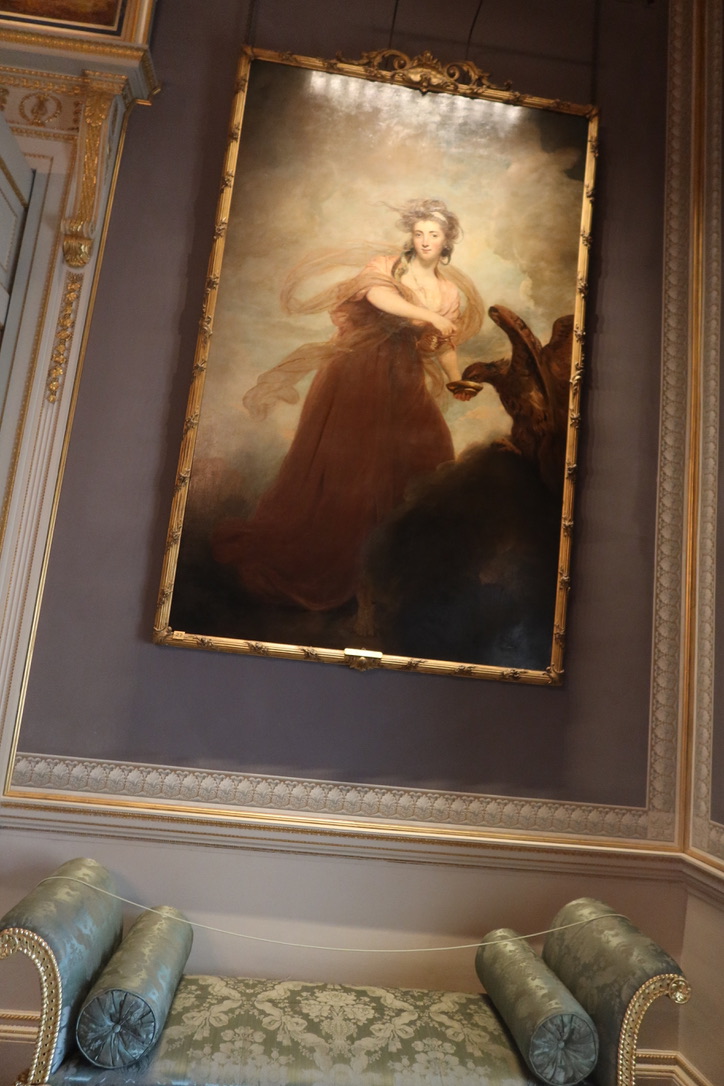
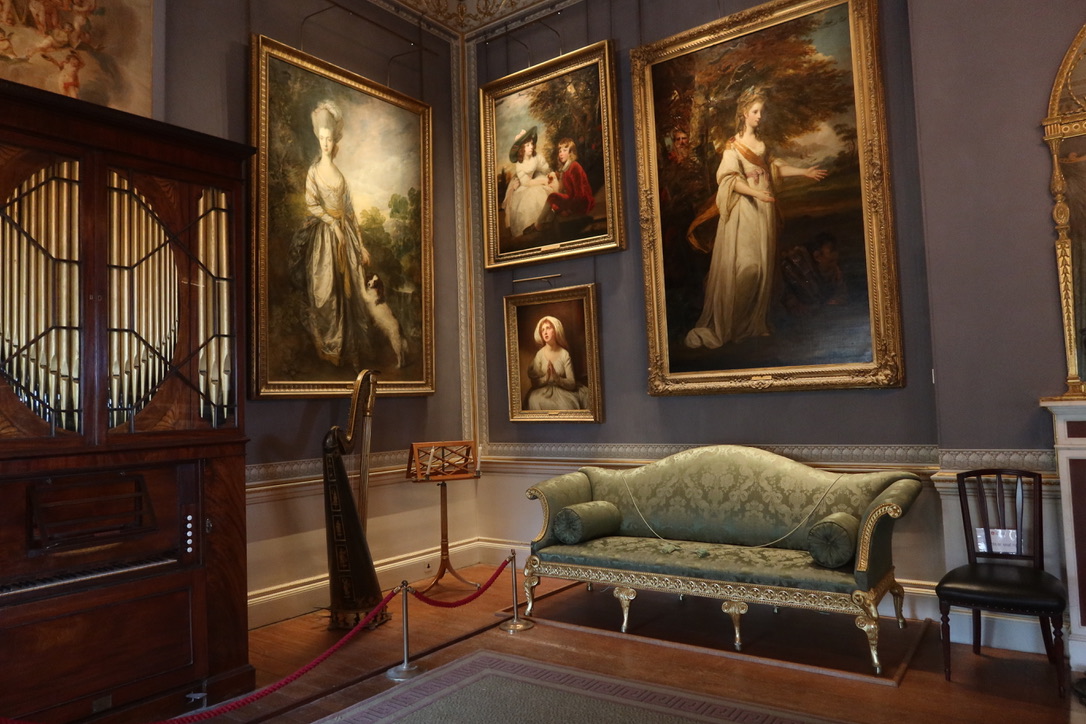
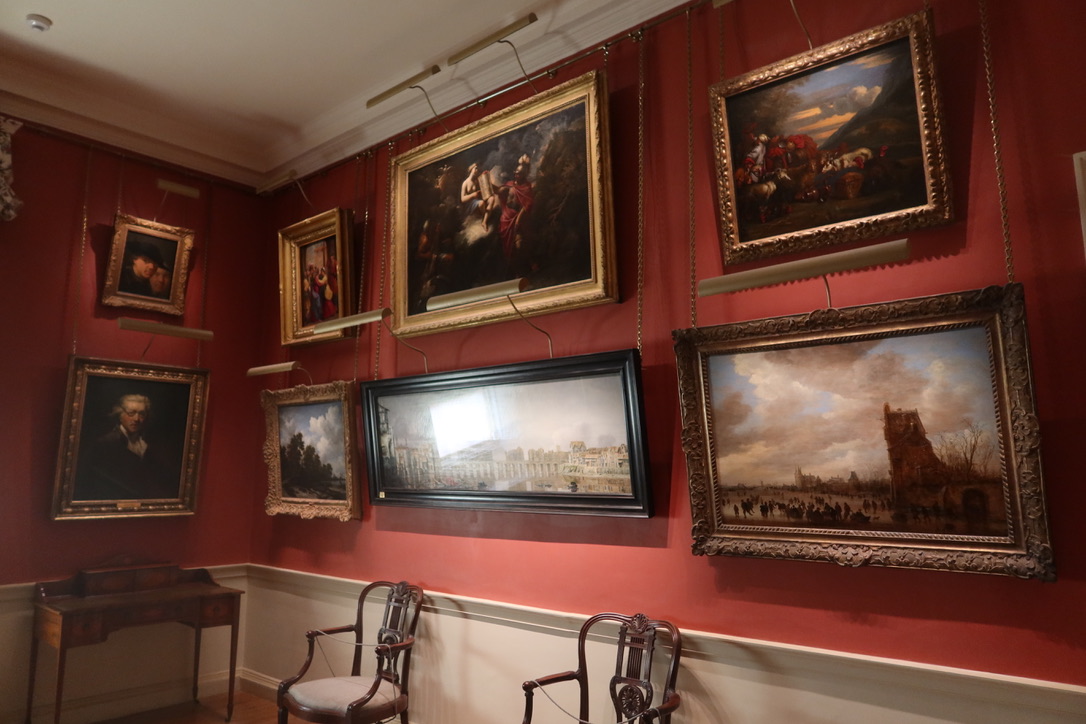
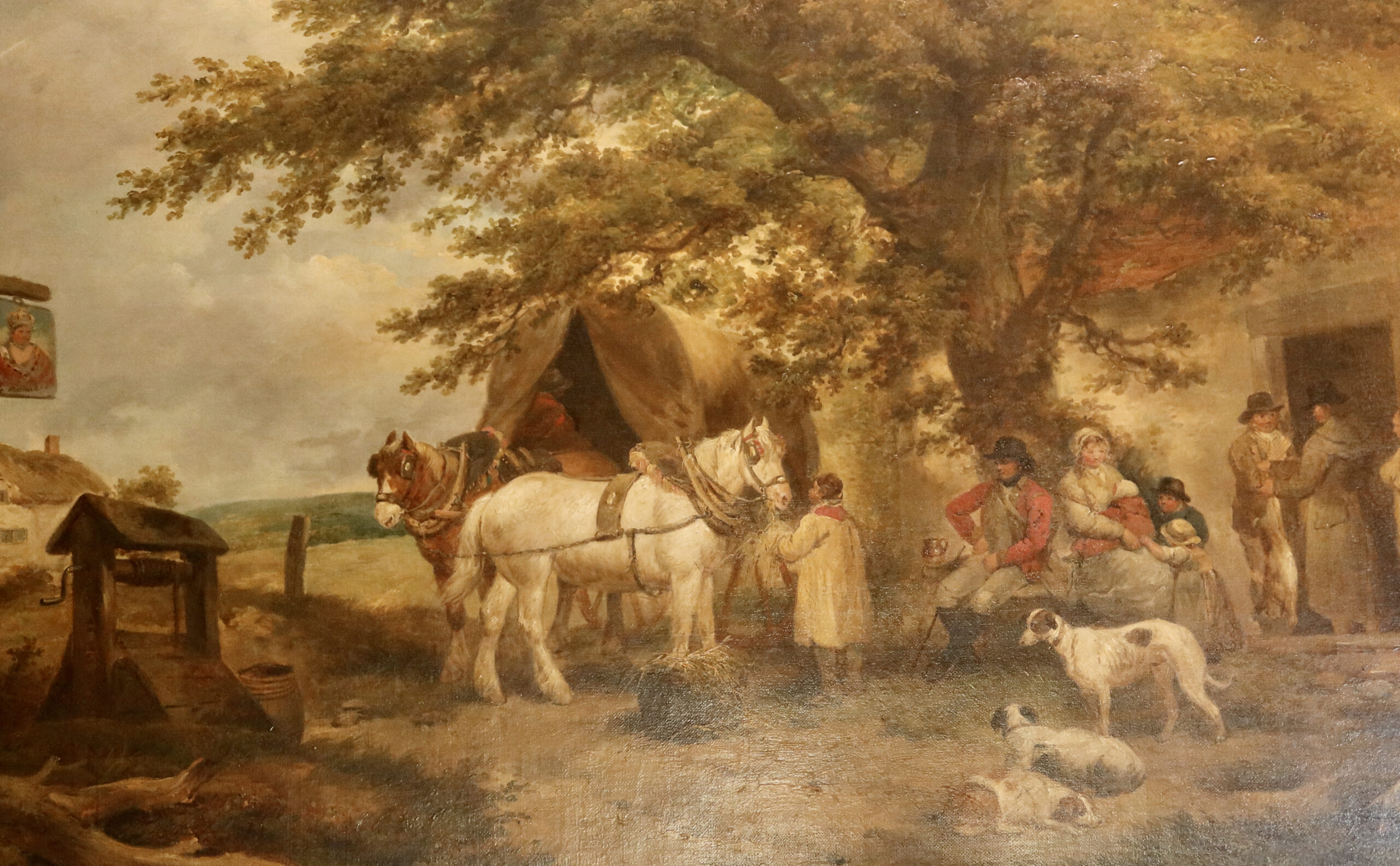
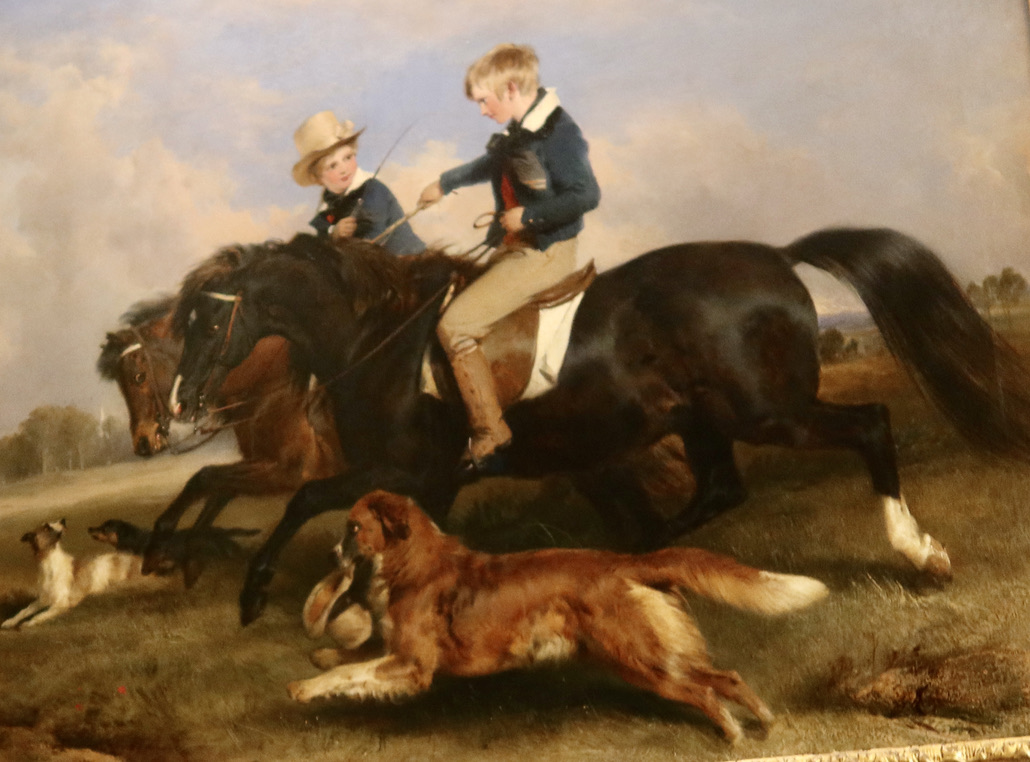
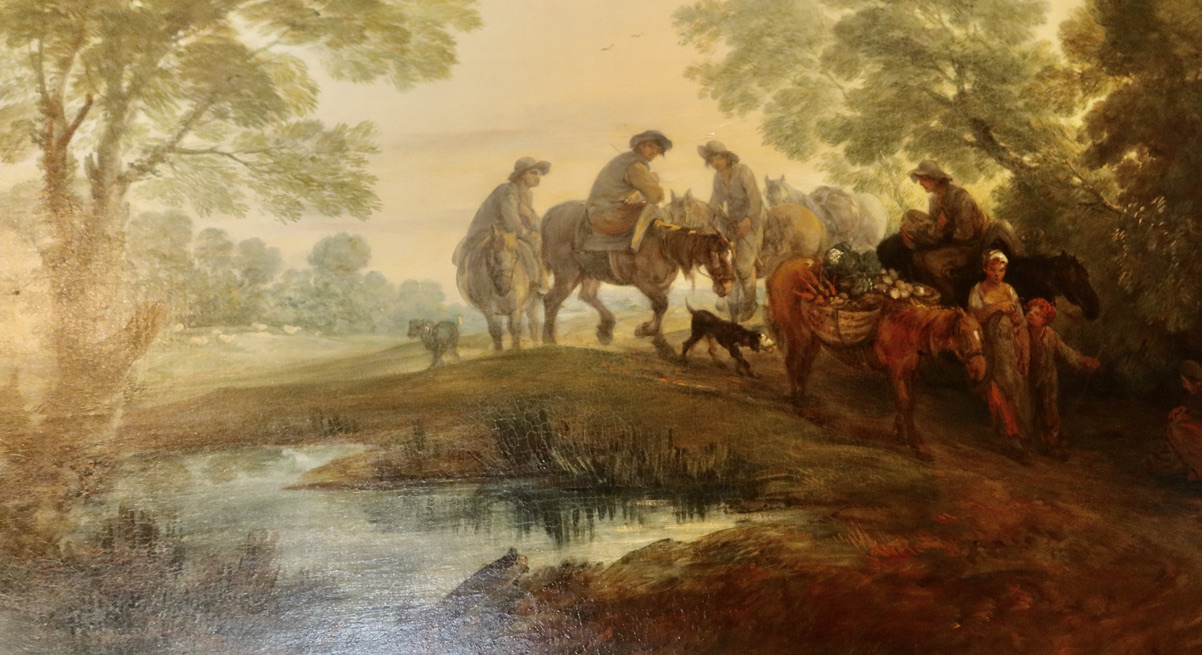
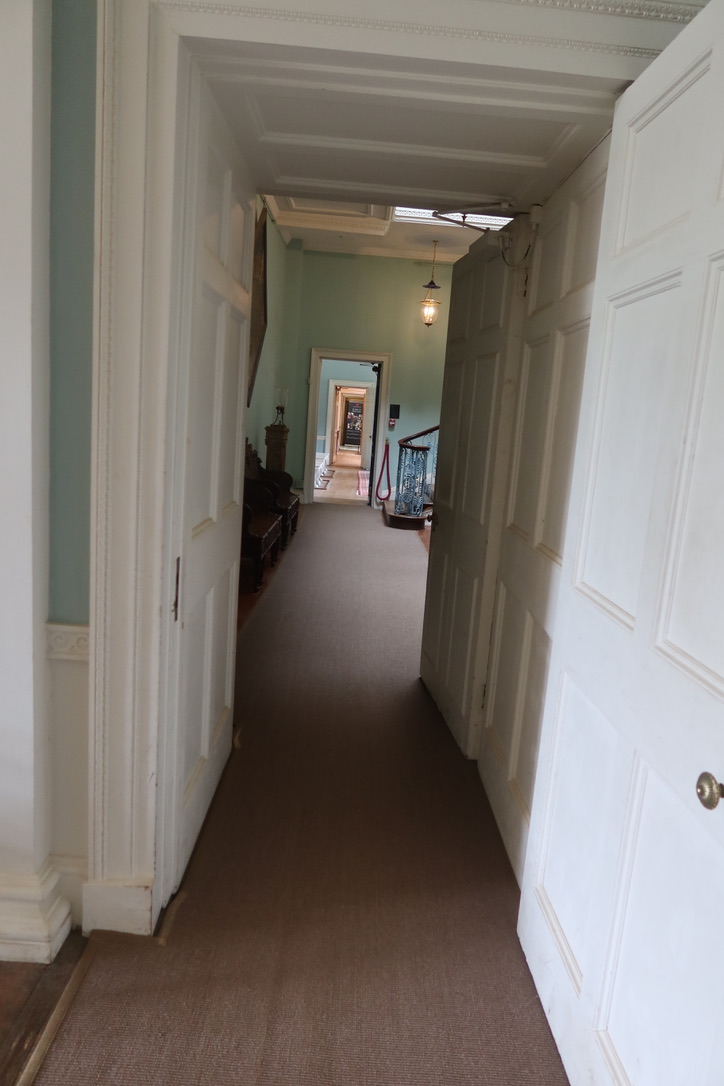
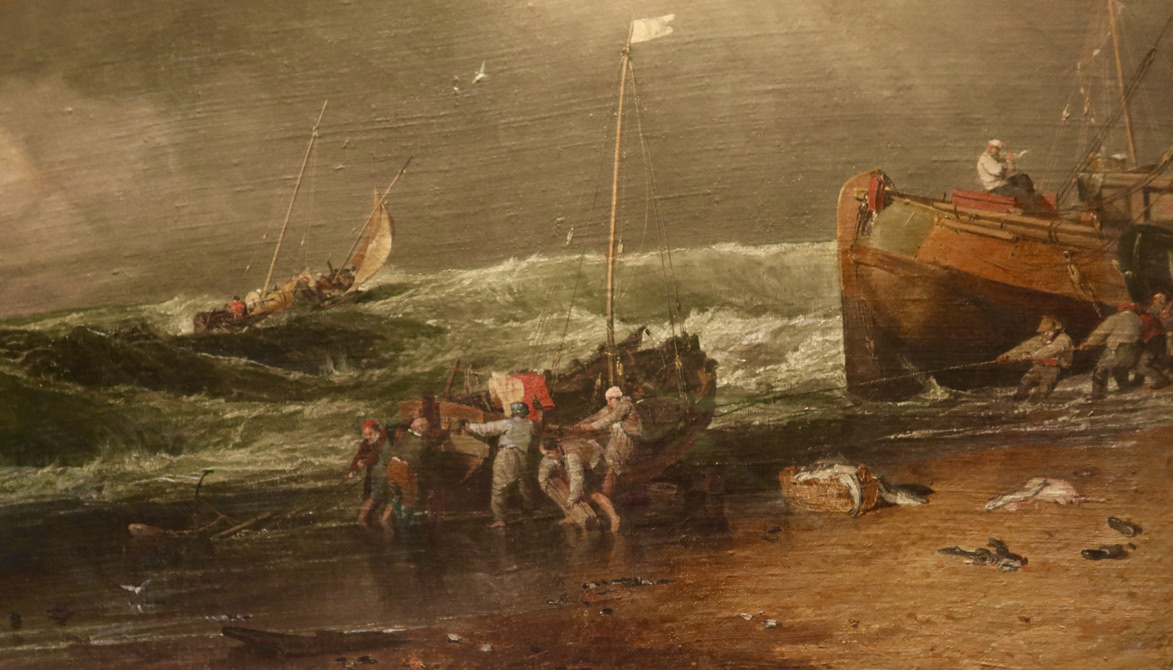
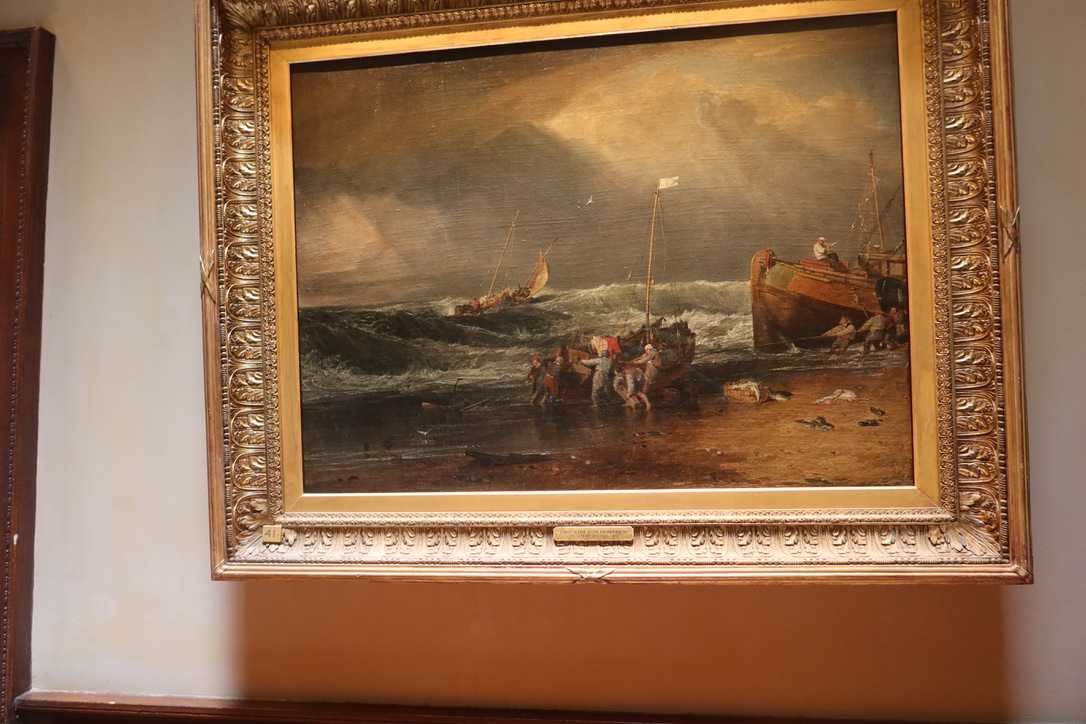
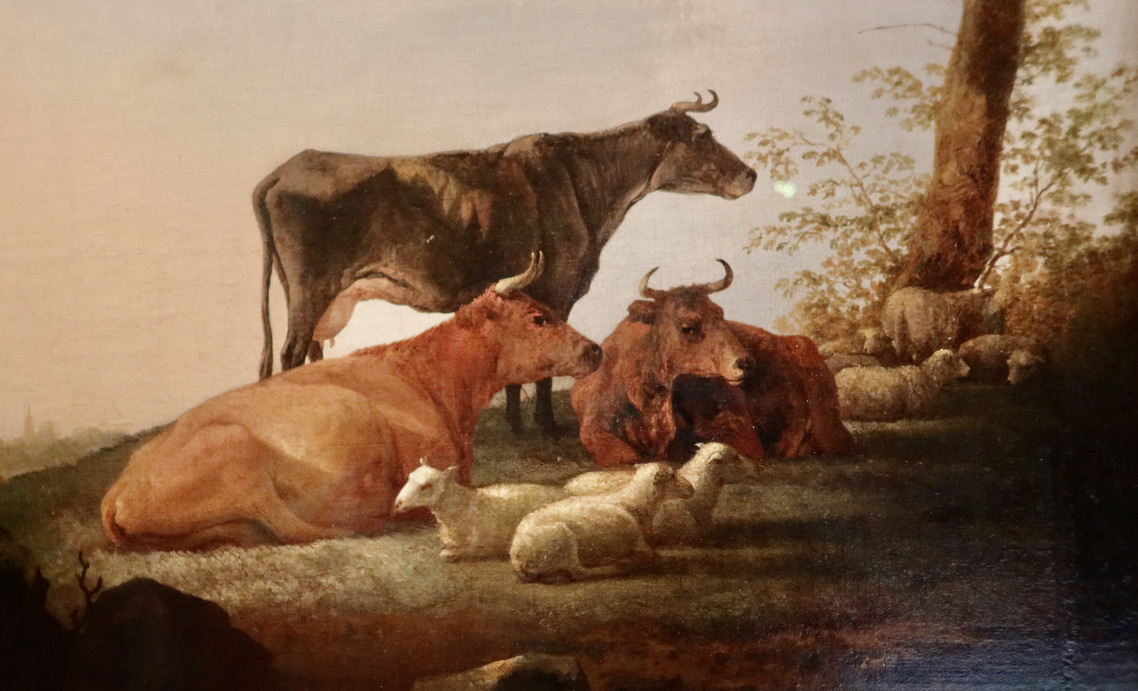
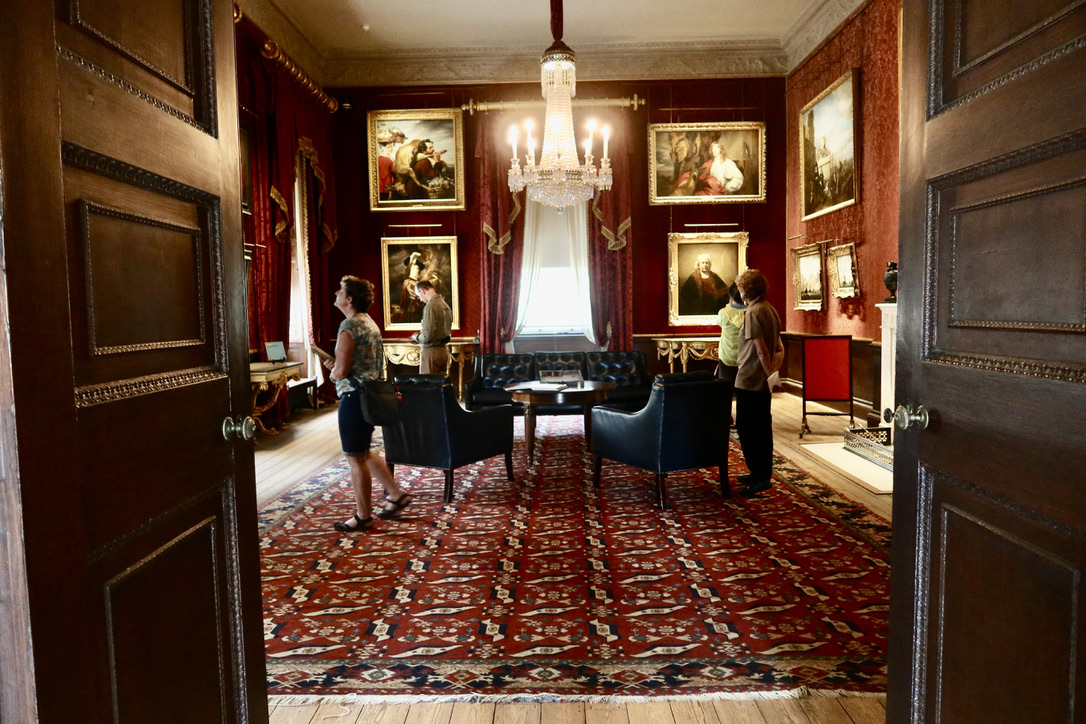
    The art collection at Kenwood is wonderful.  Every visit to England is not complete without a visit to the Kenwood Gallery
    I am sure you agree.   Just who is Dido Elizabeth Belle?   Now she deserves an extra Episode….coming next.


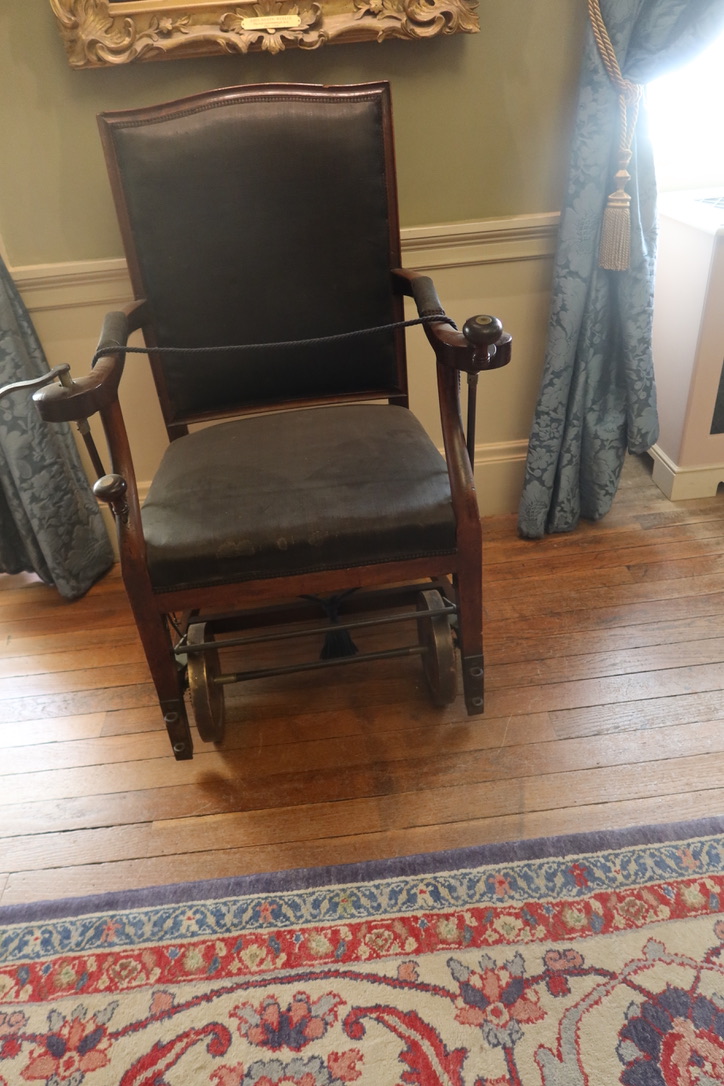
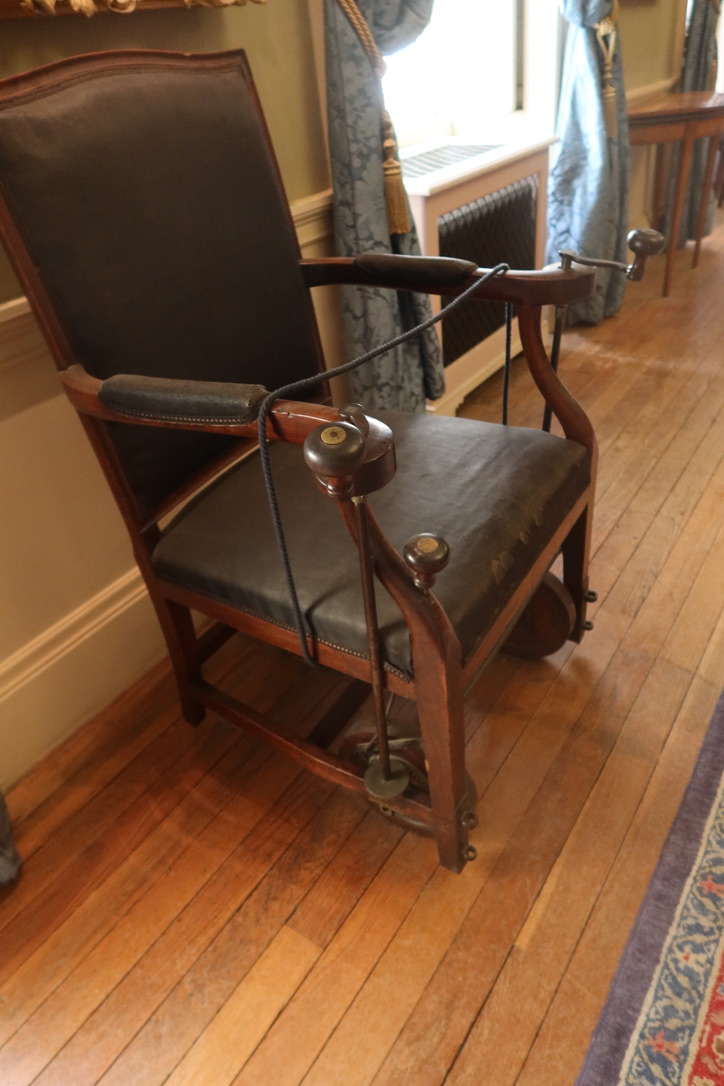
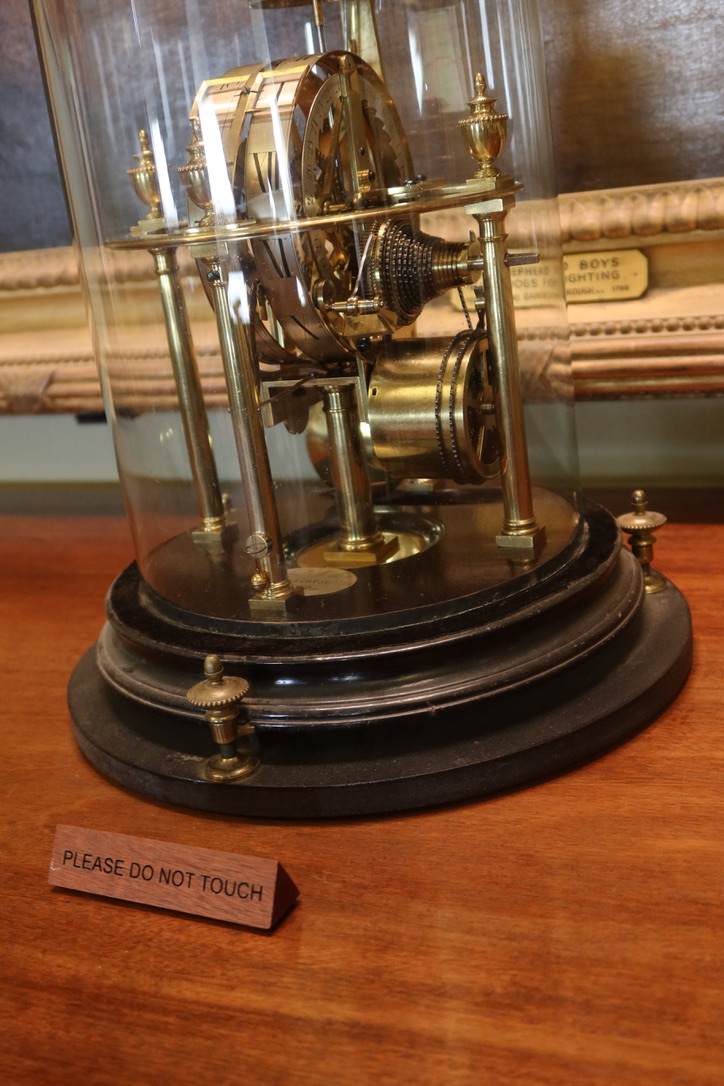
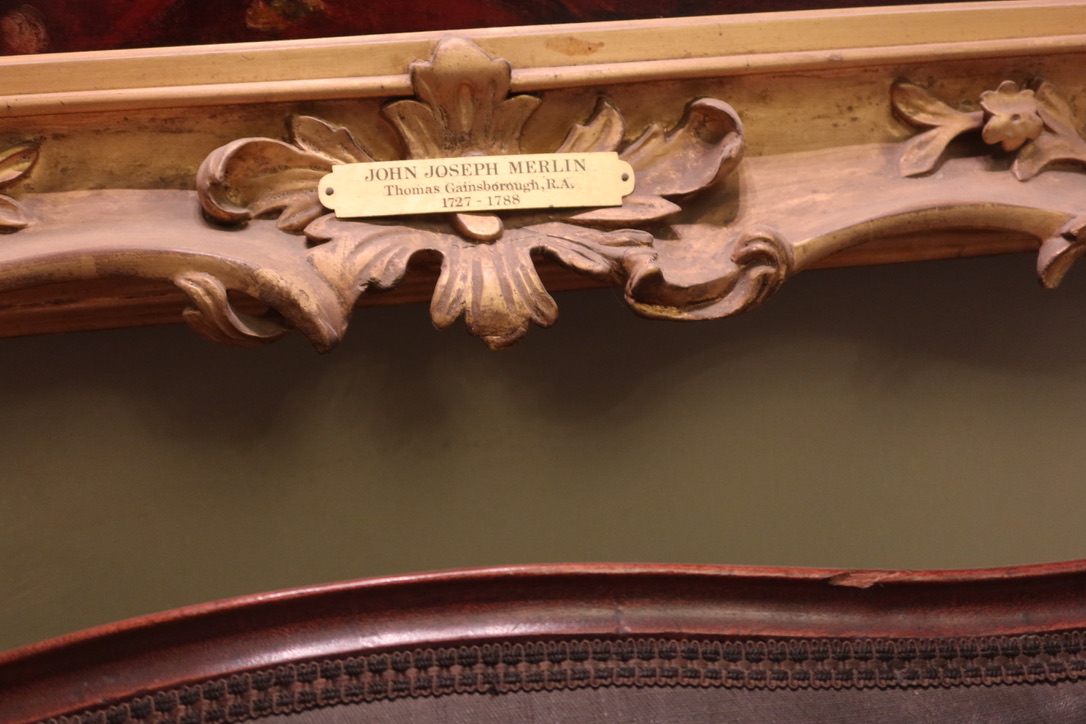
    What is an arm chair on wheels doing in the Elmwod collection of fine art?  It is an anomaly from the inventor.  A GOUT CHAIR!   Invented by
    John Joseph Merlin in the 18th century.


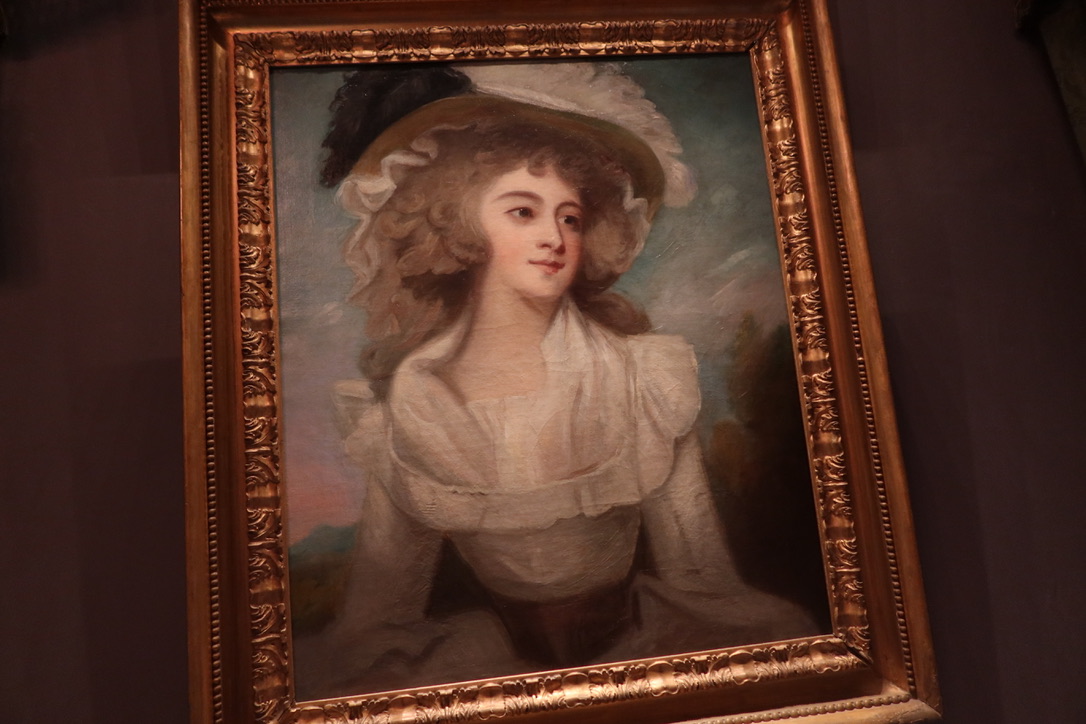
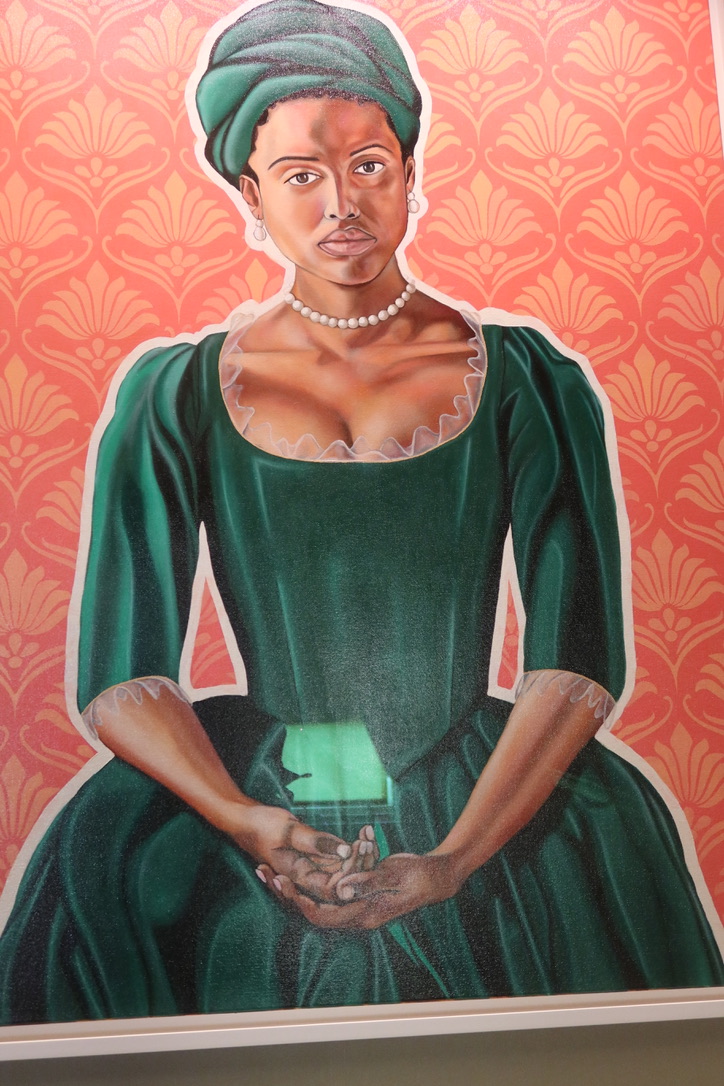
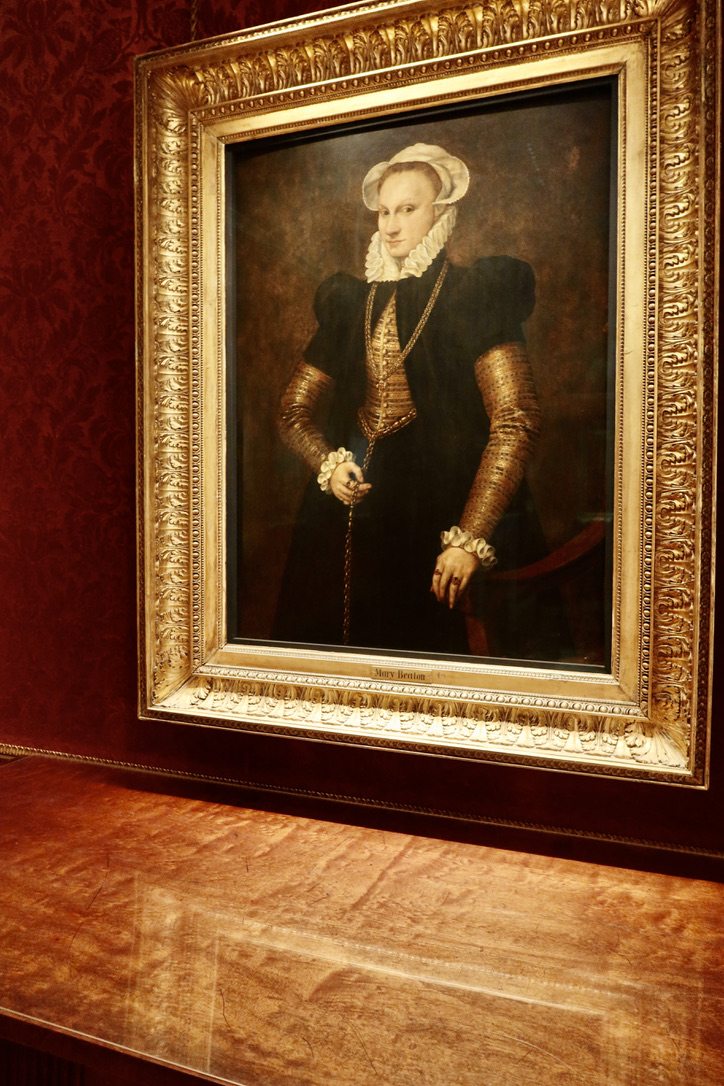
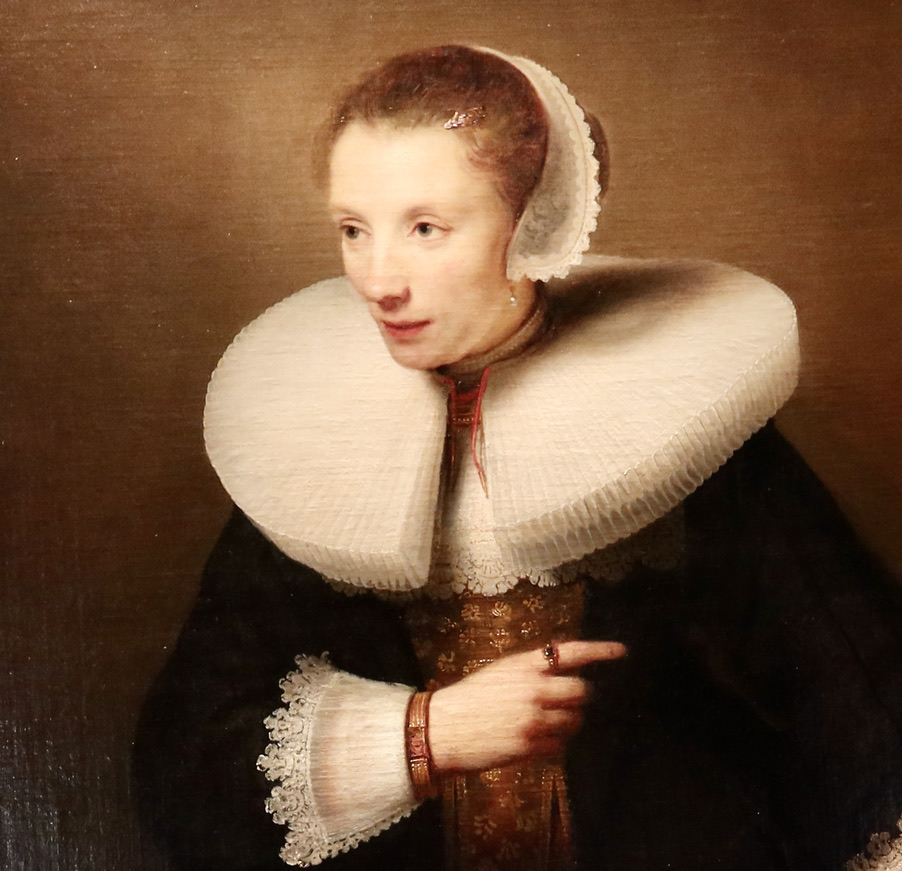
    AND JUST WHY IS A PAINTING OF THIS LADY  HANGING IN THE GALLERY.  AN D WHY IS THE  FAMOUS PAINTING OF DIDO BELLE HANGING IN
    A GRAND HOME IN SCOTLAND.   SHE LIVED HERE IN KENWOOD FOR MOST OF HER LIFE. AND WHO IS SHE ANYWAY?


    ARTIST IMPRESSION OF DIDO ELIZABETH BELLE