Author: terraviva

  • EPISODE 868 THE TRAINING OF PRIVATE JACKSON SKEOCH, PRINCESS PATRICIA CANADIAN LIGHT INFANTRY, AUGUST 2023

    Note: I have converted our notes into dialogue….easier to paint a picture of Jack’s experience.   

     Jack, send note to correct errors if 
    you have time.   I know you are heading to the mountains with your unit and likely willl be very busy.


    EPISODE 868    THE TRAINING OF  PRIVATE JACKSON SKEOCH, PRINCESS PATRICIA CANADIAN LIGHT INFANTRY,  AUGUST 2023

    alan skeoch
    august 17m 2023
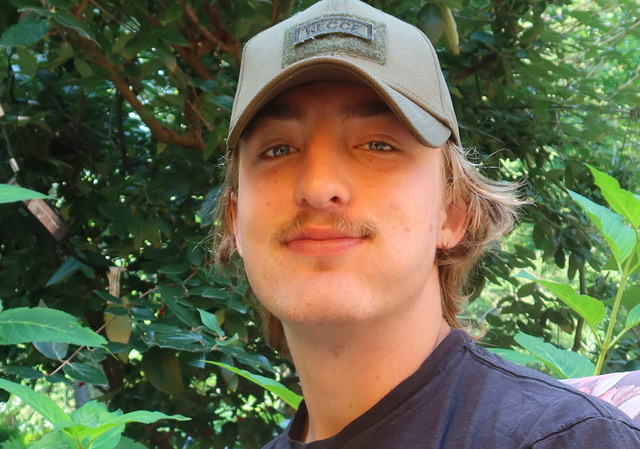


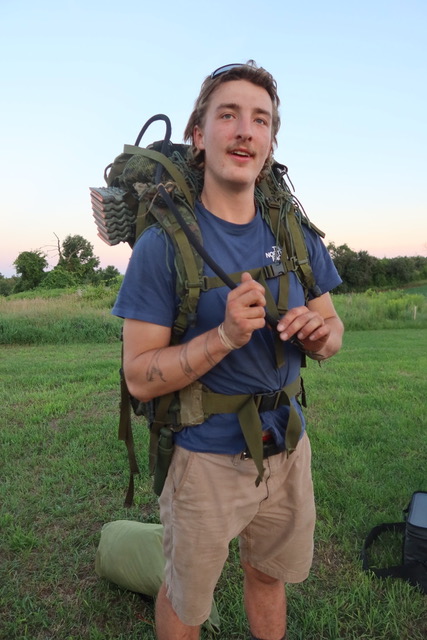
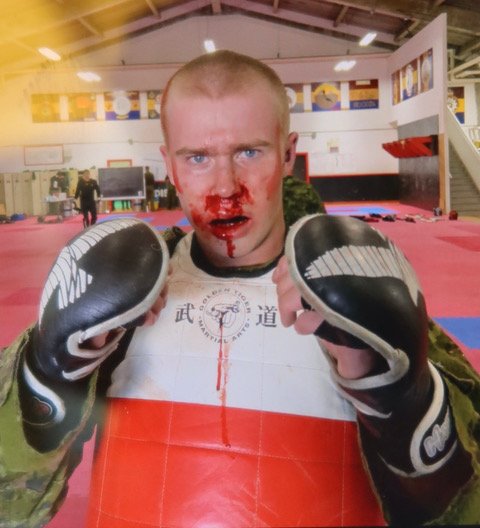
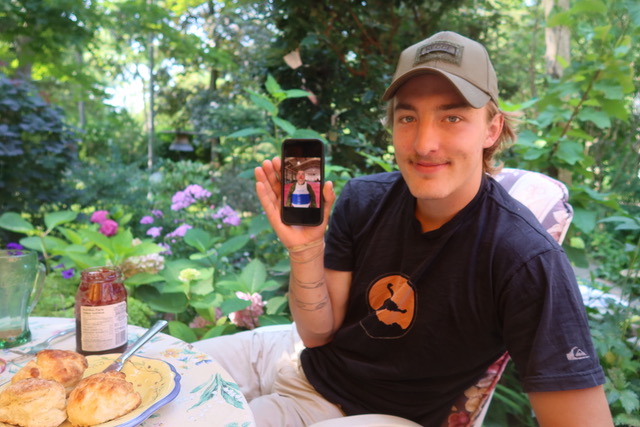
    This is Private Jackson Skeoch, our grandson of whom we are very pleased.  He is now
    a private in the Canadian Army.     Assigned to the PPCLI. Marjorie and i only know
    part of what that means.  Perhaps you might like to know as well.

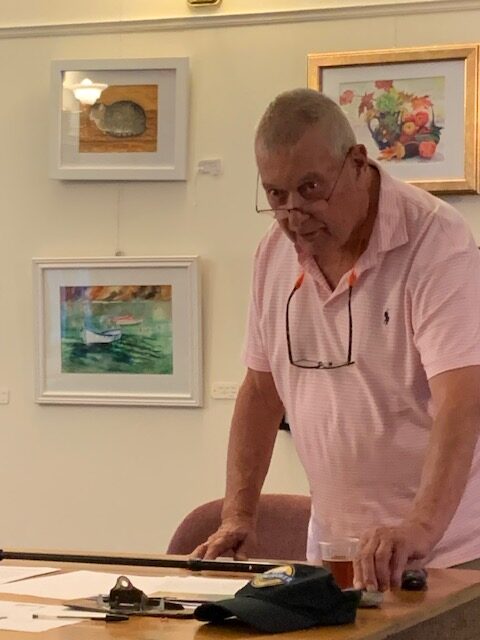
    Best to start by looking at this picture of Jack.  Look closely.  Note the rather 
    nondescript piece of material attached to his cap by velcro.  Nondescript is the right
    word.  When Jack arrived back home for his  two week ‘leave’ 
    in July, he showed me the badge on which are five letters….RECCE.  Initially 1 was
    unimpressed and I am sure  Jack was disappointed.   Now I know better.
    This little badge means Jack has qualified for Recon training in the Canadian army.
    It means he is now a member of a select subgroup of Canadian soldiers. 

    Jack has good reason to be proud of his achievement.  Let me record what I now know.

    1) FIVE ELASTIC BANDS ON HIS WRIST.   Strange to see Jack spring five wide elastic bands on his wrist.   I did not even
    notice them until Marjorie  explained their meaning.  “His sergeant major told the
    RECCE grads to always wear these five elastic band so you can pack up fast
    and move out even faster.”  Take only essentials. 


    BE READY TO MOVE IN AN INSTANT
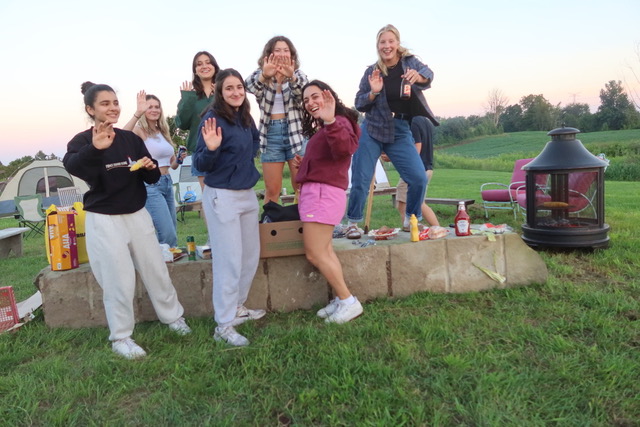


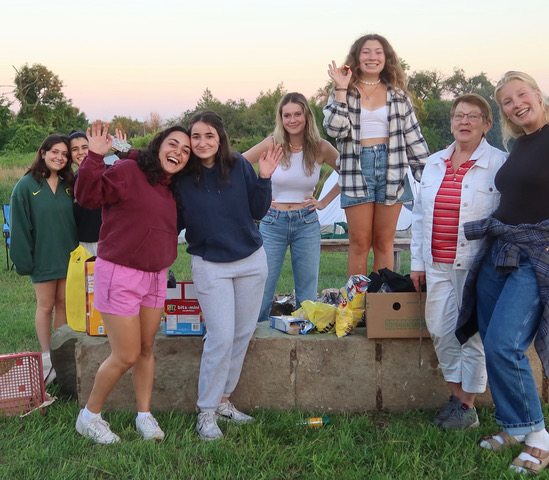
    2)  Jack’s sister Molly organized a camping party for Jack shortly before he headed back
    to CFB Shiloh in Manitoba.   Marjorie and I were invited and were a little surprised
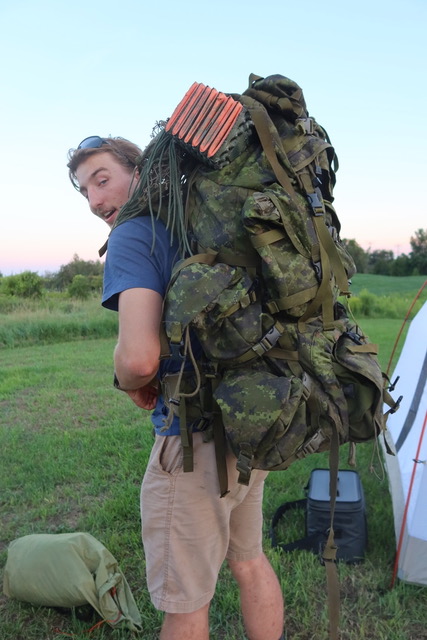
    that jack arrived with an army back pack.  “Everything I need is  in this 
    packsack and I am expected to have it with me everywhere I go.”  And he showed me
    how it is slung on his back.

    3)   “GRANDPA, there is a reason I feel good about this RECCE badge.  It means I have graduated from
    a very tough course.”  Some would call this course a TRIAL By ORDEAL.  Here are some of the courses
    he took and passed.  The order is random.  

     “One  of the worst, from my point of view, was the water course.
    All candidates had to spend an 8 hour night floating full clothed in a deep swamp.  The course was broken into two parts.  First
    part was to silently slide into the swamp fully clothed including gear.  Then to cling to a life buoy of some kind for
    four hours.  No talking except a whisper perhaps.”  Then Jack and his fellow Privates got a 40 minute break for sleep and 
    dry clothes.   Then they had to put on their wet clothes and spend another 4 hours in the water.  I believe this
    was a night course but could be wrong.   It most certainly was a trial by Ordeal.  Quit and you are out of 
    the course…failed.   He had no intention of failing. Pain he could take without whimpering.

    FRONT PORCH OF OR HOUSE:  INTERVIEW WITH JACKSON SKEOCH

    On Jack’s last day we invited him to open two hours with us on our front porch.  We wanted  to know about the
    course.  He was reticent to say much about it because no one back home had ever been in the
    Canadian Army.   Jack is not a boastfull person.   We knew he had stories to tell and this moment on
    our front porch was reserved solely for Jack.  Marjorie kept notes.  I asked a lot of questions.
    This is our record of those two hours spent on a July afternoon in 2023.  
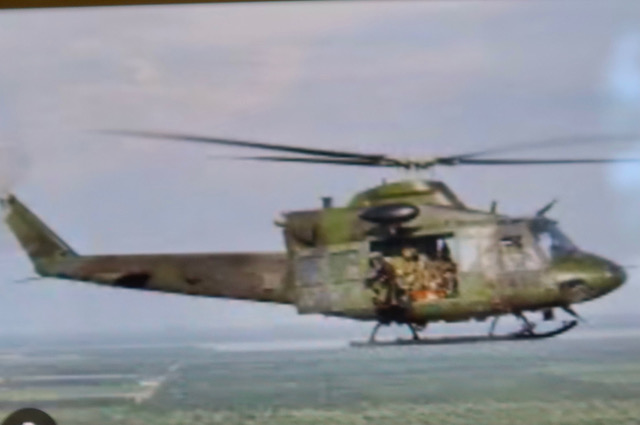
      
    4)  “Grandpa, we had to jump from Griffin helicopters holding on to a rope and then rappel our way to the ground
    as fast as we could.    Helicopters only hovered for a few minutes…maybe seconds.   We had to be fast and careful with about
    100 pounds of gear on our back.  We did this many times in daylight or dusk.  To let go of the rope 
    was a sure injury and thereby removal from the course.   Our sergeants explained the difference between
    pain and injury.  Pain was to be expected.  Injury was not expected but did happen.  If one of us was
    injured then he was sent to hospital and removed from the course.  That was why Basic Training was so
    brutally demanding.. I can do 60 or 100 push ups on command now,



    5) “We simulated a Night Recon and potential  Assault training by boat.”
    “Who is we?”
    “My patrol .  We carried our weapons and gear but it was  a recon test.  To fire
    a weapon is risky…reveals both our presence and our location which could be fatal.”
    Alll  of us we’re in full camouflage gear….dark clothing for night assault.   The big rubber 
    assault boat had an outboard engine and the plan was to nose into the landing point
    and  immediately roll off the black rubber inflatable craft  For me the landing did not go
    well.”
    “What went wrong?”
    “There was a rope looped along water line of the assault boat.  Loops for men in water to grasp.
    My arm got caught in the loop.  No time for help as landing had to be fast.”
    “And?”
    “And so I reached down my leg for my knife….quickly sliced the roipe and joined the team.
    We did this simulation several times where all went well.”

    6) “Grandma, have you ever stayed wide awake for 72 hours?”
    “No.  That’s three whole days.”
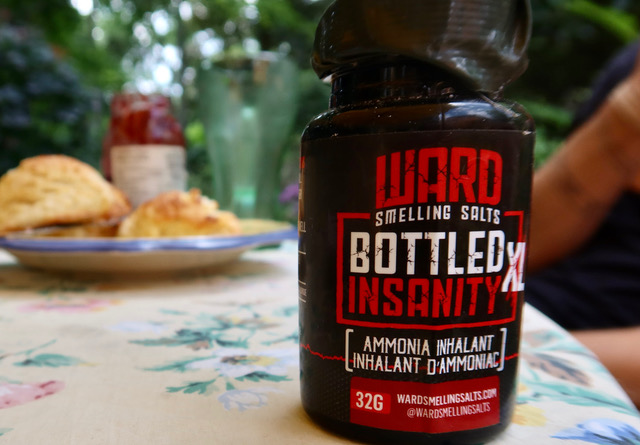
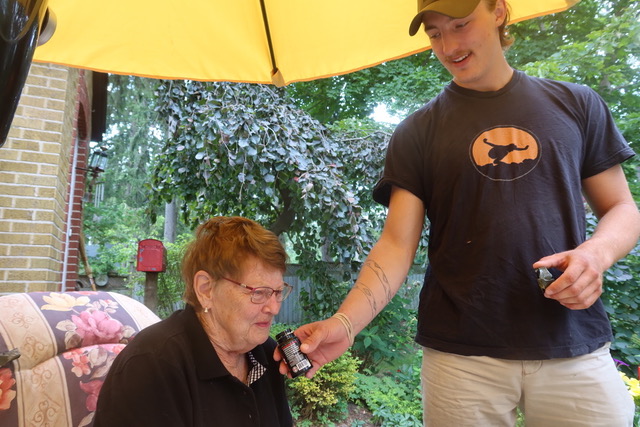
    “We did it but staying awake was not easy. Here , smell this…take a good whiff.”
    “That is awful..”
    “I bought a can of these smelling salts just to ensure I was awake all the time. 
    To fall asleep is to risk the life of others.    Must be awake all the time.  Not easy
    even with the stink bomb.”


    7)  “Ever been in a fist fight grandpa?”
    “I avoided fighting whenever I could.  Anybody wanting to fight me was likely 
    going to win so I kept clear of conflict.   Most violent thing I did was knock
    ball carriers down playing football.   I was good at that.”
    “Well, we had to fight.  Had to know how to fight which meant getting in some good
    punches right away.  We had 60 second fights with each other.  Timed fist fights.
    For real.  Drew blood. “
    “I neer heard of that, Jack…news to me.”
    “who would want to talk about it?
    “Right”
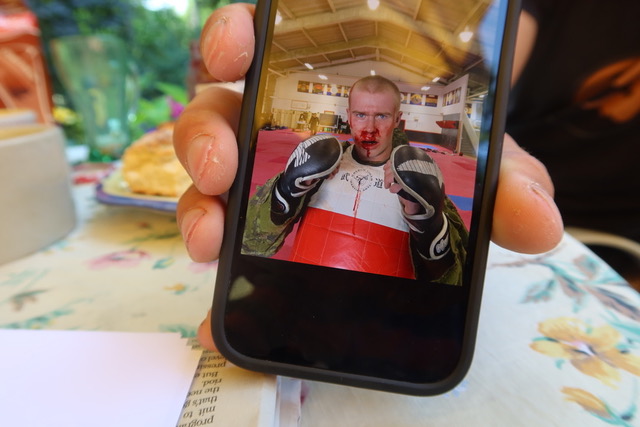


    “You have that punching bag hanging the garage.  Was that the reason?”
    “No, I did not know about the fist fight training until we got to Camp Shiloh.”
    “How did you do?”
    “I ws OK but did not like hitting my friends….even for the 60 second time limit.”
    “Was that necessary?”
    “Recon stealth could go wrong….better a  fist fight than firing a un.  If the option was available.”
    “Violence expected?”
    “Yes.”

    8) “Grandpa, I did not say much about our weapons training .  I know you do not like guns.”
    “You remember how Marjorie and I turned my grandfathers rifle in to the OPP for destruction.”
    “That’s why I have not said much about our weapons training.   Lots of time spent
    on a firing range with different weapons.”
    “Any live firing situations?”
    “Big part of the training, Grandpa.”

    “Also  obstacle course…stealth…on our stomachs with live firing over head.   At least the
    sergeants said it was live firing.   Truthful or not we kept our heads dow.  No one died.”

    9)  “I would like to say something about the word ‘truth’…something that is very 
    important.  Sergents stressed truth.  Even iif the truth does not reflect well on
    a soldier.  Such as cheating by falling asleep on the 72 hour test…or doing only
     of 60 assigned push ups …or just plain lying about anything.   LIers are booted
    out of Canadian  army training.  No second chance.”
    “Surely tate is a little overdone?”
    “Nope.  The sergeant major says that any person who will tell lies is a person not
    to be trusted in a combat situation.   The lives of the whole team could be
    put in jeopardy by someone who lies.  Lyers are sent back…no room for them in the army”
    That’s how I learned the smelling salt truck.  My eyes got dosy…sleepy.   Hence the
    tin of smelling salts.   Nobody could trust a lier on sentry duty.”
    “Everybody tells lies now and then.”
    “Not me.”  (Probably overstated but point is clear.

    10)  “did you ever see wild animals during stealth training?”
    “yes, lots of deer, some moose and a few bears.”
    “How close?”
    “Very close.
    “How close…how many meters away,?”
    “One time a deer came right over to almost touchi  me with its nose.
    I lay perfidy still…camouflage clothes, green face paint, helmet with shrubbery…deer detected me
    with its nose and came over to check.   Same thing happened with kangaroos in Australia although
    they never got closer than a few meters.”

    11) “How did the stealth training work?”
    “We were given a compas reading then expected to report 
    what we found.  We must not be detected.’’’which is easier said than done.
    Also easier to do at night than in broad daylight.”
    “Were you ever detected?”
    “Not often.  Funny thing happened on my first stealth assignment.  As soon as I got the 
    compass coordinates I took off… found the object which  was a truck licence….then
    reported back the licence number to our sergeant who did not believe me at first.  “But you
    were not supposed to start the stealth test until I told you to do that,”
    “sorry”

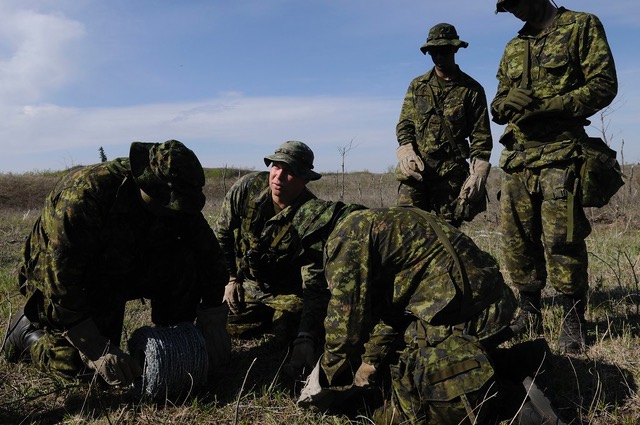
    Now Jack is back in Camp Shiloh for a few days.   He expects to be sent to the Rockies for
    Recon training in a day or so.

    alan skeoch


    august 18, 2023
  • Fwd: EPISODE 870 SMOKER, FARMALL H TRACTOR, ANDREW AND HIS BEES, AUGUST 13, 2023


    Begin forwarded message:


    From: Alan Skeoch <alan.skeoch1@gmail.com>
    Subject: EPISODE 870 SMOKER, FARMALL H TRACTOR, ANDREW AND HIS BEES, AUGUST 13, 2023
    Date: August 14, 2023 at 10:31:30 AM EDT
    To: John Wardle <john.t.wardle@gmail.com>, Marjorie Skeoch <marjorieskeoch@gmail.com>


    EPISODE 870    SMOKER, FARMALL H TRACTOR, ANDREW AND HIS BEES, AUGUST 13, 2023


    alan skeoch
    aug. 13, 2023

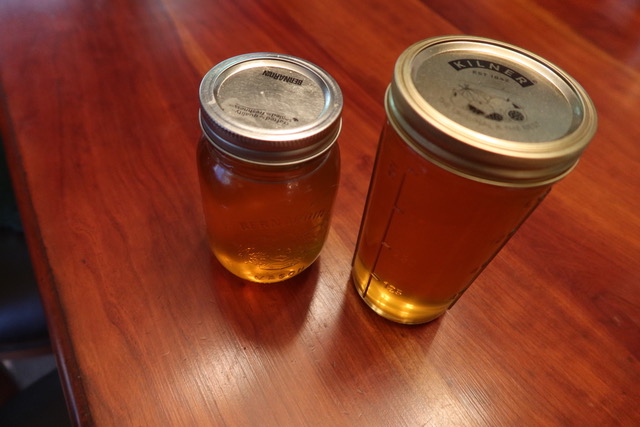
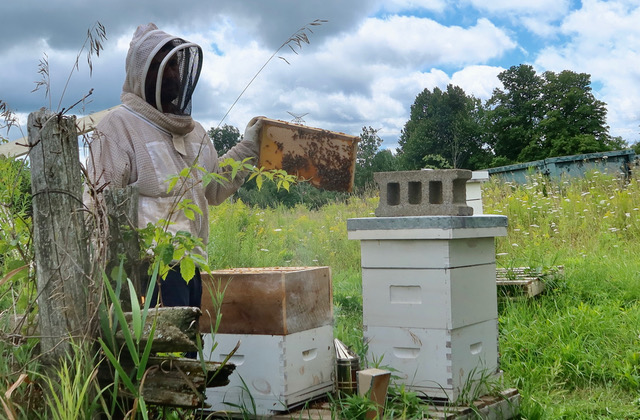
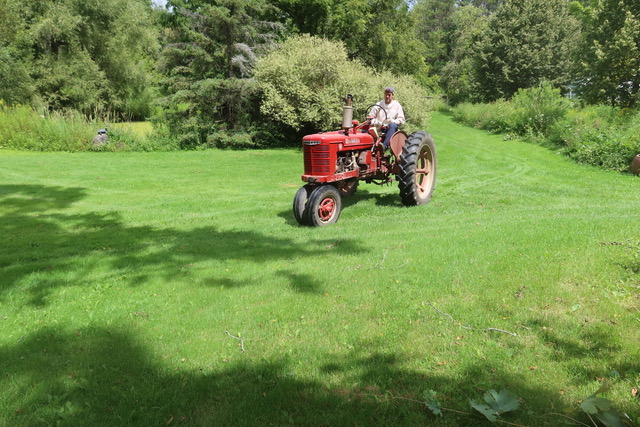
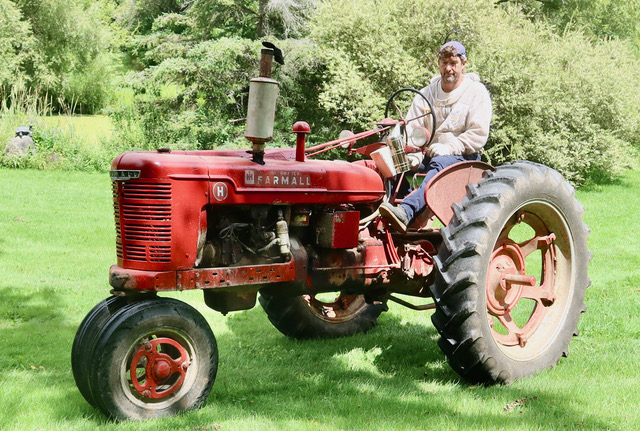
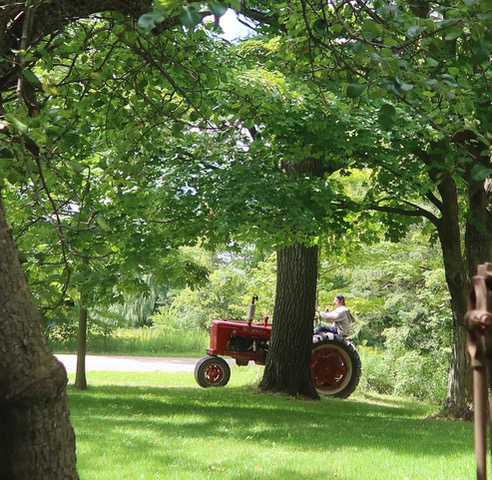
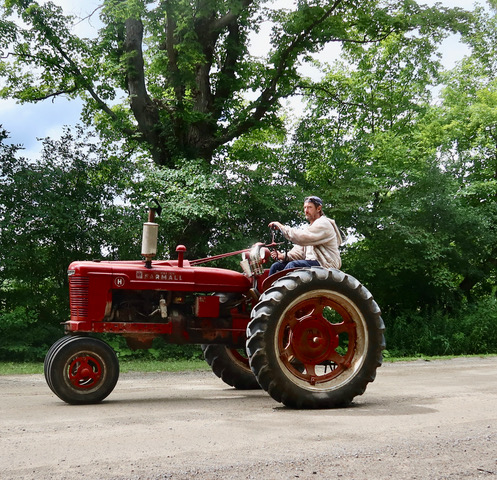
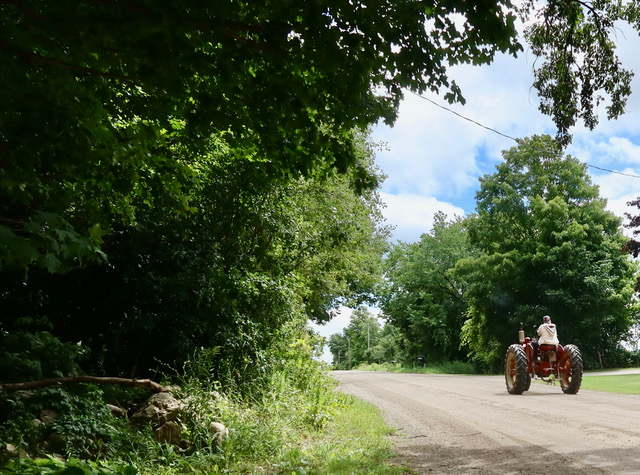
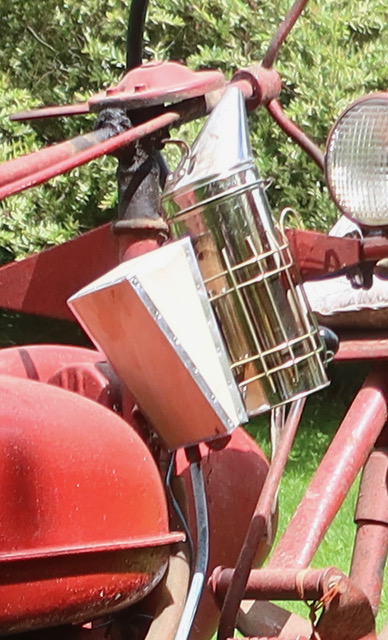
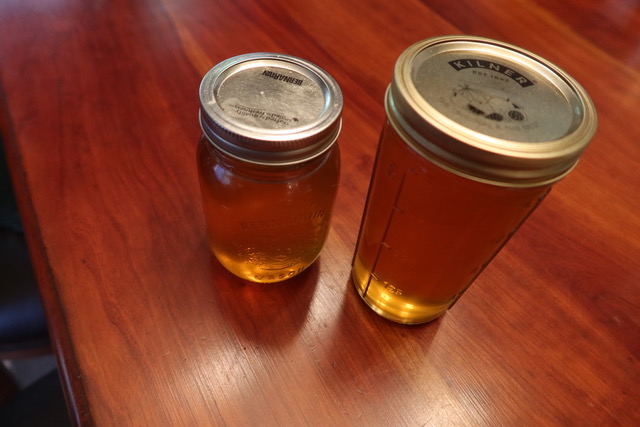
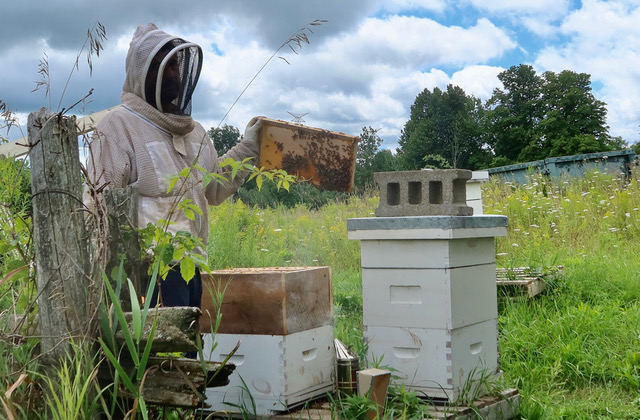
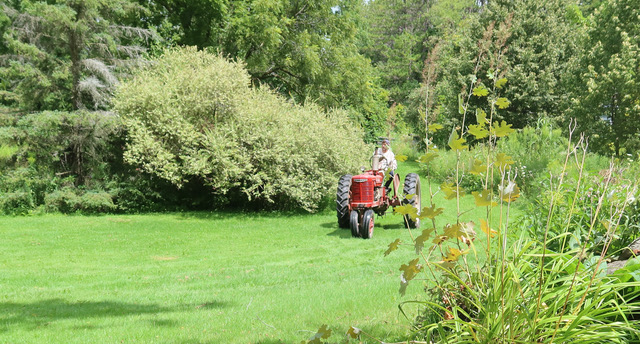
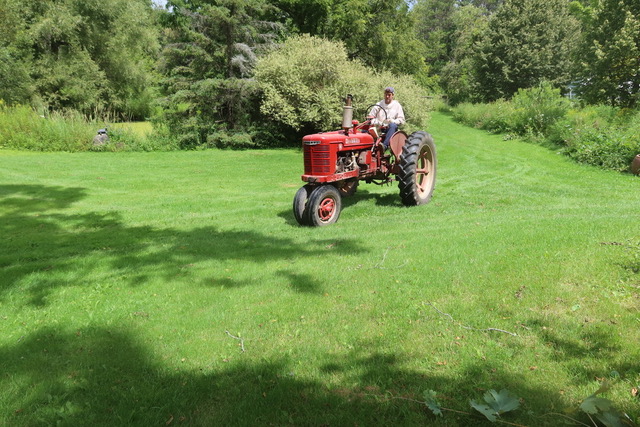
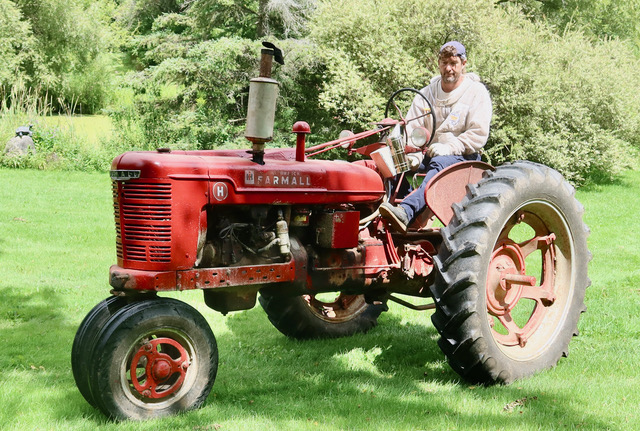
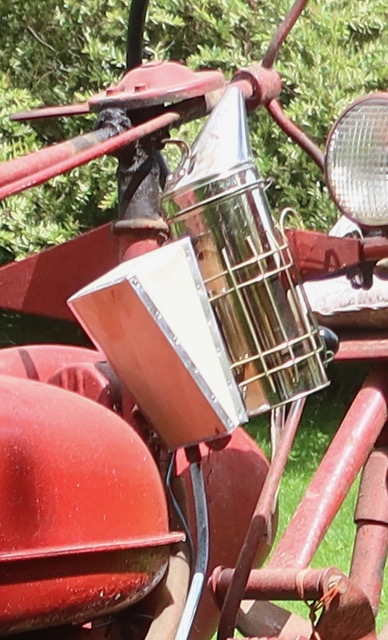
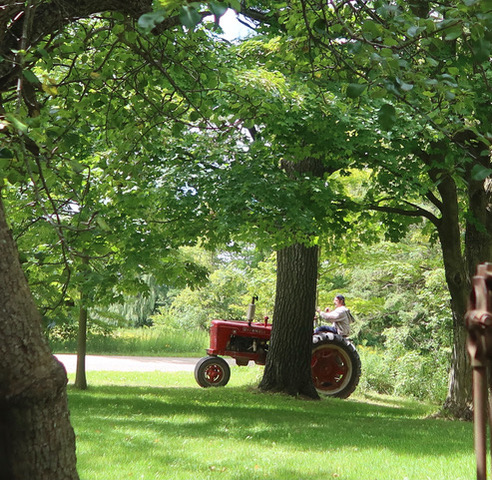
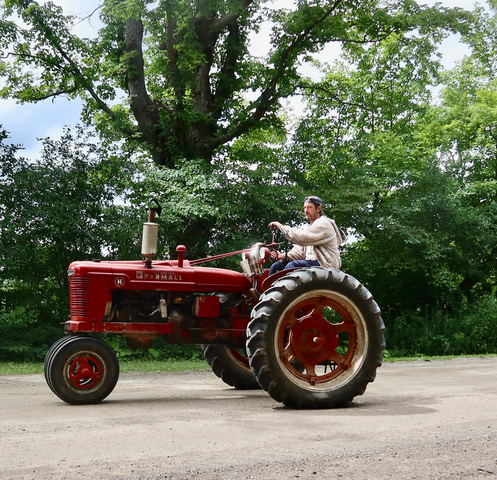
    This is a relaxing photo essay.  Needs no introduction…Andrew arrived with his BEE SMOKER and two jars of fresh
    red clover honey.


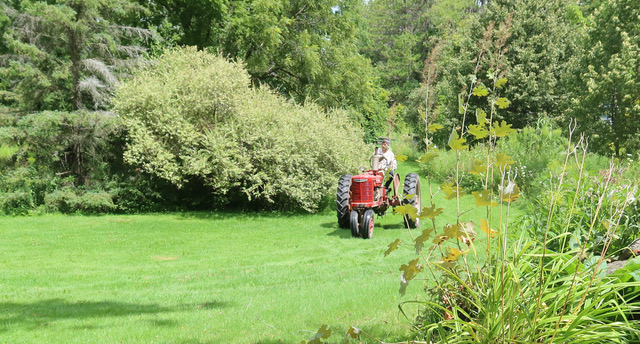
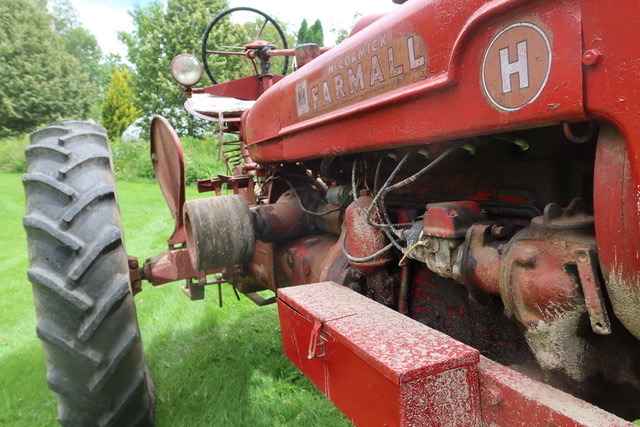
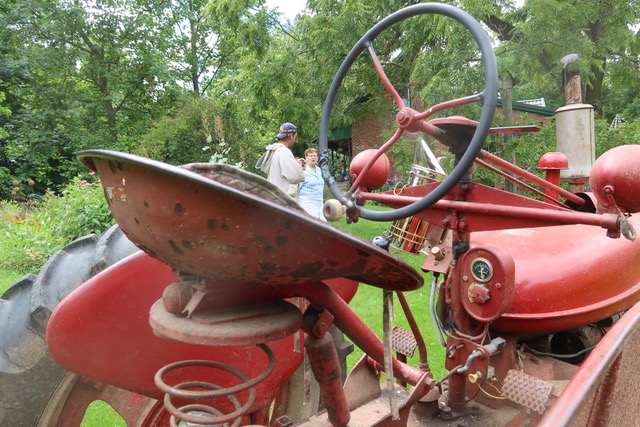
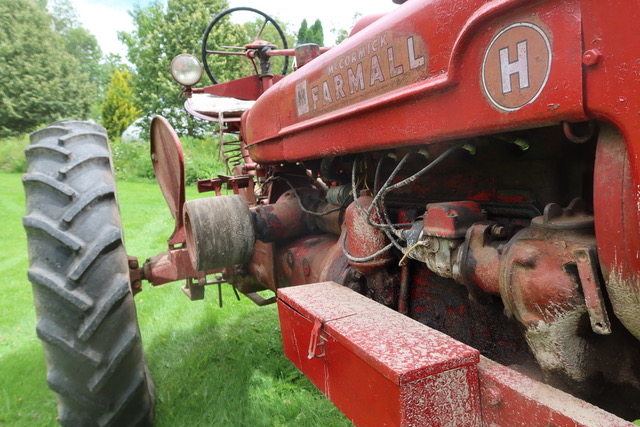
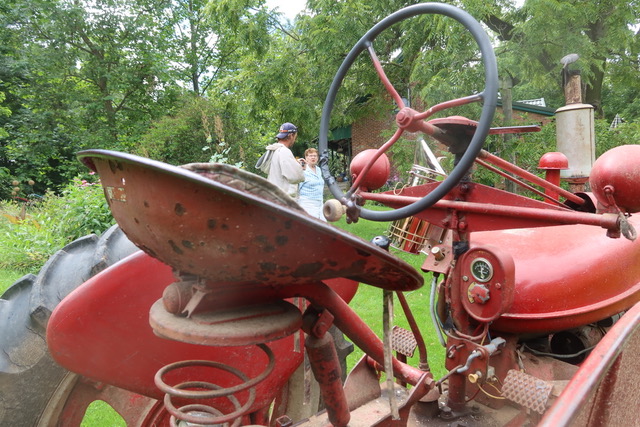
    Remember the Kilner farm sale?   Where we bought this Farmall 1953  Tractor?   Notice the honey jars are Kilner jars … and you have already
    seen Chelsee Bun our Kilner kitten.   Our lives move incircles.


    His new honey house has been built in the middle of his potato garden.


    /try to remember this sumner day next January.


  • computer trouble…

    My computer refuses to send stories.  

    alan

    EPISODE 870    SMOKER, FARMALL H TRACTOR, ANDREW AND HIS BEES, AUGUST 13, 2023


    alan skeoch
    aug. 13, 2023

    This is a relaxing photo essay.  Needs no introduction…Andrew arrived with his BEE SMOKER and two jars of fresh
    red clover honey.


    Remember the Kilner farm sale?   Where we bought this Farmall 1953  Tractor?   Notice the honey jars are Kilner jars … and you have already
    seen Chelsee Bun our Kilner kitten.   Our lives move incircles.


    His new honey house has been built in the middle of his potato garden.


    /try to remember this sumner day next January.

  • EPISODE 864 ELSIE FREEMAN SKEOCH — SEAMSTRESS, MOTHER, SWEATSHOP WORKER…THE PUTTING OUT SYSTEM IN 1945 OR 1946


    EPISODE  864    ELSIE FREEMAN SKEOCH  — SEAMSTRESS, MOTHER,  SWEATSHOP WORKER…THE PUTTING OUT SYSTEM IN 1945


    alan skeoch
    july 29, 2023


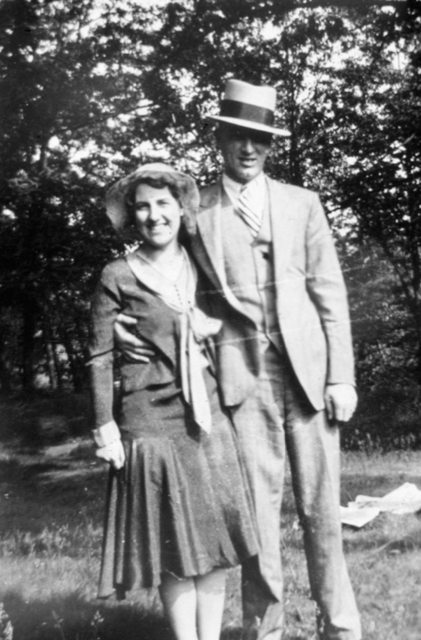
    ELSIE LOUISA FREEMAN SKEOCH AND ARNOLD ‘RED’ SKEOCH, MARRIED IN 1937

    Elsie Freeman married Arnold ‘Red’ Skeoch in 1937.  After a long courtsihip.  Their parents were  Ontario farmers. Both became members of 
    the industrial working class as World War One came to its miserable end.  Dad was a tire builder.  Proud of it.  Mom was a seamstress.
    Proud of it.  Both were loved by their two children, Alan and Eric Skeoch. We, Eric and I, were not huggers or kissers.  We took
    our parents for granted.  Paricularly  mom.   

      HOW DID MOM RAISE A FAMILY ON SWEATSOP WAGES…I DO NOT KNOW


    The mystery remains.  How did Elsie Freeman Skeoch raise a family  on sweatshop wges.  Deeper than that.
    How did she do it without a shred of rancour or bitterness.  How did she keep our lives free from feelings of poverty
    and neglect,.   Eric and I had a great life…full of laughter and completely free of envy or bitterness?

    IN EPISODE 864 you are asked to read Thomas Hood’s Sonf of the Shirt.  It is a miserable poem documenting the horrific
    lives of the English working class seamstresses.   There is one huge difference between the women described by
    Hood and our mother, Elsie Freeman.   There is no joy in The Song of the Shirt.   Our lives as children of a
    seamstress were full of joy.  We laughed a lot.   We did things together.  We never felt deprived.  As a matter of 
    fact we felt sorry for those  around us who seemed to have little joy in their lives.


    Song of the Shirt

    With fingers weary and worn,     With eyelids heavy and red,  A woman sat in unwomanly rags,     Plying her needle and thread—        Stitch! stitch! stitch!  In poverty, hunger, and dirt,     And still with a voice of dolorous pitch  She sang the “Song of the Shirt.”       “Work! work! work!  While the cock is crowing aloof!                  And work—work—work,  Till the stars shine through the roof!  


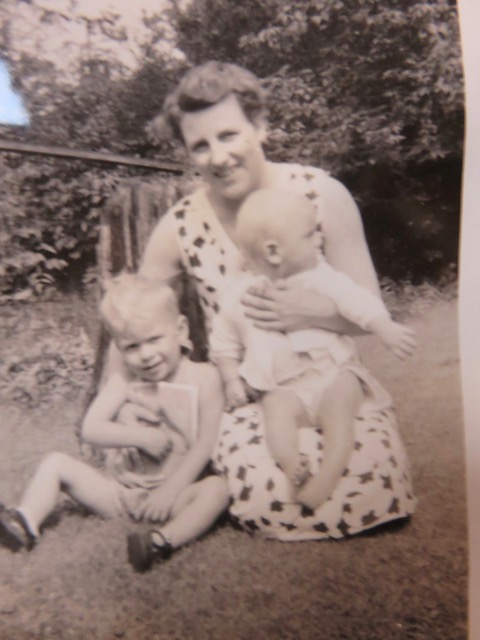
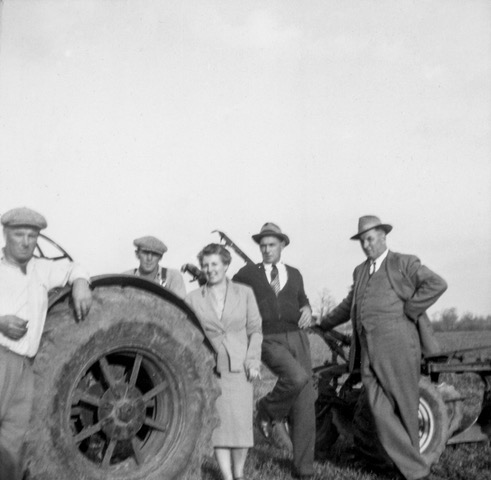
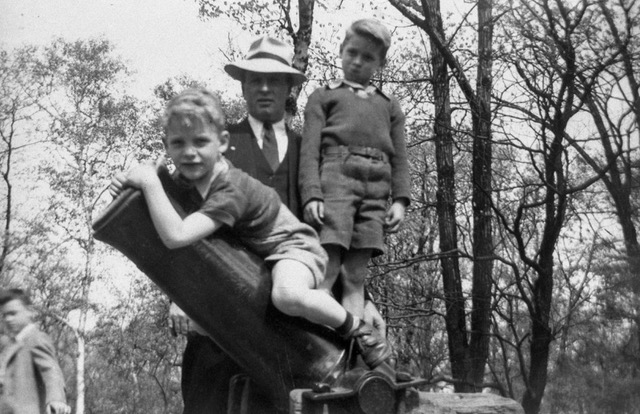
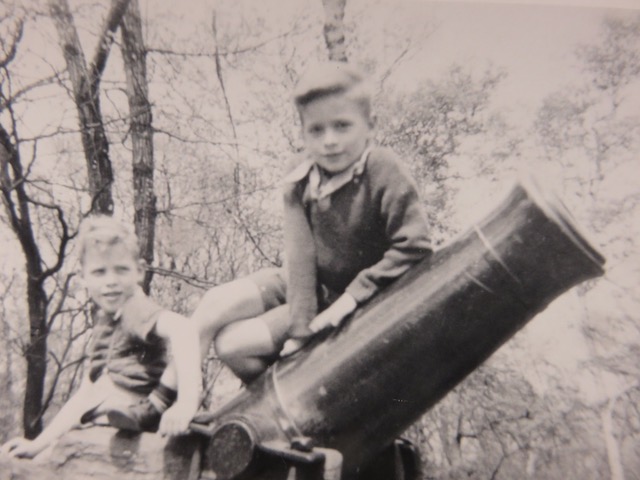
    Mom with dad (far right) and his brothers


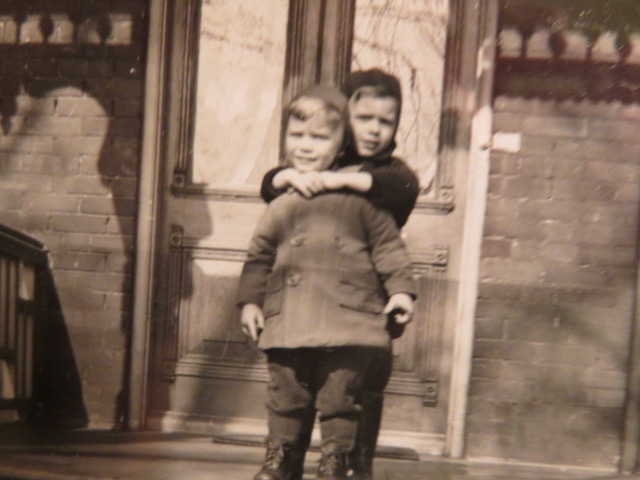
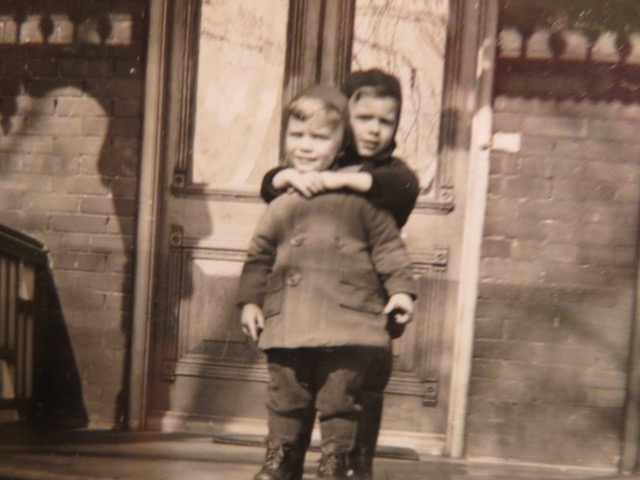
    Look at the big buttons on Eric’s coat which was once a woman’s coat


    Dad took us to High Park on a day the horses were not running at Dufferin or Woodbine racetracks.

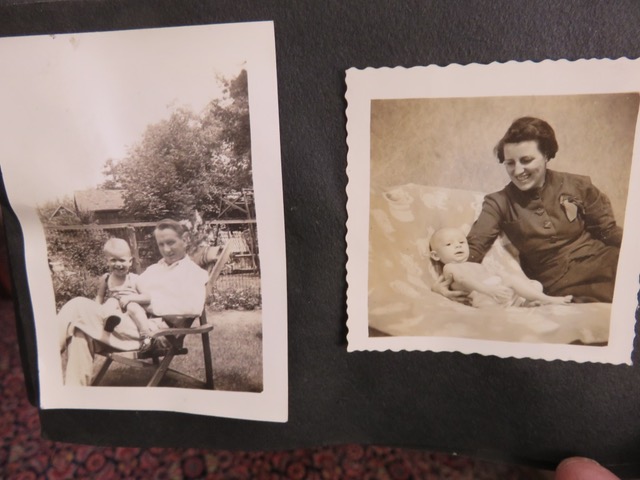
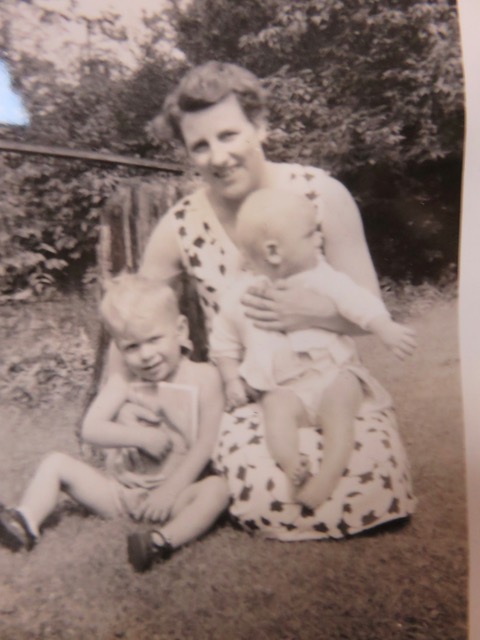
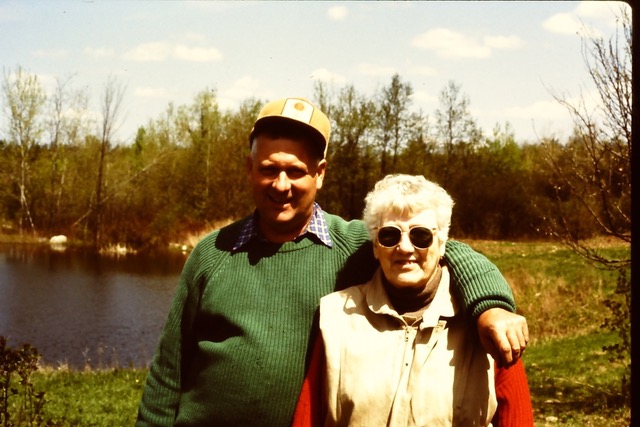
    This is mom wit my arm around her.

    ONE OCTOBER  NIGHT AT 18 SYLVAN AVENUE IN 1945 OR 1946

    (These images remain in my memory…  Most prominent is 
    mom and her Sewing machine and the big cardboard box.)

     I can see her now.  IN my mind’s eye.  It is a cold day in 1945 or 1946.   She is slowly walking up Gladstone Avenue.
    Coming home from the College Streetcar.   Slowly, because she is carrying a large cardboard box that she got from Mr. Wallman
    at his factory on Spadina.  The box is heavy.  Dimensions about 36” x 18* x 10”.  Unmarked.  Tied.   Inside the box are pieces of 
    clothing…lots of them in bundles.    When she gets the box upstairs to our flat at 18 Sylvan Avenue she undoes the string and lines up 
    the bundles beside the industrial sewing machine.    Before that she will get our supper, often stew with rice pudding.   Dad won’t be home until 
    much later ..a shift worker at Dunlop Tire Company.  Often he stops  at Woodbine track for the last race.   Mom starts sewing right away.  Her corner above the stairs 
    is dark and dreary until she lights it up.  The stairs continue up to the dark attic high above…gives me nightmares.  When the sewing machine begins
    to hum mom presses her fingers close to the needle and begins joining piles together.  Could be a dress or a shirt or a girdle.  She will work on
    the machine until Dad arrives and sometimes continues into the night hours after we are in ed.  When all the pieces in the box are
    joined mom will pack the big box, put on her coat then tell us to be good and that she will be back in an hour torso.   And away she goes
    with the finished things.   Heavy big box in her arms. She will walk south on Gladstone.  Eric and I will see her go until Gladstone dips to
    College Street.   We will play a bit with Tinker our cat .  Dad will be smoking a White Owl Invincible while he reads the racing form. Mrs Southwick, our landlady
    does not like dad smoking in the house but is intimidated by him.  Mom pays rent monthly I  think.  


    Mom says dad is always hoping to catch the brass ring on the Merry Go Round of life.  That is why he gambles. 

     Mom has made all our clothes by cutting down old clothing.   Eric’s
    winter coat this year has huge coloured buttons and extra padding. Was once a woman’s coat .

       We are not allowed to got out into Dufferin Park at night because big tough guys hang around there. 
    Toenails Simmons, for instance is a gang leader …  has a ring that’s a sharpened roofing nail wrapped in white tape.   This I was told by his brother. 
    Dad said not to worry nobody is likely to touch us and then have to face him.  

    Bobby Smamanus’s dad is Polish and 
    has made us wooden Tommy guns like the Russians used in the war.  We often play guns in the park while helping Mr. Hayward, the parky,
    who tries to keep the park  clean.   Mom will be back soon.  She promised to take us to another movIe 
    featuring Slip Mahoney and the Bowery Boys.  Satch is the funny man who Slip hits with his hat.  
      
    We still have part of the quarter of a  pig that Uncle Norman gave us from the Skeoch farm near Fergus.
    Good with mustard.  Mom’s rice pudding was crunchy tonight…not cooked long enough.    

    Mom says we should be quiet as possible
    as Aunt Annie is very  sick in the bedroom.  Later Aunt Annie called us into the room and gave me a little crockery piggy bank and Eric got
    a tinware globe of the world about the size of a baseball.  Mom was crying which was unusual for her. 
     
    Mom has started up the sewing machine  A new bunch of women’s things.  She does not ask for help.  Dad gave me a sip of his beer.  Yuck!  But the label on the bottle 
    is great…horses running on a field.  I will save the bottle or get another one from the park.  Carefully.  lest I cut myself again and need stitches at the hospital.  Dad  had to
    lift up the bed that time as i feared the hospital and latched on to the springs under he bed.   Dad lifted the whole bed as if it weighed nothing.  I have a scar where the
    beer bottle sliced me. When the Junction and Beanery gangs fought in the park some used token beer bottles as weapons..  Eric and I gather all kinds of stuff for our fort..sometimes lead pipes that had been gang weapons.  Mom says the balloons are dirty and not to touch them. 

    Time for bed.  I will grab Angus my stuffed wiener dog Mom made from
    an old rug.

    The sewing machine is still humming.


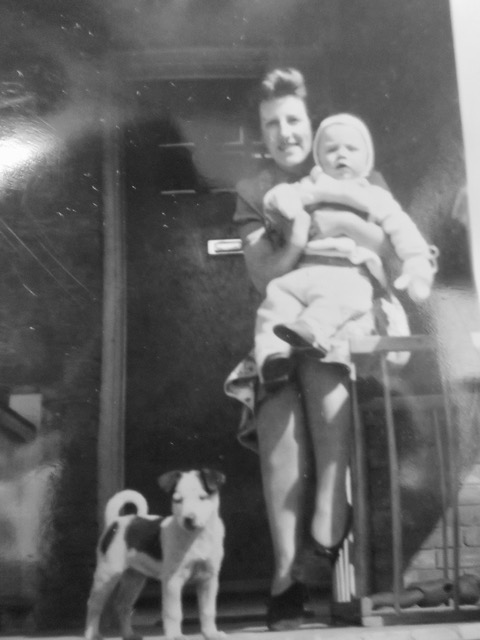
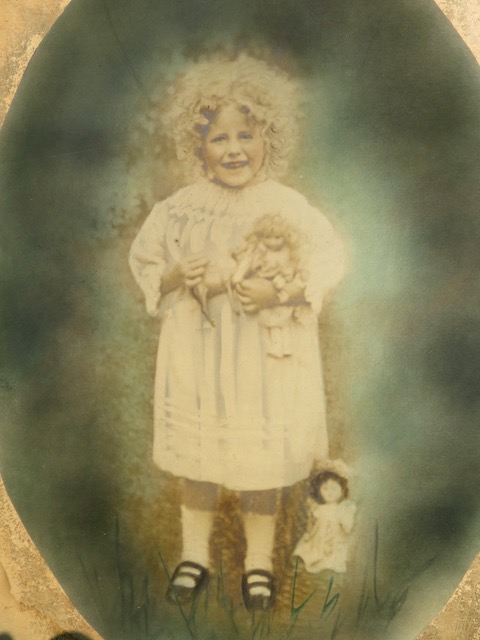
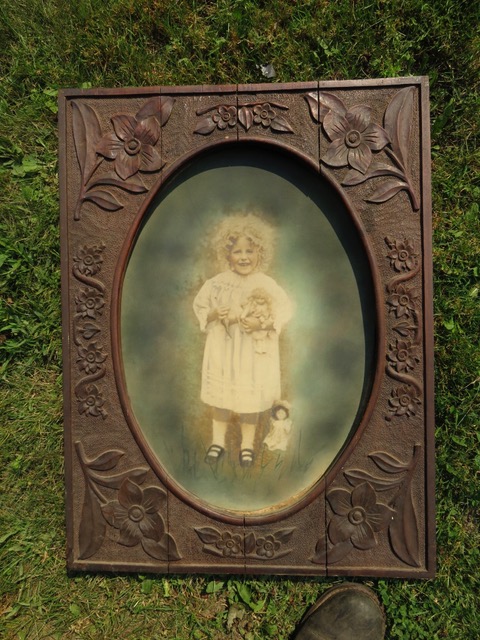
    This is mom as a little girl in England around 1906.   Granddad hand carved this oak frame .


  • Fwd: EPISODE 859 EMILY BLOWER…FEMALE STONEHOOKER (SPEECH AT BRONTE HISTORICAL SOCIETY JULY 18, 2023


     EPISODE 859     EMILY BLOWER…FEMALE STONEHOOKER (SPEECH AT BRONTE HISTORICAL SOCIETY JULY 18, 2023

    july 18, 2023
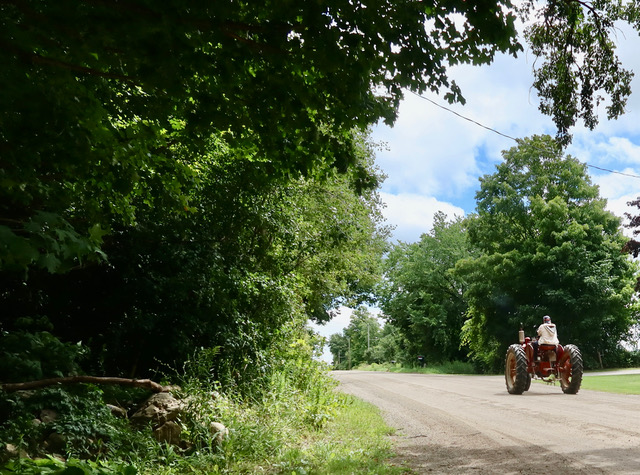
    Photo credits to Marjorie Skeoch

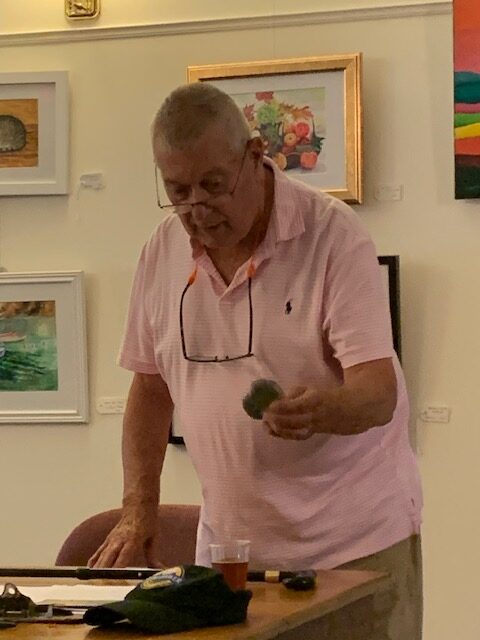
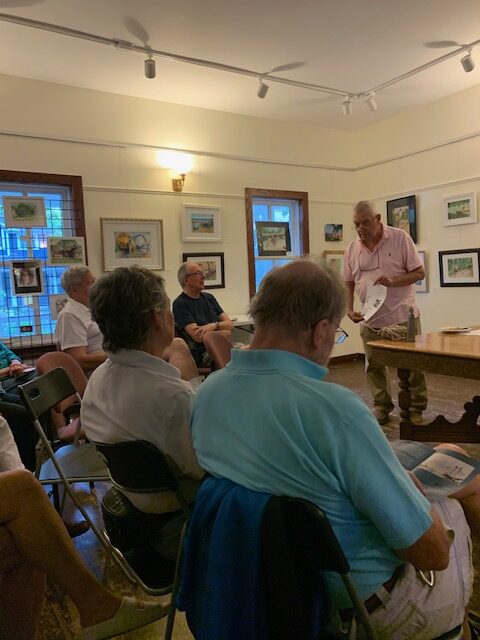
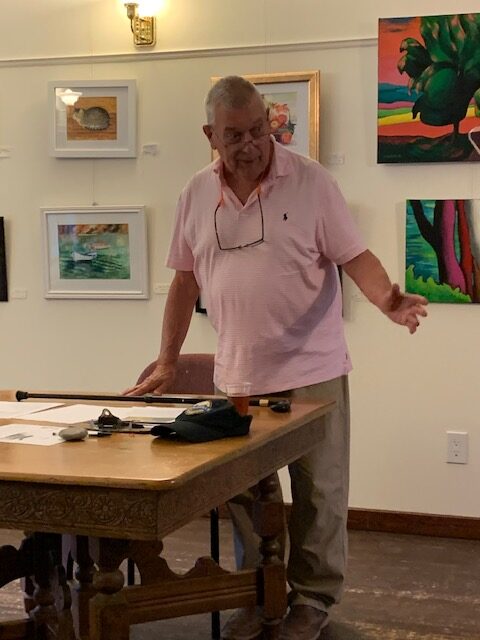
    “This little piece of fossilized shale is 450 million years old give or
    take 30 million years,  Ordovician shale from the bottom
    of the ocean seas that once covered great swaths of North America.
    Once upon a time it was mud.  Pressure and time have created 
    shale.    That shale is the subject of our discussion tonight”


    EMILY BLOWER

    In 1867 Tom Blower suddenly died leaving his wife Emily with eight children, all under 16 years of age.
    There was no safety net for Emily.   No insurance policy.  No government aid as we have today.
    Emily was on her own and we can only imagine her fear for the family future she faced.  

    There was one chance of family  survival.  Tom Blower was a stonehooker and owned the 
    schooner Catherine Hays.   I am not sure where Emily was living in Port Credit when Ton
    died but records reveal that Emily moved all eight children into the Cateirne Hays and
    first loaded split cordwood which she sold in the ‘Toronto market where the sttonehookers 
    docked at the foot of Bathurst Street. 

    The payment were not enough to feed and clothe her family so she decided to  become
    a stonehooker.  This was not an easy decision because stonehooking was physically
    demanding and dangerous.   Just sailing a schooner full of shale from the shale beds
    beween Bronte and Port Credit was tricky.  Some schooners like the Pinta were swamped
    in a sudden storm and crews  drowned.   (Bodies of the Quinn brothers were never 
    found.  The body of the third man   was found frozen solid under the thwarts of the Pinta’s scow.
    (that happened in 1882 by rhen the Blower boys were adult stonehookers well aware of the dangers..)

    Emily was an unusual woman.  Likely the only woman to become a stonehooker.
    The only reason we know about her decision to Stonehookers is because
    stonehooking captain Al Hare  of Port Credit made a comment about Emily that
    has been passed from person to person and thereby entered the historical record.

    (Note: One of our guests lives next door to a Blower descendent.  Perhaps a larger 
    story of Emily could be researched by maryanne Mason nd  Bronte Historical Society.}

    Let me attempt to paraphrase Al Hare: “I remember seeing Emily Blower stonehooking in waist deep
    water with her black skirt billowing with trapped air around her body while she
    directed her eight children to do what they could do to help.”  (These are words I have
    chosen but I believe are accurate…Alan Skeoch

    Why was Emily wading in waist deep water?   There were three ways of getting 
    slabs of shale.   First and the easiest was by quarrying slabs from the beaches
    along the North shores of Lake Ontario.  That was a tough job in itself made 
    tougher by angry shoreline farmers who blamed stonehookers for erosion of
    their farm land.  Eventually a law was passed that no stonehooker could 
    quarry or remove stone within 50 feet of the shore.   So Emily and her children
    had to operate in waist deep water to loosen and lift shale slabs.

    Emily may have even been forced to gather shale by the third method which was
    called “blind stavlling” in water six to eight feet deep.  Often the water was cloudy and the bottom could
    not be seen so a long stonehooking rake was used whose tines could hook
    and lift pieces of shale.   This seems to have been difficult so stonehookers
    preferred the easier two methods.

    Lifting shale was tough work.
    1) from where shale rested to the little scow
    2) from the scow to the schooner deck or hold
    3) from the schooner to the bathurst Street wharf
    4) from the wharf to the horse drawn wagons

    Then the empty stonehookers were often filled with horse manure for the return trip


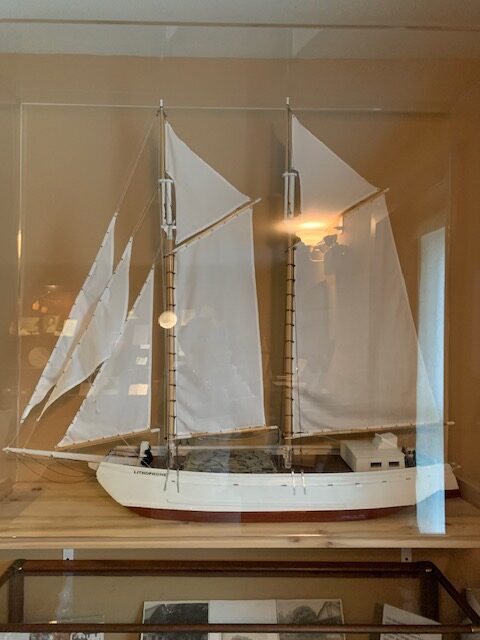
    Model of the Lithophone


    STONEHOOKING — A HARD LIFE … BUT A GOOD INCOME

    Emily could support her family by hooking shale.  As near as I can deternine
    the stonehookng trade was profitable.  If Emily could load just two cord-like ’tices’
    of shale on the deck of the Catherine Hays and then sail to the Bathust
    street Toronto wharf, she could sell the  3;x6’x12’ piles of shale for $5 each.
    Prices varied from  low of $3 to a high of over $10 to Toronto builders for house
    foundations)

    Suppose Emily got $10 for two piles of shale.  That does not sound like much
    money today.. i.e. the price of two cups of coffee.  But it was good money in
    Emily’s time.  In the year 1900, a $5 load of shale would be worth $183 today. (i.e. 2023)
    Two loads sold for twice that.   Stonehooking was a good business in spite 
    of the dishevelled look of the stonehooking schooners with their ragged 
    patched sails and splintered unpainted decks.  That income is Hard for me to believe. Maybe I am wrong.

    Emily’a boys became stonehookers and are the subject of one of
    W. Sniders’ stories in his newspaper features called Schooner Days
    published in the Toronto Telegram starting in 1931 when the stonehooking
    days were over.  At least one stonehooker was filled with straw and
    soaked in kerosene before it was set alight as entertainment for Torontonians
    at Sunnyside beach.


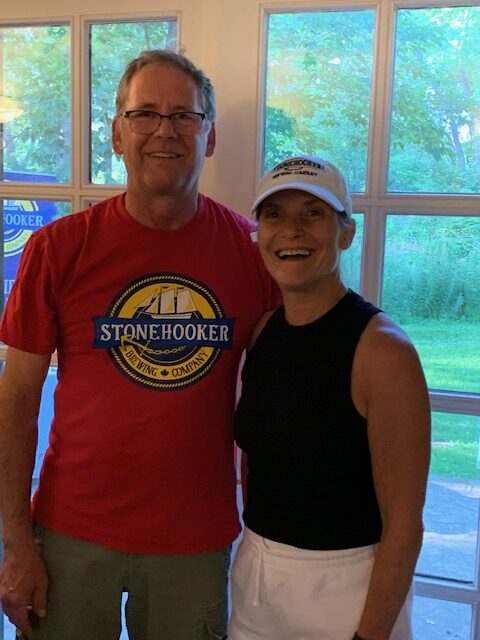
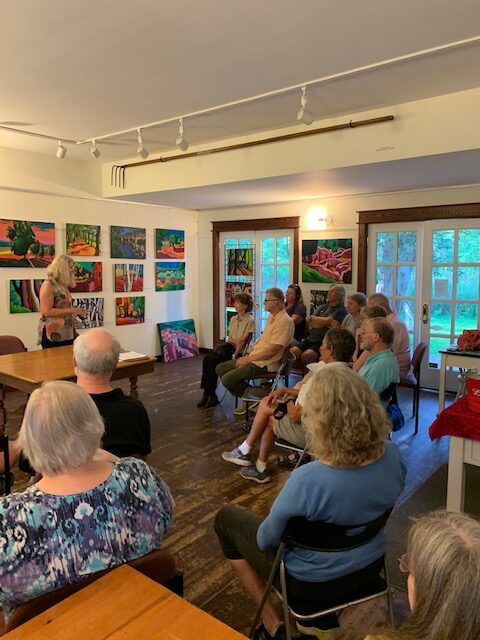
    Ross Noel and his wife are owners of the new Stonehooker Brewery and graciously provided samples of their production
    for our audience.  Pleasure. I managed to down two samples. Marjorie downed 1.5 samples.


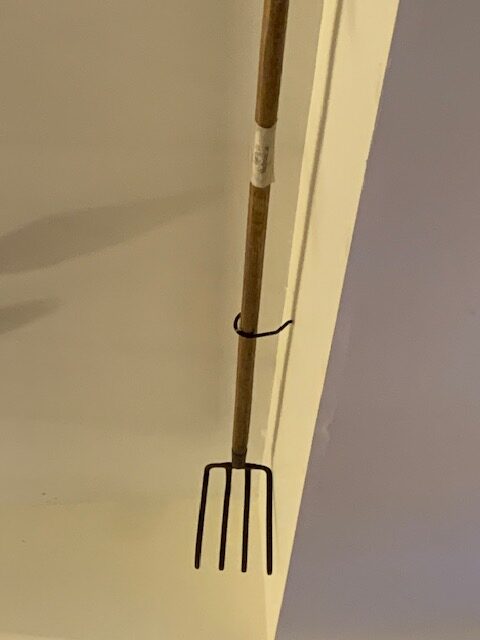
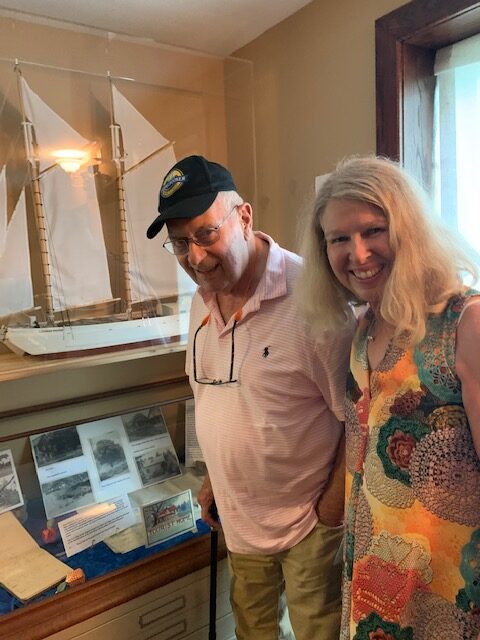
    Maryanne  Mason   hosted the evening and proudly displayed two Bronte artifacts…a stonehooking rake made by blacksmith Sam Adams and 
    a model of the Lithopone, a stonehooker made famous when Walter Naish failed to attach the anchor chain to the stonehooker and
    the ship floated away with the winter ice.


    Stonehookers took so much shale from the Lake Ontario shoreline that farmers fields and forests and one graveyard  were eroded,
    Sovereign House in Bronte is very close to the shoreline as were some farm buildings in the 19th century.  So eroded by stonehookers was Port
    Credit that loads of soil had to be dumped and then shielded with cement slabs to create Saddnigton Park.  Stonehookers were not popular.