Much of the land disturbed by surface mining for coal prior to 1948 was not reclaimed after mining. While most of Ohio’s surface mining took place after enactment of the state’s first surface mining law in 1948, reclamation requirements were not adequate by today’s standard. Prior to 1972, Ohio’s statutes did not require restoration of desirable environmental conditions to the surface mined areas.
As a result, the state was left with nearly 450,000 acres of land that were surface mined for coal prior to Ohio’s stringent 1972 reclamation law and 6,000 underground coal mines that exist below 600,000 acres of land.
By 1972 the problems included:
- 1,300 miles of streams polluted by acid mine drainage
- 500 miles of streams affected by sediment deposition
- Nearly 119,000 acres of land in need of major reclamation efforts
- Hundreds of acres of land prone to deep mine subsidence
- Polluted domestic water supplies
- Hundreds of acres of landslides, among other problems
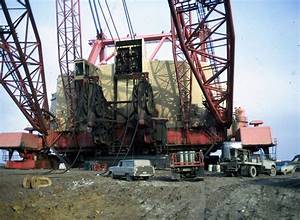

The Story Of “Big Muskie”
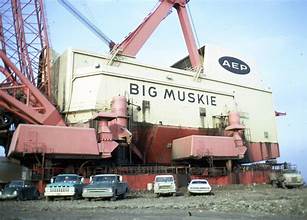
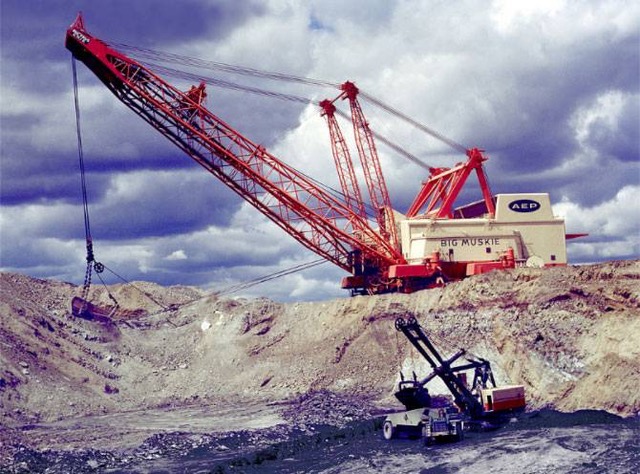
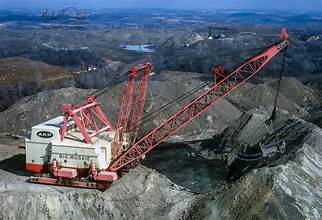
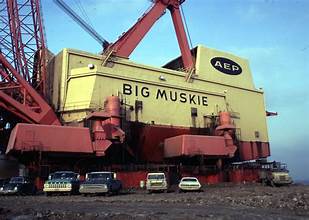
In 1966, an exciting project started at the factories of the Bucyrus Erie Co. – the engineering and building of the components of what would be one of the world’s largest earthmoving machines ever built, “Big Muskie.” Central Ohio Coal Co. had chosen this immense machine because the mine property extended over 110,000 acres of hilly terrain and made the use of a dragline versus a shovel to be more profitable at the levels of earth the coal was located in. It also allowed the coal company to better carryout their reclamation plans.
The machine was so large it was necessary to ship the components to the coal mining customer in Ohio and erect the machine on site. It took 340 rail cars and 260 trucks to ship all of the components and 200,000 man
hours to construct, but the machine finally went into production in 1969.
Ohio’s rich 200-year old mining legacy played a large part in fueling the nation’s industrial development. More than 3.6 billion tons of coal have been extracted from Ohio’s coal-bearing region since 1800. Poorly regulated mining during its first 150 years of existence in Ohio left impacts on the environment and the social fabric of its citizens.
Acid Mine Drainage (AMD)
Rock layers associated with the coal seam sometimes contain iron sulfide minerals, with pyrite the most common. Sulfur-bearing materials exposed to air and water during mining react with oxygen and water to form dilute solutions of sulfuric acid which may also contain a number of other dissolved minerals. This contaminated water, referred to as acid mine drainage (AMD), often seeps from underground mines and sometimes from surface mined areas. AMD is a significant environmental problem associated with abandoned mined lands and is often very difficult to control. Over 1300 miles of Ohio streams are impacted by AMD.
Mine Openings
On both a state and national scale, mine openings and tunnels are the most frequently encountered AML problems. When many older underground mines were abandoned, the entries into them were not adequately sealed. Unstable or open portals and shafts on the ground surface can be very hazardous. Dangers within the mines include poisonous or explosive gases, oxygen deficiencies, flooded sections, unstable roofs, hard-to-see vertical shafts, venomous insects and snakes, and disorienting mazes of mine workings. These problems are compounded by total darkness within underground mines.
 hio, you might have noticed dark, loose gravel-like mounds and sheared-off hillsides. Maybe you’ve spied a stream that appears to glow with a vibrant rusty orange hue. These features are not typical of Ohio’s natural scenery. They’re evidence of Abandoned Mine Lands or AML—mines that were active anywhere from 50 to 150 years ago a abandoned after coal seIf you’ve ever spent time in Eastern Ohio, you might have noticed dark, loose gravel-like mounds and sheared-off hillsides. Maybe you’ve spied a stream that appears to glow with a vibrant rusty orange hueThese features are not typical of Ohio’s natural scenery. They’re evidence of Abandoned Mine Lands or AML—mines that were anywher50 to 150 years ago and were abandoned after coal seams were depleted“And I think it’s going to get worse.”
Toll of abandoned mines
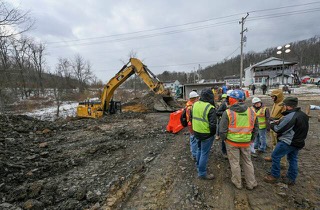
Abandoned mines are a major problem in Pennsylvania, involving a number of players.
Experts say it could cost $5 billion to safeguard Pennsylvanians’ homes and workplaces from mine 11,288

2024 Completed Projects
subsidence, toxic water discharges and related problems.
DEP said federal funding has enabled it to rehabilitate 91,000 acres of abandoned mine lines. That often involves filling “voids” — the term officials use to describe unknown spaces left behind in abandoned mines — with gravel or cement.
Discharge from these abandoned sites also is a problem, experts told TribLive.
Water traveling through the mines usually is highly acidic and contains heavy metals such as aluminum and iron, which Daymut said can destroy food for fish and, accordingly, warp an ecosystem.
Common ways to fight the toxic discharges affecting an estimated 5,500 miles of streams in Pennsylvania include chemical treatment and water filtration.

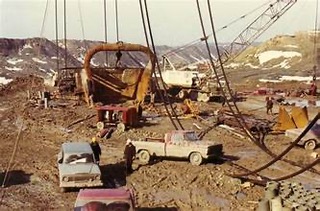
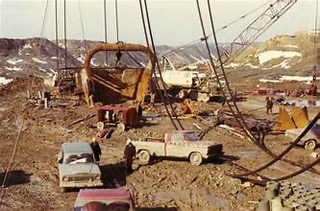

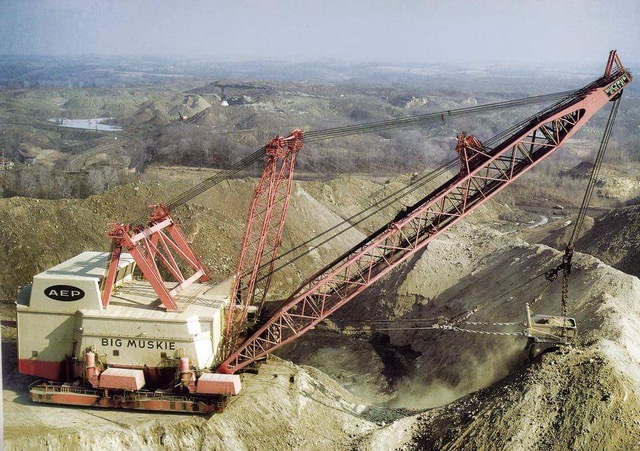
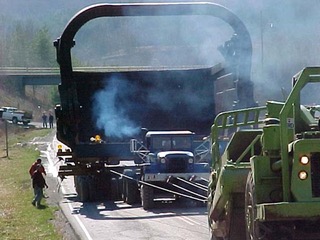

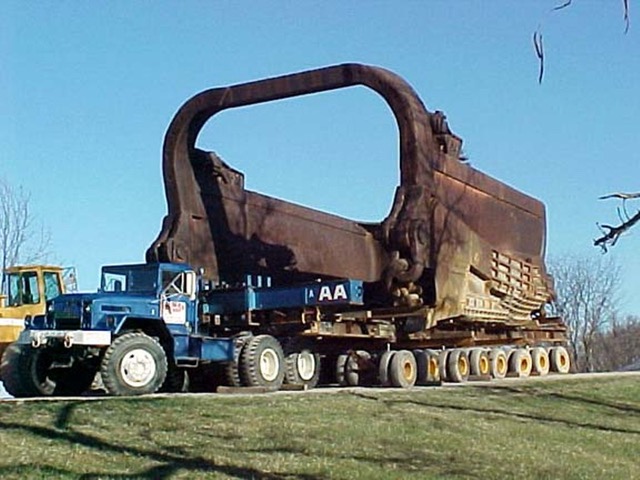
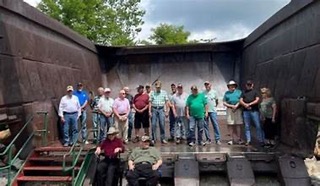
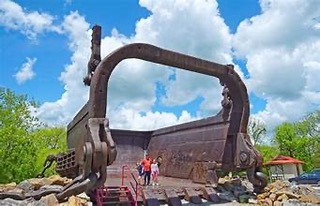
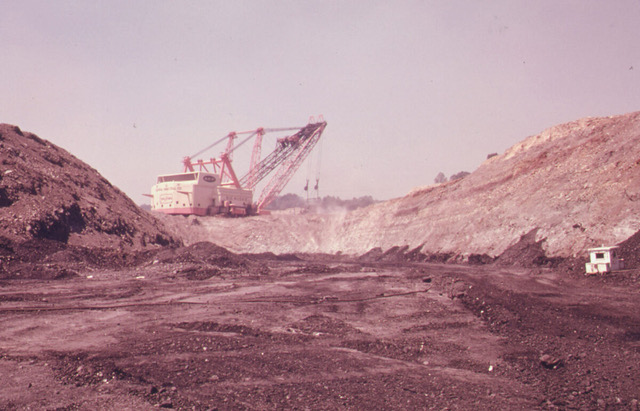
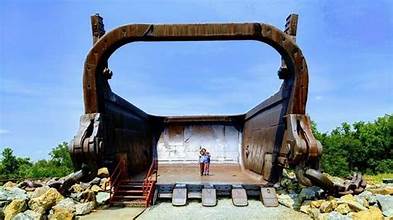
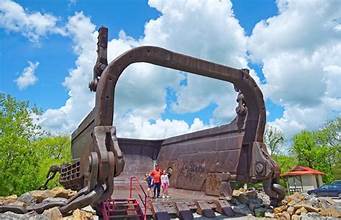
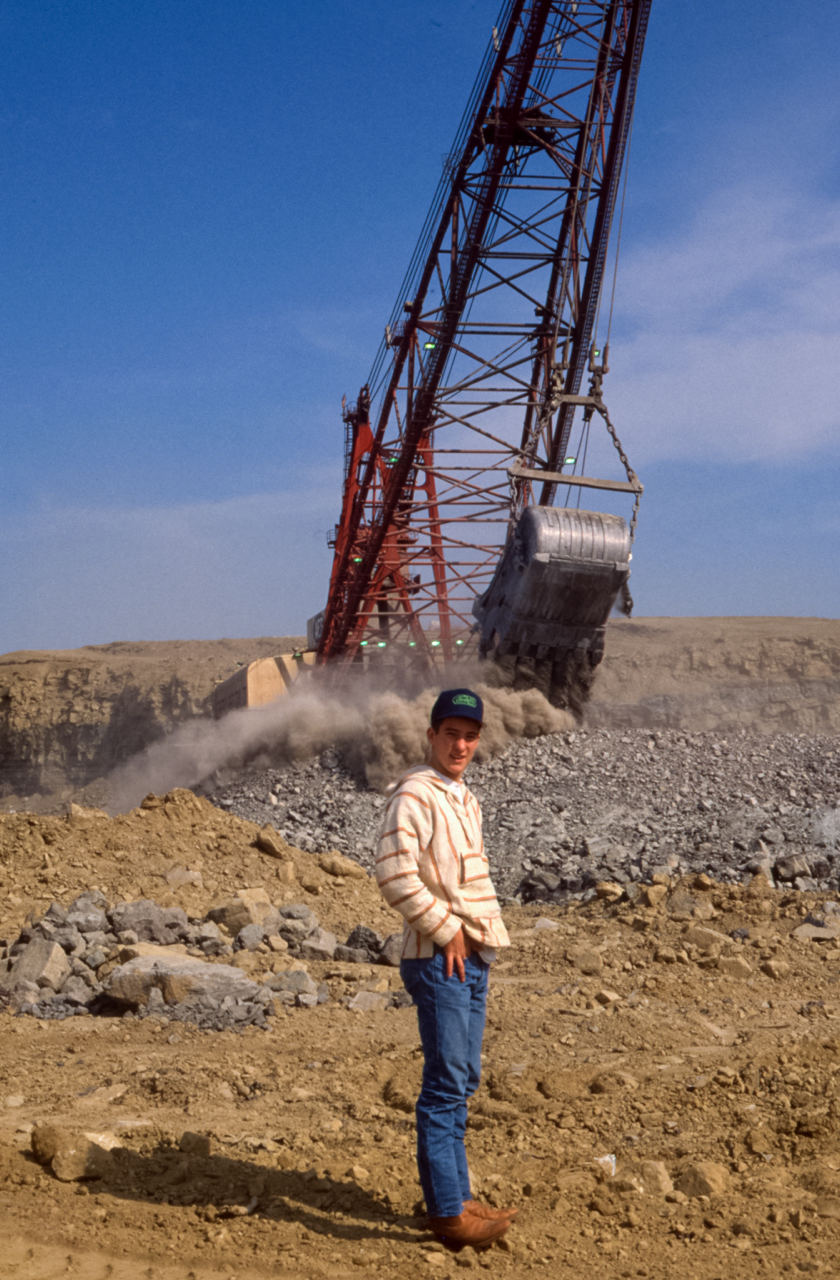
Weighing in at over 27,000,000 pounds, it stood nearly 22 stories high and had a 330-foot twin boom and a 220-cubic yard bucket the size of a 12-car garage.
In 1976, “Big Muskie” removed 8,000 yards of overburden for the coal company per operating hour. In its 22 years of service, it removed twice the amount of earth moved during the original construction of the Panama Canal.
Shut down in 1991, “Big Muskie” was finally dismantled for scrap in 1999. The only component saved was the bucket, which was later incorporated into a display about the machine and surface mining and reclamation in Miners Memorial Park in McConnelsville, Ohio.



 What Is Sorg
 hings firs
 t, what is sorghum?