Month: January 2025

  • episode 2,229; EDWARD FREEMAN – BOTHYS and HOW TO BECOME A HEAD GARDENER in 1900


    episode 2,229;   EDWARD FREEMAN – BOTHYS and  HOW TO BECOME A HEAD GARDENER in 1900

    alan skeoch
    January 28, 2025

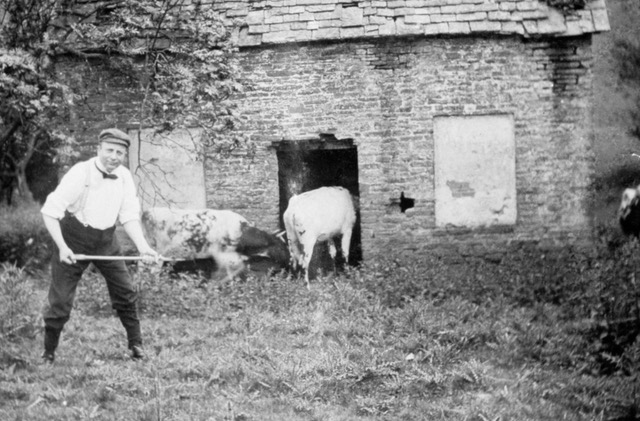
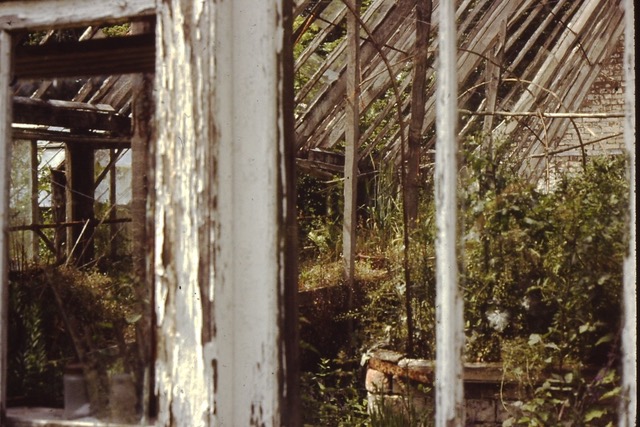
    Under gardeners once lived here (see below)


    GARDENERS BOTHYS and HOW TO BECOME A HEAD GARDINER

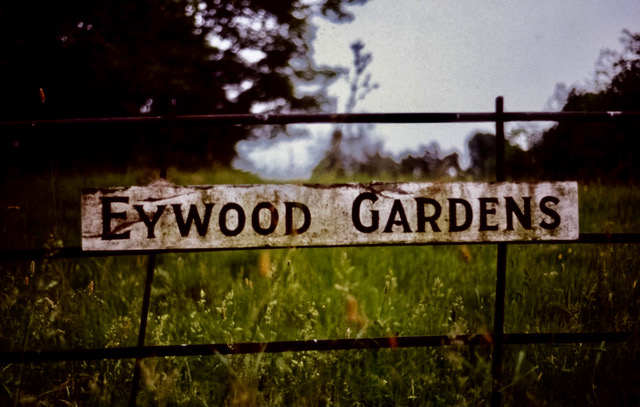
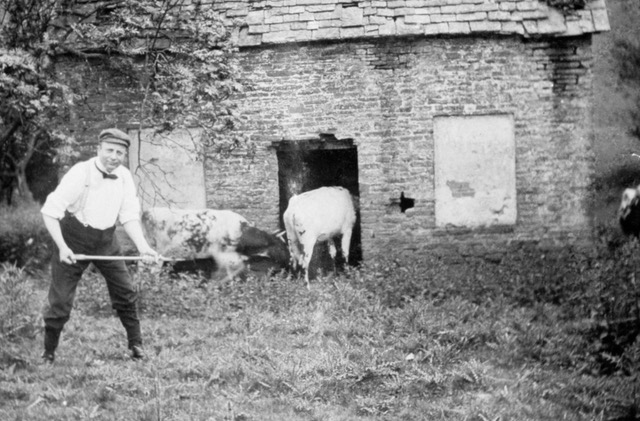
    The bothy was barely  visible.   Looked like a hole in the north side of Eywood Gardens. (above)
    Nondescript. Three heifers were wedging their bodies in and out of the hole while a
    gardener was forking hay.  This had been an active bothy when Edward Freeman
    was head gardener at 
    Eywood.  Was the bothy also A source of income. ? Young gardeners were sometimes
    exceed to pay for the privilege of being an under gardener. They lived in this bothy.  It
    was not as rough when used as a home for under gardeners.  But it was rough.
    Sure could not be much income from 12 year old boys. Hard to believe.

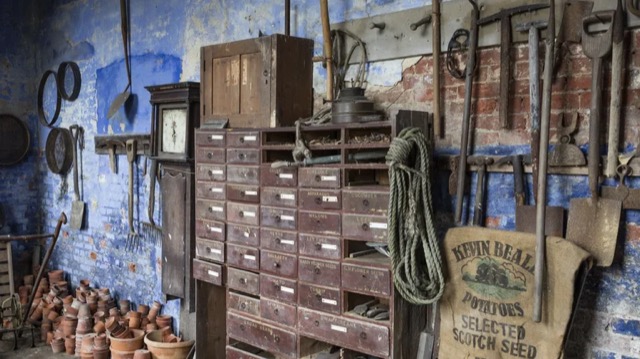
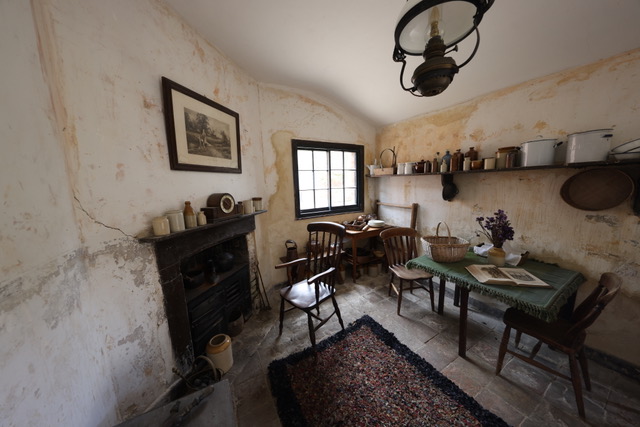
    This is a tourist image of a bothy interior.  There were many fancy bothys and
    I believe a great many that were run down.


    The LADDER THAT MUST BE CLIMBED TO BECOME HEAD GARDENER

    1) INTELLIGENCE – SHOW APTITUDE WHEN YOU ARE 12 – 14 YEARS OLD
    2) Apprentice for up to15 years
    3) Gardeners Boy – usually 12 to 14 years old -washes flower pots (piles of them)
          -keep fires going in greenhouse,  keep paths swept because owners liked to
           brag about gardens.-10 hour workday, 6 day week, evening reading horticultural magazines,
           -expected to pay head gardener for his instructions  
        -fined if gardeners boy broke rules
    4) Improvers – 17 to 18 years old  – lived beside journeymen (in bothy)  
    5) Journeymen  -gardeners who moved around – in their 20’s  -slept in bothy -expected to remain single
         -expected to study botany, etymology, plant physiology, breeding -expected to show originality by
         introducing exotic plants
    6) Head Gardener  -host of expectations -owners of estates expected head gardeners to make
        estates ’show places’ -a lot of pressure- sometimes new estate owners brought new head gardener
        -job held at whim of owners who wanted to show innovative gardens to visitors…very competitive
       -visitors wanted to see the roadway to estate with curves, plantings and vistas.  See previous article
    on Capability Brown.
    undefined

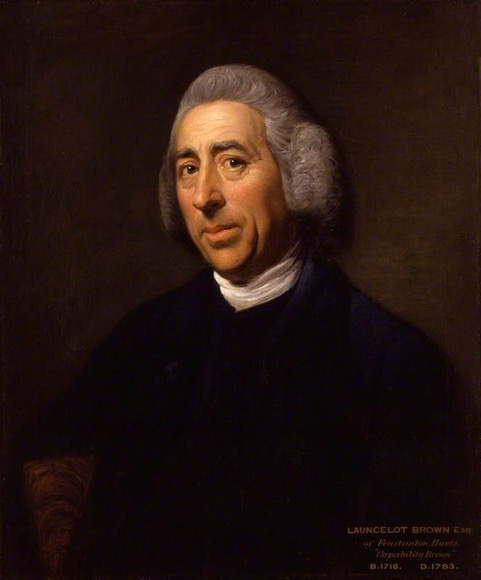
    Lancelot “Capability” Brown (born c. 1715–16, baptised 30 August 1716 – 6 February 1783)[1] was an English gardener and landscape architect, a notable figure in the history of the English landscape garden style.

    Unlike other architects including William Kent, he was a hands-on gardener and provided his clients with a full turnkey service, designing the gardens and park, and then managing their landscaping and planting. He is most famous for the landscaped parks of English country houses, many of which have survived reasonably intact. However, he also included in his plans “pleasure gardens” with flower gardens and the new shrubberies, usually placed where they would not obstruct the views across the park of and from the main facades of the house. Few of his plantings of “pleasure gardens” have survived later changes. He also submitted plans for much smaller urban projects, for example the college gardens along The Backs at Cambridge.

    Criticism of his style, both in his own day and subsequently, mostly centres on the claim that “he created ‘identikit’ landscapes with the main house in a sea of turf, some water, albeit often an impressive feature, and trees in clumps and shelterbelts”, giving “a uniformity equating to authoritarianism” and showing a lack of imagination and even taste on the part of his patrons.[2]

    He designed more than 170 parks, many of which survive. He was nicknamed “Capability” because he would tell his clients that their property had “capability” for improvement.[3] His influence was so great that the contributions to the English gardenmade by his predecessors Charles Bridgeman and William Kent are often overlooked; even Kent’s champion Horace Walpole allowed that Kent “was succeeded by a very able master”.[4]


    Head Gardener (man): This was a very important role in a big house considering gardens were the first thing visitors saw upon their arrival and therefore impressive. The head gardener was knowledgeable regarding horticulture, water features and knew about gardening trends. He also worked in the kitchen gardens, growing fruits and vegetables and remedies for the household. If a house had an orangery, he would be in charge of that as well. The gardener position was considered “upper management” but considering it was an outdoors role, he was not within the hierarchy of the servants who worked indoors. He and his family often lived in a house on the estate. Oversaw the Gardener/Groundskeepers.

    Average £110 pound a year / $536.00 (19th Century)
    *lodgings included

    Chantel Grayson — a good source if you need more


    If you’re looking for information on the duties of a head gardener, here are the key responsibilities:

    1. Plan and design garden layouts and planting schemes.
    2. Oversee the maintenance of plants, including watering, pruning, and fertilizing.
    3. Manage a team of gardeners and delegate tasks effectively.
    4. Monitor plant health and implement pest control measures.
    5. Maintain garden tools and equipment in good working order.
    6. Keep records of plant growth, maintenance schedules, and budgets.
    7. Ensure compliance with health and safety regulations.
    8. Collaborate with landscape architects and horticulturists for projects.
    9. Educate staff and visitors about gardening techniques and plant care.
    10. Organize seasonal planting and harvesting activities.

    I was surprised to discover that Edward Freeman did not like his job…too much pressure.
    In spite of the huge difficulties he faced in Canada, he considered a life of near
    poverty better than a life of near slavery as a head gardener.

    THE head gardeners carried a huge load of responsibilities.  They could be fired
    at the whim of their estate owners…and often were.  Some new owners arrived
    at the new estate with their own head gardeners. The resident head gardener was
    let go…i.e. fired…and had to look for a new estate.  Before 1914 there were
    lots of opportunities.  After World War One owners of large estates declined
    and many estates were demolished. Not much is known about the fate of the
    4000 head gardeners in England in1914.  

    Head gardeners seem to have been loyal types… around half of them volunteered
    for battle and did not survive the slaughter.  Such is true of the under gardeners as well.

    Edward Freeman migrated to Canada in 1906.   I think he expected a better life
    where he did not need  to tip his hat to his ‘betters’.   The life he faced
    after 1906 severely tested his optimism as you will discover.

    alan

    Below is an interesting article on head gardeners.
    HOME » NEWS » THE MATTHEW BALLS ARCHIVE: THE DISCOVERY OF A VICTORIAN HEAD GARDENER

    THE MATTHEW BALLS ARCHIVE: THE DISCOVERY OF A VICTORIAN HEAD GARDENER

    Rosie Vizor, Garden Museum Archivist

    With the Museum being closed to visitors, now is a good opportunity to delve into the boxes of some of the lesser known archives we hold. This week, I have been cataloguing the archive of Victorian Head Gardener, Matthew Balls (1817-1905). Since our collecting focus is contemporary and 20th century garden design, I was excited to see this older material, especially because archives of Victorian Head Gardeners are rare.
    When we think of Victorian gardens, we picture colourful carpet bedding, great glasshouses, elaborate fountains and statues, exotic plants and trees in arboretums. We associate them with the famous landscape designers and plant hunters of the time, but garden historian Toby Musgrave argues that Head Gardeners are the ‘Forgotten Heroes of Horticulture’. [1] It was they who had to cultivate plants on home soil and the great majority of country house gardens were designed by the Head Gardener, not by a travelling professional designer.
    The Head Gardener has been an elusive character for many years; his name may appear on a list of the owners’ wage payments, or attached to a variety he first cultivated, but little of his personal life is recorded, especially not by himself. That’s what makes the Matthew Balls Archive so precious; donated in 2011 by Anthony Paice, Balls’ great-great grandson, it arrived with an accompanying family history tracing back to 1575.
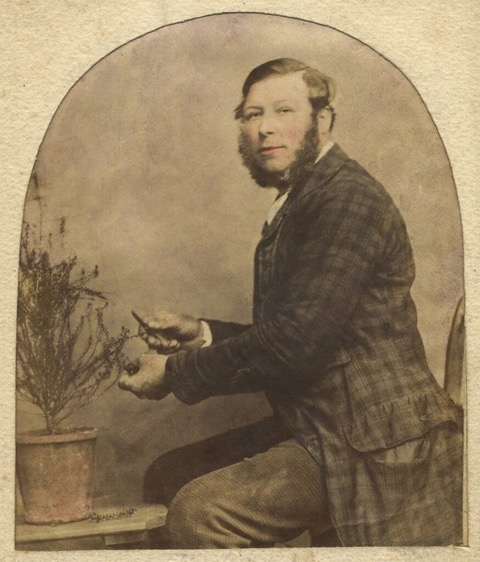
    Hand-coloured photograph of Matthew Balls with a pruning knife and potted plant, c. 1846-1869
    Matthew Balls was born on 23 March 1817 at Gaynes Hall, West Perry, Cambridgeshire, to Henry and Ann Balls, who were both servants. Henry was a gardener, as was Matthew’s grandfather. Matthew married Elizabeth Flint on 30 July 1842 in Godmanchester. They subsequently moved to Hertfordshire, where he was appointed Head Gardener at Stagenhoe Park by the time he was 30, but what happened in between? How did he rise to such an illustrious post, leading a team of up to 20 gardeners?


  • EPISODE 1’207: EDWARD FREEMAN, HEAD GARDENER at EYWOOD COUNTRY ESTATE, HEREFORDSHIRE, ENGLAND — 1898-1906

     episode  1’207:  EDWARD FREEMAN, HEAD GARDENER at EYWOOD COUNTRY ESTATE, HEREFORDSHIRE, ENGLAND —  1898-1906 


    alan skeoch
    January 25, 2025


    SEARCHING FOR EYWOOD IN 1960


    Not much time.  Three days to find Eywood in Herefordshire, England.  I had just
    finished a wonderful job in Ireland.  Mining equipment all crated up and sent 
    by ship back to Canada.  I was 22 years old.  A history student at the University
    of Toronto.  I would be a bit late but might never get another chance to find Eywood,
    the grand 1500 acre country estate my grandparents had left in 2006 to migrate
    to Canada.  

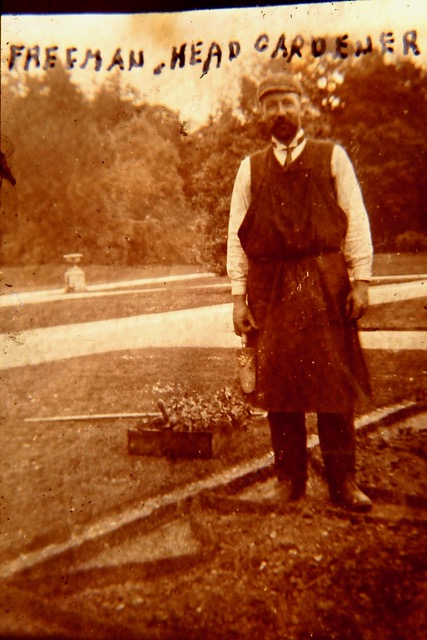
    Granddad, Edward Freeman, had been the head gardener at Eywood from 1898 to 1906.  
    On winter nights grandma and granddad often talked about Eywood.  As a teenager the
    Ewood estate became a fairyland akin to that found in the Wizard of Oz.
     
    In winter they had only one room that was liveable in their Ontario farmhouse…made so
    by a large cast iron cook stove.  Ancient photographs of Eywood hung here and
    there in large hand made black varnished frames. (see episode 1,209) A narrow couch beside the stove,
    a small foot pumped organ, a kitchen table, a large sideboard cupboard for anything grandma
    thought valuable and four chairs.  Wallpaper featured a twisting grape vine.
    Two cracked cups and mismatched cutlery and dishes…and a woodbox stuffed
    with hand split maple blocks and splintered cedar.   

    When we were there the room was full and conversation was constant.  Letters from
    England were read and reread.  Eywood letters from Polly Griffiths.  Her son
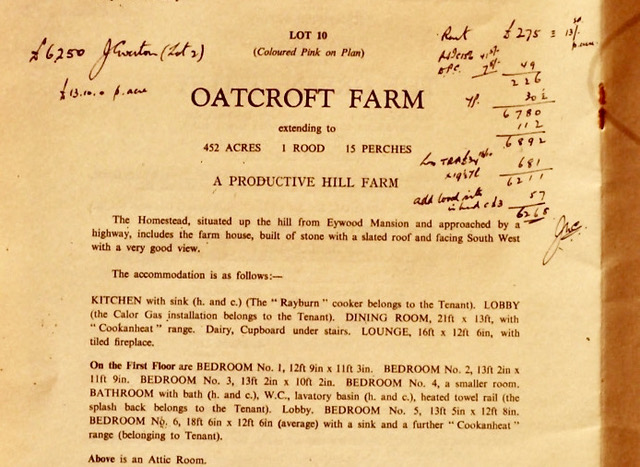
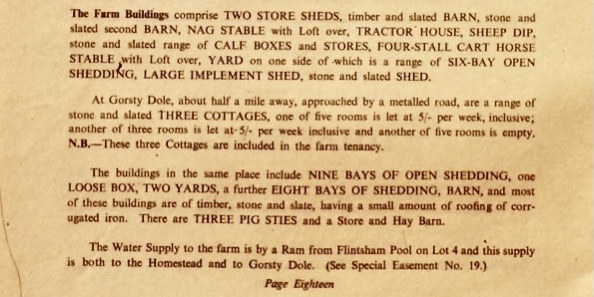
    Cyril farmed Oatcroft, a 500 acre farm at Eywood.  

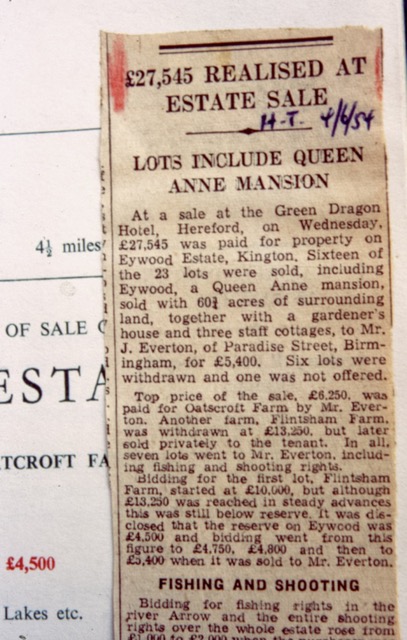
    In 1954 word came that Eywood was up for sale.  The 1500 acre estate was
    broken into pieces..sold to highest bidders.  A disaster for the hired help of
    Eywood, the servants.  No one seemed  to want the big house…the heart
    of the Eywood estate.  The rest had new owners.  I was  16 in 1954 and
    never expected to ever see Ewood so did not listen closely

    Then in 1960 I was sent to Ireland for two months and at the end of the job had three precious days
    to find Eywood.  Disaster had happened.  I should have listened more closely in 1954.   The
    shock would not have been as bad.  Then again If I knew what
    had happened to Eywood in 1954 I might have been even more fascinated.

    WHAT HAPPENED TO EYWOOD? … THE 1954 FALLOUT


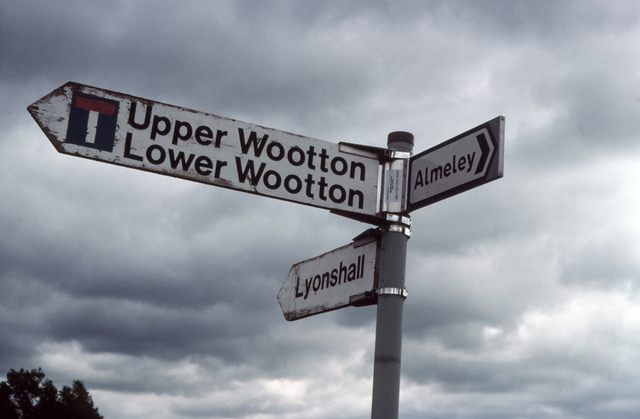
    Finding Eywood turned out to be easier than I expected.  All I had to find was
    Lower Wooton Farm.  A banker at the Hereford train station noticed I was lost
    and said he would drive me there.  Turned out to be Cyril Griffiths’ banker.
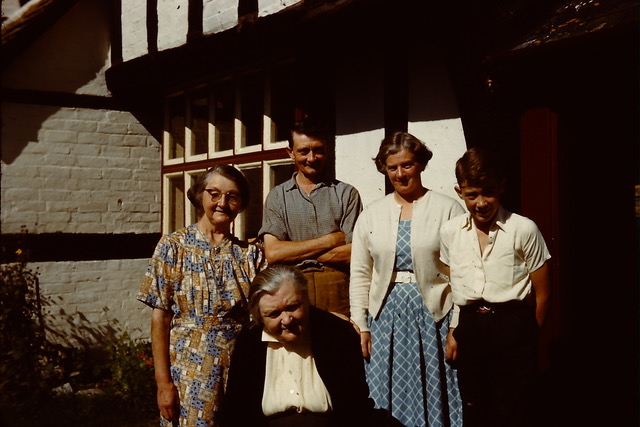
    When i arrived I was startled to discover they expected me.  Mom had sent a 
    note to Aunt Polly and the whole family were waiting for me to arrive…Cyril, Nancy, Polly
    and young David.  Supper was ready…a bed was ready.

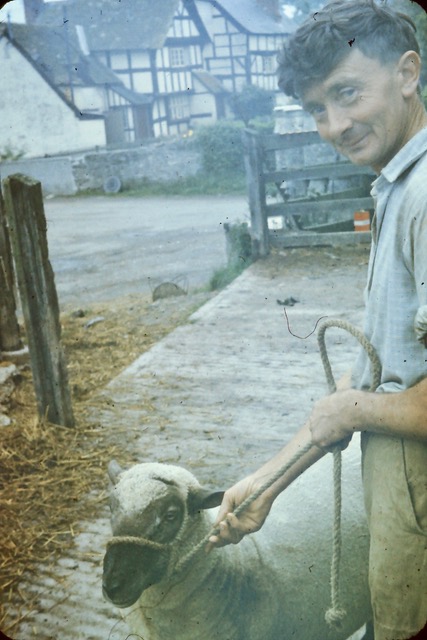
    CYRIL Griffiths with the sheep that thinks it
    is a cow and arrives at milking time

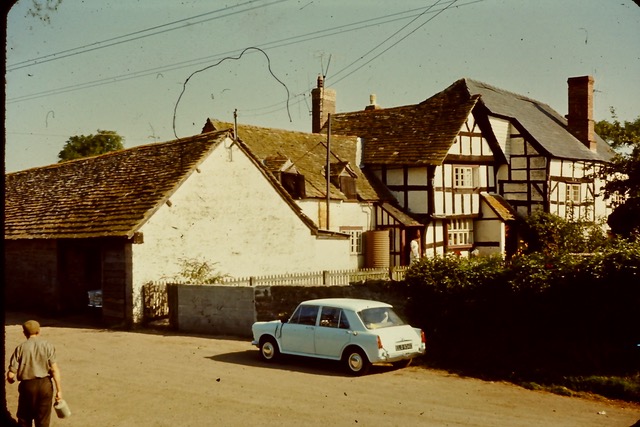
    Lower Wooton Farm was an adventure…an historic site
    dating back to the 16th century… not be modernized.    Cyril Griffiths had farmed Oatcroft,
    one of the Eywood farms.  Probably it had been sold at the auction and Cyril was 
    offered Lower Wooton Farm as an alternative.  

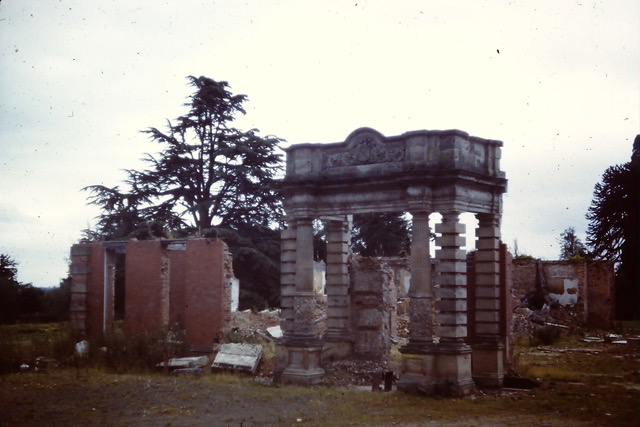
    Next morning Cyril drove me to Eywood.  Did The estate exist unchanged since my
    Grandfathers days as Head Gardener 1898 to 1906?  Not quite so.  The big house
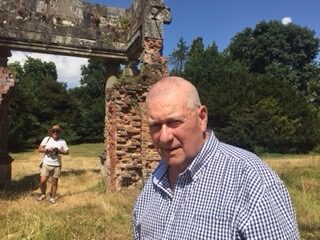
    on Eywoood estate was a pile of red bricks and four stone columns where there was 
    once a grand entrance.  All else was intact including the rookery where young pigeons
    were captured and eaten on fancy dinners.  Disgusting…I believe they were a delicacy
    called squabs.


    Cyril knew I wanted to see the great walled garden where granddad and his 8 employees
    laboured to provide food and flowers for the Gwyer family.  
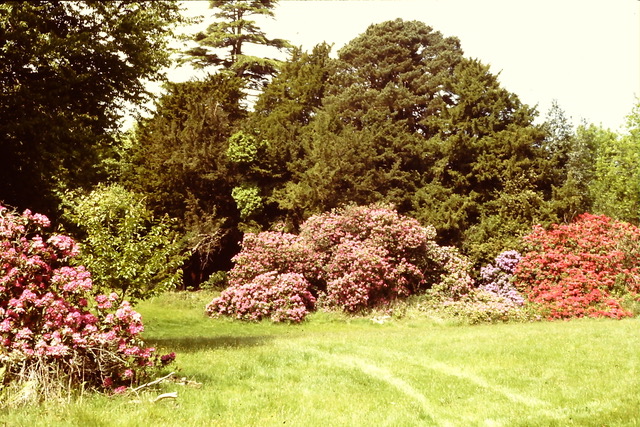
    We treaded a grass trail enclosed by rotodendrons in full bloom.  Uphill to the head gardeners’
    cottage and then into a two acre brick enclosed garden.


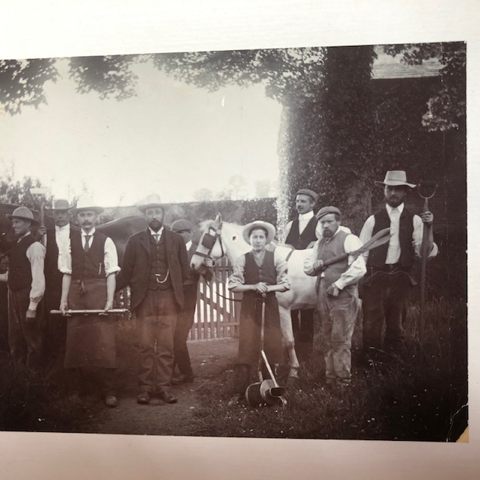
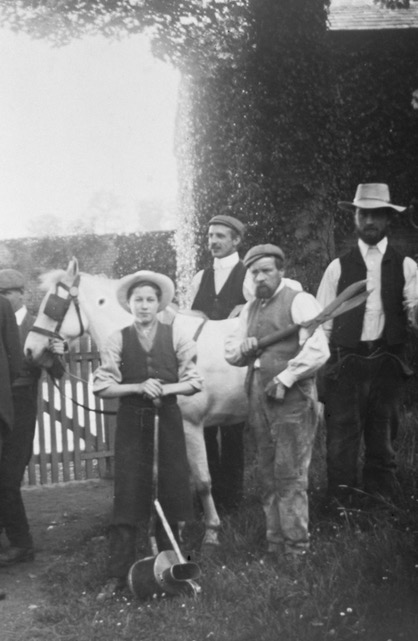
    The  gardening staff at Eywood circa 1900…all ages…Edward Freeman with his
    beard which makes him look older than a young man in his twenties.


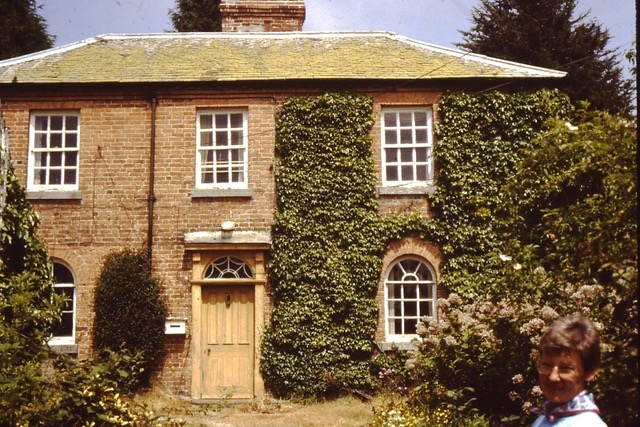
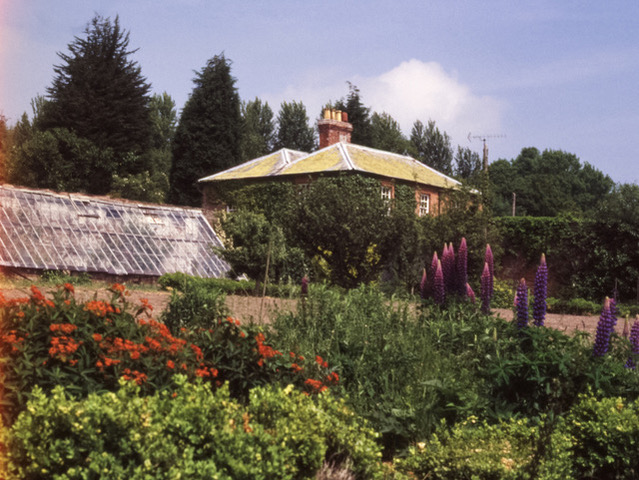
    This is the head gardeners’ house at Eywood…where my mother
    Elsie Freeman was born in 1901.   The house is part of the
    walled garden whose purpose was to retain heat and thereby
    grow plants normally grown where soil temperatures were 
    warmer.   Such as peaches for example.


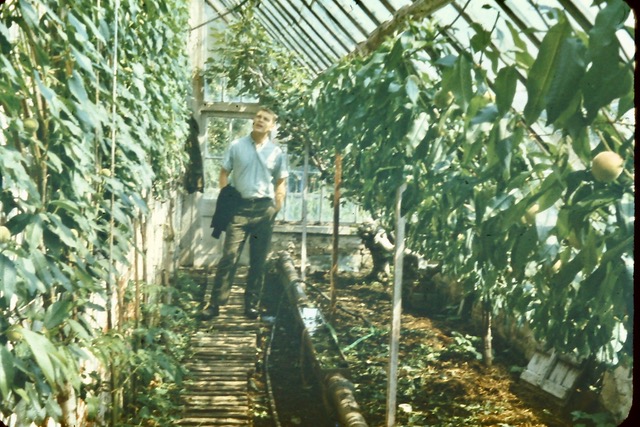
    My brother Eric, five years later is standing in an Eywood glass house
    where a peach tree is thriving.  Attached to the espaliered tree is a wooden
    tag marked “E. Freeman” and a date.  unfortunately I have misplaced
    my picture of the tag.  See the peach on the left? Or was it a nectarine?   Head gardeners were
    expected to grow exotic plants.  In the 19th century English plant
    hunters searched for new plant species for head gardeners to
    plant in these walled gardens.  The most famous was the rubber
    tree seeds hijacked from the jungles of Brazil and propagated
    in London’s Kew garden.  Rubber is essential in modern
    civilization.  Without natural rubber jet planes could not take off or land. Is that true?


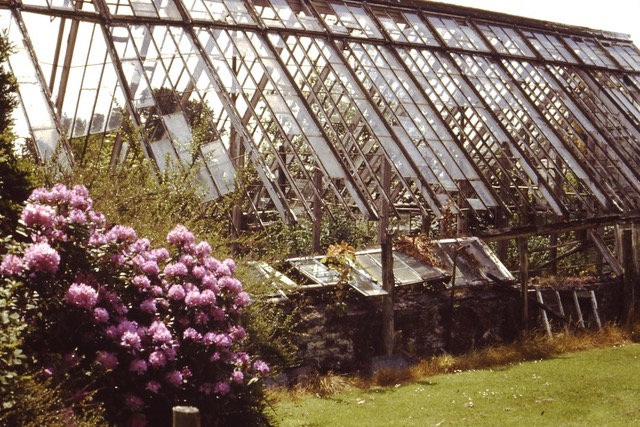
    View of Eywood garden from inside the high brick wall.  Edward Freeman’s
    house in the centre, glass house on left supported by the high brick wall.


    Glass house was not quite so pretty on closer inspection.
    Edward Freeman had a gardening staff of 8 men and boys.
    In 1960 there was 1 man, Percy (whose name I have lost —
    he worked as a gardener for my grandfather and bought
    the Eywood gardens at auction in 1954.  Nice man. Gave
    us one of the large clay flower pots as memento of better days.


    NOTE:  NEXT EPISODE WILL FEATURE ‘THE BOTHY’ AT EYWOOD

  • EPISODE 2,207: EDWARD FREEMAN STORY: EYWOOD ESTATE, with a touch of SCANDAL
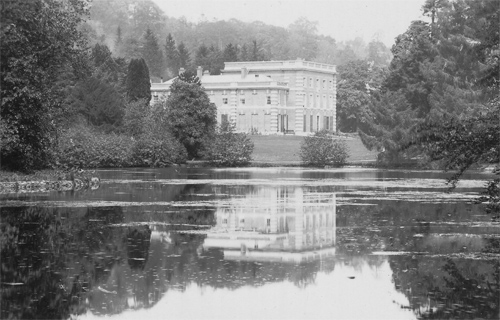
    Note:  This is the beginning of a series of episodes centred around Edward Freeman who became the Head Gardener
    at Eywood between 1898 to 1906 when he migrated in 1908 to Canada.  Edward Freeman was my grandfather.  His decisions and
    adventures should have some interest beyond our family.   Little is written about head gardeners so these tales about
    Edward Freeman might fill a void.   But first here is a bit of scandal to whet your interest.  What would you do if Lord Byron
    arrived?  Both males and females can answer the question.


    EPISODE 2,207:  THE HISTORY OF EYWOOD BY NICHOLAS KINGSLEY and the Lord Byron and Jane Scott scandal
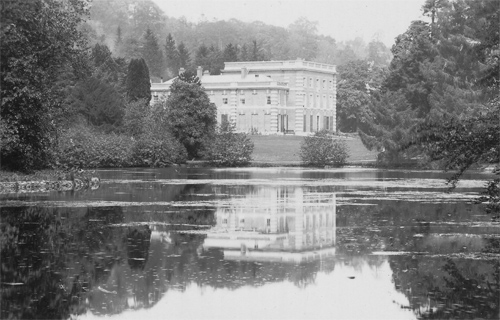


    Scandal at Eywood

    Probably the only part you will remember occurred when Lord Byron had a love affair with Jane Scott.  Her husband Edward Harley
    took long walks around the three lakes at Ewood while Jane and Lord Byron made love.  She was 40 and he was 24. Those
    were the days!

    alan
    Jan. 20, 2025
    (article by Kingsley below)

    Edward Harley (1773-1848), 5th Earl of Oxford, came of age in 1794, and in that year married Jane Scott, a Hampshire clergyman’s daughter. She was to be the Countess of Oxford with whom Lord Byron had an affair in 1812 (when she was forty and he was 24 and on the rebound from Lady Caroline Lamb)

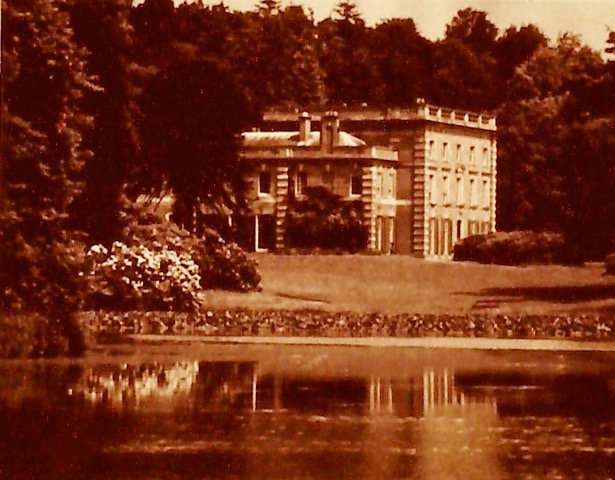
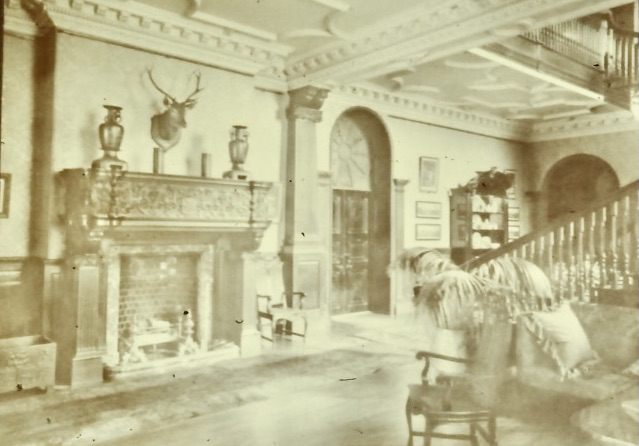
    The Eywood estate at Titley was acquired at the beginning of the 18th century by Edward Harley (1664-1735), the younger brother of Robert Harley, 1st Earl of Oxford, who was Speaker of the House of Commons and later Chancellor of the Exchequer under Queen Anne. Edward was appointed by his brother to the lucrative office of Auditor of the Imprest, and the proceeds of this appointment are said to have funded the building of a new house at Eywood in about 1705. I have not found an 18th century view of the house, although it seems likely that one exists, but it seems probable that the house of this time was a plain five by five bay block of three storeys. The rusticated basement and giant Ionic columns, which decorated the front may also have been original features, or they may have been added later in the 18th century (the house is said to have been ‘much altered’). Inside, there was a fine staircase, with three turned and fluted balusters per step, which survived later alterations to the building. Another fine room was the fully-panelled Oak Room, used latterly as a billiard room, and the house also retained some other plain but handsome fireplaces which were obviously of the 1705 period. 

    In 1735 Edward Harley was succeeded by his son, Edward Harley (1699-1755), who succeeded his cousin as 3rd Earl of Oxford in 1741. With the earldom came the Brampton Bryan estate in Herefordshire, the ancient seat of the Harleys, and Eywood seems thereafter to have became a secondary estate of the earls. This did not, however, mean that Eywood was neglected. Either Edward Harley or the 3rd Earl established a landscaped setting for the house, for Bishop Pococke noted on his travels in September 1756 that ‘Lord Oxford has a large house and a fine lawn, with a beautiful piece of water and great woods on the hill over it’, which remained a fair description of the house in later years. Edward Harley (1726-90), 4th Earl of Oxford, brought Capability Brown to Eywood in 1775, but it is far from clear that he made any proposals for the estate, let alone that these were executed. Nonetheless, by 1795 there were three pools at Eywood (two remain) and there are still great stands of woodland in the parkland setting of the house. 

    Edward Harley (1773-1848), 5th Earl of Oxford, came of age in 1794, and in that year married Jane Scott, a Hampshire clergyman’s daughter. She was to be the Countess of Oxford with whom Lord Byron had an affair in 1812 (when she was forty and he was 24 and on the rebound from Lady Caroline Lamb). By the time Byron stayed at Eywood in 1812, however, the house had been greatly altered, for Lord Oxford employed Robert Smirke in 1805-07 to enlarge and modernise it. Smirke seems to have turned the early 18th century square block into a courtyard house by adding much longer, three-storey wings to either side of the original house, and a connecting wing joining the ends of the two wings to the north-west. On the main south front, the new wings were stepped back a little from the original block, which with its tall parapet and giant order continued to dominate the appearance of the house. A new entrance was made into the north-east wing, and the ground floor of the main block and this wing were rusticated. Inside, Smirke created new interiors, including a grand new dining room with a screen of columns across one end, a new drawing room, and several other rooms with fine chimneypieces and simple plasterwork, A new pleasure ground was laid out around the house. 

    In 1848, Eywood and Brampton Bryan passed to Alfred Harley (1809-53), 6th and last Earl of Oxford. When he died, Brampton Bryan passed to his widow (d. 1877) while Eywood passed to his elder daughter, Lady Langdale. She died in 1872 and after some legal wrangling, Eywood passed to her sister, Lady Charlotte Bacon, the widow of Gen. Anthony Bacon, whose career had encompassed being ‘the finest cavalry officer in the army’, two years imprisonment for debt, an abortive attempt to found a colony in south Australia, and military service under Don Pedro, King of Portugal and Emperor of Brazil. At the time of her inheritance, Lady Charlotte was living in Australia with her children, but she came home and died at Eywood in 1880. Her son, Edward Bacon (b. 1842) sold Eywood to Arthur Walsh (1827-1920), 2nd Baron Ormathwaite, who in turn sold it in 1892 to Charles James Paul Gwyer (1854-1940) and his wife Mary (1862-1950). 

    The Gwyers brought in W.O. Milne to remodel the house, which was looking decidedly run-down after half a century of only intermittent occupation. The wings of of the house were reduced from three storeys to two, and the central block was remodelled, removing the giant order and replacing it with bold rustication at the angles of the building and rather chunky window surrounds. The house that resulted was more unified in appearance than before. A large new porch with eclectic detailing was built on the east side, and this is ironically almost the only part of the building to survive today. For after the death of Mrs Gwyer in 1950, the estate was sold to a Mr Vowells, who sold off the farms and demolished the house almost entirely. The house went, it would seem, because it was so large and the owner had no use for it: it appears not to have been in poor condition. The landscaping and the stable block survive, but the porch and some odd stumps of walling are all that remain of the house today. At least one of the chimneypieces from the house was acquired by the Harleys and taken to Brampton Bryan.


  • EPSODE 2,226 -JEAN CHRETIEN IS IN A FIGHTING MOOD OVER THE 25% TARIFF AIMED TO DESTROY CANADA — IT WON’TWORK — (thanks to globe and mail research news)

    Episode  2,226

    alan skeoch
    jan. 15, 2025

    Now here is the Jean Chretien I remember so well…always willing to step in and step up
    when needed.  Bullying just does not work Mr. Trump.  We Canadians have regarded
    Americans as our best friends even though our political structure is different.   I find it
    difficult to understand why we are now on the U.S. hate list.  Or is this some kind of game!

    Read below…Jean Chretien is really angry and hurt…and I believe expresses our collective will.


  • EPISODE 1,205, JANUARY 15, 2025: PICASSO’S GUERNICA: YOU MUST INTERPRET THE PAINTING YOURSELF FIRST


    EPISODE 1,205,  JANUARY 15, 2025:   PICASSO’S GUERNICA:  YOU MUST INTERPRET THE PAINTING YOURSELF FIRST

    alan skeoch
    january 15, 2025

    Note:  Marjorie invited me to view the film Picasso at our local cinema.  I had not given the painting much thought
    although I had seen it often in my 86 years.  Perhaps you are as ignorant as I was.  Can you see meaning?
    My thanks to Margaret Geare and the retired elementary teachers of Mississauga.  Visit AMC In January.


    PABLO PICASSO’S MOST FAMOUS PIECE OF ART —“GUERNICA”

    What does it mean?   Picasso never explained the meaning.  And even today there are
    various interpretations of Guernica.   If asked meaning Picasso is said to have carried a pistol
    loaded with blanks that he fired at those seeking meaning from him.  Why did he do that? What does Guernica mean?
    Take a look and suggest meaning.  What do you see?  Do that now…before looking at
    what others see.  Do it now.

    Your note?  Right here!


    WHAT ACTUALLY HAPPENED on  on April and May , 1937

    Guernica, located in Basque country, was a place of particular importance to the Republicans. Although the city had no military significance, it was symbolic of the Basque culture. On April 26, 1937, Hitler’s German Condor Legion bombed the city for three hours, acting in support of General Franco. Twenty five bomber planes bombed the town with 100,000 pounds of explosives, and twenty more planes hunted down citizens trying to flee the scene. It is thought that the majority of citizens were trapped in the center of the town, as it was market day, and they were unable to escape as the roads and bridges surrounding them had been destroyed. The majority of men were at war, so most of the 1,600 townspeople injured or killed were women and children. 

    News of the attack reached Paris on May 1, 1937. As a supporter of the Republicans, Picasso was horrified by the news and began work on the preliminary sketches that would become the Guernica mural. In the 1940s, a German officer would see a photograph of Guernica in Picasso’s apartment and ask, “Did you do that?”, to which Picasso replied, “No. You did.”


    I am not an art critic.  When I searched my mind for meaning what did I see?   I saw the
    absolute horrors of war.  A bomb has been detonated in the market square of the
    Basque town of Guernica in 1937…dropped from a Nazi dive bomber on women and children…
    horses and bulls…blasting them into tiny meaningful pieces…expressing Picasso’s hatred
    of war and the mindless atrocities war brings upon innocent people and animals.

    No doubt that ignorant comment would prompt Picasso to take a blank shot at me.

    WHAT DO OTHERS SEE IN ‘GUERNICA’?
    (courtesy of singulart)

    In Guernica, we can see six human figures – four women, a man, and a child – as well as a horse and a bull. The scene is frenzied, lit only by a lamp bulb bursting with light over all of the chaos. 

    To the left of the painting, a bull whose side has been pierced by a dagger looms over a devastated mother, wailing as she holds her dead child in her arms. A horse brays as it tramples a fallen man, whose right arm has been severed from his body. In his dismembered hand he holds a shattered sword, and we can see a flower blooming from his clenched fist. Two ghostly figures float eerily toward the center of the piece, one holding a gas lamp to examine the turmoil in front of her. At the right of the painting, we can see a figure screaming, engulfed in flames.   

    Guernica is painted in a monochromatic palette, using a technique known as grisaille. Picasso had a paint specially created for Guernica in order to use the least amount of gloss possible and emulate the immediacy of wartime photography. Despite the immense size of Guernica, it only took Picasso a month and a half to complete, ready to be exhibited in the Spanish Pavilion of the Paris World Fair. 

    Speaking about Guernica, Picasso stated: 

    “My whole life as an artist has been nothing more than a continuous struggle against reaction and the death of art. In the picture I am painting, which I shall call Guernica, I am expressing my horror of the military caste which is now plundering Spain into an ocean of misery and death.” 

    Symbolism of Guernica 

    Picasso never publicly confirmed any of the interpretations of Guernica, and its meaning has been hotly debated ever since its creation. Here, Singulart breaks down the elements of the piece along with their possible symbolism. 

    www.singulart.com/blog/wp-content/uploads/2024/06/Bundesarchiv_Bild_183-H25224_Guernica_Ruinen-300×220.jpg 300w, www.singulart.com/blog/wp-content/uploads/2024/06/Bundesarchiv_Bild_183-H25224_Guernica_Ruinen-768×562.jpg 768w” sizes=”(max-width: 761px) 100vw, 761px” style=”box-sizing: border-box; -webkit-font-smoothing: antialiased; max-width: 100%; display: block; border: 0px; vertical-align: bottom; outline: 0px !important;” apple-inline=”yes” id=”C9326565-BAC3-4A26-9843-672B599DDD88″ src=”https://alanskeoch.ca/wp-content/uploads/2025/01/Bundesarchiv_Bild_183-H25224_Guernica_Ruinen.jpg”>
    Die Ruinen von Guernica 5603/37

    It is believed that the bull, with its dispassionate, expressionless face, could symbolize Franco. However, as a bull is a symbol for virility, the stab wounds of the bull could symbolize that man is fractured, that humanity in general is in trouble. It has also been theorized that the bull could be an emblem of Spanish culture, as Picasso had referenced bullfighting in previous paintings (this would also account for the stab wounds on the bull). 

    The mother and child at the left of the painting could be a reference to Madonna and child, or more specifically a symbol of pietaPieta, or pity, is a trope that has been seen in countless artworks, referencing Mary carrying Jesus’s dead body in her arms after he was taken down from the cross. 

    The horse is the center of the painting; our eye is immediately drawn to its panicked, hysterical expression. It is generally believed that the horse symbolizes the Guernican people, with the arrow piercing the horse’s side adding to this conclusion. It is interesting to note that early sketches of the horse, hidden on this canvas by layers of paint and revisions, portrayed it with a downward expression, as if admitting defeat. Here, in the final version, the horse has been struck and in pain but remains defiant until its last moments. 

    The only male figure in this painting can be seen under the horse, screaming in pain as the horse tramples his dismembered body. Only the upper half of his body is visible, with the rest lost in the swirling chaos surrounding him. While one of his hands shows signs of the stigmata, another Biblical reference, a white flower grows out of the broken sword in the other hand, which could symbolize hope after destruction. 

    The lamp that hangs overhead, illuminating the scene, could be interpreted as a bomb dropping. However, some critics have argued that it represents the eye of God. It has also been suggested that the lamp represents the notion of technology being used to propel evil, shining a spotlight on the dark side of modern technology. 

    Historians have debated the meaning of the three women on the right side of the painting. It has been suggested that the women represent the three fates, as seen in Greek mythology, or that they could depict the three martyred virgins of early Christianity. They could also be a reflection of Picasso’s personal life, portraying his wife and two lovers. 

    Picasso was deliberately obtuse about the meaning of Guernica, which is partly why it has been so thoroughly discussed and debated since its creation. He stated, “It isn’t up to the painter to define the symbols… The public who look at the picture must interpret the symbols as they understand them.”