EPISODE 615 Skeoch mural in Dalbeattie, SCOTLAND….THE LITTLE SKEOCH AUTOMOBILE, Episode 134 REPEATED
Dear Skeoch contacts,You might be interested is a vlog which was posted this week about a mural in Dalbeattie about the Skeoch Cycle Car see https://www.dgwgo.com/community-focus/mural-commemorate-james-b-skeochs-utility-cycle-car-commissioned-dalbeattie/Kind regards,Geoff


EPISODE 134: ONCE UPON A TIME THERE WAS A MOTOR CAR CALLED THE LITTLE SKEOCH(also called The Skeoch Motorcycle Car)alan skeochNov. 27. 2018
REVISED OCT. 2020 (slightly)
It has now been two years since I touched base with the men rebuilding The Litle Skeoch Motor Car
Maybe we should bring back the LITTLE SKEOCH MOTOR CAR. It was small,, cheap and simple…sort of a 4 wheel bicycle seating two people with a chain drive and small
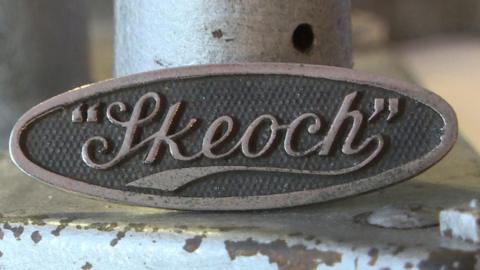
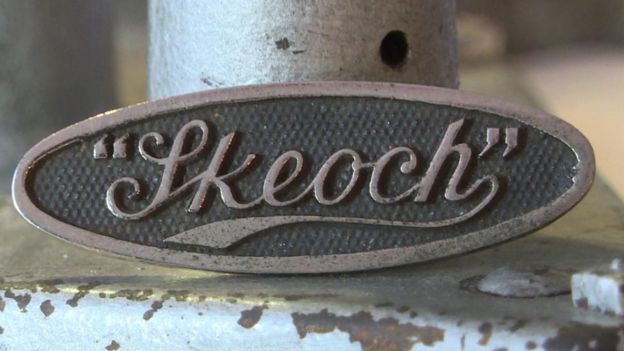
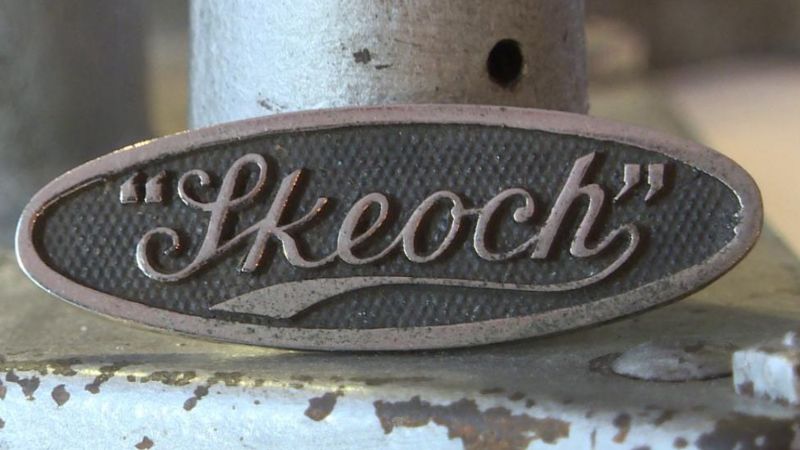
motorcycle engine. So small that only two very slim people could ride in it since thecar was only 31 inches wide and a little over 8 feet long.Some of you may think this is some kind of joke. Wrong. In 1920, James Skeoch built his first Little Skeoch, then entered it in a Scottish auto show and sold itin ten minutes. All told less than a dozen Little Skeoch’s were built in his small factory. Ten were quickly purchased at that auto show. Price? 180 pounds…which was the cheapest car in the show. None have survived. Sadly in 1921 a fire consumed his little factory and as a result the Burnside Motor Company in Dalbeattie, Scotland, ceased to exist.Pictures of the Skeoch production line were retrieved from Skeoch family albums. Not exactly an automated factory.But the LITTLE SKEOCHS were real mini cars and seemed about to make a big splash in the booming car market of the 1920’suntil fire ended the enterprise. Everything became a blackened pile of scrap iron.James Skeoch moved on. His skills were valued. He had a long successful career and died in 1954.Not many people, by 1954, were even aware that there was such a car as the SKEOCH. Memories are short especially sincenone of the Little Skeochs survived. Gone Gone Gone.Well, not quite.POSSIBLE REBIRTH OF THE LITTLE SKEOCH
HUMPTY DUMPTY SAT ON THE WALL
By Nichola Rutherford
BBC Scotland News
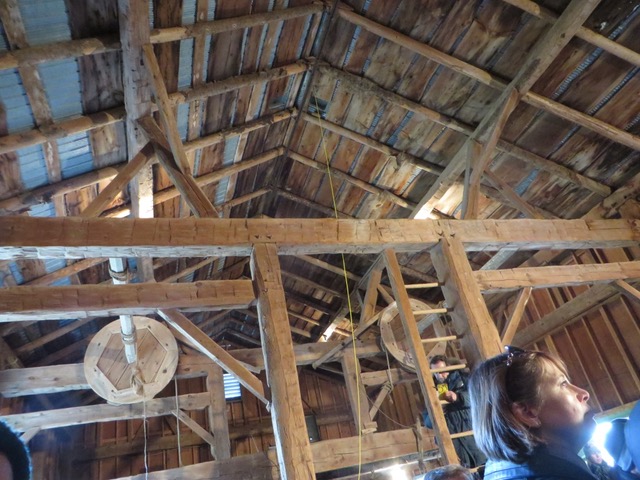
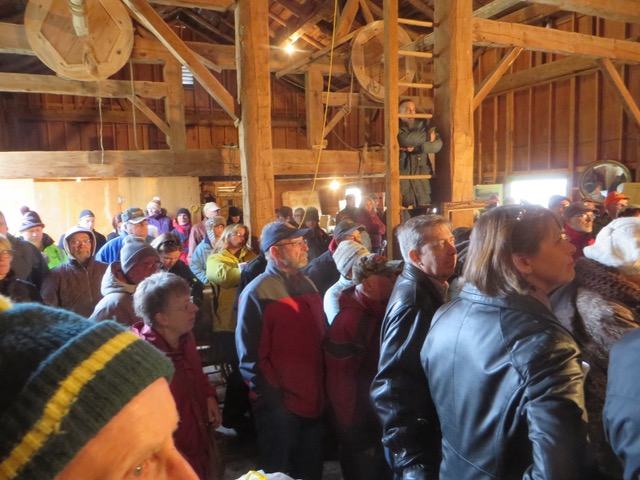
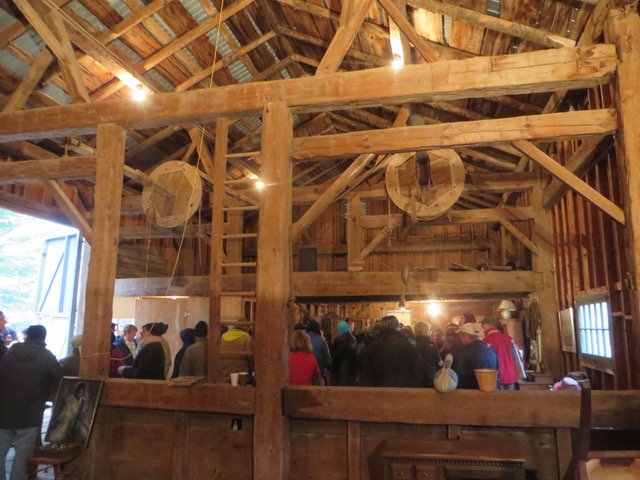
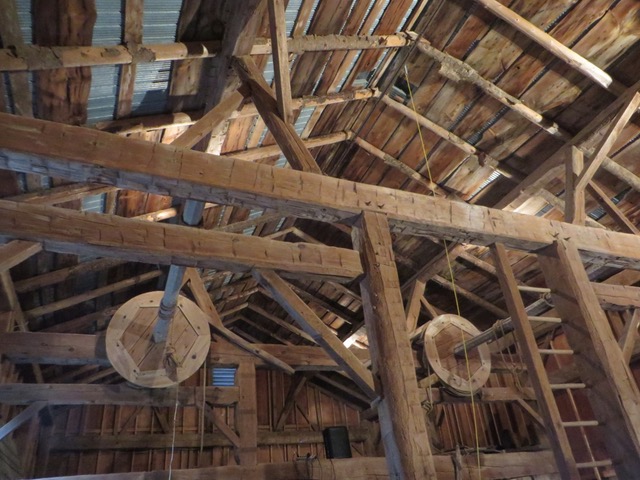
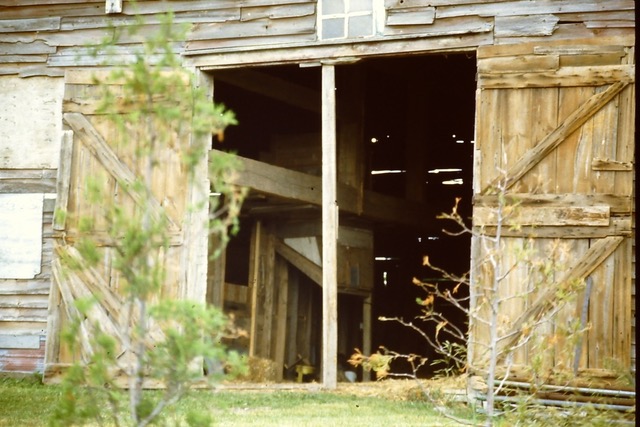
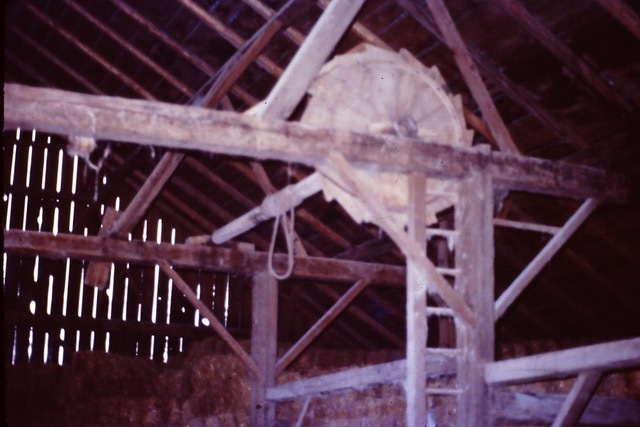
EPISODE 623 “WHY ONTARIO BARNS HAD WHEELS?” ROBERT ROOT ANSWERSalan skeochjuly 2022Most Ontario barns also had wheels high up on the high beams. Why ?This was time when barns also used teams of horses , lots of long ropes, pulleys attachedto the floor and lots of two and three pronged forks. About now, end of July, those wheels were movingas were the horses, ropes and pulleys….and the pitch forks.. Why?

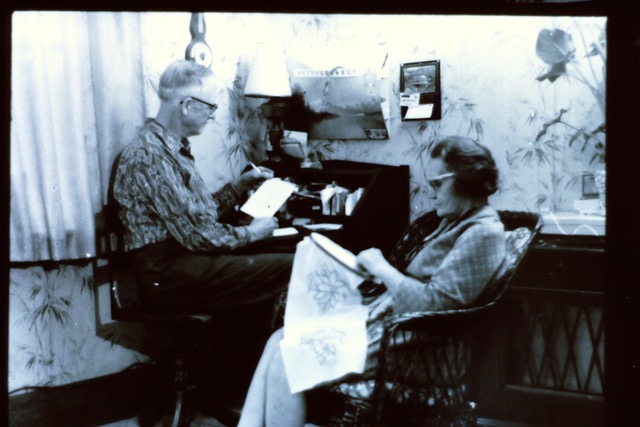
Hi Alan,Those wheels were used as rack lifters. The wagon load of loose hay or straw would be pulled up by the team of horsesso that the load would be positioned under the wheel assemblies.Ropes would be attached to the wagon rack and the axles of the wheel assembly.Horses would then pull on the ropes around the wheels and the wagon rack would be lifted off the wagon frame andraised to the level of the haymow where the farmer could fork the load off of the wagon rack and into the haymow.The unloaded rack would then be lowered back onto the wagon frame where it could return to the field for another load.This was all a lot of work in the days before hay balers and elevators were invented.MY UNCLE FRANK FREEMAN AND HIS WIFE LUCINDA(Cousin Ted Freeman had grown up when this picture was taken)Of all my farm relatives, Uncle Frank and Aunt Lucinda Freeman worked the hardest and got the leastreward for their labour That is my opinion. They would never say this. I am not sure if cousinTed would agree. Their farm was in a nest of hills that drained into a large pond that was deadcentre. Tough land. Lots of stones and lots of danger. I spent a lot of time with them, morethan with any of our legions of Skeoch farms around Fergus. I never appreciated how hard theyhad to work to make a living until they were gone.This picture of them at rest is inappropriate because they never hadmuch time for rest since they had to squease an income from the pilesof glacial till left for them 10,000 years ago when the Laurentian ice sheetmelted.Bob Root has explained the rack lifting system.Hi Alan,Those wheels were used as rack lifters. The wagon load of loose hay or straw would be pulled up by the team of horsesso that the load would be positioned under the wheel assemblies.Ropes would be attached to the wagon rack and the axles of the wheel assembly.Horses would then pull on the ropes around the wheels and the wagon rack would be lifted off the wagon frame andraised to the level of the haymow where the farmer could fork the load off of the wagon rack and into the haymow.The unloaded rack would then be lowered back onto the wagon frame where it could return to the field for another load.This was all a lot of work in the days before hay balers and elevators were invented.


“Rooter….how much hay would 1cow need for winter…or a horse…miscalculation = starvation…I wonder how farmers made this calculation””“Trial and error, Alan, If it looked like the farm was going to run out of hay then a couple of animals would have to be butchered.”
EPISODE 622 ZINNIAS CAN OUTRACE THE WEEDS
alan skeoch


Dundurn has nice clear footpaths. We do not.


ichef.bbci.co.uk/news/320/cpsprodpb/4D35/production/_100156791_skeochbadge.jpg 320w, ichef.bbci.co.uk/news/480/cpsprodpb/4D35/production/_100156791_skeochbadge.jpg 480w, ichef.bbci.co.uk/news/624/cpsprodpb/4D35/production/_100156791_skeochbadge.jpg 624w, ichef.bbci.co.uk/news/800/cpsprodpb/4D35/production/_100156791_skeochbadge.jpg 800w” src=”https://c.files.bbci.co.uk/4D35/production/_100156791_skeochbadge.jpg” width=”976″ height=”549″ loading=”lazy” class=”css-evoj7m-Image ee0ct7c0″ style=”margin: 0px; padding: 0px; border: 0px; font-family: inherit; font-size: inherit; font-style: inherit; font-variant-caps: inherit; font-stretch: inherit; line-height: inherit; vertical-align: baseline; display: flex; width: 800px; height: 450px; overflow: hidden; position: absolute; inset: 0px; -webkit-box-pack: center; justify-content: center; -webkit-box-align: center; align-items: center; object-fit: cover;”>