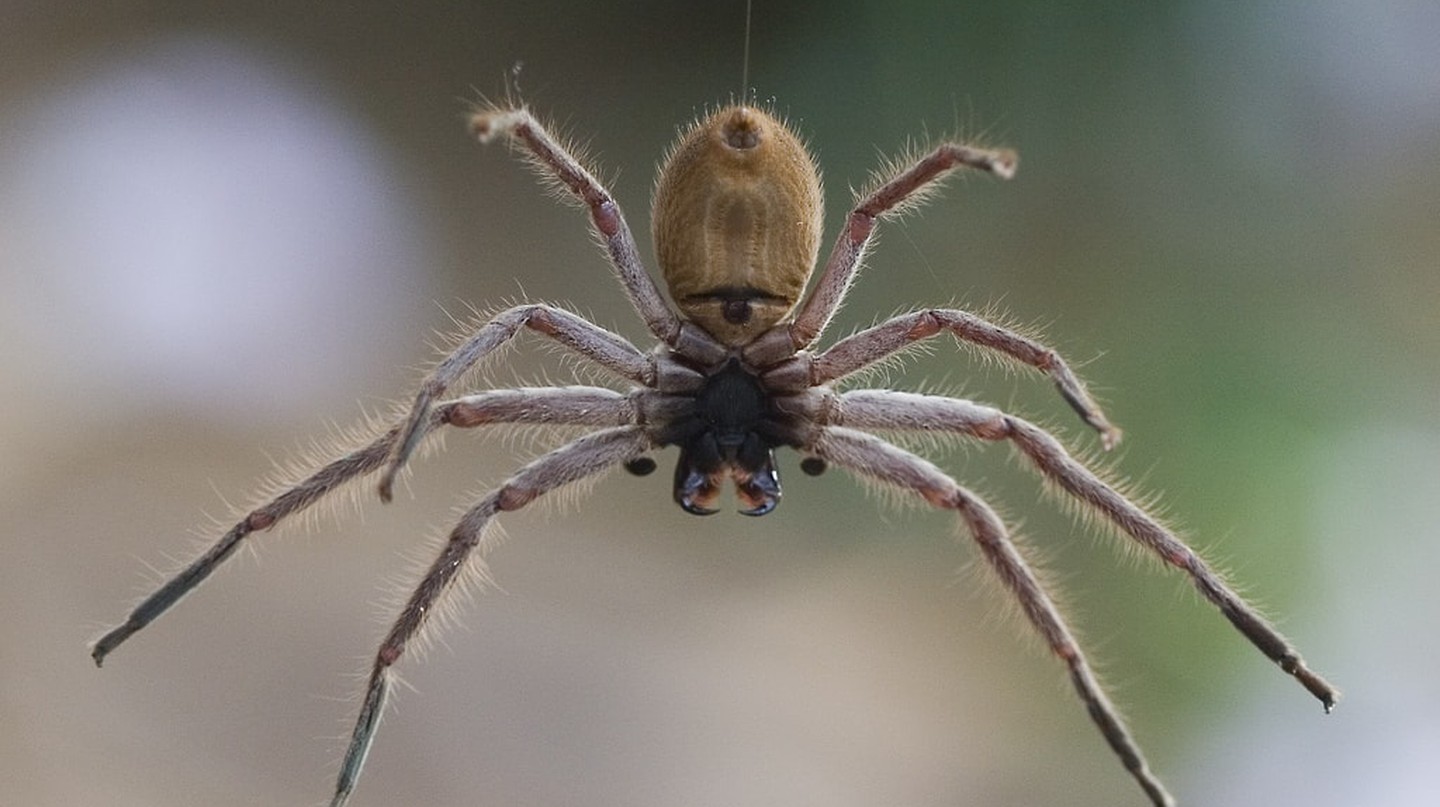
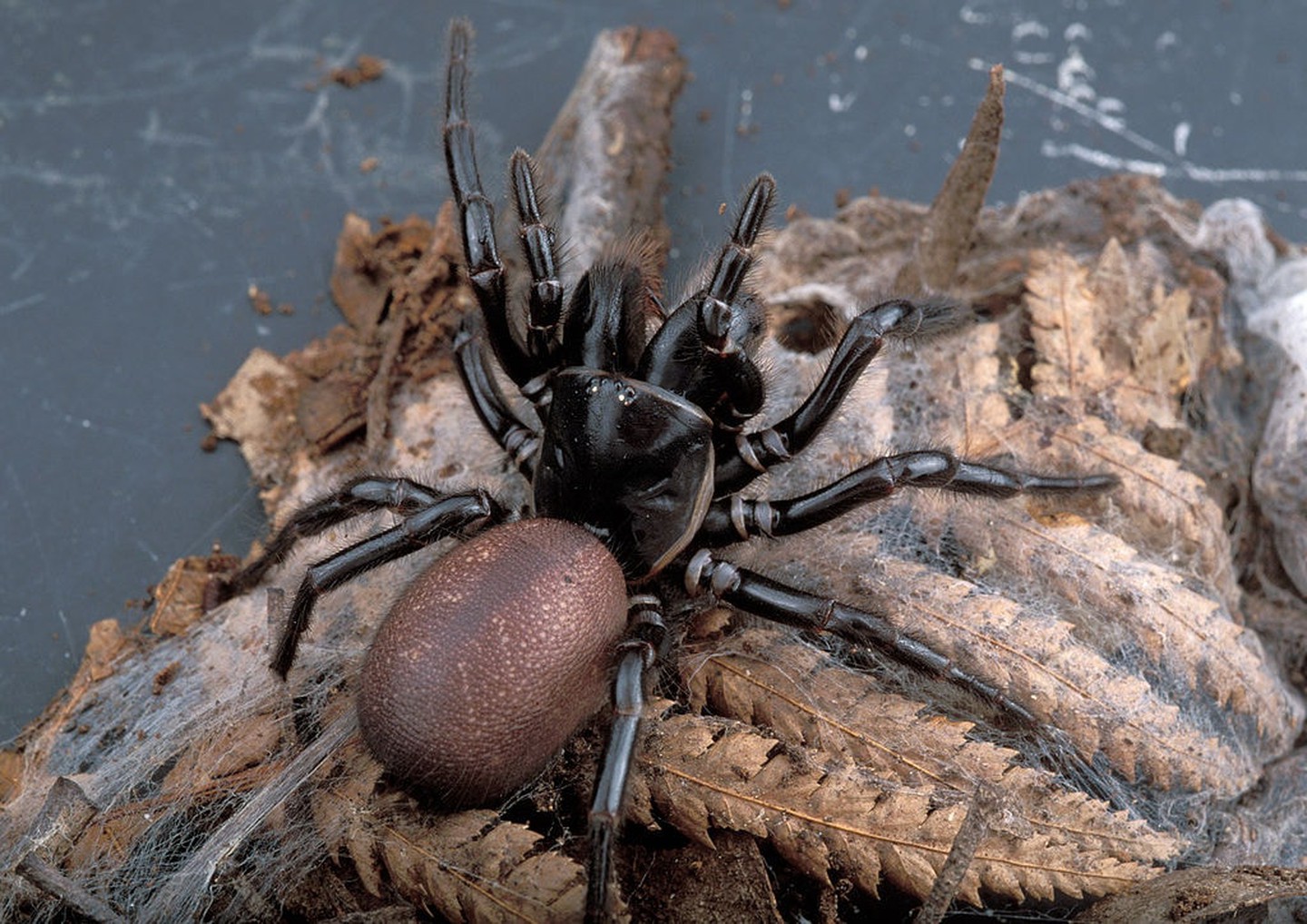
EPISODE 790 MOST DANGEROUS SPIDERS IN THE WORLD — JACKSON SKEOCH FACES A STRANGE ENEMY
alan skeoch
april 5, 2023
Private Jackson Skeoch, his Grandma Marjorie Skeoch, and her decorated refrigerator. Jack traded his PPLCI shirt for a NZ Kiwi sweatshirt.
“Grandpa, here are some hat badges I Bought for you in Australia.”
JACKSON’S AUSTRALIA ADVENTURE — SPIDERS AND FEMALE MEDICS
Last year, 2022, Our grandson. Jackson Skeoch, was accepted for Basic Training in the Canadian Army. Training is no joke. Physically
gruelling with sergeants trained to make life as miserable as possible. Jack thrived. First achievement we noticed was
the ability to make his bed with perfect square corners, a skill I have yet to learn.
Jack arrived home yesterday but the flight was from Australia rather than the home base of the Princess Patricia Light Infantry
at CFB Shiloh in Manitoba. What is Jack doing halfway around the world rather than in Canada? He was chosen as part
of a 10 man Recon Team competing for honours with teams from other countrys. Doing what? Recon training involves
living rough.
“We slept on the ground, Grandpa”
“With an air mattress no doubt.”
“Possible but most of us did not want to carry that extra weight across
an Australian desert.”
‘What were you doing?”
“We had targets — had to find them noiselessly.”
“Like camping?”
“A little rougher than that”
“How?”
“Spiders.”
“Spiders?”
“Australia has the most deadly spiders in the world. We slept
among some of them…flat on the ground.”
“Ever see one?”
“The guy next to me was awakened by one crawling up his arm…big one.”
“How big?”
“As big as your hand, Gandpa…really big”
“Dangerous kind?”
“If it bites, the venom acts fast…your hands curl up…toes curl…trouble walking…happens
fast.”
“Deadly?”
“Not sure…anti venom needed.”
“How did he get bitten?”
“Tried to flick the spider off his shoulder….fangs got him.”
(Fangs of some Australian spiders can cut through finger and toe nails…)
“Rare thing though.”
“Not so rare grandpa, Two more of these spiders got on his arm. We must have been
sleeping near their funnel webs or holes in the ground like the Trap Door spider…that one live
for 20 years and is bad tempered..’
‘Were you scared?”
“No. More worried our team would miss our target in the dark.”
“What were your targets?”
“We never fully knew but had to find them with map references
and compass. Carried a loaded pack. Sweat poued off….drank more
water than I ever drank before. Dangerous to run out of water.”
“What would happen if a spider got you?”
“Do you mean in a real situation?”
“Yes”
“I do not know. Maybe we would have some anti-venom. We had a
course on emergency treatment for gunshot wounds. Maybe for spider bites too.
We had a funny thing happen on that course.”
“Funny?”
“Yes, we were in town having a beer one week end and noticed two good looking
girls…on their own…so my buddy and I made a move on them. Sort of backfired.”
“How?”
“Well, we told the girls we were backpackers….campers…kept the army out of the move
because some people are cautious about meeting soldiers.”
“Get to kissing?”
“No…just had a good time talking. Then went back to camp. Next morning all he recon crews
were slated for a lecture from army medics. We took our seats.. and got a shock…”
“Shock?”
“The two girls were army medics. They walked in the door and looked at us
and we looked at them.”
“Mutually shocked.”
“Did you ask them about spider bites?”
“We just kept our heads down…they were both officers.”
EPISODE 784 MOST DANGEROUS SPIDERS IN THE WORLD —
There are approximately 40 other funnel-web spiders – none as venomous as the dreaded Sydney funnel-web. In fact, only six have been proven to pose a threat to safety.
Two of the most dangerous include the northern tree funnel-web spider (hadronyche formidabilis) and the southern tree funnel-web spider (hadronyche cerberea). Although numerous bites are reported each year, with victims generally residing in Southern Queensland or Northern New South Wales, the anti-venom has proven hugely effective.
alan


 img.theculturetrip.com/768×431/smart/wp-content/uploads/2017/11/4431263917_20e40101d4_b.jpg 768w,
  img.theculturetrip.com/768x/smart/wp-content/uploads/2017/11/csiro_scienceimage_2226_a_female_funnel_web_spider.jpg 768w,