Begin forwarded message:
From: ALAN SKEOCH <alan.skeoch@rogers.com>Subject: EPISODE 57 EYWOOD REVISITED 1960…SAD SIGHT TO SEEDate: June 2, 2020 at 11:04:00 AM EDT
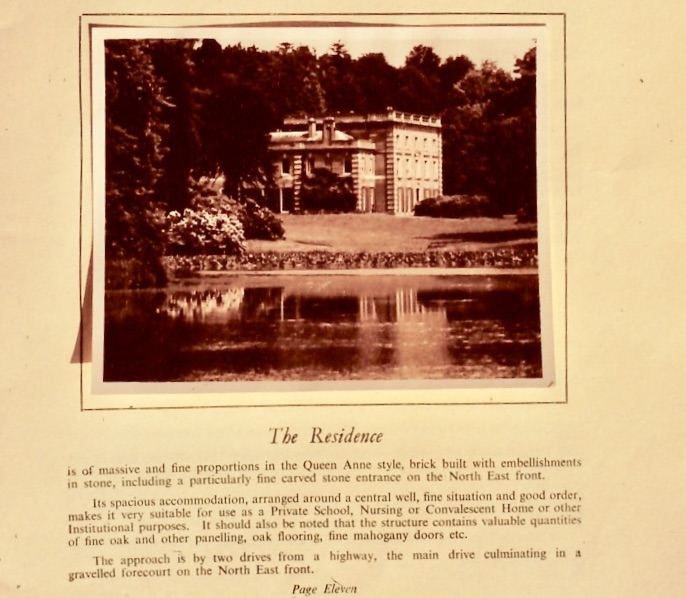
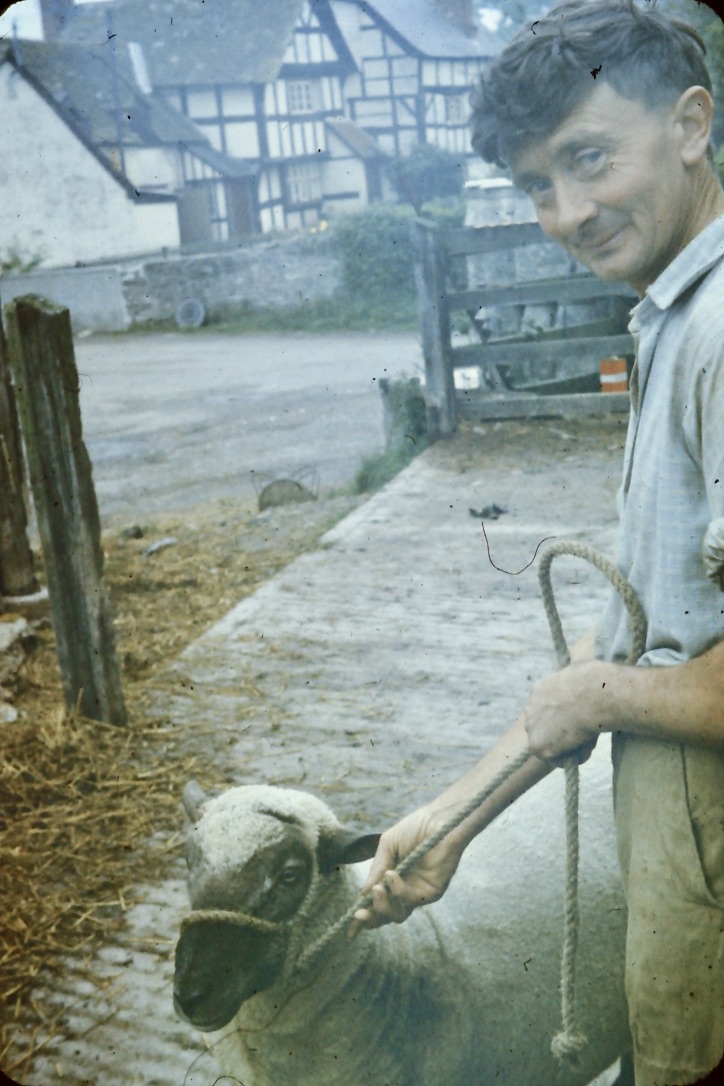
EPISODE 57 EYWOOD REVISITED 1960…SAD SIGHT TO SEEalan skeochJune 2020“Well, Alan, I expect you would like to see Eywood?”“Any time you are ready.”“Few chores to do first.”“No problem. Do you miss he Eywood Estate farm of Oatcroft?”(Cyril did not answer…just looked at me….perhaps pain in hisway of looking. Oatcroft was 500 cree in size. Lower Wooten farmwas about 40 acres. I should not have asked that question.)“Let’s round up the sheep before we go, Alan.”“Sure thing.”(And strangely, this photograph of Cyril , his rented farm, his sheep, has a deepimpact. Hopeful, purposeful, human. I was quite willing to delay the visit toEywood even though my time in England was very limited. Actually I feared thevisit.Demolitions were happening all over England…big houses becoming piles of rubble.Was the demolition of Eywood in1954 startling to the British people? Was there a feeling thata national treasure was about to disappear? Not in the least. A country housewas being demolished every five days by 1955. Some of them far more impressivethan Eywood. What made matters worse is that no one seemed concerned.The social life of the country houses was dead. In many cases, like Eywood,the building faced succession dues as high as 65% of value. This cost plusthe fact that many of the aristocratic owners had been killed in the two WorldWars of the 20th century meant that country houses were doomed. The largenumber of servants and workers that once depended upon the largesse ofthe wealthy class had found better pay and real independence elsewhere.The result was that the owners of hundreds of country houses could notafford the maintenance of these once semi-palatial homes. Demolitionwas the answer.In England alone 1,998 of these large beautiful country houses havebeen demolished. The records are there. The weeping was notthere. In the 1950’s England was trying to survive after the devastationof World War II. Sympathy for the problems of the wealthy class thatowned these large country houses was lacking.The strange thing to me was the fact I had a feeling of loss. Why?I did not know Eywood at all. Where did this feeling of loss come fromthen? It came from those hand carved picture frames hanging in the onewarm room in Grandma and Grandpa Freeman’s farm house. Andhad I looked closely I should have noticed the feeling for Eywoodwas really a feeling of fellowship for those who made Eywood function…the people that worked there. In each of those picture frameswas a picture of a person. Not one picture frame included apicture of the stately estate country house called Eywood.Listed below are the country houses demolished in Herefordshire alone.The contents kept several auction houses in business.
Herefordshire Allensmore Court Allensmore Herefordshire 1958 Aramstone House King’s Caple Herefordshire 1959 N Image(s) Bromtrees Hall Bishop’s Frome Herefordshire c.1945 De, N Broxwood Court Broxwood Herefordshire 1955 N Image(s) Cheyney Court Bishop’s Frome Herefordshire 1888 B Cowarne Court Much Cowarne Herefordshire 1960s Image(s) Croft Castle Croft Herefordshire 1937 P Eardisley Park Eardisley Herefordshire 1999 B, N Image(s) Eywood Titley Herefordshire 1954 Su Info + Image(s) Foxley Yazor Herefordshire 1948 Dw Image(s) Freens Court Sutton Herefordshire 1953 De Garnons Mansell Gamage Herefordshire 1957 P Image(s) Garnstone Castle Weobley Herefordshire 1959 Image(s) Gayton Hall Upton Bishop Herefordshire 1955 Goodrich Court Goodrich Herefordshire 1950 Image(s) Harewood Park Harewood Herefordshire 1959 Dw, Su, N Info + Image(s) Hatfield Court Hatfield Herefordshire P Hope End House Ledbury Herefordshire 1873 N Huntingdon Park Huntingdon Herefordshire 1966 De Knill Court Knill Herefordshire 1943 B, N Info + Image(s) Letton Court [I] Letton Herefordshire 1863 N Letton Court [II] Letton Herefordshire 1925 B, N Moor Court Pembridge Herefordshire 1950s Moor [The] Clifford Herefordshire 1952 Moreton Court Moreton-on-Lugg Herefordshire 1950s Info + Image(s) Perrystone Court Foy Herefordshire 1959 B, N Rotherwas Dinedor Herefordshire 1925 Saltmarshe Castle Bromyard Herefordshire 1955 Image(s) Sarnesfield Court Sarnesfield Herefordshire 1955 Image(s) Shobdon Court Shobdon Herefordshire 1933 Su Image(s) Staunton Park Staunton-on-Arrow Herefordshire 1921 N Image(s) Stoke Edith Tarrington Herefordshire 1927 B Image(s) Thinghill Withington Herefordshire c.1929/30 Tyberton Court Tyberton Herefordshire 1952 Image(s) Urishay Castle Peterchurch Herefordshire 1921 S Whitfield Wormbridge Herefordshire c.1949-53 P Image(s) Whittern [The] Lyonshall Herefordshire 1930s N Wistaston Court Herefordshire c.1910 B Wormbridge House Wormbridge Herefordshire 1798 Hertfordshire So Cyril Griffiths was going to take me to Eywood. He seemed in no rush to do so.His family were really happy that I had come. A descendent of the Eywood family.Not the blood family. But the working family.What would I find when we got to the estate?I expected ruin. Expected piles of bricks and broken mortar.That is not what i found. What I found was, and remains, quite remarkable.COMING NEXT.EPISODE 58: FINALLY, A VISIT TO EYWOOD…A GRAND SURPRISE…COMING NEXT EPISODE
Author: terraviva
-
Fwd: EPISODE 57 EYWOOD REVISITED 1960…SAD SIGHT TO SEE
-
EPISODE 56 EYWOOD …PART THREE
EPISODE 56 EYWOOD PART THREE … SURPRISE VISIT 1960alan skeochMay 2020THE IRISH JOB COMES FIRST:IRELAND IN SEPTEMBER 1960…KNOCKMAHON MINE. COULD IT BE REOPENED?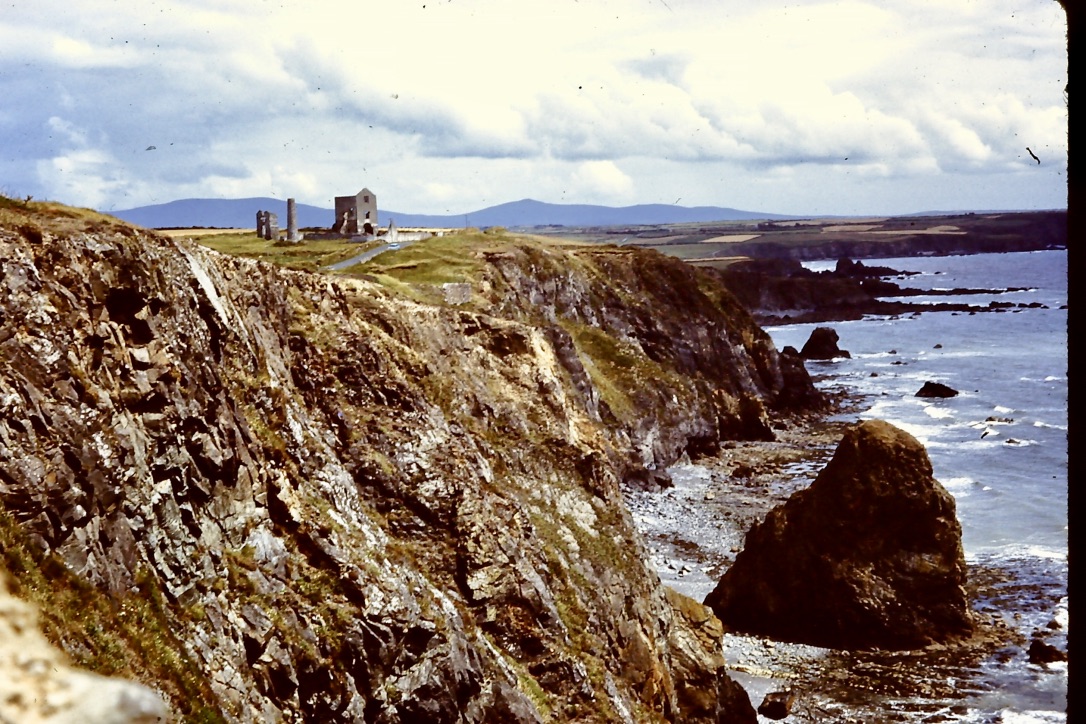 RUINS OF THE MINE REMAIN TO THIS DAY (2020) AS TOURIST DESTINATION . IN 1960 THAT WAS NOT THE CASE…IT WASA RUIN.
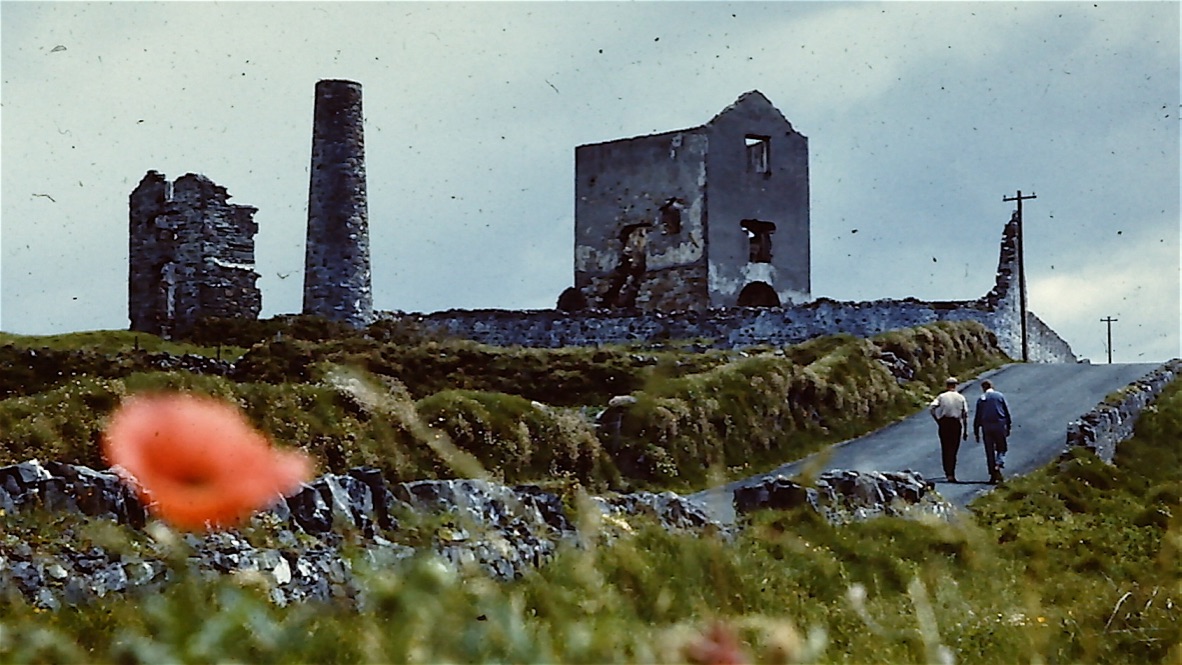 DR. JOHN STAM AND JOHN HOGAN…ON WAY TO MINE SITE
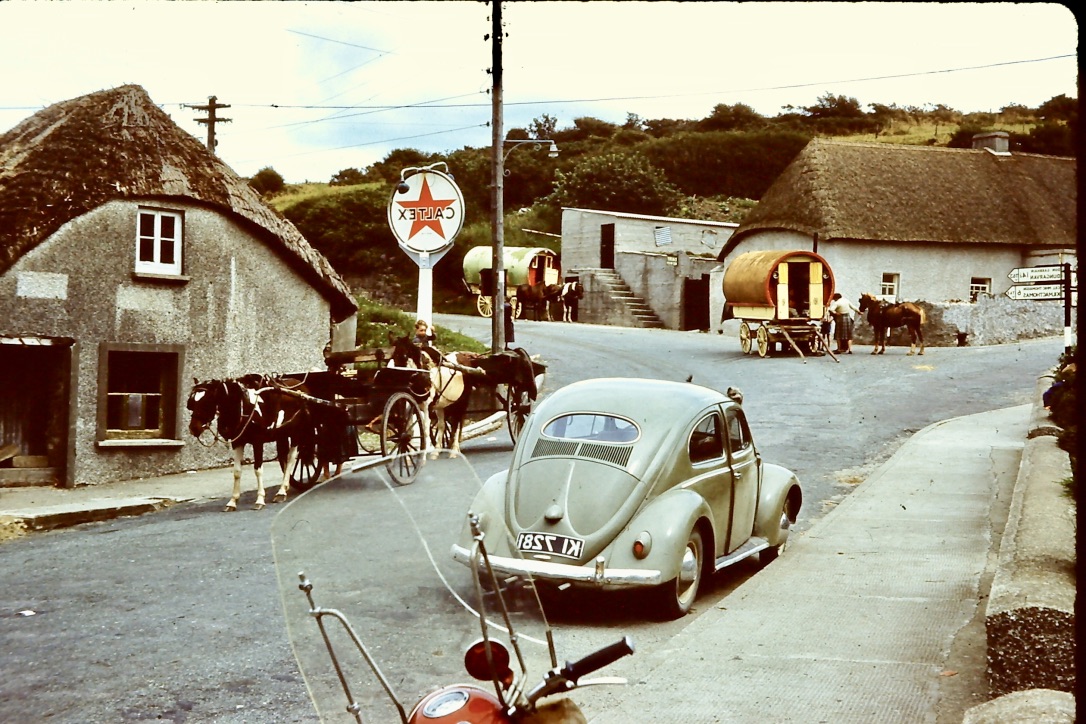 IRELAND WAS CHARMING IN 1960…MUCH AS PICTURED IN THE FILM THE QUIET MAN.What is that expression about ebb tide? Shakespeare’s Julius Caeser where Brutus says….There is a tide in the affairs of men.
Which, taken at the flood, leads on to fortune;
Omitted, all the voyage of their life
Is bound in shallows and in miseries.
On such a full sea are we now afloat,
And we must take the current when it serves,
Or lose our ventures.I know this may sound silly but I have often thought of those wordswhen faced with an opportunity. Either I grab the opportunity or I letit slip away. In the summer of 1960 I had been trusted to operatea Turam electromagnetic survey on an ancient mine site on the southcoast of Ireland. A place called Bunmahon where copper had beenmined in the19th century and there was just a chance the old mine couldbe brought back to life.I was in the right place at the right time.The previous summer four of us…called ‘instrument men’ …who operateda Turam job in south west Alaska near the Aleutian Chain. One man, Bill Morrson,knew how to set upthe generator, base line, read the console, etc. I was assigned to be his helper. Bill taught me all theins and outs of prospecting with the Turam. The other two fellows,Don Van Every and Ian Rutherford also were instructed. That was1959.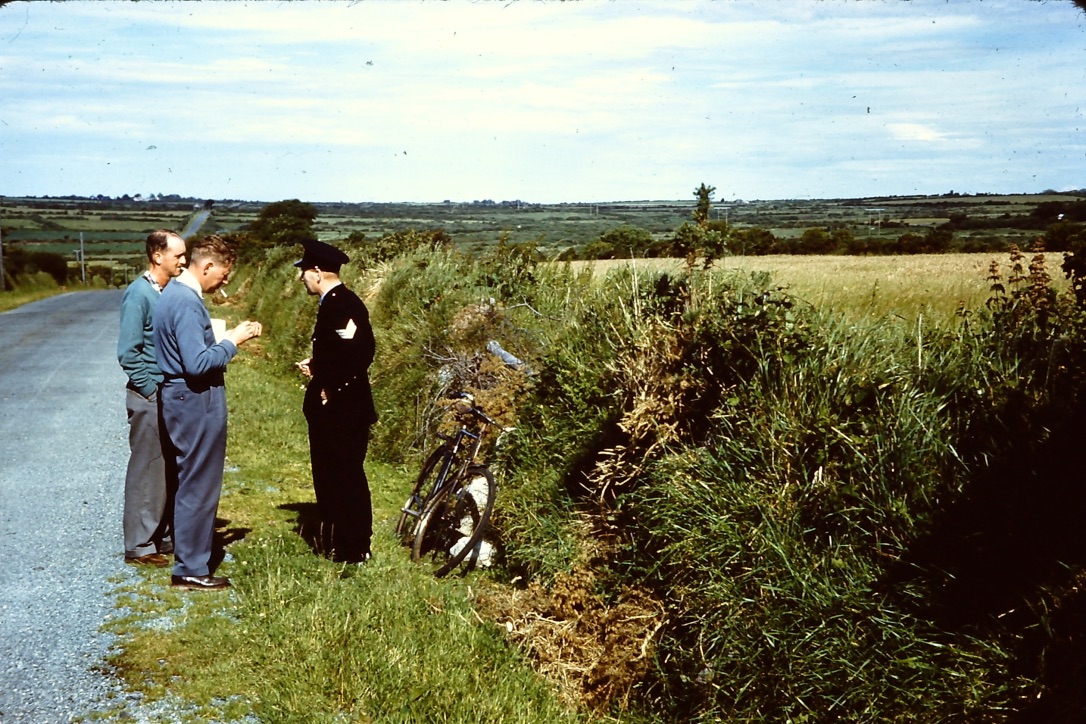 [POLICE KEPT WATCH ON OUR WORKThe following year much to my surprise i was the only person still around who hadoperated the machine. The other three guys had gone God knows where.I was on the ebb tide…riding high. Entrusted by Dr. Norman Paterson tosleuth out the old mine in Knockmahon, County Waterford, Eire. Dr. JohnStam, a professional geophysicist would interpret the Turam Readings.John Hogan wold do the geology. Itwas up to me to get the magnetic data…to make sure the Turam worked.
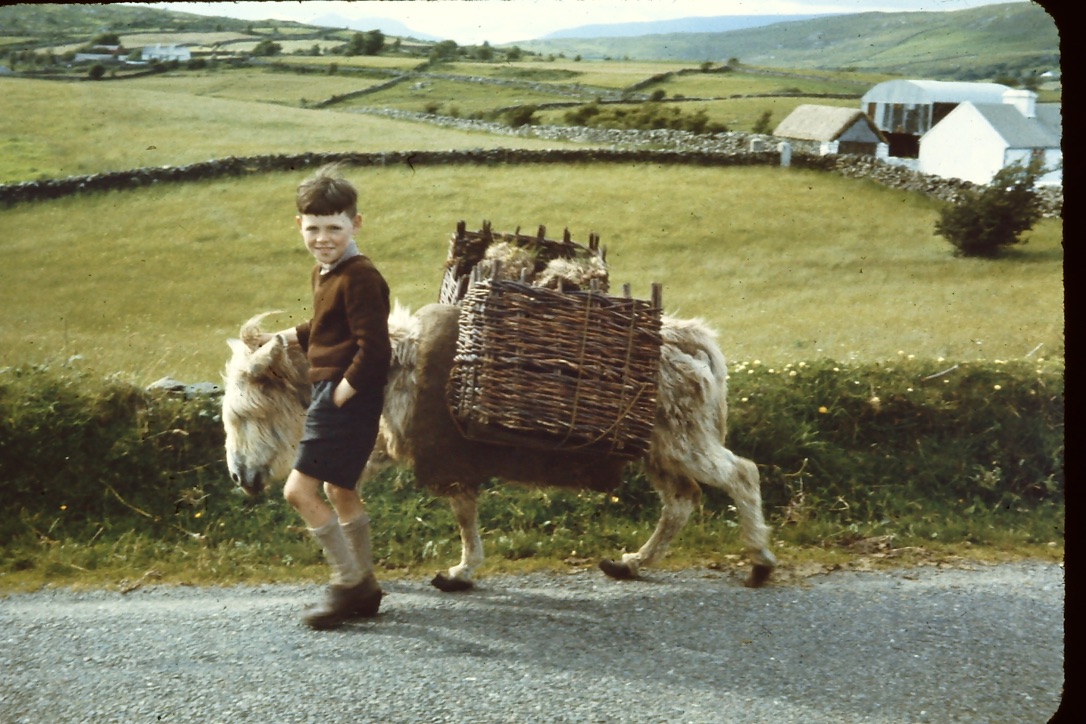 Ireland in 1960 was exactly as tourist photos described.
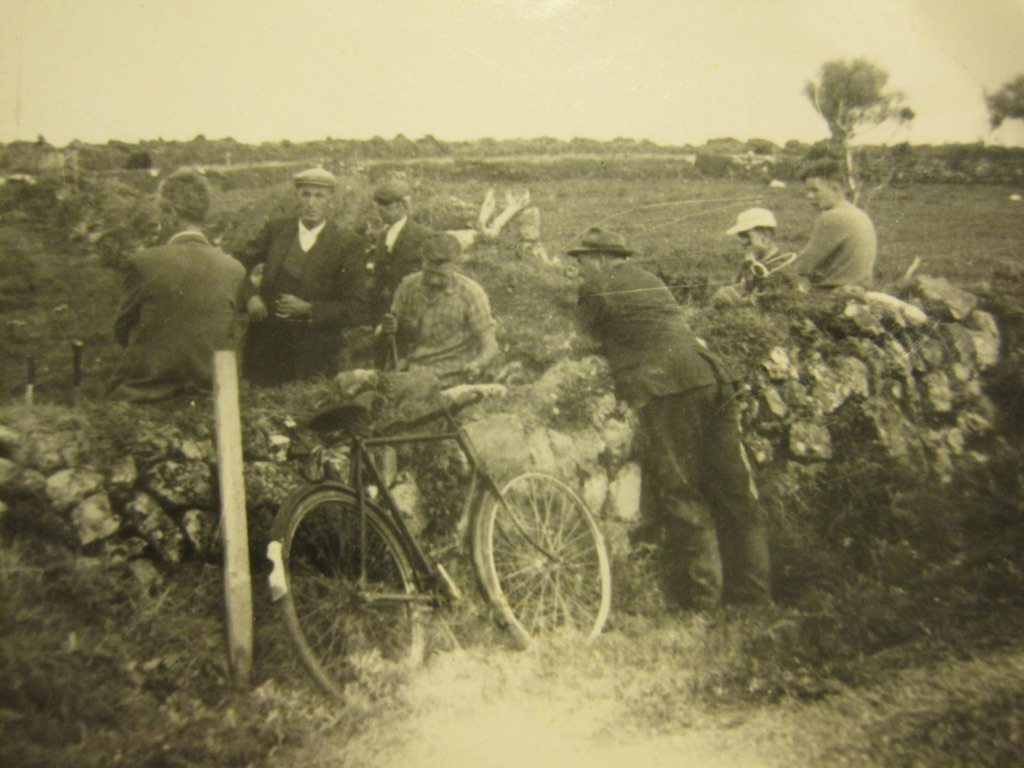 Local newspaper arrived occasionally … as did police …even the village priest…all kept close eye on us.
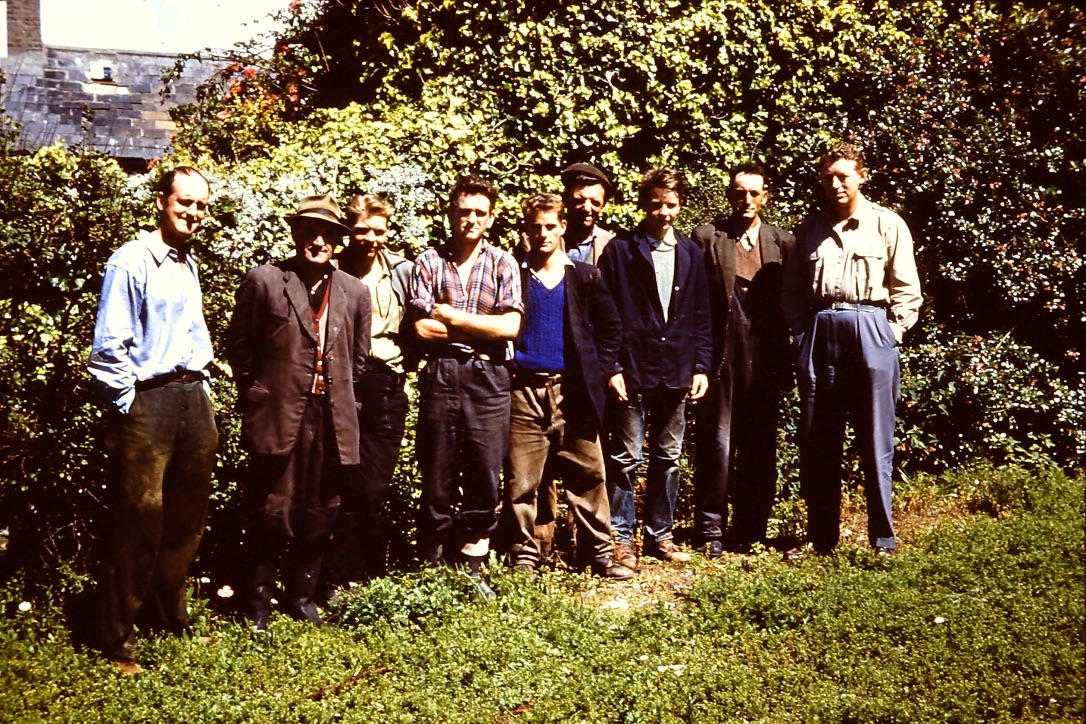 “ALAN, DO YOUR REALLY NEED ALL THOSE EMPLOYEES?” Question raised by Canadian office.
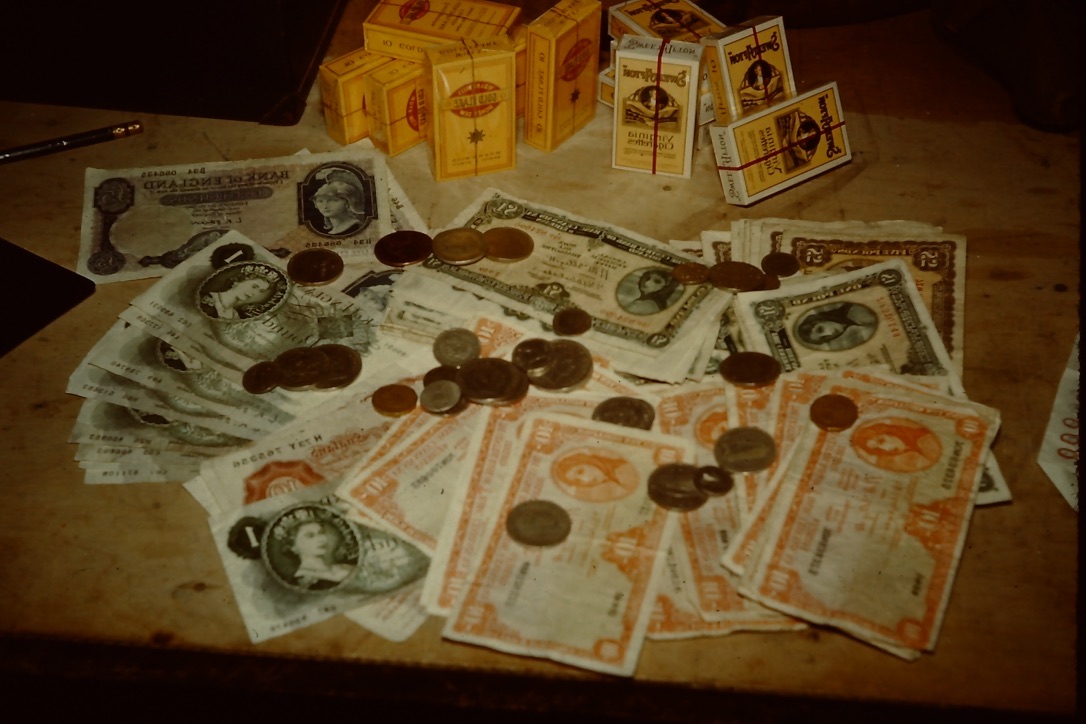 MY BOSS IN CANADA, DR. NORMAN PATERSON WONDERED WHY SO MANY MEN WERE HIRED. THERE WERE GOODREASONS. THIS IS PAYDAY … PAID MEN WEEKLY AND GAVE BONUS OF CIGARETTES AND CHOCOLATE BARS. YES,I WAS CRITICISED FOR THIS LARGESSE.
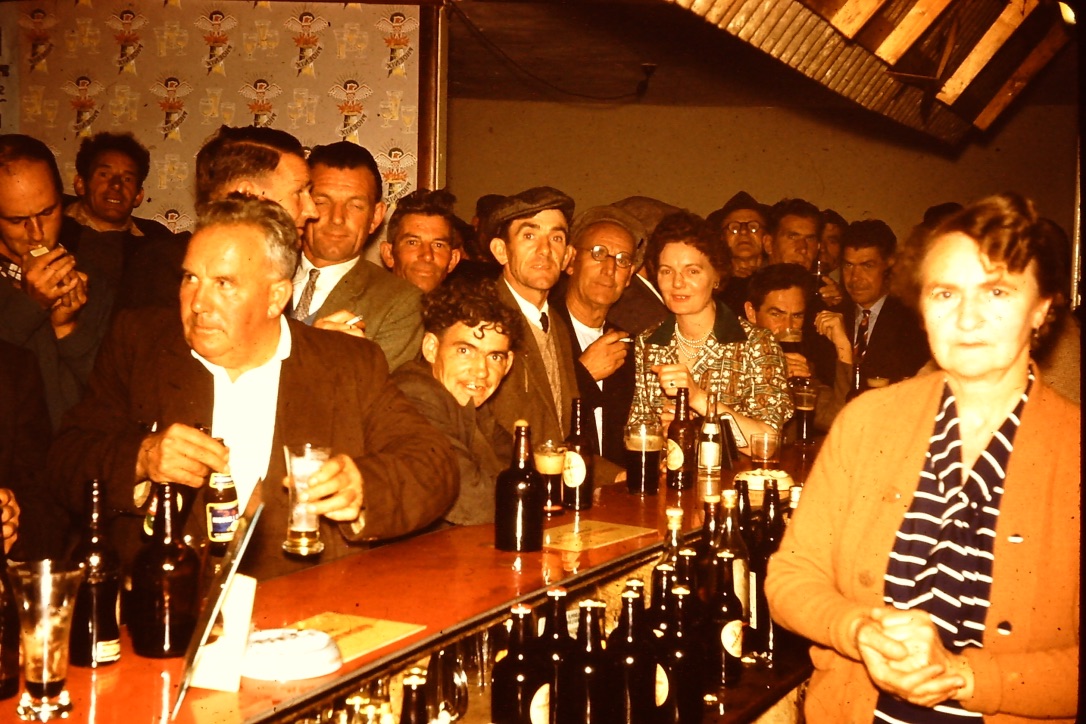 MUCH MONEY WAS SPENT IN KIRWIN’S PUB. MOST OF THESE MEN WERE EMPLOYED BY US. TERRIBLE NEEDFOR JOBS.
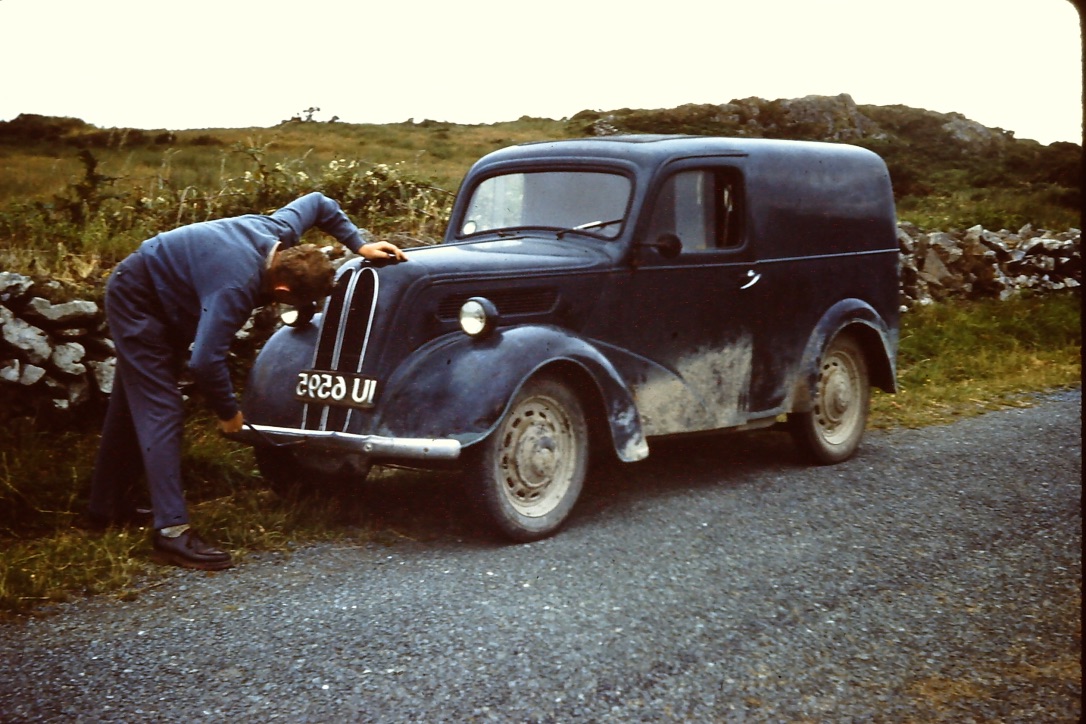 I RENTED THIS OLD TRUCK A COUPLE OF TIMES. NEEDED CRANK. FLOORBOARDS HAD GAPS.
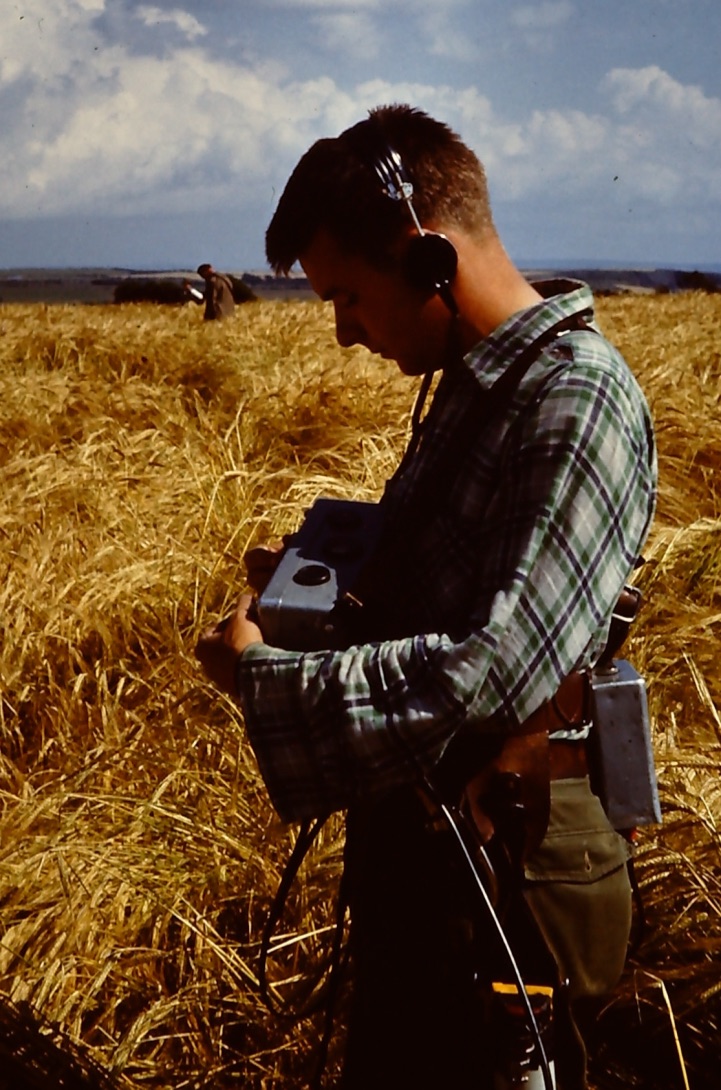 THIS IS THE TURAM…E.M. UNIT AT WORK IN AN IRISH WHEAT FIELD.
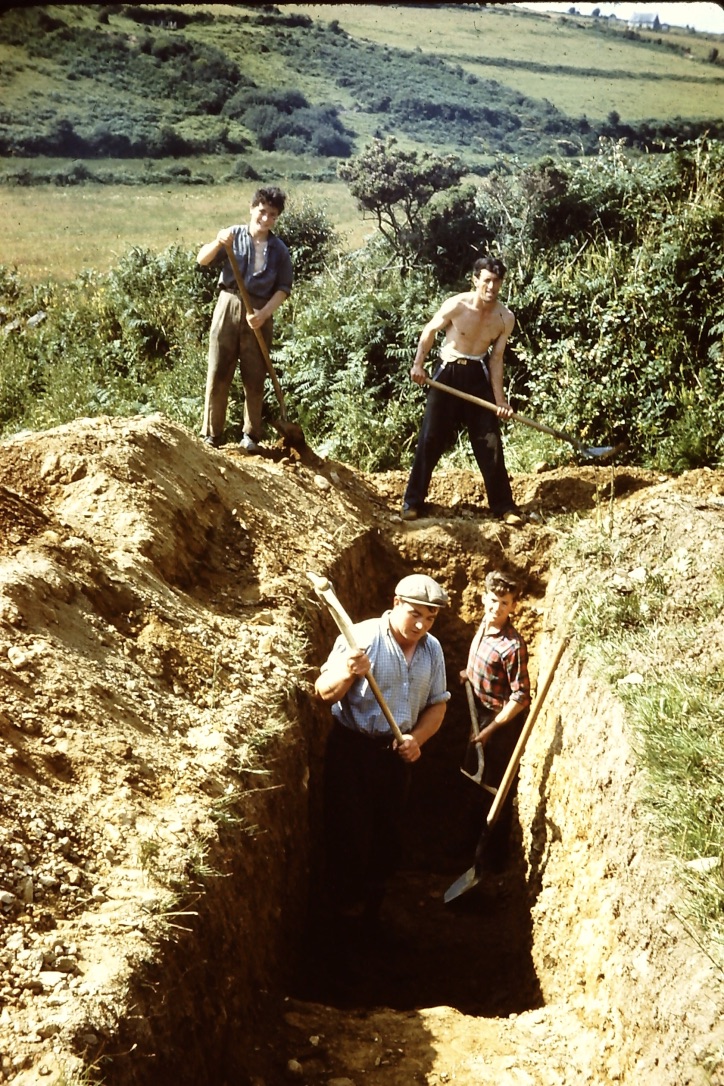 IF WE HIT HIGH READINGS WE OCCASIONALLY HAD MEN DIG PITS DOWN TO BED ROCK.LOTS OF MYSTERY AS A REJULT OF SOME OF THESE EXCAVATIONS SUCH AS THEDEAD COW CAPER …LED TO DISCOVERY OF OLD MINE ADIT FROM 1850’S.June, July and August…I did my job. Tried not to let anyone down.This was a big responsibility which I took very seriously. There was asocial side of the job as well like A pint ofGjuinnes each night with Dr. Stam and John Hogan in Kirwin’s [ubhelped all of us relax. We hired the whole village. I will explainthat in future episodes. Perchance a few readers of these episodessaw the John Wayne, Maureen Ohara, Barrie Fitzgerald movie titled‘The Quiet Man”…an imaginary story about Ireland that was damnnear true. Surprised. Joyful.When the job ended. The Ebb tide came once more I made a fastdecision without prompting. After crating up the mining equipmentand shipping it ask to Canada. I set sail on the EBB tide forEngland. This was my chance to see if EYWOOD REALLY EXISTED.Truth be told I had no idea where I was going. Eywood was in HerefordshireEngland. First I had to get there. If I failed I would still fly home. Just a fewdays later than Dr. Paterson expected. My job was over anyway. Fastdecision to catch that Ebb Tide to Eywood.Perhaps my journal entries are the best way to describe thisadventure. Remember I was going almost blind but not totally.I had a name…Cyril Griffiths whose mother Polly had been inconstant letter writing contact with my grandmother from 1905 untilher death in 1954. And I had a name…Lower Wooten Farm somewherein Herefordshire, perhaps close to Eywood. Eywood itself wasa blank. The Estate, to my knowledge, had been put up for auctionand then demolished.Why go there at all? There was a sense ofmystery about the estate and just a chance that the estate gardens…where Granddad was head gardener for a decade…just a chancethat huge brick walled garden was intact.JOURNALSunday September 4, 1960Bunmahon,County Waterford,Southern IrelandPacking up the job. Has been an exciting time. Mr. and Mrs. Daye presented me with twofigurines. Mrs. Kennedy, the village leader, gave me a fine tablecloth. Tommy gave Me a nicebottle of Guiness Stout.
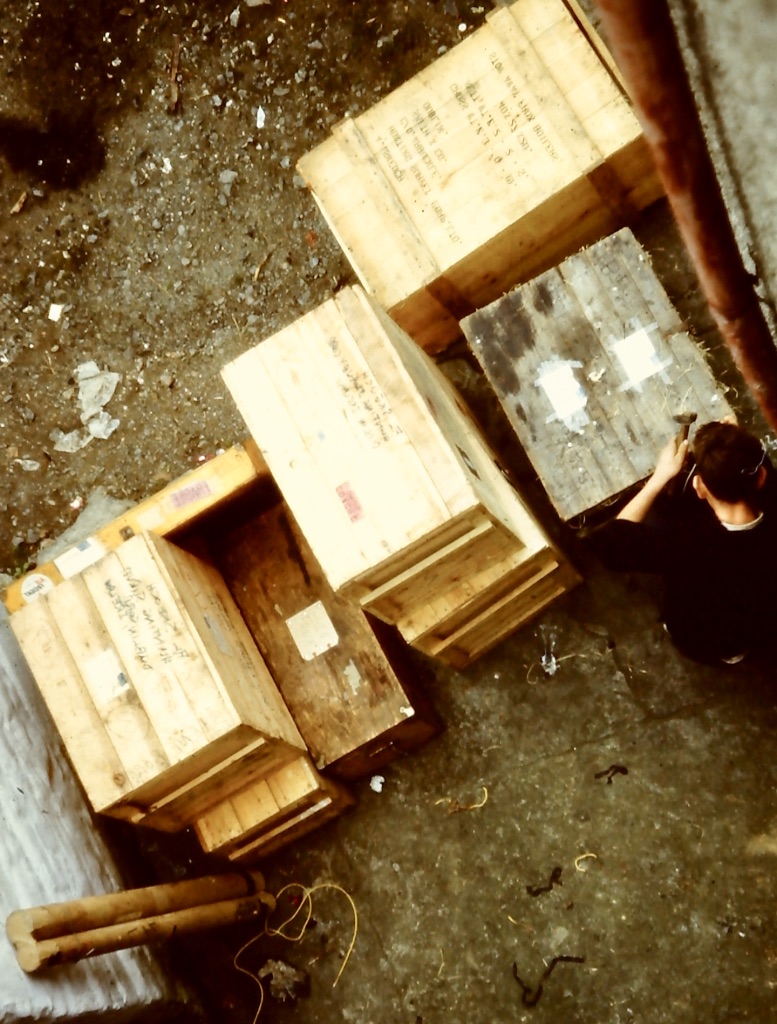 CRATED EQIPMENT … BIG RESPONSIBILITY FOR ME…FLATTERED TO BE TRUSTED.In the afternoon I hired Barney Dwan to help crate up our equipment. Very sad to leave.Barney has been my right hand man. Later Dr. John Stam and I drove to Tramore for afast game of mini golf and a meal of fish and chips topped off with a bottle of Bass Ale.I am going to miss all in the village. Managed to hire quite a few of them so became amajor employer paying them one pound a day plus free packs of Wild Woodbine cigarettesand chocolate bars. Back in Canada, Dr. Norman Paterson wondered why I needed so manyemployees.
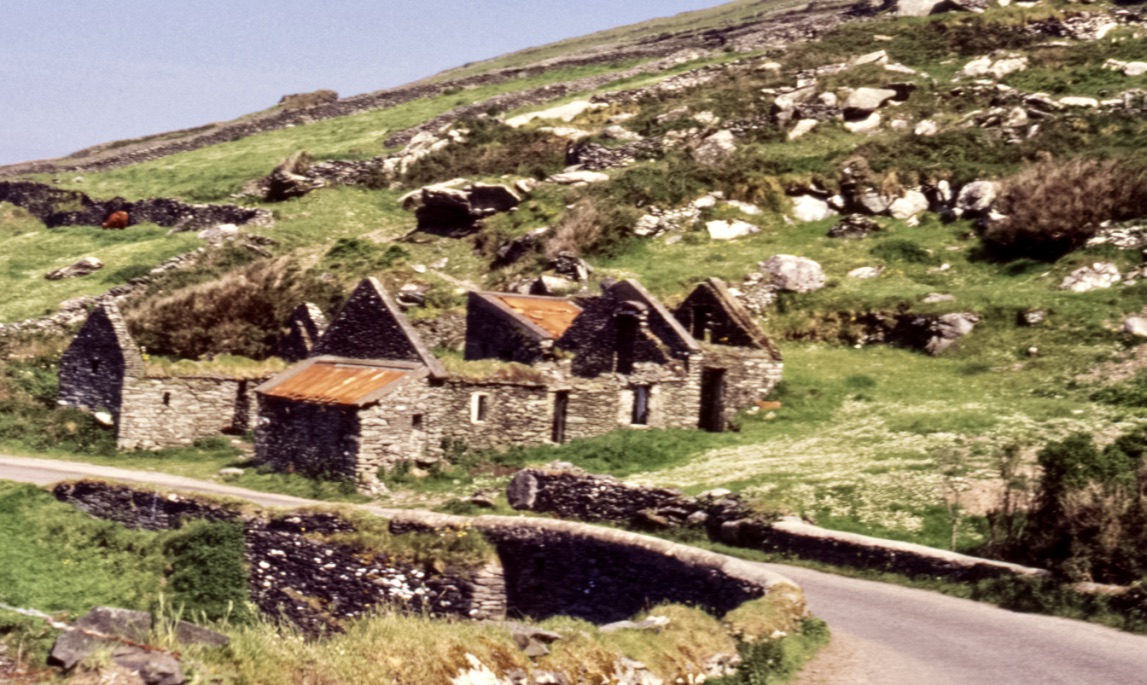 THE SOUTH COAST OF IRELAND IS DOTTED WITH HISTORIC RUINS
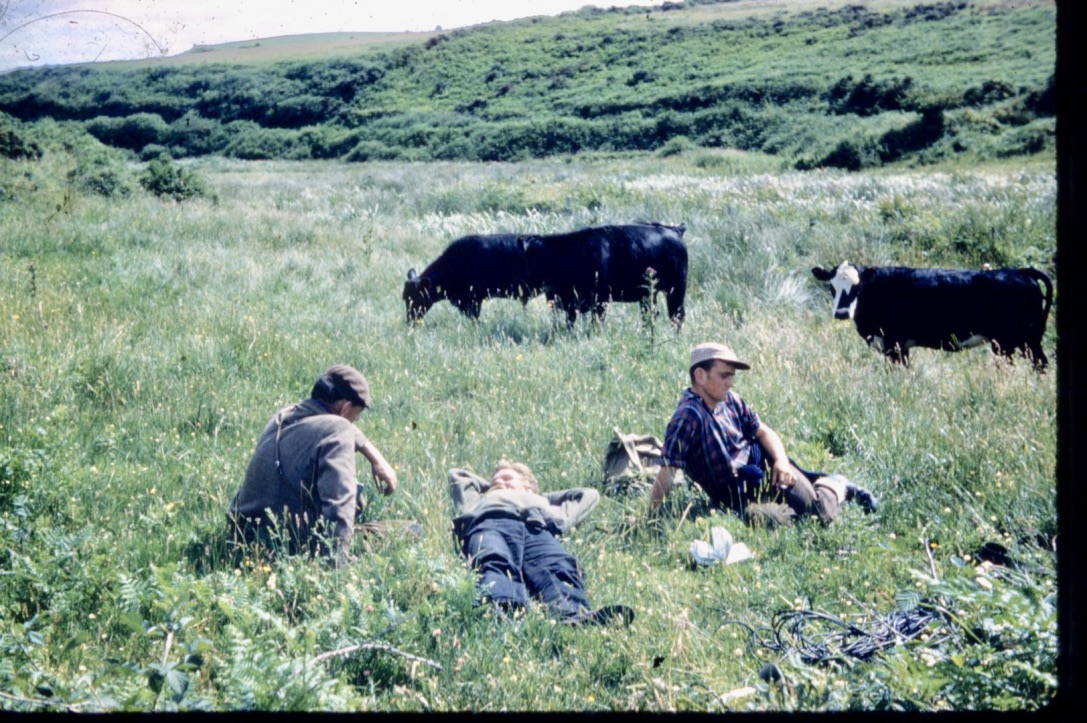 HERE ARE THREE OF THE BOYS TAKING A REST. THE CATTLE HAD TO BE PREVENTED FROM EATING OUR GROUNDEDCABLE…BUT COULD NOT BE STOPPED. LITTLE BALLS OF COPPER WIRE WERE VOMITTED…OR PASSED.
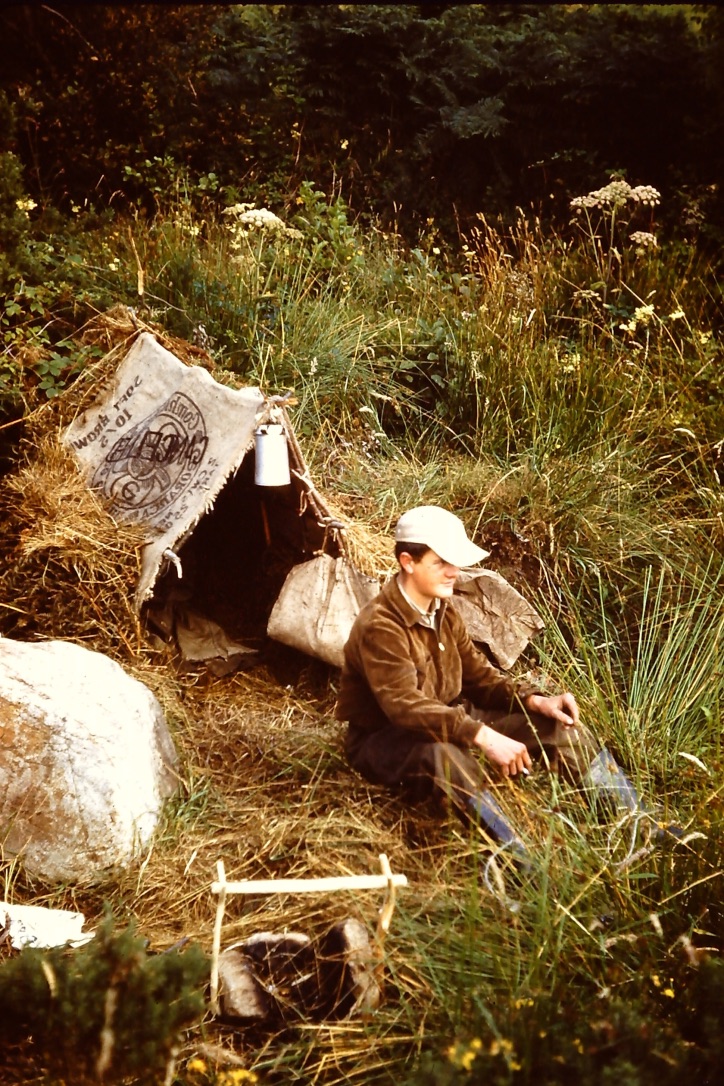 THIS YOUNG BOY WAS HIRED TO GUARD OUR GROUNDING RODS AND GENERATOR FROMCATTLE AND SEMI WILD PIGS. HE TOOK THE JOB VERY SERIOUSLY. CAMPED THERE.“Cost of labour here is so cheap…. ten men amounts to less than cost ofone man in Canada. And I need ten men to protect our base line for the cattle keep eatingchunks of the cable then regurgitating balls of yellow sheathed copper wire. Try to stopthis from happening. Also need a man to lift me over the stone and brier fences. Soundsstupid, I know but these fences are a nightmare. Danger that a bull would charge and I cannotget away with console, battery pack, copper coil, record book, etc. Need another two mento protect our grounding points and tend the motor generator. Then need two linecuttingcrews…etc. etc. Want more Dr. Patterson”Barney Dwan told me a story about a nun crossingan open field. All they found of her were her shoes with her feet in them. Semi wild hogsgot her. Not sure I believe this story.”I will miss all these men. Just getting to know all their names and meetingtheir families and now we are packing up the gear. I will also miss Kirwin’s pub in theevenings. Quite a social hub. It does not take long to develop at taste for Guiness.MONDAY SEPTEMBER 5, 1960We finished crating all the equipment and made arrangements with Frank Kirwin totransport the crates to Waterford. Seemed like all was ready. Not so. I couldnot find my return tickets home…flight. Panic. Mrs. Kennedy helped…no luckso she called a great group of the villagers to her home. Why? Seemed strangeto me as well. “Master Skeoch has lost his tickets home. He needs our help.”There were about a dozen people gathered in the sitting room. Some got downon their knees and prayed. Others held hands in a circle. Then Mrs. Kennedy didthe strangest thing. She reached in the pile of records, papers, graphs,waste paper and pulled out my tickets…one reach only. I know this sounds farfetched but it was real. After that I took a family photo of the Kennedys. Bridey, mymaid (yes, I had a maid) presented me with an Irish handkerchief. You rememberBridey…she was the person who yanked the covers off me while inked andannounced “Time for Mass, Master Skeoch” and made certain I attended even ifI was a Presbyterian. Because of her we did not work on Sundays as we didon bush jobs in Canada.
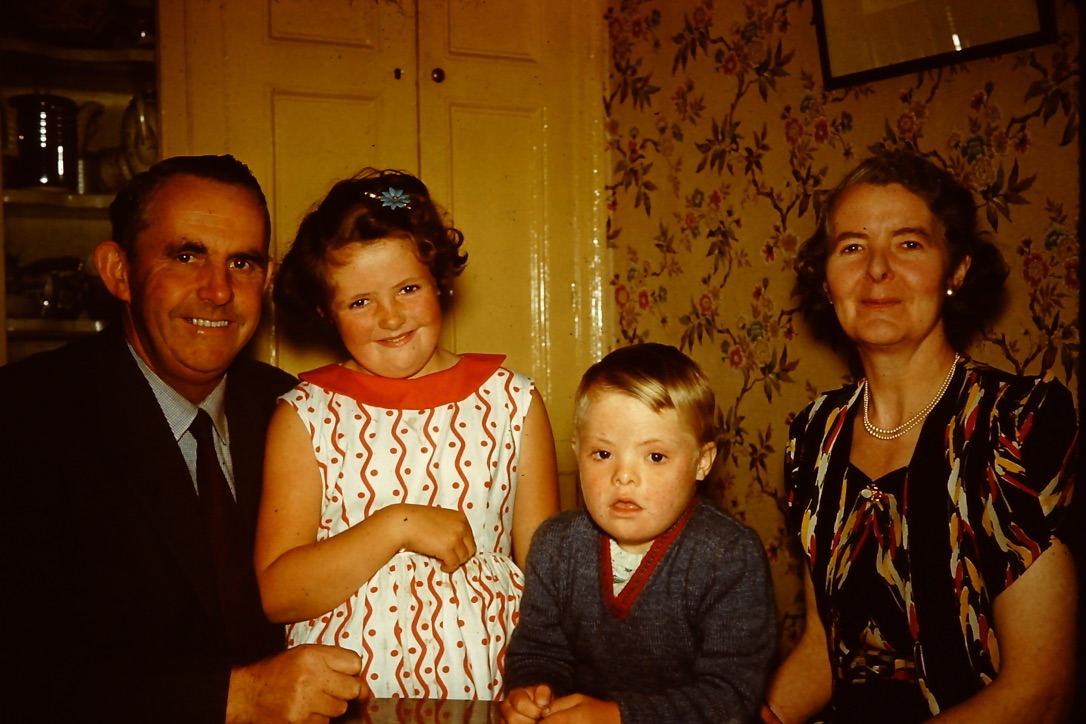 THIS IS THE KENNEDY FAMILY. MRS. KENNEDY RAN THE VILLAGE REALLY. SHE HAD THE ONLY STORE IN TOWN. HER SONGERALD WAS HANDICAPPED AS YOU MIGHT NOTICE. HE FOLLOWED ME AROUND AND WAS A JOY. THEIR LABRADOR DOGWAS TRAINED TO KEEP GERALD FROM WANDERING INTO THE SEA. MR. KENNEDY WAS A FARMER.The boys all came to see me off. Very sad farewell, This has been a bigadventure for everyone including me. Would it mean the rebirth of the village?That would remain to be seen. (It did not happen)Tommy, Frank and I drove to Waterford in the old truck. Met John Stamand John Hogan. Picked up newspaper that had featured our crew andthe attempt to reopen the old Knockmahon mine. Then I caught thetrain to Dublin and road in the first class compartment…like John Waynedid in the The Quiet Man movie. Seemed I had been reliving that movie.TUESDAY, SEPTEMBER 6, 1960Woke early and enjoyed the full tourist breakfast…several eggs, sausages, rasher of bacon,fried tomato, marmalade and triangles of toast…then coffee. Viisited Arbuckle, Smithand Company to finalize arrangements with KLM airline for my flight home.Then went shopping in the rain. Portable clock,27 shillings, sixpence;Sweater for Marjorie, 3 pounds, 10 shillings; three fake shillalahs , 40 shillings;2 pints of Guiness, 2 shillings; gifts for Kevin Behan and family, 10 shillings.Rented a slide projector and showed slides of Bunmahon job to the Behanfamily who had hosted me so well in Dublin. Kevin became name of our first sonin distant future … named after Kevin Behan.Back to hotel late…deep sleep…too deep as it happened.WEDNESDAY , SEPTEMBER 7, 1960Late awakening. Alarm clock did not work. Had a hell of a rush to make theferry boat to England. Miss that boat and all my plans to visit Eywood Estatewould be ruined. “Can you get me to the docks fast?”, I asked the taxi andwe speeded through the streets of Dublin. Made it by skin of my teeth.Boat trip was uneventful but nice.Where was I going? I really did not know. Caught a train out to Herefored whichseemed a good place to start since Eywood was in Herefordshire. What to doin Hereford? I looked up the name of Cyril Griffiths in the telephone book. Feltlost really. The train platform emptied. I was almost alone. Almost.“Can I help you son?”, asked a well dressed older man.STRANGE EVENT HAPPENED: “Yes, you can help maybe. I am looking forCyril Griffiths who lives at Lower Wooten Farm somewhere in Herefordshire.”Just saying that made me realize this venture was really stupid.“I know CyrilGriffiths and know Lower Wooten Farm, perhaps I can give you a lift there…nearthe village of Almely…some distance from here. I am the local bank managerfor Cyril.”
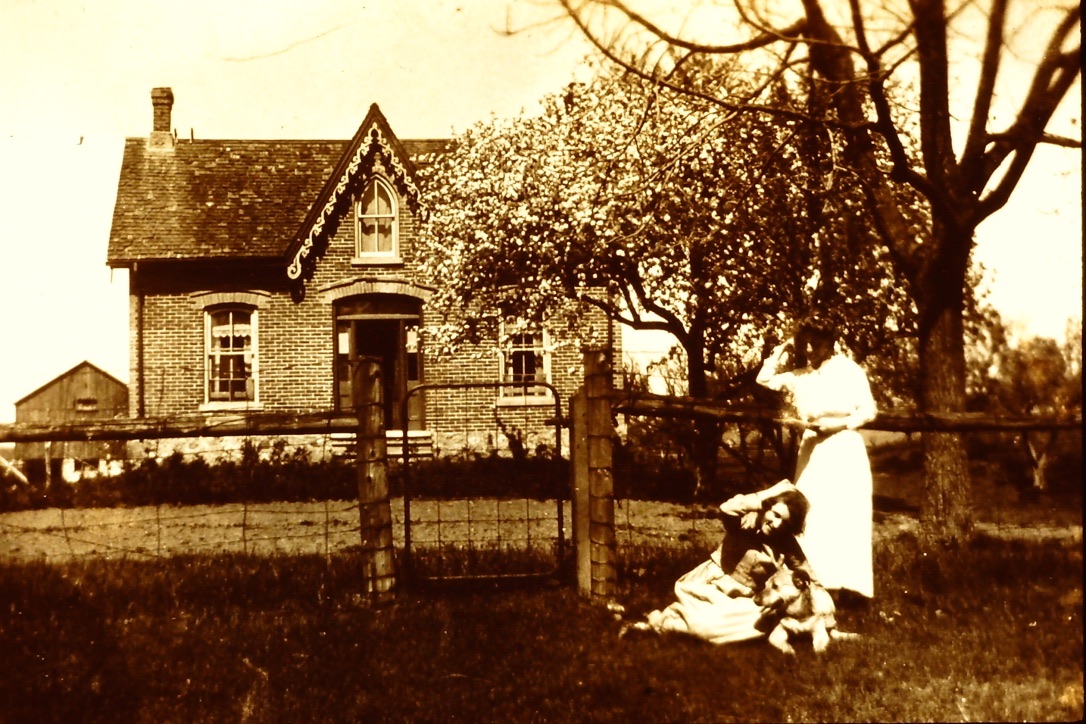
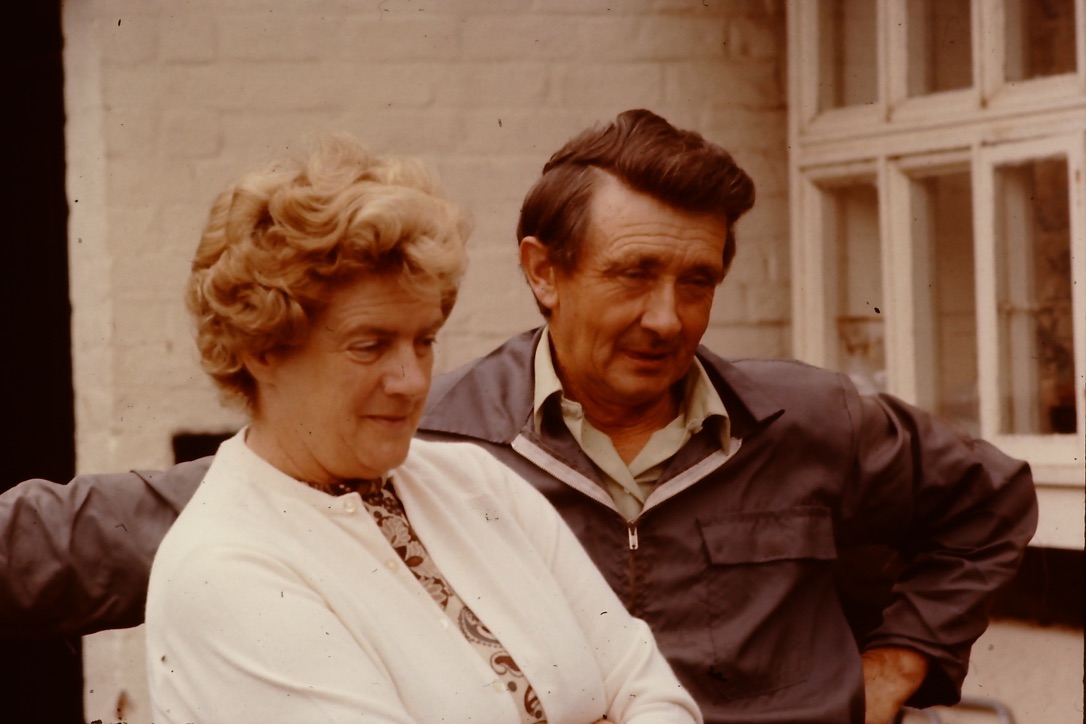 CYRIL AND NANCY GRIFFITHS. NEAR RELATIVES. THEY OPERATED OATCROFT FARM ON THE EYWOOD ESTATE UNTIL THEESTATE WAS BROKEN UP. THEN THEY OPERATED LOWER WOOTEN FARM PICTURED BELOW. WONDERFUL PEOPLE.What a surprise. The whole Grifiths family were expecting me. Mom had sent thema letter that maybe I would arrive in early September. Shy greetings. Cyril andNancy Griffiths, aunt Polly, and their son David who was about 14 years old.
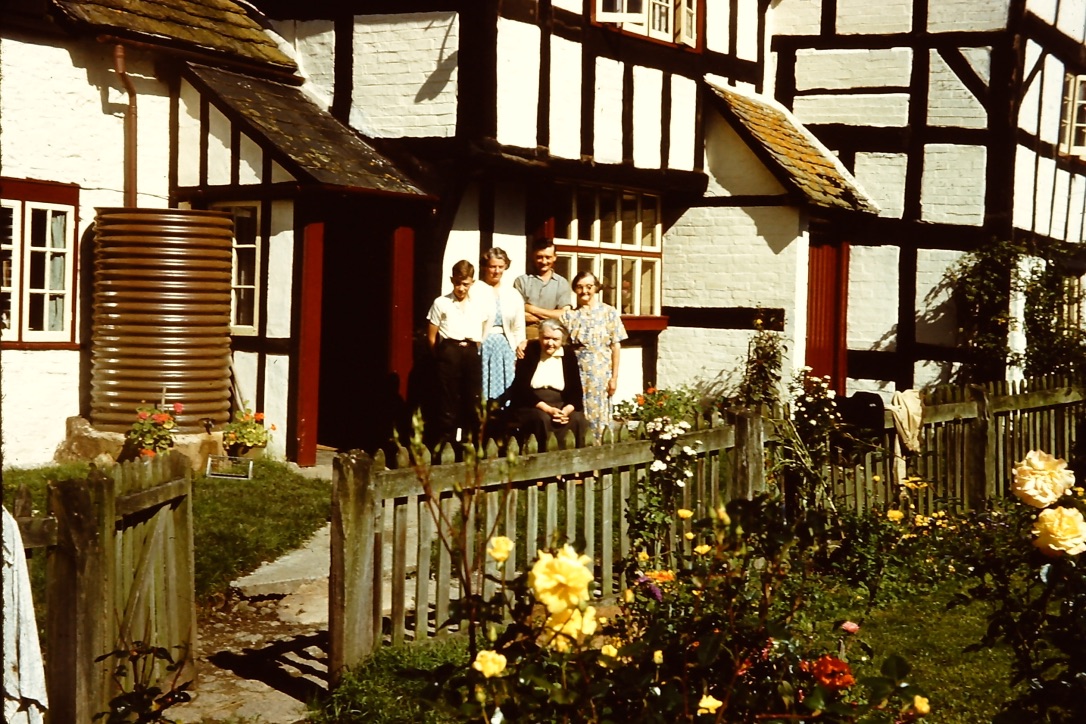 HERE THE WHOLE GRIFFITHS FAMILY IS OUT FOR A FORMAL PICTURE. OUR PATHS WOULD CROSS MANY TIMESFROM 1960 TO THE PRESENT.
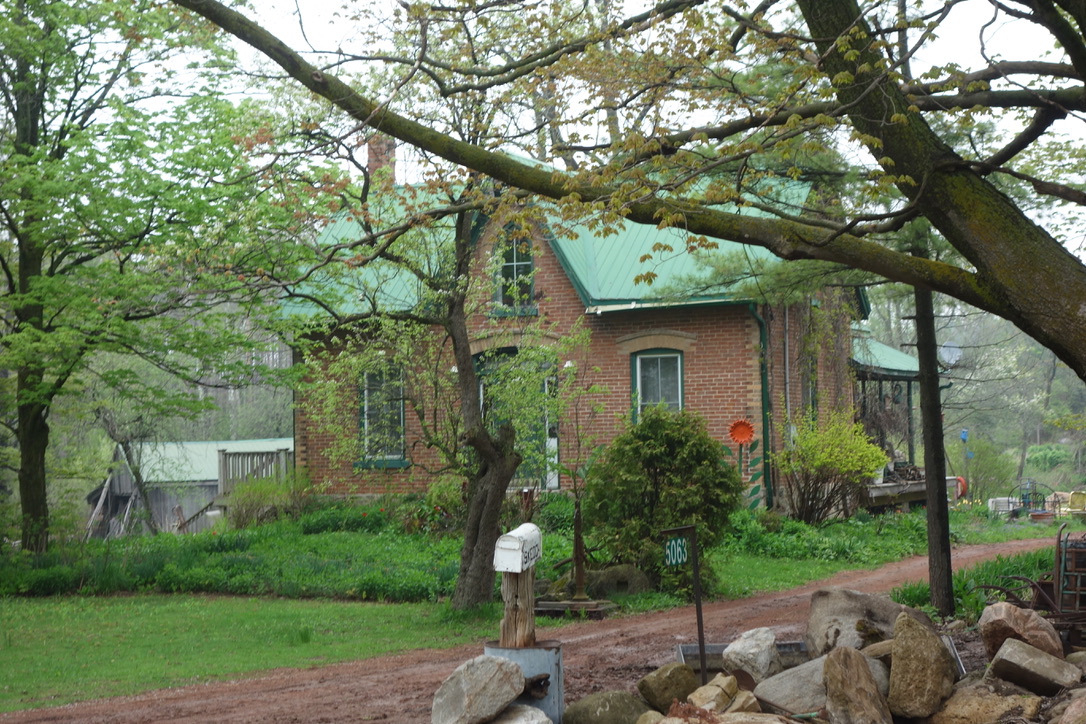
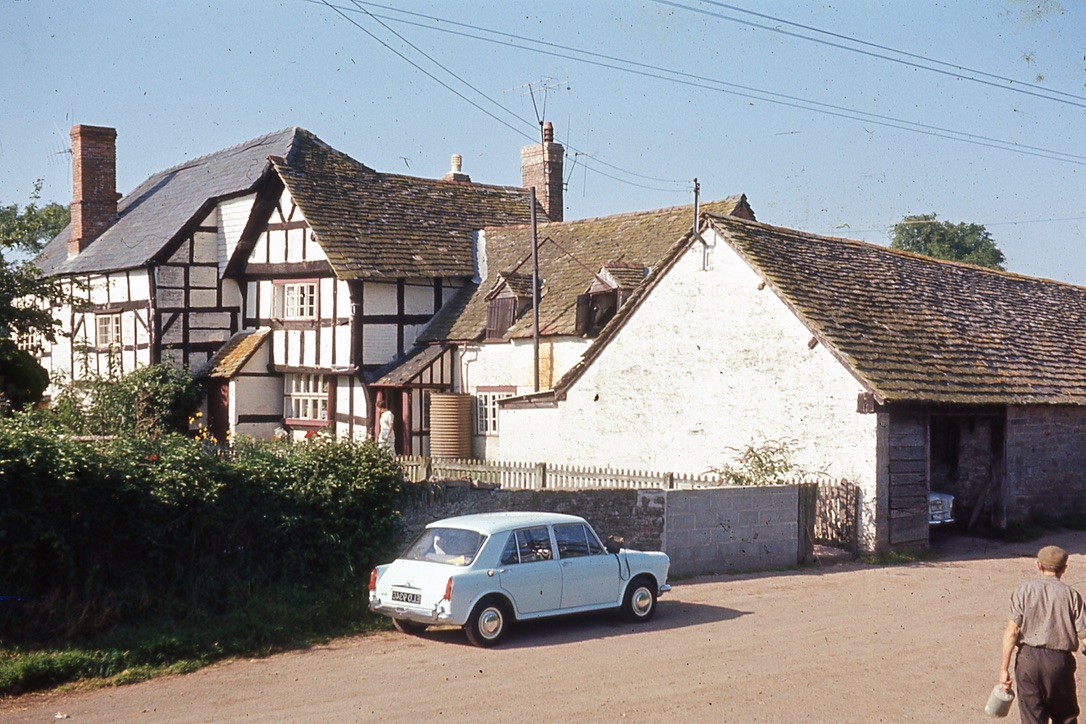 THIS PICTURE IS BACKWARDS BUT GIVES GOOD VIEW OF LOWER WOOTEN FARM. PICTURE WAS TAKEN ON A SUBSEQUENTVISIT. MARJORIE IN DOORWAY. ON THAT TRIP WE CAUGHT A HEDGEHOG ONE EVENING…IT CURLED UP LIKE A BOWLING BALLSO WE BOWLED WITH IT A FEW TIMES THEN IT TRUNDLED AWAY TO THE FENCEROW.Lower Wooten Farm was a storybook farm. Built in the 16th century and designated anhistoric building that could not be changed. The Farm was wonderful. A bed was ready.The floors were uneven. The ceiling was held up by oak beams. The roof was ancientslate. (SEE PICTURE)THURSDAY SEPTEMBER 8, 1960Beautiful day in a wonderful setting. Young David took me around the farm where wehelped Cyril debeak turkeys so they would not cannibalize each other I assumed.Then Cyril drove us into Eardislely, a quaint black and white 16 th century village.In the afternoon we drove to a farm auction near Leominster.VISIT TO EYWOOD …
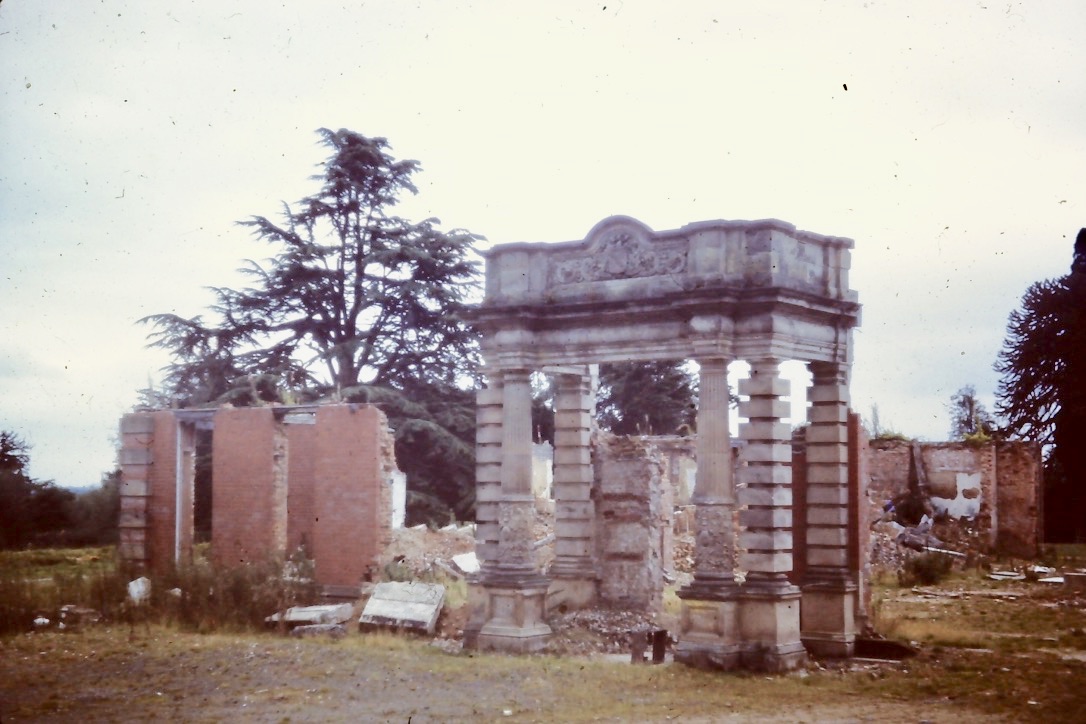
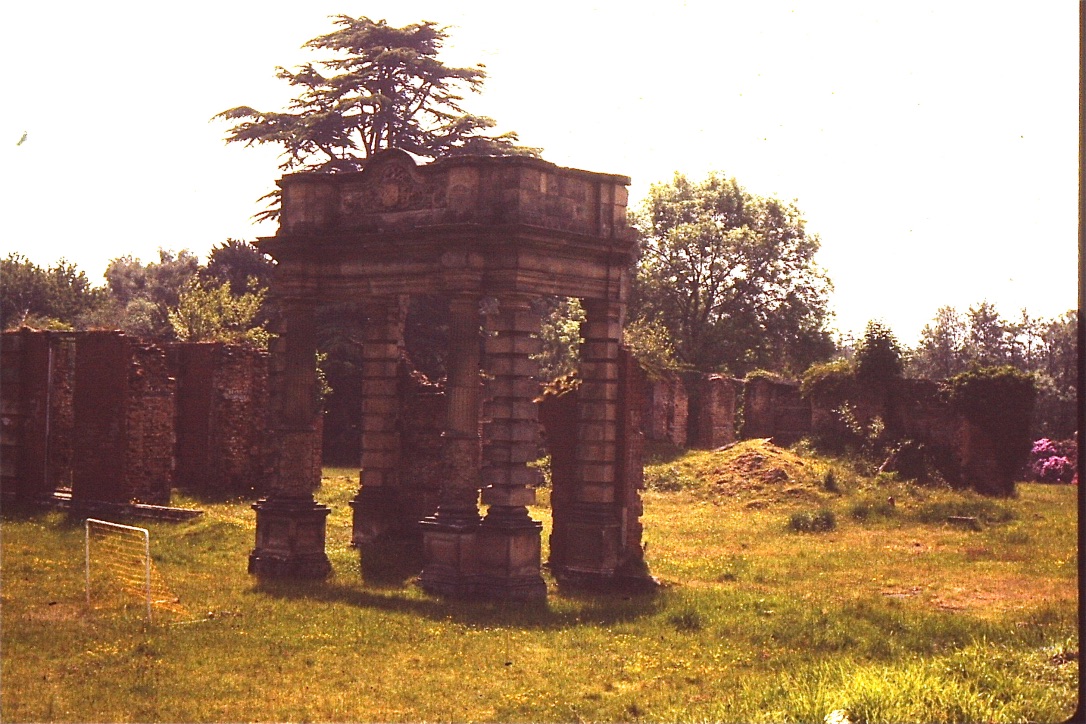 EYWOOD AS IT REMAINS TO THIS DAY…A RUIN.“Alan, I expect you will want to see Eywood. Not much to see anymore. The greathouse has been demolished…just a few brick walls and the stone entranceway remain.but your grandfathers place is intact…the gardens were bought by Henry Mills.I know him well. He will be glad to see you.”END PART THREEPART FOUREPISODE 57: COMING NEXT: EYWOOD … WHAT REMAINS OF A GREAT ESTATE
 -
Fwd: EPISODE 56 EYWOOD PARST TWO: THE IMMIGRANT YEARS OF FREEMAN FAMILY 1905 TO 1914
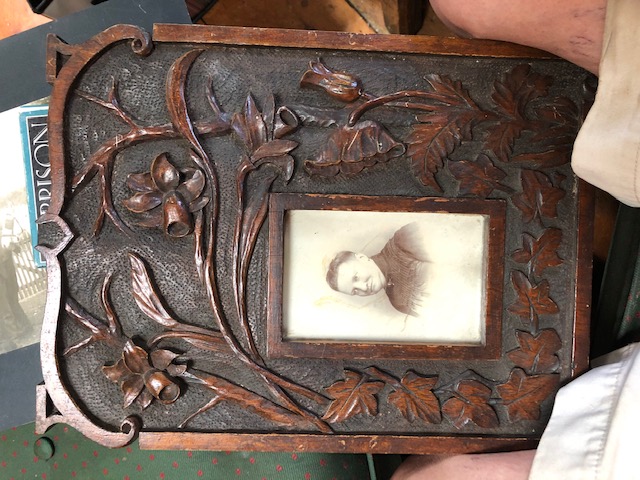
Begin forwarded message:From: ALAN SKEOCH <alan.skeoch@rogers.com>Subject: EPISODE 56 EYWOOD PARST TWO: THE IMMIGRANT YEARS OF FREEMAN FAMILY 1905 TO 1914Date: May 30, 2020 at 11:42:02 PM EDTTo: Alan Skeoch <alan.skeoch@rogers.com>EPISODE 56 EYWOOD, PART TWOLouisa (Bufton) Freeman with daughter Elsie on her one and son Frank by her side.Photo may have been taken in the Head Gardener’s house at Eywood Estate.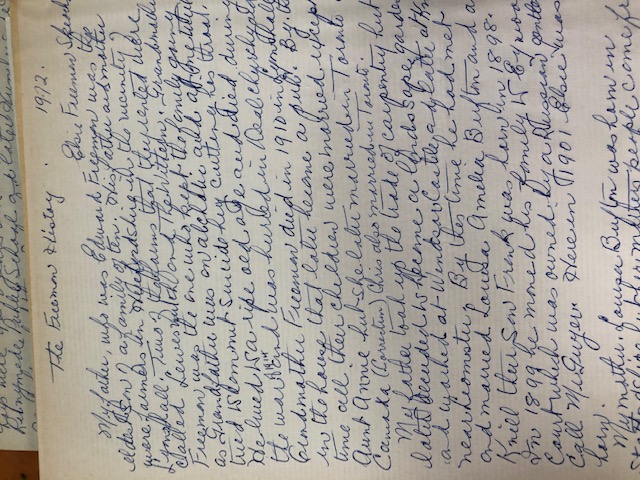 In 1972, I asked mom to explain life as immigrants in Canada from 1905 to 1914This is Granddad and is gardeners…ten men and boys and two horsesalan skeochMay 2020There was always something strange about the Freeman farm house. Something differentfrom other houses as I remember. And the difference, I now realize, was the picture framesand the photos fitted therein. The frames were hand carved by Granddad out of slabs ofhardwood. Then intricately carved. As below.“How long did it take you to carve these, Grandpa?”“Did one ever winter for a few years?”“Who is in the frame?”“That’s to cook from Eywood…your mother’s godmother?”“I thought you hated Eywood?”“Too strong a word, Alan.”“but you said you hated tipping your hat to Mr. Gwyer, the owner of Eywood.”“Hate is too strong a word…let’s say disliked.”“If you disliked Eywood, then why spend your winter’s doing somethingthat reminds you of Eywood.”“Alan, there is the world of difference between a system I might dislikeand the people working within the system.”“I don’t get it.”“Some of those people in service at Eywood became as close toyour grandmother and me as our family. They became family really.”
 Winer’s work beside the wood stove in Erin Township, Wellington County 1930’s.
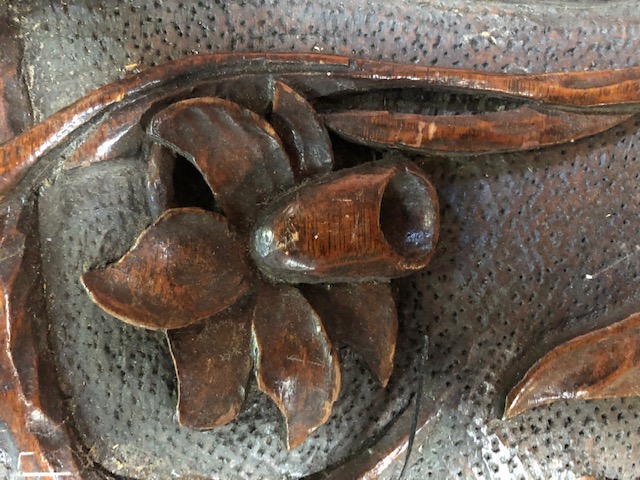 Elsie Freeman…hand made frame by Edward FreemanThe old Freeman farm house had reminders of Eywood on each wall of the only roomin the house that was permanently lived in. The room with the big wood stove. The restof the house in winter time was so cold that icicles formed in the rooms. Just to gotto bed upstairs we had to take a hot brick wrapped in paper. The brick was heated inthe wood stove oven.This was not the home of rich persons. Yet the walls were reminders that there wasa place somewhere in England where rich people lived and were served by servants.It was all very confusing.I thought Grandma and Grandpa came to a better place..Canada. But the reminderson the walls told a different story.Always in the back of my mind were these reminders of Eywood. A mystical placethat I thought I would never see. Time and circumstances changed things for me.Remember this point. I was born in 1938. I was a teen ager in the 1950’s. I wasan adult in the 1960’s. I was to become part of the luckiest generation of humansthis world has ever seen. I did not know it though. Nor did I know that in a few yearsI would find myself on the Eywood estate. Not once, but several times. I wouldarrive there just six years after the grand house was demolished by impoverishedBrits. I would arrive just six years after the grand estate home was blown tokingdom come.What of granddad?“Will you ever go back to Eywood ““No. We will never return…burned our bridges.”They left Eywood in 1905. Sailed to St. John, New Brunswick. Then train to Toronto.where Granddad expected his wife Louisa to stay for a few weeks while he checked out farmingin Manitoba. That was a non starter.“You expect us to take Frank and Elsie to a remote wilderness where there are no schools nearby?”“For a while that will be so.”“And no hospitals.”“Not close.”“Well…that is not going to happen…we are not going to Manitoba.”So grandpa bought a small garden farm in Etobicoke (exactly where Highway 427 sweeps northtoday and crosses Burnhamthorpe Road.). He tried to grow vegetable then haul them to Torontofor sale. Tough. Poverty was getting close.“We will sell the garden farm, Lou.”“And do what?”“I have a job as carpenter with the Temiskaming and Northern Ontario Railway. Big thingshappening in Northern Ontario. We will have a cabin in Krugerdorf…a village near Englehart.Start all over again.”
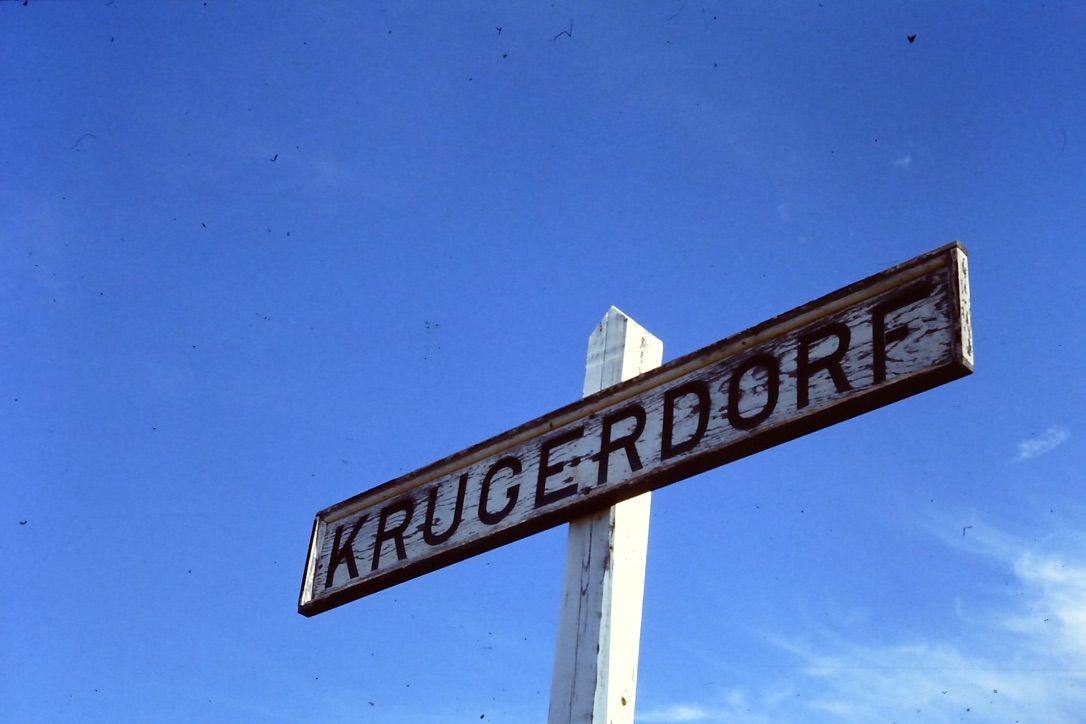 Around 1985 we drove north to find krugerdorf. We found it. All that is left of therailway village is this sign. As I looked at the sign, a black bear crossed the railway tracksome distant away.
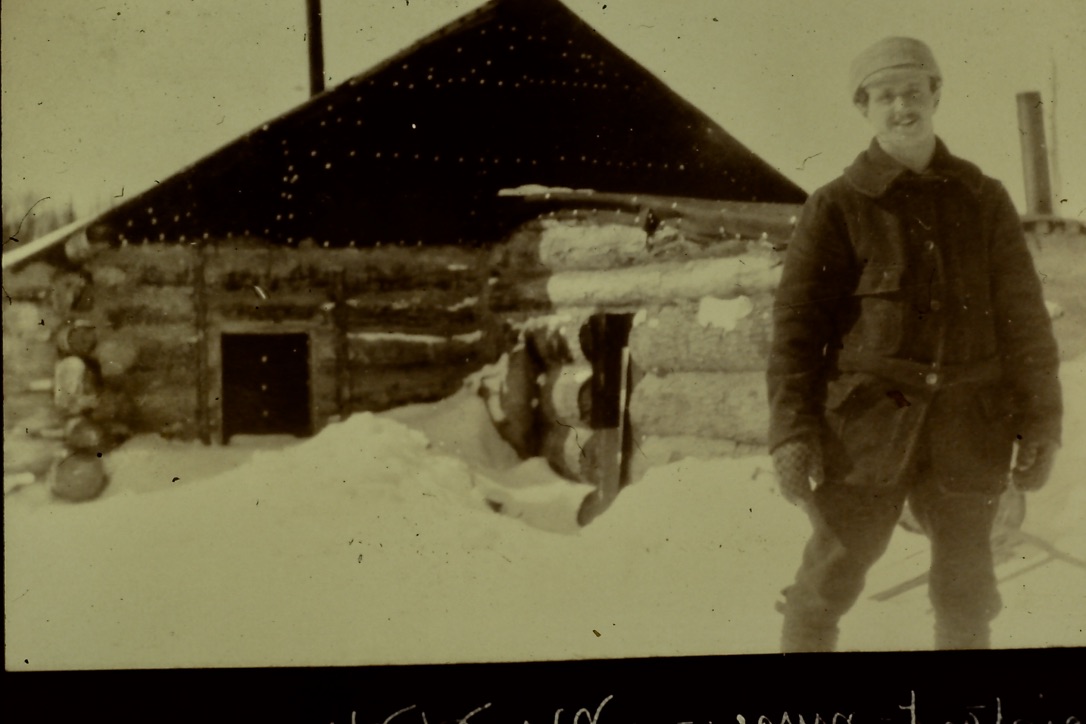 This is the log cabin of Harry Horsman, a friend of the family in Krugerdorf. His cabin is primitive as wasthe cabin belonging to Ted and Lou Freeman. Theirs caught fire an burned to the ground in 1913 or 1914. Firesraged all across Northern Ontario in those years.
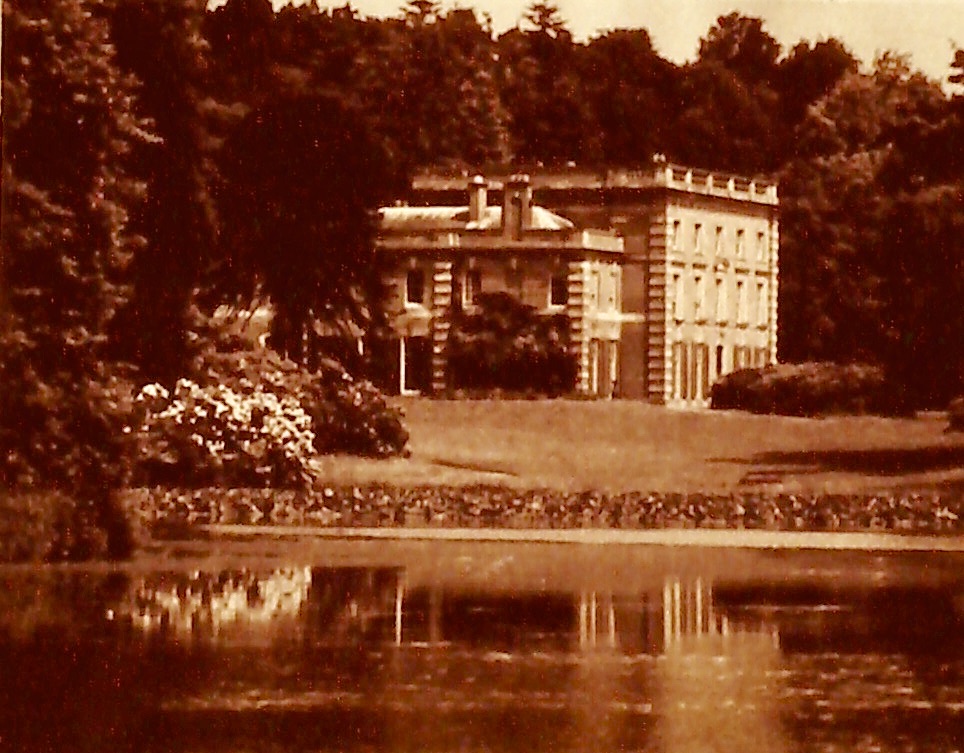
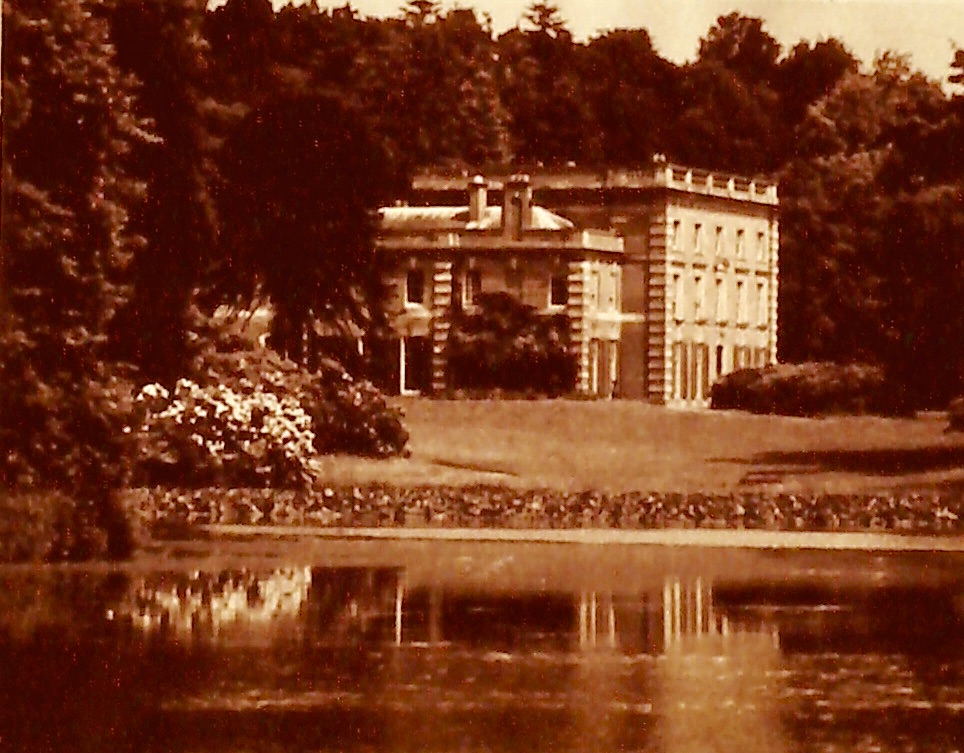 Contrast the log cabin above with the majesty of Eywood Estate main house.The cabin turned out to be a rudimentary log cabin. In the summers massive wildfires swept acrossNorthern Ontario. Granddad had to ride through at least one such massive blaze sitting on a flat carwith forests burning on each side. It was tough. Then their own log cabin caught fire and burnedto rubble. They managed to save their one t treasure…a small pump organ. Music was a bigpart of their social life. But they were burned out. So they moved…fled… south.Grandma wanted something stable. Not flashy. For their money was limited, very limited.In 1914 Edward and Louisa Freeman bought a small farm in southern Ontario. Very small indeed.The 25 acre farm on the Fifth line of Erin Township, Wellington County, Ontario could hardlybe considered a farm. Jus to 20% of the land was swamp. And the fields were oct strewn.rocks left behind when the glacial ice retreated thousands of years ago. Rocks on the surface.Rocks below the surface. But there was a brick house. Well really a brick faced house…one brickthick. Really the house was built like a barn. Timbers rescued here and there from other buildingssome of them scorched by fire. No running water. No indoor toilet than thunder jugs beneath the beds.There was a barn. The builders must have thought the site for a barn was ideal. Between twoswamps with ager inning through the stable. No need to haul water. Of course the idea was faulty.In winter the water froze. When water freezes it expands with force enough to crack and push cementfoundations out of place. The barn would not last the century but it would last the remaining lifespansof Ted and Louisa Freeman. Room enough for a chicken coop and stabling for a few cows and a horseto two. Small. Self sufficient. Survivable.The Freemans set down roots. Roots that took some time to get established becausethe Freemans were Welsh-English. And Erin Township’s Fifth Line was overwhelmingly Scottish.There was no love lost between the English and the Scots. Tensions dating back and beyondRobert the True and William Wallace were very real in this small backwater piece of rural Ontario.
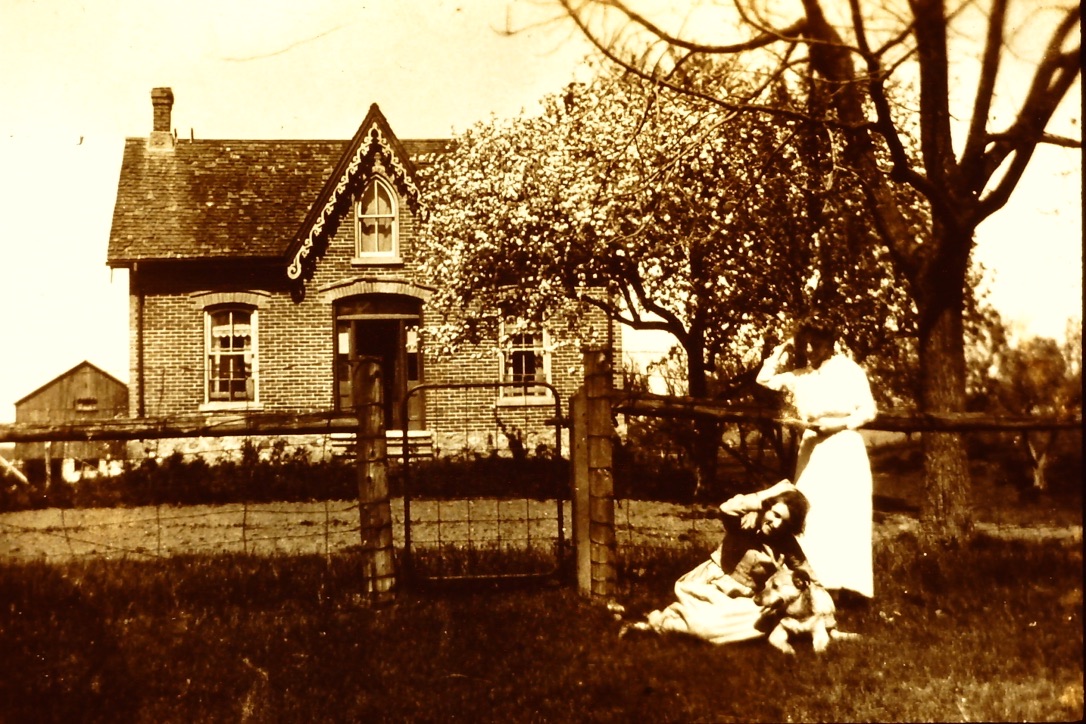 Photo of the Freeman farm in the 1930’s as seen from the air.“We were not liked at first.”(Most locals could not understand why anyone would try to eke out a living on 2r acres. AnEnglish family forced by poverty to buy the small rock/swamp parcel.)“They won’t stay long..”“What is worst is that they are English. Odd they did not get better land.”“Must be a reason.”“Wait and see what happens.”Across the dirt road was the farm of Jean Macdonald, nest to her farm on south sidewere Jean and Janet McLean…south of the Freeman farm were the Macecherns, thenthe Kerrs. To the north was a great wedge of forested swamp that had once been part ofthe new Freeman farm. The land had been sold to raise enough money to build thebrick house. Once the new Freeman house had been built the former owners foundthey no longer had a farm. All of this did not bode well.Did the Freeman’s feel they had made a massive mistake leaving a reasonable comfortablelife in the Gardeners House on the Eywood Estate for the near poverty of life in Canada?They must have but I never heard a word of complaint as a boy spending many free hourswith my grandparents.“It did not take lone for us to fit in. A little tension at first.”“But everyone was poor. We made our own entertainmentusing the one room school for musical evenings.”“I played the violin along with Frank.”“Your grandmother played the pump organ and shehad a lovely singing voice.”“In not time at all, we were part of the community. Did not matter thatwe were English.”The Great War began in the same year the Freeman’s bought the farm. To payfor it, Edward Freeman took a job making eplosives in Toronto. Elsie, Frankand his wife Louisa were left to do the farming. With the money earned themortgage was soon paid in full. I am guessing when I say the farm cost $6,000perhaps less than that.From 1906 until their deaths in the 1950’s, Grandma and Granddad kept in close touchwith the resident of Eywood. No complaints. Granddad even successfully encouragedtwo of his brothers and his sister to come to Canada. They did not feel poor although theywere poor. But there was a richness of spirit in them. A great joy of living on their own land.Security of tenure.All the same it was wonderful to hear about the happenings on the Eywood Estate. The gossipof those still ‘in service’. The letters from the Griffiths were a kind of touchstone.Mercifujlly, both Grandma and Grandpa died before the terrible news reached us.The Eywood Estate was gone…the great house had sold everything right down to’the floor boards and doors and windows. All gone. And the final catastrophe wasthe demolition…with the help of explosives I was told…the final demolition of thegreat estate house.
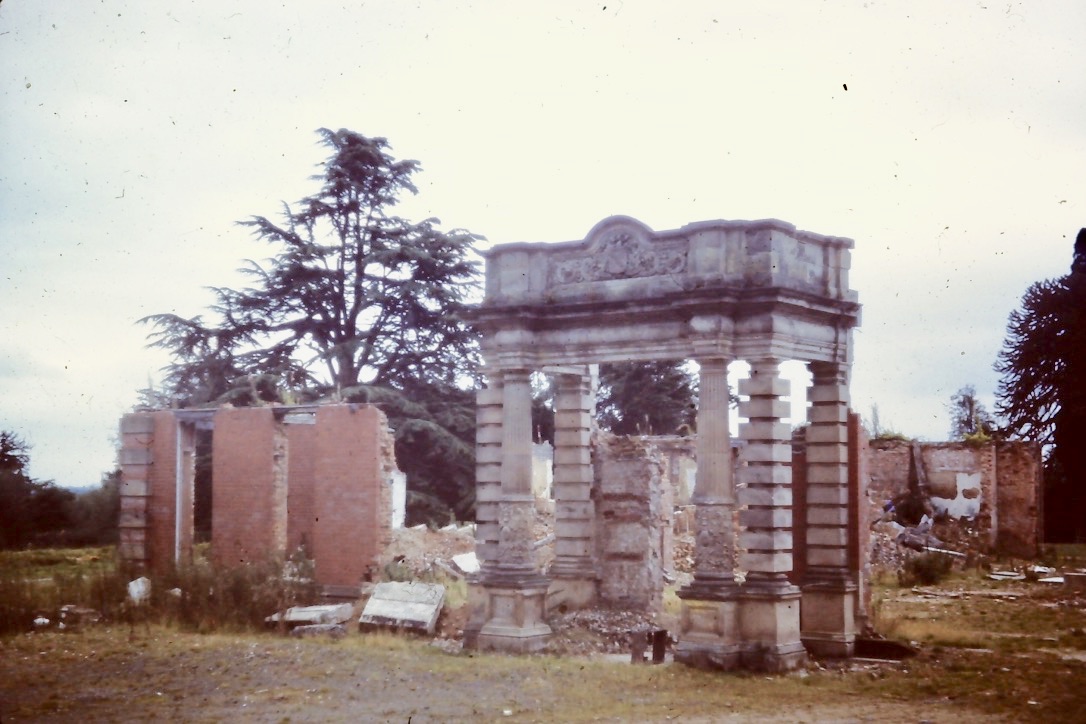 IN 1955, this wasalll that remained of Eywood mansion house.
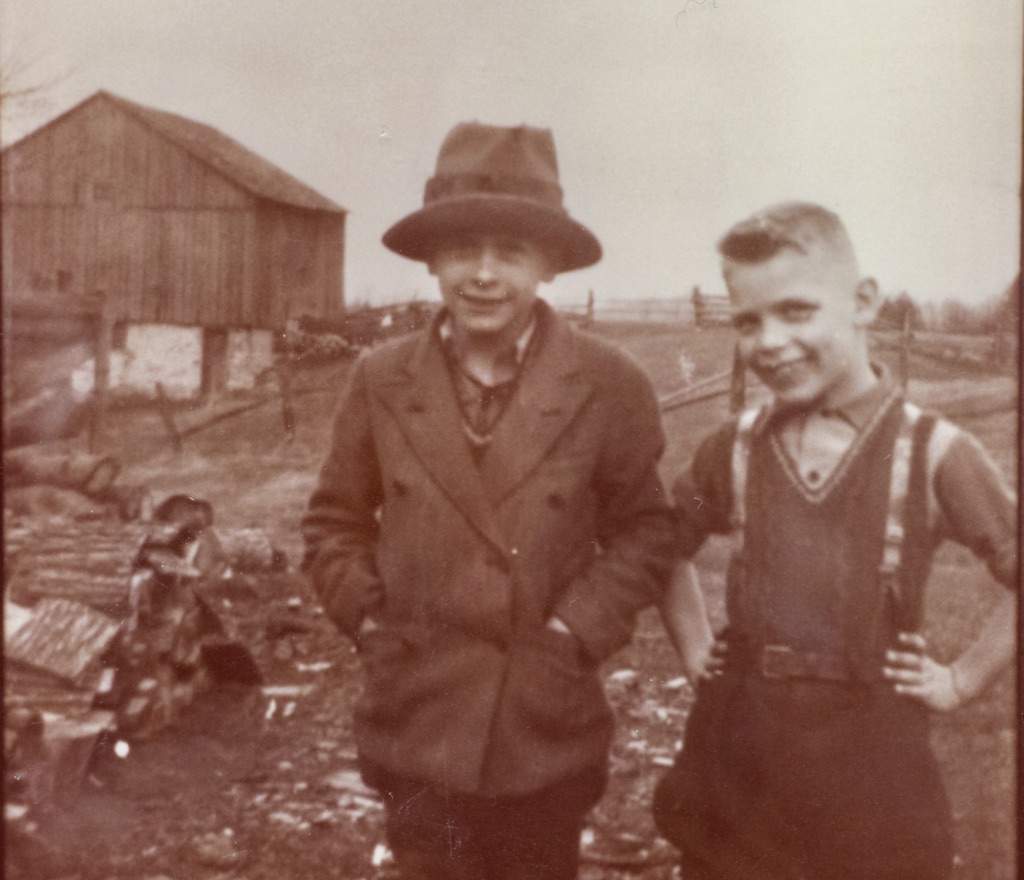
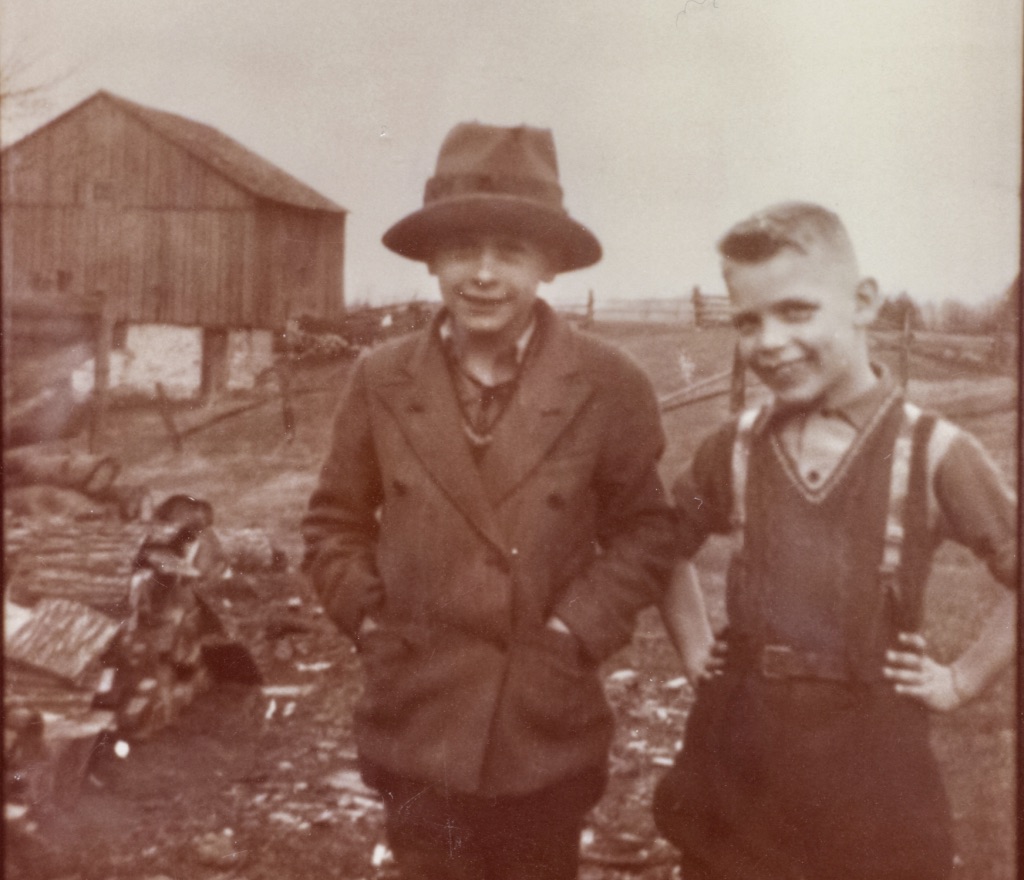
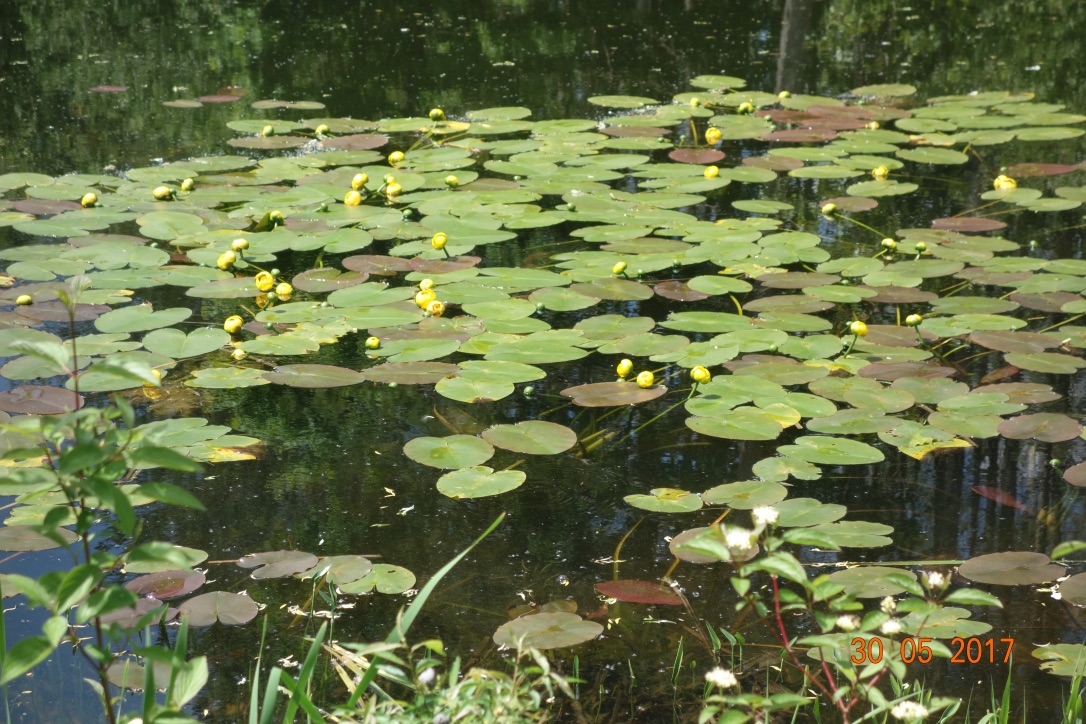
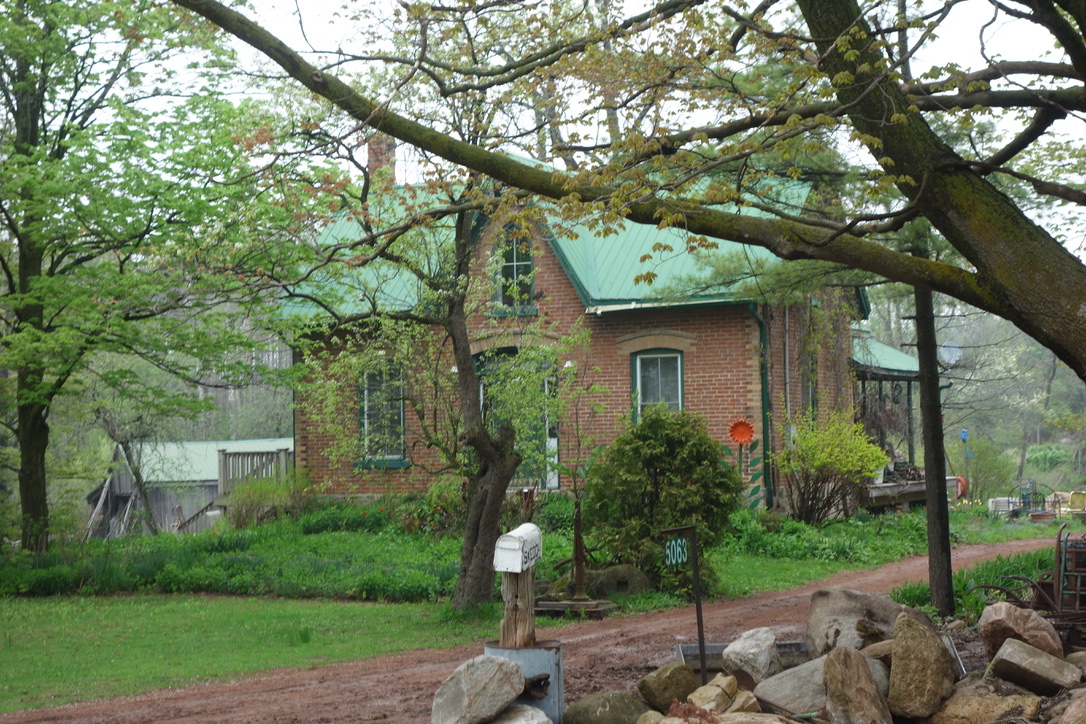
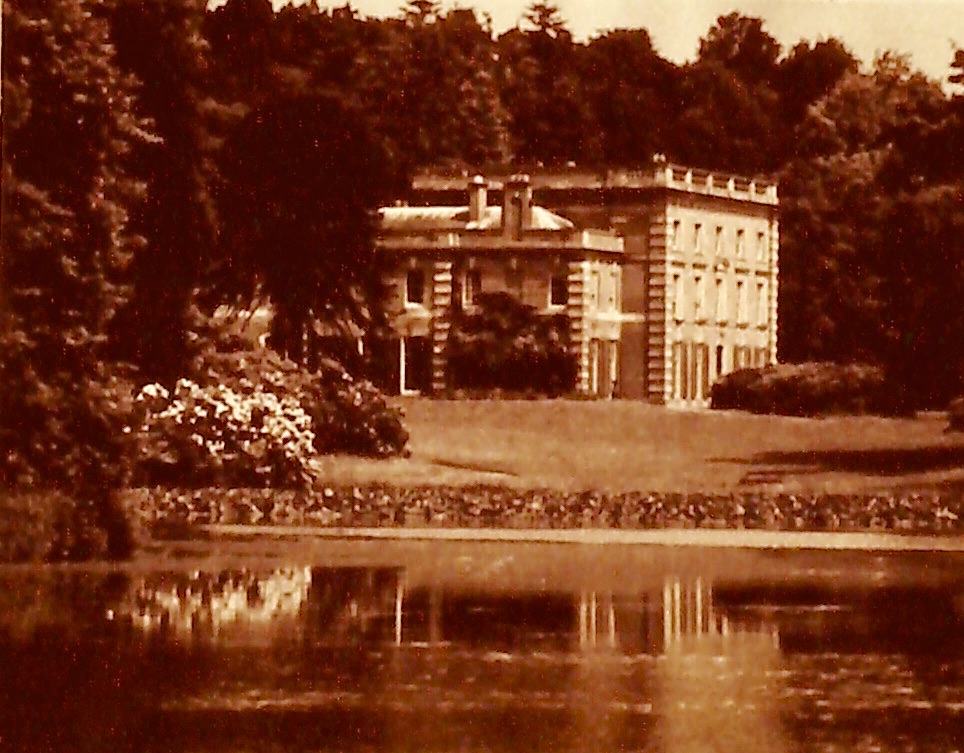 Odd fact though. The rest of the estate…the barns, the servants quarters, the dovecote,the park, the lake, the walled gardens…and the head gardeners red brick house…all of theseremain. Mom..Elsie Freeman…was born in that red brick house in 1901.NEXT STORY: PART THREE OF THE EYWOOD STORHYBACK THEN…THE 1940’S(MY BROTHER ERIC AND I DRESSED AS WE DID BACK THEN…ON THE FREEMAN FARM)
 TODAY…YEAR 2020So here we are in the year 2020…and the 25 acre Freeman farm has survived while thousands ofother family farms have been gobbled up into larger and larger farms with fewer and fewer farmers.The average size of a farm today is over 500 acres.We call our farm a farm but is really not a farm. Our income from the farm isminiscule. So small that we do not pay farm taxes. We pay the much largerproperty tax of non farming rural residents. No matter. The farm has survived.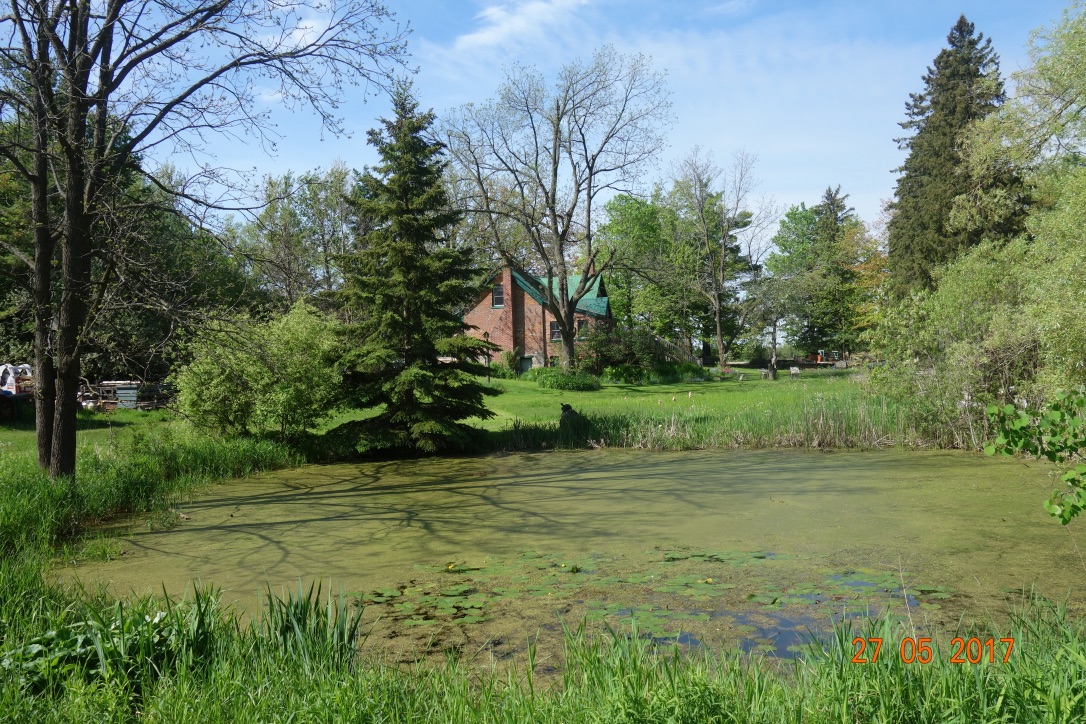
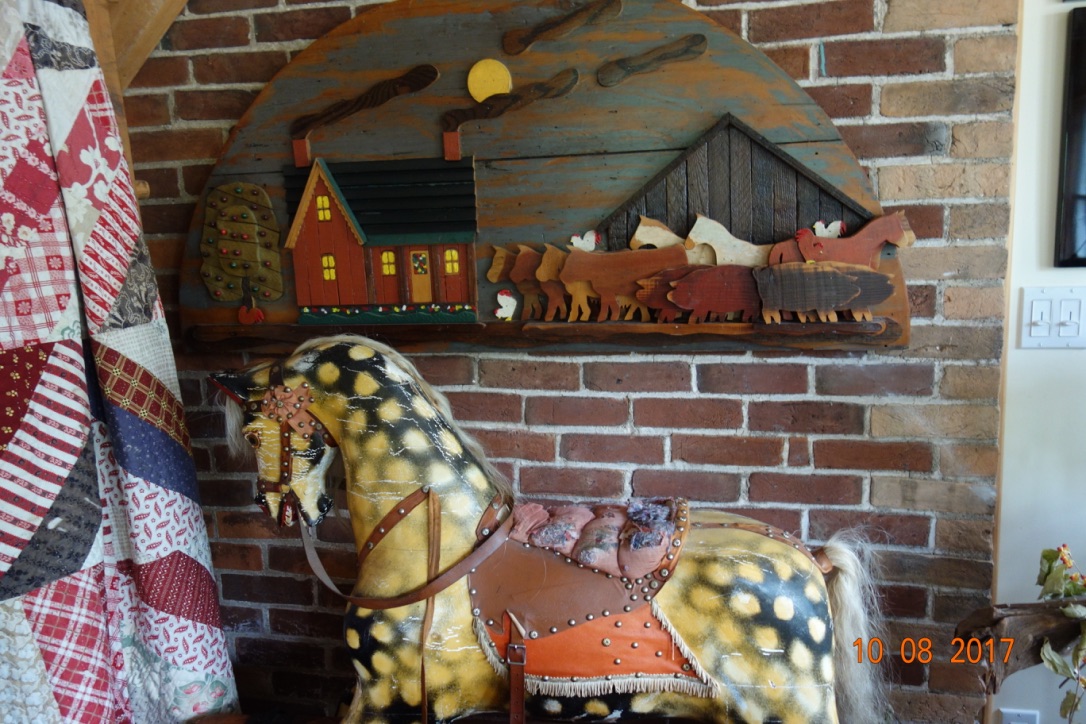
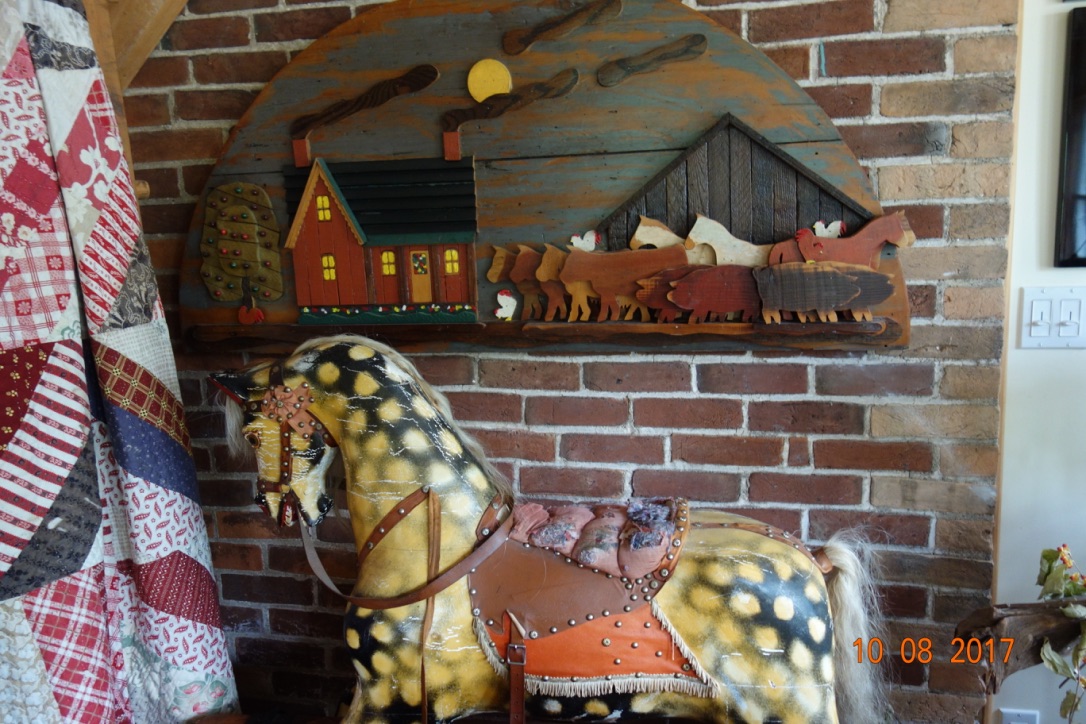 A wooden horse like this would likely have been present in Eywood.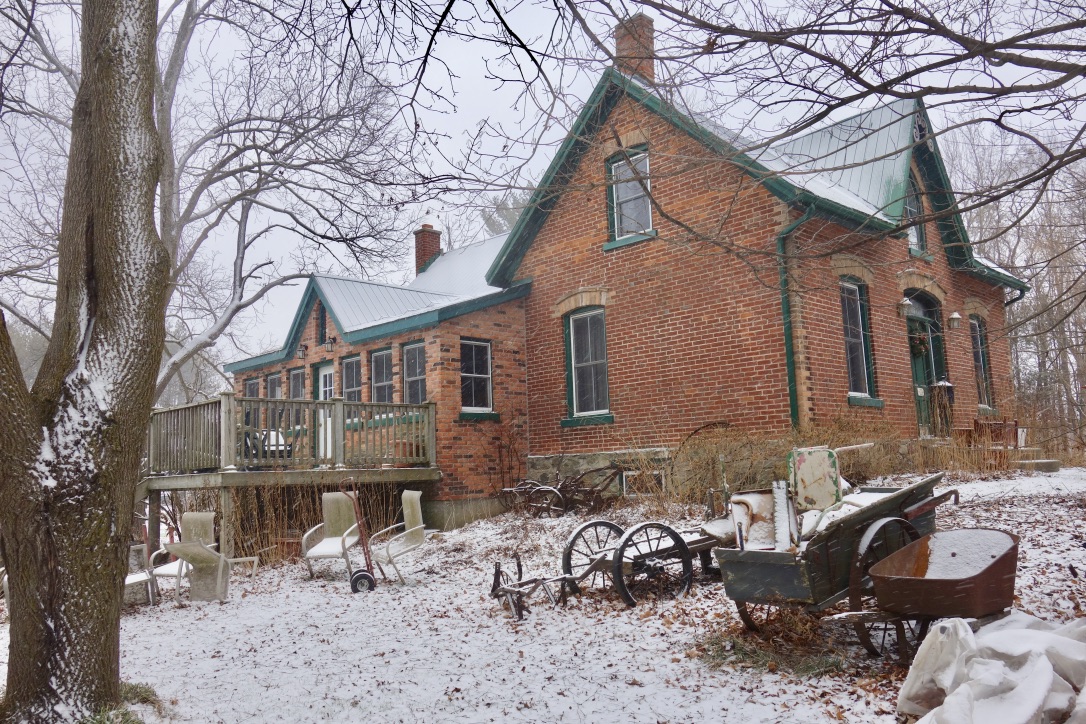
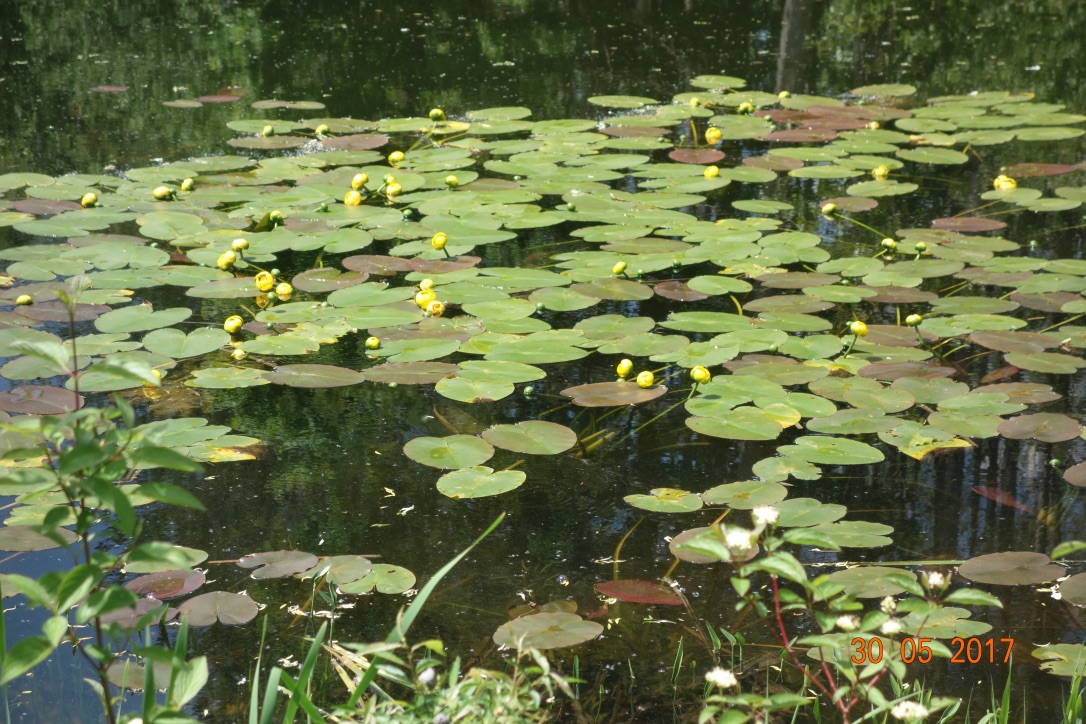
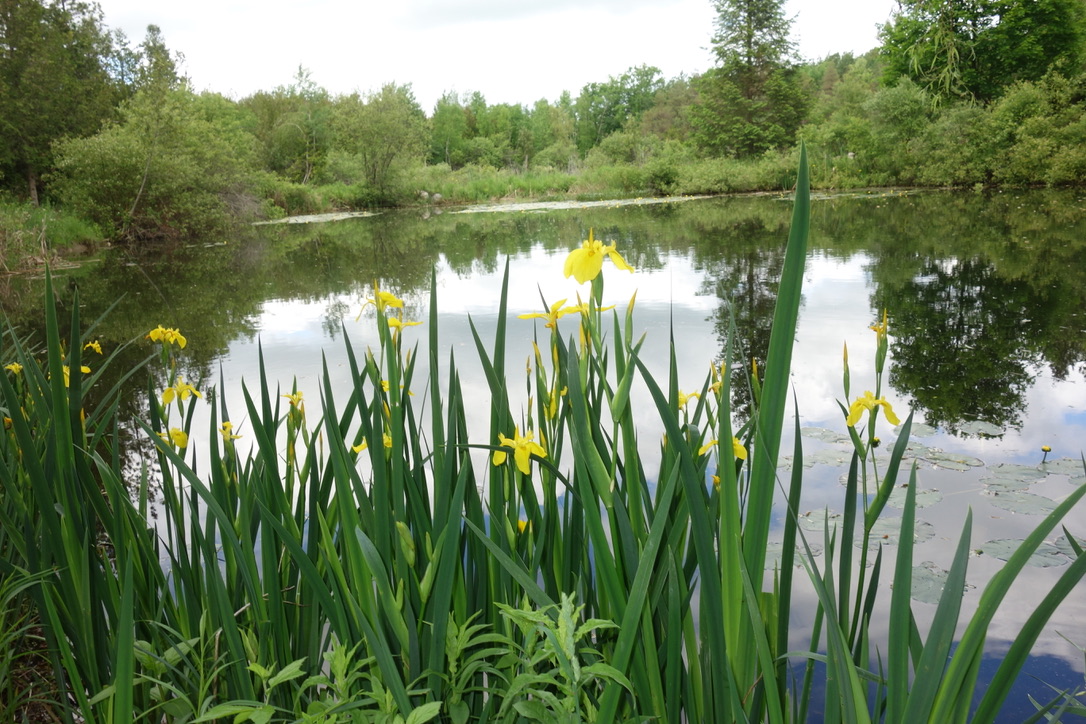 NEXT STORY…PART THREE OF EYWOOD. …AS FOUND IN 1960alan skeochmay 2020
 -
EPISODE 56 EYWOOD PARST TWO: THE IMMIGRANT YEARS OF FREEMAN FAMILY 1905 TO 1914
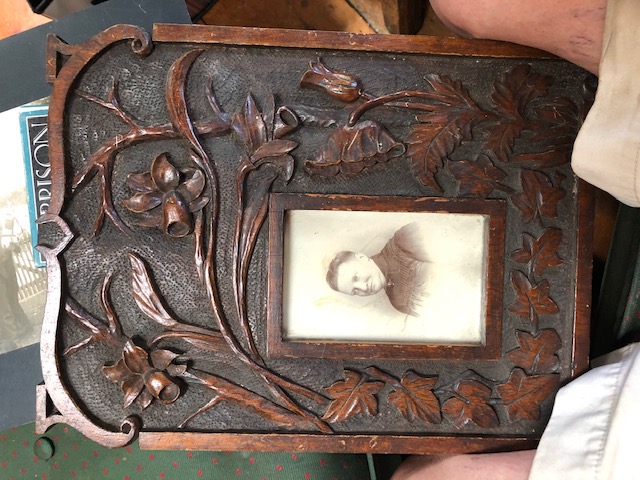
EPISODE 56 EYWOOD, PART TWOLouisa (Bufton) Freeman with daughter Elsie on her one and son Frank by her side.Photo may have been taken in the Head Gardener’s house at Eywood Estate.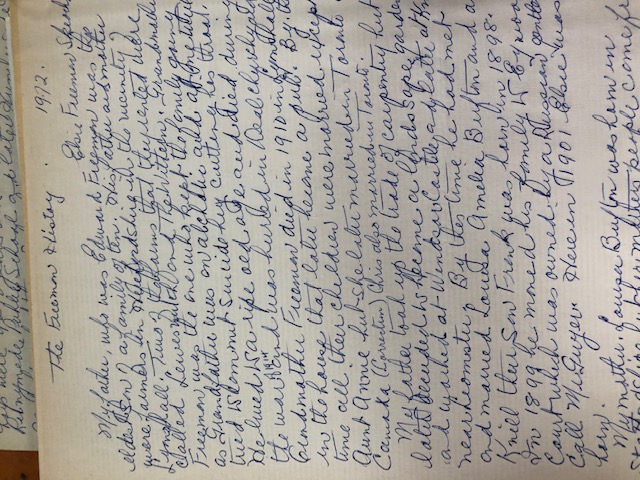 In 1972, I asked mom to explain life as immigrants in Canada from 1905 to 1914This is Granddad and is gardeners…ten men and boys and two horsesalan skeochMay 2020There was always something strange about the Freeman farm house. Something differentfrom other houses as I remember. And the difference, I now realize, was the picture framesand the photos fitted therein. The frames were hand carved by Granddad out of slabs ofhardwood. Then intricately carved. As below.“How long did it take you to carve these, Grandpa?”“Did one ever winter for a few years?”“Who is in the frame?”“That’s to cook from Eywood…your mother’s godmother?”“I thought you hated Eywood?”“Too strong a word, Alan.”“but you said you hated tipping your hat to Mr. Gwyer, the owner of Eywood.”“Hate is too strong a word…let’s say disliked.”“If you disliked Eywood, then why spend your winter’s doing somethingthat reminds you of Eywood.”“Alan, there is the world of difference between a system I might dislikeand the people working within the system.”“I don’t get it.”“Some of those people in service at Eywood became as close toyour grandmother and me as our family. They became family really.”
 Winer’s work beside the wood stove in Erin Township, Wellington County 1930’s.
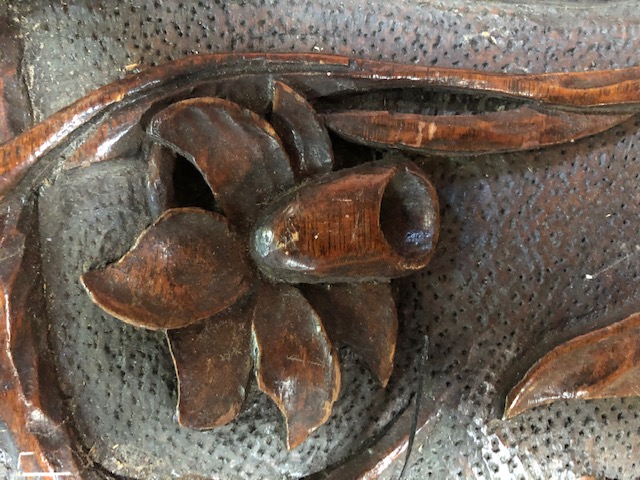 Elsie Freeman…hand made frame by Edward FreemanThe old Freeman farm house had reminders of Eywood on each wall of the only roomin the house that was permanently lived in. The room with the big wood stove. The restof the house in winter time was so cold that icicles formed in the rooms. Just to gotto bed upstairs we had to take a hot brick wrapped in paper. The brick was heated inthe wood stove oven.This was not the home of rich persons. Yet the walls were reminders that there wasa place somewhere in England where rich people lived and were served by servants.It was all very confusing.I thought Grandma and Grandpa came to a better place..Canada. But the reminderson the walls told a different story.Always in the back of my mind were these reminders of Eywood. A mystical placethat I thought I would never see. Time and circumstances changed things for me.Remember this point. I was born in 1938. I was a teen ager in the 1950’s. I wasan adult in the 1960’s. I was to become part of the luckiest generation of humansthis world has ever seen. I did not know it though. Nor did I know that in a few yearsI would find myself on the Eywood estate. Not once, but several times. I wouldarrive there just six years after the grand house was demolished by impoverishedBrits. I would arrive just six years after the grand estate home was blown tokingdom come.What of granddad?“Will you ever go back to Eywood ““No. We will never return…burned our bridges.”They left Eywood in 1905. Sailed to St. John, New Brunswick. Then train to Toronto.where Granddad expected his wife Louisa to stay for a few weeks while he checked out farmingin Manitoba. That was a non starter.“You expect us to take Frank and Elsie to a remote wilderness where there are no schools nearby?”“For a while that will be so.”“And no hospitals.”“Not close.”“Well…that is not going to happen…we are not going to Manitoba.”So grandpa bought a small garden farm in Etobicoke (exactly where Highway 427 sweeps northtoday and crosses Burnhamthorpe Road.). He tried to grow vegetable then haul them to Torontofor sale. Tough. Poverty was getting close.“We will sell the garden farm, Lou.”“And do what?”“I have a job as carpenter with the Temiskaming and Northern Ontario Railway. Big thingshappening in Northern Ontario. We will have a cabin in Krugerdorf…a village near Englehart.Start all over again.”
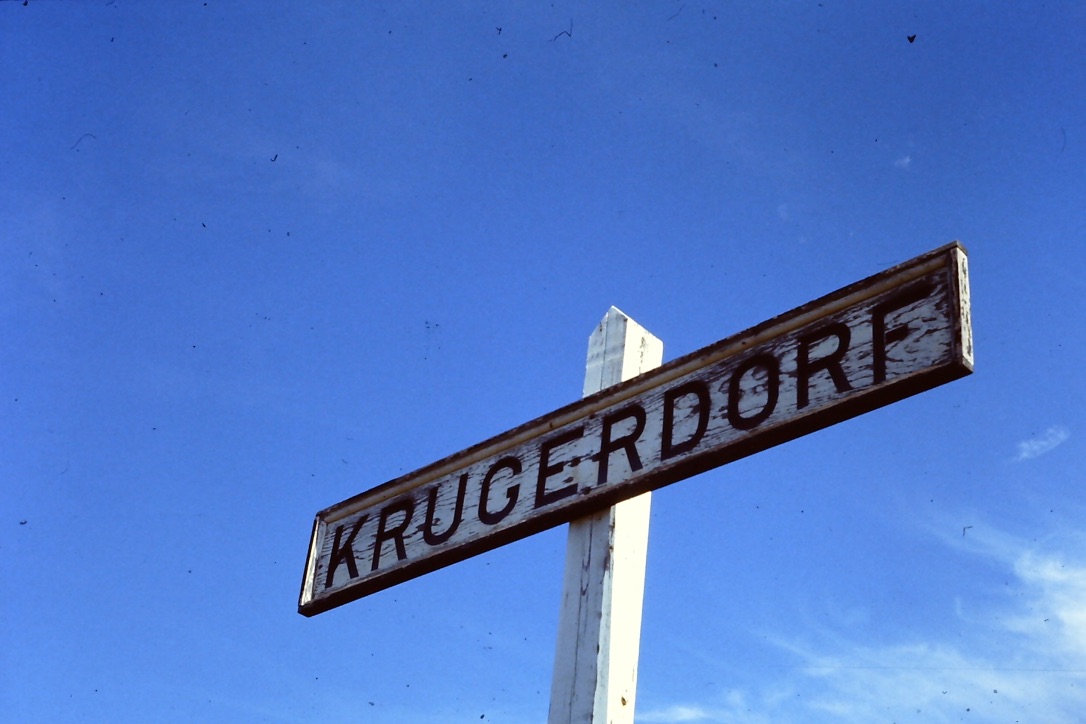 Around 1985 we drove north to find krugerdorf. We found it. All that is left of therailway village is this sign. As I looked at the sign, a black bear crossed the railway tracksome distant away.
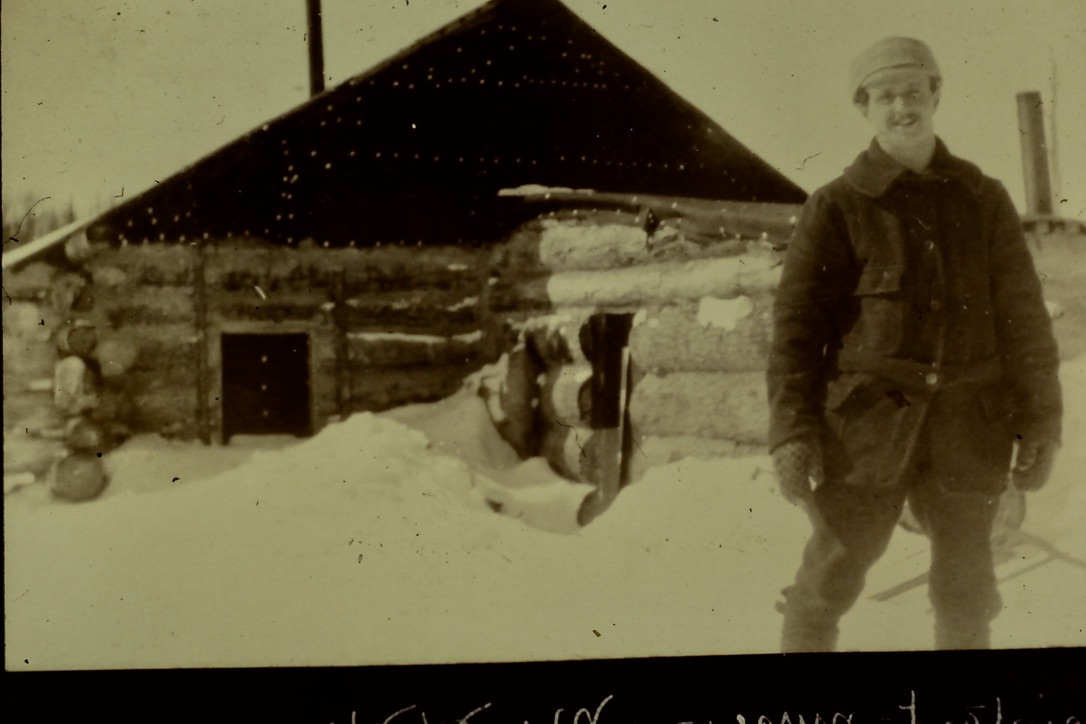 This is the log cabin of Harry Horsman, a friend of the family in Krugerdorf. His cabin is primitive as wasthe cabin belonging to Ted and Lou Freeman. Theirs caught fire an burned to the ground in 1913 or 1914. Firesraged all across Northern Ontario in those years.
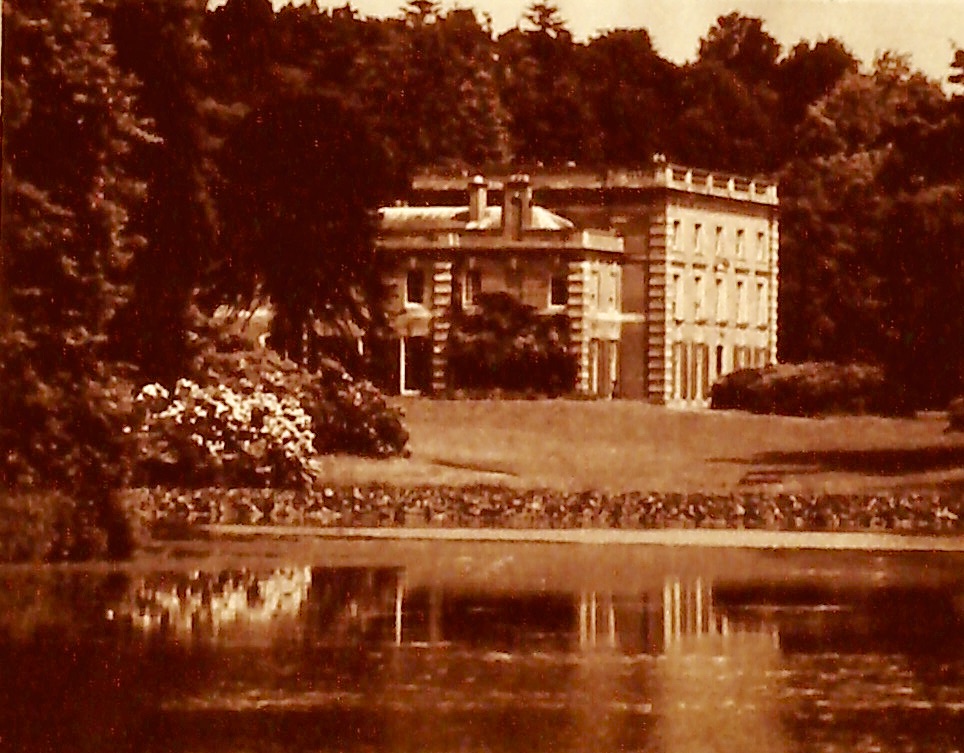 Contrast the log cabin above with the majesty of Eywood Estate main house.The cabin turned out to be a rudimentary log cabin. In the summers massive wildfires swept acrossNorthern Ontario. Granddad had to ride through at least one such massive blaze sitting on a flat carwith forests burning on each side. It was tough. Then their own log cabin caught fire and burnedto rubble. They managed to save their one t treasure…a small pump organ. Music was a bigpart of their social life. But they were burned out. So they moved…fled… south.Grandma wanted something stable. Not flashy. For their money was limited, very limited.In 1914 Edward and Louisa Freeman bought a small farm in southern Ontario. Very small indeed.The 25 acre farm on the Fifth line of Erin Township, Wellington County, Ontario could hardlybe considered a farm. Jus to 20% of the land was swamp. And the fields were oct strewn.rocks left behind when the glacial ice retreated thousands of years ago. Rocks on the surface.Rocks below the surface. But there was a brick house. Well really a brick faced house…one brickthick. Really the house was built like a barn. Timbers rescued here and there from other buildingssome of them scorched by fire. No running water. No indoor toilet than thunder jugs beneath the beds.There was a barn. The builders must have thought the site for a barn was ideal. Between twoswamps with ager inning through the stable. No need to haul water. Of course the idea was faulty.In winter the water froze. When water freezes it expands with force enough to crack and push cementfoundations out of place. The barn would not last the century but it would last the remaining lifespansof Ted and Louisa Freeman. Room enough for a chicken coop and stabling for a few cows and a horseto two. Small. Self sufficient. Survivable.The Freemans set down roots. Roots that took some time to get established becausethe Freemans were Welsh-English. And Erin Township’s Fifth Line was overwhelmingly Scottish.There was no love lost between the English and the Scots. Tensions dating back and beyondRobert the True and William Wallace were very real in this small backwater piece of rural Ontario.
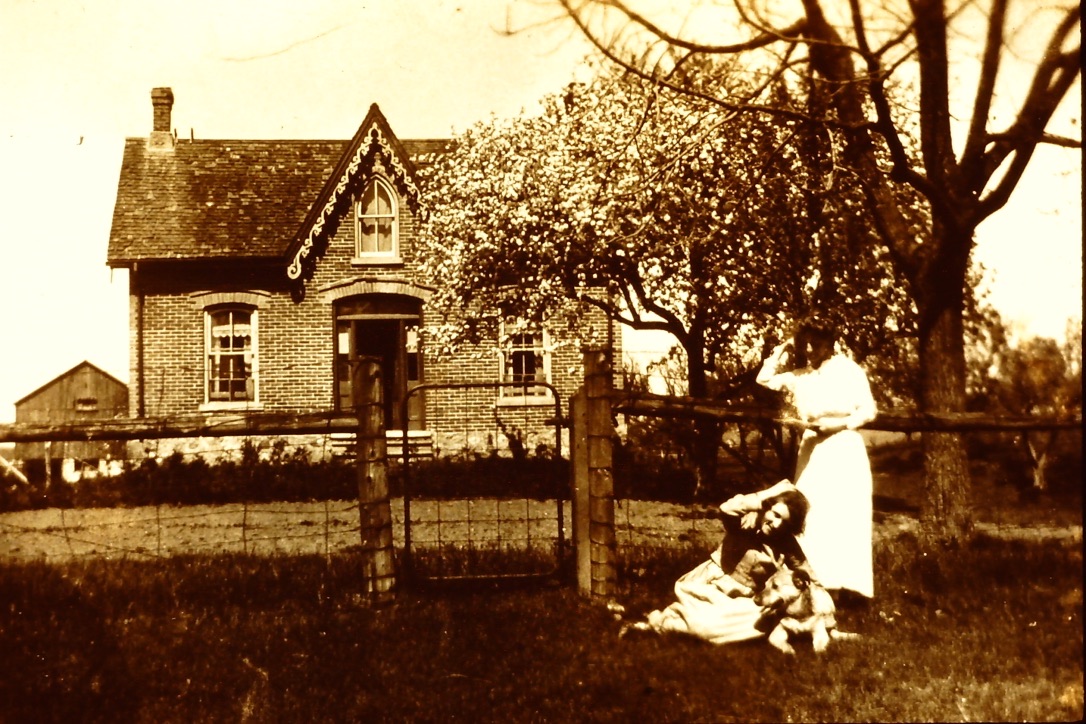 Photo of the Freeman farm in the 1930’s as seen from the air.“We were not liked at first.”(Most locals could not understand why anyone would try to eke out a living on 2r acres. AnEnglish family forced by poverty to buy the small rock/swamp parcel.)“They won’t stay long..”“What is worst is that they are English. Odd they did not get better land.”“Must be a reason.”“Wait and see what happens.”Across the dirt road was the farm of Jean Macdonald, nest to her farm on south sidewere Jean and Janet McLean…south of the Freeman farm were the Macecherns, thenthe Kerrs. To the north was a great wedge of forested swamp that had once been part ofthe new Freeman farm. The land had been sold to raise enough money to build thebrick house. Once the new Freeman house had been built the former owners foundthey no longer had a farm. All of this did not bode well.Did the Freeman’s feel they had made a massive mistake leaving a reasonable comfortablelife in the Gardeners House on the Eywood Estate for the near poverty of life in Canada?They must have but I never heard a word of complaint as a boy spending many free hourswith my grandparents.“It did not take lone for us to fit in. A little tension at first.”“But everyone was poor. We made our own entertainmentusing the one room school for musical evenings.”“I played the violin along with Frank.”“Your grandmother played the pump organ and shehad a lovely singing voice.”“In not time at all, we were part of the community. Did not matter thatwe were English.”The Great War began in the same year the Freeman’s bought the farm. To payfor it, Edward Freeman took a job making eplosives in Toronto. Elsie, Frankand his wife Louisa were left to do the farming. With the money earned themortgage was soon paid in full. I am guessing when I say the farm cost $6,000perhaps less than that.From 1906 until their deaths in the 1950’s, Grandma and Granddad kept in close touchwith the resident of Eywood. No complaints. Granddad even successfully encouragedtwo of his brothers and his sister to come to Canada. They did not feel poor although theywere poor. But there was a richness of spirit in them. A great joy of living on their own land.Security of tenure.All the same it was wonderful to hear about the happenings on the Eywood Estate. The gossipof those still ‘in service’. The letters from the Griffiths were a kind of touchstone.Mercifujlly, both Grandma and Grandpa died before the terrible news reached us.The Eywood Estate was gone…the great house had sold everything right down to’the floor boards and doors and windows. All gone. And the final catastrophe wasthe demolition…with the help of explosives I was told…the final demolition of thegreat estate house.
 IN 1955, this wasalll that remained of Eywood mansion house.
 Odd fact though. The rest of the estate…the barns, the servants quarters, the dovecote,the park, the lake, the walled gardens…and the head gardeners red brick house…all of theseremain. Mom..Elsie Freeman…was born in that red brick house in 1901.NEXT STORY: PART THREE OF THE EYWOOD STORHYBACK THEN…THE 1940’S(MY BROTHER ERIC AND I DRESSED AS WE DID BACK THEN…ON THE FREEMAN FARM)
 TODAY…YEAR 2020So here we are in the year 2020…and the 25 acre Freeman farm has survived while thousands ofother family farms have been gobbled up into larger and larger farms with fewer and fewer farmers.The average size of a farm today is over 500 acres.We call our farm a farm but is really not a farm. Our income from the farm isminiscule. So small that we do not pay farm taxes. We pay the much largerproperty tax of non farming rural residents. No matter. The farm has survived.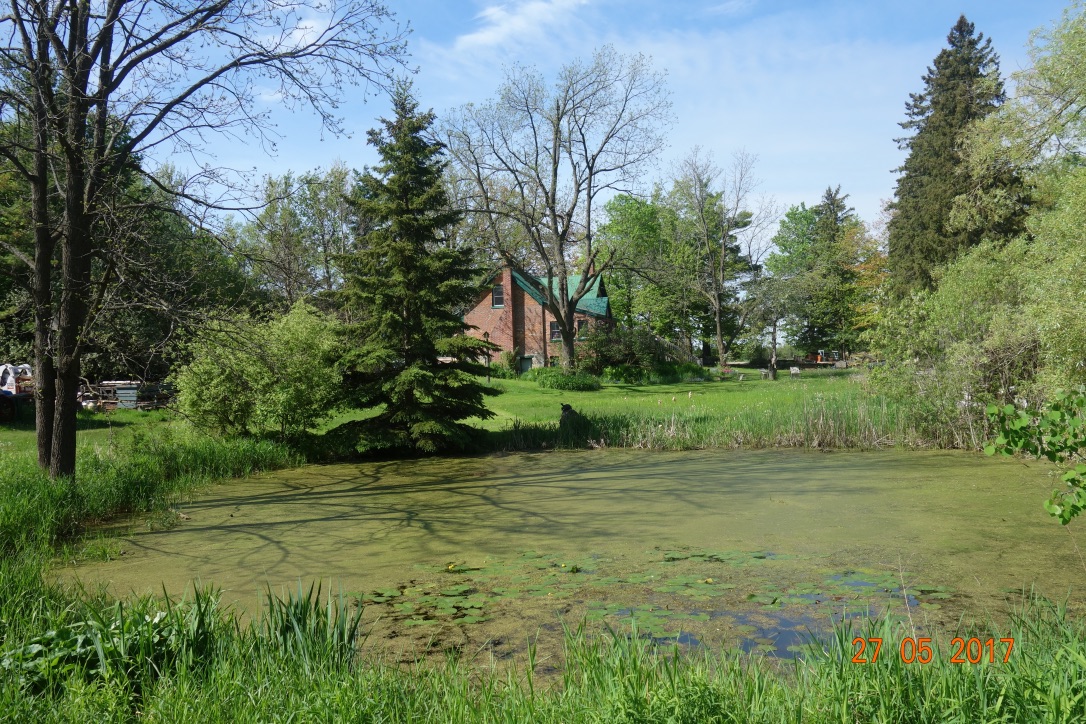
 A wooden horse like this would likely have been present in Eywood.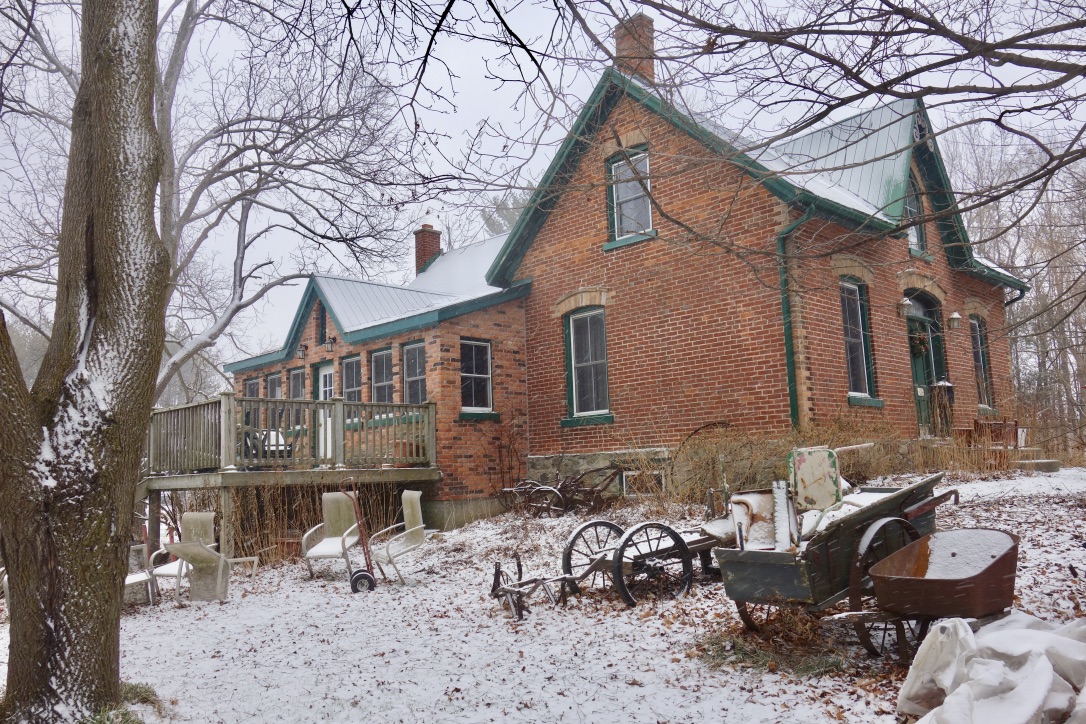
 NEXT STORY…PART THREE OF EYWOOD. …AS FOUND IN 1960alan skeochmay 2020
 -
EPISODE 55 THE BLACK BEAR THAT GOT TOO FRIENDLY
EPISODE 55 THE BLACK BEAR THAT JUST GOT TOO FRIENDLY: MARATHON 1963alan skeochMay 2020We set up our base camp southeast of the paper mill at Marathon on the north shore of Lake Superior. Five of us doing ageophysical survey searching for magnetic anomalies that just might be turned into a mine some day. Summer of 1963.John Lloyd, Roger Nichols, David Murphy, Bill Gilbey and myself. By 1963 I had done this kind of work for several yuearsso our boss, Dr. Norman Paterson gave me theresponsibility for the camp.And that became a problem.No sooner did we get the tents up and the food supply in place than we discovered there was a black bear who seemedto want to join our crew. This began as a novelty for the bear was more interested in stealing our food than gnawing atour bodies.This was dangerous business however. One night I got up to take a leak at our latrine only to return and find John Lloydstanding with axe upraised thinking I was the bear entering our tent. John Lloyd was a Welsh geophyicist with no bearexperience. On another occasion the bear got one of our salamis hanging from a hook in our cook tent. I think the beartook a mouthful of tent canvas with it. Otherwise the bear just walked…waddled…into the cook tent and made aselection.The bear was getting too friendly. Dangerously so. Action had to be taken … desperate action. But first we triedanother ploy. Let’s call it the ‘Garbage Can Lid and Nielsen’s Jesey Milk chlorate bar caper.”“Hey Al, why don’t we try to shock the bear.”“How?””“We could wire up the garbage can lid?”(We had buried a big galvanized garbage can deep in the ground to act as a refrigerator and alsoa protection of our food from red squirrels>)“Suppose we hook the lid to our motor generator…wait for the bear to lie the lid…and then WHAM…givehim or her a shot of electricity.”“And the bait?”“Let’s use the chocolate bars…Jersey Milk. The bear has already got some so we know it likes Jersey Milk Bars.(So , like a bunch of kids, we set our trap.}“Drive the truck so it faces the garbage can…start the generator…and then we will wait.”(All five of us crammed into the company truck..and waited…I don’t remember who heldthe on / off switch. Might have been me. Might have been Gilbey as I think the plan was hisidea.)“Getting dark.”“Here comes the bear. Get ready.”“Has the bear got the lid?”“Yes…NOW! NOW! Throw the switch.”“Too late … that is one fast bear.”“He got the whole box of Jersey Milk bars faster that we could throw the switch.”“Did he or she know we were in the truck?”“Probably…seemed to consider us food suppliers…as if we were grocery employees.”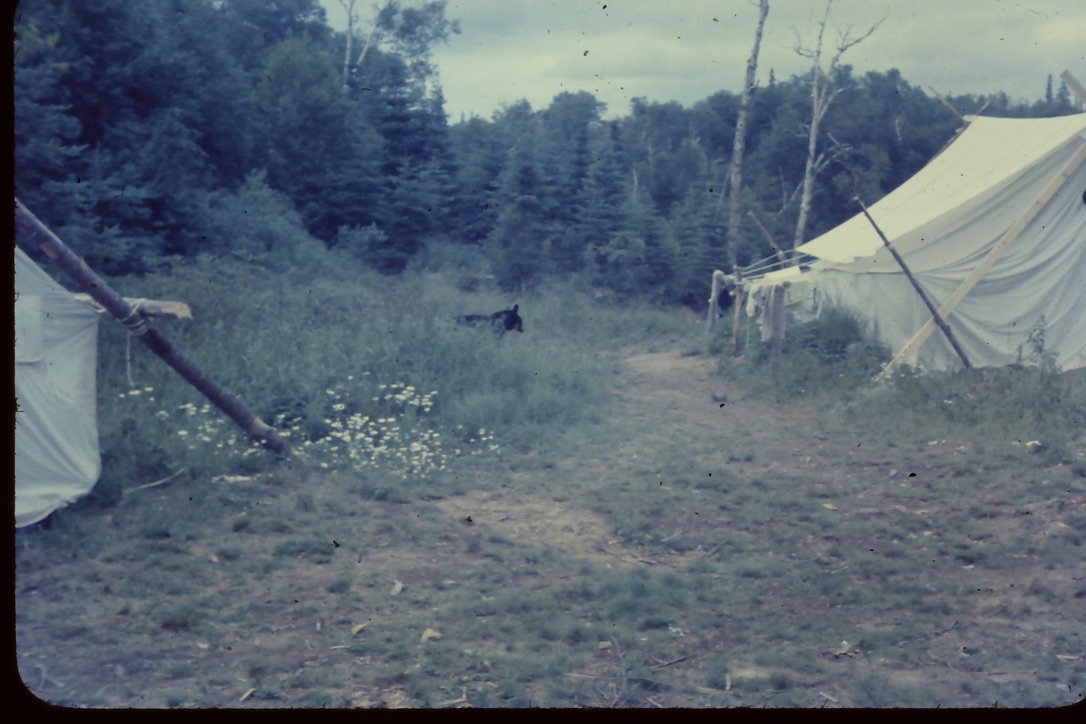 We failed. Now for the sad part.We could not leave the bear free to wander in and out of the tents. Someone could get mauled for sure.Sp we called in the Lands and Forest Ranger. He came with a long gun. Guns were never allowed inour bush camps. That principle was established long ago. “If we had guns in camp, we would likely shoot each other,”Floyd Faulkner told me way back in 1957 when I first got into the business. He was like correct. When people livein close proximity to each other sometimes tension develop. so …No Guns. That was one of the differences betweenCanadian and American bush crews. A good difference.“We have a bear in camp.” I told the Ranger.“How often?”“Every day…scared it might come into a tent at night.”“Sounds like a Garbage Bear.”“Garbage Bear?”“People make garbage too available…bears find steady meals…and problems happen like you face.”“What can be done?”“Could a big bear trap be brought in?”“No! This bear is just too tame….It will be a problem wherever it goes.”“Does it have to be shot?”“Yes, we’ll do it now. You say the bear is nearby?”“Yes, broad daylight it wanders in around us. Never attacks though.”“We’ll just wait then…Keep behind me.”“Then the bear appeared…see the photograph.” (PHOTOGRAPH)“Wait until I get a clear shot…one bullet.”“There, the bear is smelling the air…got clear shot.”“BAM!!”ONE of the saddest things in my life. The poor bear was shot…dying. And it cried likea baby. We all cried. I do not remember if we buried it…think we did. Then again the Rangermay have taken it away. We were all very quiet that night. No joy!Just so I do not end this story on such a sad note, let me tell an anecdote about Bill Gilbey. He wasa Brit sent over to get experience in the wilderness. His family owned the Gilbey’s Gin company inEngland. They were part of the minor nobility. His father or grandfather had been nighted for someachievement in business…probably gin making. Bill was a great guy. Tough, funny, enthusiastic.He came to camp with a big copy of Eaton’s Catalogue and each night he wouldperuse the Women’s underwear section and draw various items to our attention.“Sad state of affairs, lads,”…”When we have to rely on this catalogue for our pornography.”And then he would point to some young lady modelling skimpy underclothes.I felt readers might need this comment so they would stop crying about the bear.Bush work involved both bears and Mail Order Catalogues.alan skeochMay 2020
![[Link to an external site]](https://alanskeoch.ca/wp-content/uploads/2020/06/icon_ext_site.jpg)