Blog

  • EPISODE 382 GARDENING WITH BLACK PLASTIC (Tarpaulins) AND OLD TIRES…

    EPISODE 382      GARDENING WITH BLACK PLASTIC AND OLD TIRES…

    Alan skeoch
    July 2021

    Gardening is a sport that we always seem to lose.   Our weeds race vertically
    faster than our garden plants.  Eventually we give up and either
    abandon the garden to the winning weeds or decide to get revenge
    by driving the John Deere lawn mower over everything.  

    We usually have a bit of joy as the race begins.  Like our
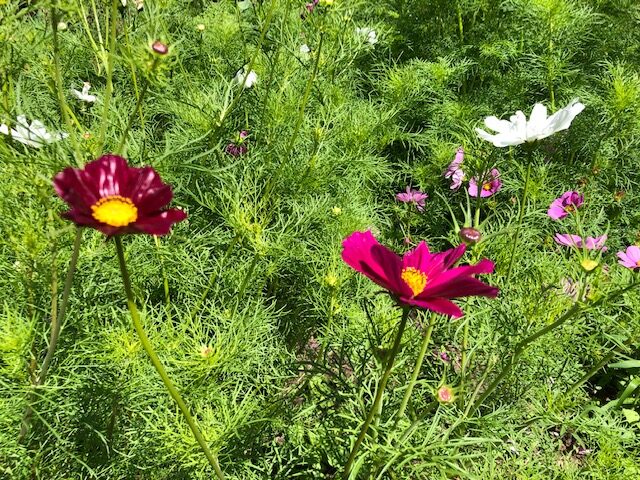
    row of Zinnias this year and our cosmos jungle where the
    weeds cannot  get a foothold.

    There is a solution.  A pathway to victory. Not pretty.  First let’s look at the
    gardens on July 1…before the weeds….just to see if the race is worth the effort.
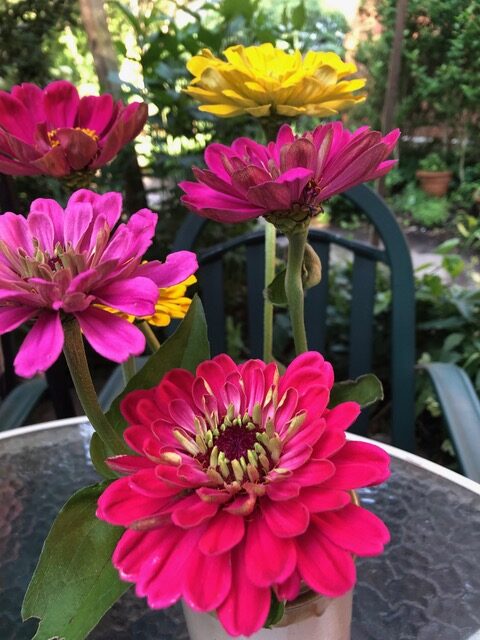


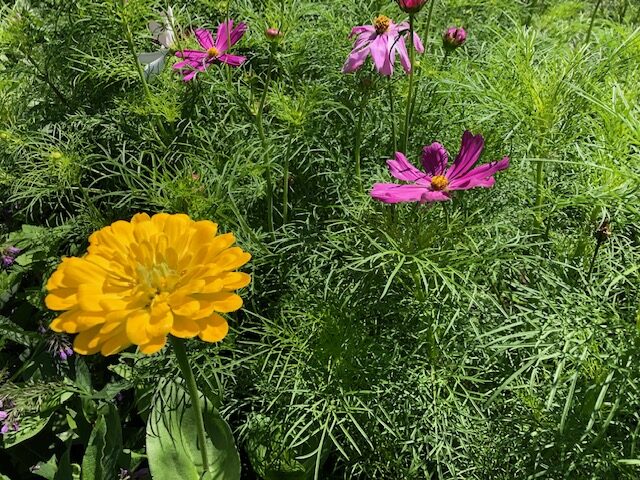
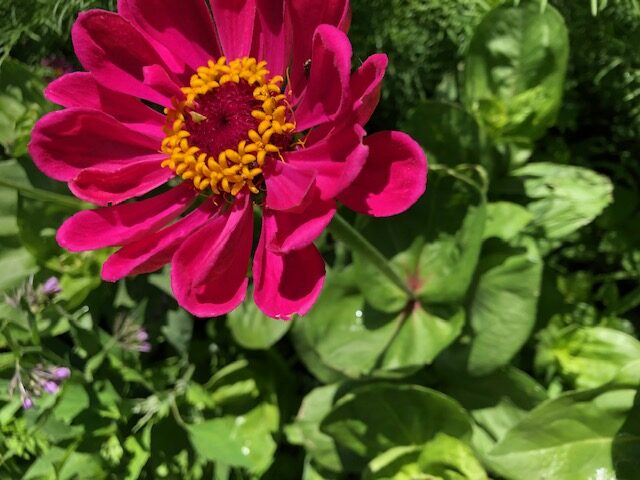
    Zinnias are treasures
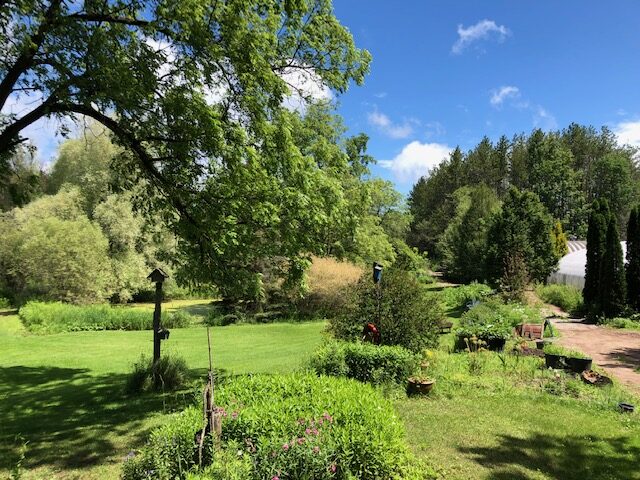


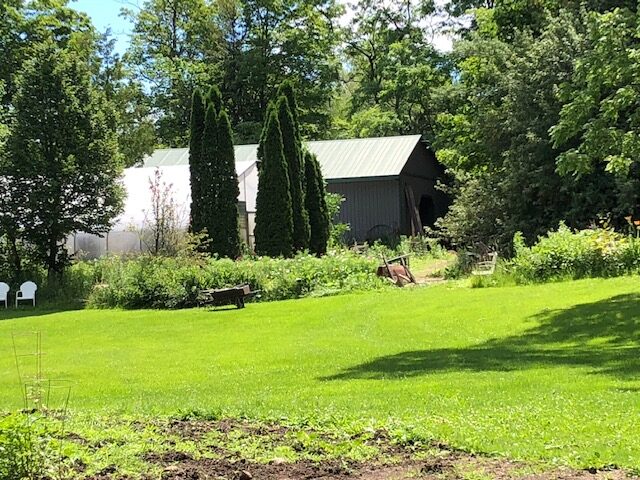
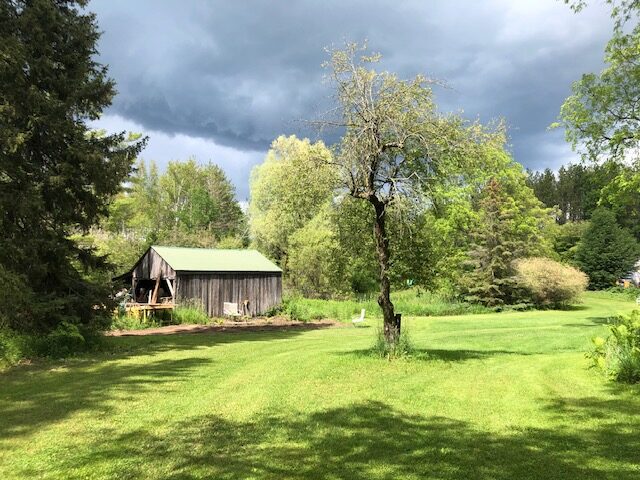
    Gardens spotted here and there make skeins of shorn grass interesting.

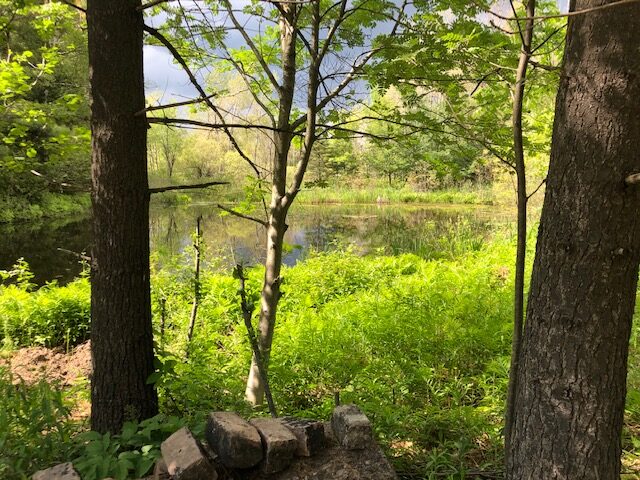
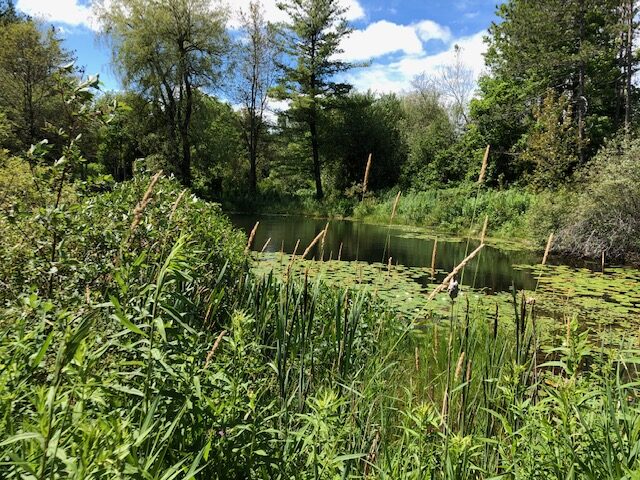
    Pond gardens require no work at all


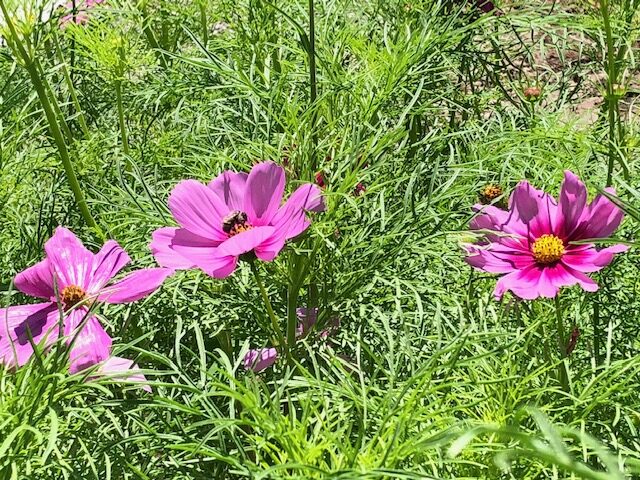
    Cosmos know how to beat weeds…crowd them…feed the weed their elbows.


    Nest year we are planning a whole garden of zinnias…alongside the cosmos.


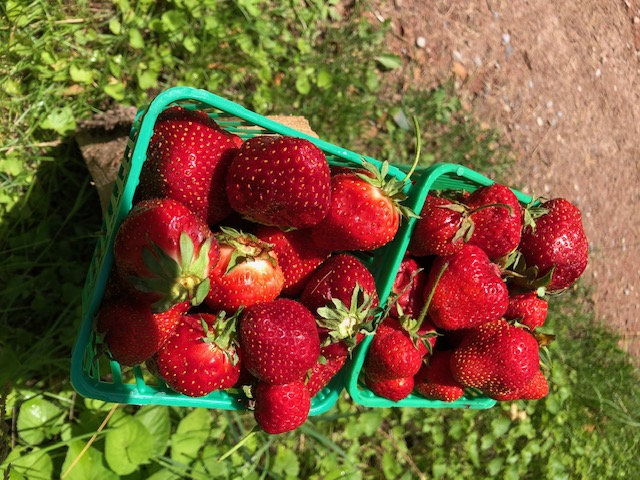
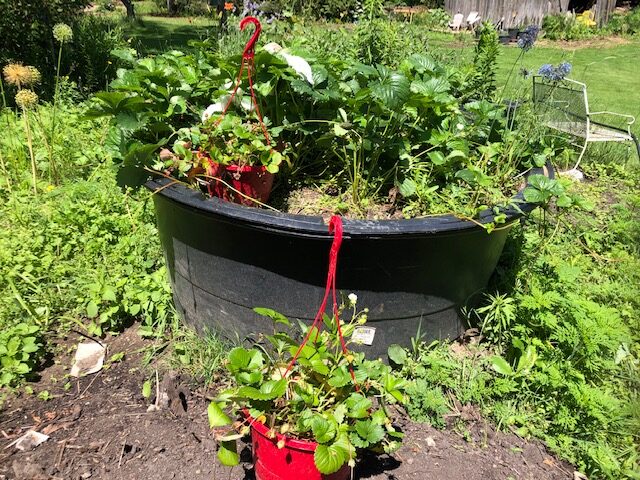
    strawberries are an early crop…B.W. (before weeds)

    “Alan, did Marjorie grow these berries?”

    “Truth be told.  No.  We bought them but thought they
    looked good in this story.”
    “Can we trust other stories then?”
    “Allow for a little padding now and then…but, yes,
    I try to keep the stories honest…buttressed by pictures that do not lie.”
    “Those strawberries are a picture.”
    “Right.  That’s why I am being honest.  So you can trust my stories.”
    “Do you  grow strawberries?”
    “Yes…as you will see.”


    We grow strawberries in a giant plastic tub…only way they can win.


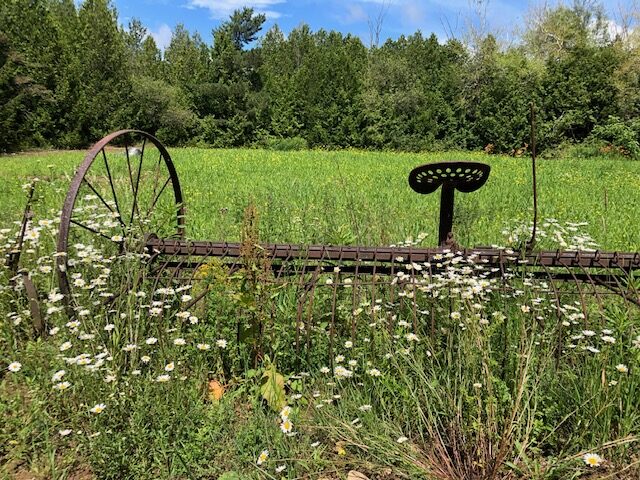
    Dasies know how to make an ancient dump rake look like a fine carriage…daisies come
    to bloom early…no help needed.


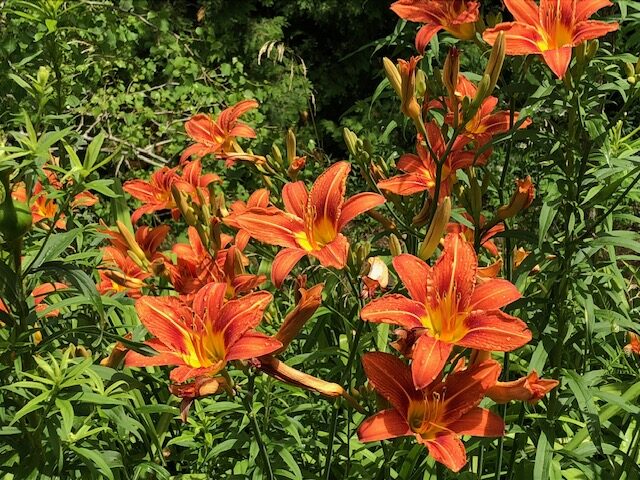
    There has to be some kind of reward for wild tiger lillies.   When tender flowers
    fail, Tiger Lillies come to the rescue and bloom longer.


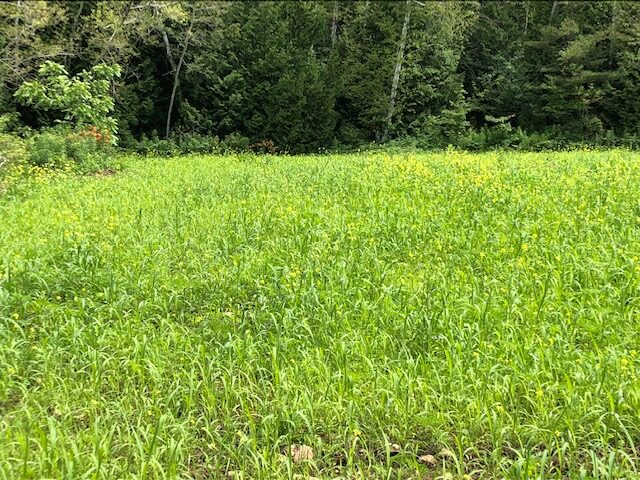
    EXPERIMENT:   Will the hand seeded Sweet Clover suppress the weeds.
    We will keep you informed.  This crop was planned to help the bees…am I
    misled?


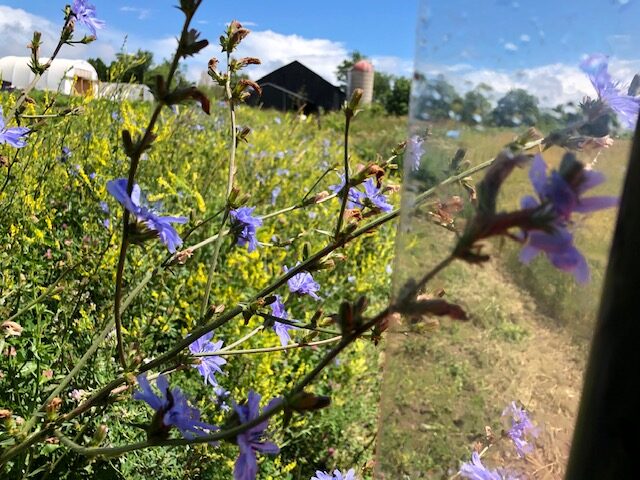
    Some weeds I love. 
    Find three gardens here…two with the weeds starting to dominate.


    why not let the weeds dominate…

    This garden looks good right now but the weeds are poking through….

    And now for the big experiment.  Ugly for sure…..

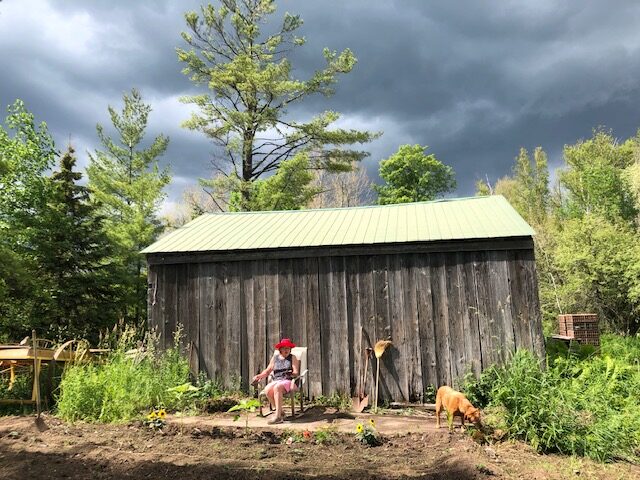
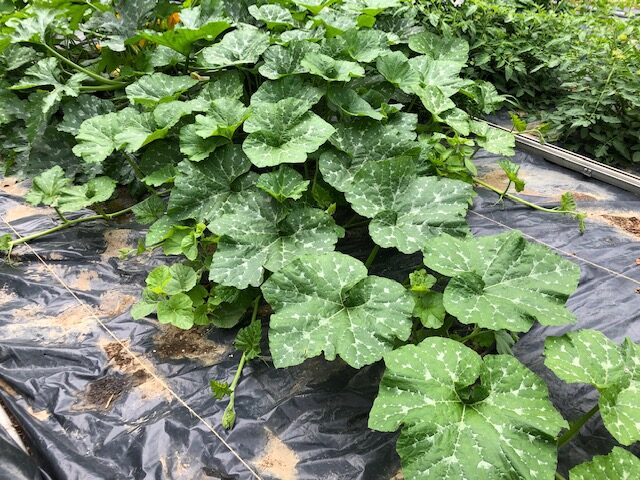
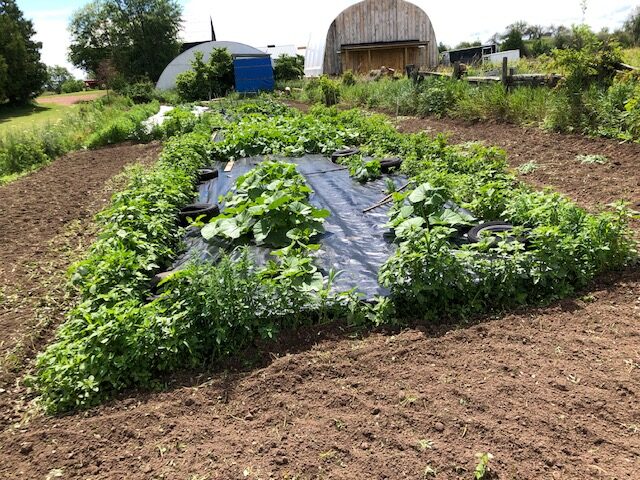
    we spread big sheets of black plastic sheeting… covered the ground. “Let’s deny the weeds light…
    no chance for photosynthesis.   Then cut holes to plant
    our prize corps.   The weeds were being denied sunlight. Death in the dark under the tarp.
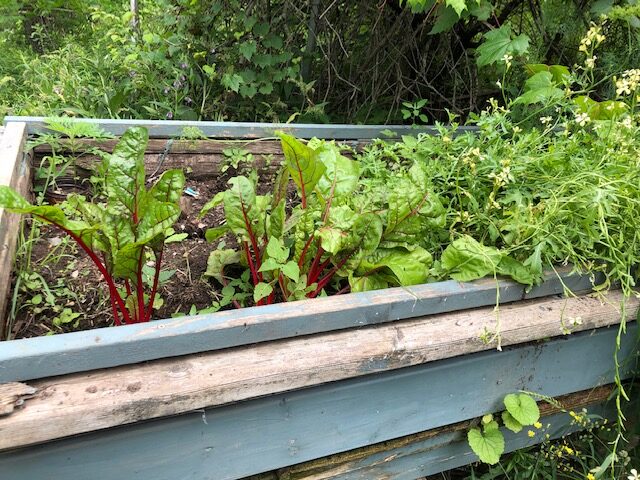


    In other case we planted beets in a big wooden  crate…three feet above 
    the ground.   
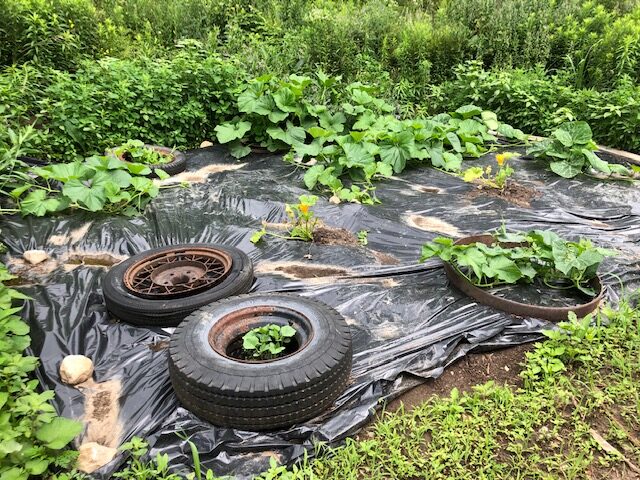

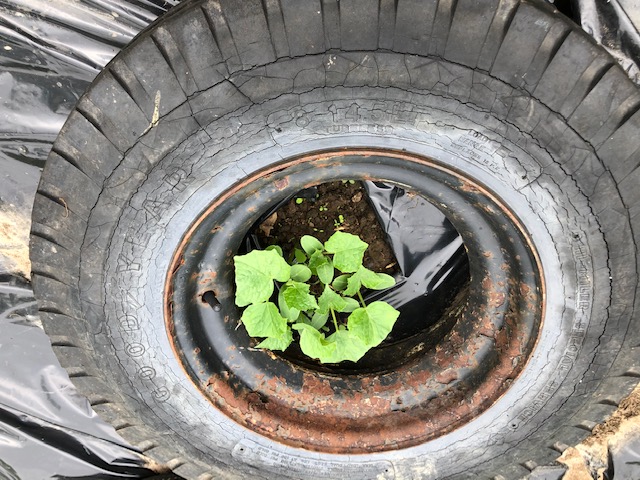
    And then we gathered old rubber tires to hold the tarp down and provide nests for
    the cucumbers, tomatoes, squash, pumpkins, gourds to thrive.


    Pretty?   Not very.  Some late germinate cucumbers in a truck tire fortress.

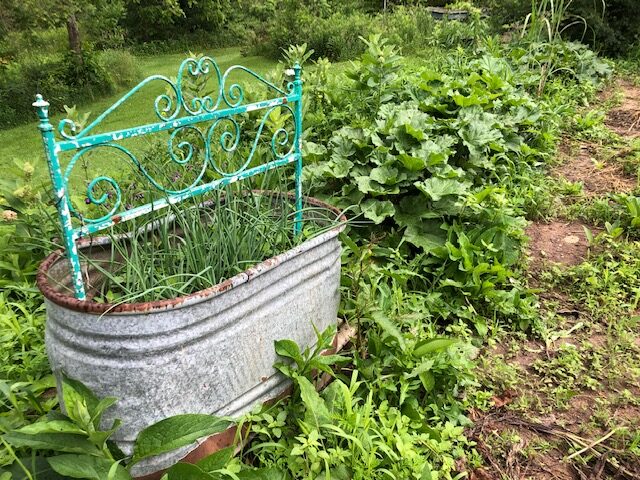
    Old cattle troughs with garish bedsteads are homes to red onions and yellow bush beans.


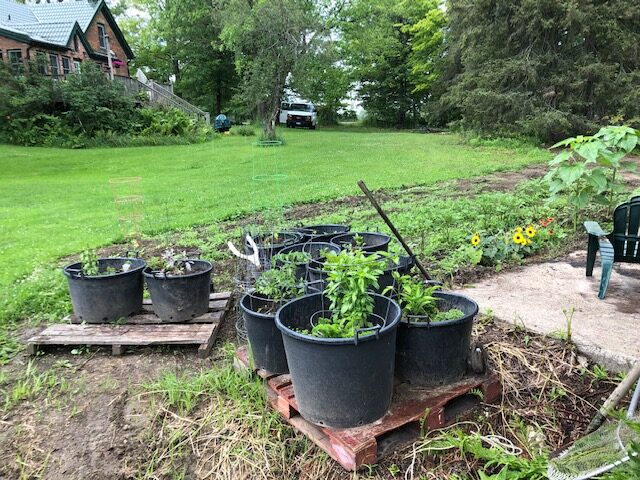
    And big plastic bins on movable skids are growing places for parsley, thyme, oregano,
    celery, tomatoes, peppers…etc.etc.   When the weeds get too big we will pick 
    up the skids with the bob cat and settle the pots where weeds have been mowed.
    Sounds stupid, I know.


    Where did I  get the idea?  From our son Andrew who has constructed his garden
    in such a way that the plastic sheet is not ugly and the old car and truck tires
    are clothed in edible plant life.  Then he harrows the periphery with the tractor.
    Father copying son.

    alan

    Coming soon…Part 3 of indigenous contacts…The story of Moses Lord…a father
    figure working for a 22 year old ‘boss’.  Must have been hard to  take but Moses kept
    things cheerful.
  • EPISODE 381 MEMORIES OF INDIGENOUS PEOPLE: THE ALASKA INCIDENT 1960…ILL CONSIDERED PHOTOGRAPH TAKEN


    EPISODE 381    MEMORIES OF INDIGENOUS PEOPLE:   THE ALASKA INCIDENT 1960…ILL CONSIDERED PHOTOGRAPH TAKEN

    alan skeoch
    July 3, 2021


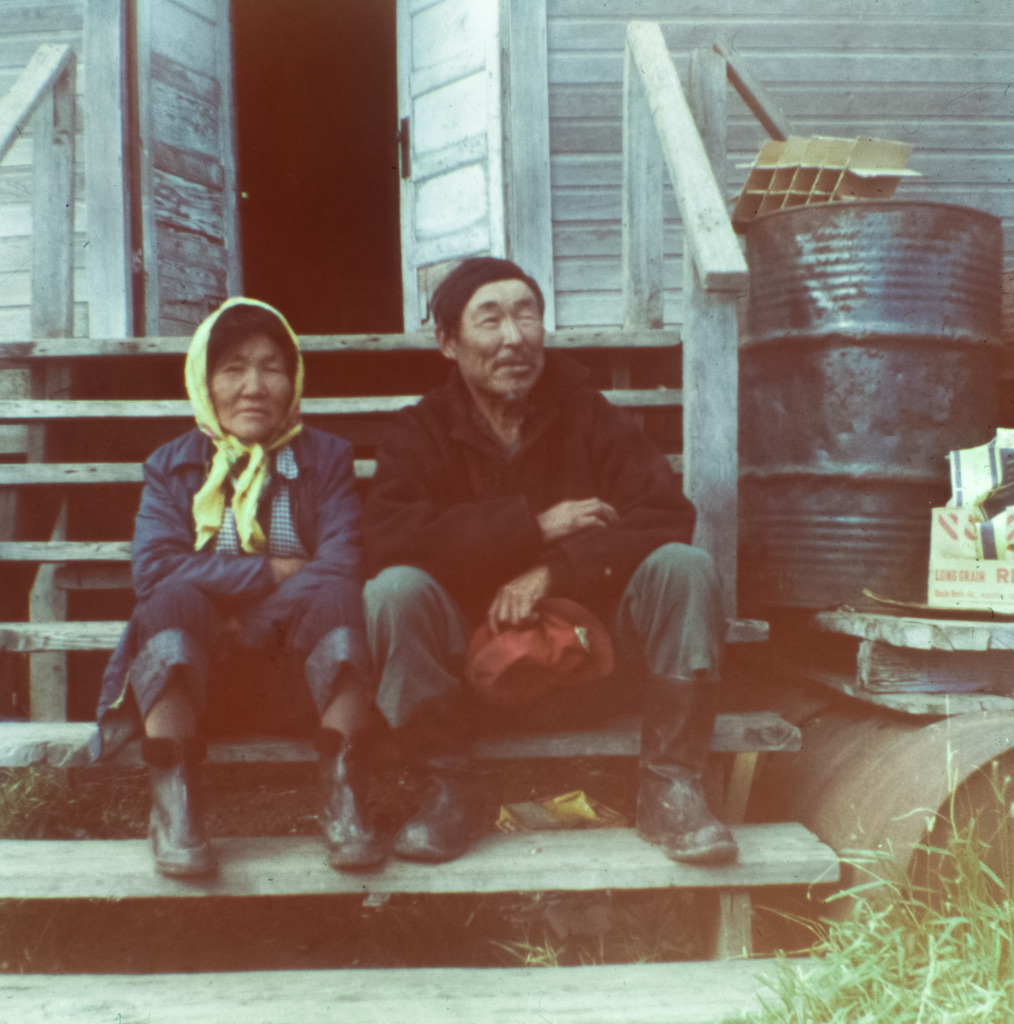
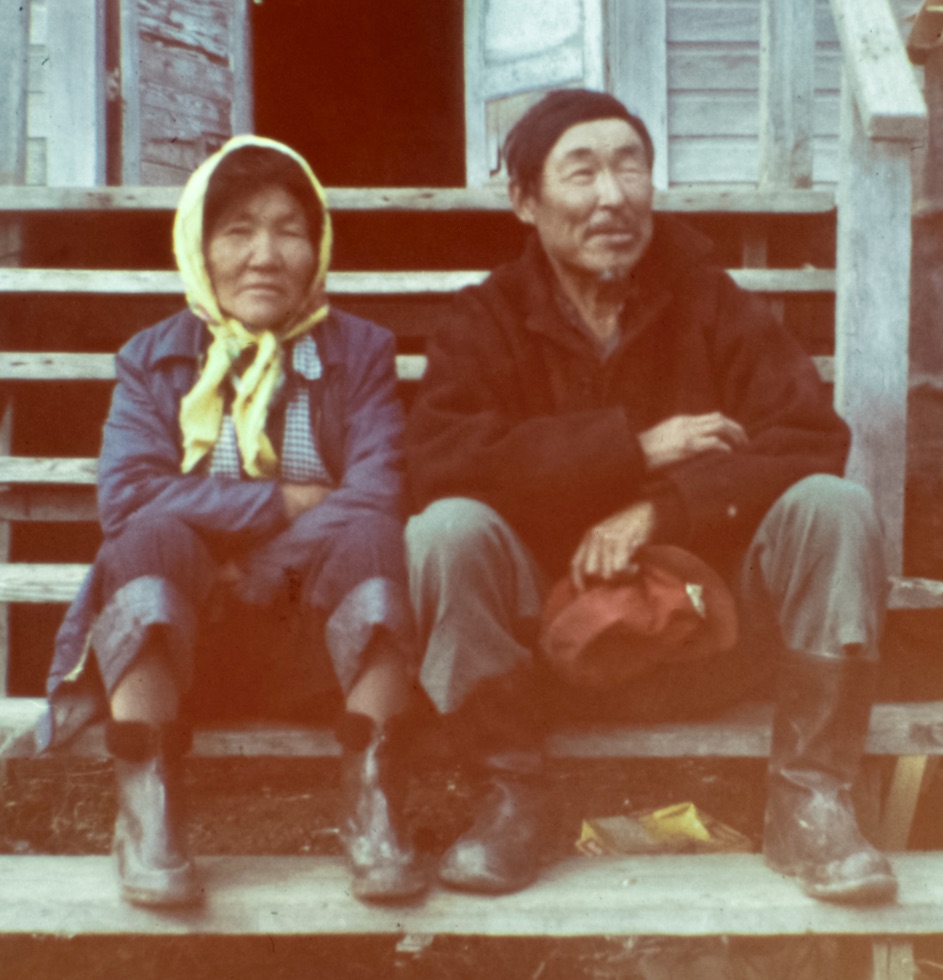
    THIS IS A STORY ABOUT THE PICTURE BELOW…A YUPIK COUPLE ON  THE EDGE OF THE BERING SEA

    Should I have taken the picture (Below) ?   I am not sure.   In the back of mY mind at the time I wondered if my actions
    were appropriate and  that thought has stayed with me for 60 years.    After much searching I found the picture
    and replicated it below.  The Yupiks were very friendly, perhaps a little inebriated…perhaps not.  The Yupik people 
    are Inuit.  Their territory covers the vast barren southwest corner of Alaska…fronting on the Bering Sea north of
    the Aleutian Chain.   Dillingham, Alaska…a salmon fishing and canning centre.  Called a City but really barely a town.
    Over one tenth of the population live below the poverty line.  Crime is high.  Those facts have not changed in the
    last 60 years.  

    In 1960, I was quite unaware of Dillingham.  I had never heard of a Yupik. 

     “Alan, you will be going to Alaska
    on a Turam job…wear some good clothes to impress our Humble Oil contractors…searching for copper…Our crew will
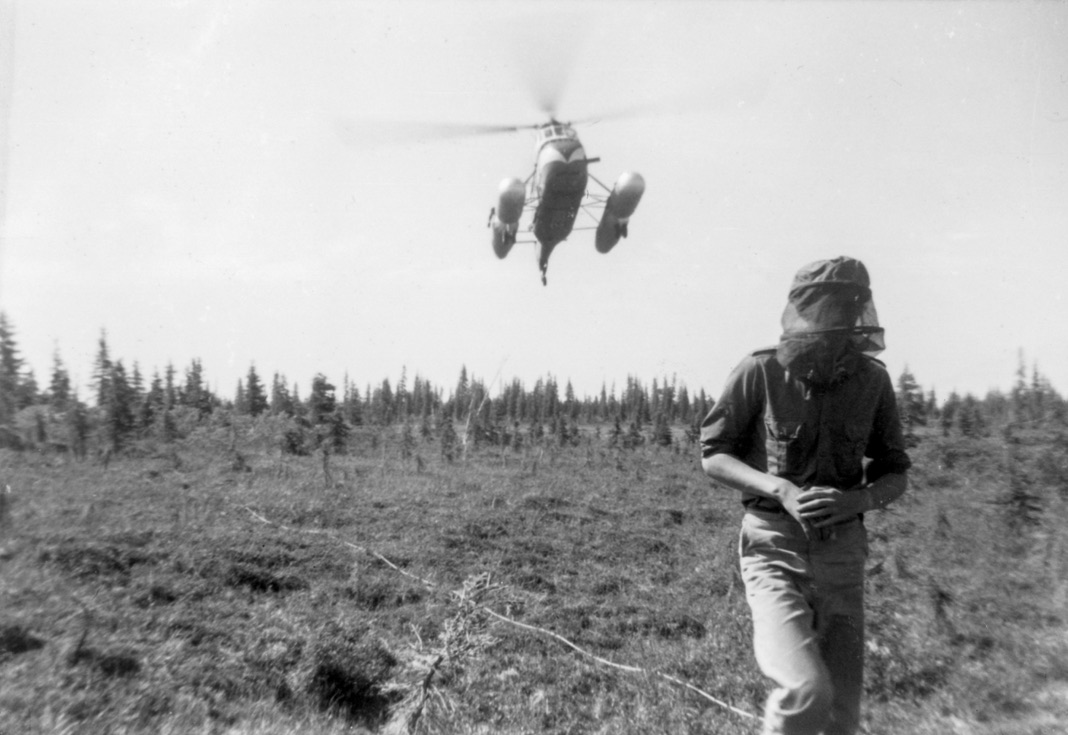
    be setting up diamond drill sites.  Big project, there will be two Sikorsky helicopters at the campsite.  Bottom line!
    You guys have make a good impression.”


    MAKING A GOOD IMPRESSION

    Time has passed, I can say more about the job now.     Dr. Paterson got us all Green Cards which meant we had skills that no one else in the United States had.
    Partly true.   Bill Morrison taught us all we needed to know about the Turam method of detecting mineral conductors deep under
    overburden.   Simple put, we were trained to use a motor generator and a mile of copper shielded cable to push an electrical
    current into the ground and take readings of that current on a grid.  If there was a conductor …i.e. a great lump of chalcopyrite
    under the ground… then we could detect an ‘anomaly’ that just might be important.

    Were we important people?   Specially trained? Who were we really?  Three of us were students at
    the University of Toronto…Don VanEvery, Ian Rutherford and Alan Skeoch…two maths and physics 
    student and one history student. (What the hell was a history student doing here?  Good question.
    I preferred to keep that part of my background invisible.)   Bill Morrison was the Turam expert and
    I became his assistant.  Called ‘field men’…i.e. no engineering degrees.  The brains of our team
    were Dr. John Stam, a true geophysicist, and Mike Chinnery, a recent geophysical grad from England.

    Were we important people.  Felt that way even if it was a bluff.  One thing for sure was that we seemed
      important people to the two Yupik residents sitting on a wooden stoop
    in a town that to me in 1960, was  unremarkable save for its salmon cannery and huge pile of beer bottles in the garbage dump.

    IMPORTANT PEOPLE!

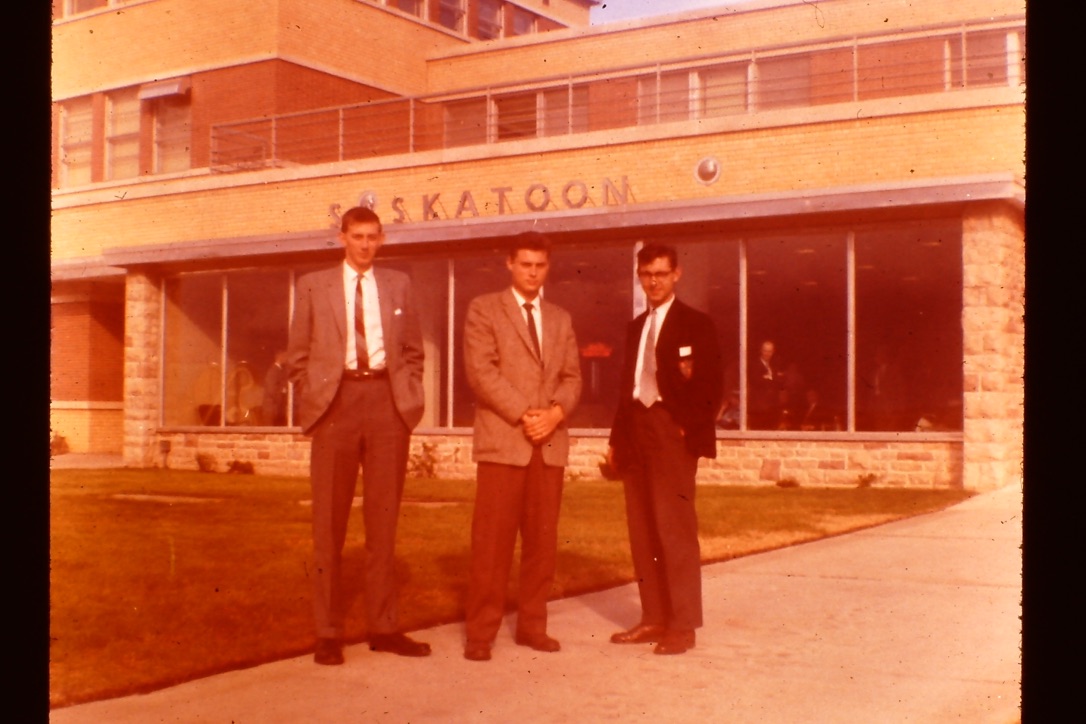
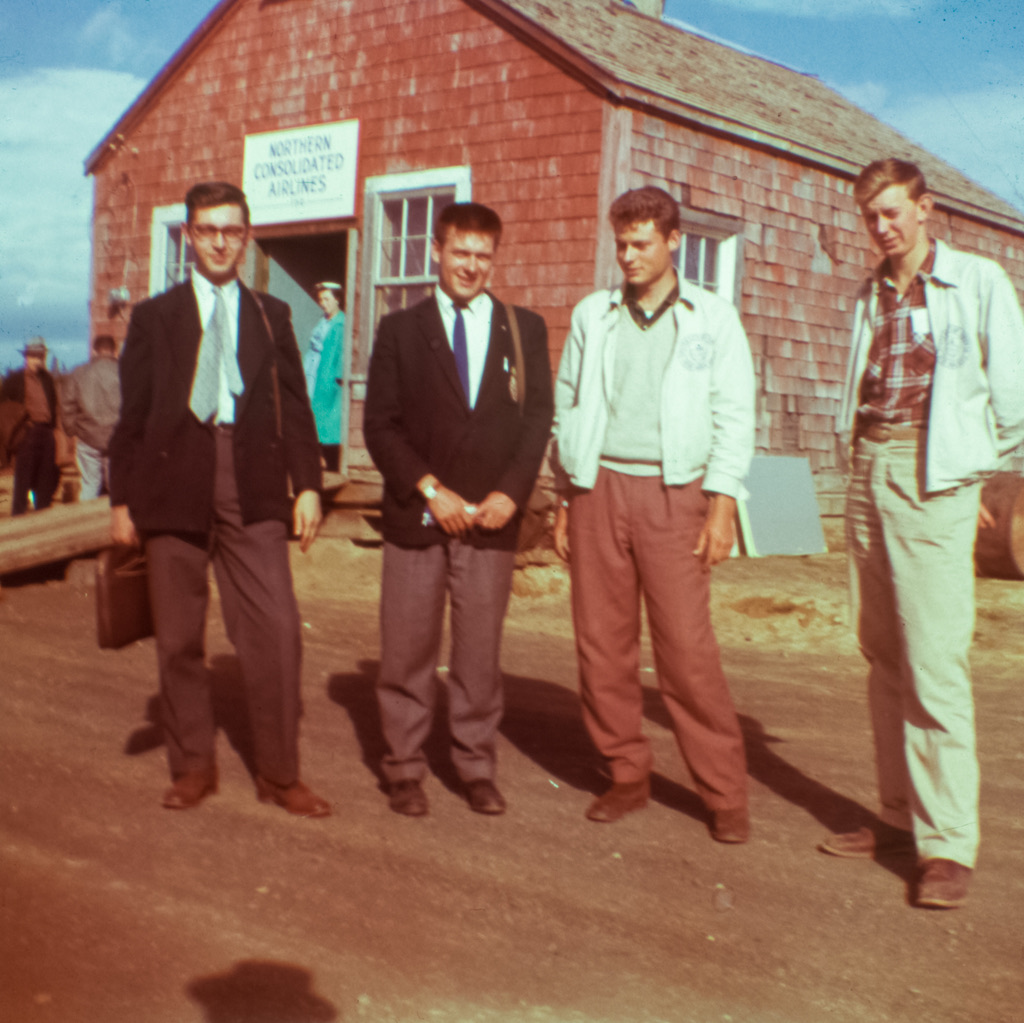
    For some strange reason be landed in Saskatoon en route to Anchorage, Alaska.  
    Even now so many years later this photo confirms our self importance.   Don VanEvery,
    Ian Rutherford and Mike Chinnery.   Geophysical prospectors.   Suits!!

    In the Ancharage airpot diner I ordered ‘Milk Toast’ for breakfast because it sounded sophisticated.
    Turned out to be baby food which gave the team a laugh.

    Leaving Anchorage we boarded a smaller prop driven passenger plane…a Fokker F 27. 

     “Well , boys, we 
    can now say we flew in a Fokker.”
    “Are not all airplanes Fokkers at one tome or another.”
    (laughter)

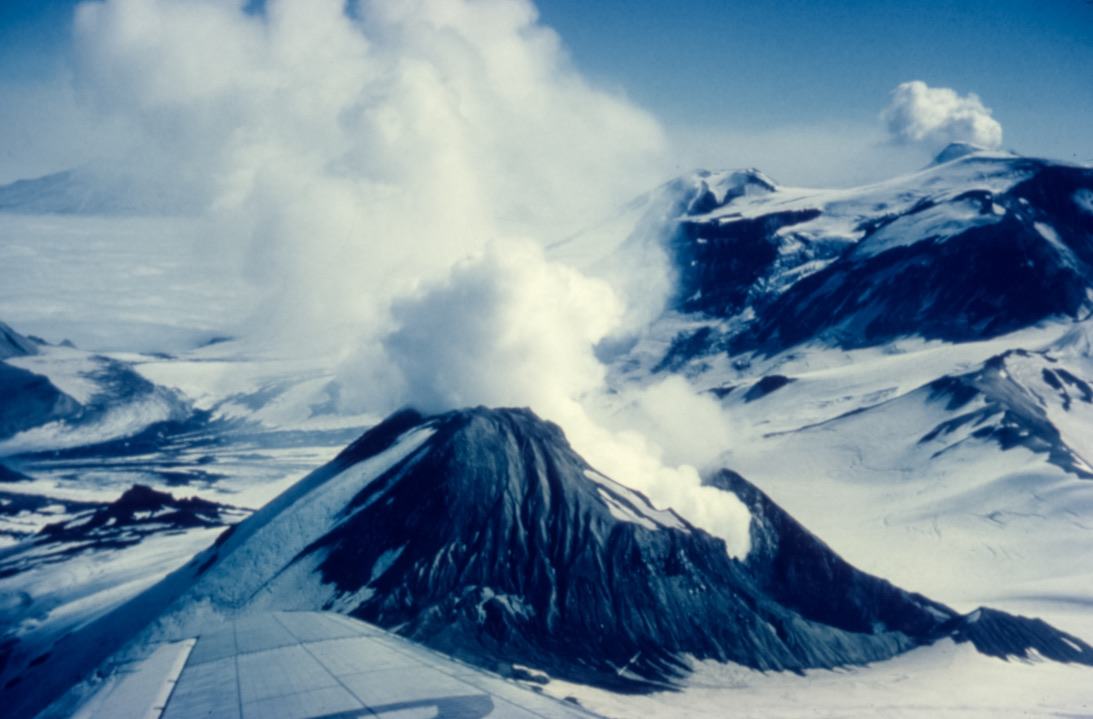
    We flew over the Alaskan 
    Valley of Ten Thousand Smokes where the crust of the earth is thin and the seething cauldron of molten
    stone beneath us comes to the surface.  

    We flew westward for a couple of hours or more. Beneath us the land looked empty.   Then a strange thing
    happened.  At least in my memory it was strange.  A crew member came back and hand cranked down the the landing
    gear.  The F 27 could land on water as well as land.  Hand cranked?  Why?  had the hydraulics failed?

    Ah, yes, the passenger terminal at Dillingham, Alaska, in 1960.  That could have been
    a farmers’ drive shed back in Ontario but, here, in Dillingham it was the contact point with
    the outside world.
    Mike Chinnery and Alan Skeoch have kept up the pomposity four U.ofT. blazers.  Ian and Don have relaxed.

    We only stayed in Dillingham for an  hour or so.  Just enough time for us to meet the two Yupik people and a chance
    to see a Yupik  fish camp on the edge of the Bering Sea  where we had our fuel dump.
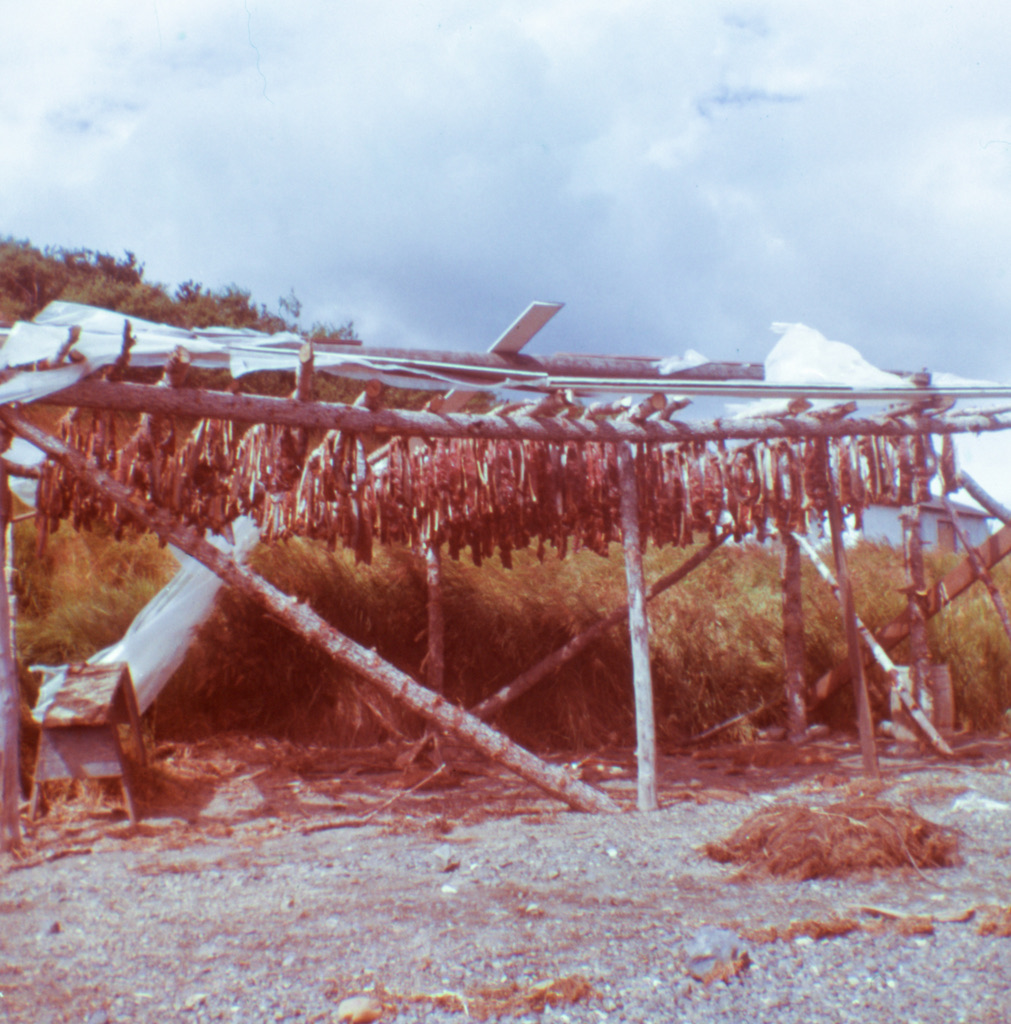
    The S 52’s were revving up when I ran to the beach to get this photo.    Why were the hanging carcasses of
    split salmon not bright red?   Simple answer. Because they were covered with flies.


    At some point we met the Yupik man and wife.  At that point I took their picture.  Talk about aggorgance.
    …self-importance…rudeness…holier than thou thinking.

    Everything was moving so fast.   At the time I thought we would meet
    many indigenous people.   Wrong.  These two were the onlyYupiks we 
    saw on the whole summer job.

    Isn’t that strange?   Why were the indigenous people so invisible?


    Then we spent the summer being ferried by helicopter here and there across the empty space of SW Alaska.  We never even spotted
    another Yupik.


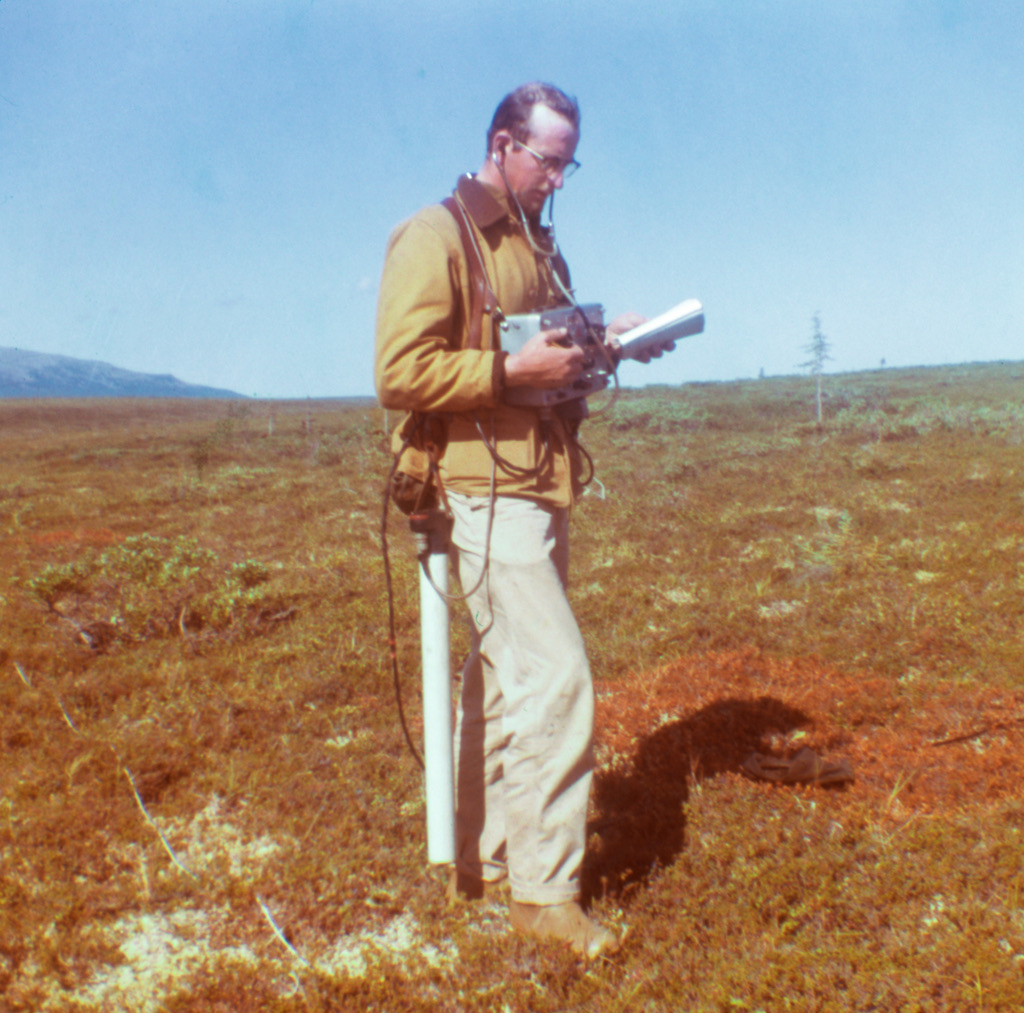
    Bill Morrison with the Turam console…


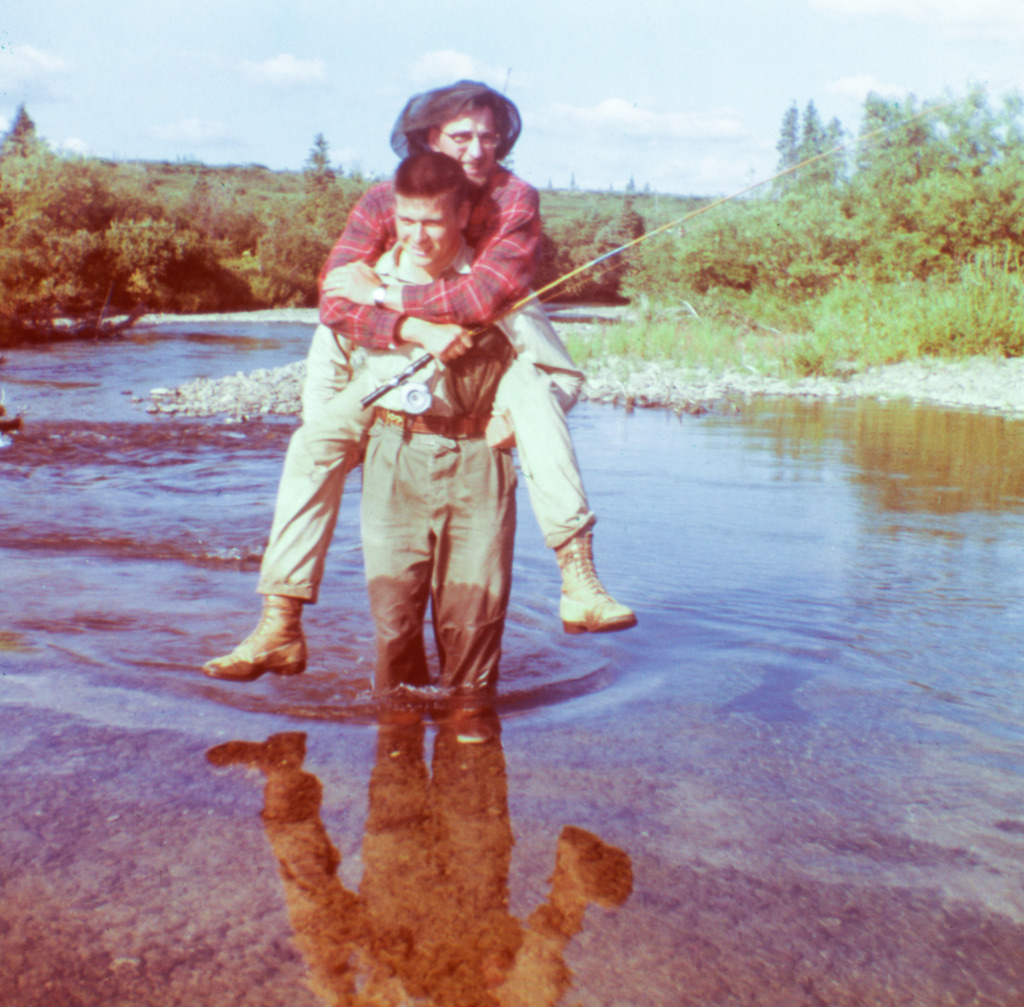
    Bill Morrison expected me to help him with his main love…fishing.   We could fish while the midnight sun shone.
    Of course this is an exaggeration. 

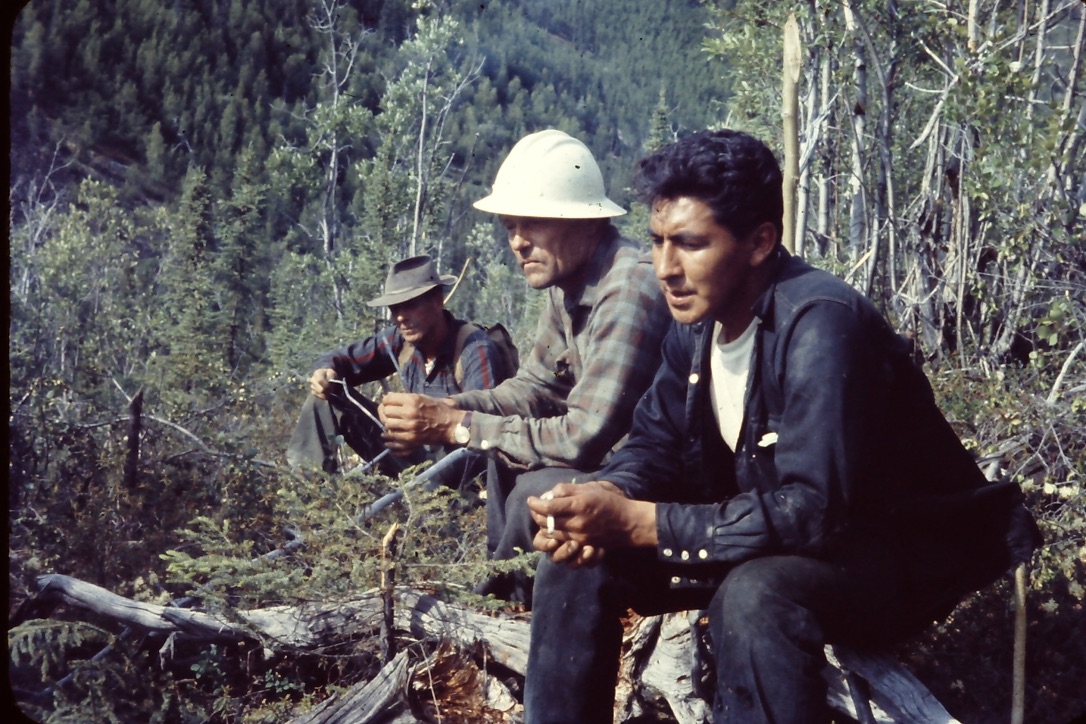
    A barren land cut by occasional river valleys.  Thousands of years ago the Yupik people crossed here from Siberia.


      ALASKA 1960:    There were 31 of us on the job…25 American diamond
    drillers and 6 Canadians using a Turam geophysical instrument to site drill sites in the great
    emptiness of south west Alaska…north of the Aleutian Chain.

    What I do remember clearly is that three of us, Canadians, proudly sported our University of Toronto dress
    jackets.  Anglo Canadians with specialized knowledge. Proud and arrogrant we must have appeared. 

    We only had a few minutes in Dillingham before we 
    were to be ferried by big Sikorsky helicopters to our tent campsite in the interior.

    I did not think.   Sitting on the doorstep in the village were two indigenous people.  Likely Yupik.  A Man and his wife…older…
    perhaps in their 60’s.   Both seemed either super friendly or somewhat inebriated.    Without asking I took their picture.  Think about that.  These two Inigenous
    Americans were  treated like I had been years earlier in a rock outcrop in northern Quebec…subjects of photography.   

    In this case, however, I was the photographer just like the priest and his carload on the Opemiska road.

    For the rest of the summer on the barren lands we never saw a native person.  Yet this was their home.
    None were part of our crews.  They were the only indigenous people we met.    WE flew in…did our
    survey…and flew out.  I never even asked their names.

    Somewhere I have another picture.  Not proud of it.  When the Yupik man got up to shake my hand he
    fell flat on his face. I helped him to his feet and asked one of our crew to take picture of us.
    I was wearing my University of Toronto dress jacket.  He was wearing the clothes you see in the picture.
    Even then, back in late May 1960, I felt uncomfortable about that picture.   I had crossed a line. Violated
    a trust.  Exploited a situation.   

    Today, in the bright lights of awareness of  others, I would not have  taken those pictures.
    What should I have done?   The same thing that most people would have done…pretended
    these indigenous people did not exist.  Which is worse? 

    alan skeoch
    July 2021 
      
    WHO ARE THE YUPIK PEOPLE?

    Population[edit]

    The Central Alaskan Yup’ik people are by far the most numerous of the various Alaska Native groups. They speak the Central Alaskan Yup’ik language, a member of the  Eskimo–Aleut family of languages.
    As of the 2002 U.S. Census, the Yupik population in the United States numbered more than 24,000,[4] of whom more than 22,000 lived in Alaska, the vast majority in the seventy or so communities in the traditional Yup’ik 

  • EPISODE 379 MEMORIES OF INDIGENOUS PEOPLE , CANADA DAY 2021″ “LOOK, THERE’S AN INDIAN…GET YOUR CAMERA.”

    (Beginning…short series on my meetings with indigenous Canadians )

    EPISODE 379    MEMORIES OF INDIGENOUS PEOPLE ON CANADA DAY 2021: “LOOK, THERE’S AN INDIAN…GET YOUR CAMERA.”


    alan skeoch
    July 1, 2021

    In my ten years of summer work in mining exploration I met many indigenous Canadians and two indigenous Americans.  In retrospect
    the experience is unsettling.,,but also joyful.  Mostly joyful.


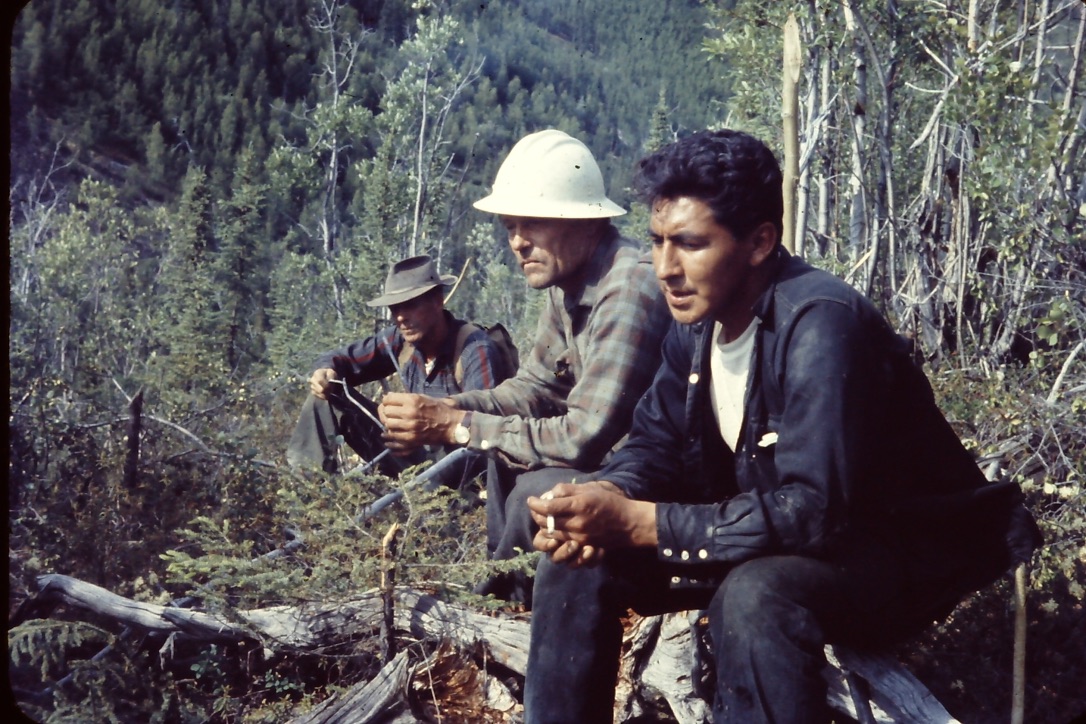
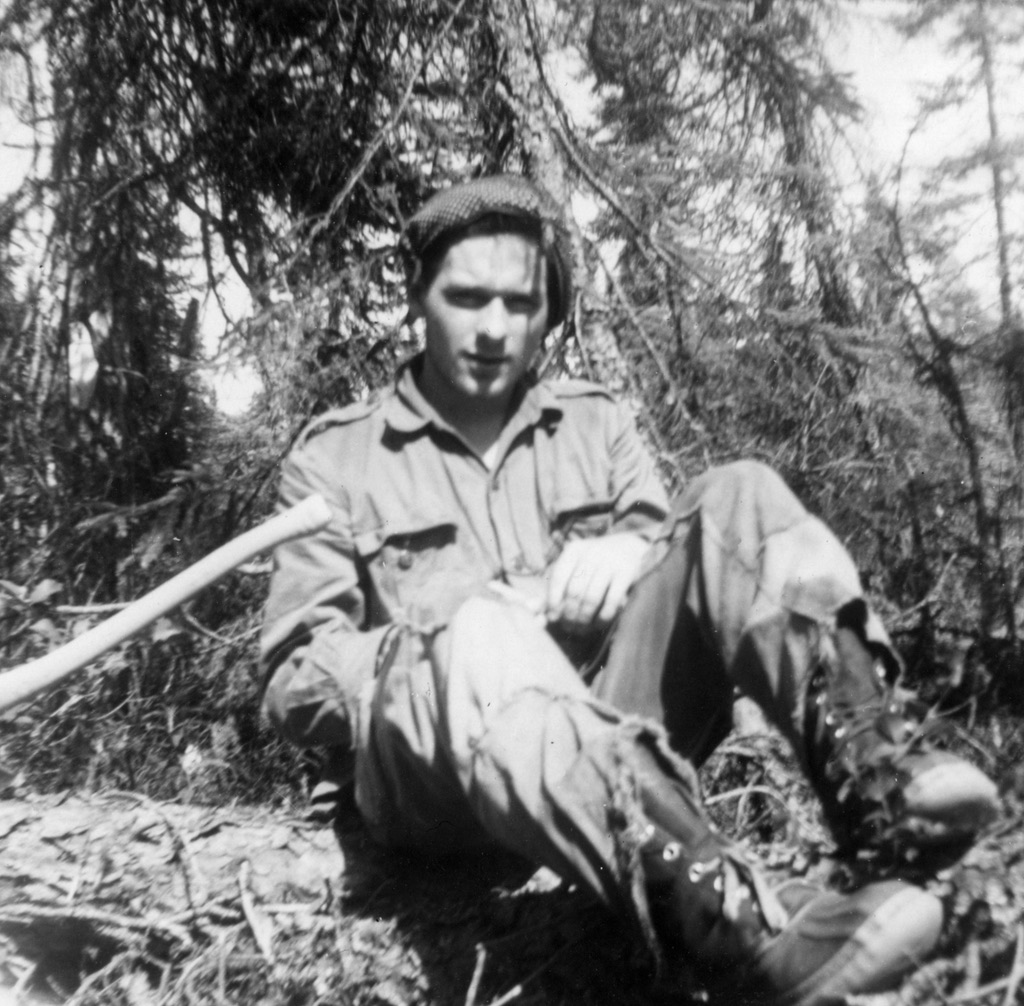
    This is the closest photo I can find to illustrate a strange experience in late summer 1967…Northern Quebec.


    My experience with indigenous Canadians is episodic … i.e. discrete stories unrelated to each other
    but collectively important to me on this Canada Day 2021.  

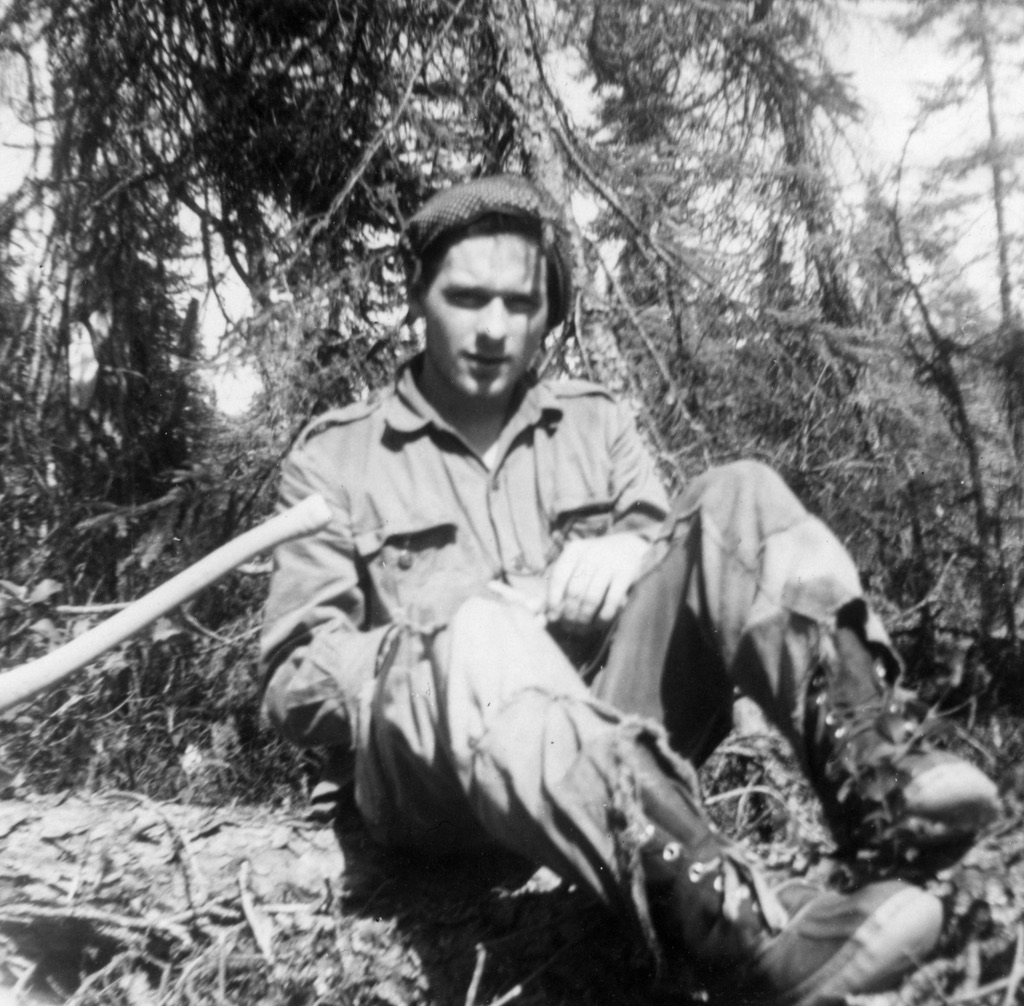
    1) Summer 1957:   I had been working in a tent camp near Chibougamau, northern Quebec for two months.  Outdoor work
    slogging through our Canadian coniferous forests.  Tough work.  No time for the niceties of civilized life
    like a haircut or a bath in soapy water.   Our crew was flown out to an old logging camp on the Opemiska
    road…a wide gravel road where mining trucks had the right of way and precious few cars ever travelled.

    Early One  sunshine filled evening I climbed up on a rock outcrop overlooking the roadway.  In a cloud of dust
    a car came barreling along.   Passed me by.  Then braked and backed up.  A priest got out along with
    some well dressed passengers with cameras.

    “Look up there…that is an Indian…take pictures if you want.”

    They were looking at me then snapped a few pictures. And then they were gone.  That was my earliest experience
    with native people.  I was the native person.  I was caught on camera as if I was a moose or black bear that had
    crept out of the forest.   Yes, it was amusing.  But in the back of my brain it was also unsettling. WhyWere native people
    treated this way…i.e. ‘Things’ to be photographed then ignored?

    And what made me look like an ‘Indian’?  My skin was now dark…like leather.  My hair was uncut.  My skin a bernished leather.
    I had given up the war with insect cannibals…let them have their victory if they could chew their way through smoke filled pores.
    I was part of the forest.  An oddity…a shadow.  My existence was entertainment…captured then forgotten.
    That moment in 1957 remains crystal clear in my memory.  There was something about the moment ,,,those  cameras snapping.  
    Something disconcerting.   At the time, however, it was just amusing. “Look, there’s an Indian up there on the rock.”

    Our crew of ten men were all Anglo-Canadians.  That is we were all English speaking.  Our linecutting crew,
    on the other hand, was all Franco-Canadian.  French speaking.  Our two crews did not talk to each other.  We lived
    in the two solitudes of Canadian life.  

    What was missing?   There were no indigenous Canadians on either crew.   At least none to my mind.  Yet not many
    miles to the North West was the Mistassini Reserve…a large population of English speaking native people..

    Chibougamau was a boom town.  Miners…lots of them.  Young men mostly with a few prostitutes available at
    $20 a throw.   All this was very surprising to me for I was just a Grade 11 high school student from Toronto.  Voltaire’s
    Candide as it were.

    Where were our  indigenous Canadians in this hurly burly world of Chibougamau?   Where were they? They were not present.
    They may have been here and there in the forested fringe but I never met one…never saw one….then I became one.

    Where were they?   This is…was… their land.   Why were some of them not working the bush trails they
    must have known so well.   Why was a Toronto high school student doing the job.
     Now it is year 2021 and I have never heard an answer.  Where were they?


    NEXT:  PART TWO … BARREN LAND OF WEST ALASKA

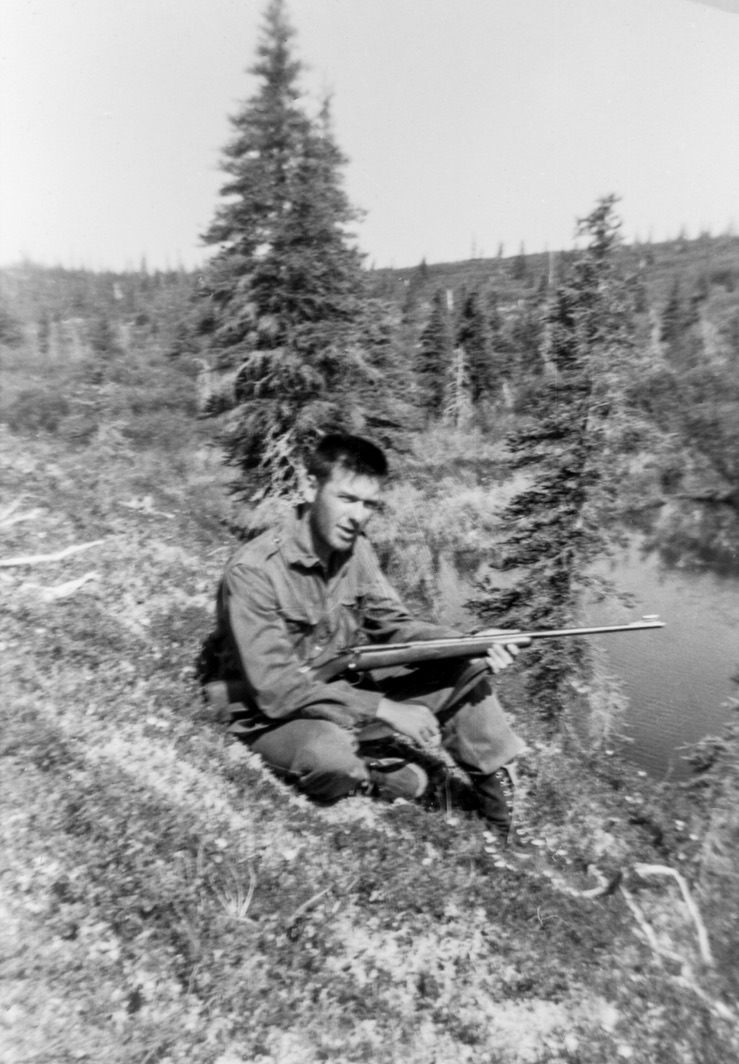
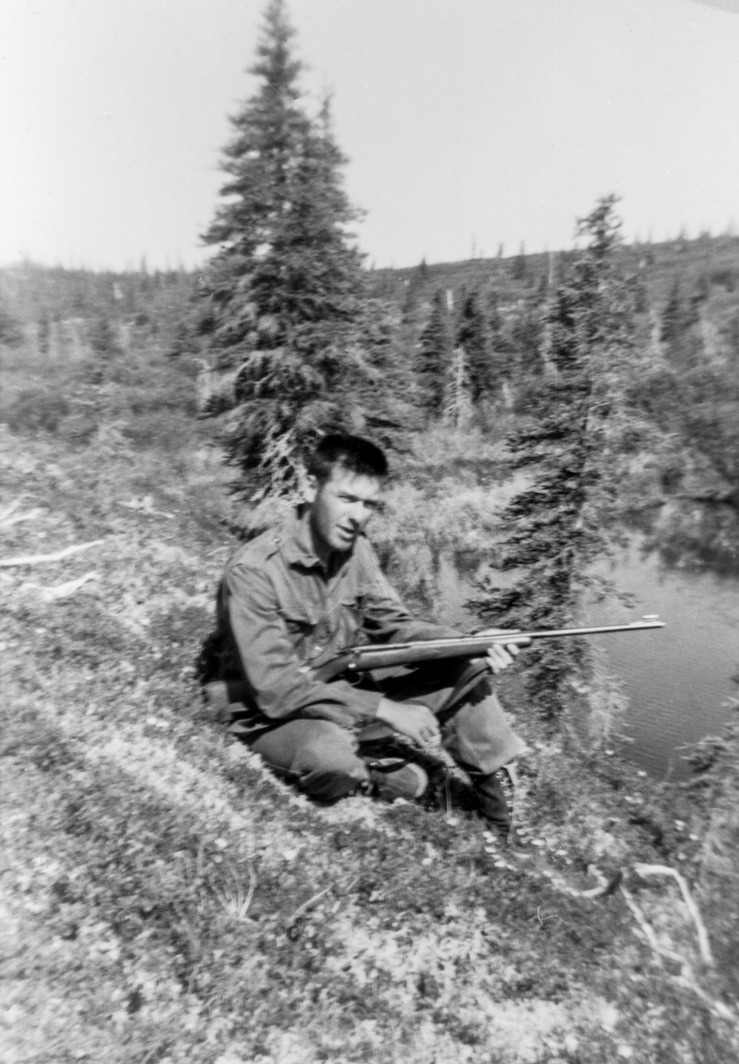
    THE ONLY time we were ever armed as geophysical exploration teams was the Alaska job.
    But I remember meeting two Yupik indigenous people more than I remember this
    rifle meant to scare off Kodiak bears.   The memory of first contact with Yupiks does not
    reflect well on me.   Remember I was just a kid.  The contact was fleeting but in retrospect
    disconcerting.   Coming in Episode 380
  • EPISODE 379 MEMORIES OF INDIGENOUS PEOPLE , CANADA DAY 2021″ “LOOK, THERE’S AN INDIAN…GET YOUR CAMERA.”

    (Beginning…short series on my meetings with indigenous Canadians )

    EPISODE 379    MEMORIES OF INDIGENOUS PEOPLE ON CANADA DAY 2021: “LOOK, THERE’S AN INDIAN…GET YOUR CAMERA.”


    alan skeoch
    July 1, 2021

    In my ten years of summer work in mining exploration I met many indigenous Canadians and two indigenous Americans.  In retrospect
    the experience is unsettling.,,but also joyful.  Mostly joyful.


    This is the closest photo I can find to illustrate a strange experience in late summer 1967…Northern Quebec.


    My experience with indigenous Canadians is episodic … i.e. discrete stories unrelated to each other
    but collectively important to me on this Canada Day 2021.  

    1) Summer 1957:   I had been working in a tent camp near Chibougamau, northern Quebec for two months.  Outdoor work
    slogging through our Canadian coniferous forests.  Tough work.  No time for the niceties of civilized life
    like a haircut or a bath in soapy water.   Our crew was flown out to an old logging camp on the Opemiska
    road…a wide gravel road where mining trucks had the right of way and precious few cars ever travelled.

    Early One  sunshine filled evening I climbed up on a rock outcrop overlooking the roadway.  In a cloud of dust
    a car came barreling along.   Passed me by.  Then braked and backed up.  A priest got out along with
    some well dressed passengers with cameras.

    “Look up there…that is an Indian…take pictures if you want.”

    They were looking at me then snapped a few pictures. And then they were gone.  That was my earliest experience
    with native people.  I was the native person.  I was caught on camera as if I was a moose or black bear that had
    crept out of the forest.   Yes, it was amusing.  But in the back of my brain it was also unsettling. WhyWere native people
    treated this way…i.e. ‘Things’ to be photographed then ignored?

    And what made me look like an ‘Indian’?  My skin was now dark…like leather.  My hair was uncut.  My skin a bernished leather.
    I had given up the war with insect cannibals…let them have their victory if they could chew their way through smoke filled pores.
    I was part of the forest.  An oddity…a shadow.  My existence was entertainment…captured then forgotten.
    That moment in 1957 remains crystal clear in my memory.  There was something about the moment ,,,those  cameras snapping.  
    Something disconcerting.   At the time, however, it was just amusing. “Look, there’s an Indian up there on the rock.”

    Our crew of ten men were all Anglo-Canadians.  That is we were all English speaking.  Our linecutting crew,
    on the other hand, was all Franco-Canadian.  French speaking.  Our two crews did not talk to each other.  We lived
    in the two solitudes of Canadian life.  

    What was missing?   There were no indigenous Canadians on either crew.   At least none to my mind.  Yet not many
    miles to the North West was the Mistassini Reserve…a large population of English speaking native people..

    Chibougamau was a boom town.  Miners…lots of them.  Young men mostly with a few prostitutes available at
    $20 a throw.   All this was very surprising to me for I was just a Grade 11 high school student from Toronto.  Voltaire’s
    Candide as it were.

    Where were our  indigenous Canadians in this hurly burly world of Chibougamau?   Where were they? They were not present.
    They may have been here and there in the forested fringe but I never met one…never saw one….then I became one.

    Where were they?   This is…was… their land.   Why were some of them not working the bush trails they
    must have known so well.   Why was a Toronto high school student doing the job.
     Now it is year 2021 and I have never heard an answer.  Where were they?


    NEXT:  PART TWO … BARREN LAND OF WEST ALASKA

    THE ONLY time we were ever armed as geophysical exploration teams was the Alaska job.
    But I remember meeting two Yupik indigenous people more than I remember this
    rifle meant to scare off Kodiak bears.   The memory of first contact with Yupiks does not
    reflect well on me.   Remember I was just a kid.  The contact was fleeting but in retrospect
    disconcerting.   Coming in Episode 380
  • EPISODE 379 HAPPY CANADA DAY

    EPISODE 379     HAPPY CANADA DAY


    alan skeoch
    July 1, 2021

    Well, Canada Day seems to to a bit of a downer this year.  The unmarked graves
    of hundreds of native children wrenched from their homes only to die and be
    buried in unmarked graves is a terrible legacy of Residential Schools.

    Guilt?  Who should carry the guilt?  Much more will be said about this legacy.

    It is a tough time.
    We need to be happy…absolute need right now…so here is
    my greeting on Canada Day 2021


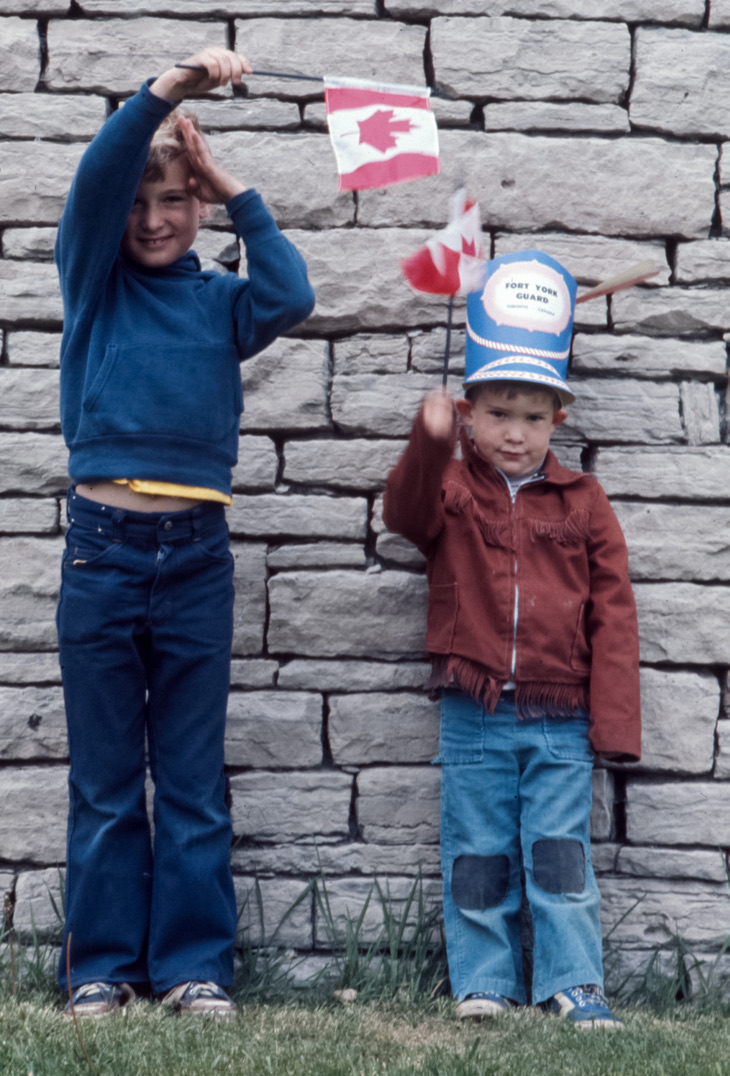
    Kevin and Andrew Skeoch…some years ago.  

    Coming…my experience with indigenous people during my decade doing
    mining exploration in tiny corners of North America that few will ever 
    see.  Often these tiny corners were the homes of indigenous people.
    More to come.

    alan