Month: February 2025

  • EPISODE 1,233 –EDWARD FREEMAN EX HEAD GARDENER—PERSUASION EXAGERRATION: PAMPHLETS AND BROCHURES — 1900 -1914


    EPISODE 1,233 –EDWARD FREEMAN EX HEAD GARDENER—PERSUASION, EXAGERRATION: PAMPHLETS AND BROCHURES — 1900 -1914

    THE DECISION


    alan skeoch
    february 11, 2025

    Edward Freeman decided
    to migrate to Canada sometime between 1900 and 1905.
    Was it a spur of the moment decision or was it carefully planned like his flower gardens
    at Eywood?   I never asked him even though there were many opportunities to do so.


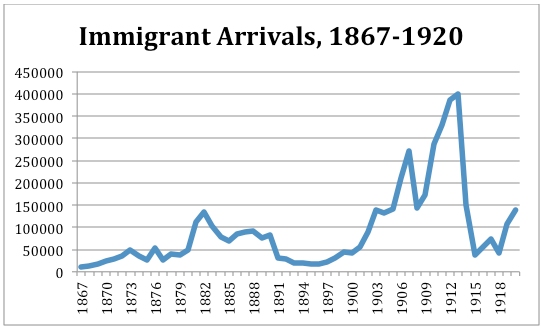
    250,000 others decided to immigrate in 1905…the biggest spike
    occurred in 1910when 400,000 immigrants arrived  in Canada.
    The Edward Freeman family were part of this mass movement of
    people from the old world to the new world.  How is this explained?


    EXPLAINING WHY EDWARD FREEMAN EMIGRATED TO CANADA IN 1905

    A good part of the explanation can be summed up in one word, “advertising”
    much of it done by one man, “Clifford Sifton”

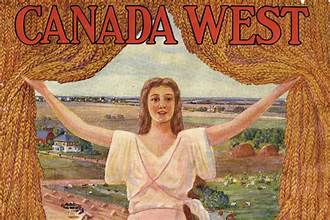
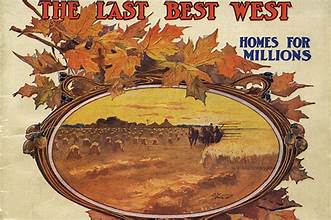
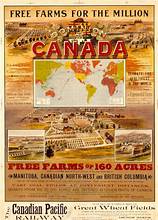
    Bright coloured optimistic brochures were sent to England and elsewhere in Europe.
    Towards the end of the 19th century Canada’s Minister of the Interior authorized 
    a seemingly endless stream  of positive paper images of Canada.

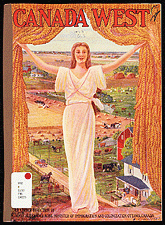
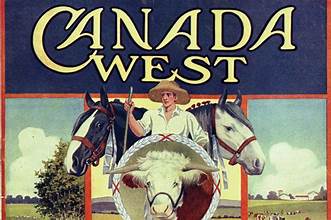
    “Clifford Sifton, the Minister of the Interior from 1896 to 1905, was the driving force behind the greatest immigration scheme in Canadian history. Through his efforts, the Department of the Interior distributed tens of thousands of pamphlets similar to this 30-page atlas on western Canada. The atlas describes the opportunities and the free homesteads that were available for prospective immigrants in western Canada. The style is flamboyant and spectacular  –  not to mention overstated  –  and had some similarities to a travelling “medicine show.”


    Front cover of Canada West


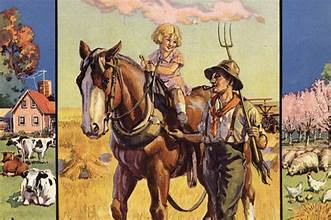
    One historian notes that the flood of propaganda that glorified Manitoba was no just restricted
    to brochures.   Photography, especially photographic post cards, also boosted emigration to
    Canada WEst (i.e. Manitoba)


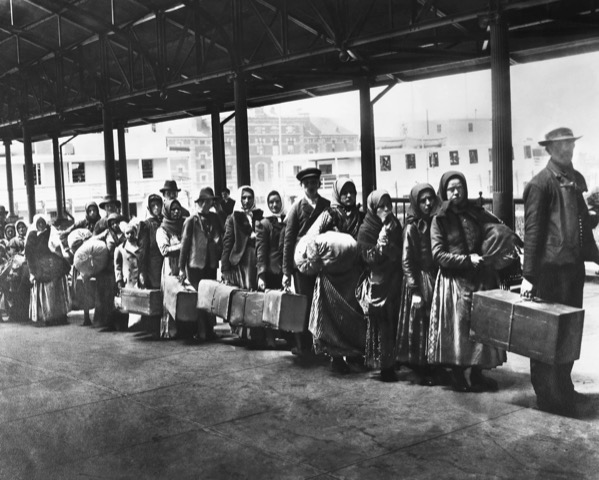
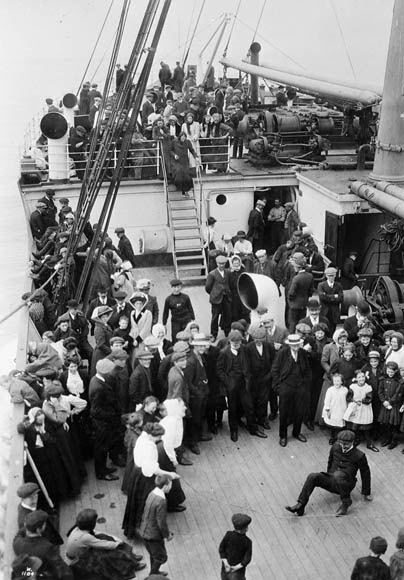
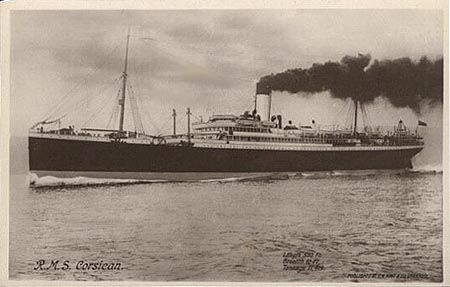
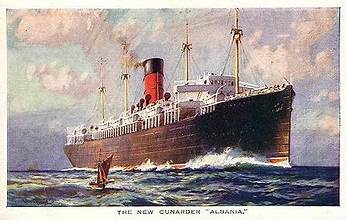
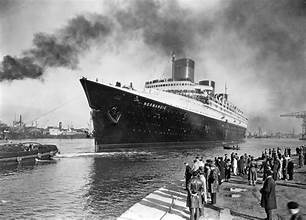
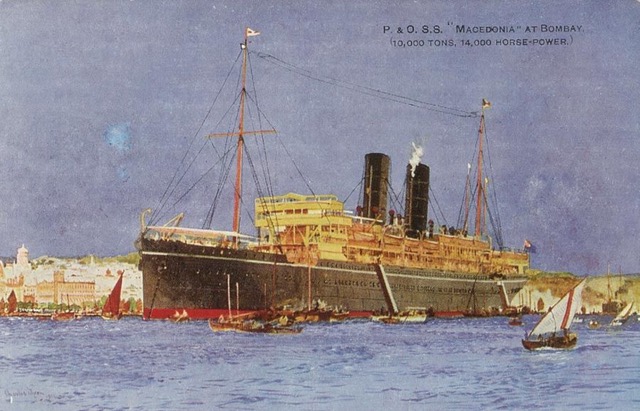
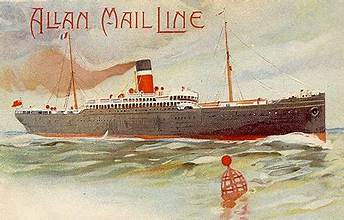
    Ocean liners specialized in transporting settlers.   Such as The Allan Line ‘Victoria’
    that EdwardFreeman chose … They boarded the Victoria in 1905 on its maiden voyage…landed
     at St. John, New Brunswick and then by an immigrant train to Toronto, Ontario.


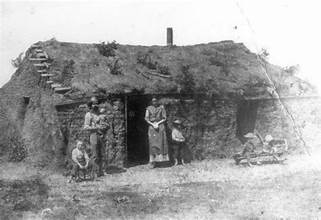
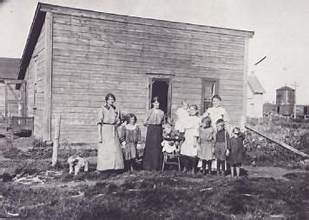
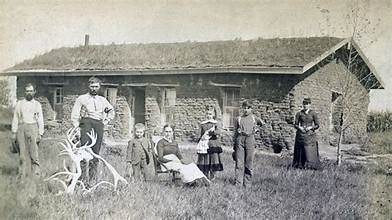
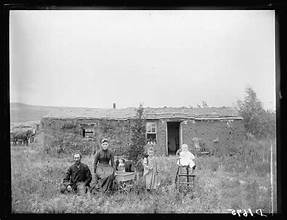
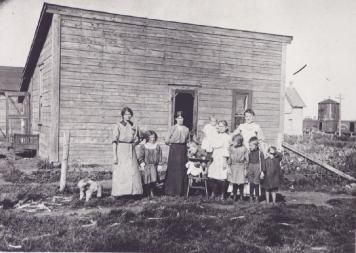
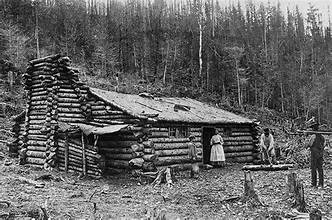
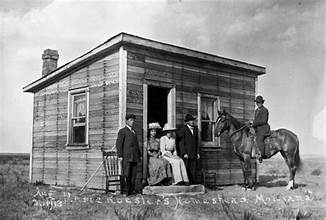
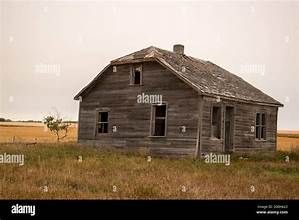
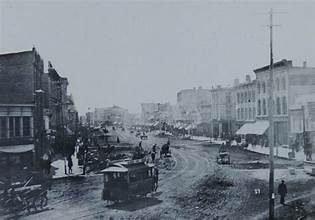
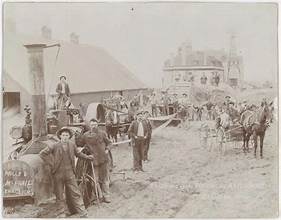
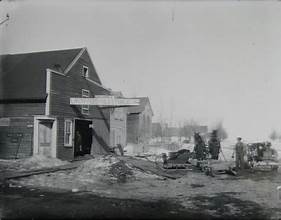
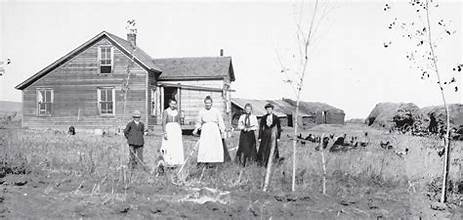
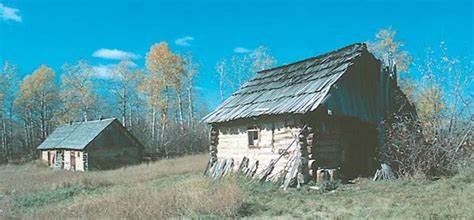
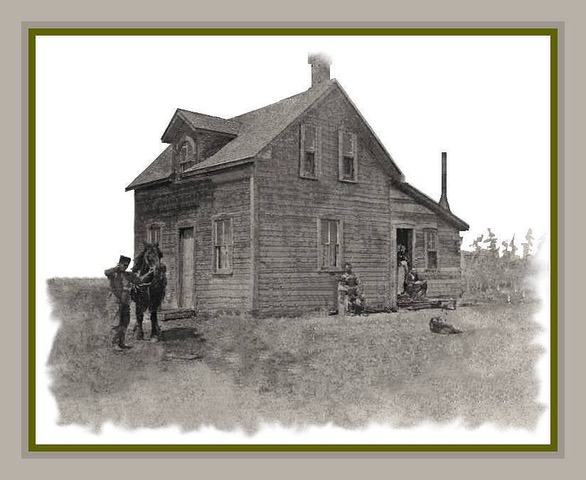
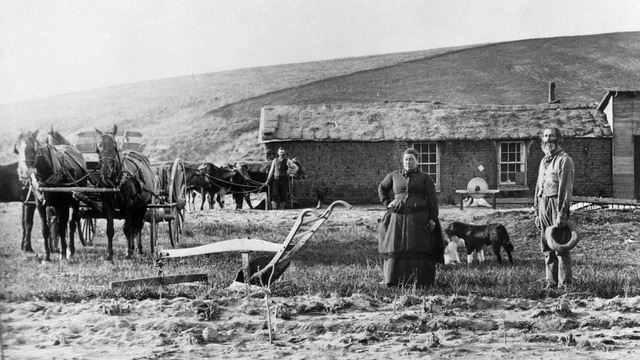
    HOMESTEADING…WAS NOT AS PRETTY AS A POSTCARD OR A GOVERNMENT BROCHURE

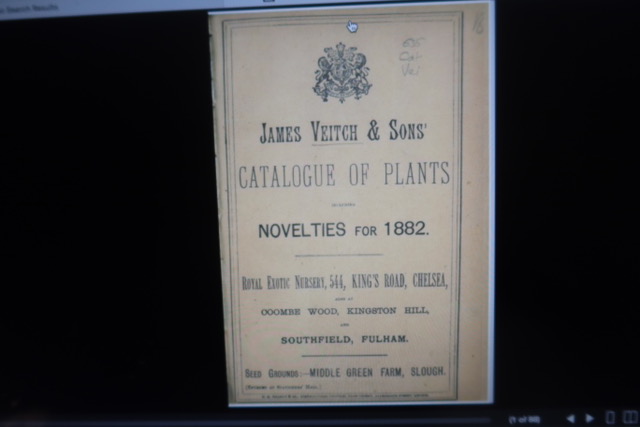
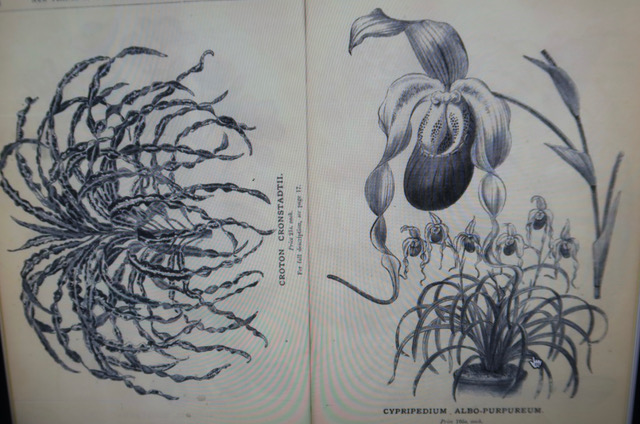
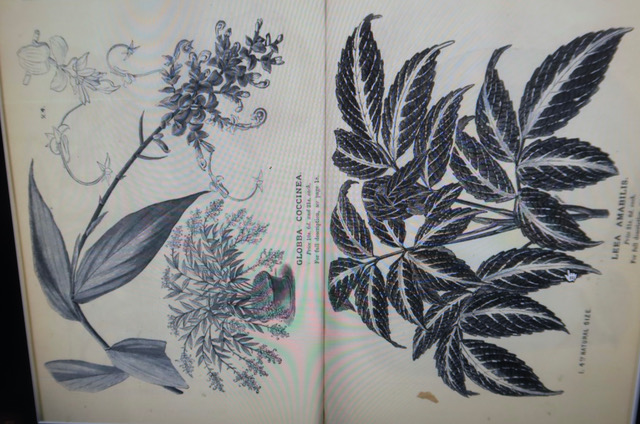
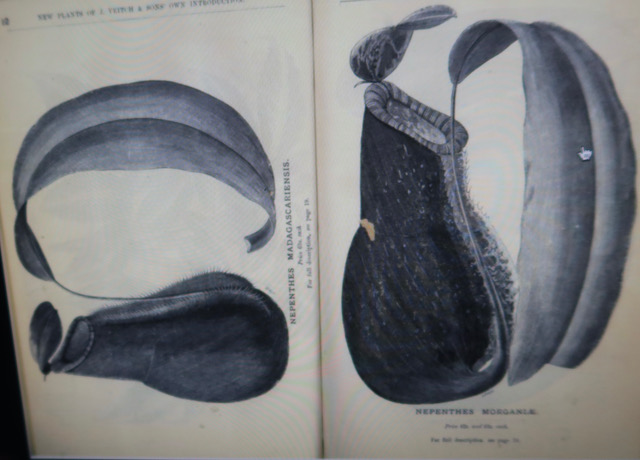
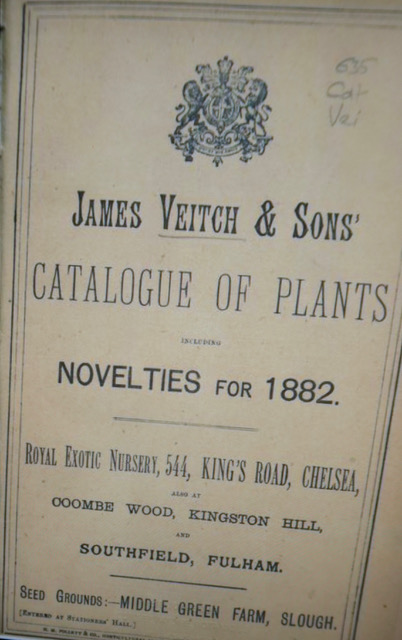
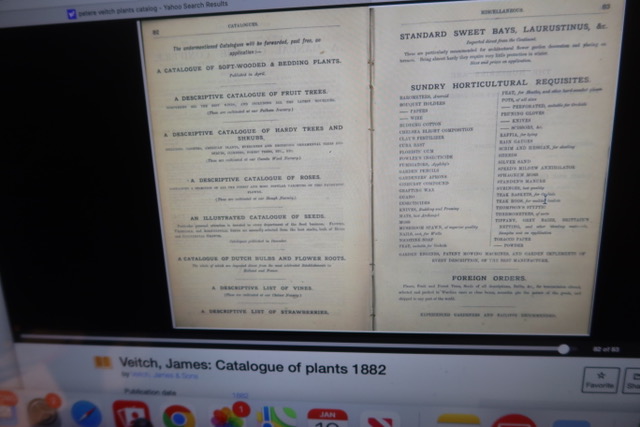
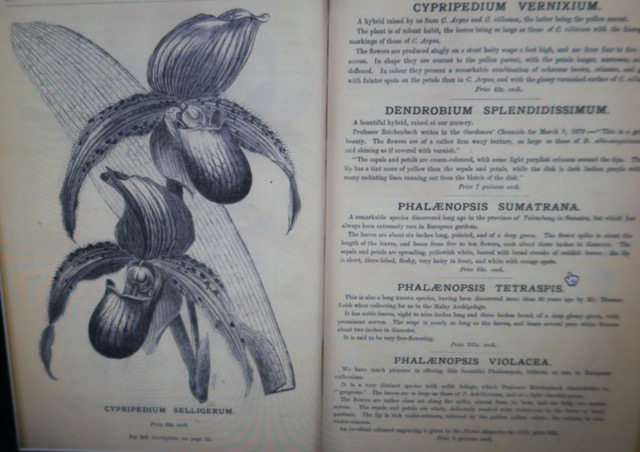
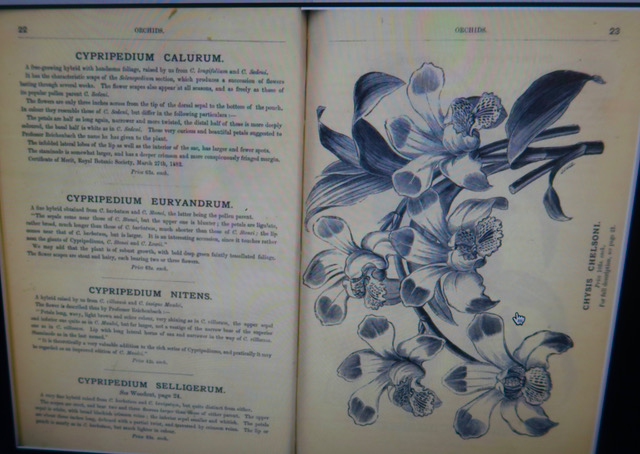
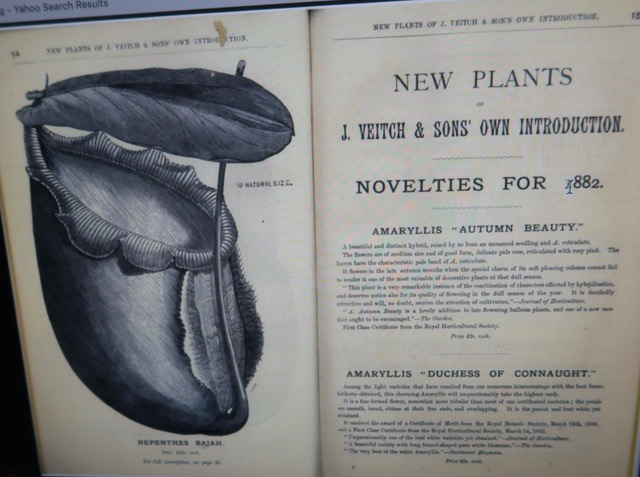
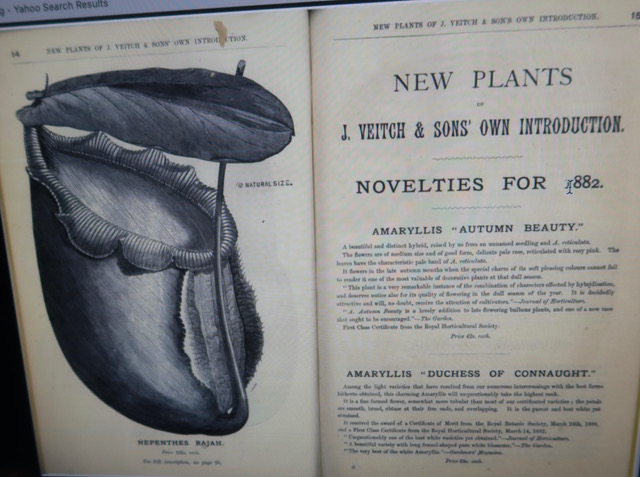
  • EPISODE 1,230 : PLANT COLLECTORS CATALOGUES 1879 AND 1883 …AND A BOTHY WHERE UNDER GARDENERS STUDIED

    EPISODE   1,230 :  PLANT COLLECTORS CATALOGUES 1879 AND 1883 …AND A BOTHY WHERE UNDER GARDENERS STUDIED


    alan skeoch
    february 5, 2025

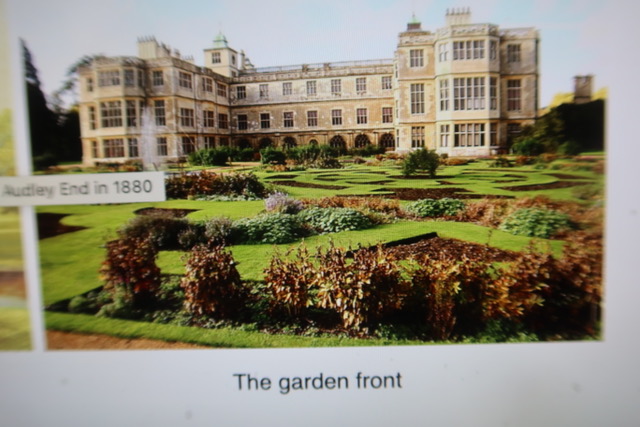
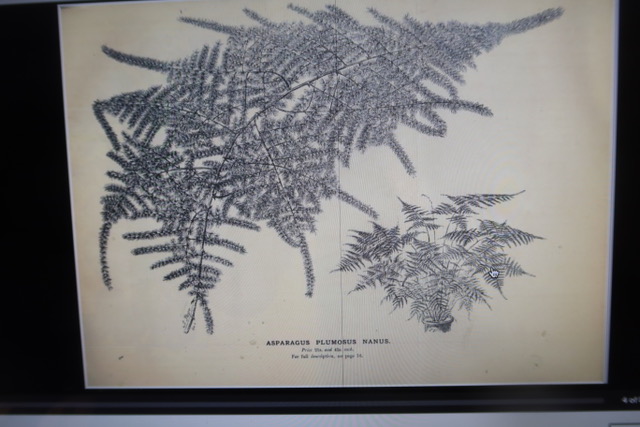
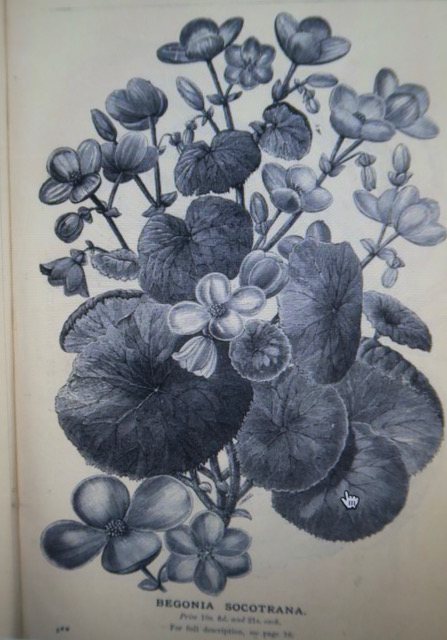
    Estate owners like those at AUDLEY END loved novelty plants.  plant collectors scoured the world for them.
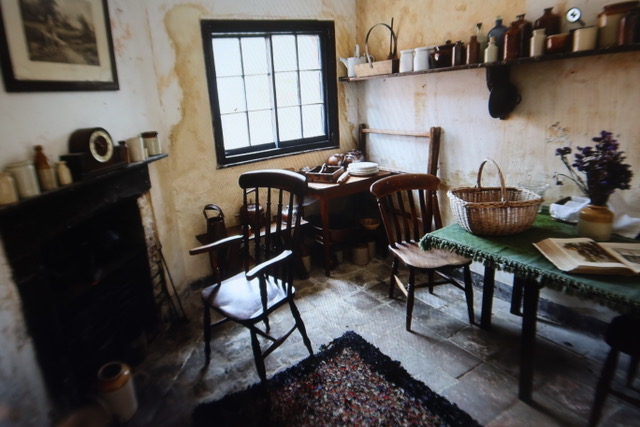
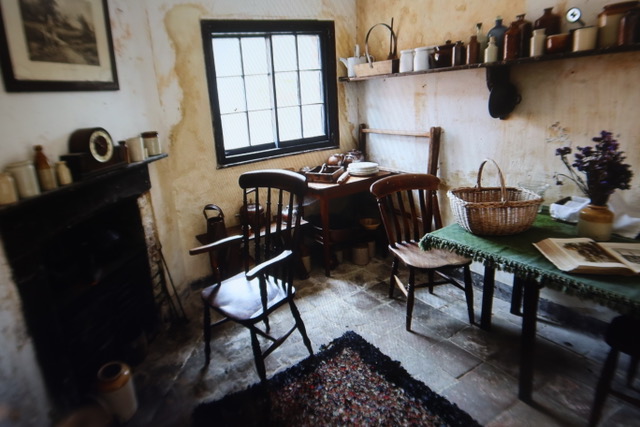
    Head Gardeners expected their under gardeners to study plantings in the tiny bothy room that was often
    built into the brick surrounded gardens.  New estate owners often brought their gardeners with them to plan
    the estate gardens.  The salaries varied from 50 to 100 pounds per year plus room and possibly board.
    There  was dignity in being a head gardener.  Only thing wrong was tipping your hat to accept inferiority.
    But life was good.  life might even be better in Canada.  It was not so.

    When Edward Freeman migrated to Canada he expected something similar.  He was wrong…and had to
    become a carpenter and during World War One he was a munitions maker…artillery shell casings on a metal lathe.  His gardening days
    were nearly forgotten.  But not quite.  He eventually created his own estate garden on a piece of rock strewn
    swamp land in Erin Township, Wellington County.  That took time and he had many shocks in the adjustment
    to Canadian life.  Why did he migrate?  I think he was tricked by false advertising. Canada was not all bread and honey.
    More of that story is yet to come.

    Have you ever had your house burn down?  Have you ever had to step on the bottom rung of a ladder…i.e. start all over again?

    Take a seat in the bothy below and read the plant catalogues. Note the fire place.  Lots of fires in Canada in those days.

    alan
  • EPISODE 1,229: EDWARD FREEMAN…”HATED MY JOB AS HEAD GARDENER — TOO MUCH PRESSURE”

    EPISODE  1,229: EDWARD FREEMAN…”HATED MY JOB AS HEAD GARDENER — TOO MUCH PRESSURE”


    alan skeoch
    feb. 4, 2025


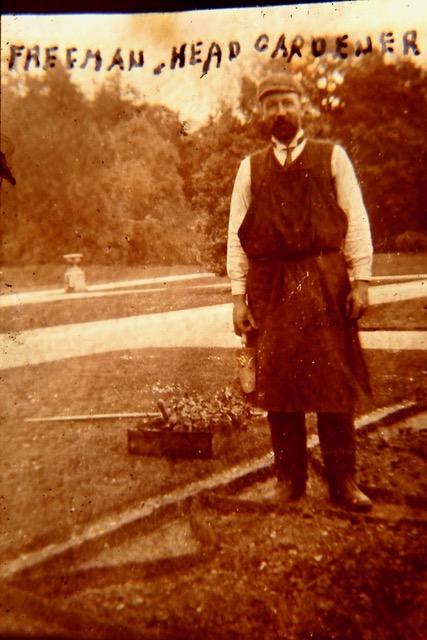
    EDWARD FREEMAN — INCOME AS HEAD GARDNER AT EYWOOD

    What was Edward Freeman earning as head gardener at Eywood from
    1898 to 2006?  I never asked him.  Is it too late to find out?  I mulled
    that question over all night and discovered there is a way to remove
    the cobwebs.
    Average £110 pound a year / $536.00 (19th Century)
    *lodgings included


    In 1960 
    british pound was  worth  $2.80  US

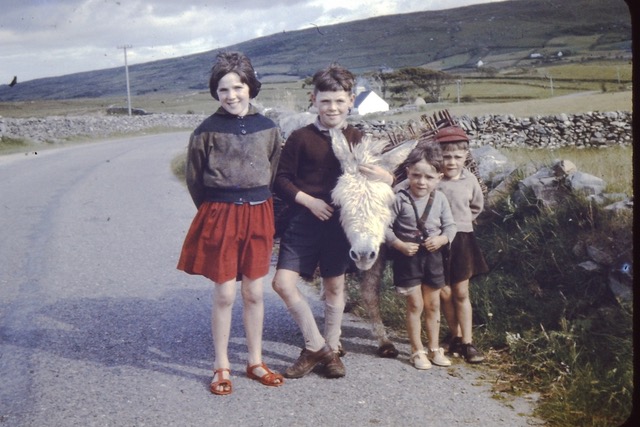
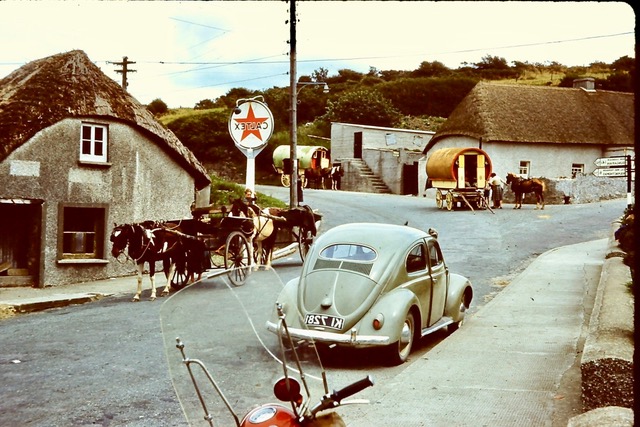
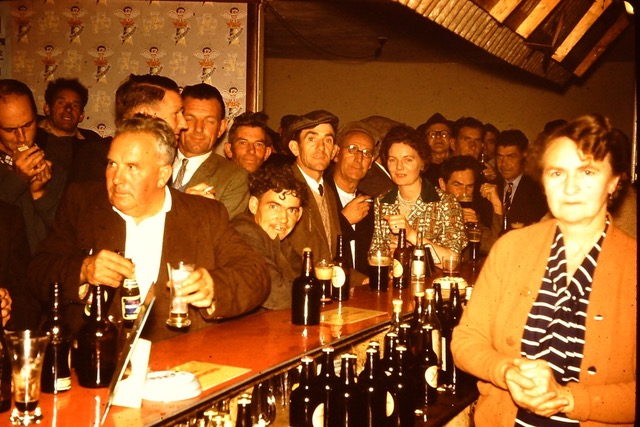
    Bunmahon,  Southern Ireland in 1960


    MY JOB IN IRELAND HELPED — LEARNING TO MANAGE MEN — MONEY 

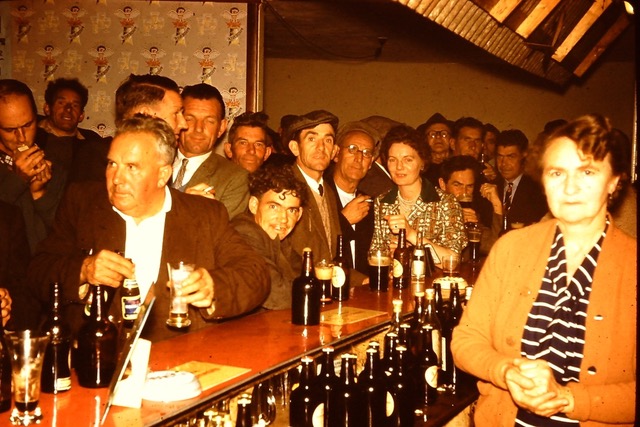
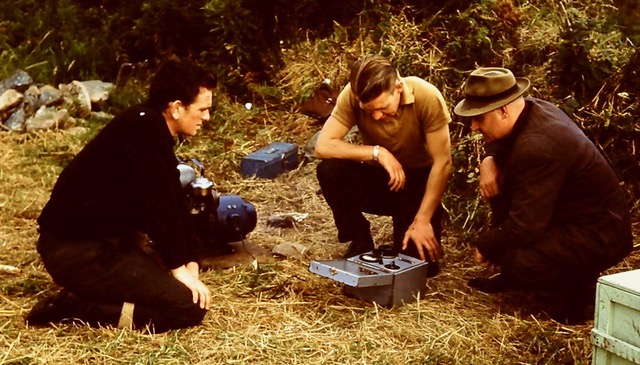
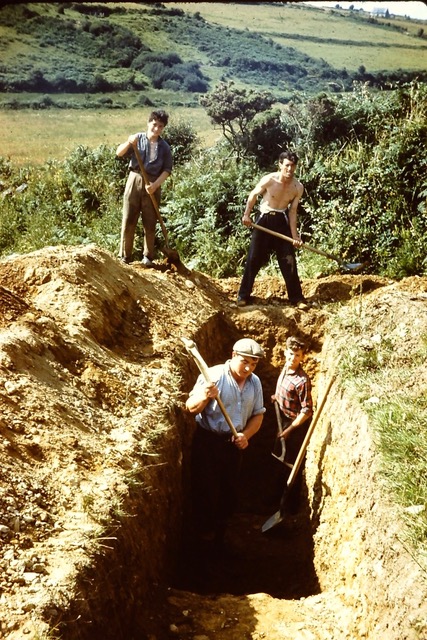
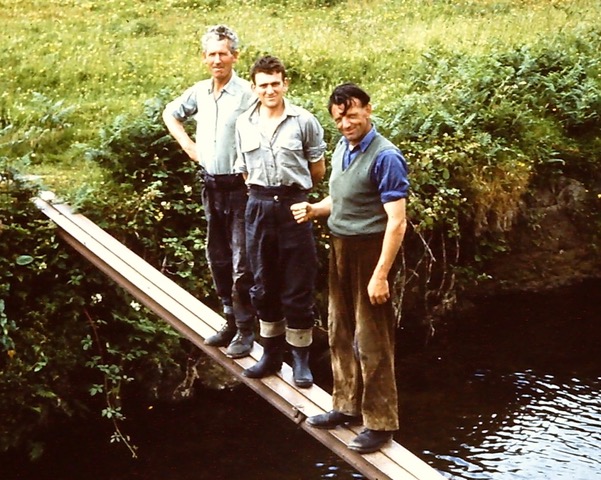
    Many of our Irish employees at Kirwin’s pub, Bunmahon, 1960


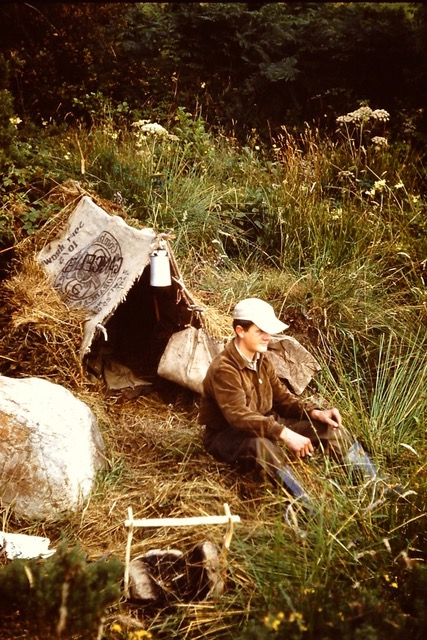
    As mentioned earlier I had an interestng job in Southern Ireland in 1960.
    There is an abandoned copper mine called Knockmahon on the western
    edge of County Waterford.  In 1960 the African source of copper was in
    jeopardy so Denison Mines contracted Hunting Technical and Exploration
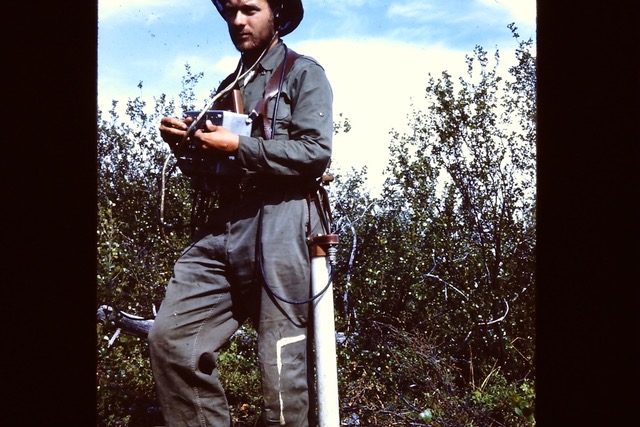
    Services to complete a surface survey of the site using A Turam electro magnetic
    instrument.  Since the previous summer I had been using the Turam
    system in Western Alaska the company sent me to Ireland.

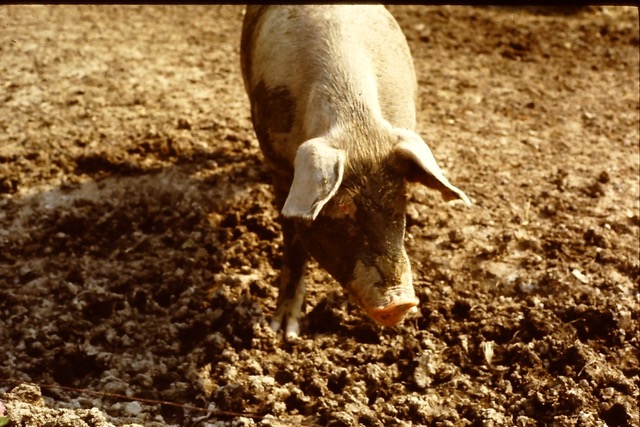
    Why did I need so many employees?  Imagine a bull or a near feral hog?  Or trying to work above and below ground
    alone — needed help.


    My pay was $400 a month. The job lasted three months.  Help was 
    to be hired in Ireland.  The daily rate of pay was one pound per day…i.e. $2.80 U.S. per day.
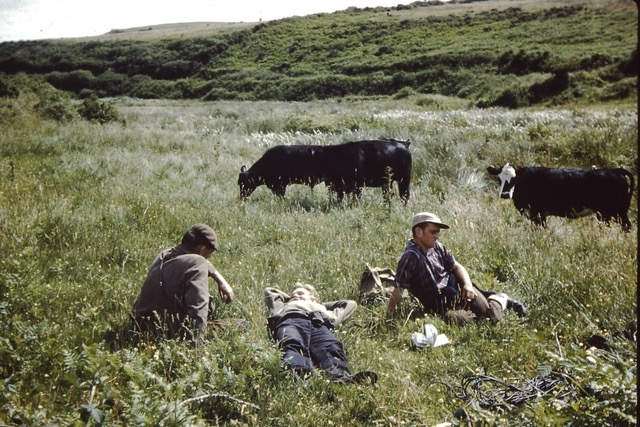
    I hired a lot of people as the job was made difficult by herds of cattle
    eating great swaths of our insulated copper base line. Then they would
    ruminate and throw up balls of our wire terminating the survey.  Another
    danger was feral pigs that Barney Dwan, my first helper, said had eaten
    a Nun and all that was found were her shoes with feet in them.  Would you
    believe that story?  No matter. I was strapped in to the Tjuram and needed
    a man to lift me or push me through the bramble fences of small Irish
    fields.  Another problem was training a linecutting crew to set up our
    grid for the survey.  And a man or two men to guard our motor generator
    which was used to create a magnetic field.  Why should you care?


    All these employees had to be paid. So I discovered the rate of pay
    in Ireland in 1960 was one pound per day ($2.80 U.S,.). Each Friday
    was payday.  Seemed to me the rate of pay was low so I bought
    packs of cigarettes and chocolate bars as sweetenters for the job.
    Made me feel like a big shot.

     I really was just a field man gathering data for Dr, John Scam, a geophysicist,
    to study and try to determine how much copper was beneath the ground.
    John Hogan, a geologist was also present representing Dennison Mining Corp.

    How could this experience help me discover what my granddad, Edward 
    Freeman earned as head gardener at Eywood?   In 2020, historian Chantal Grayson 
    researched the incomes of servants on great estates in England like
    Eywood.  She averaged the rates of pay and arrived at a figure for
    each class of servant.  Head gardeners earned an average 110 pounds
    peer year.  Presto!  Now I knew what Edgar Freeman earned. $560 er year.
    Or 46.6 cents per day…six day week.  Of course Edward also got a
    house and perhaps food.

    My Irish employees were getting $2.80 per day.  I was getting  $13.30 per
    day plus room and board.  The cost of tuition at the University of Toronto
    was $425.00 in 1960.

    HERE IS THE BOMBSHELL

    How did Edward Freeman earn enough money to bring his family to
    Canada in 2006?  Why did he decide to emigrate.   I thought he had
    a good job in England.   He liked his work at Eywood because
    he talked about the place so much.  Grandpa and grandma corresponded
    with many of the Eywood servants,


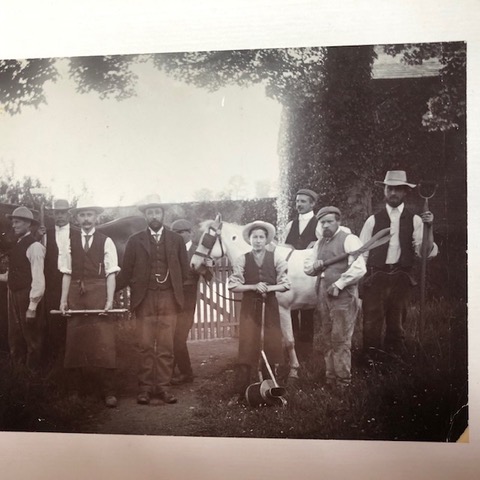
    Edward Freeman at  Eywood and at his farm in Canada — decades apart


    One day in 1955 or 1956, I asked him if emigration had been a big mistake.
    Didn’t Edward Freeman love his job as Head Gardener?

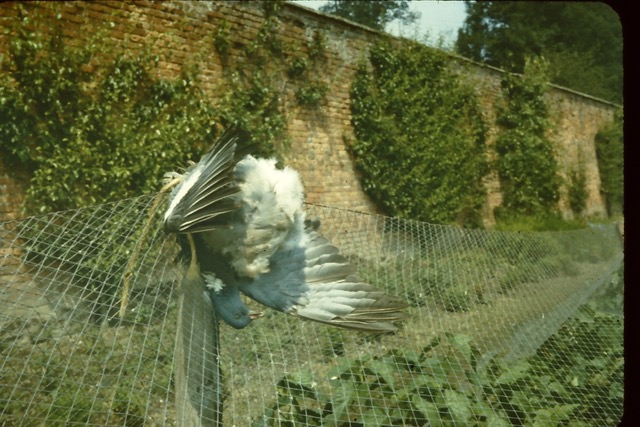
    How to discourage pigeons at Eywood Gardens 


    WORDS BELOW ARE MY WORDS…AS I REMEMBER


    “No, Alan, I did not like the job.   did not like having to tip my hat
    to Mr. Gwyer.  Did not  like to indicate I was a  Commoner to my
    ‘betters’ so often.  My job as Head Gardener was filled with tension.
    Food and flowers had to be produced.  Gardening is a chancy business…weather 
    and weeds.  If I failed to produce then I would lose my job.

    Then there was the job of  keeping the estate looking ship shape….those rotodendrons

    did not appear from nowhere.  The men and boys had to be told what to do.
    The gardens required planning.  Greenhouse glass was breakablel.  The job
    was endless.”
    “I thought you loved gardening.’

    ‘i do.  I love gardening here in Canada.  Look at that crop of
    rhubarb…that’s ours.  Look at the orchard.  Those are our
    trees.  When we moved here from Northern Ontario our wandering
    ended.   Would we go back to Eywood even for a visit ?  No!”

    I failed to ask him how he could afford to migrate to Canada. I cannot figure
    out how he did it.   My cousin Ted Freeman who knew granddad
    better than I did said he made a little money on the stock market
    Is this correct?  I have no idea.


    ALAN

    POSTSCRIPT

    GARDENING STAFF TASKS


    1. Average wages for gardeners varied between £50 to £100 per year.
    2. Wages depended on the gardener’s experience and the type of estate or garden.
    3. Skilled gardeners, especially those working in large estates, earned higher wages.
    4. Many gardeners received additional benefits, such as accommodation and food.
    5. Seasonal work could affect earnings, with some gardeners earning less in winter months.
    6. The rise of horticultural societies contributed to the professionalization of gardening.
    7. Wages were generally lower in rural areas compared to urban settings.
    8. The introduction of labor laws began to influence wage standards during this period.
    9. Female gardeners typically earned less than their male counterparts.
    10. Economic conditions and demand for gardening services also impacted wages.


    NEXT STORY;  WANDERING THROGH THE WILDERNESS…FAILURE AFTER FAILURE