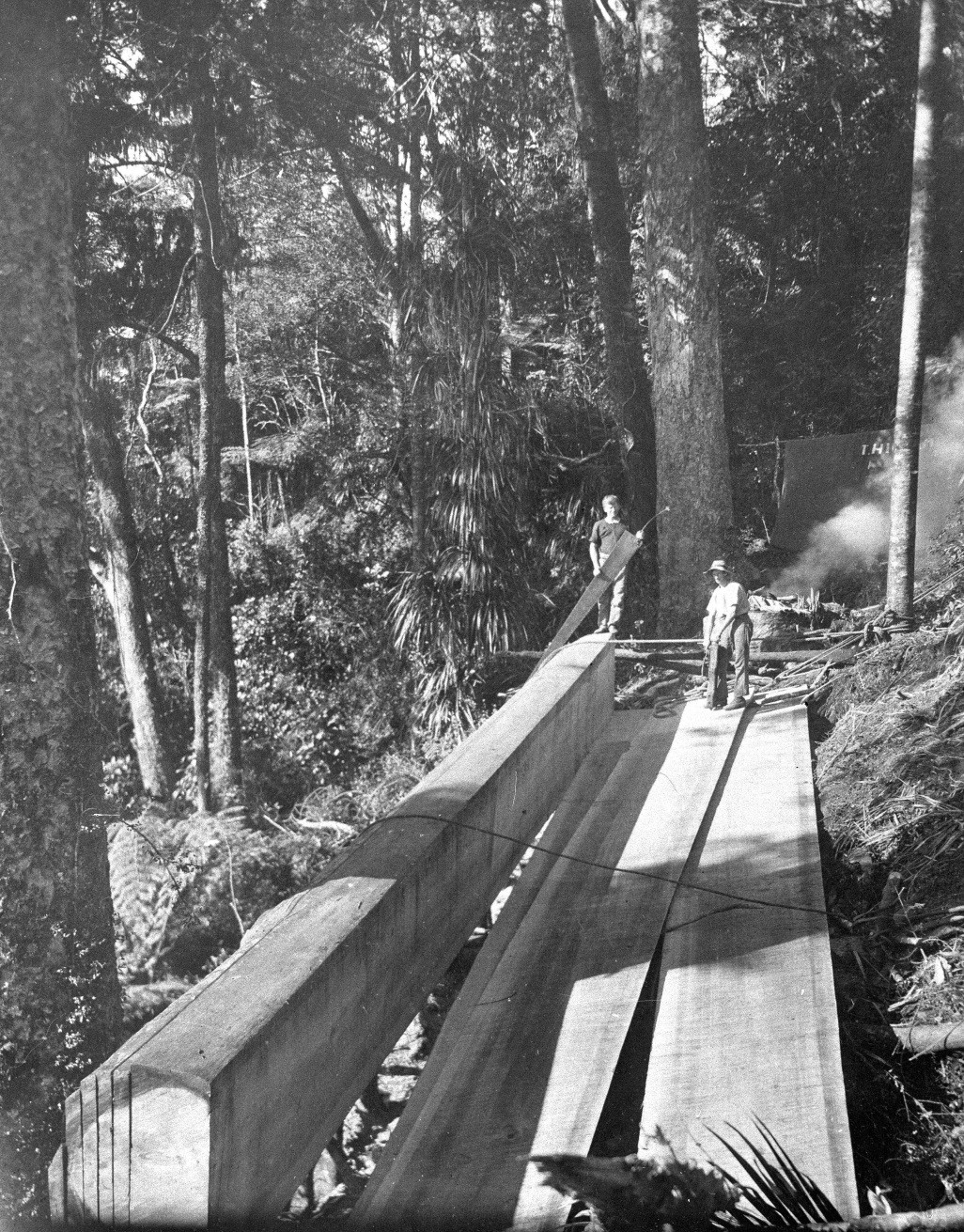
EPISODE 755 THE KAURI FORESTS OF NEW ZEALAND…ALMOST ALL GONE NOW….1,000 YEAR OLD TREES.
alan skeoch
March 1, 2023
Even veteran loggers had never seen trees like the Kauri trees of New Zealand. Ancient…some had been growing for
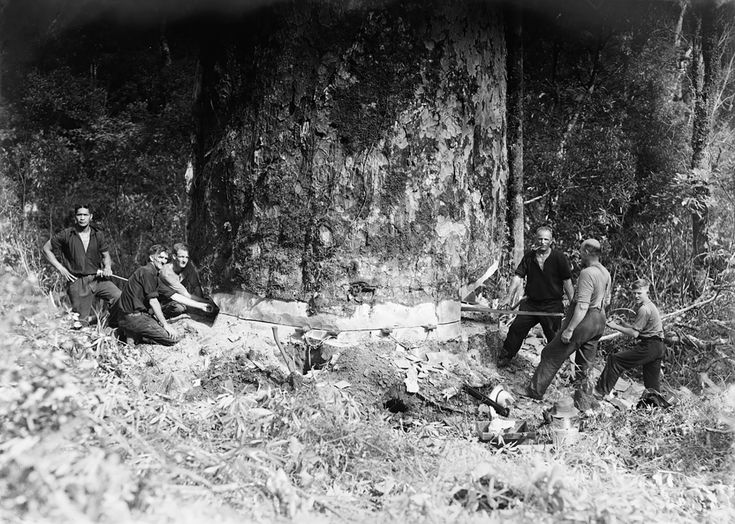
a thousand years and were so huge that it took 6 men with special extended cross cut saws to cut them down. The trees
were sacred to the Maori people who made canoes from Kauri trees. Europeans marvelled at the clean grain of these behemoths
from which they built their houses and cities.
Today there are only 500 Kauri trees surviving in protected reserves. And they are all threatened by an insidious monster.
It is not human beings that threaten those few surviving trees. The incurable and fatal ‘kauri dieback disease’ has been detected as a
slow killer of the giants. No cure yet. In an attempt to give scientists time to find a cure, human beings are no longer allowed to
visit the protected forest. “We can but hope that good will be the final goal of ill”, as Tennyson wrote and I quote lest you have forgotten.
Oh, yet we trust that somehow good
Will be the final end of ill,
To pangs of nature, sins of will,
Defects of doubt, and taints of blood;
That nothing walks with aimless feet;
That not one life shall be destroy’d,
Or cast as rubbish to the void,
When God hath made the pile complete;
That not a worm is cloven in vain;
That not a moth with vain desire
Is shrivell’d in a fruitless fire,
Or but subserves another’s gain.
Behold, we know not anything;
I can but trust that good shall fall
At last—far off—at last, to all,
And every winter change to spring.
So runs my dream: but what am I?
An infant crying in the night:
An infant crying for the light:
And with no language but a cry.
(TENNYSON)
On our visit to New Zealand we made a short visit to the the outskirt forest. (I think beckon 1980’s) Taken there by distant relatives….very distant. The Freemans
and he Edwards families. Sadly We have lost contact with them due to the distractions of daily life. The only link that remains is this picture
and my middle name which is Edwards. They lived (or lived ) in Whangarei, North Island. relatives on my mothers side of the
family who migrated from Kington, Herefordshire at some time in the mid 19th century.
Mr. Edwards gave me a tiny block of a Kauri tree about the size of a small box of matches. It’s still around here ..somewhere.”
read on…the pictures will take your breath away. Perhaps make you cry.
alan
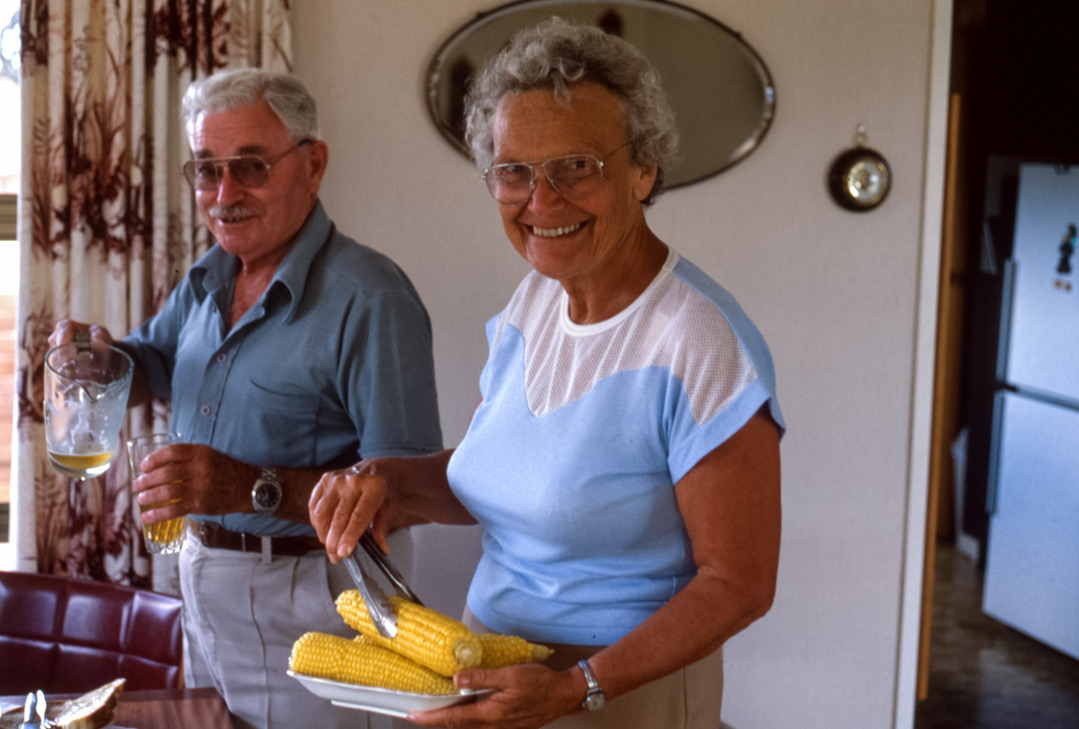
MY FAILURE: These are distant relatives of the Freemans and Edwards families. English on my mothers side of the family. They live or lived in Whangarie, North Island, Nw Zeldand.
The city with a hundred beaches. We visited then in mid 1980’s but lost contact. Like all Kiwis we met they were great hosts
and I regret we lost contact. It was this family that took us to the edge of a Kauri forest. My middle name is Edward which I Think is
a connection to the Edwards of New Zealand. But not sure.
Our Maori connection was much closer and so remembered more. Cousin Roy Skeoch did so much to be remembered as all family reading this Episode know so well.
His grave in Rotarura is so memorable. Perhaps Roberta Skeoch has a picture of her dad’s grave that I can share…so ornate.
Both our European and Maori relatives must lament the fate of the magnificent Kauri forests. Perhaps the next episode will feature the survivors.
alan skeoch
March 1, 2023
Kauri logging in Waitākere Ranges
Long ago the Waitākere Ranges were covered in ancient forests of huge kauri trees. Māori valued kauri because of its size and for its gum.
Kauri are tall and straight and the giant trees were perfect for building waka, boats and settlers’ homes. The work involved in the logging of the kauri forests was documented by photographers, both professional and amateur. By 1900 most of the kauri forests had been cut down. Only a few patches remained.
In more recent times, the incurable and fatal kauri dieback disease has severly impacted kauri forests. Te Kawerau ā Maki, the tangata whenua (people of the land) of Waitākere in Auckland, have placed a rāhui over the entire Waitākere forest (Te Wao Nui o Tiriwa). For the health of the forest, they are asking people to stay away from the bush. The rāhui gives scientists time to develop a solution, and time for the forest to heal.
A large part of Jack Diamond’s extensive research on all things West was focused on the logging industry in the Ranges, he gathered images from every source available to him over the long years of his dedicated work on the history of Auckland’s West.
The images here are a tiny selection from Jack’s huge collection of photographs.
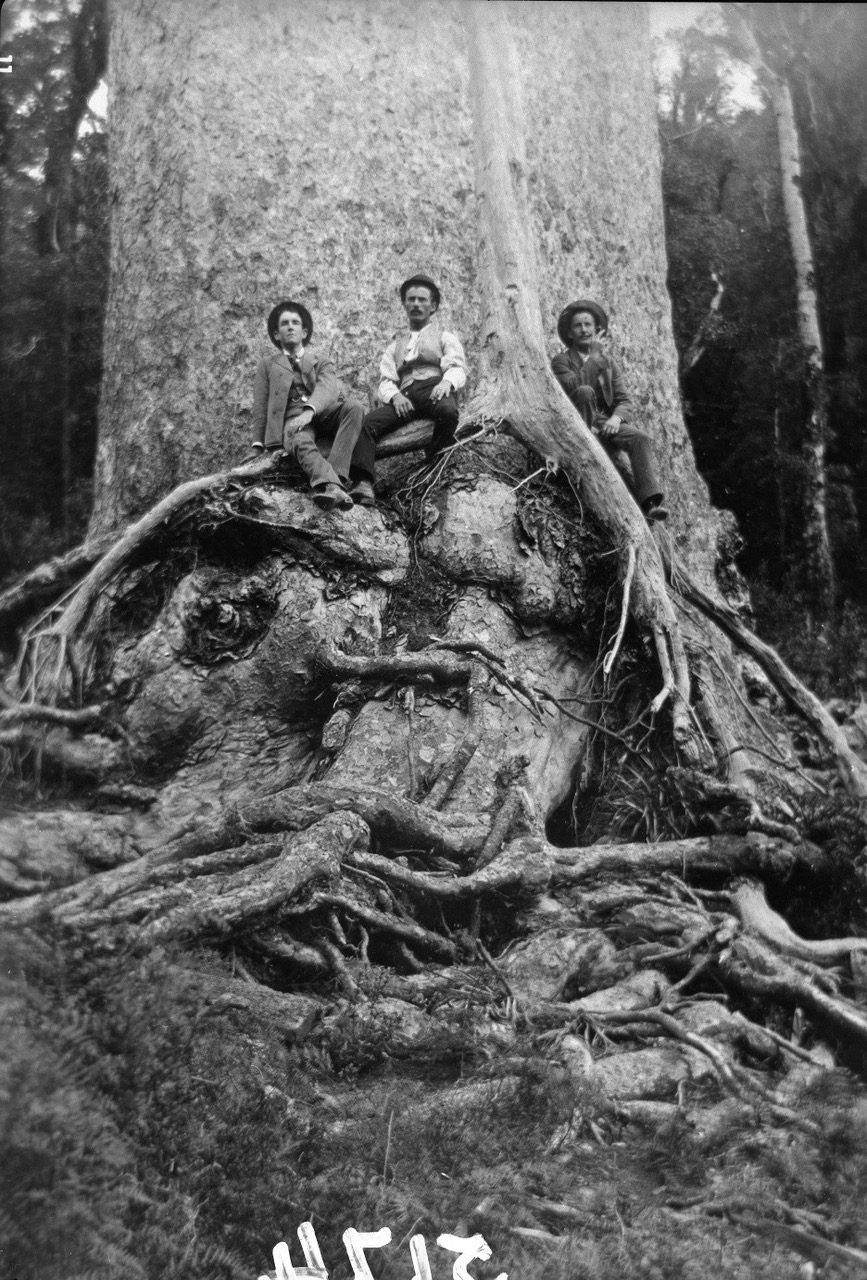
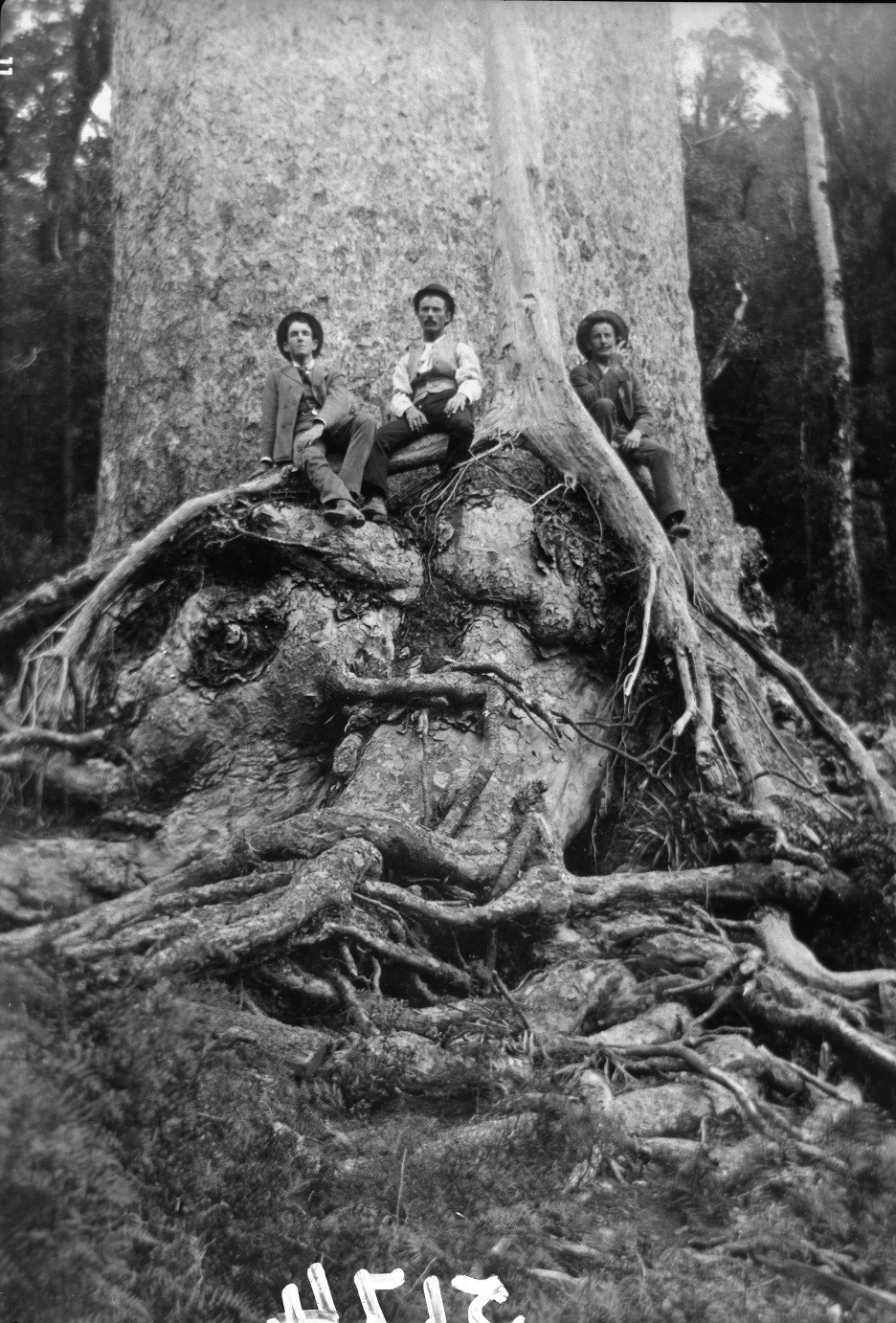
Giant kauri trees were always special enough to be photographed, well before digital or even old-fashioned film cameras were invented, when equipment was quite large and processing the images was quite a task! The tree in this photo is just under 16 metres in circumference. Three men are sitting on top of part of the root system, which is above the ground, of the large mature tree in the Nihotupu bush of the Waitākere Ranges.
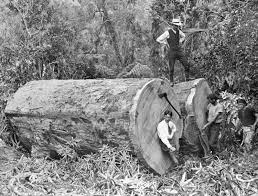
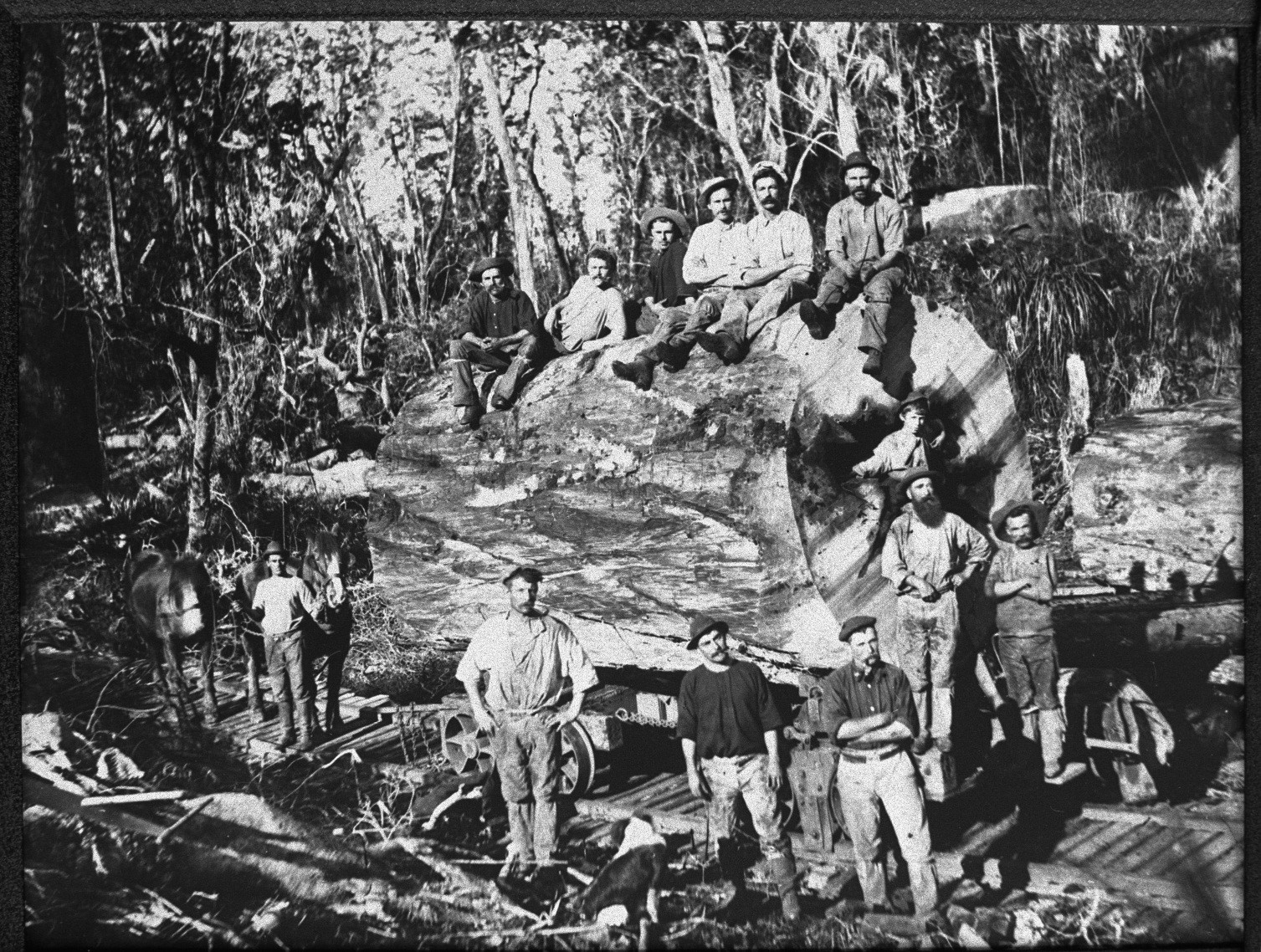
Can you imagine how much hard labour it took for this group of bush workers from Mander and Bradley’s Mill to load this enormous kauri log onto the bogie on the mill tramway?
The photo was taken in the Nihotupu valley, in the late 1800s. There were no cranes or bulldozers, or helicopters. A big traction engine may have been used to haul the log out. It must have been quite a feat to get it to this point.
In the early days bushmen and sawyers worked long, hard, back breaking hours. This log is almost 11 metres long and 1.2 metres thick and these men are cutting it by hand!
Pit sawing was the simplest way to produce planks for quickly building huts and dams in the bush. It was also a cheap way to make use of a small stand of trees. A long saw with a handle at each end was used, one man above, and one man below. Two experienced sawyers could produce planks almost as accurately as a machine!
Read more about the purpose of this particular pit sawing operation by clicking on the link to the image.
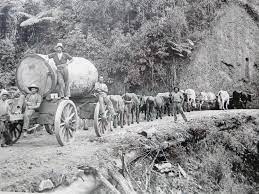
A quick and cheap way of making a serviceable path through wet, soft bush soil was to make a corduroy road. In this photo lengths of logs have been cut and laid to create a durable surface for the bullock team to pull heavy logs from the logging site to the mill tramway.
Corduroy roads were built for military purposes too.
Piha Mill was established at the junction of Glen Esk and Piha streams, but an efficient way of getting the timber from the mill was required for getting over the 900 foot hill to Karekare and then on to the Whatipu Wharf. At the top of this impressively steep rail track was a hauler engine that would pull a load of sawn timber up from the Piha Mill, over the top, and lower it down a similarly steep incline to the Karekare side.
Built in 1873 this A196 steam engine was purchased to accompany ‘Sandfly’ on the Piha Mill logging tramway around 1914. It worked the Piha-Anawhata section of the track. ‘Sandfly’ worked in the other direction from Karekare to Whatipu. It appears it was never named like the little ‘Sandfly’ locomotive, which acquired its name after arriving on the coast and working on rail tracks across the Karekare sand. ‘Sandfly’ even had its own name plate.
Would you like to read more? Click here to request a book about the Piha Tramway.
Henderson in the 1920s was a very different looking place! This tough little truck and trailer look barely adequate for the job of transporting this huge log through Henderson in 1926. Perhaps the driver parked outside the Ozich Buildings in Station Road (now Railside Ave) to pick up his boots or have a cup of tea?