Year: 2022

  • EPISODE 562 CONRAD BLONSKI…a boy you should have met….he would have tested your humanity

    EPISODE 562    CONRAD BLONSKI…a boy you should have met….he would have tested your humanity

    alan skeoch
    March 31, 2022


    Penny Arcade Photos - Free & Royalty-Free Stock Photos from Dreamstime
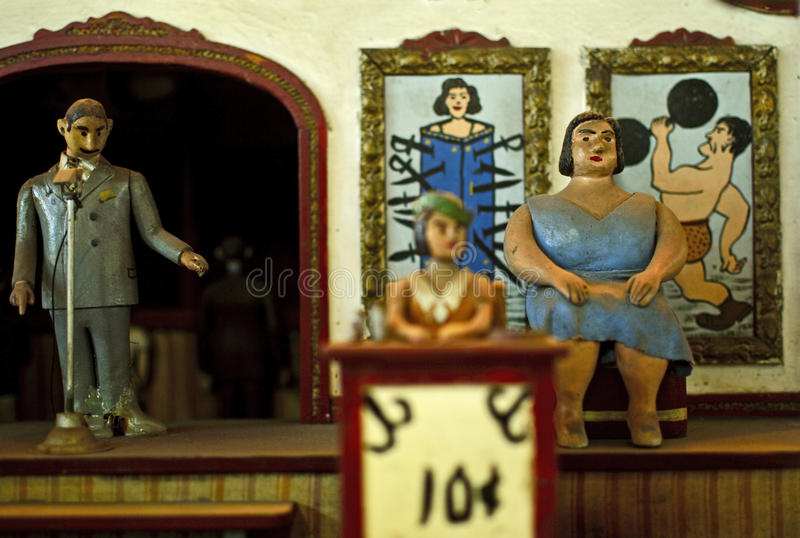
    Big Bill Martin parents ran the Sunnyside Penny Arcade.  They were ‘Carnies’…Carnival people
    like Conrad Blonski.   Bill told me many stories about the fat lady made of wax that melted in the sun each
    year…and was repaired.  Conrad’s mom never had enough profit to go big time…but she managed
    to keep her son Conrad close to her.

    THE CONRAD BLONSKI STORY…TOUCHED ME DEEPLY

    Conrad Blonski.   Why did I think of him today?   The last time I saw him must be 60 years ago, maybe longer.
    He was one of my students at Parkdale Collegiate in Toronto.   Why think of him specially?  Like other teachers
    I taught thousands of young people.  Why was Conrad so memorable?   He was not a top athlete although he
    loved sports…knew every player on the Argonauts or Toronto Maple Leafs.   He was a student, yes, a regular
    student…not the whiz bang destined to become a heart surgeon.  He was memorable because he just loved
    our school.  Loved it with every fibre of his being.  Could Could gnot get enough of the school.  Knew his fellow students
    well and admired some of them who were outstanding athletes.  Why remember Conrad on this bright sunny
    morning at the end of March?

    I suppose one reason is that he attached to me like a bandaid.  He wanted to be an athlete but just could not
    do so.  So I appointed him as manager of our Junior Football team.  He loved the job.  Kept a close eye
    on every player.  And he had a way of winning their attention.  I am sure any student reading this story
    will remember Conrad.  He was an enthusiast.

    What was his life really like?  He must have a pair of doting parents who infused optimism into him.
    Not so.  Conrad only had his mother.  And she was having a tough life indeed. She was a ‘carnie’,,,
    a Carnival person.   In those days Parkdale had many Carnival people’s children.  Big Bill Martin for one.
    Bill was a fellow teacher and friend from university days when we played football together.
    His parents ran the penny arcade at old Sunnyside.  “We had a big fat fake lady in a glass booth
    who greeted and lured Carnival goers into our arcade.  She was made of wax and sat in a west facing
    booth.  The wax melted a bit each year and we patched her.  She became quite grotesque.”

    I noticed Conrad was very chummy with Big Bill.  How come? “Carnival people stick together.”
    Then I asked Conrad about the Carnival business.


    WATCH FOR FLYING BULLETS Vintage Style Metal Sign for Tex-mex Texas Mexican  Halloween Haunted Town Magic Shop Boardwalk Carnival Penny Arcade Fair  Retro s&m for Hotel Motel Bar or Restaurant Highway Inn


    Carnival Shooting Games Images – Browse 1,539 Stock Photos, Vectors, and  Video | Adobe Stock161 Objects: Carnival Gun Game Stock Photos, Pictures & Royalty-Free Images  - iStock

    “What do your parents do?”
    “Only my mom and me.”
    (Single parent family…lots of those at Parkdale.)
    “Mr. Martin says you are Carnival people”
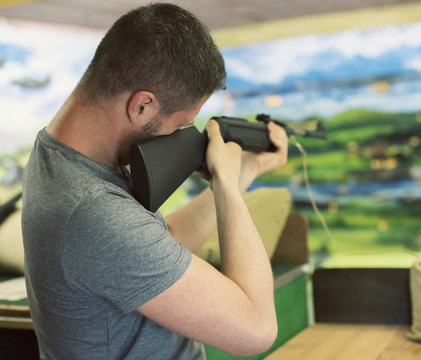
    “We are…mom has a popgun booth.”
    “Popgun booth?”
    “Little canvas booth where people fire corks  a cigarette packs.”
    “Popguns?  Corks?  Must be inaccurate.”
    “They are but some people do knock off packs.”
    “What are the prizes?”
    “Cigarette packs…knock off a pack, win that pack.”

    Conrad and his mom would travel from country fair to country fair in the fall
    seasons.   One day I met them by accident at the Acton Fall Fair.  Sure
    enough the guns were out and the cigarette packs lined up.  We talked a
    bit.  His mom loved Conrad.  I sensed their lives were tough…catch as catch can.
    How could they afford hotels when on the road?

    “Where do you sleep Conrad?”
    “Right here…on the floor.”

    That response knocked me for a loop.  Made me understand a lot more about
    Conrad.  He loved Parkdale Collegiate because it was the biggest thing in
    a very tough life.  I got to know him better.   He didn’t suck around…not under
    my armpits as they say.  But he was never far away.   Marjorie and I had
    him out for supper one evening.  Conrad could not stop talking. He was so
    excited.  For Marjorie and I this was no big deal.  For Conrad, being invited
    to a teachers’ home was a very big deal.  I still hear his joyful voice on sunny
    days like today.

    Eventually Conrad finished his schooling.  And that was the end of the best
    part of his life.  Not much I could do to help him.  One day I heard his mom
    had died and Conrad was living in a substandard basement somewhere
    near Parkdale.  He was poor.  He was just getting by.

    Then one day he appeared at Parkdale to say hello.   We met near the
    school office.  Conrad was as cheerful as he had always been but somehow
    I got the feeling things were not good.  He never said that.  Gave no indication
    that he was up against the wall.  But I sensed it.  
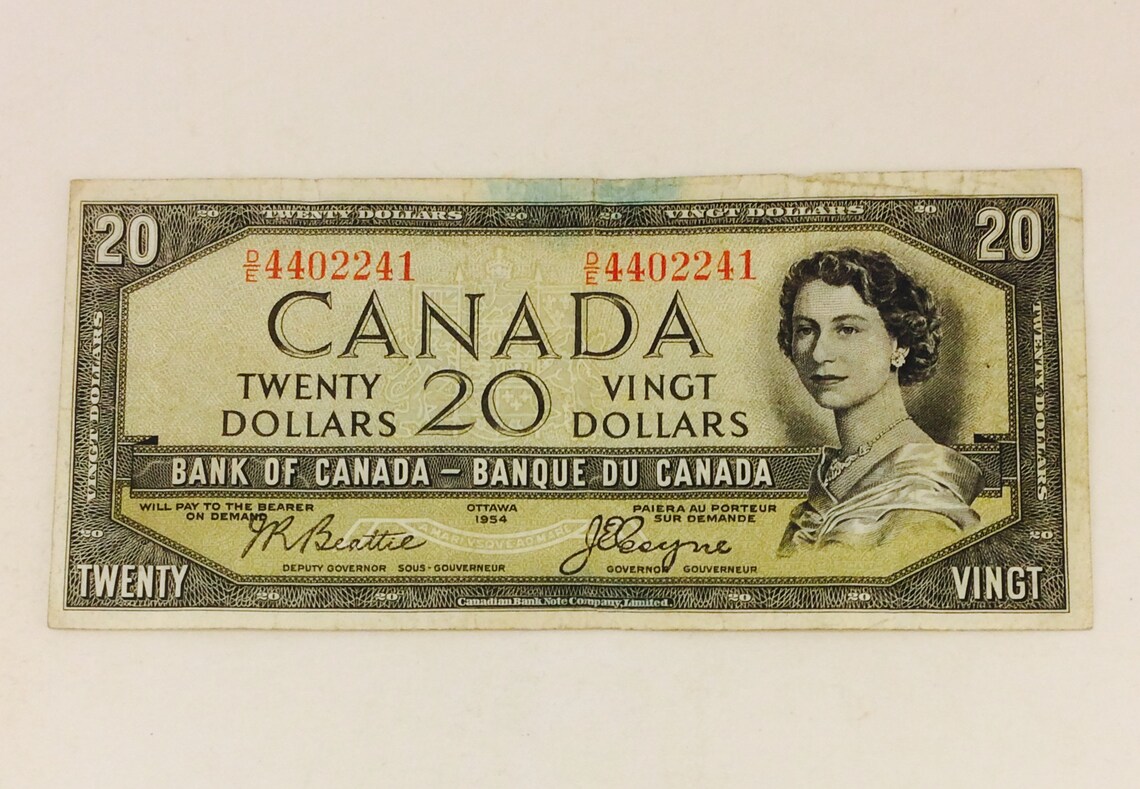


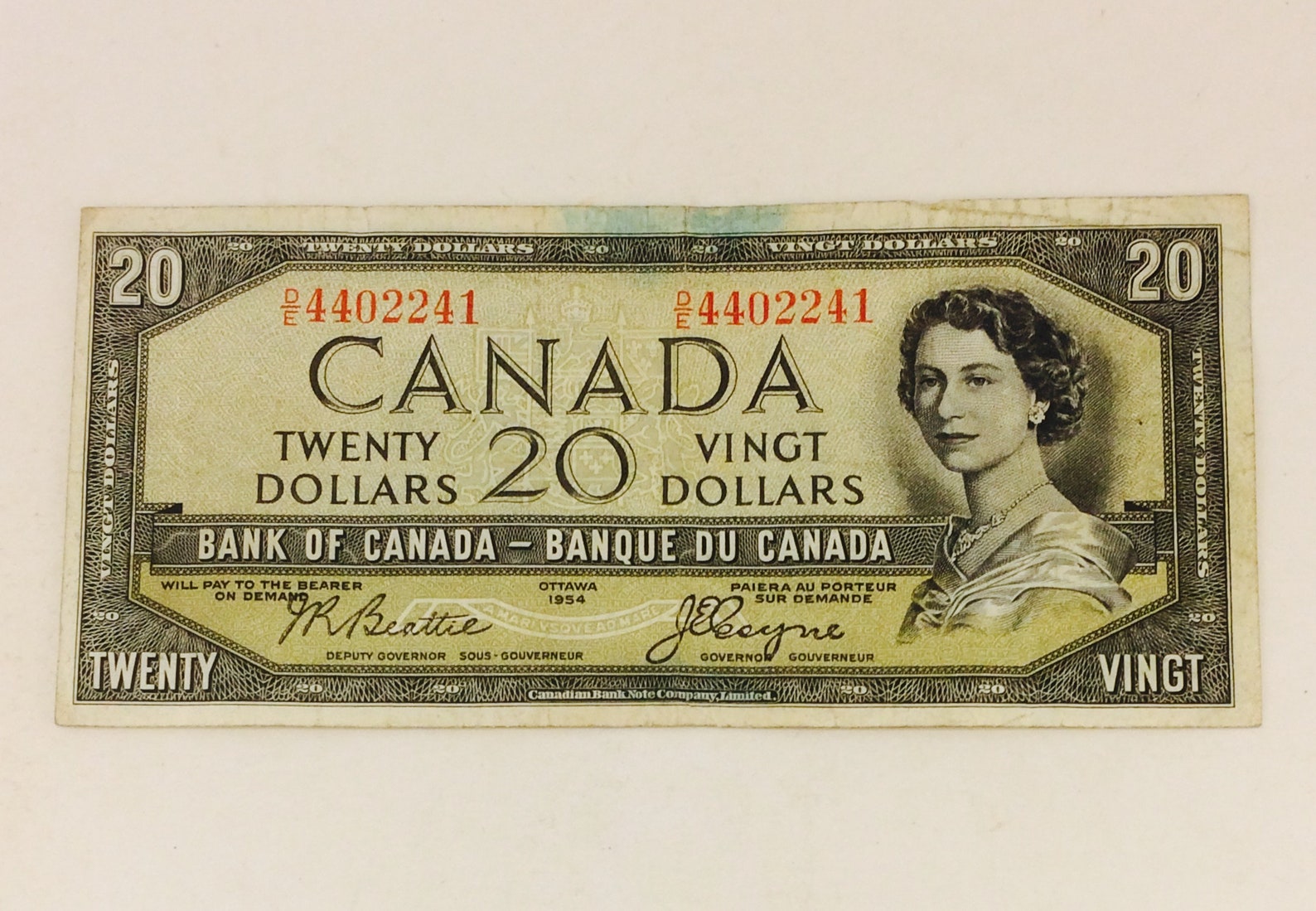
    1954 Devil's Face Bank of Canada Twenty Dollar image 1i.etsystatic.com/12420019/r/il/17dd37/1509336182/il_1588xN.1509336182_mh48.jpg 2x” data-original-image-width=”2424″ data-original-image-height=”1677″ data-index=”0″ data-src-zoom-image=”https://i.etsystatic.com/12420019/r/il/17dd37/1509336182/il_fullxfull.1509336182_mh48.jpg” src=”https://i.etsystatic.com/12420019/r/il/17dd37/1509336182/il_1140xN.1509336182_mh48.jpg” srcset=”https://i.etsystatic.com/12420019/r/il/17dd37/1509336182/il_1140xN.1509336182_mh48.jpg 1x, i.etsystatic.com/12420019/r/il/17dd37/1509336182/il_1588xN.1509336182_mh48.jpg 2x”>
    “Conrad, here is a bit of money…go out and have a good time.”
    (I really meant go out and get food..)
    “No, sir, do not need it.”
    (Giving charity is very demeaning.  I  prefer to do it anonymously then
    no one has to be embarrassed but this time I forced $20 into Conrad’s
    hand)
    “Payment for all the work you did for me as team manager…not much money.”

    Then Conrad disappeared for another few years.  He was a grown man but
    still in difficulty.  Other ex students dropped by and said Conrad was having trouble.
    Living in a single room somewhere near Parkdale.  That worried me but I
    did nothing to sleuth Conrad out.   Too busy.  Too many new students to
    teach.  Too much joy in our family life to give Conrad any attention. If I
    could even find him.

    Then he reappeared in the hall. Looked me up and handed me an
    envelope.

    “I won $60 at Bingo…here is the money I owe you. Thanks.”

    And away he went. Next day, my brother Eric phoned me.  “Somebody
    from Parkdale sent me $20.  Why?”  Eric and I worked together at
    Parkdale for several years.  He knew Conrad.   Why Conrad sent 
    Eric $20 I will never know.

    I think he was paying us for making a few years of his life enjoyable.

    alan skeoch
    March 31, 2022

    P>S>  Some Parkdale students remember Conrad.  How is he? I heard
    he died a few years ago…hope not.

    P.P.S.  I cannot help but think of two fellow teachers, Lynne Roddick, and
    Leila Buckler, who did much more to help students like Conrad…even to
    the point of taking them into their home when disasters struck.  I admired them
    for that.   They acted quietly.  At some point I must tell the story of Leila Buckler.  I wrote that
    story many years ago.

  • DR. NORMAN PATERSON — SCIENCE IN ACTION

    EPISODE  560    DR. NORMAN PATERSON == SCIENCE IN ACTION


    alan skeoch
    March 27. 2022

    f9bca628-cbb7-4f4e-8a7a-95aca06d87b6.jpg

    NORMAN PATERSON CONFIRMS MY EPISODES “WORST JOB IN MY LIFE””

    Groundhog River…’That was my first summer with Huntings. I had spent 1956 and 1957 doing much the same thing with Dominion Gulf. Floyd Faulkner came with me. I have some similar photos  I agree that the Groundhog River is the arsehole of Northern Ontario. I look forward to your new series of episodes.’


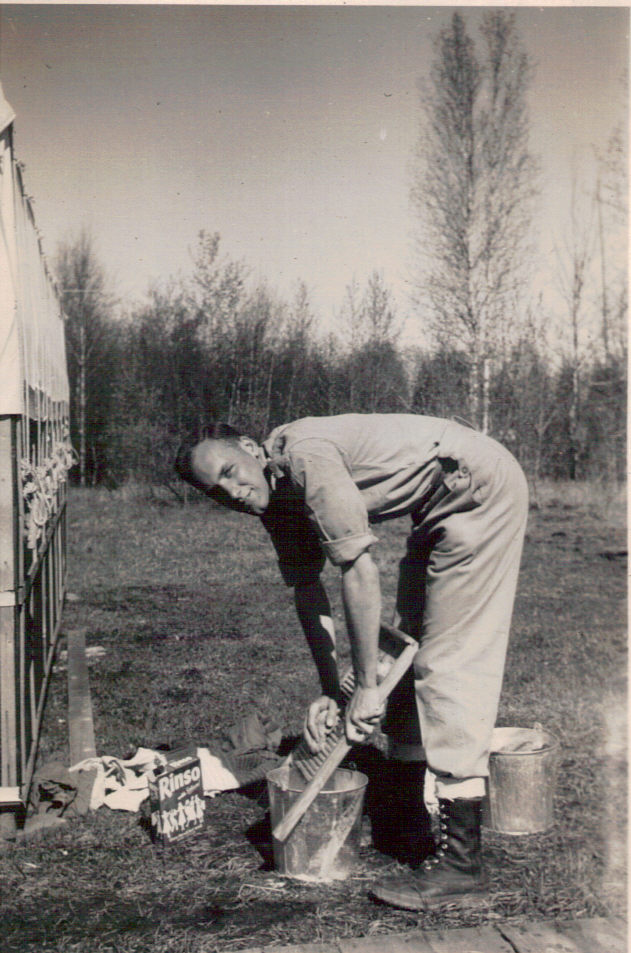
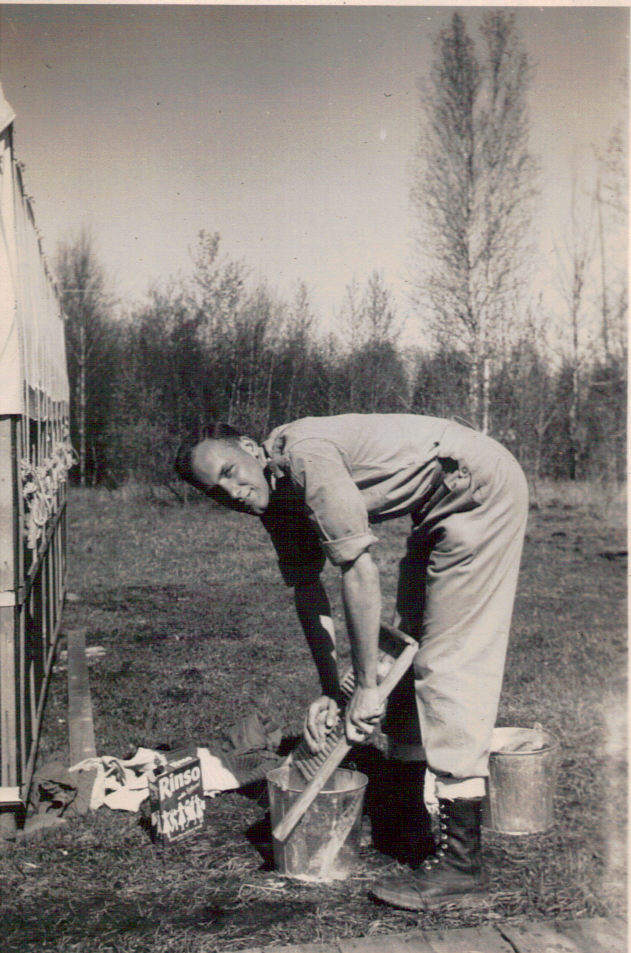
    With Rinso and scrub board Dr. Norman Paterson washes his clothes…bush 1956
    Norman had a Ph.D in Physics..but still had to wash his own clothes.


    Norman Paterson Author - Home | Facebook


    Have you ever been trusted?  Trust is something to value and never betray.  When Dr.
    Paterson sent me into the bush in that summer of 1958 he trusted me even though he 
    hardly knew me.  I doubt he even new my name on that first job but he trusted me even
    though my place in the scientific pyramid of geophysics as at the bottom.  I would be the
    ‘hewer of wood’ …the man with the blazing axe trying by compass and will power to locate
    the mysterious anomalies picked up by a magnetometer dangled from an airplane flying back and
    forth in a grid over the trackless forest below.  

    “Now Alan, this job is secret.  We have been hired
    by McIntyre Mining Company to pin point strange magnetometric readings in an absolute wilderness.”
    “Floyd Faulkner will be your crew chief.”

    Who could resist that?  Secrecy. Strange discoveries, wilderness, New friends… Trust.

    I had some mining experience having spent the summer of 1957 working with a portable magnetometer
    in the bush north of Chibougamau, Quebec.   Two of the men on that job startled me
    They made up the readings.  “There is nothing here so let’s avoid the torment of the flies
    and just make up the readings for every second line.”   That cheating bothered me although
    I kept my mouth shut.  I never told Dr. Paterson about it.  I wanted to be trusted.
    No matter what.  Come hell or high water,  I would try to find these anomalies and
    record the data  we got from Ronka horizontal loop E.M. unit or the magnetometer.
    Maybe we would find a mine.  But I would never know that.  I was at the bottom of
    the geophysics pyramid in 1958.   Dr. Paterson was at the top.


    WHO IS DR. NORMAN PATERSON?

    Who is Dr. Norman Paterson.  His name has cropped up often in my diaries.  When we first met
    I was hired as a person willing to ’slog through the bush’ in search of anomalies (unknowns) picked
    up by airborne geophysical instruments.   As a slogger I  was useful but not as a geophysicist whose understanding of  global
    mineralization was really necessary.   Interpreting my results was never my job.  My job was
    simple.  To record data in the field.  Data?  Background Blips!  And occasionally ‘anomalous’ blips.

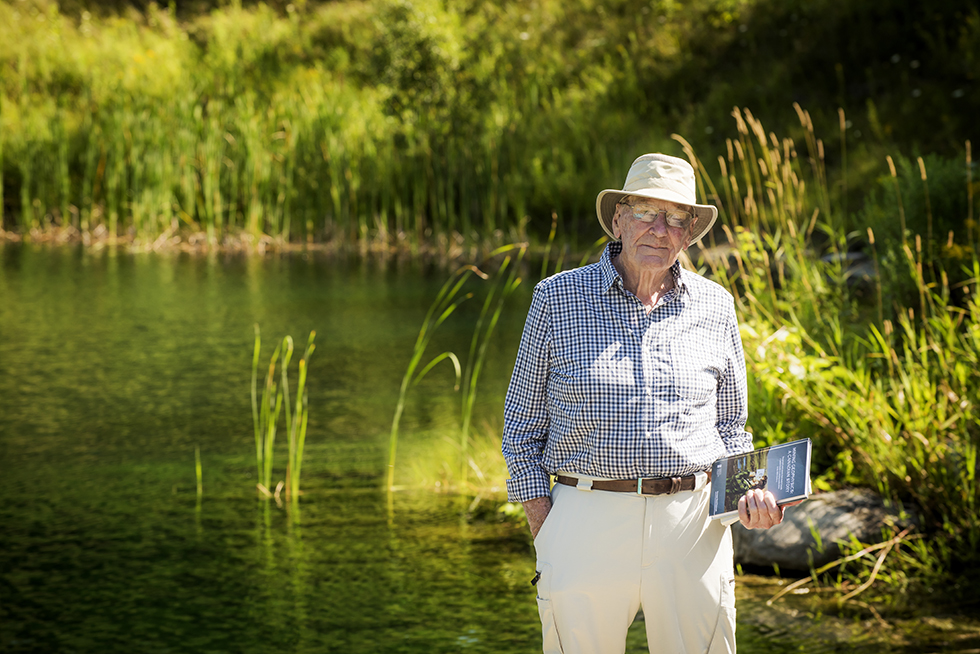
    Better let Dr. Paterson introduce himself….his book


    EBRUARY 21, 2019

    Mining Geophysics:
    A Canadian Story The people and events that made Canada a global leader in mining exploration in the 20th Century

    canadianminingmagazine.com/wp-content/uploads/2019/02/Book-Cover-200×300.jpg 200w, canadianminingmagazine.com/wp-content/uploads/2019/02/Book-Cover-768×1152.jpg 768w” sizes=”(max-width: 350px) 100vw, 350px” style=”max-width: 100%; margin: 0px; padding: 0px; border: 0px; box-sizing: border-box; border-top-left-radius: inherit; border-top-right-radius: inherit; border-bottom-right-radius: inherit; border-bottom-left-radius: inherit;” apple-inline=”yes” id=”CD593341-786A-4040-ACE7-5D6DA12A275E” src=”https://alanskeoch.ca/wp-content/uploads/2022/03/Book-Cover-700×1050-1.jpg”>

    Written by Norman Reed Paterson

    This is a story that had to be told. It is the story of how a handful of Canadians, awakened by the potential of a new technology, inspired to apply it to their country’s resources, encouraged by a sympathetic and proactive government, and funded by investors who were willing to take risks, made Canada the foremost nation in the world in the exploration for mineral resources.

     “This book introduces readers to most of the key participants in the exciting 1945–1975 period of initial growth in mining geophysics in Canada. Now all but a few of these “heroes” have passed on. Thus, we are exceedingly lucky that Norman Paterson—a central participant in the growth era and a person skilled at putting pen to paper—is willing to record his memories of them.”

    – Gordon F. West

    canadianminingmagazine.com/wp-content/uploads/2019/02/Group-Shot-284×300.png 284w” style=”max-width: 100%; margin: 0px; padding: 0px; border: 0px; box-sizing: border-box; border-top-left-radius: inherit; border-top-right-radius: inherit; border-bottom-right-radius: inherit; border-bottom-left-radius: inherit;” apple-inline=”yes” id=”087418F5-A54E-4637-9357-32FA0B73C51D” src=”https://alanskeoch.ca/wp-content/uploads/2022/03/Group-Shot.png”>
    IP crew, Bill Gilbey, David Murphy, Alan Skeoch, Roger Nichols, John Lloyd, Marathon, 1960

    The building of a Canadian mining community

    It is the story of cooperation between academics and industry. A story of initiative and persistence in the face of unusual challenges. A story of entrepreneurship, sound technical expertise, and an innovative and creative spirit. 

    What is not generally known is that these pioneers created a professional community that has been responsible directly or indirectly for almost half the post-1950 mineral discoveries on the planet, trillions of dollars of distributed wealth, and a Canadian reputation throughout the world for honest, reliable, and leading-edge mining exploration.

    “Stories could go on forever and when geophysicists get together, conversation is always lively. Often I hear things about events that I have forgotten or would rather not know about. But that is mining geophysics. If I have conveyed the spirit and excitement that prevailed in the first 75 years of the 20th Century, then this book has done the job for which it was intended.”

    – Norm Paterson, pg 142

    canadianminingmagazine.com/wp-content/uploads/2019/02/Helicopter-300×209.png 300w” style=”max-width: 100%; margin: 0px; padding: 0px; border: 0px; box-sizing: border-box; border-top-left-radius: inherit; border-top-right-radius: inherit; border-bottom-right-radius: inherit; border-bottom-left-radius: inherit;” apple-inline=”yes” id=”FD0EAB1E-741E-4F89-ADA3-3C9F633331B5″ src=”https://alanskeoch.ca/wp-content/uploads/2022/03/Helicopter.png”>
    Lundberg AEM, 1940s

    Over the years, Canada has deliberately or by chance squandered its lead in several areas of technology. Of course, the Avro Arrow comes to mind. Medical advancements, such as our work in the development of life-saving vaccines and in neuroscience research, were once the envy of the world. Lack of government support has been blamed for the exodus of our best research scientists to south of the border.

    Certainly, our abundance of minerals is one reason that Canada shrugged off its unfortunate history and became and remained the world leader in mining exploration technology. As this book points out, we also owe some of our success to government support and—in some cases—leadership.  However, behind all this were some key players (including a few whose origins were other countries) who, through determination and willingness to take risks, showed the world how to find (and make) mines.

    This book tells the story of those players and what they achieved.

    canadianminingmagazine.com/wp-content/uploads/2019/02/Arizona-Man-300×196.png 300w” style=”max-width: 100%; margin: 0px; padding: 0px; border: 0px; box-sizing: border-box; border-top-left-radius: inherit; border-top-right-radius: inherit; border-bottom-right-radius: inherit; border-bottom-left-radius: inherit;” apple-inline=”yes” id=”CC6BB1D8-8EA4-4D1F-ABE3-B174DDBB46B0″ src=”https://alanskeoch.ca/wp-content/uploads/2022/03/Arizona-Man.png”>
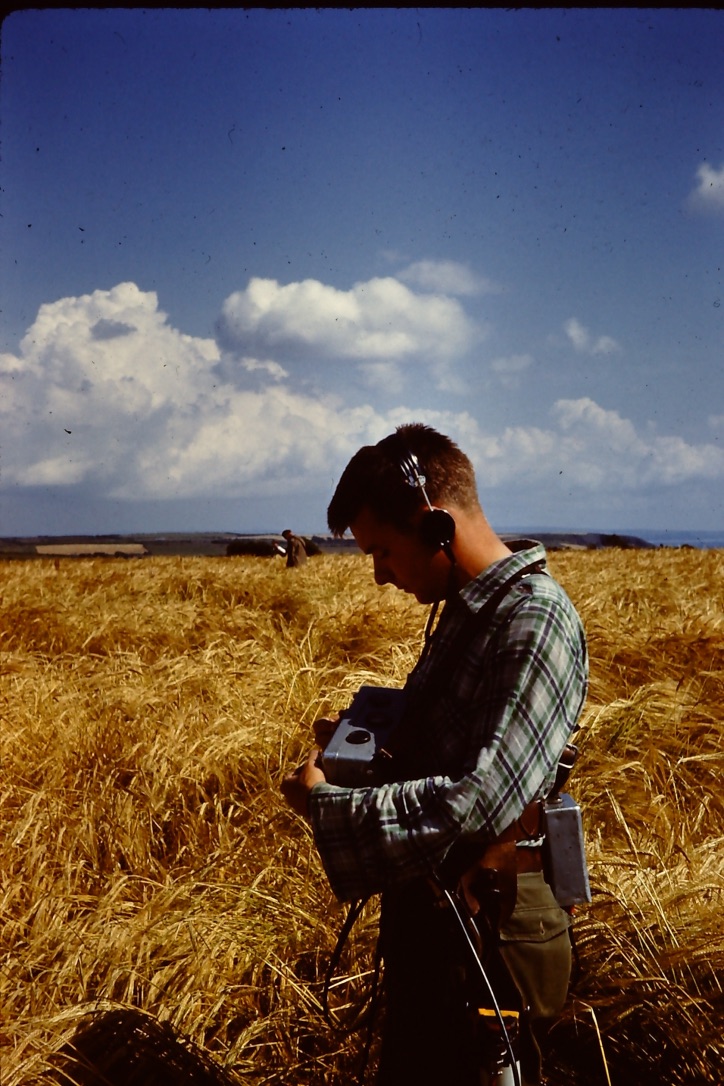
    AFMAG, Arizona, circa 1963

    An excerpt from Mining Geophysics: A Canadian Story

    “1975 marked the end of an era of experimentation, both in the laboratory and the field. Every day we were driven to try something new, not knowing whether what we were trying out would work or not. More often than not, it was the geophysicist who designed the instrument, not an electronics engineer. The geophysicist carried out the interpretation, often with little or no geological education. When computers appeared on the scene in the mid-1960s, it was the geophysicist who designed the algorithms and wrote the code. By and large, geophysicists spawned new companies, raised capital, and managed business affairs. 

    After 1975, most of that changed. Specialization took over from the one-man band. Though most geophysicists had some training in electronics and still formulated the input and output requirements, engineers—often without any geophysical education—designed the increasingly complex microcircuits. Computer scientists took over most of the data enhancement and processing requirements. Geologists, usually with a background in Geophysics 101, started making “pseudo-geologic maps” from magnetic or resistivity images. Wisely (in most cases), business graduates assumed the role of CEO and ran the day-to-day affairs, though raising capital still relied heavily on the geophysicist who had the vision and anticipated the future business path.  Foot-slogging in dense bush became less necessary as anomalies could be pinpointed by GPS and sometimes drilled without ground follow-up, and ground surveys were replaced by helicopters and more recently, drones. Portable instruments of all types became so automatic and easy to use, geologists and prospectors took over some of the ground truthing and reconnaissance work that was formerly the task of geophysicists. 

    Although mining exploration expenditures in Canada have levelled off to about double those in 1975, there are more than five times the number of mining geophysicists as there were in the 1960s and 1970s. KEGS membership ballooned from about 50 in 1960 to more than 900 in 2018. Close examination reveals that many of these are computer specialists who, if asked to sketch the magnetic response of a dipping tabular body at different latitudes on a black-board, would not know where to start. 


    Pre-order now for April 2019. Available in both hardcover and e-book format.
    https://store.cim.org/en/mining-geophysics-a-canadian-story


    About this Author

    When the modern age for exploration geophysics began more than four decades ago, Norman Paterson was one of its leaders. Today, he is known worldwide for his innovations in geophysical technology and skilled practice of geophysical techniques and interpretation.  

    Paterson has been praised the world over for the sound balance he achieved between the practical, applied science of geophysics and his professionalism and integrity. No matter where in the world his assignments took him, he always served as an excellent ambassador for the Canadian mining industry.

    (YOU WILL BE MOVED BY HER INSIGHTS.  I WAS.)

    At coffee time after the service in our local church, a tall, well-groomed man in a classic tweed jacket approached me. “Norm Paterson,” he introduced himself. “I understand you’re an author. I’m working on my memoirs. I wonder if you have time to look at them. Offer any advice?”

    I explained that I was currently Chair of The Writers’ Union of Canada (TWUC) and quite hard pressed for time but I encouraged him to carry on, complete a first draft and if he had any questions along the way, I gave him my card to contact me. I didn’t hear from him again until over a year had passed and I had completed my term as Chair of TWUC. Having my first novel published way back in 1971 when I was only 27, over the years many people have approached me with expressions of wanting to be a writer. I do believe there’s a book within everyone. Getting it out is the hard part. It’s rarely done. Few people have what it takes.

    But I do like to encourage and help older people to write their memoirs. The trick is not to leave it too late. Normally it should be done in your early 70s, before memory problems usually set in. I figured this Norm guy was in his 70s. I felt guilty that I hadn’t sufficiently encouraged or helped him. So, when I saw him, over a year later, in the church basement, I approached him and asked him how he was doing with his memoirs. He laughed in his ready, delighted manner and said, “Oh they’re finished and printed up. You can read them… if you’d like to.”

    I read them with quiet amazement. They told of a high achiever’s life, a family man inducted into a Hall of Fame. Norman was a geophysicist which, I gleaned from his memoirs, was a kind of brainy miner who developed instruments to discover mines, instead of having to dig pits to discover mineral rocks.

    While doing his undergraduate degree in engineering physics at the University of Toronto, at the end of the Second World War, Norman met Sally in physics class and they married after graduating. A woman doing physics in the 1940s, I mused, is a good match for a geophysicist. And it certainly was. I read on about a long good marriage, Sally raising their four children while Norman got his PhD then worked with geophysicists discovering mines across Canada and internationally. Eventually Sally could join him on his more comfortable international expeditions. India, Brazil, Thailand, Botswana, to name a few.

    Meanwhile, Norman had formed one and then another company based in Toronto but operating internationally, using and inventing new instruments to map and explore the world’s natural resources. Between 1960 and 1975, the new mine discovery rate expanded from one mine per year to more than a dozen.

    For his inventions and explorations, Norman Paterson was made a Fellow of the Royal Society of Canada. He was also an adjunct professor in geophysics at Queen’s University. He retired from full time work in 1992 but continued consulting work including trips to Venezuela and Mexico. In 1999 he was inducted into the Canadian Mining Hall of Fame.

    I calculated he would have been 73 then. The right age to do his memoirs. But he was too busy working, including volunteer work. One of his projects was working with a Grey County environmental group in regulating the extraction of water for bottling and exporting. He did an in-depth study of global warming, adding to his long experience in writing scientific papers. I read a couple of them and found the writing clear, concise and pretty much jargon free. It was not so surprising then that his memoirs flowed with a casual pleasant prose.

    In retirement Norman and Sally had moved to a scenic farm property in Beaver Valley where their pastimes of tennis, swimming, hiking, skiing could be more easily pursued. Add to that Sally’s love of creating beautiful gardens and landscapes and Norm’s love of painting them. But, as Sally later explained to me, “Norm can’t stop working. He’s always writing things up. He needs a project.” Maintaining the farm property was getting in the way of that. They sold it and moved into a house in nearby Thornbury. One of their sons runs a resort in Costa Rica, a perfect place to spend the snow shovelling months. So, in their 80s they built a winter retreat near their son in Costa Rica.

    I did more math and calculated that Norm, born in 1926, had approached me about doing his memoirs when he was 87. Not 77! I sincerely congratulated him on actually doing his memoirs, not just talking about doing them, and doing them extraordinarily well. The material was well organized. It had perfect grammar and punctuation, good humour, intelligence and wisdom without a hint of moralizing throughout the narration of his life story. “This is a treasure to leave for your family,” I said with finality. “I wish more people could do this.” “Now I’d like to write a novel,” he said.

    Oh no! I groaned inwardly. How many people have said that! And they say it to authors who have spent their lifetime flailing around in the mugs’ game of writing. Struggling to make time to write, to earn a living in order to write, trying to make each book its own perfect book, trying to feel again the privilege of being a writer when disappointment strikes.

    “Really?!” I said, thinking of what Margaret Laurence, the matriarch of Canadian literature had replied when yet another person said to her, “When I retire I’m going to write novels.” “When I retire,” Margaret responded. “I’m going to be a brain surgeon.” But I said none of those things to this retired 88-year-old geophysicist. He seemed to me to have the delighted anticipation of my 8-year-old grandson. I said, “Let’s have a conversation about what kind of novel you want to write.” “Nothing very great,” said Norm. “A little mystery.”

    We had further conversation. Then Norm and Sally went to Costa Rica for the winter. Four months later Norm returned with a full first draft of his novel, Finding Mildred. I don’t personally choose to read mysteries. I always fail to care who dunnit. But I appreciate believable characters, a strong story line, good dialogue, vivid setting, realism and a story that deals with something of importance. Finding Mildred has all of those qualities. And I love that it is set in our area. So few Canadian writers now set their stories in Canada.

    Norm’s novel is a light but intelligent ‘read’. It touches lightly but importantly on the subject of drugging in retirement homes. You can see the orchards, walking paths, pleasant homes and life style of our community on southern Georgian Bay. Even I got caught up in the chase for the villain at the end. There was only minor editing to do. Well within a year, Norm had written and self-published this short novel. He did the charming painting for the front cover.

    He had a well-attended launch at The Blue Mountains Public Library and continues to have the book sold at Jessica’s Book Nook in Thornbury.

    The following year he did it all again with another short mystery titled The Case of Mary-Rose. This one is set on a cruise ship and gives us some interesting info on the Panama Canal. Mary- Rose’s case involves a light, tastefully written incidence of what I would call off stage date rape. Norman Paterson is too classy to use such expressions. I see Mary-Rose as a bit of a vixen and suggested she have a more modern, telling name. I was pushing for Pirette. Norman retained Mary-Rose. I learned Norman Paterson has always stood his ground.

    By now I was bragging about my friend and colleague, Norm who published his second novel at age 91, just a year after his first. Norman the Phenomenon, I was calling him. I whose previous novel, City Wolves had turned into a ten-year project with all the research involved. And it was taking me nearly as long to make progress on my current novel. Norm had the sensitivity and wisdom not to remind me of that.

    Then the ground began to be taken out from under him. Sally, his true mate of nearly 70 years began to feel very ill. For years she had been nudging him to do the most important book he could do, a history of mining geophysics in its hay days, the 1950s to 1970s. Norman had evaded it. I know the feeling!

    Sally was found to have inoperable cancer. Norman tended her faithfully. After she died bravely and peacefully surrounded by Norman and family, Norman did something I’ve never seen a husband be able to do adequately. He wrote a Lives Lived about Sally for the Globe and Mail that did full justice to her fine character and outstanding achievements. He accepted the slight editorial help that was needed.

    And then, before he could let himself sink into the dark hole of grief, he pulled himself up to write the most important book of his life, as requested by Sally. A book on the history of geophysicists in the 20th century.

    He did it within the space of a year. It was eagerly accepted, edited and published by the most prestigious science publisher, CIM, The Canadian Institute of Mining, Metallurgy and Petroleum.

    Mining Geophysics: A Canadian Story. The people and events that made Canada a global leader in mining exploration in the 20th Century, by Norman Reed Paterson was published in March 2019, when Norm had just turned 93. With insight, gentle humour and clarity, it tells of the great people, the learned guys who got their feet dirty, using their inventions to explore and map mines across Canada and internationally.

    Entertaining and educational, it can be ordered at bookstores and on-line. It belongs in every library, including yours and mine. I will be giving it to my grandkids when they are considering career paths.

    Norman Paterson doesn’t endorse my calling him Norman the Phenomenon. “I’m just Norm who enjoys a good conversation,” he tells me. His next project is in support of developing geothermal sources of clean energy. |E|

    MY FINAL WORD

    In all those years I worked with (and for) Dr. Paterson I tried to keep the real me hidden.
    I was really an historiana teacher.  Not a lofty geophysicist.  Not an engineer.   Even though I spent
    ten summers of my life doing the work of engineers.  I was startled to discover that Norman Paterson
    had a hidden life beyond the blips of anomalies.  He wanted to be an author.  And he became one when
    he turned 87.

    Norm asked me to speak to his friends in Thornbury a few years ago.  Dr. Paterson we have several
    things in common.  On one job you mentioned that in your early days doing field work you took
    your wife along with you into the semi-wilderness.  Well, Norm, I took Marjorie with me on the last
    two summers working for you.  Perhaps you did not know this  On the final job, in Merrit, British Columbia
    …a seismic job to determine if the open pit was stable.  Big job.  Marjorie joined us on that
    job,  The Mine geologist and the mine manager assumed Marjorie was a hooker I had met
    in Vancouver.  No matter how many times I said she was my wife, they snickered.  “So, Marjorie,
    you may as well accept that.”

    When you thanked me for that speech, I remember you saying “Alan was always a bit precocious.”
    Which could be true.  But one thing was certain.  Trust!  I could be trusted to do the job no matter
    where in  the world I was sent.  Alaska, Yukon, Ireland, Niagara Falls, Timagami, Marathon,
    Paradise Lodge, Pokiok Falls, Merritt.     Thanks Norm.


    alan skeoch
    March 39, 2022


  • EPISODE 560 NASTY MARCH SNOWSTORM… SOMETHING FORGOTTEN

    EPISODE 560    NASTY MARCH SNOWSTORM…SOMETHING FORGOTTEN


    alan skeoch
    March 2022

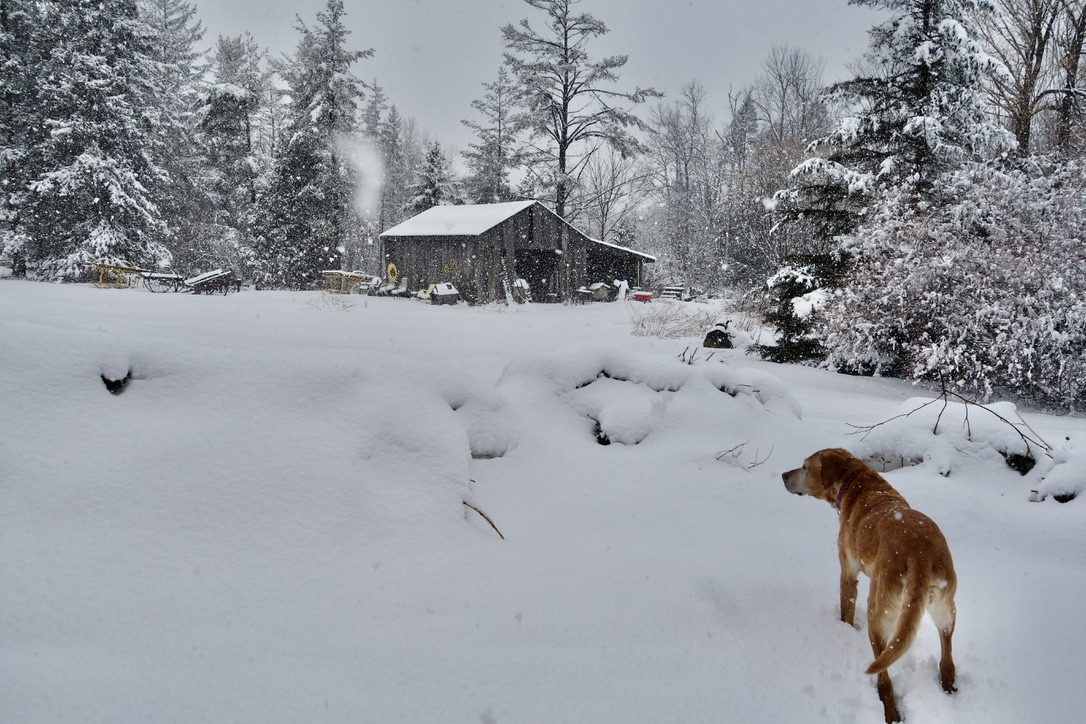
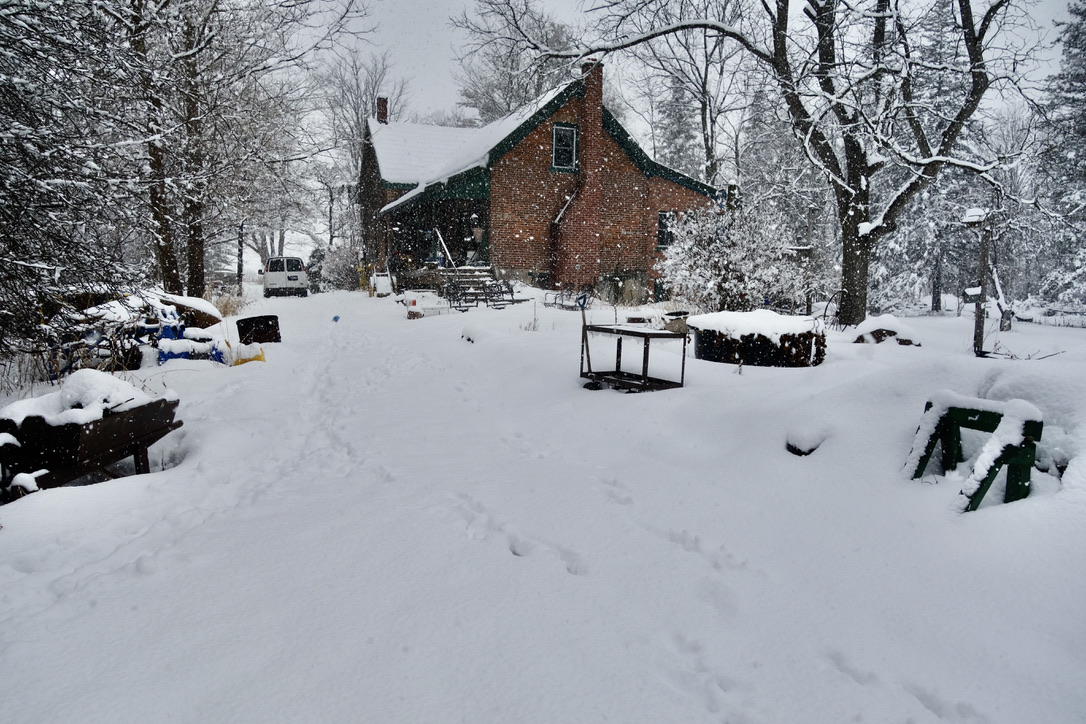
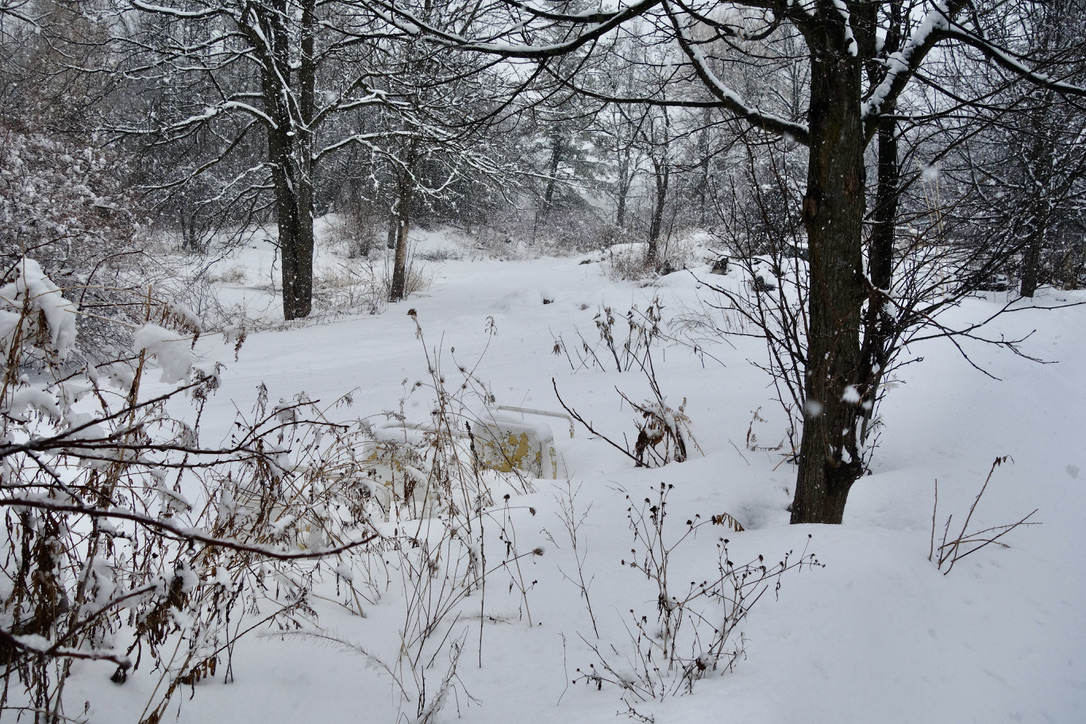
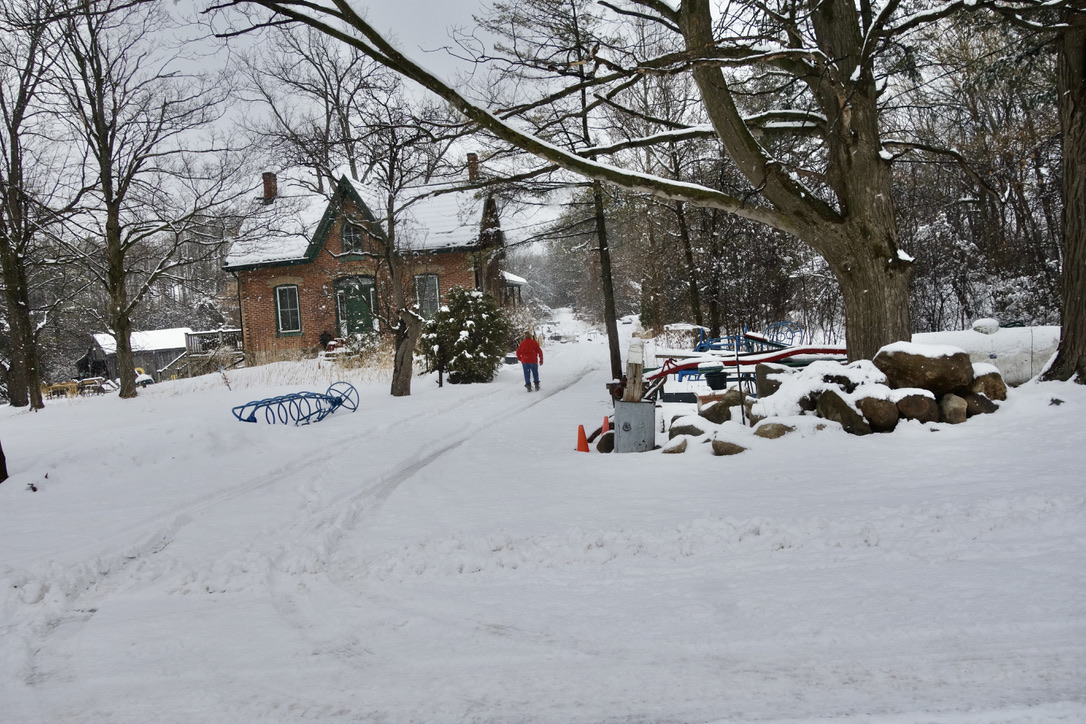
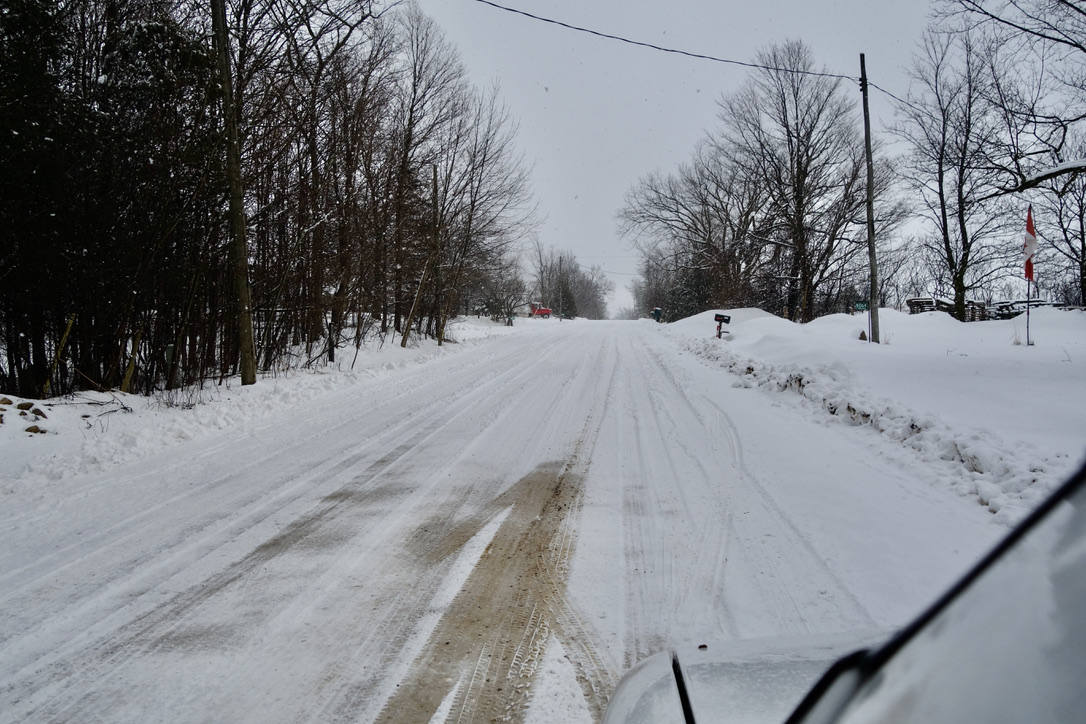
    WILL winter ever end?  Some of the most bitter weather was saved up for the last of March.
    No big story here just a snowstorm turnaround that has happened to everyone.

      Just something that we have all done in our lives.


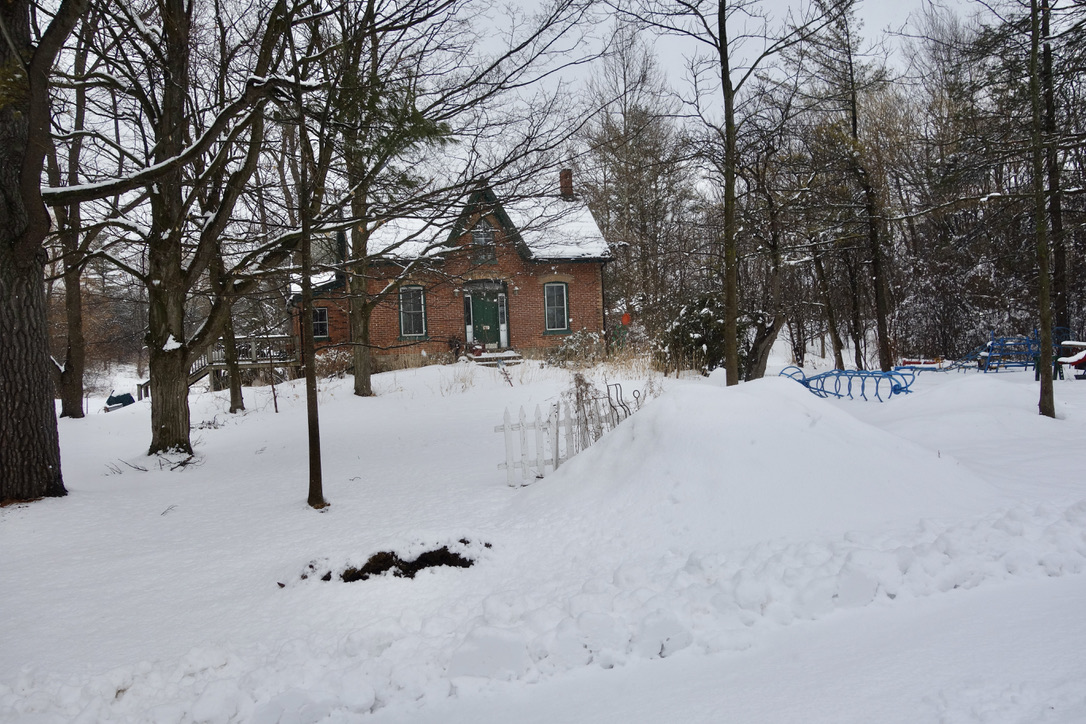
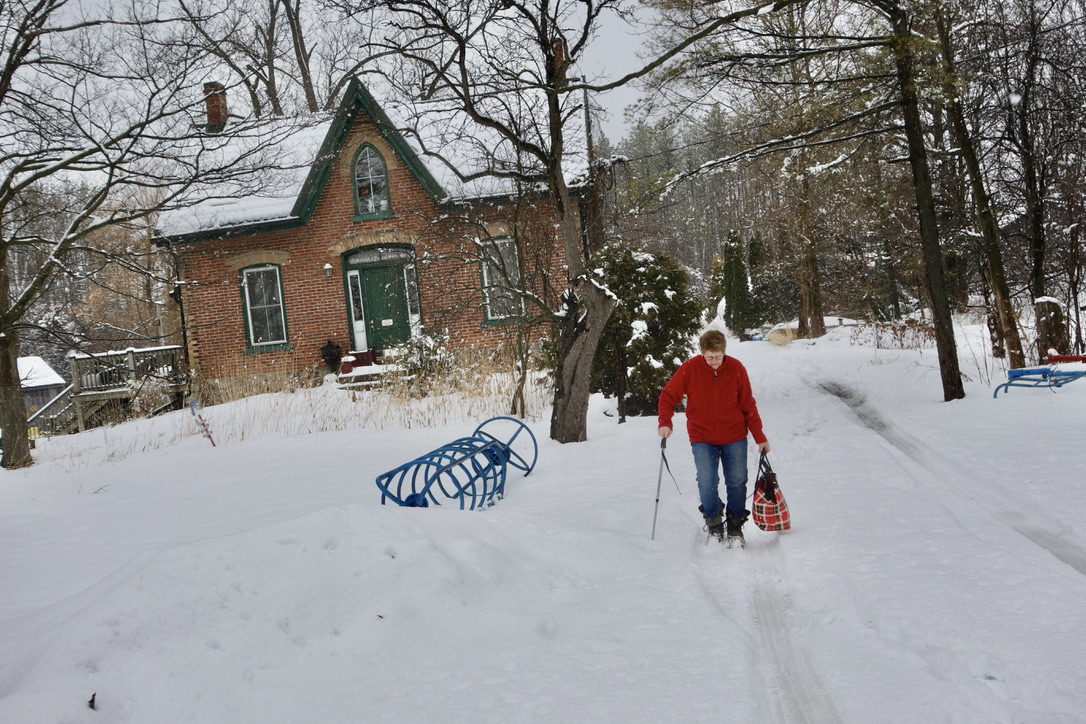
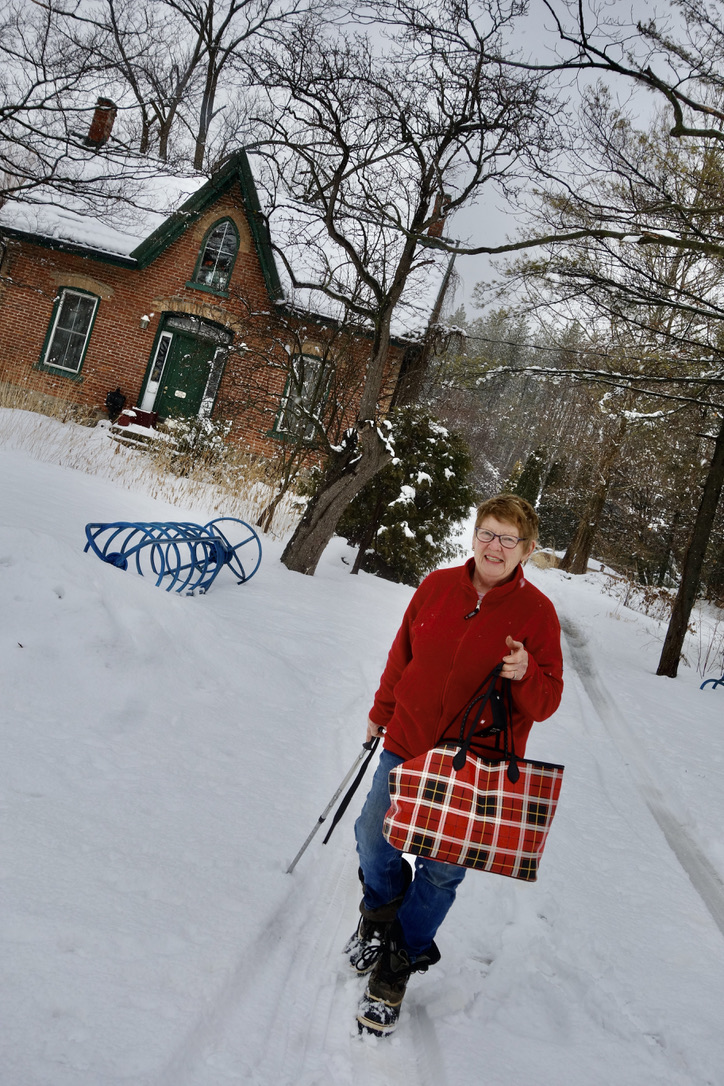
    We played a game of Scrabble as  the wind howled and snow fell.   Then decided to
    pack up and head home.   Headed down the road with relieved… when Marjorie said” “Did you get my purse?”
    “Never saw it.”  “Turn around — purse is on back porch.”


  • Fwd: BLACK CHERRY LOGS TRANSFORMED

    EPISODE 589    BLACK CHERRY LOGS TRANSFORMED


    alan skeoch
    March 2022


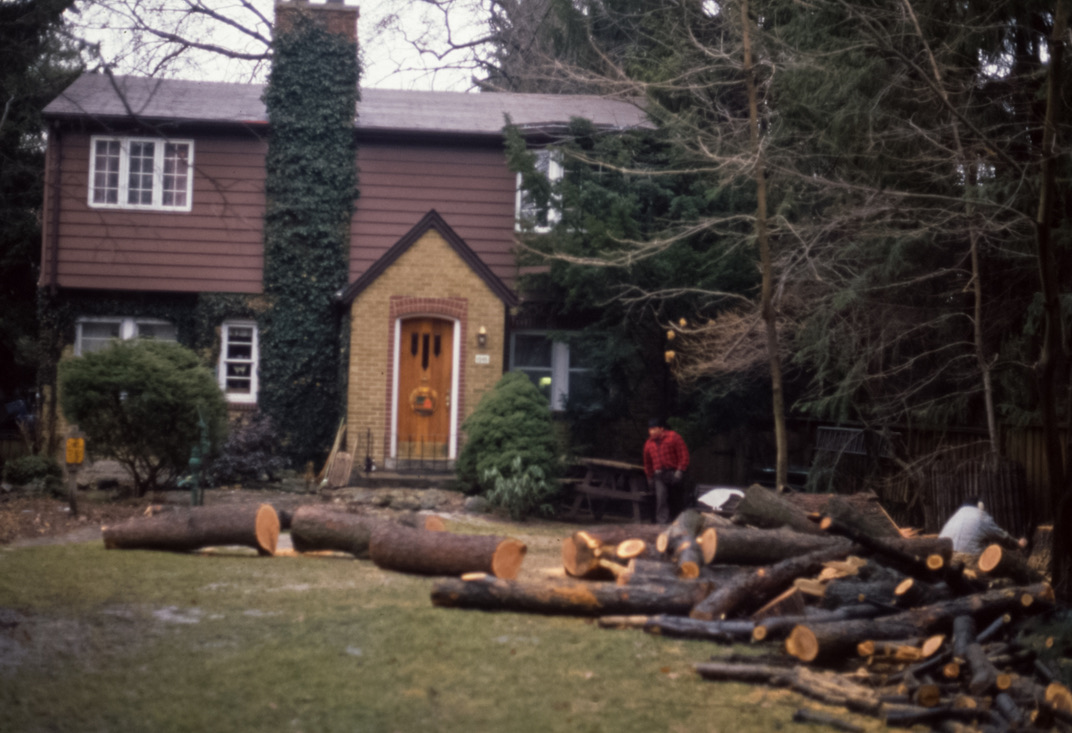
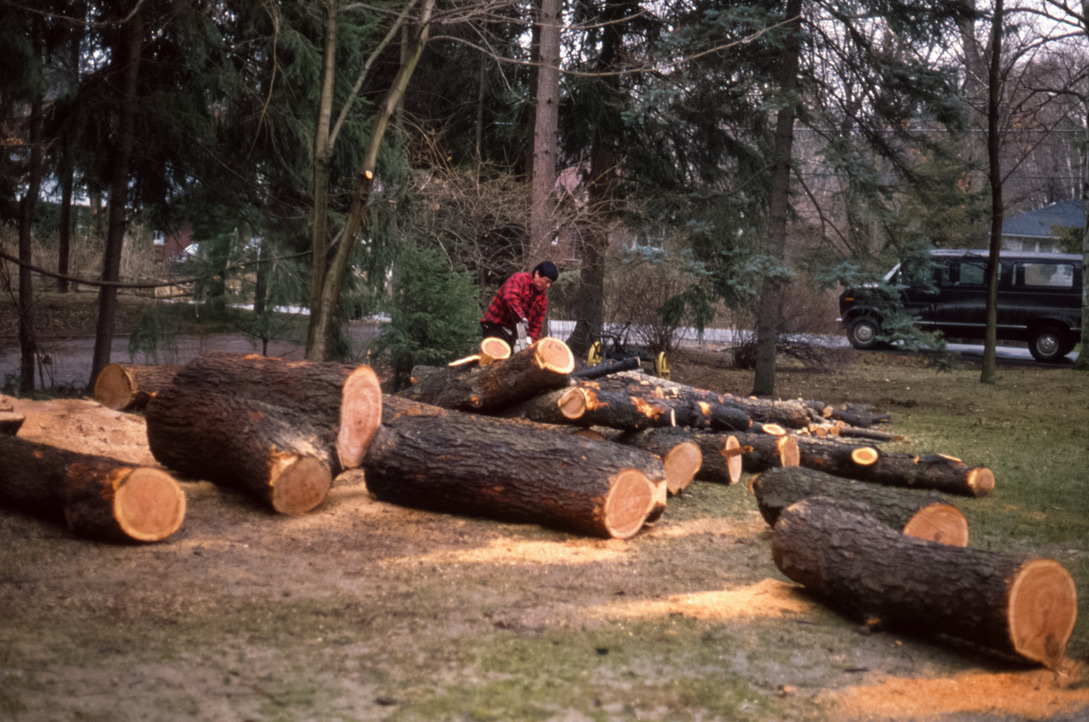
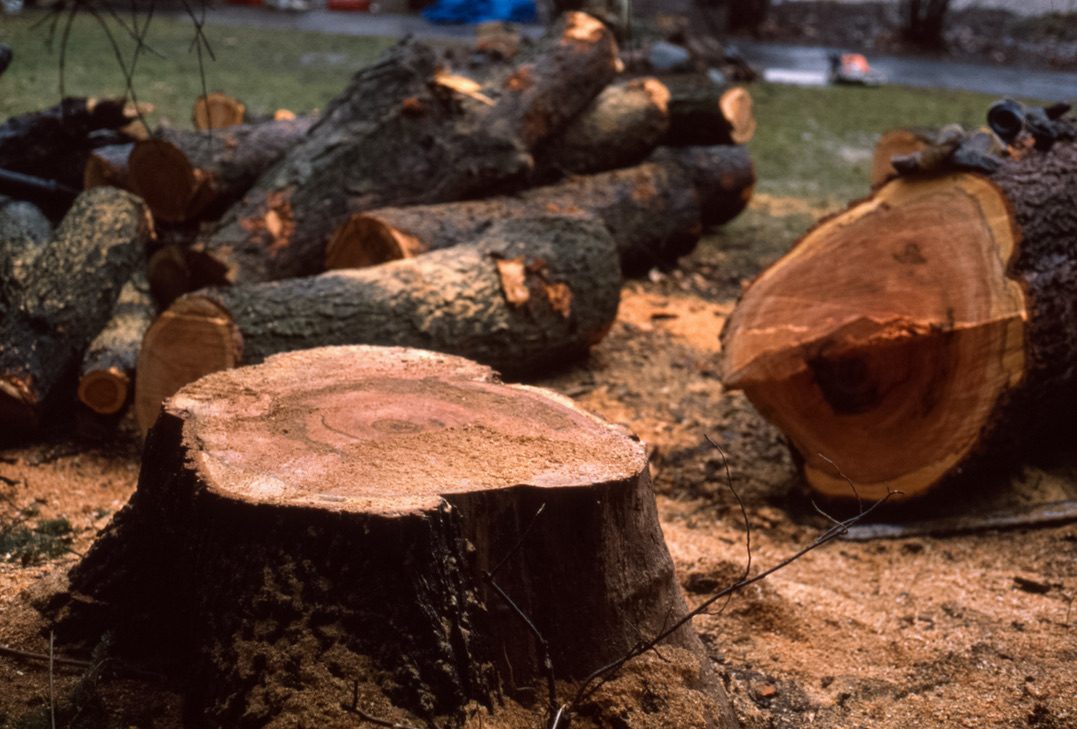
    Once upon a time we had a beautiful black cherry tree living beside our house.  Mature. Reaching
    for the patch of blue sky above our spruce grove. Then we cut it down.   The reason we did this
    is not clear because that happened years ago.

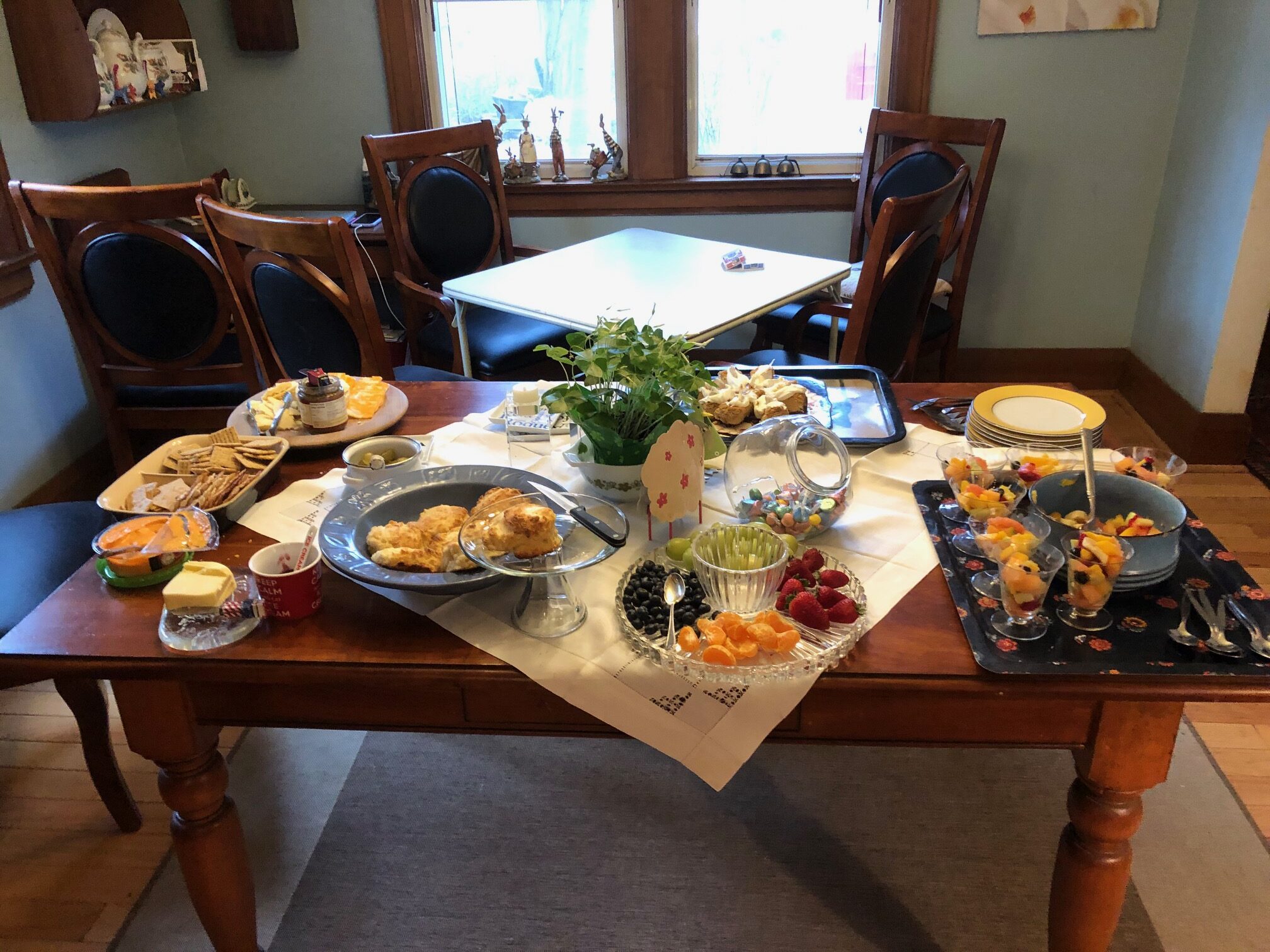
    Waste not want not.  We had the logs cut into lengths for the saw mill and what resulted is in
    the final picture below.  In short, the cherry tree is still with us…used every day.  In this case
    loaded with special entertainment foods as Marjorie has everything set for a game of bridge
    with her friends.


    The Black Cherry tree is gone.  Sort of.  Not really gone. Let’s say transformed.  Look out the window.  That is where the tree once stood.  Now it still
    stands nearby loaded with food.

    alan skeoch
    March 27, 2022

    Black cherry trees make wonderful furniture as the planks age to a deep reddish colour…warm, inviting,  But do not eat the wood or
    chew the sawdust.  Poisonous.   The wild cherries, however, are sort of edible. Birds love them.   As for the logs, it is a shame that so
    many wild cherry trees are cut into firewood.   That should never happen.  The new saw mills, using heavy duty band saw blades can
    convert logs into lumber cheaply.  
  • EPISODE 557 MA[;E SYRUP MAKING IN 1970 ALAN SKEOCH AND FAMILY


    EPISODE 557   MAPLE SYRUP MAKING IN 1970

    alan skeoch
    March 25, 2022

    SOME of our fellow teaching friends drove or flew to exotic places on the March school break
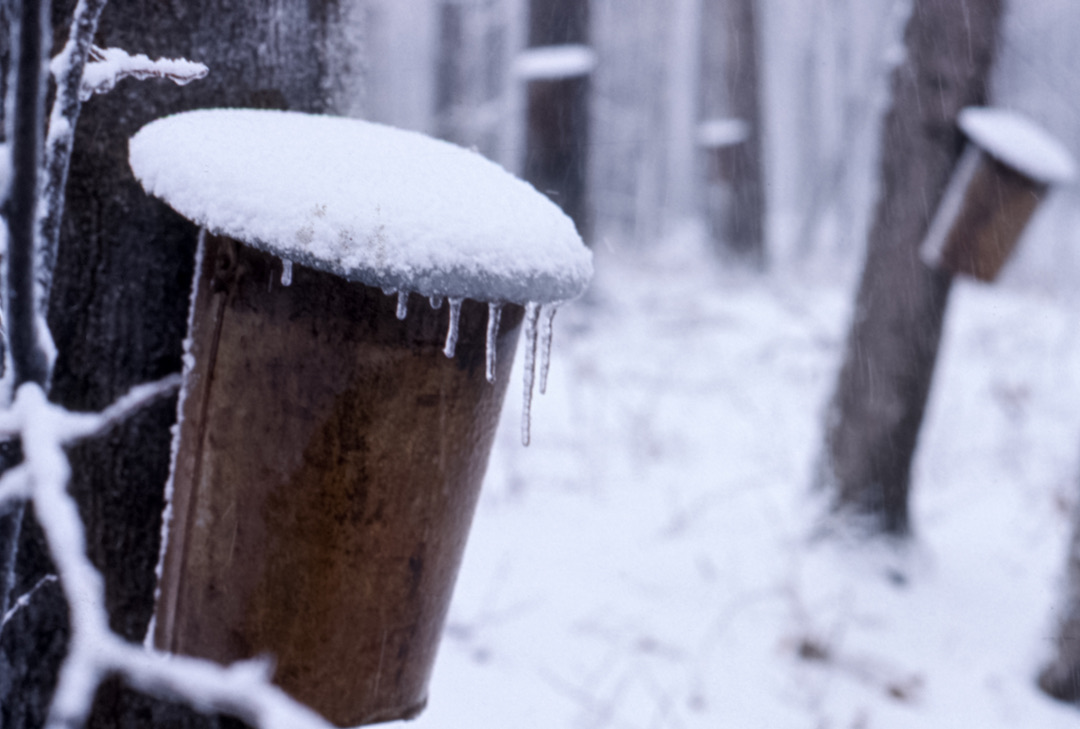
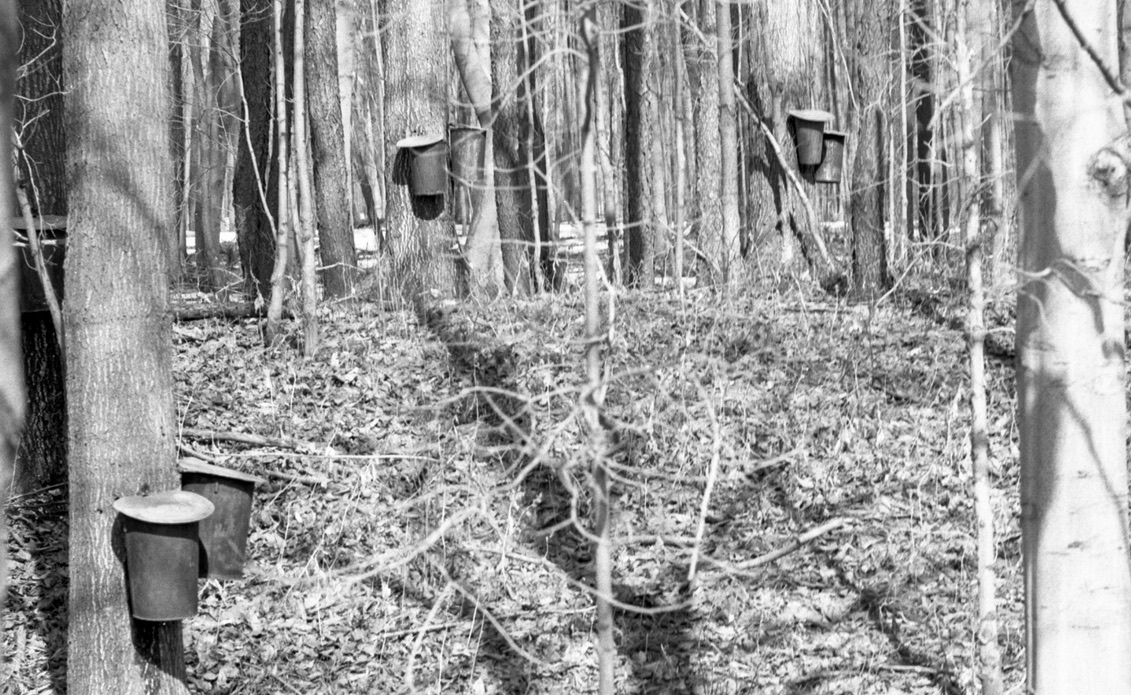
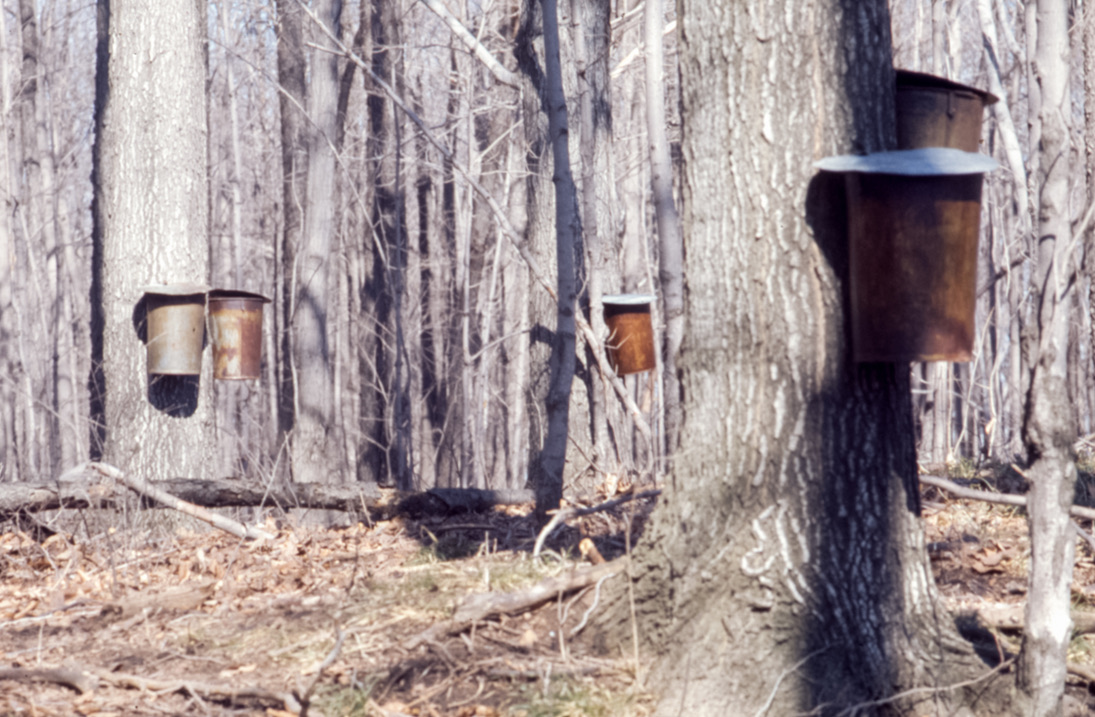
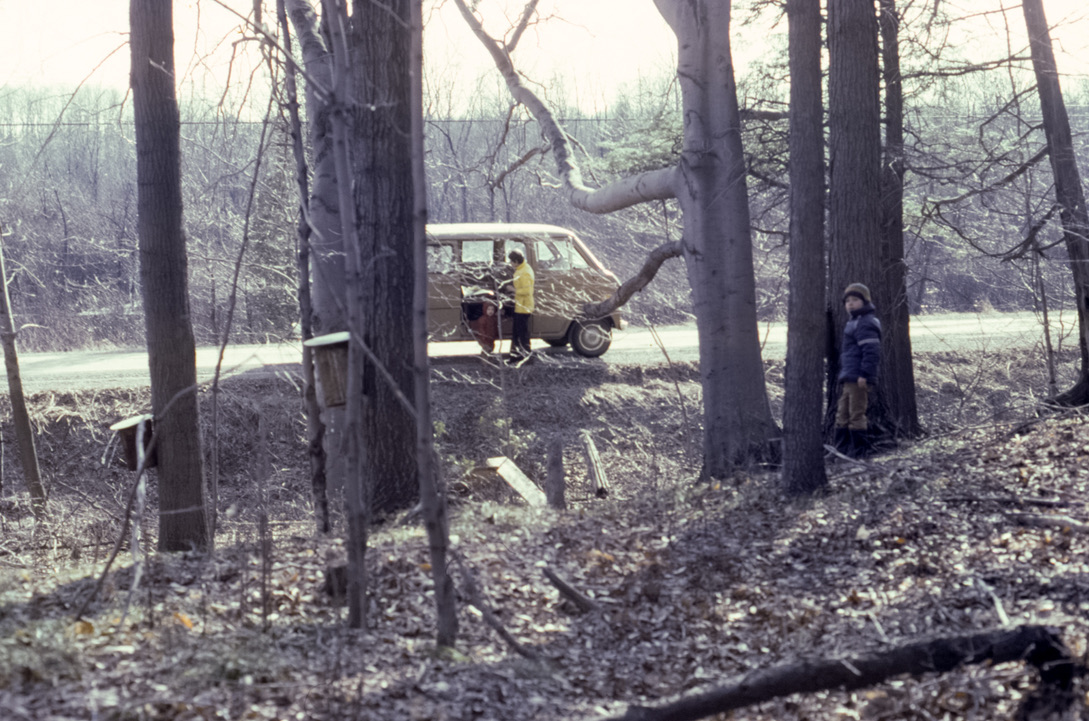
    in the 1970’s.  We had a better plan.  March Break was maple syrup time.  Simple to do.  I had a huge
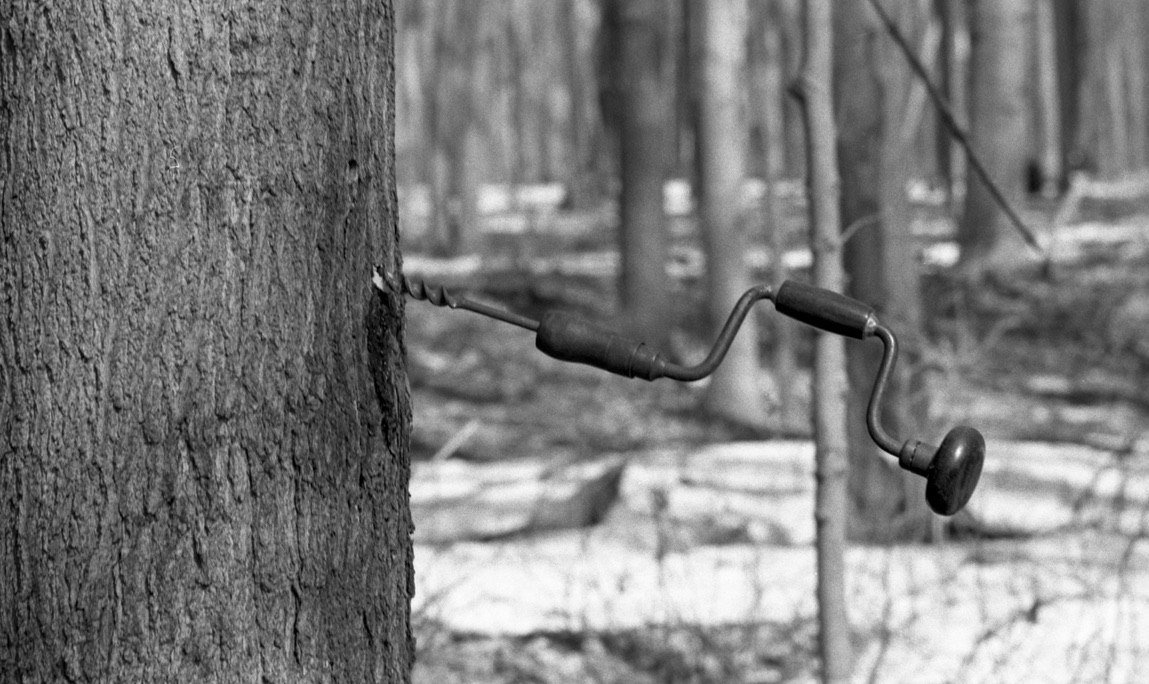
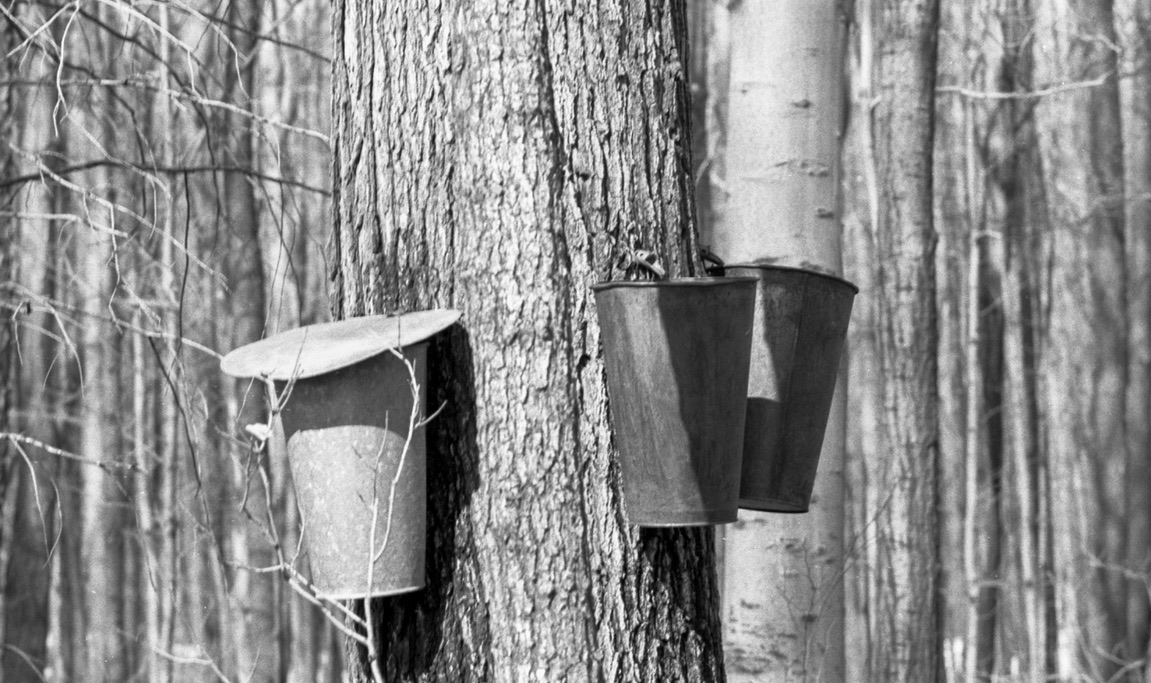
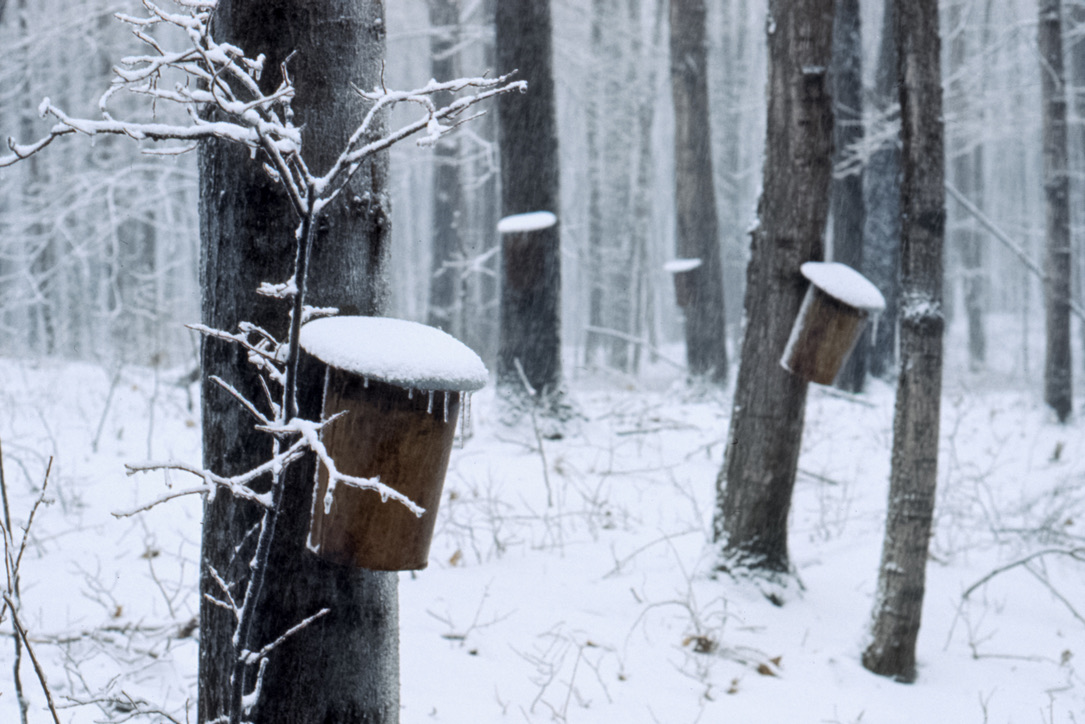
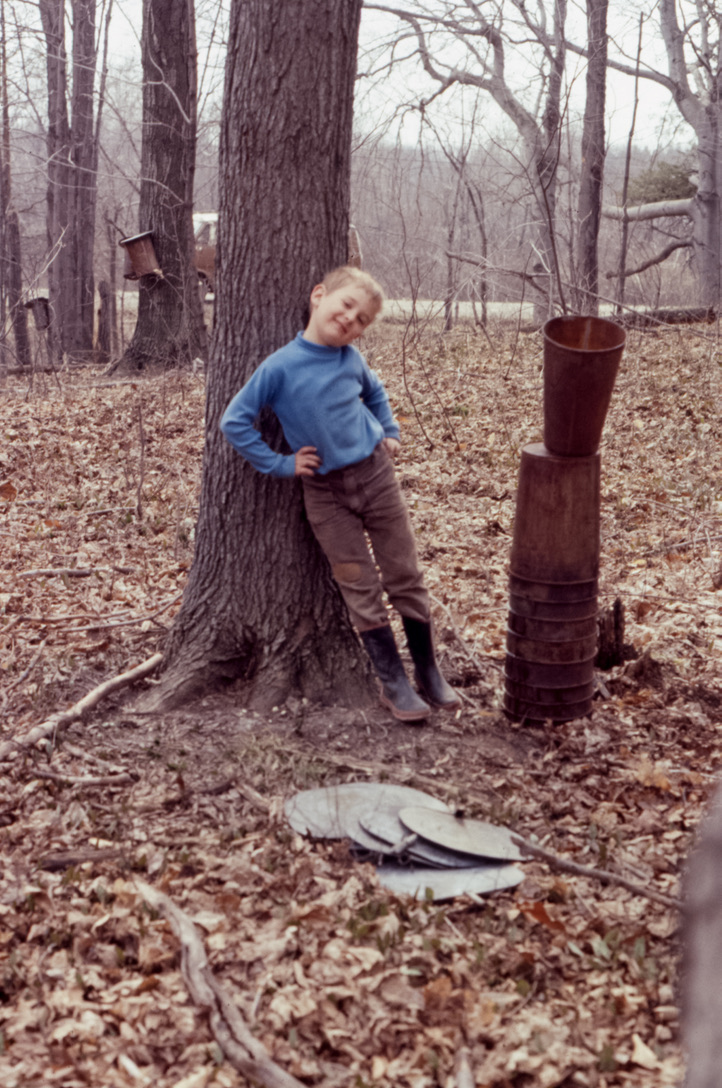
    supply of sap pails and piles bought at farm auctions.  All I needed was a brace and
    bit.   Lorne Saunders said we could use his maple trees over on he Fourth Line
    of Erin Township.  Must be 500 trees available.  We only needed 20 or 30.  But we had to
    get the trees tapped on those special warm days and cold nights of the month of March.


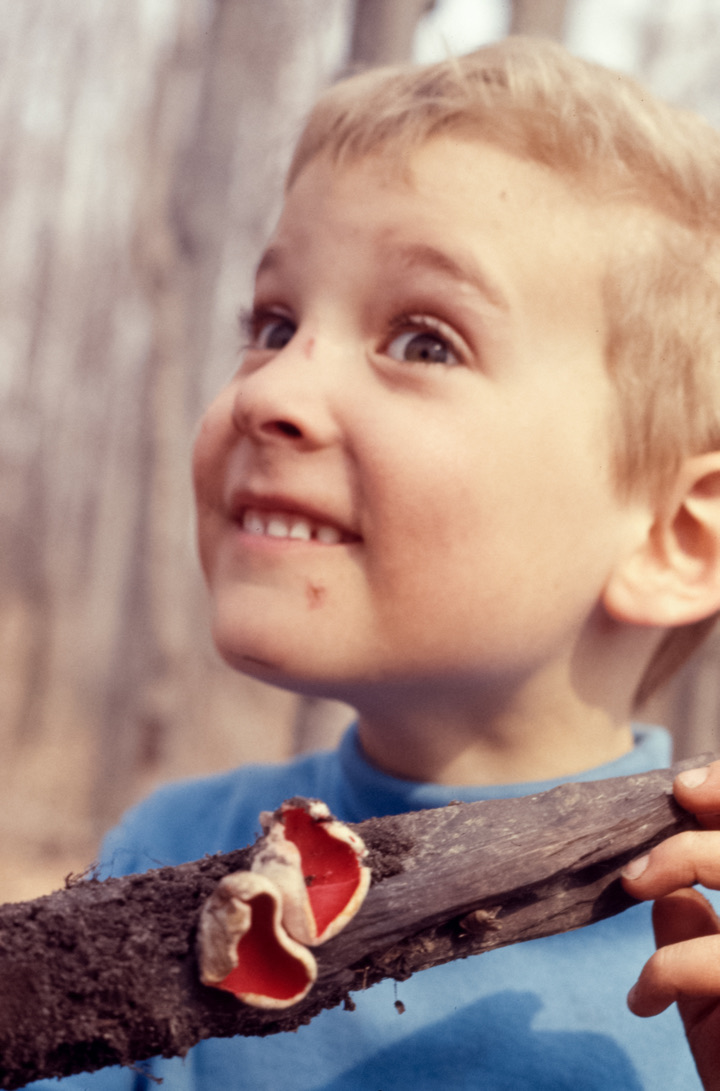
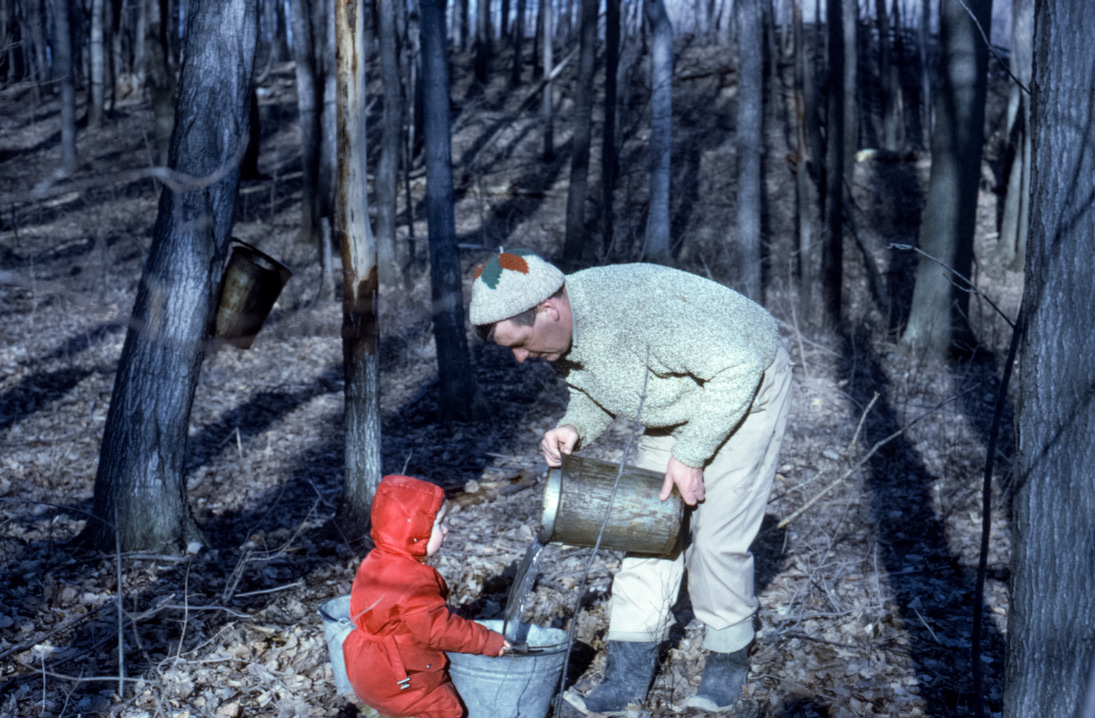
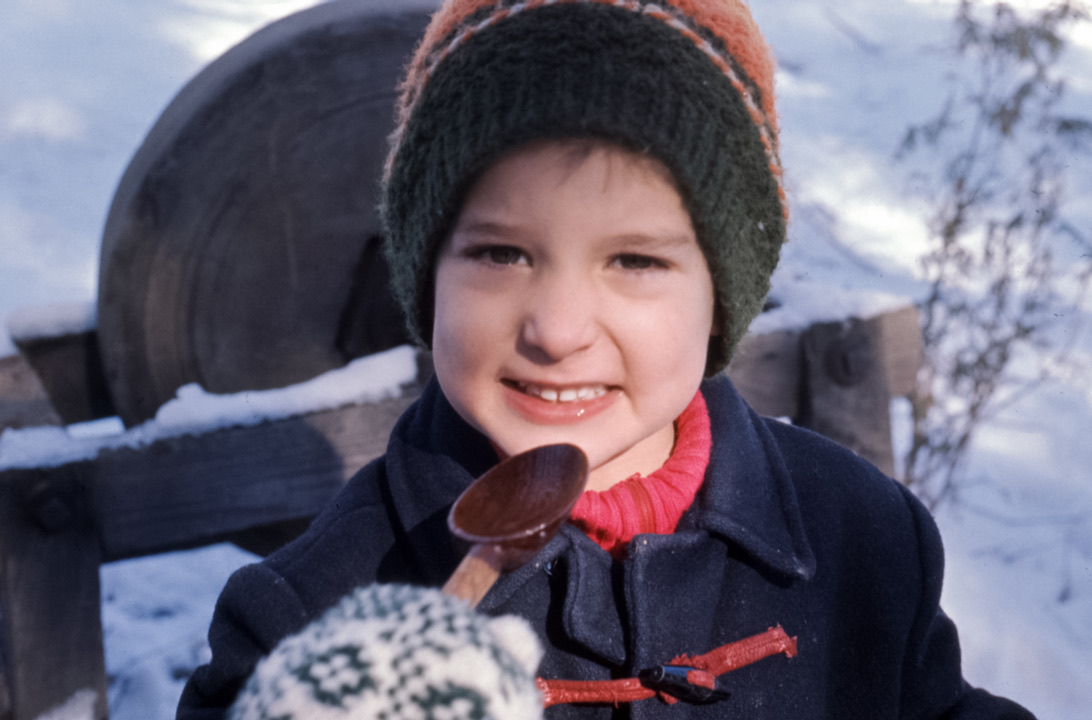
    ‘Our two boys were delighted.  Here Kevin found a weird fungus on one of sap
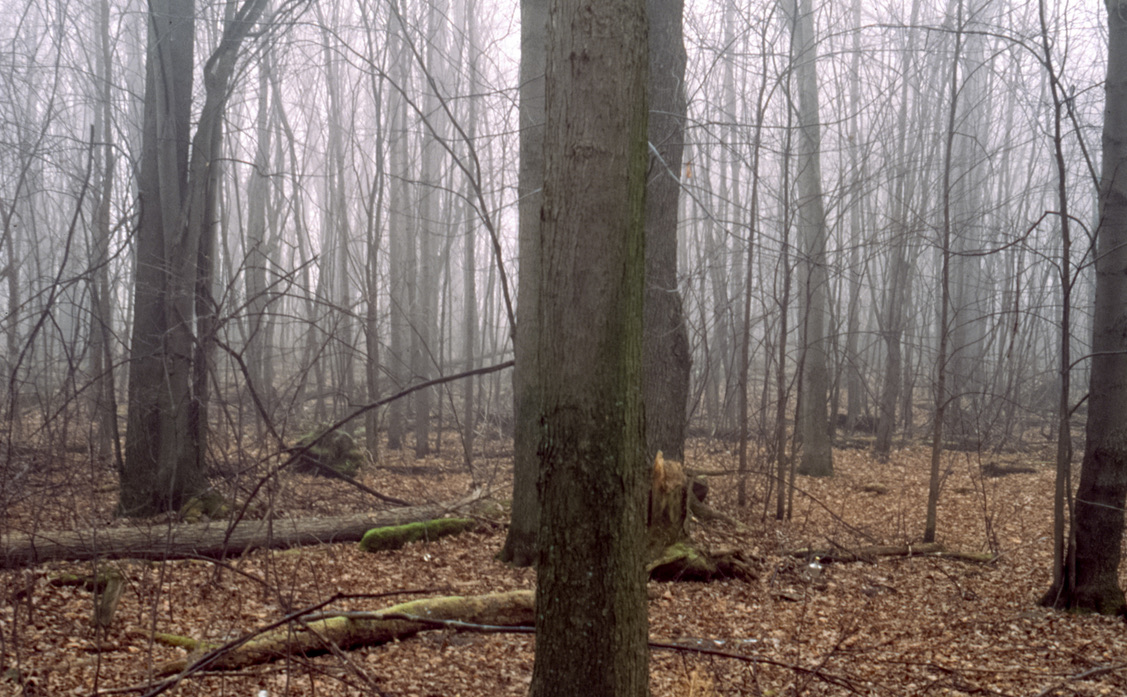
    running afternoons.  March is a wonderful month where it feels great to be alive
    after being cooped up in the house for winter.


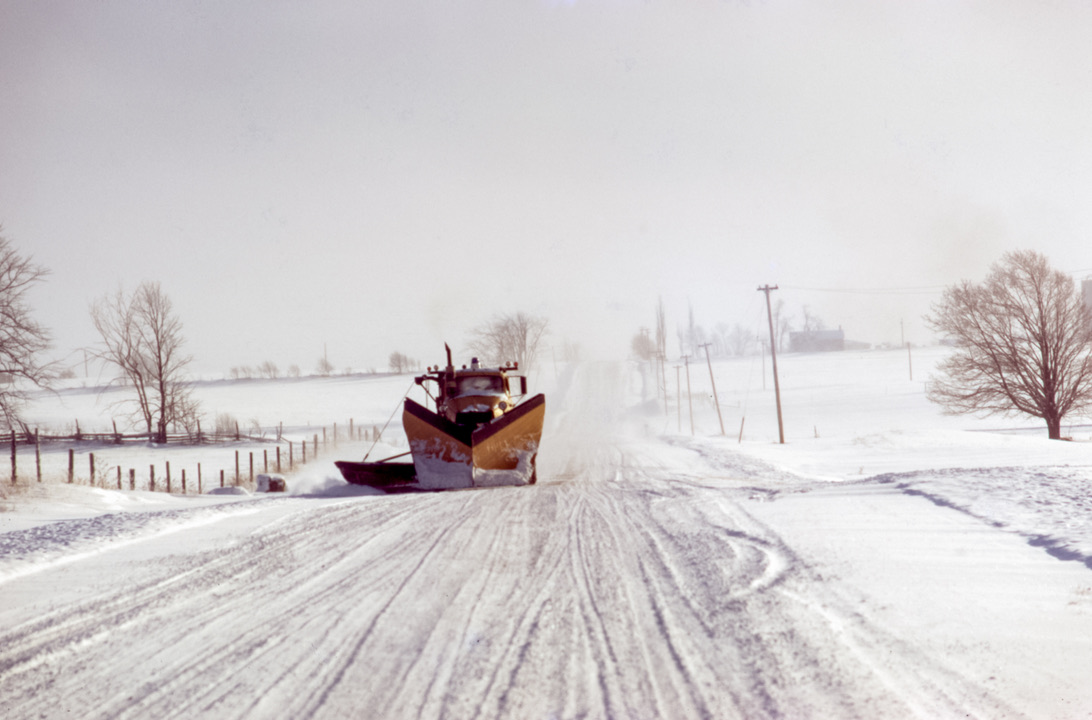
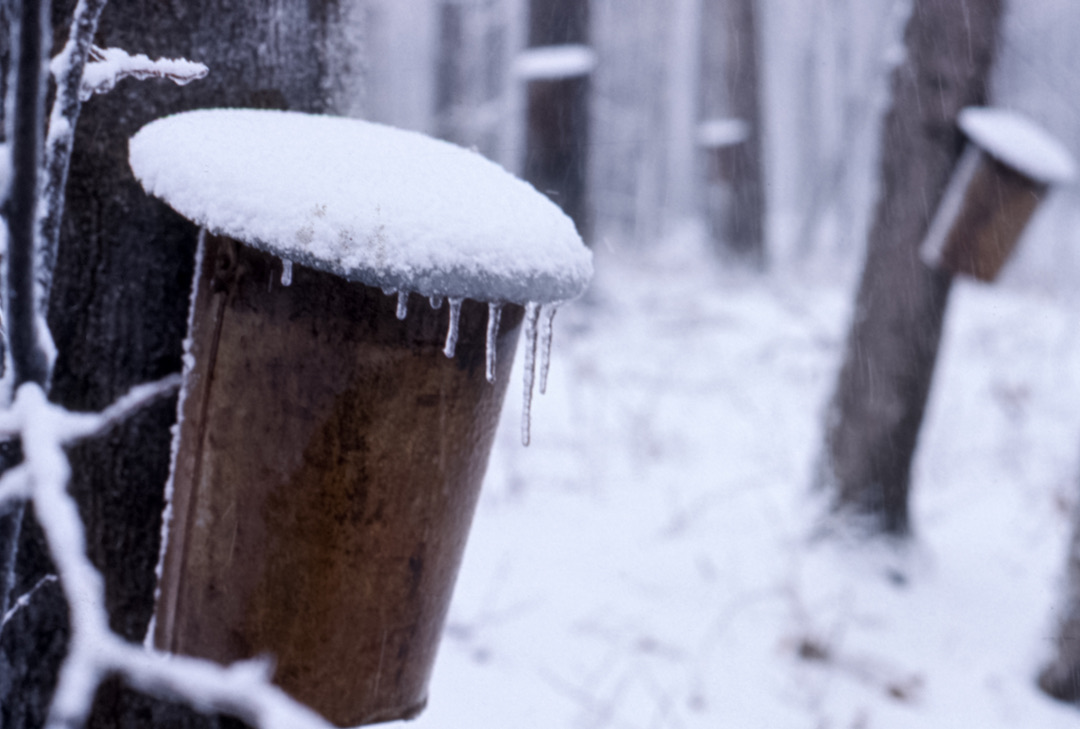
    Don’t get me wrong.  Sap tapping days can have big snowstorms.   Winter is still present.  But weakening.


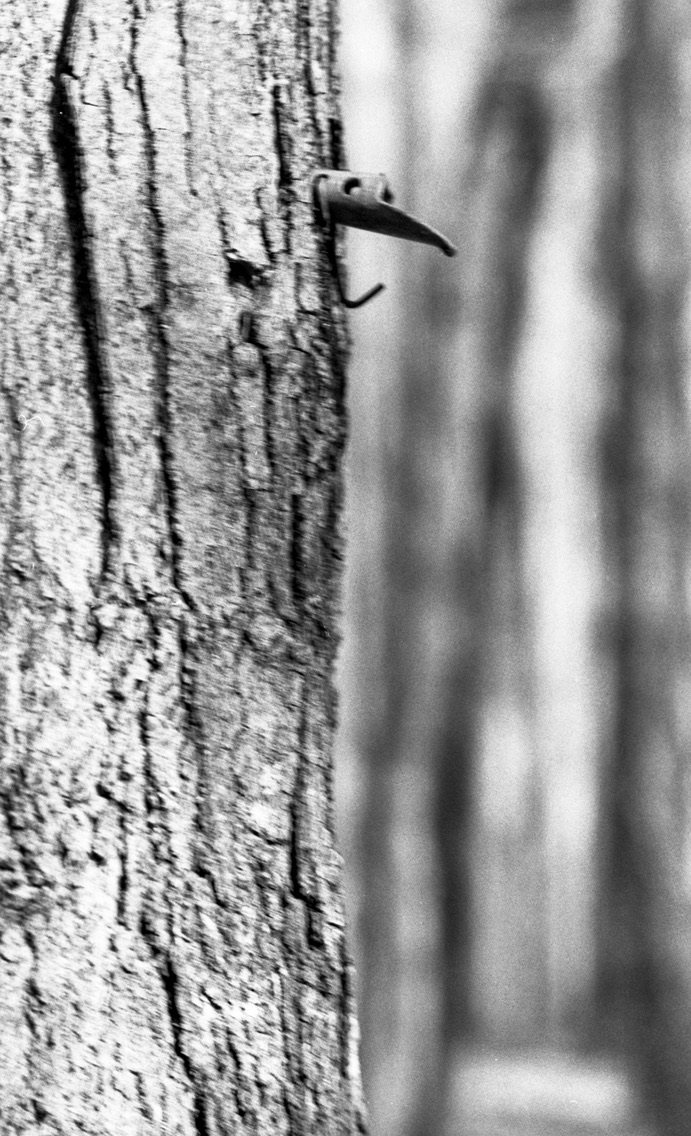
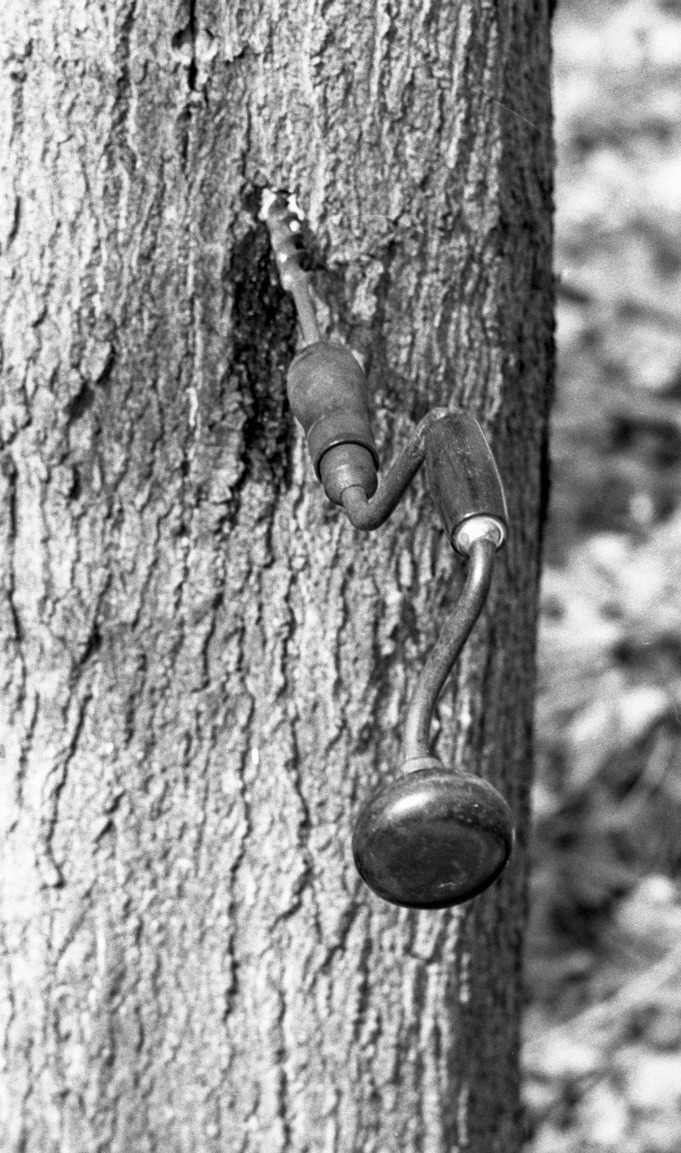
    After drilling a gentle hole and tapping the pile in place, the sap usually begins to run right away.
    Make sure to drill the hole so it  slopes down gently….so sap can run.


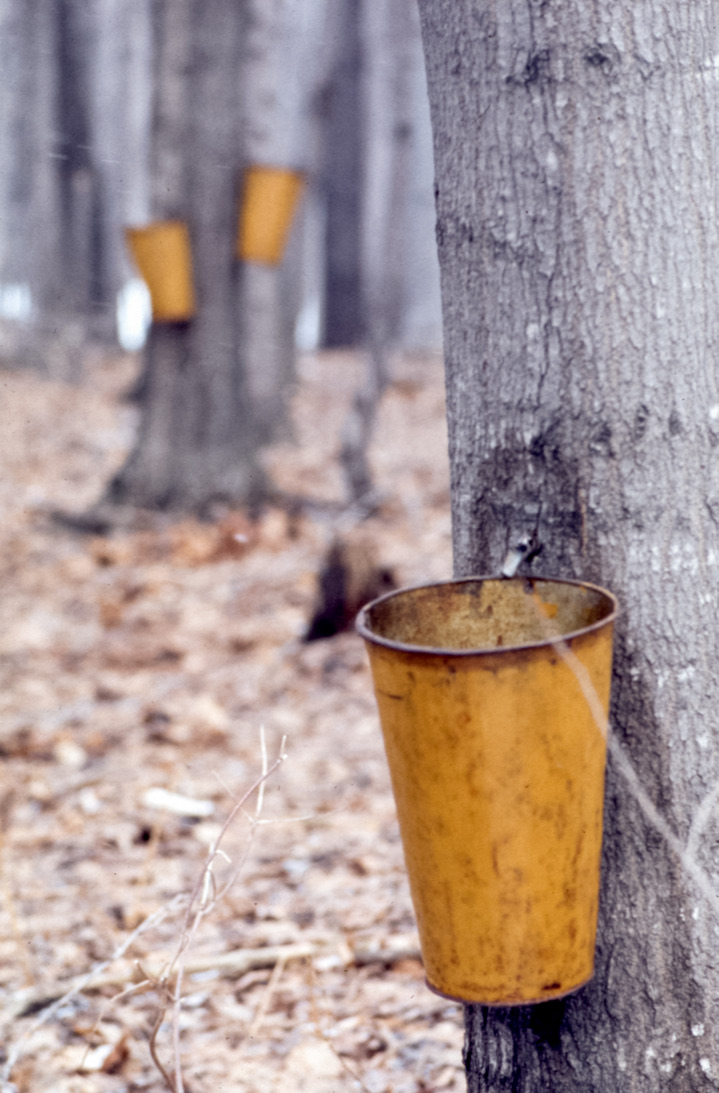
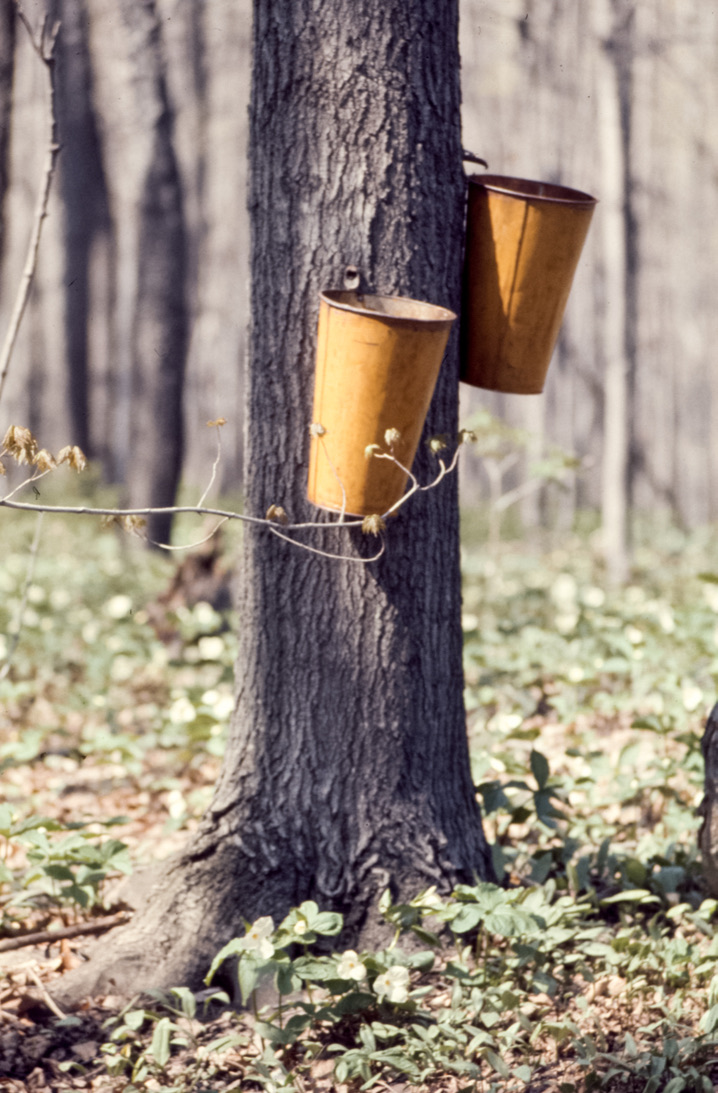
    These old orange pails looked best. Like flowers in the forest.

    Some days no sap would run because the weather was freezing.


    And it was easy to know when the sap gathering days were over.  The spears of wild garlic
    popped up all over the forest floor.  And flies began to cluster around the sap spiles.  The sap
    changed….like milk that has gone sour.


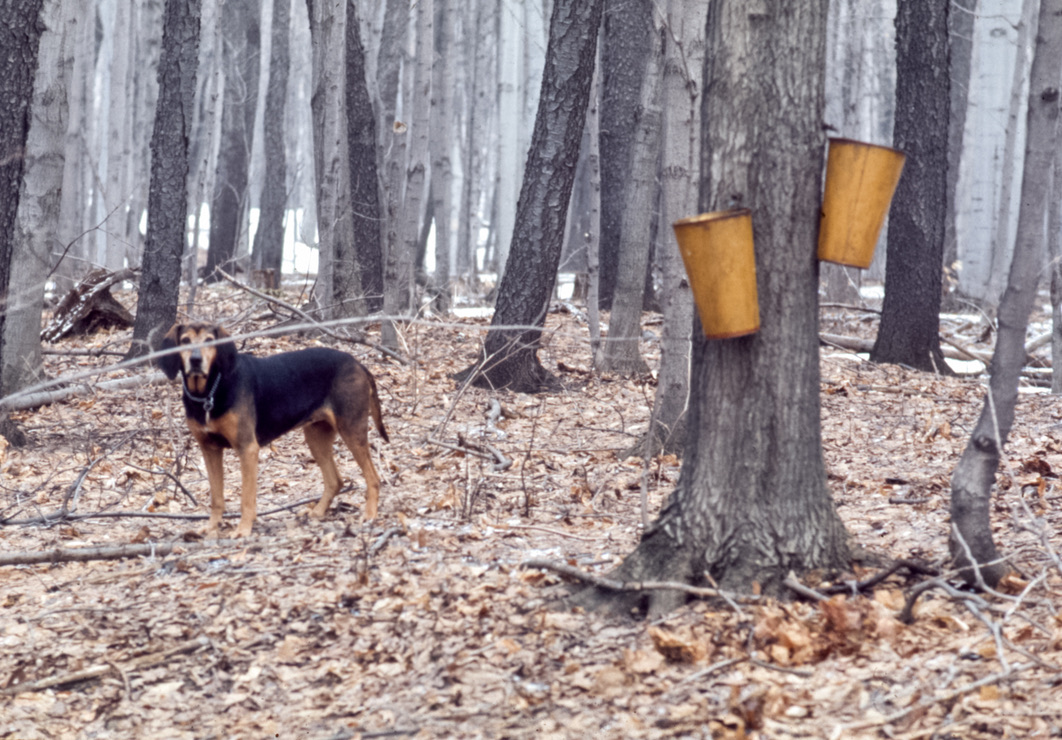
    Our wonderful coonhound Tara enjoyed those sap collecting days as much as we did.  
    She stuck close to us which is strange for  a  coonhound because there were so many
    scents to follow.  I think she liked sap collecting as much as we did.  When the snow was thick on
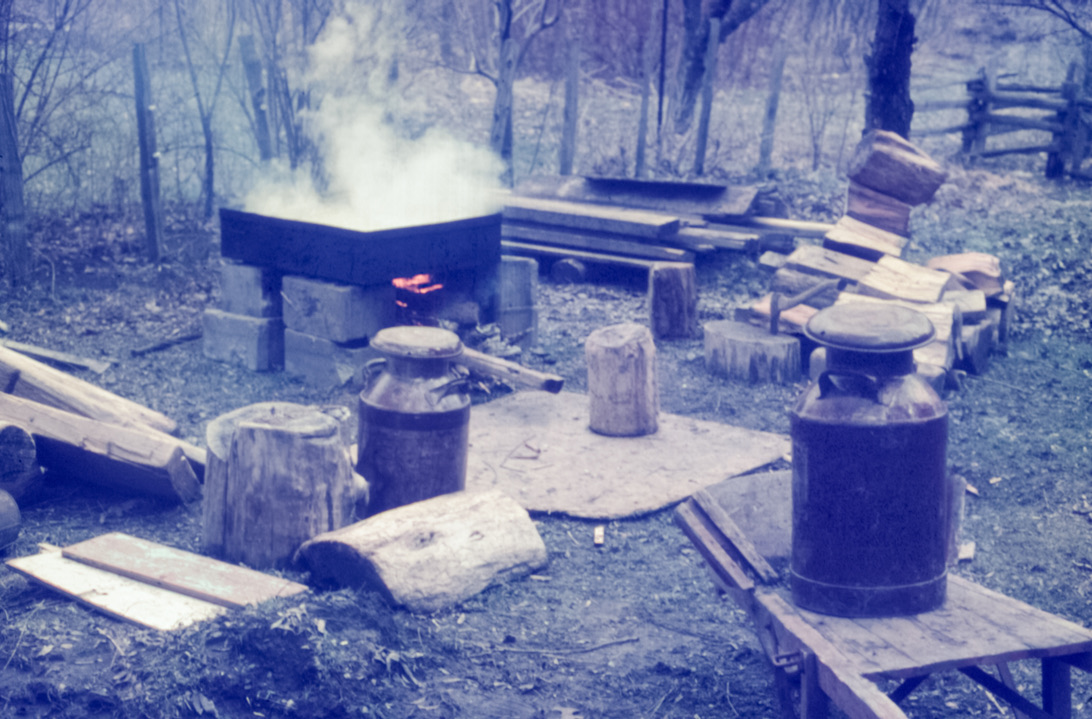
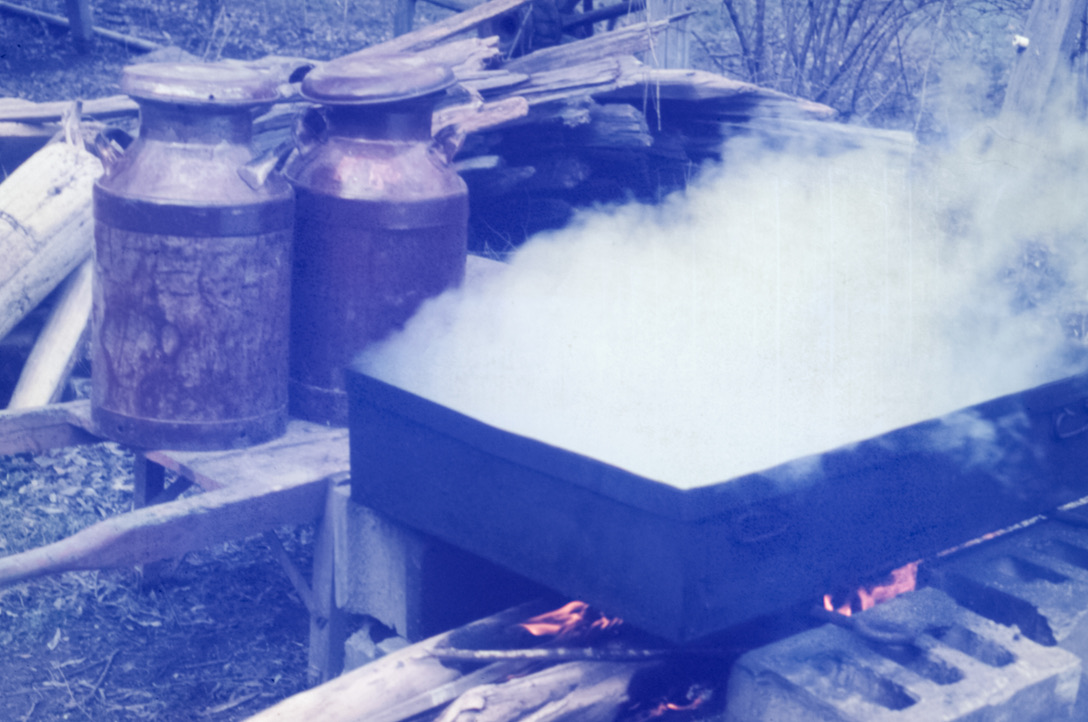
    the ground I got the idea of harnessing her to the sleigh loaded with old milk cans full of
    sap.  That did not work well.

    The sap collecting was sort of silly really.  We had to drive 45 miles to the farm where the trees were tapped.  
    I assume some of our friends thought we were a little tapped in the head.


    We parked the truck beside the the forest ,  loaded the sap and then drove all the way
    back to Port Credit for the boiling.  That’s nearly 100 miles just to get 30 gallons of sap on
    good days.  None on bad days.  


    Previously I had gathered a good pile of driftwood from Sunnyside Beach in West Toronto.  My fuel. I needed
    lots because it took 40 gallons of sap to get 1 gallon of syrup.


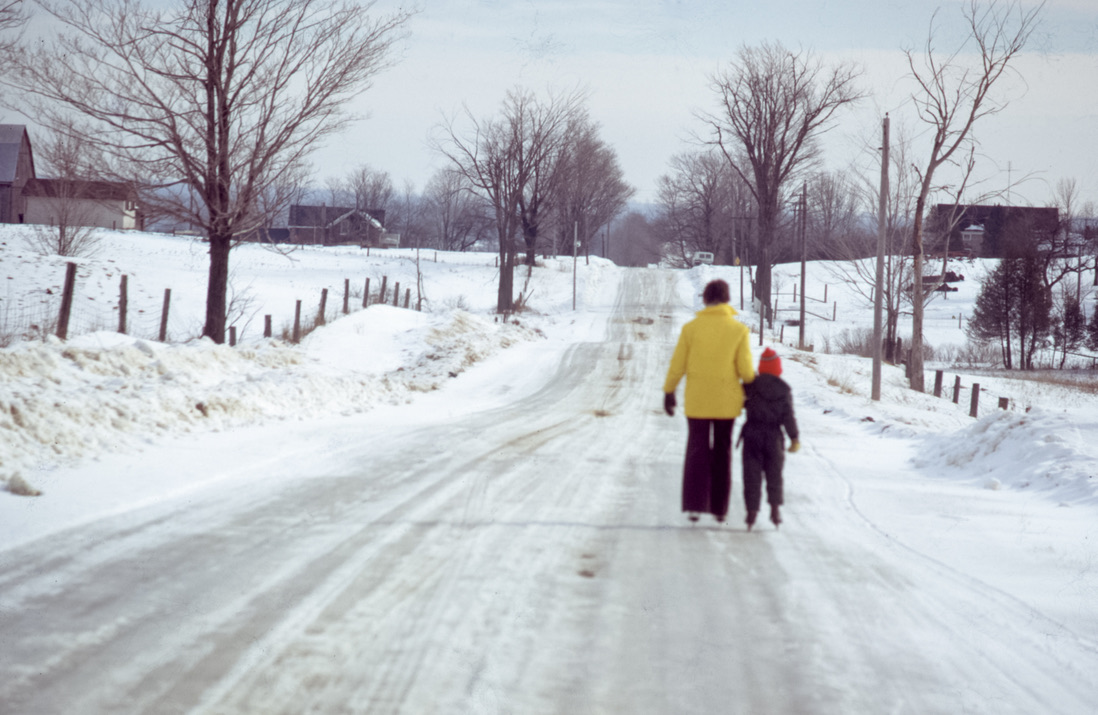
    Sometimes the Fifth line froze solid with ice on those March afternoons.   Enough for Marjorie and Kevin to skate
    down the line.


    Then our sap collecting days ended when some bastar parked beside the maple bush with
    with his 22 calibre rifle and shot holwa in our sap pails.   That was depressing.  Bu we got 
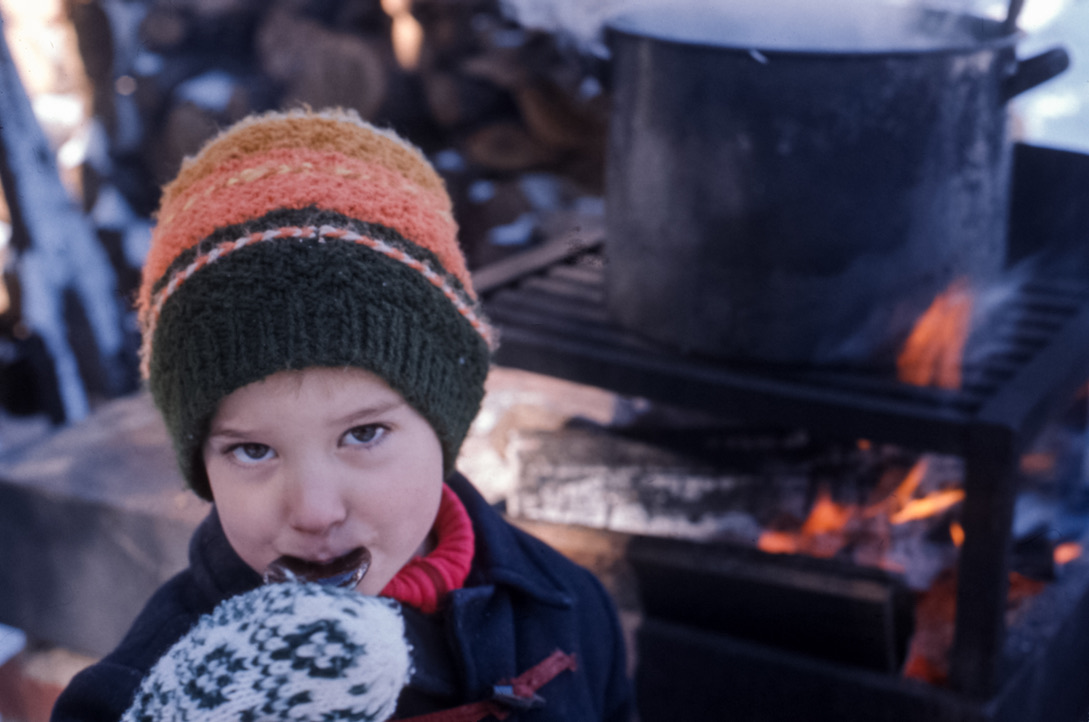
    three good years of syrup making.  Joyful as you can see in Kevin’s face.

    CAUTION:  Later we were told that all our maple syrup pails were dangerous.  Lead soldered
    bottoms.  Lead poisoning.   Never noticed that on those great days earlier.  Our maple
    syrup was black…dark black.   Most good syrup is light brown.  Ours had lots of charcoal
    from the wood smoke and ashes .  No matter. Those were halcyon days.

    I bet dollars to doughnuts most readers wish they had been with us back then.

    Seems our other son, Andrew,  remembers because he is collecting sap as I write.  And
    using modern aluminum pails.   

    alan skeoch
    March 26, 2022