Year: 2022

  • EPISODE 620 BARNEY DWAN AND LEGENDS OF IRELAND 1960


    EPISODE 620     BARNEY DWAN AND LEGENDS OF IRELAND 1960 

    alan skeoch
    August 2022

    NOTE:  THIS story about Barney Dwan was triggered by the letter below sent
    to me by his grandson, Jamie Dineen.

    Hi Alan,

    I was sent a link to your website by a relative recently.

    A number of your articles (links below) talk about Bunmahon in Co Waterford in Ireland and specifically you mention Barney Dwan who is my grandfather.

    Barney has unfortunately just passed away and I am currently visiting Ireland to say goodbye from Whistler in Canada (where I now live). He always told us old stories about working with “Canadian miners” back when he was young. It is so great to see some first hand written accounts of someone who spent some time with him in his youth. He was a bit of a character and he seemed to get a kick out of telling stories that you were never quite sure if they were true or not.  

    Anyway, on your website you have some incredible photos of Barney in his youth that I have never seen before. So thank you so much for preserving them many years later. I was wondering if you had digital copies of these that you could pass on or any other information relating to his life in your archives. I’m not sure if anyone else from my family has been in touch but it would be great if you had anything to share with us.

    Again, thanks for preserving this little piece of history that relates to our family and I am hoping you have time to get in touch.

    Best wishes,

    Jamie Dineen

    The ruins of the Knockmahon copper mine…closed and flooded in the 1870’s.
    Could it be reopened?  


    Barney Dwan, my right hand man in that wonderful summer
    of 1960.  He died in the summer of 2022.   He was a great
    story teller and an excellent friend.  He is standing on the cliff
    face that he knew so well.

    MEMORIES OF BARNEY DWAN, IRELAND, 1960

    THIS MAY TURN OUT TO BE A LONG STORY

    BACKGROUND BEFORE BARNEY DWAN ENTERED THE STORY

    When I was young, a  high school student, I was lucky enough to be hired as a geophysical instrument man.
    The job was exciting, demanding, lonely, sometimes dangerous but always enriching. Not financially but
    spiritually.  I never knew where i was going until almost the day of departure.
    On that day I had time to pack a rucksack with all the things I would need for several months.
    No suitcase of luggage.  Just a Canadian army back pack.

    DATELINE:  MAY15, 1960

    “Alan, forget about Arizona….sudden change…you are going to Ireland.”
    “My snake bite training…sucking blood from snake bitten flesh…is now useless.”
    “No snakes in Ireland. Should be smooth sailing, Alan, as long as you know
    how to set up and run the Turam.”

    The Turam is a rather complicated Swedish instrument that is able to find mineral formations 
    beneath the ground… i.e. without excavating.   Here is a simplified description  First thing to do is to lay
    out  single sheathed copper wire ‘base line’ about a mile or more long and
    grounded at both ends.  Then attach a motor generator to this base line which when running will create a electro=magnetic
    field.  If there is mineralization then there will be an anomaly,,,something odd, peculiar… in the readings picked up by  receiver coils
    … two long cylinders of copper coiled wire kept st 100 foot separation.  These blips were called
    are unusual intrusions in background readings.  Rather miraculous machine invented by Swedish engineers.


    Above is our Turam equipment all crated.  The picture will give readers some
    idea of the complicated equipment involved

    HOW DID I BECOME RESPONSIBLE FOR THIS IRISH INVESTIGATION?

    LUCK!  Napoleon Bonaparte was once asked how he decided promotions in his army: :Give me the lucky soldiers.” was his reply.
    He made instant promotions after battles.  I felt like one of those lucky ones.
     In the summer of 1959,I was sent to western Alaska with a Canadian seven man survey
    crew,  Three of us were students at the University of Toronto and  the others were professionals
    in mining exploration.   That summer I initially felt like a square peg in a  round hole. Then My partner,
    Bill Morrison taught me how to operate the Turam.  So there were four field men working the
    Alaskan tundra that summer.

    The following summer of 1960 I was the only employee of Hunting Exporaton who knew 
    the Turam system. I was the lucky one.  All the others had gone their separate ways. 

     “ALAN, you will be responsible
    for this Irish job?  Can you remember the Turam system.”, said Dr. Norman Paterson
    “Yes!”  I was not as sure as I sounded.  This was a big deal.  Suddenly I was no longer
    the square peg in a round hole.  I was epectred to be there right round peg for the 
    round hole.  The Turam.   To indicate a lack of confidence would risk losing the job.
    If Dr. Paterson was willing to give me sole responsibility for the Irish survey then he
    must think I could do it.

    Two pictures of Turam in operation in 1960.  One in Ireland as we tramped through a field of ripe wheat much to the anger
    of the local Irish farmer who sought payment.  Bulls, hogs and ticks were problems  The second picture is the same Turam in the wilds of the Alaskan
    perma frost scrubland in 1959 where blood seeking flies by the billions sought flesh wherever exposed and Kodiak bears feasted on
    dead and living salmon in sunken river valleys.  Two places, Ireland and Alaska, same machine…different problems.

    EXPECTATIONS

    SO I arrived in Ireland alone.  One man cannot operate a Turam.  The system needs
    a minimum of two.  Often  more than two. Do not get an inflated opinion of my role.
    My job ws to get data.  Dr John Stam arrived later in the summer His job was the
    really important job of interpreting the data.  And John Hogan, a geologist was sent
    by our client just to keep an eye on what we were doing.  Lots of pressure on me, a 22
    year old student of history and philosophy at the University of Toronto. Like being in
    a goldfish bowl.

    Afteer 13 days in Dublin, our crates arrived.  Those 13 days were long days.
    The tedium was broken, however,  by one night at a Dublin movie house watching “The Quiet Man”,
    a film that romanitcized Ireland featuring John Wayne and Maureen O’Hara.  The movie was
    not full of hatred although filmed in the “Time of the Trouble” when Irish Republicans were killing
    and being killed by English Black and Tan constabulary.  Not a dark film at all.  It was full of
    joy and minimized the violence. Exaggerated the positive.  I loved the film even though I did
    not expect my real experience in Ireland would be nearly as pleasant.

    Well, as things turned out, I was dead wrong.

    ENTER BARNEY DWAN

    “Could Southern Ireland be anything like that movie?”
     
    This is where  Barney Dwan entered the picture.  He was our first
    employee.  I think he just asked if we needed help the daY I arrived in Bunmahon.
    He was hired on the spot.  Paid a pound a day… seven pounds
    a week….cash.  That was the going pay  in Ireland in 1960.
    My own salary was not much more…$400 per month which amounted to $5 a day.

     10 pounds in 1960 is worth 271.86 pounds in 2021 terms. Inflation.

    Barney seemed about my age, 22 years old.  He had a permanent grin it seemed
    even at the beginning when I could not understand his dialect.  First mistake.  I thought his name
    was Bandy much to the amusement of our growing number of employees. I think we
    hired about ten men all told.  Same pay for all.  They all seemed to laugh every time
    i asked Bandy (Barney) a question.  Eventually I figured out why.  Barney was amused
    as well and accepted Bandy rather than Barney.  Nice chap for sure and very
    smart.  Figured out what I needed when i needed help.  I may have been the boss
    but Barney was the manager.    That sounds a little officious.  Not so.  I tried to keep
    everyone happy as long as they turned up for work each day.  Barney made suggestions
    casually.  I never realized how important Barney was to our survey until midway though
    the job.  He had that very Irish way of making suggestions often using stories that
    may or may have been true.  Such as finding the feet of a nun…feet in her shoes
    but nothing else.  Hogs had got her crossing a farm field.  Hogs rarely kill but they
    can consume meat fast when given the chance.


    Barney was a big help on our line surveys.   I was strapped in.  Copper coil hanging from
    belt, console, earphones, batter pack on my back, hooked by electric short to man
    with front coil.  Difficult to move evilly especially in Ireland where the farm fields are
    small and line with Gorse hedge.  Gorse?  Imagine a death by a thousand cuts.
    Gorse may well be beautiful when in bloom..thousands of yellow flowers shielded by
    thongs …thousands of thorns.

    Free range pigs were very curious animals.  They investigated our work
    regularly as above…which gave Barney an opportunity to tell as story.


    “Master Skeoch, story is told about a nun who tried to cut across a farm field.
    All that was ever found were her shoes with her feet in them.”
    “what happened?”
    “No one really knows.  Likely the pigs got her.  She could not run fast
    with those long black clothes.”
    ’Terrible death. “
    “Boars can be violent…hungry..tough.”
    “Scary”
    “Reason I tell the story is that you are like the nun.  You can’t
    run with all that gear strapped to you.  Boars could get you.”
    “Really?”
     
    Crossing a thin bridge over the Mahon River was tricky.   I believe that is John Fleming
    on the right.  He was in charge of our linecutting crew and I think our oldest employee,
    A grandfather and very dignified community leader.  In the centre is Barney Dwan to
    whom this episode is dedicated.  My right arm man and the key to my acceptance
    as a member of the Bunmahon mining adventure.  The man on the right whose name
    escapes me was part of excavating crew and I believe he returned to Ireland after
    working abroad.  It must have been difficult for our older employees to be bossed
    by a young 22 year old Canadian.   I never felt resentment.

    Barney seemed to have endless stories all of which were based in facts even
    if bloated to make the story better.  A joy to work with.

    Perhaps Barney told this Nun story, whether true or false, as Barney’s way of
    alerting me to the danger that could be found in those tiny Irish fields.
    A charging bull was no problem normally.  Fleet footed escape or totally avoiding the field enclosed by 
    the bull.  I could not do that.  The Turam harness made running impossible.  And our survey had to be done in straight lines 
    in order to form a grid to map out any anomaly.

    “Master Skeoch, you need someone to lift you over the fences or to break a path through
    the Gorse.  Someone to keep a sharp eye on bulls and boars.”

    “Barney, why do all the bulls have rings in their noses.”
    “Control mechanism, Master Skeoch, imagine you had a ring in your nose
    and someone twisted it.  Make you want to do what the twister wanted, would it not?’
    “I had a high school teacher, Roberta Charlesworth, who lifted me up vertically by the
    ear…like twisting an iron ring in a bull’s nose. “
    “What did you do wrong?”
    “Seemed I served a detention watching the girls play volleyball in he girls gymnastics
    rather than the detention room.  Nicer place….but Charlesworth did not think the way i did.”

    Now just how dangerous are hogs running loose in a farm field?   Do they kill and eat people
    regularly.  Is the Nun story believable?   Such a maladventure is extremely rare.  Likely Barney was exaggerating
    but I am not sure.  There is a list of dangerous creatures that kill humans.  The number
    one killer is the mosquito (malaria), the number two killer of humans is humans.  We kill each 
    other  at a rate of 400,000 each year.   Bulls and hogs do not even merit a rating in the list of
    killers.  Lions, Hippos, Crocodiles, snakes…all are killers big time.

    “ Barney, That prickly Gorse is more dangerous than any boar or bull.  You have seen me fall just trying to 
    through the stuff. Gorse surrounds every field.  Loaded with needles.  Every field is fenced with a million 
    needles.   Capable of drawing blood…lots of blood.”

    Common gorse | The Wildlife Trusts

    Gorse looks charming from a distance when in bloom.
    The charm disappears when challenged with the task of 
    penetrating the gorse.  Surveying grids must have straight lines…
    no way of avoiding those gorse needles which can tear both clothing
    and flesh.  

    Our lineutting crew preceded us by setting up a grid which means they penetrated
    the gorse before Barney and I.  They smashed holes for us to crawl through.
    Farmers did not want big holes in their Gorse fences so Barney often had to help me through 
    the gorse.  I fell sometimes 

    gorse bush with prickly leaves a gorse bush with prickly leaves and yellow flowers in the sun Beauty Stock Photo


    Gorse Needles | Gorse bush at Quarryhill Croft, Aberdeenshir… | FlickrGorse

    “Master Skeoch , you need help getting through the Gorse.”
    “ I agree.  The trouble is that my company boss will  wonder why I need help in
    Ireland when I never needed help in Alaska where Kodiak bears were common.  I imagine the gorse problem seemed funny
    back in Canada..”

    Were bulls and hogs really a danger?  In the great scheme of things bulls and hogs were not a dangerous as mosquitoes 
    snakes and crocodiles.  The trouble with bulls is that they were unpredictable.  Dairy bulls in particular.  They might seem
    placid then take offence suddenly.  Normally a charging bull could be avoided by jumping a fence.  Not so easy in Ireland
    where many farmers used gorse hedges as fencing often with a stone wall core.  

    Were hogs really a danger?  Wild boars..yes.  But we never encountered a wild boar.  Domesticated pigs, however, were 
    common.   Very curious animals.  Intelligent.   When we dug trenches deep down to bed rock to check our an
    anomaly often the trench was ringed with pigs who basically wanted to see what was happening.  They were big 
    but I do not remember a problem.   My harness made me immobile no matter what.  Barney’s precaution was a 
    good idea.

    Why Do Cows Have Nose Rings? | Farming Base
    Why DOES this bull have a ring in its nose?  Surely not for a brave person to grab and twist to control
    the bull?  Not at all…but the ring hurts if twisted, therefore the bull can be led to the cow or the prize ring.
    One ting was certain.  I would never be able to grab the ring if a bull denied to attack.

    Never feared bulls or boars once we had a man to keep them from charging.  

    The biggest threat came from one tiny, almost invisible, insect…
    MY BIGGEST WORRY WAS TICK BITES

    NEXT EPISODE….STORIES IN MEMORY OF BARNEY DWAN
  • EPISODE 630 FISH DERBY, PORT CREDIT, AGUST 27, 2022: THE HUNT FOR THE LARGEST PREDATOR IN THE GREAT LAKES


    EPISODE 630    FISH DERBY, PORT CREDIT, AGUST 27, 2022: THE HUNT FOR THE LARGEST PREDATOR IN THE GREAT LAKES

    SOMEWHERE OUT THERE,  BENEATH THE SURFACE,  IS A HUGE AND VERY UGLY PREDATOR

    alan skeoch
    august 27, 2022


    SOMEWHERE OUT THERE ARE 47 FISHBOATS

    SOMEWHERE DEEP DOWN OUT THERE IS A GIANT HUNGRY PREDATOR SALMON

    SOMETIME THIS AUGUST 27 MORNING, THE TWO WILL MEET


    alan skeoch
    August 27, 2022

    Dateline: Dawn, August 27
    Somewhere under the surface of Lake Ontario…perhaps 3 miles off the Port
    Credit coast there is a huge salmon. He or she is just waking up 200 feet below the
    surface.  This hungry beast has spent the night resting among  perhaps a thousand 
    kin.  They are the children of wild Pacific salmon let loose in Lake Michigan to gobble
    up the alewives that had by 1964 taken over the Great Lakes. One man changed
    the Great Lakes forever when he let loose salmon fingerlings in the waters of Lake Michigan
    in that year.

    The story of Howard Tanner is appended below.  

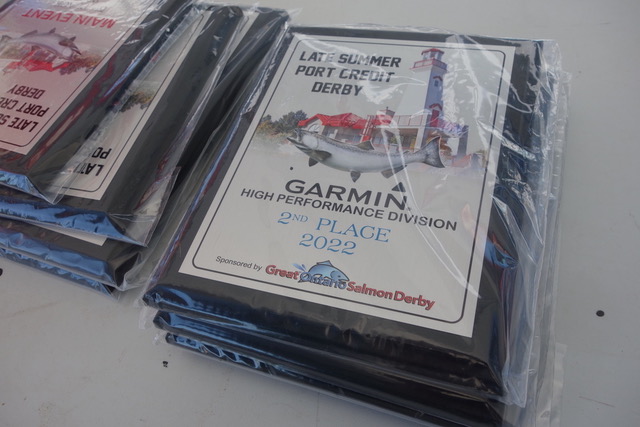
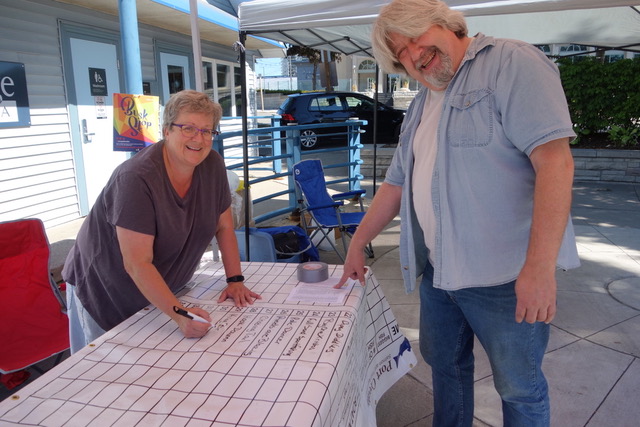
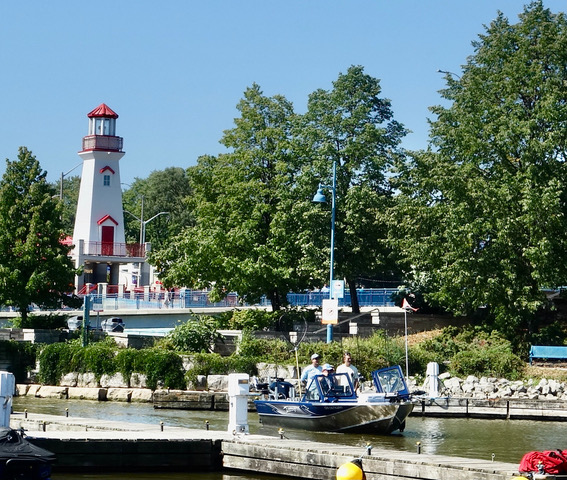
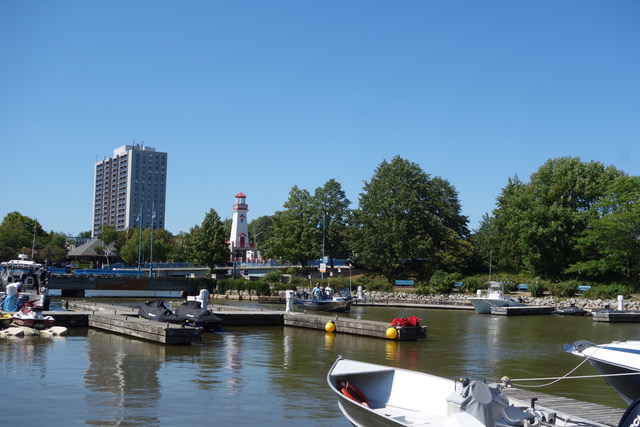
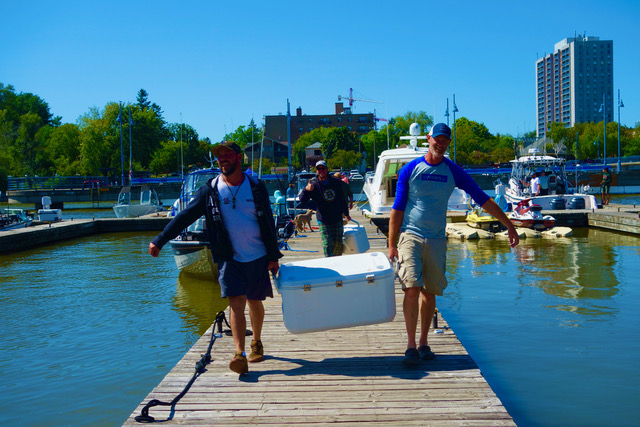
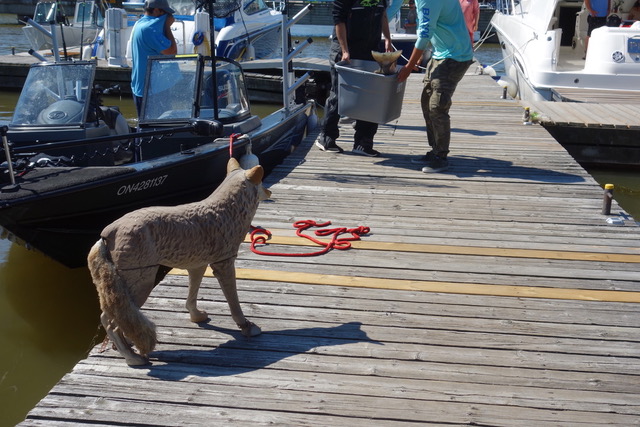
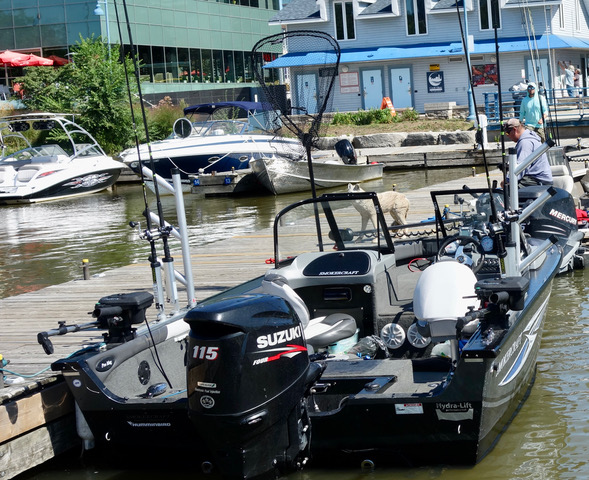
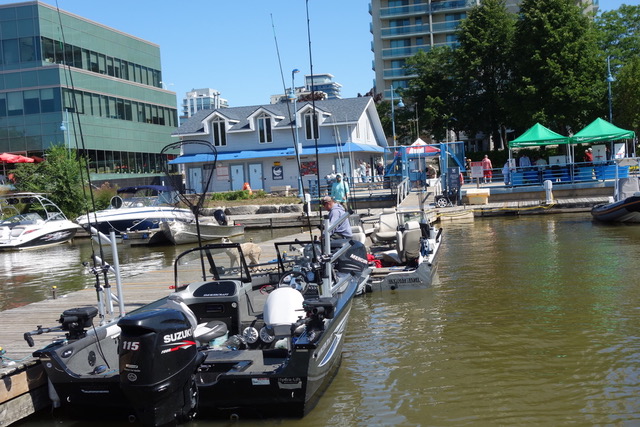
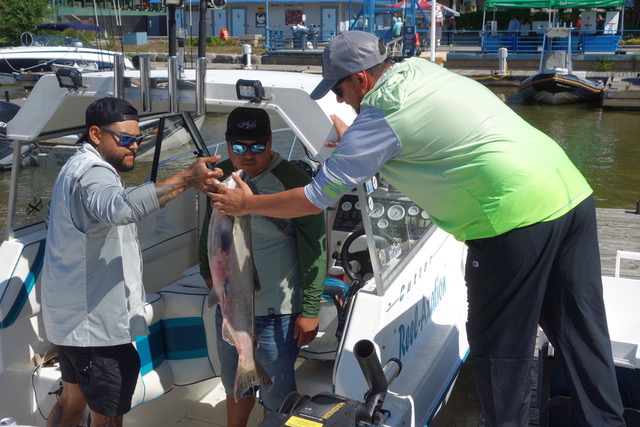
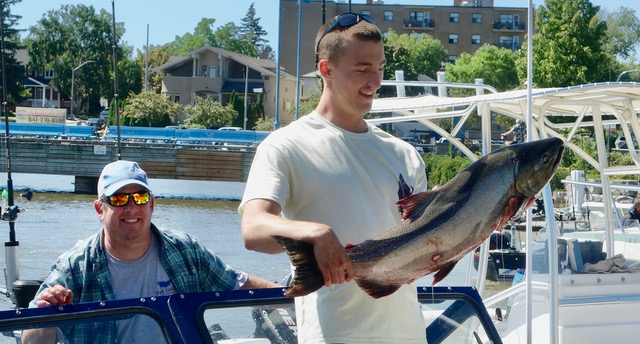
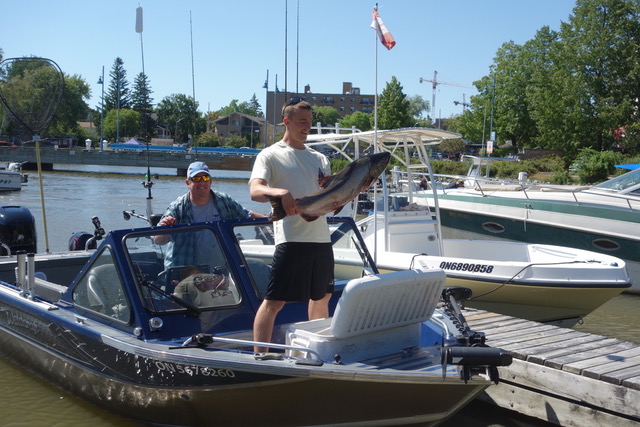
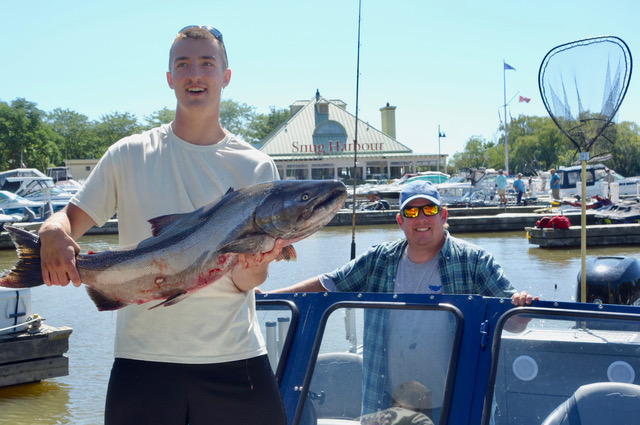
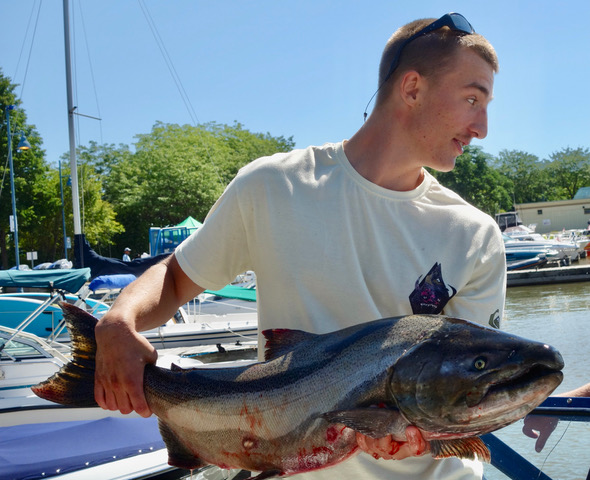
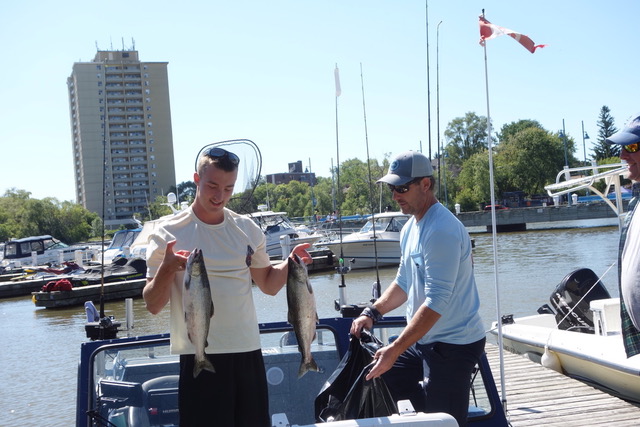
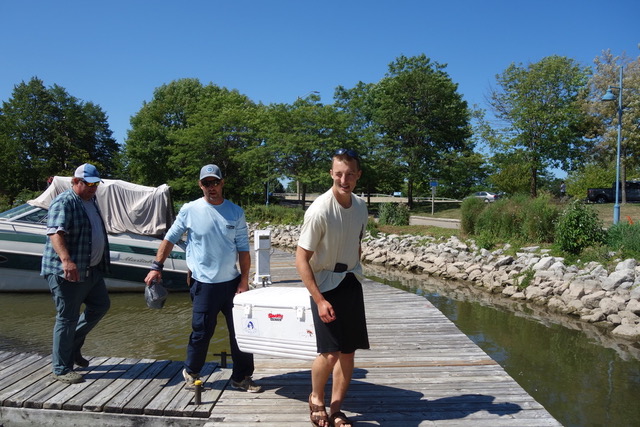
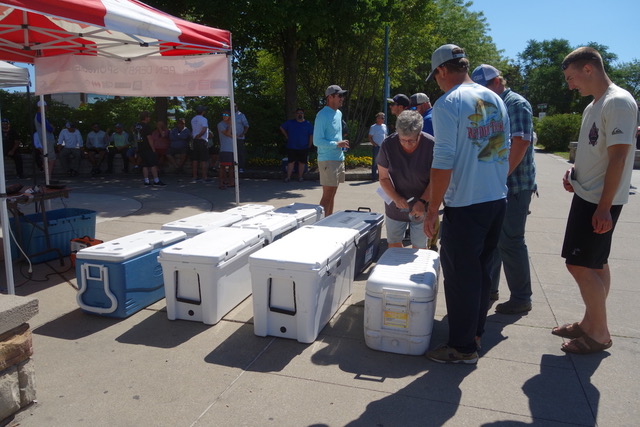
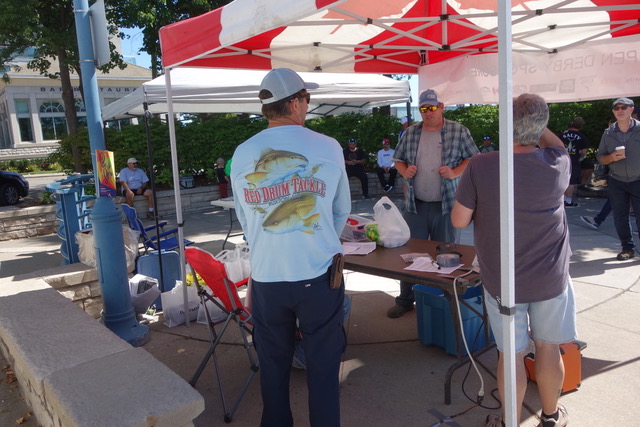
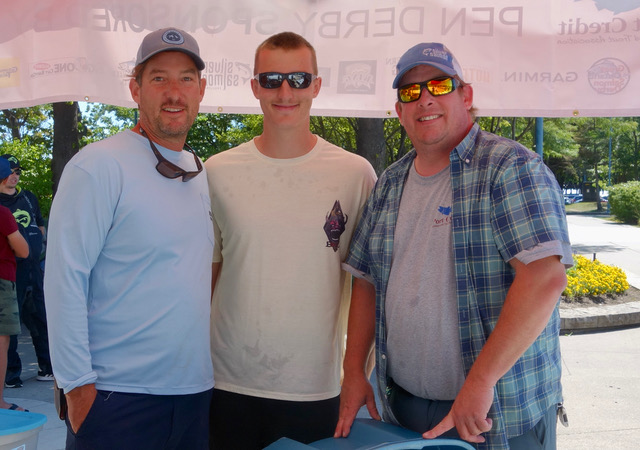
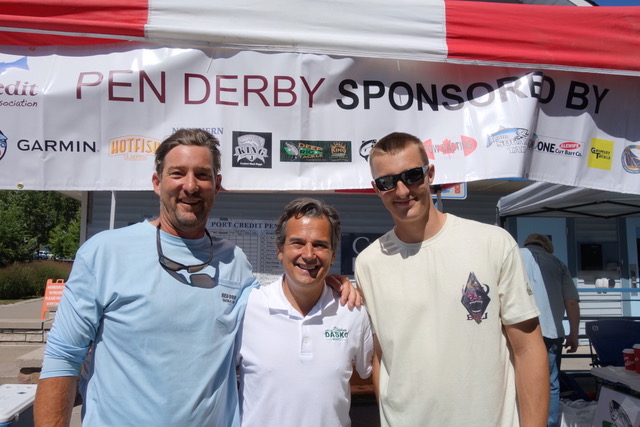
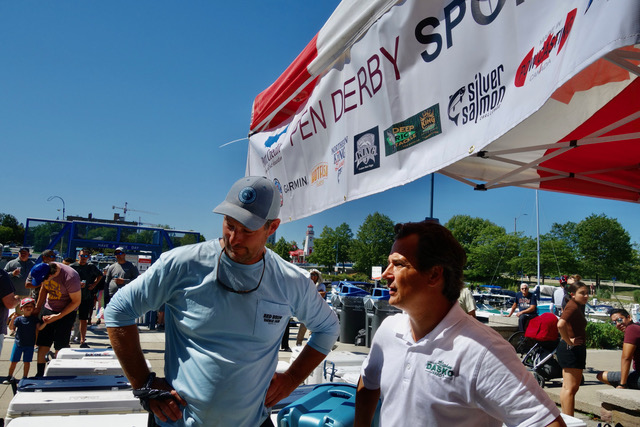
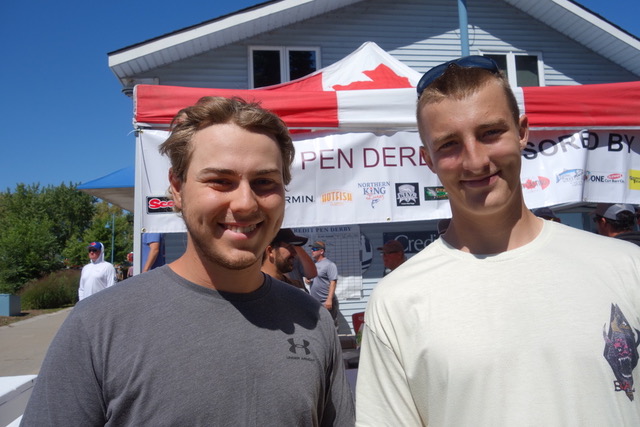
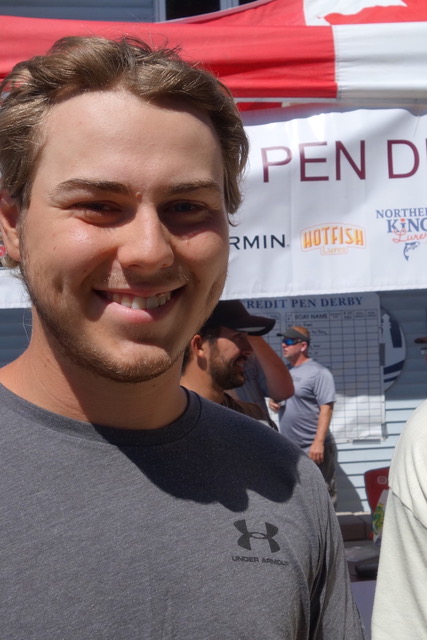
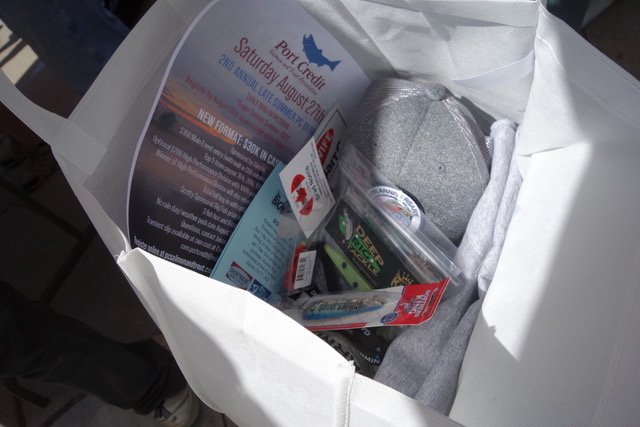
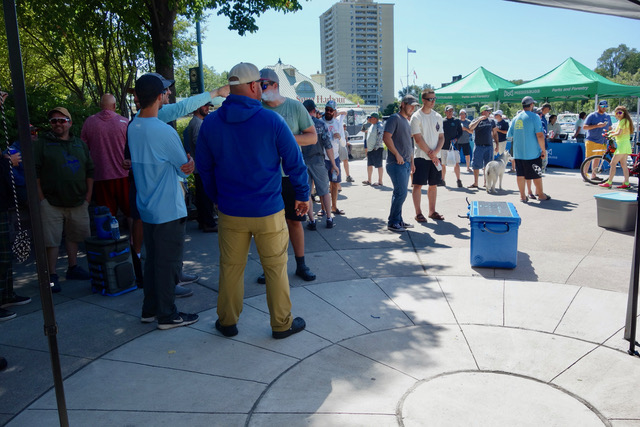
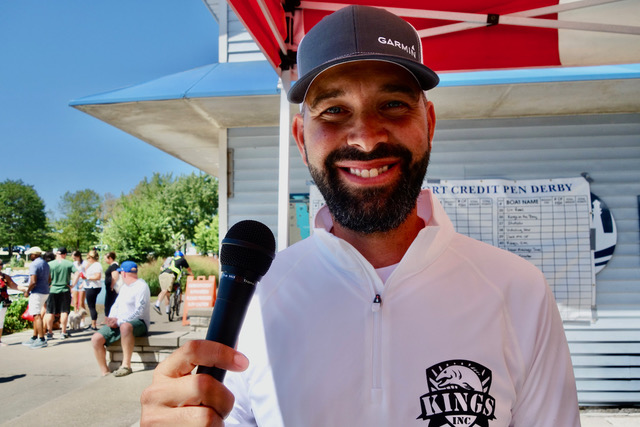
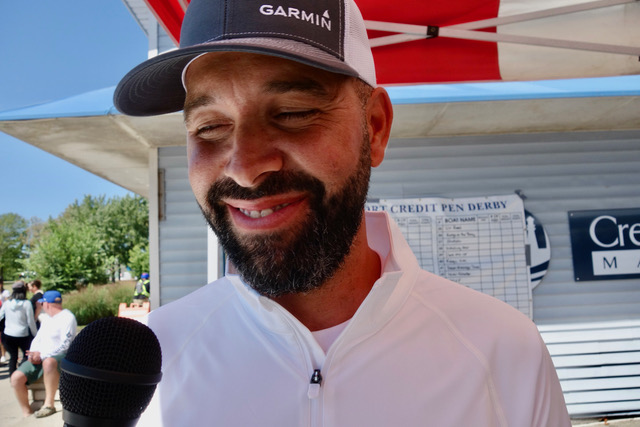
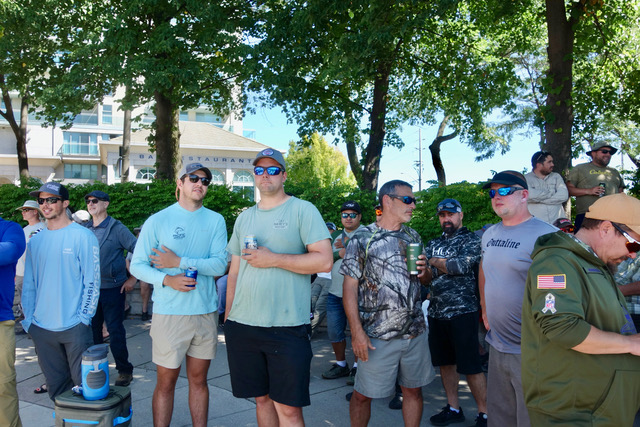
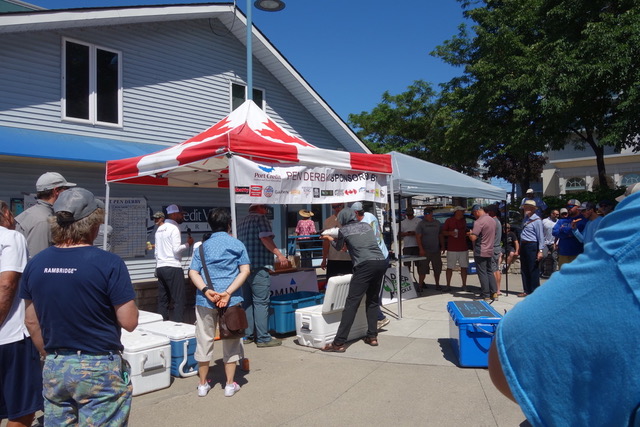
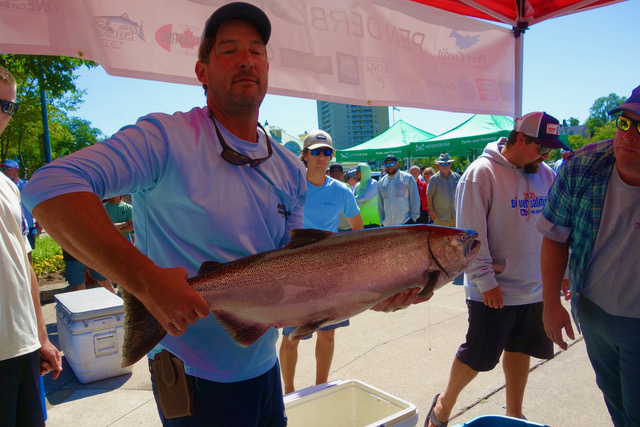
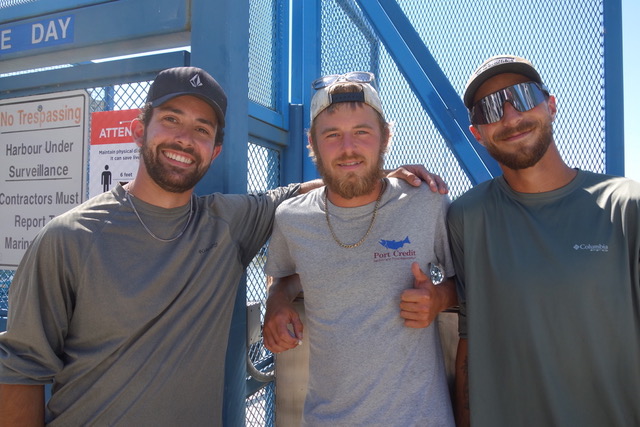
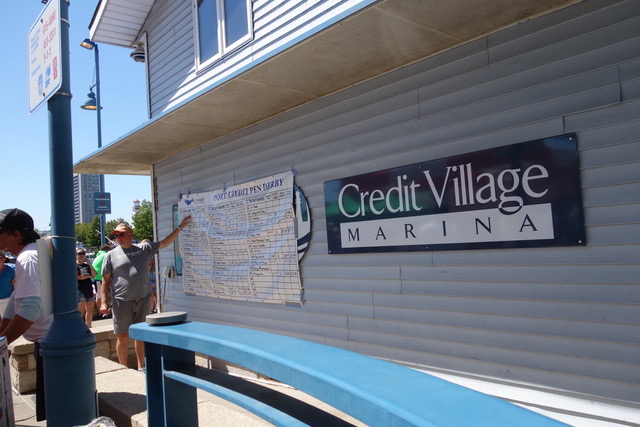
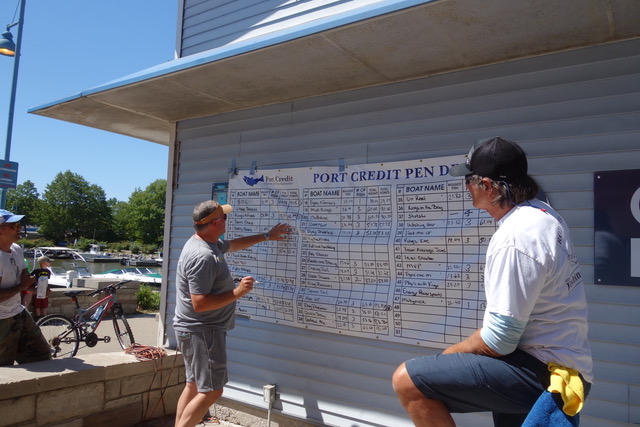
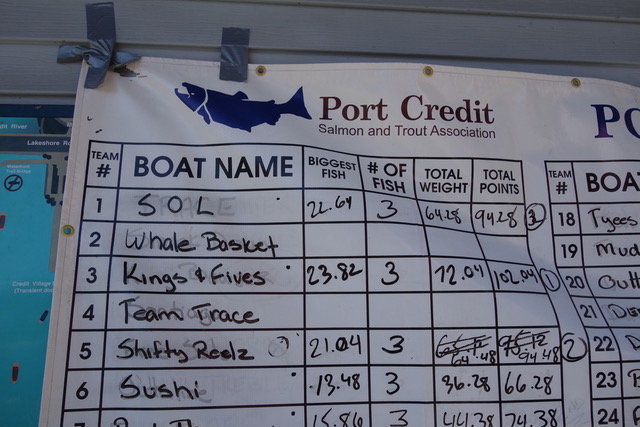
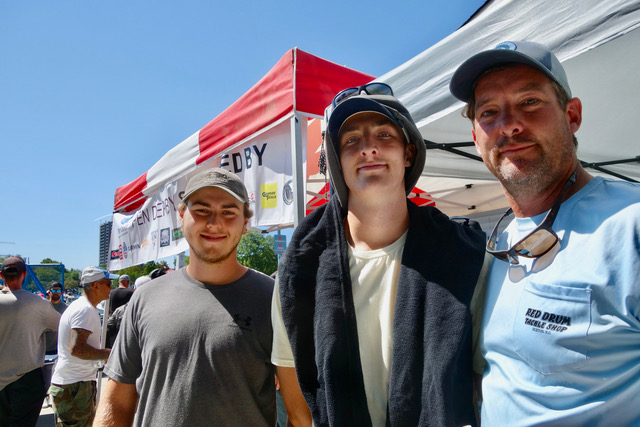
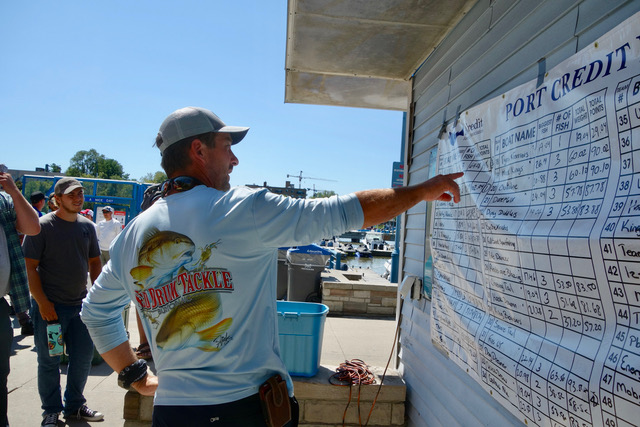
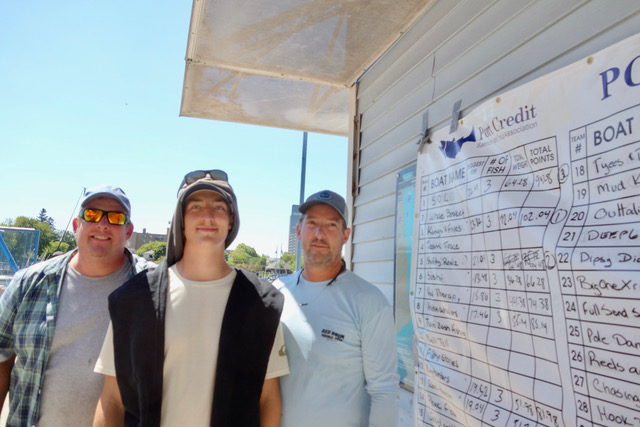
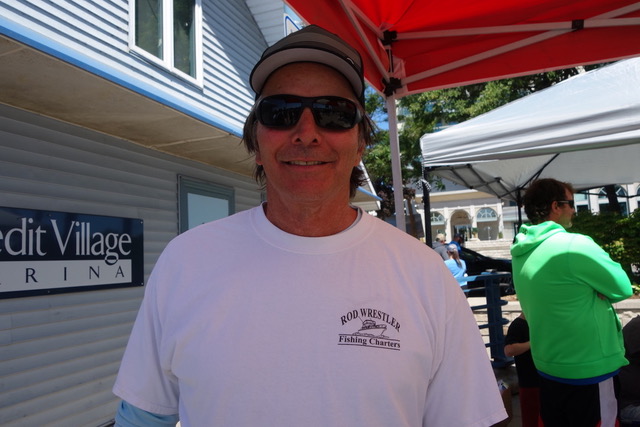
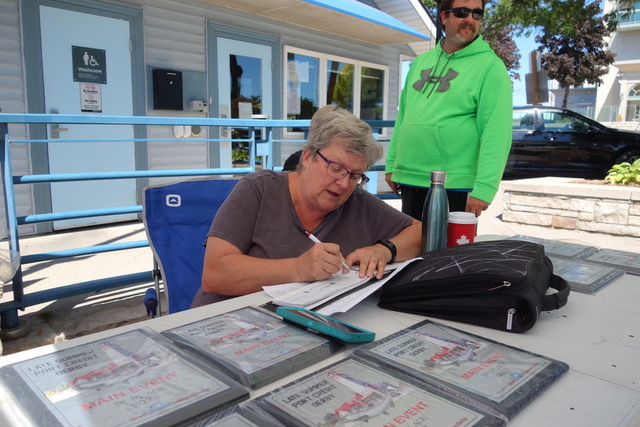
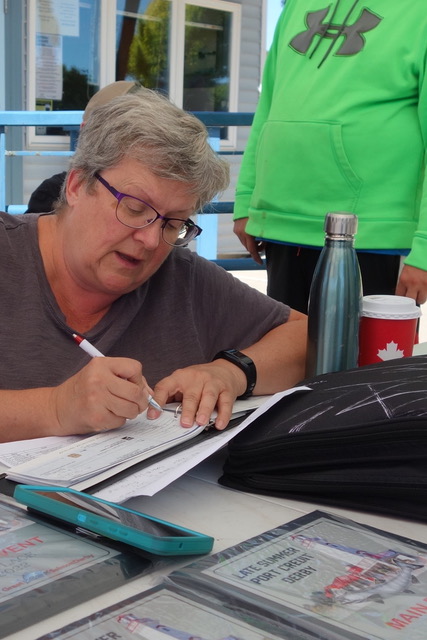
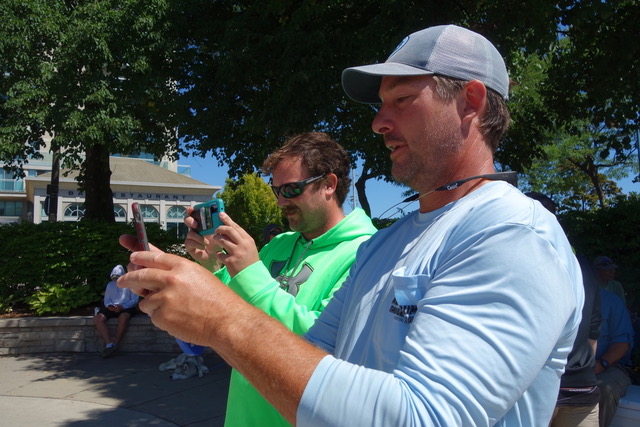
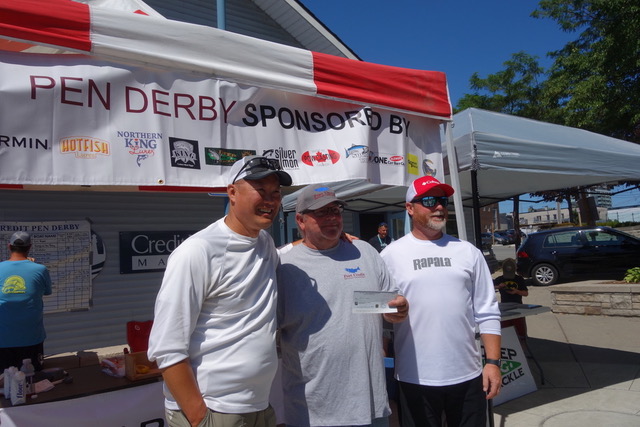
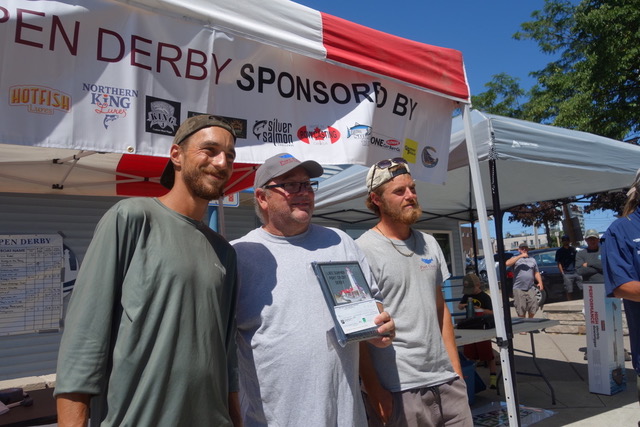
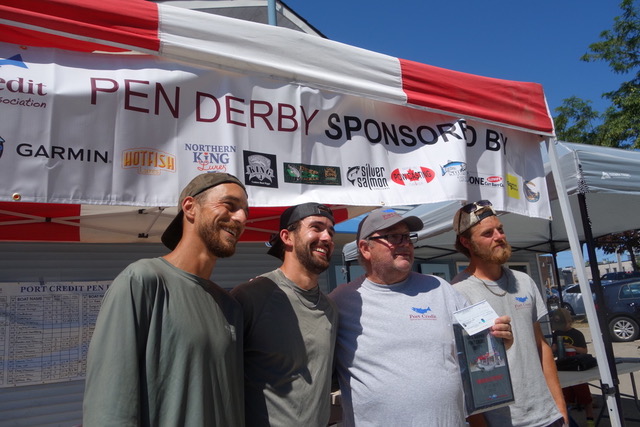
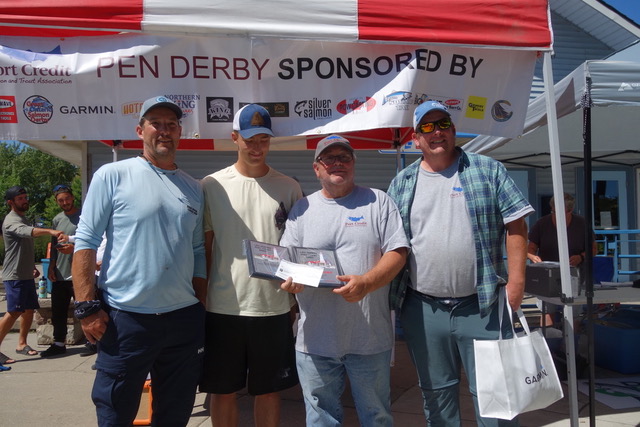
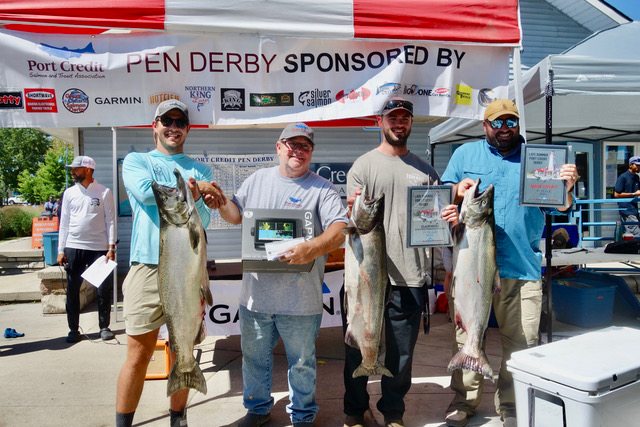
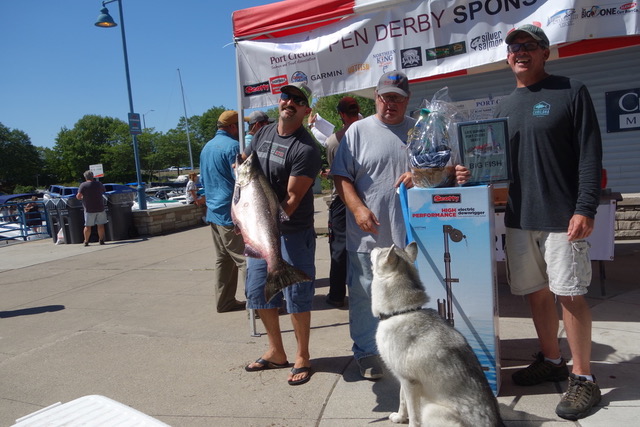
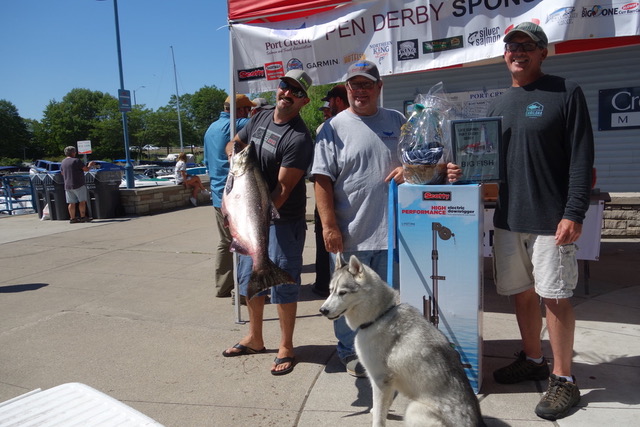
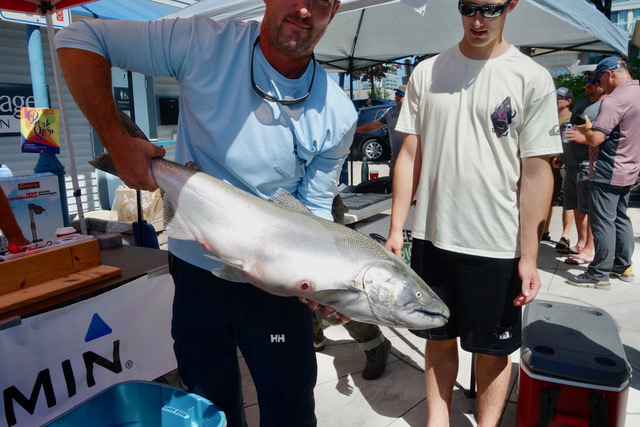
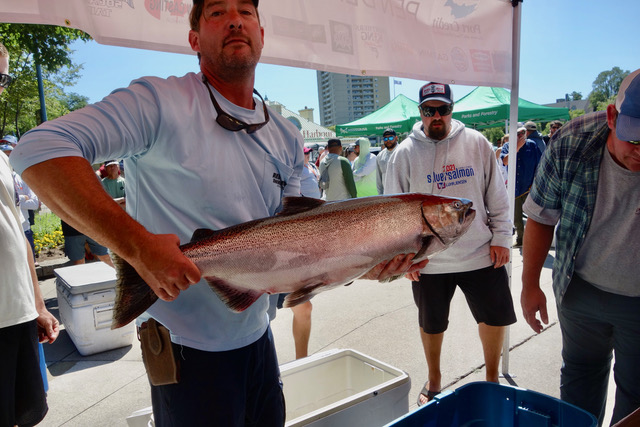
    This photo essay celebrates the Port Credit fish derby of August 27, 2022 when 47 teams
    of fishermen coughed up the cash to fund their plan to find the  largest fish hiding in the
    dark waters off the coast of the quaint and booming village of Port Credit
    in the City of Mississauga.

    The search began in the dark hours of early morning and ended sharply at 12 noon when
    all the 47 fishbouats brought their fish to the weigh Inn station.  The winner received
    about $11,000.   Did they catch the biggest salmon predator living in the Great Lakes?
    i have no idea.  But they caught some giants.

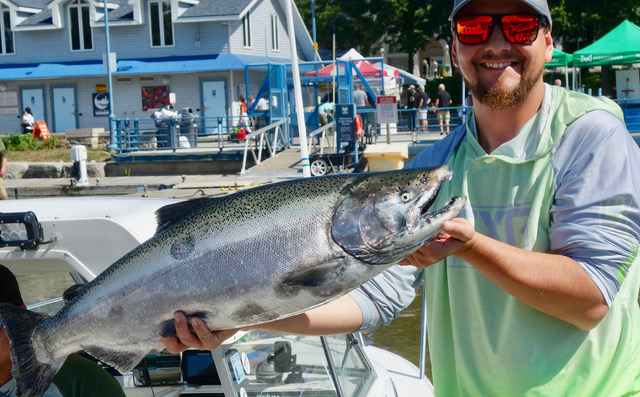
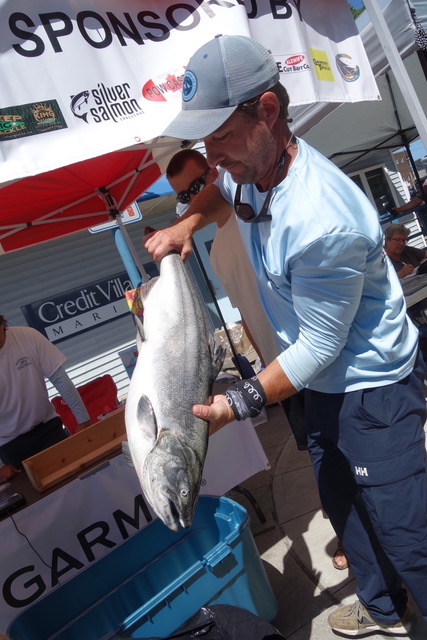
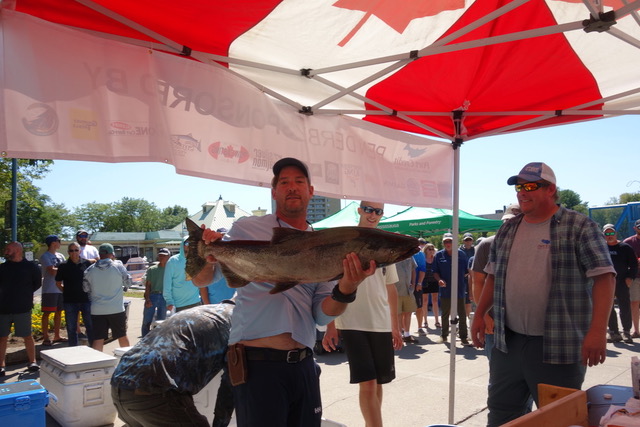
    The largest caught was lured from the jumble of sleeping predators by the flashes
    of sunlight on lethal fish lures.  Lures that looked like alewives.

    The story is much bigger than this snippet.  The story has been told in earlier episodes.
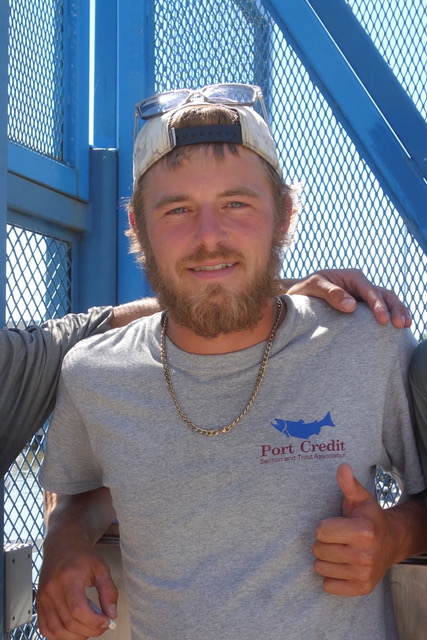
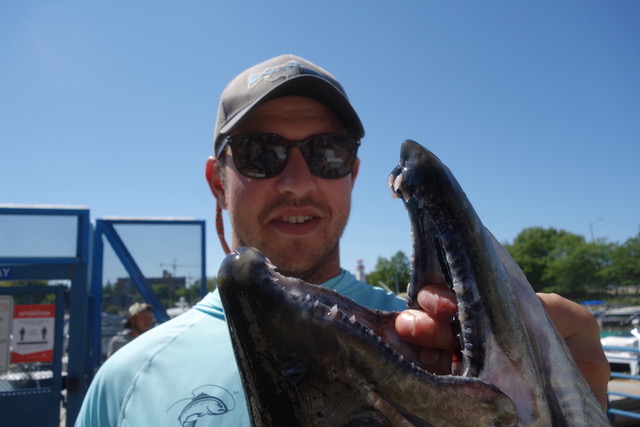
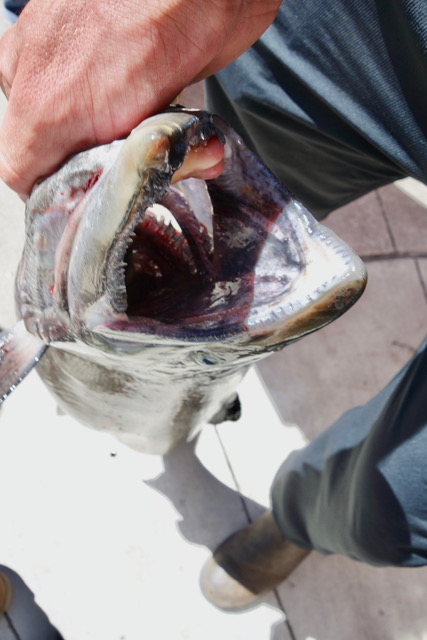
    Today just enjoy the faces of the fishermen.  And the angry faces of the salmon.

    alan skeoch
    August 27, 2022


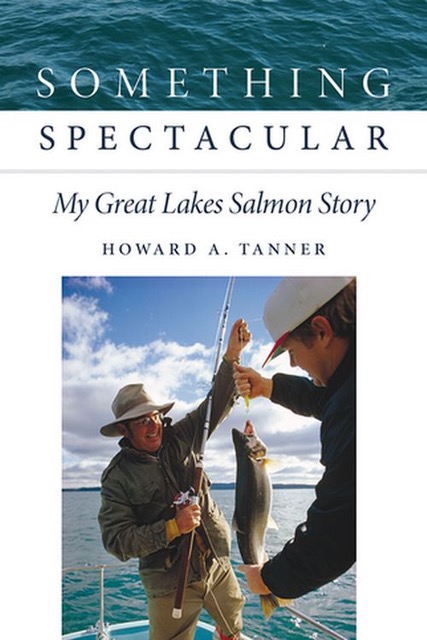
    BOOK REVIEW: Something Spectacular: My Great Lakes Salmon Story

    New autobiography from Dr. Howard Tanner, father of the Great Lakes salmon fishery, is an important contribution to the annals of history and an engaging read.

    Cover of Dr. Howard Tanner's book.

    It would be hard to understate the impact that Dr. Howard A. Tanner had on the Great Lakes region. Tanner was at the helm of the Michigan Department of Conservation’s Fish Division from 1964 until 1966. During this brief moment in time, Tanner set the course for massive change. Ultimately, his decisions were largely responsible for not only the introduction of coho and chinook salmon, but also the shift in emphasis from commercial to recreational fisheries management on the lakes, the rise of state authority and decline of federal authority to manage these fisheries, massive changes to state hatchery systems, and the beginning of state involvement in Great Lakes fishery research.

    In the court of public opinion, Tanner’s actions were heralded as a great success. Coastal tourism boomed, tackle companies flourished, and property values soared as “coho madness” drew unprecedented numbers of anglers from Michigan and surrounding states. Beaches that had been littered with the decaying bodies of invasive alewives now bore witness to the birth of a world-class fishery. The small silvery alewives were nearly worthless to commercial fishermen, but their booming population provided ample food for salmon.

    This 30-second story is common knowledge around Lake Michigan. It is one of those rare moments in fisheries history that transcends the community of anglers, commercial fishers, and fisheries professionals. The oft-paraphrased “line of dead fish 300 miles long” that littered popular public beaches and prime waterfront real estate was undoubtedly a key to public interest, but the booming salmon fishery that followed also enjoyed broad appreciation due to its obvious economic impacts.

    It would have been tempting for Tanner to focus only on the positive in this autobiography. Indeed, he is certainly cast as the hero of the story, but there is also a great deal of reflection on the salient criticism he received. By his own admission, he was well aware of the “firm dogma against introducing non-native species” that was based on the hard lessons and failures of the past.

    Tanner’s rebuttal to his critics sometimes reads as realpolitik justification or contention that the ends justified the means. After all, we now have more resilience and stability in predator-prey balance thanks to the increased number of predatory species found in open water. However, Tanner is also very honest about his primary motivation to “do something … spectacular” and create a new recreational fishery.

    It is fortunate that Dr. Tanner elected to write this book late in life (he is 95 at the time of publishing) because he was able to write with unvarnished honesty without risk to his professional position or the careers of colleagues. Of course, Tanner often references his membership in the “Greatest Generation” of WWII veterans and this context is very important to understanding the attitudes and cultural norms that enabled these decisions. Even so, some of Tanner’s stories might be judged more critically by today’s standards.

    Originally, his plan to do something spectacular for Michigan’s sport fishery involved three non-native fish. From an historical perspective, the discussion of all three fish species that were considered was particularly interesting. Kokanee salmon (a landlocked form of sockeye salmon) were introduced to inland lakes in Michigan before coho salmon were stocked in the Great Lakes, based in part on Tanner’s knowledge of fisheries for stocked kokanee in reservoirs from his time in Colorado. In short, the kokanee program was a failure despite early predictions for their success. Striped bass stocking in certain Great Lakes waters was considered in addition to salmon, and Tanner details the difficult decision to destroy striped bass broodstock after they were brought to a hatchery in Michigan from South Carolina.

    At the end of the day, Tanner maintains his belief that the salmon introduction was “the right decision at the right time.”  A great many anglers, coastal residents, and small business owners along the Great Lakes’ shores would agree with this wholeheartedly. Among fisheries biologists and Great Lakes ecologists, I think it is fair to say that opinions are more nuanced while state-licensed and tribal commercial fishers have more negative views (which are explored along with sport fishing views in the book Fish for All).

    In addition to providing an insider’s perspective on the birth of the Great Lakes salmon fishery, Tanner provides readers with a look at his early life spent fishing for trout, deployment in the South Pacific, and his graduate research on lake fertilization. Along with providing context for his later work, these early chapters serve to remind us just how much things have changed since the early days of fisheries management.

    For example, Tanner initially hypothesized that fertilizing lakes would increase trout production. After adding nutrients to a lake, Tanner observed that trout growth increased over the first summer, but there was a large fish die-off that winter due to oxygen depletion below the ice. Today we take it for granted that fertilizing glacial lakes in the upper Midwest is a terrible idea because excess nutrients lead to increased decomposition and decreases in dissolved oxygen. Early research projects like Tanner’s provided the science that led to our current paradigm of seeking to reduce nutrient inputs to lakes, as opposed to increasing them.

    Mindsets change slowly, but Dr. Tanner’s tell-all autobiography paints us a vivid picture of that moment in time where everything changed dramatically and almost overnight. Those times still factor into the psyche of today’s anglers. The mix of seemingly unlimited forage, the overnight sensation of a booming fishery in response to stocking, and the equation of “more fish stocked = more fish caught” that held true for decades left a deep imprint. Now, as we collectively look toward the future, Tanner’s book provides crucial historical context for our present situation and a thoughtful exploration of the critical factors that led to his decision.

    This book is available in hardcover from MSU Press for $39.95 (or ebook $31.95) at http://msupress.org/books/book/?id=50-1D0-44D9#.XD458ml7mM8


  • EPISODE 6 SHARING COTTAGE LIFE WITH GEORGE AND PENNY AUGUST 23-25 2022 GEORGIAN BAY

    EPISODE 6        SHARING  COTTAGE LIFE WITH GEORGE AND PENNY   AUGUST 23-25   2022 GEORGIAN BAY
    alan skeoch
    august 23-25, 2022


    COTTAGE LIFE ON  GEORGIAN BAY

    Some regular;ar readers may wonder why the episodes stopped so abruptly,.
    Marjorie and I took a three day holiday with George and Penny and sampled cottage life
    in Ontario. 
    why should you be interested?  There is a chance that some readers do not have cottages…or do not
    have old style cottages that were once common.  So here are a few pictures
    of cottage life on Georgian Bay, Ontario.   We are so lucky to have the Great Lakes
    nearby  so just pretend you came along with us.  It will be a short trip….time enough
    for a wilderness walk and a lingering swim before the leaves turn red gold and the water
    cools.

    SURPRISE

    “What day is it , Marjorie?”

    “August 24, 2022, I think!  Holy Cot, this is our 59th wedding anniversary…we forgot”
    “59 years have passed by ..full years.  Do you think the boys will remember?”
    “I doubt it since we did not remember either”

    Penny and George took over…dinner preceded by gin and tonic.  And followed by
    outlandish stories of all our married lives.,,all four of us….hooting and laughing at
    the foibles of married life.  A wonderful time.

    “Remember when you insisted that our honeymoon hotel have one double bed….no
    other beds, Alan?  You did not want marriage to start with separate beds.””
    “Yes, and the hotel creeps just shoved two single beds together with a big sheet disguise.”
    “Remember what caused the two beds to split apart as we consummated  the marriage.?”

    Stories like that rolled from our lips….four voices trying to top each other…good time friends..


    Nothing quite like a cottage road weaving through an oak and white pine forest.


    One upon a time cottages were small cabins tucked in the forest like this one.


    And footpaths led to the open water.


    Sand wind blown in places but held in place in others….held by wild grasses.


    Penny and Marjorie all set for two hours swimming and wading and talking and laughing.
    Carefree time.


    Penny and George

  • Fwd: EWPISODE 639 “WE BOUGHT HATS TO HIDE OUR HEADS” Private Jack Skeoch speaking


    EPISODE 629       GRANDSON JACK SKEOCH TO GRANDPA ALAN SKEOCH


    alan skeoch
    Aug. 19. 2022


    “Grandpa,. all our unit bought hats to hide our heads.”  
    “Why?”

    Jack’s answer makes me ashamed to be a Canadian… but at
    the same time proud of my grandson, Jack Skeoch.   These are bad times
    for us all, but particularly bad for young people of principle.


    Today, Jack and I spent the whole day clearing the barn.  We talked a lot,
    Not preachy kind of talk   just grandpa to grandson.  Just an old man
    talking to a young Canadian soldier, Princess Patricia Light Infantry (PPLI) who had just passed basic training.

     Now Private Jack Skeoch.  Pleased with himself…. for Basic Training is no joke.  


    “We get yelled at a lot…and 
    push ups are demanded for tiny tiny infractions. Our unit surprised the sergeants because we are remarkably
    physically fit. Watch this….”  

    Jack dropped flat to the ground and did rapid fire push ups as if they were handshakes.He is tough.
    And that is where the hats enter the picture.

    “Why did your army unit…your new friends…buy those nondescript baseball hats, Jack?”
    “The hats hide our short haircuts.”
    “Why hide the haircuts?”
    “Because our short hair…shorn like sheep…our short hair identifies us as Canadian soldiers…new soldiers.”
    “So what?”
    “So when we get week end  leave we like to have a beer or two in Edmonton pubs…not a lot Granddad…sometimes we
     get into trouble.  A lot of the local guys in Edmonton like to pick fights with us.”
    “Must be a reason?”
    “No reason Grandpa…makes no sense at all but it happens.  So we all went out and bought
    the baseball hats to disguise ourselves.”
    “Maybe the locals are jealous. It takes guts to join the Canadian army….and not everyone is accepted.”
    “Some make comments…try to egg us on.”
    “Do fights happen?”
    “Not yet.  Anyway we are not allowed to fight back.  The sergeants made that clear.  If we get
    into a fight we could be sent home…booted out of the army,”
    “I guess there is a point.  We do not want Canadian soldiers running around
    looking for fights.  We expect better of them than that.   Does that sound right, Jack?”
    “Seems so.”

    Jack just came home this week.   Three weeks of leave after passing basic training.  He went away 
    as a 19 year old kid unsure of what life path he would take.  A lot of kids face that today.  They
    dom’t have clear steps in life’s journey. Voltaire’s Candide….young French kid who ventured into 
    the world around him and concluded “If this is the best of all possible worlds, what then of the others.”

      When I was Jack’s age I had no idea what I would
    do with my life.  Just rolled along.  Went to Victoria College at the U. of T. for no firm reason.
    Best reason I could think of was it might be a good place to find a wife.  But that thought was suppressed
    at first.  Went with my best friend Russ Vanstone who was just as lost as I was back then.   Nicest ting about first year university was our college football
    team.   Just like Jack’s army unit.  New and firm friends.  I skipped a lo of lectures and drank a lot of beer.

    “Jack, what do your high school chums think of you joining the Canadian Army?”
    “Most do not know….I never say.”
    “Why not?”
    “Most would not understand.  Being a Canadian soldier is the last thing on their minds I think.”
    “But they must know?”
    “Nope, they don’t.  We do not wear our uniforms…no one back here suspects I am a soldier.  And I
    like to keep it that way.”
    “You had a goo job before enlisting…making good money…gave that up.  Must have been hard to do that?”
    “Not really.  I wanted to do something myself…find a purpose in life. you might say.”
    “What do your mom and dad think?”
    “They agree…they don’t go around boasting but I think they are impressed
    that I made the decision.   Dad  welcomed me into his business.  But he did not interfere.
    You know that because you and Grandma came with them to my graduation along with my sister Molly.
    Some of the guys did not have tha kind of support.”

    So Jack and I Spent the whole day making the barn presentable.  I have a small rental busiess . Historic objects
    used in the motion picture industry.  Piles of things that movie set people rent.  A lot of the things cannot
    be seen due to the clutter so Jack and  I sorted the good from the bad.  Then hauled the bad to the dump. It was good fun.
    Some things we found were just plain junk but Jack never said that.  He respected my collection. 

    “What’s that, Grandpa?
    “Tree climbing harness …hang tools from it and a chain saw…Heavy”
    “And you don’t want it?”
    “No movie request…horse harness is more popular.”
    “Can I have it then?”
    “Sure…but dangerous.”

    Jack and Molly Skeoch, long ago, admiring my collection of ancient machines….fanning mills.


    “Jack, some people are horrified at this stuff.  Fine by me.  They will never be competition.  There is
    a secret few people understand in this business.  To make a period movie believable then things worn. bent or busted
    by the human hand are necessary.  Especially for rural sciences.   A broken plow leating against a rusty 45
    gallon drum with a broken pump inserted makes a good background scene.  A teeter totter with peeling paint  for a playground..
    A bashed up hawker’s cart for a market scene.

    .   Jack did not object to these gems..  We debated the fate of a wooden four drawer filing cabinet…1920;s kind….then
    cast it in the junk pile which made room for an 1890 grain cleaning machine which looks prettier.   A set of spike tooth harrows on wood
    mounts was also hauled to the dump.  Just too dangerous to lay hidden in the weeds like a bear trap.

    I learned more about him.    He is a good 
    person making his way on his own like hundreds…thousands…of high

    school students cast adrift by the Covid pandemic.   He made me feel good about our

    collection….never used the word junk.regarded artefacts from the distant past as treasures.


    .


    Strange thing about the day.  Ordinary day really but I think it will be fondly remembered forever.
    I am thinking about Jack’s decision to wear a hat.  Such a simple thing but full of meaning…a lesson in life.

    alan
  • EWPISODE 639 “WE BOUGHT HATS TO HIDE OUR HEADS” Private Jack Skeoch speaking

    EPISODE 629       GRANDSON JACK SKEOCH TO GRANDPA ALAN SKEOCH


    alan skeoch
    Aug. 19. 2022


    “Grandpa,. all our unit bought hats to hide our heads.”  
    “Why?”

    This story is coming next.  It makes me ashamed to be a Canadian but at
    the same time proud of my grandson, Jack Skeoch.   These are bad times
    for us all, but particularly bad for young people of principle.

    Today, Jack and I spent the whole day clearing the barn.  We talked a lot,
    Not preachy kind of talk   just grandpa to grandson.  Just an old man
    talking to a young Canadian soldier who had just passed basic training.
    I learned more about him.    He is a good 
    person making his way in a uncaring world. 

    The fact he bought this hat made me ashamed of some Canadians.  Proud of Jack.

    The story is coming.

    But right now there is no room in my office to type. Our house is full of people…every
    room taken.


    alan