NOTE TO READERS: THIS STORY IS PERSONAL…COULD BE TEDIOUS; JUST REMEMBER
THE STORY WAS REALITY FOR MANY. “THIS IS THE WAY WE WERE”…photo records.
EPISODE 273 FARMING 1914 TO 1930 .. HOW DID THE FREEMAN FAMILY EVER MAKE A LIVING?
alan skeoch
March 2021
Edward Freeman, my grandfather, bought a 25 acre farm midway between Acton and Erin, Ontario as
the crow flies. Seems about all he could afford having been burned out of his home at Krugerdorf
in Northern Ontario. He never expected the farm to make an income. It was a place for subsistence
living in the country. Away from the industrial city air that had affected Frank’s lungs. (son).
Edward got work in the munitions industry which was gearing up big time as the war in Europe blossomed
into a stalemate of trench warfare and artillery duelling.
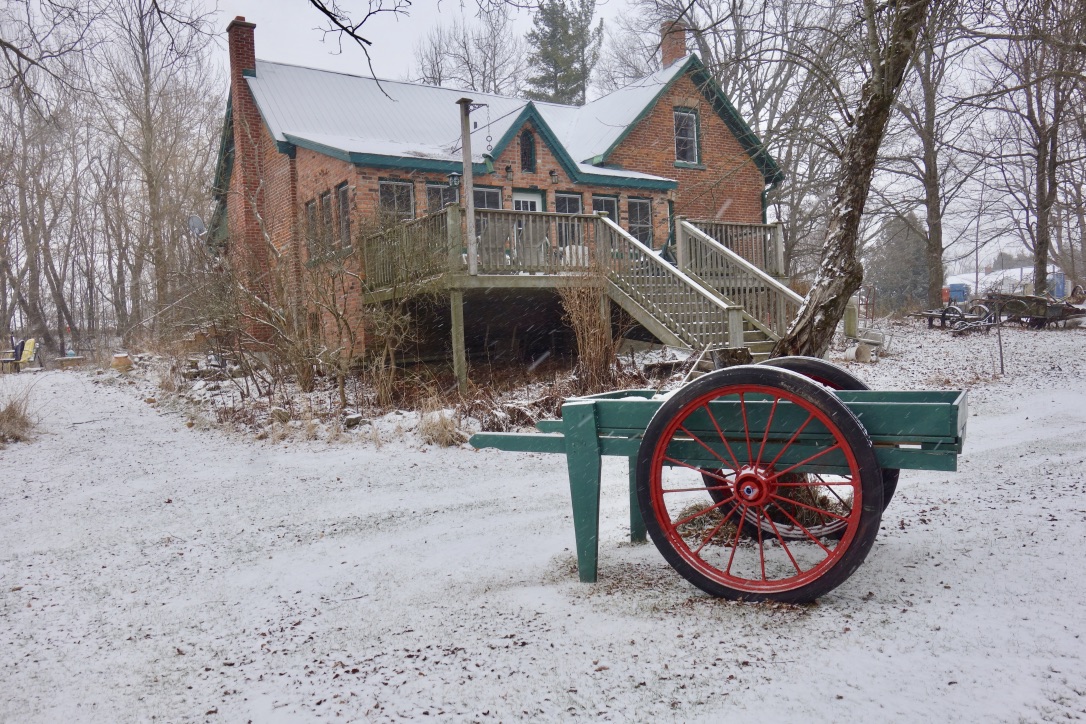
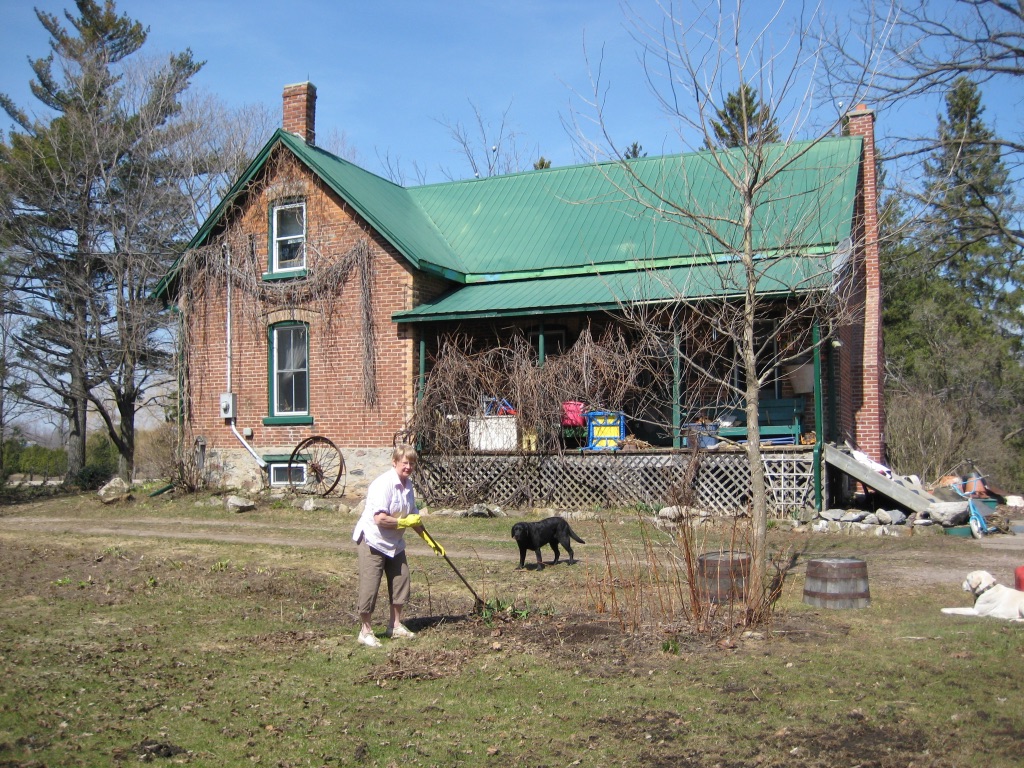
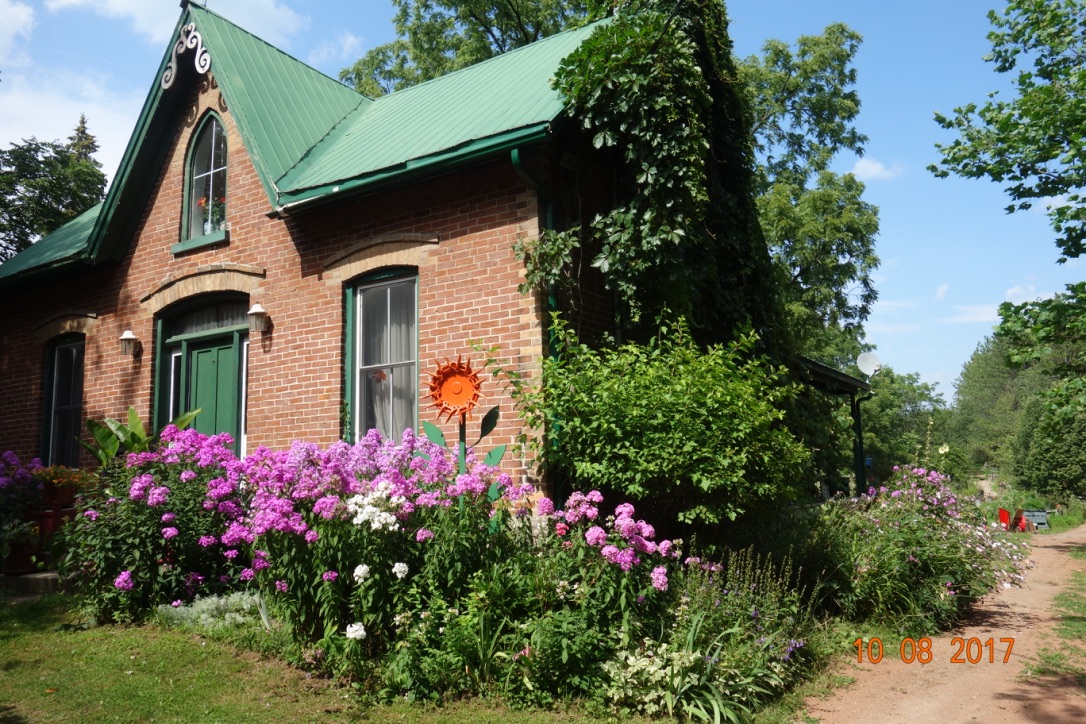
We still own that 25 acre farm. (2021) but it does not look much like the farm granddad bought
in 1914. Today it is dressed in green…forested. And the swamps that granddad tried to drain have
been dammed into little lakes…four of them. The house looks the same but it has been changed
totally on the inside…gutted. Open plan now while in 1914 the main floor had six rooms. The old
dirt floor cellar is now cement floored with a propane furnace that provides central heating at great
expense. In 1914 the only winter heat came from a big wood stove in the front room kitchen…a room
that also served as a dining room, living room and entertainment centre. The rest of the house was
an icebox in winter with icicles hanging from the doorframe and window ledges.
Certainly not unique. All the houses were heated by wood stoves and every farm family
lived in the only room with a wood stove…the kitchen. If I mentioned the term ‘indoor plumbing’
to a Canadian farmer between 1914 and 1924 he or she would be puzzled. There was no indoor
plumbing. There was a back house of course. A little building with a slab of smooth pine from which
a circular piece of wood had been removed.
The farm stayed like this until 1990 or so when
we were robbed big time and had to make a major decision. Should we restore the farm house
or sell the farm. We restored the farm house. if I met the thief who stole the good furniture I would
shake his hand. He helped us rather than hurt us.
Where am I going with this story? By pure chance I came across some photographs taken
by granddad or by my mom capturing the look of the farm between 1914 and 1930. Compare
them with the photographs taken today…a century later.
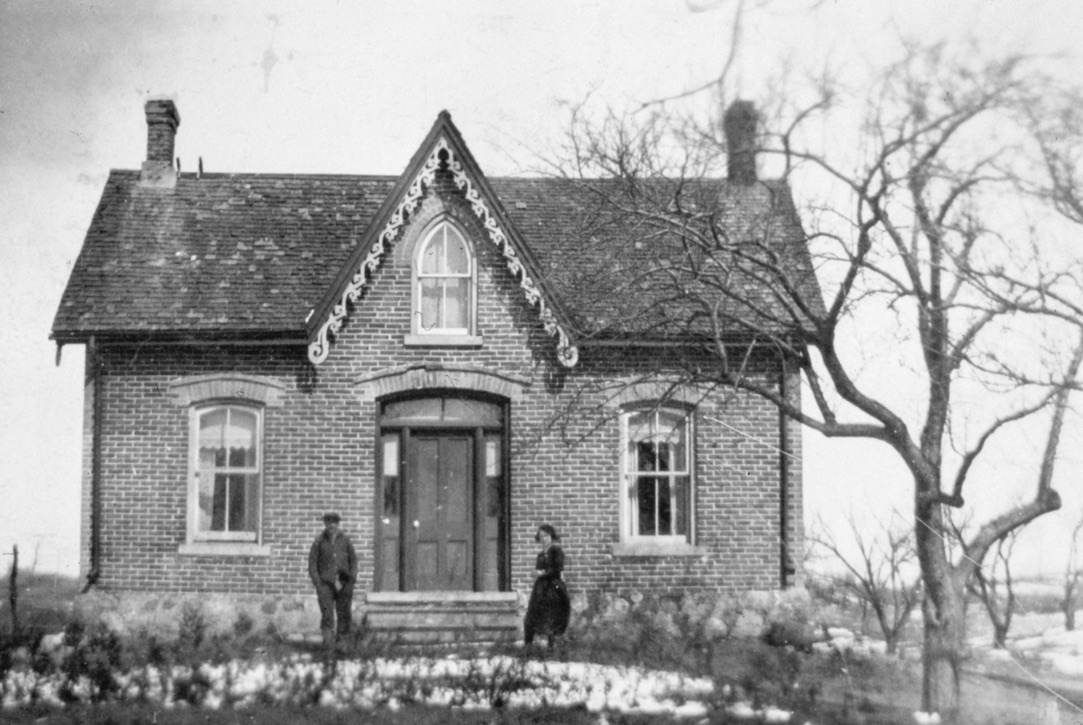
Edward Freeman and his daughter Elsie proudly standing in from of their newly purchased house in 1914 on the Fifth Line,
Erin Township, Wellington County.
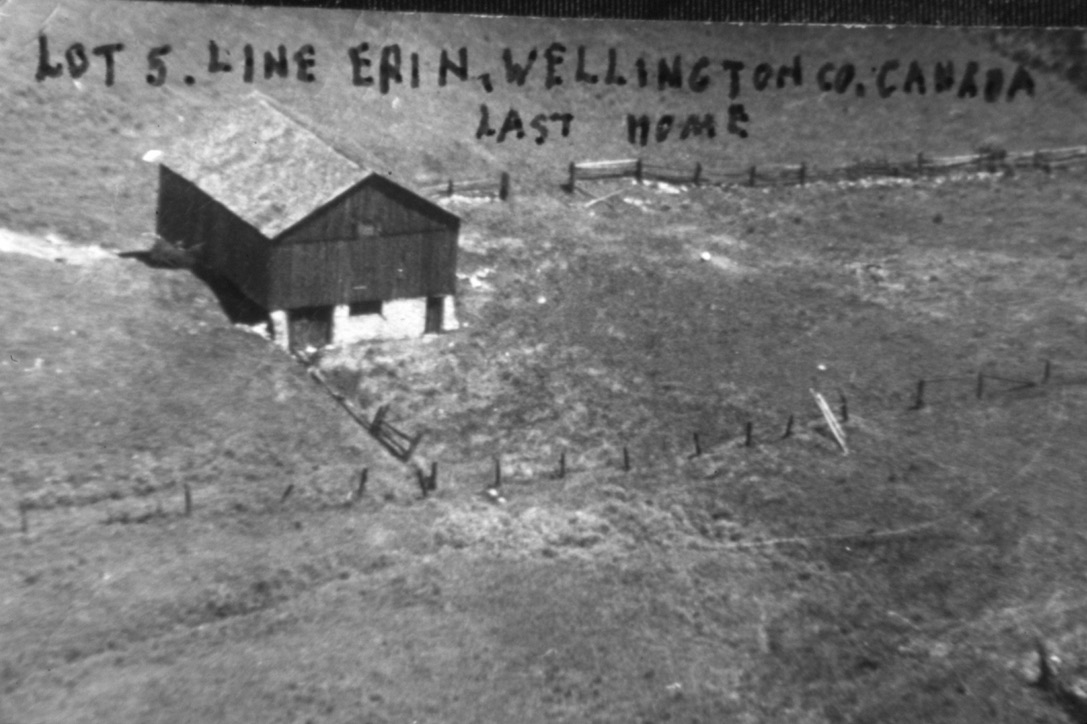
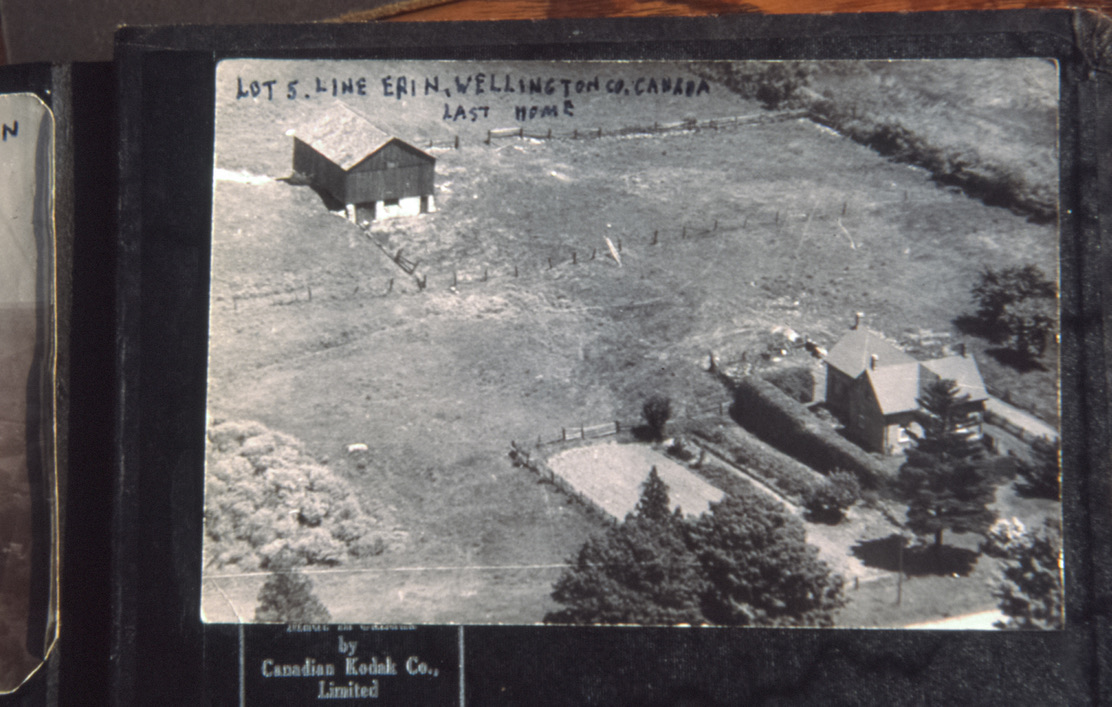
The person who built this barn thought he was wise. There is a steady flow of water that goes through the barn which means
watering the livestock will be easy. True. But it also led to the death of the barn from 80 years of freezing and thawing. The barn
collapsed about 1957. Today this location is verdant with trees and shrubs and he stream empties into a large pond in
the foreground.
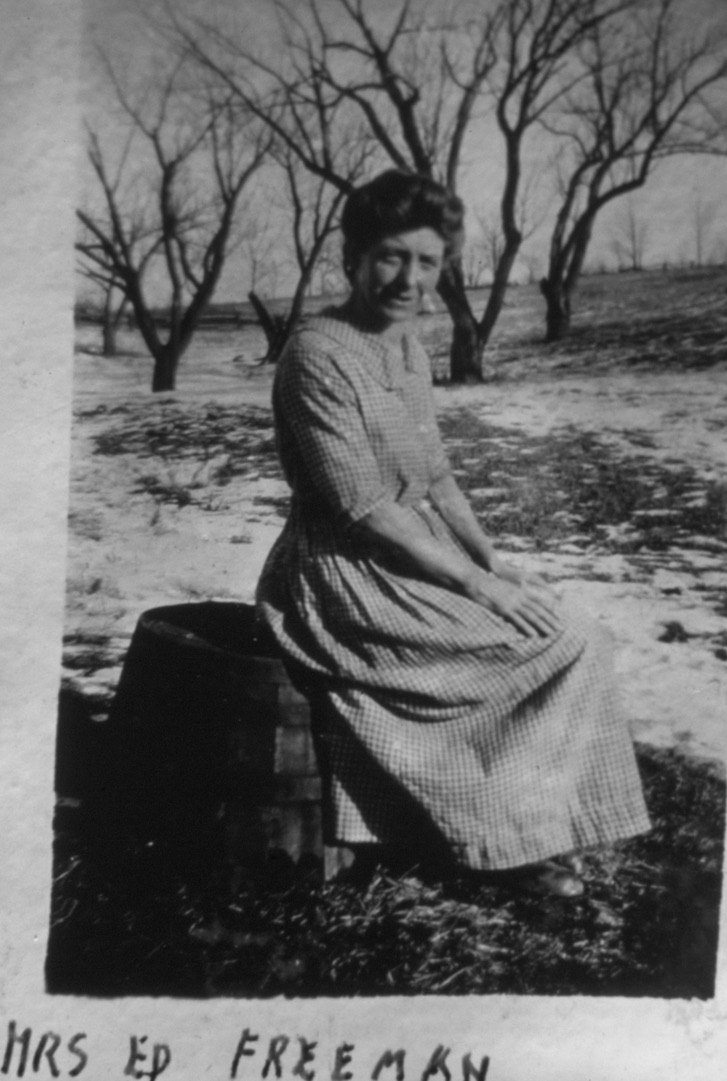
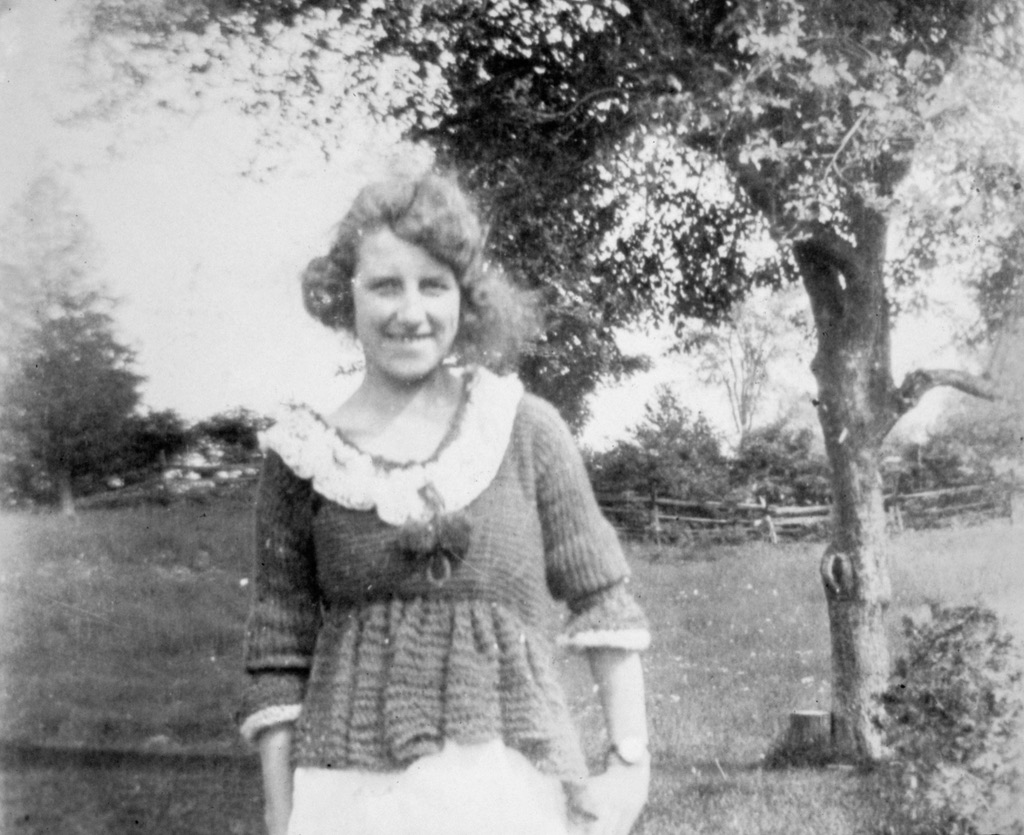
Louisa (Bufton) Freeman around 1916 or so. Damn good looking woman. I never knew her
in 1916 because i was not born until 1938. By that time she had advanced Parkinson’s disease. Her
hands always shook. Her writing was wiggly. Yet she persisted. IN the late 1950’s when
I worked in the far reaches of northern Canada, Grandmother wrote to me often. Her writing was painful
and awkward but steadfastly done. She was Gentle and Tough at the same time. When she died
she said, “Boys, I give you Scottie, please care for him.” Scottie was a scotch terrier. Marjorie remembers
that he growled when she tried to kiss me in our car in 1959. Protecting me.
Two calves being fed skim milk maybe. The rich cream was skimmed off for human use…butter. Since there were two calves
in 1916 they must have been at least two cows. Mom spoke of one cow in 1914. How does a farmer with two cows ensure those
cows get pregnant? No bull. Often farmers took their cows…walked them…to meet a bull kept by a wealthier farmer. There must
have been a cost. Not sure how much. Later , much later, in the 1950s my cousin Ted Freeman became an A.I. man. Artificial
Insemination. Ted would go from farm to farm carrying his vials of bull sperm to be hand delivered to a cow from the rear. Amusing
to watch. Ted often carried a short length of 2 x 4 in his spare hand. Why? “Because some farms had dogs ready
to bite strangers. I cooled them off with a good swipe of my 2 x 4”
One of the greatest jokes I have ever heard was told by my aunt Lucinda…told in the 1950’s. Must be shared.
“Dear, I must work in back field today. The A.I. man is coming. Tell him
to service the second cow in the third row in the stable. There is a big
nail in the beam above.”
(His wife came from the city…new wife…not worldly wise)
“Where is the cow?” asked the A.I. man.
“In the stable…third row…there’s a big nail in the beam above.”
“What is the nail for?”
“I do not know. Probably to hang your pants.”
I will always laugh at that joke. Earthy. i laugh because I can hear my Aunt Lucinda telling
the joke over and over. At their golden wedding party at the church in Acton, I reminded
Lucinda of her joke. So she told it again. In spite of church crowd or maybe because of
the church crowd. Her laughter will never be lost.
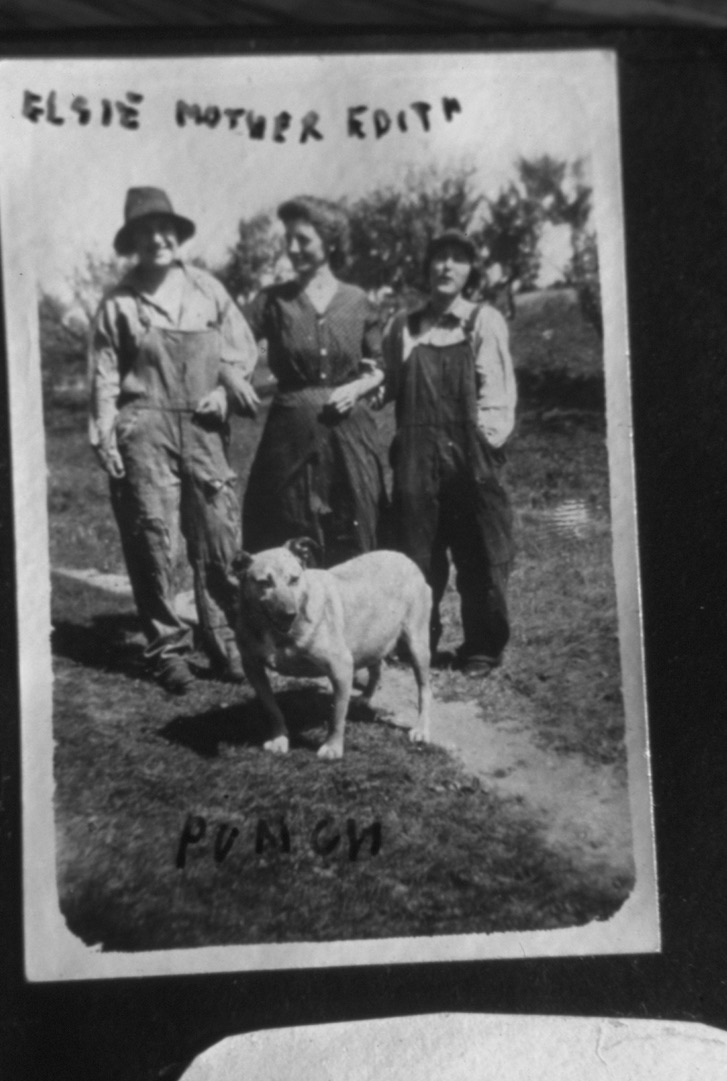
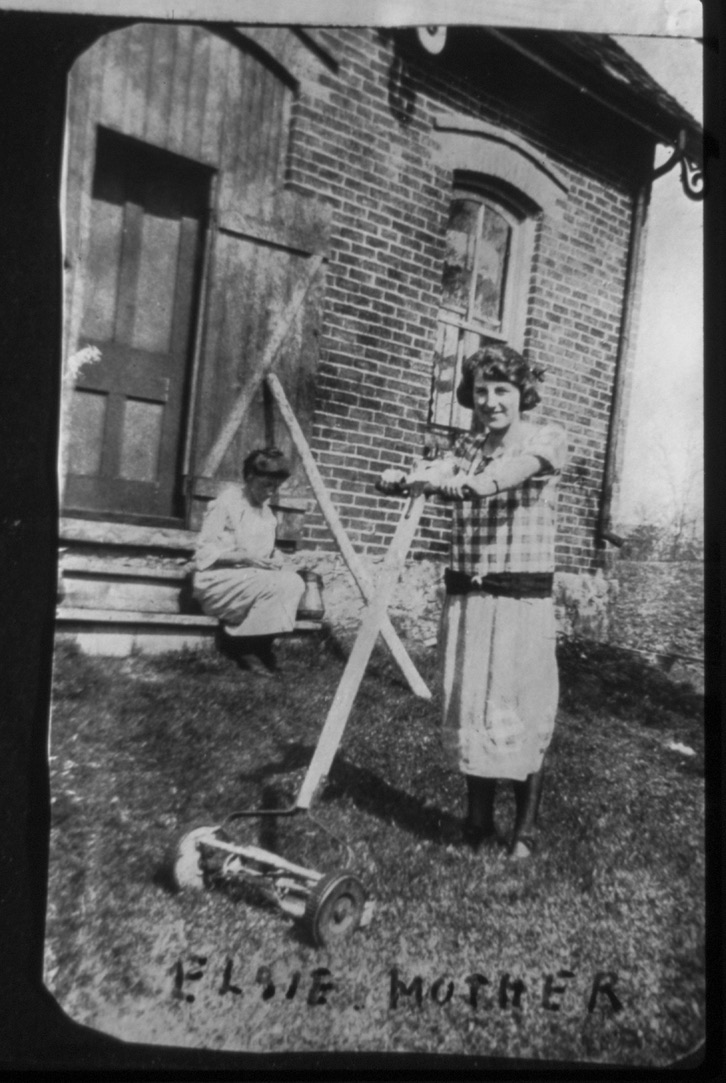
Mom, Elsie Freeman, wearing her farm clothes…baggy, oversized. torn…not clothes meant for Vogue magazine.
Punch…the pit bull…seems well fed. He was loved…never used as a fighting dog.
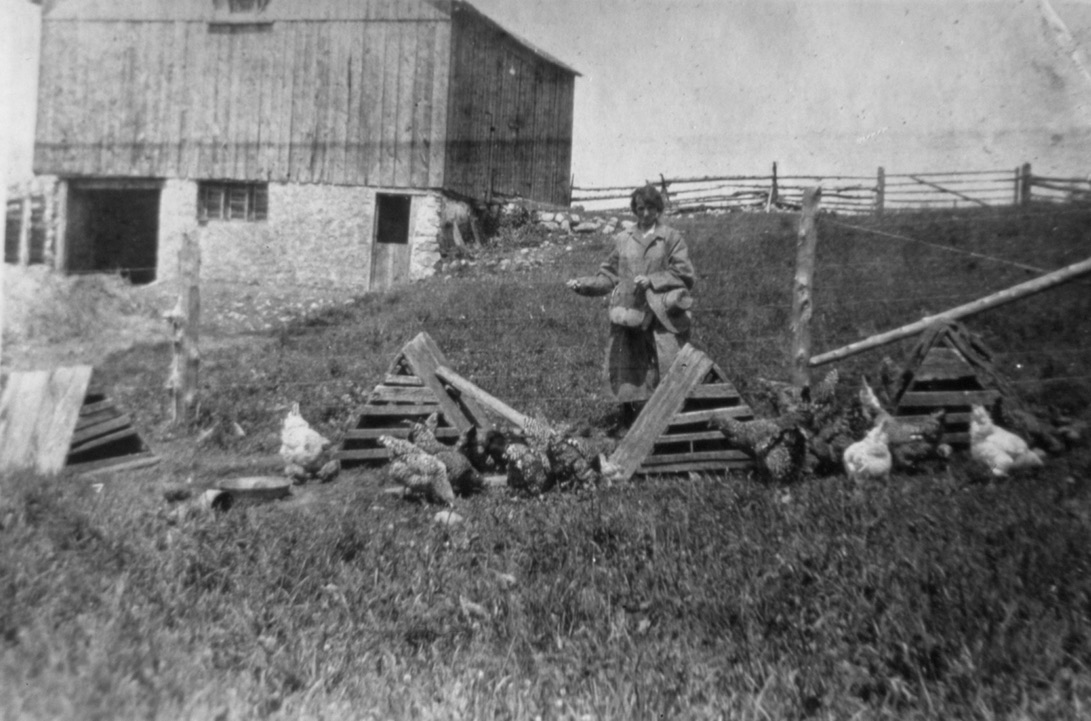
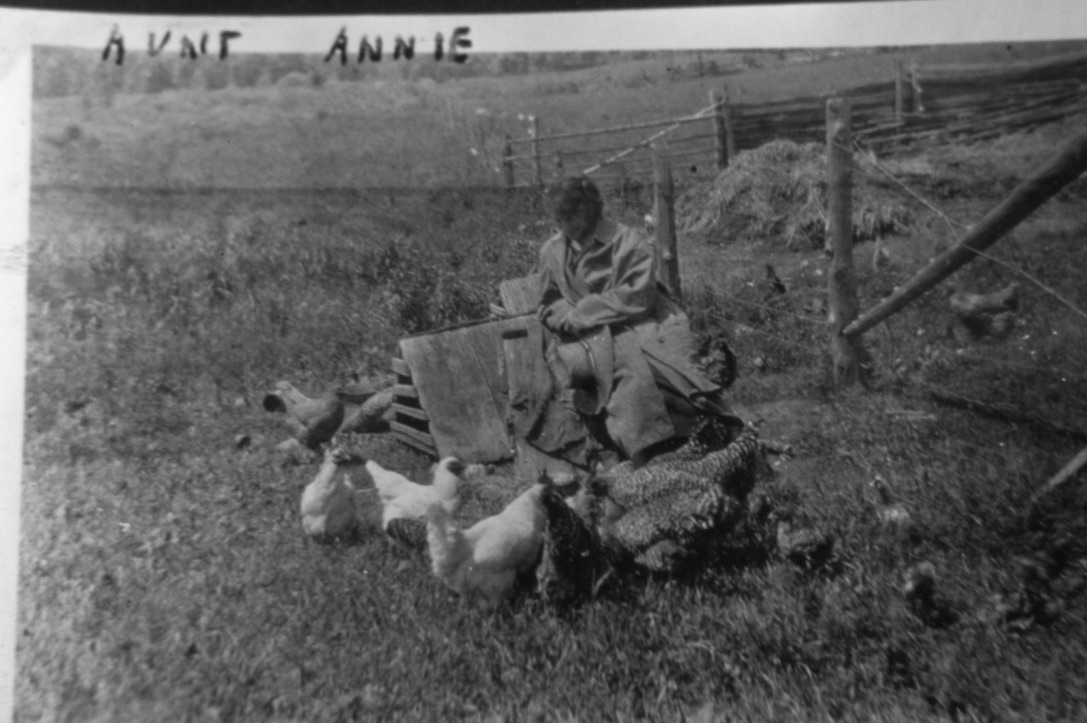
Aunt Annie feeding the chickens.
Frank Freeman at his farm just a hop, step and jump up the road.
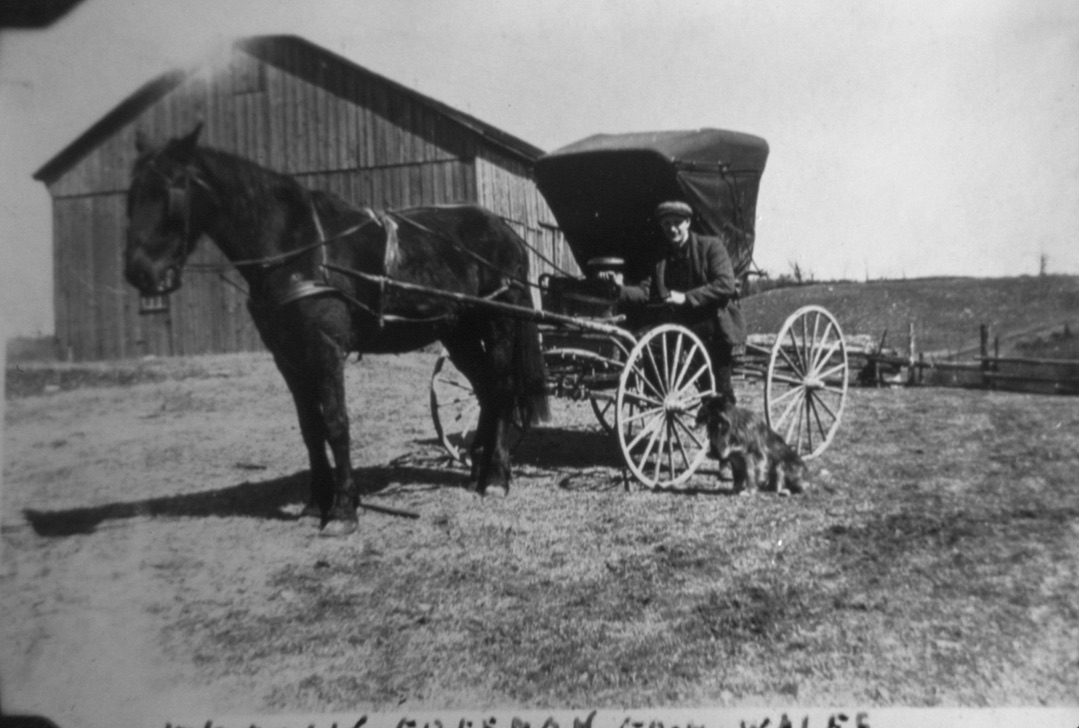
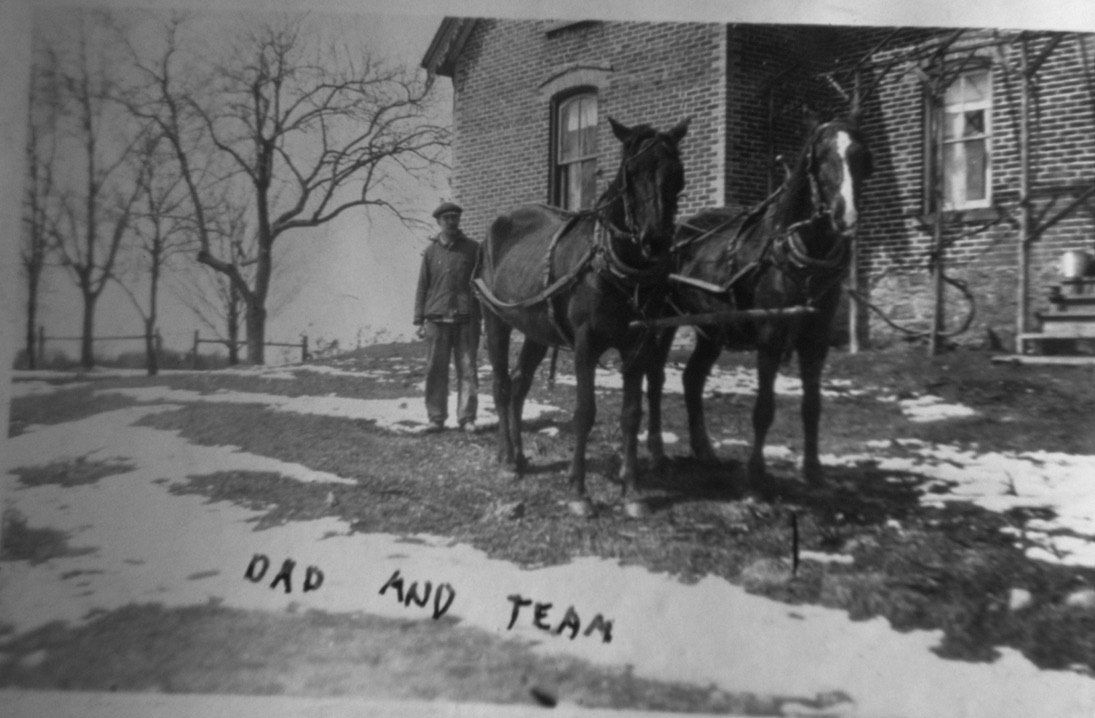
Granddad was proud of his team…just purchased around 1914 or so. These are old horses…
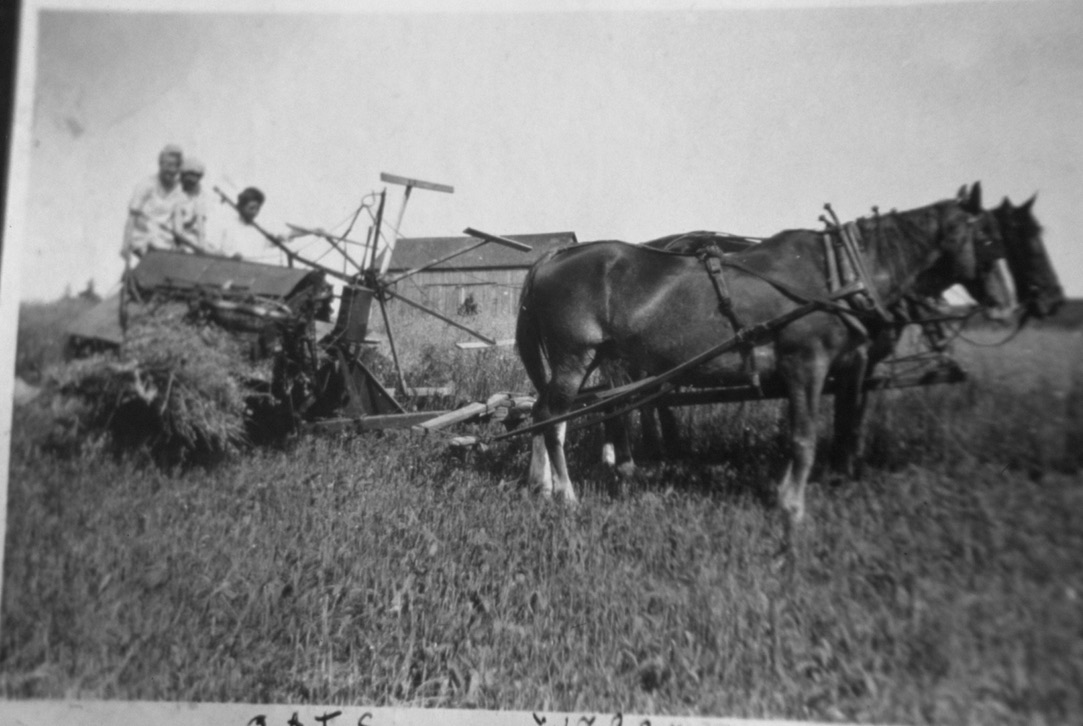
THE BINDER: These were years when grain was cut and bound into sheaves which were side delivered for field labourers like Eric and me. The stukes
had to be set vertically so the sun could dry them in preparation for threshing. Every task on the farm involved heavy human labour reduced
somewhat by horses.
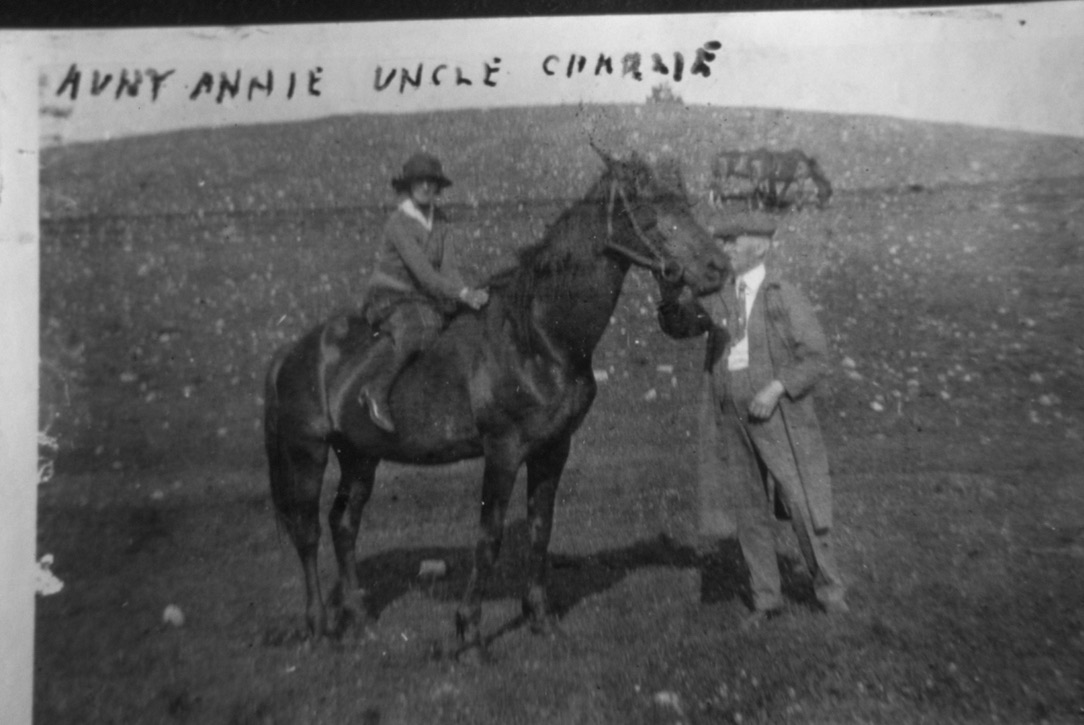
Edward Freeman persuaded his sister Annie to migrate to Canada along with two of his brothers, Cliff and Chris. He wanted
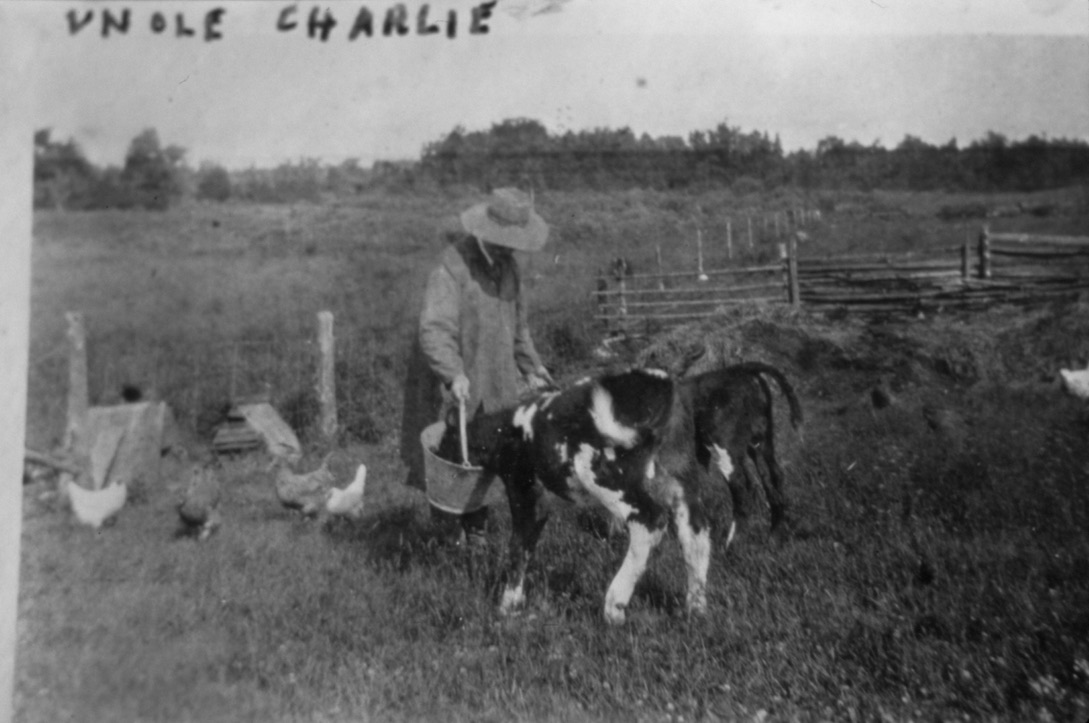
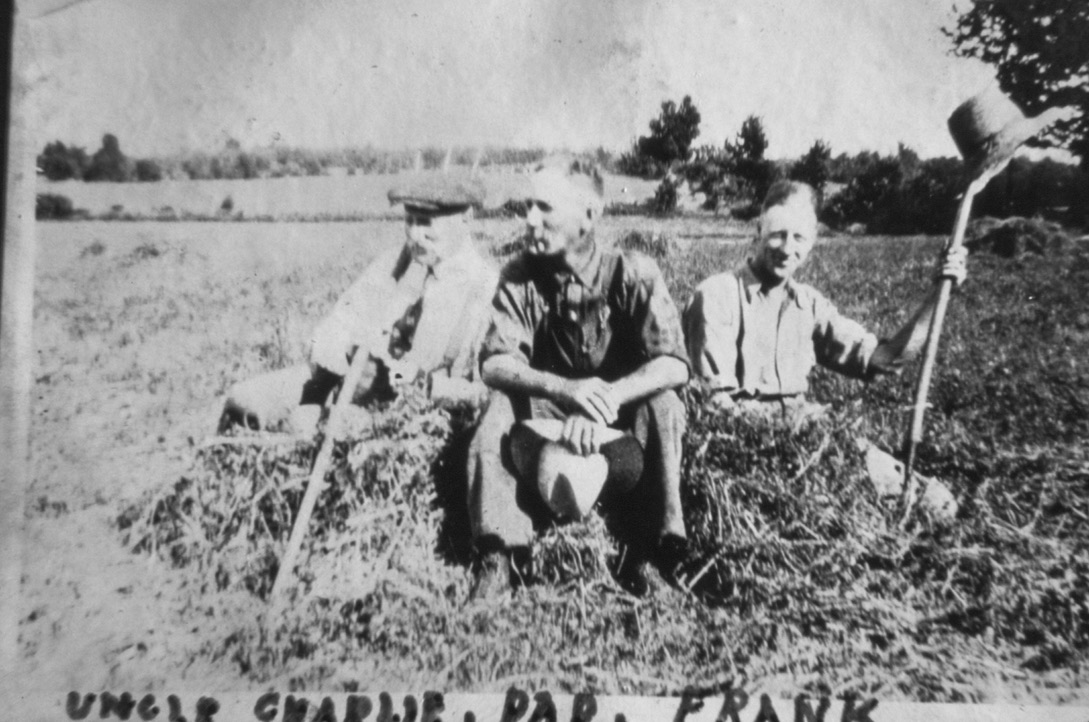
all nine to come including his mother. But he did not want his father, a miserable abusive alcoholic. I never met Uncle Charlie. Look at
the field. Tho whitish thing are stones. The best crop was stone. A new crop came up every year and had to be picked and hauled
to the fence rows with horse and stone ‘boat’…i.e. a wood or iron slap with slightly up turned front. Now in the year 2021 stones
remain our best crop.
I remember when Aunt Annie died. She was living with us in our rented rooms at 19 Sylvan Avenue. Mom said. “Boys, aunt
Annie would like to see you today…to talk to to you…she has something for each of you.”
Such a sad room. She was in bed…dying of cancer. I barely remember her but I still have her gift.
“Alan, I would like to give you this little piggy bank that I brought from England.”
“And Eric, here is little tinware globe of the world.” Aunt Annie had so little…all in one suitcase.
Aunt Annie died shortly thereafter. I never really knew her but still have the piggy bank.
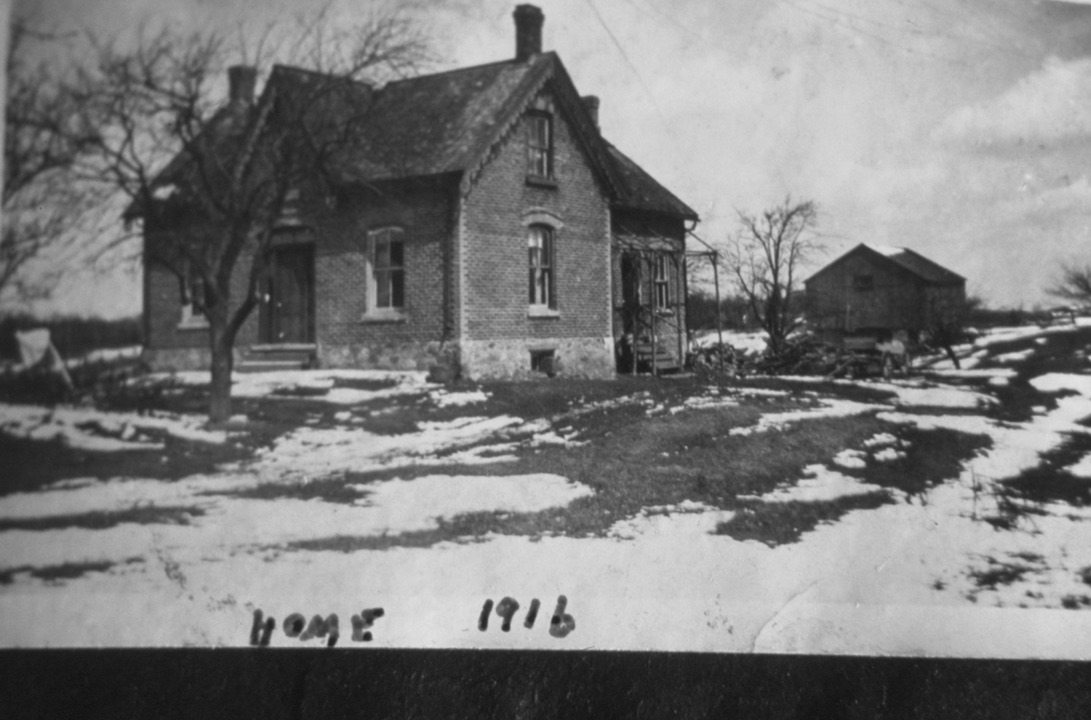
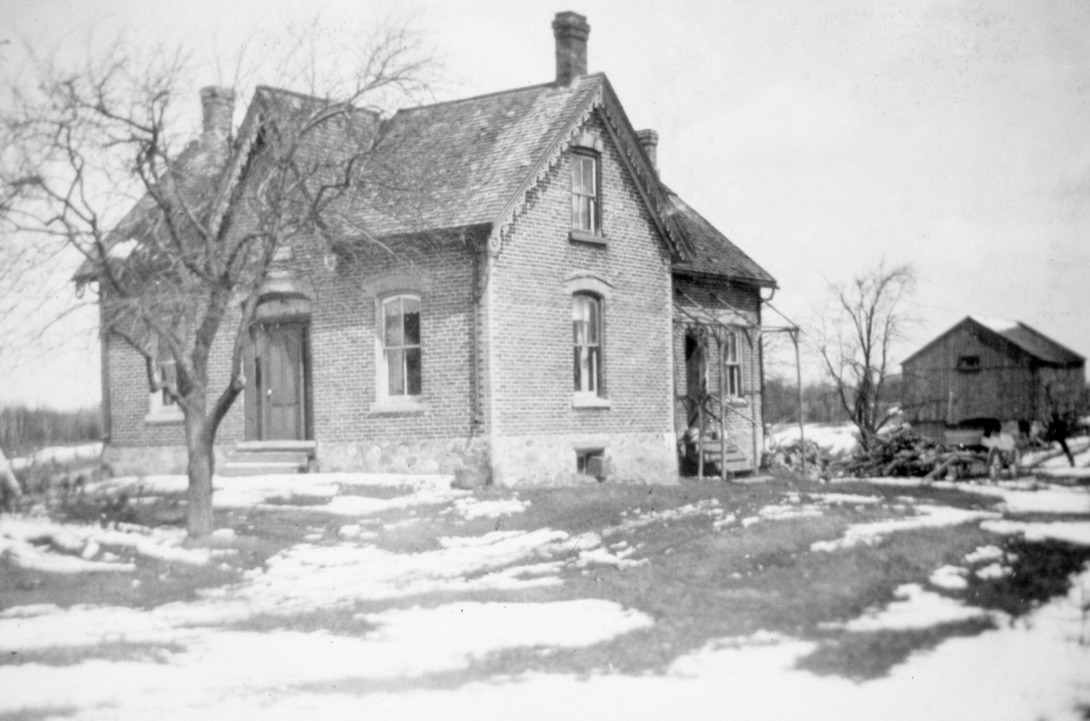
Bleak House and barn…March 1916.
Granddad, Frank and Uncle Charlie are resting on a pile of new mown hay. Each year they could only keep enough animals
that this hay could feed. The barn was small. In 1916 the Freemans had one or two cows, a team of horses, a flock of
chickens, and maybe a big fat sow (but I never heard they kept pigs) Getting by was difficult. Work at some place off the
farm was a necessity.
This picture was taken in 1916. Two years after the Freeman farm was purchased. The land was cleared. Few trees….more sunshine…better chance
of something marketable. How to keep the house warm? See the pile of tree trunks all of which had to be hand sawn into blocks unless Angus
McEchern came by with his tractor and circlular saw. The need for wood fuel kept farmers clearing land whether they liked it or not.
This farm in 1916 … winter …looks dreary. The front door had so man cracks that snow piled up inside the house. The only
livable winer room was the front right kitchen. Under the kitchen was a dirt floor cellar that smelled of aging potatoes and sour milk.
‘
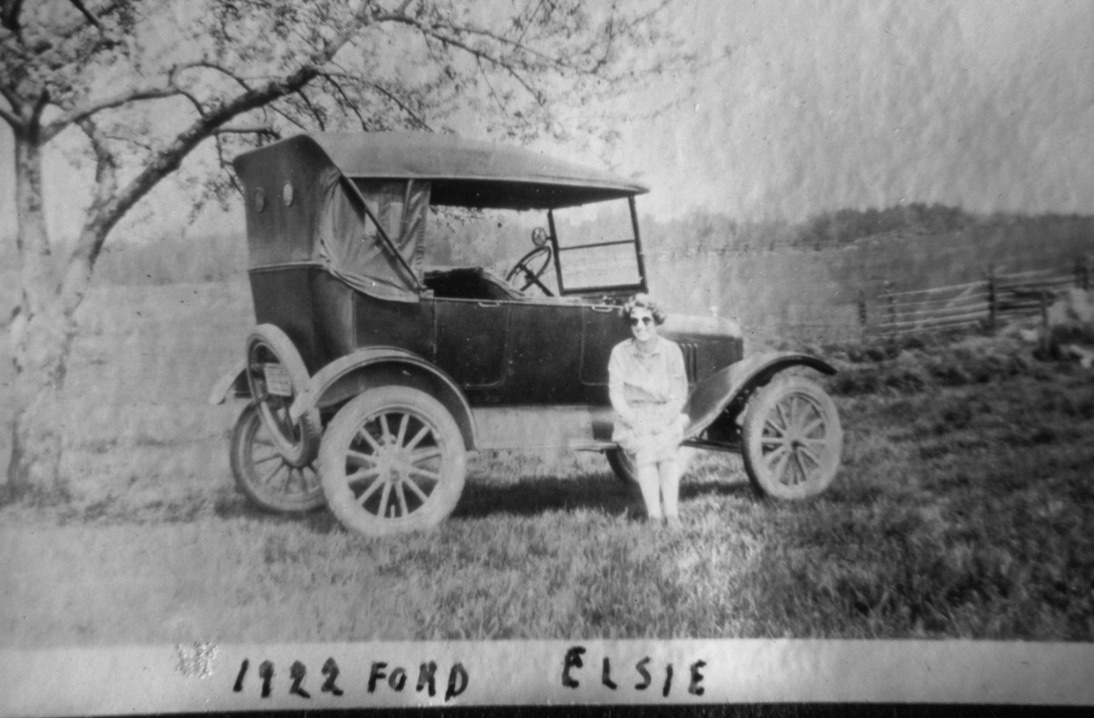
Somehow Uncle Frank was able to purchase a car in 1922. How could he do that when his farm only had about 60 acres tillable.?
Frank and Lucinda certainly did not go to town for Coffee, chips and a Big Mac.
Keeping the Freeman farm neat and tidy was not easy. Just cutting the grass with a push
mower would take hours and if the grass got ahead of the mower…i.e. got long…then forget
about the mower…get the scythe.
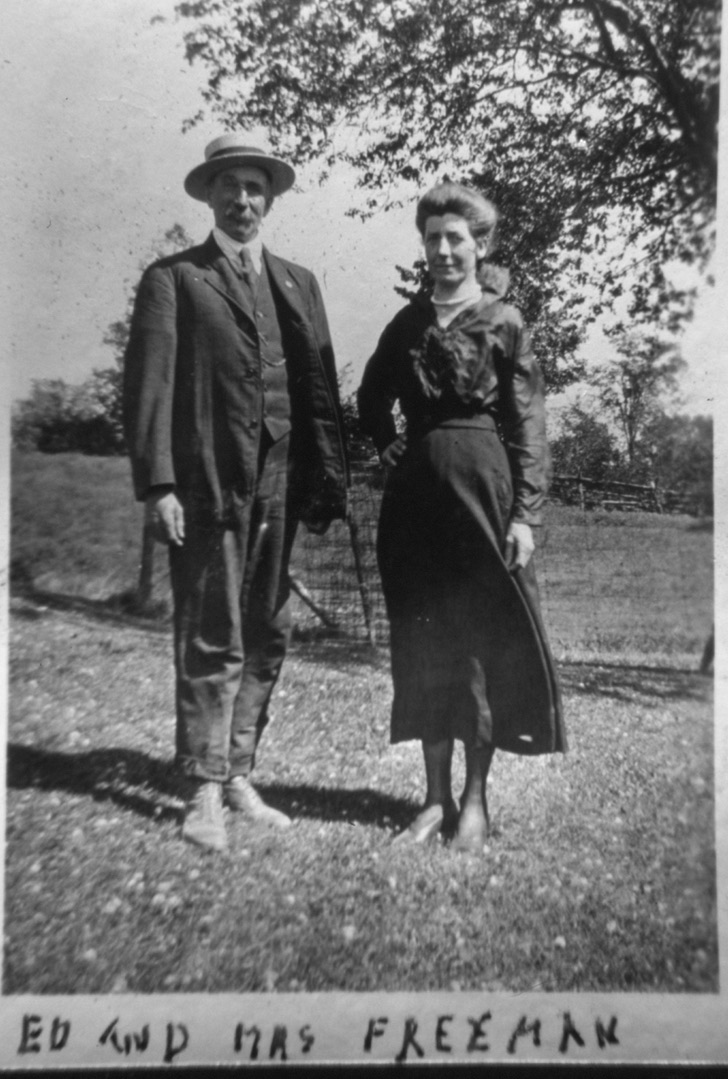
Grandmoher Louise (Bufton) Freeman in her Sunday best. Ed must have been a family friend.
The Freemans had lots of friends…because they were so musical and welcoming I believe.
They were surrounded by Scottish immigrants who had arrived in the 1840’s, many of whom were childless so
Elsie and Frank were warmly received after the Scots got over their anti-English prejudices;
And decades later, in the 1940’s and 1950’s my brother Eric and I were also warmly received
by the Macdonalds, McLeans, McEcherns, Kerrs. Today only the Kerrs remain. And the
Skeochs (our family) now own the McLean farm. Cousin Ted Freeman and Shirley still own their
farm.
DIGRESS HERE: Why so few farmers today?…3 to 4% of Canadians. Most of the land on the Fifth line is now tilled and harvested by the Anthony Brothers’
who rent several thousand acres which were once individual 100 acre farms. They pay $90 an
acre which is market value. If a 100 acre farm is 80% cleared then the yearly income would
be $90 x 80 acres which equals $7,200.00. If a new John Deere tractor costs $100,000 then
tell me how quickly a farmer would go bankrupt. Those big combine harvesters must cost
$150,000 or more. How many of those could a farmer buy with his or her $7,200.00?
What about food? A car? Kids education? Copies of Playboy Magazine (if they sell exist)?
Now that is ‘tough sledding’…better to sell the farm and get the hell to a better place.
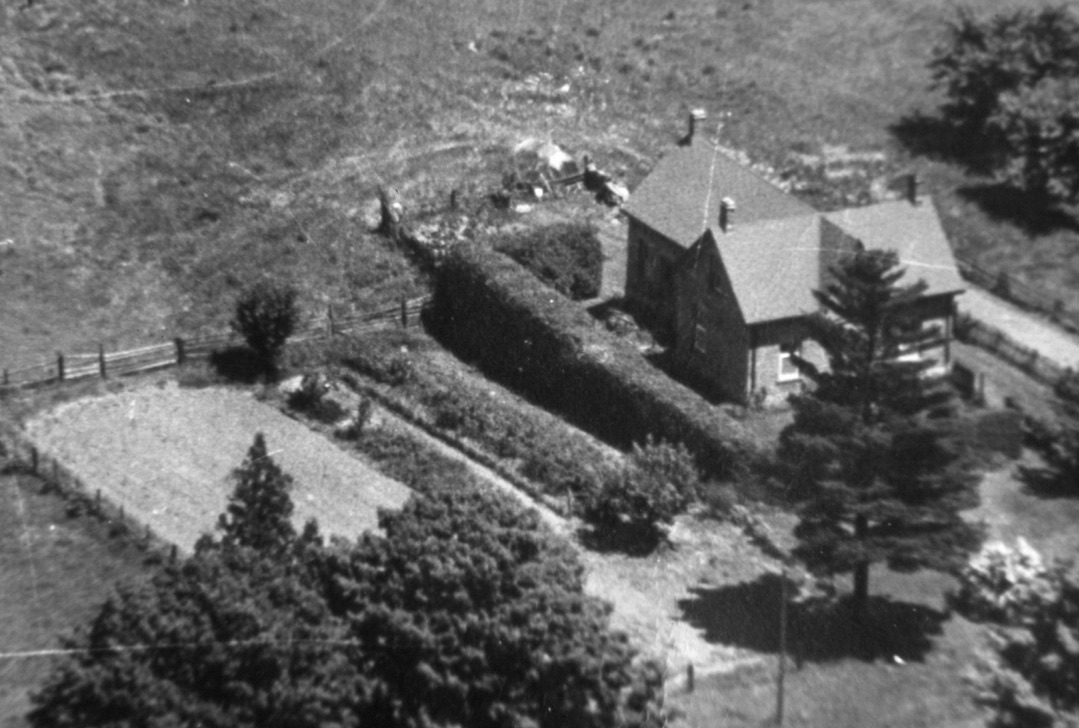
This picture was taken from the air by an enterprising photographer who photographed farms for a living. Used an old WW One biplane likely
…could fly low enough and slow enough to capture the Freeman farm around 1930 or later. Big changes. Compare this picture with
early pictures in 1914 and 1916…see the impact Granddad had on the property. House enclosed by a manicured cedar hedge. Huge berry
patch, apple trees, weed free garden freshly plowed and harrowed…the stony ground is obvious. The big white pine tree still remains
…much larger and much stressed as it was struck by lightning big time in the 1940’s. The lightning bolt followed the telephone line
into the house but did not set it afire. Note the lone telephone pole beside the big white pine. Granddad made the Freeman farm look a neat and manicured as the Eywood Estate had been
back in England. He was, after all, a ‘head gardener’. What is missing? Electricity. House wired around 1950. How is the house roofed? Cedar shingles. How
is it heated? Wood stoves…three chimneys. Where is the back house? Hidden in a lilac bush at back of the house. Later this became
the site of a grand walnut tree which still exists. Grandma claimed I planted the walnut beside the back house around 1945. I doubt that.
Fencing was always a problem. Split rail cedar fence rails surround he farm aligned as straight as a Temperance persons mind.
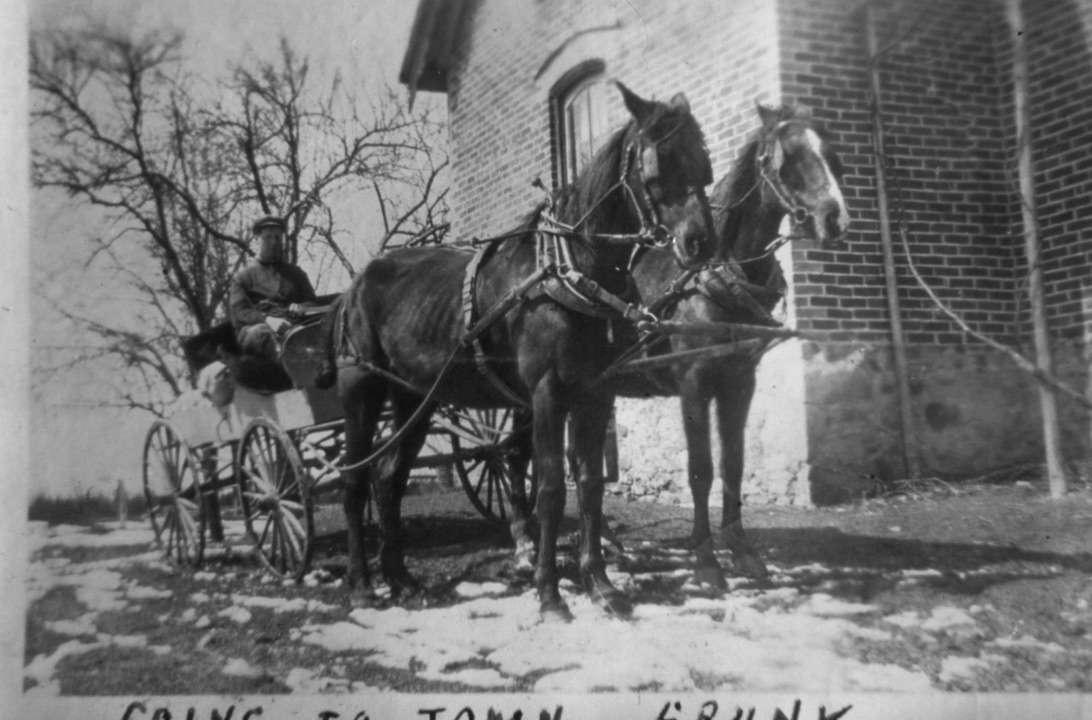
Every farm had at least one team of horses along with a buggy and set of bob sleighs. This team seems to be old…has seen better
years…so was likely purchased as such. The fate of one of these horses is recorded below when Elsie headed for a job in the big city.
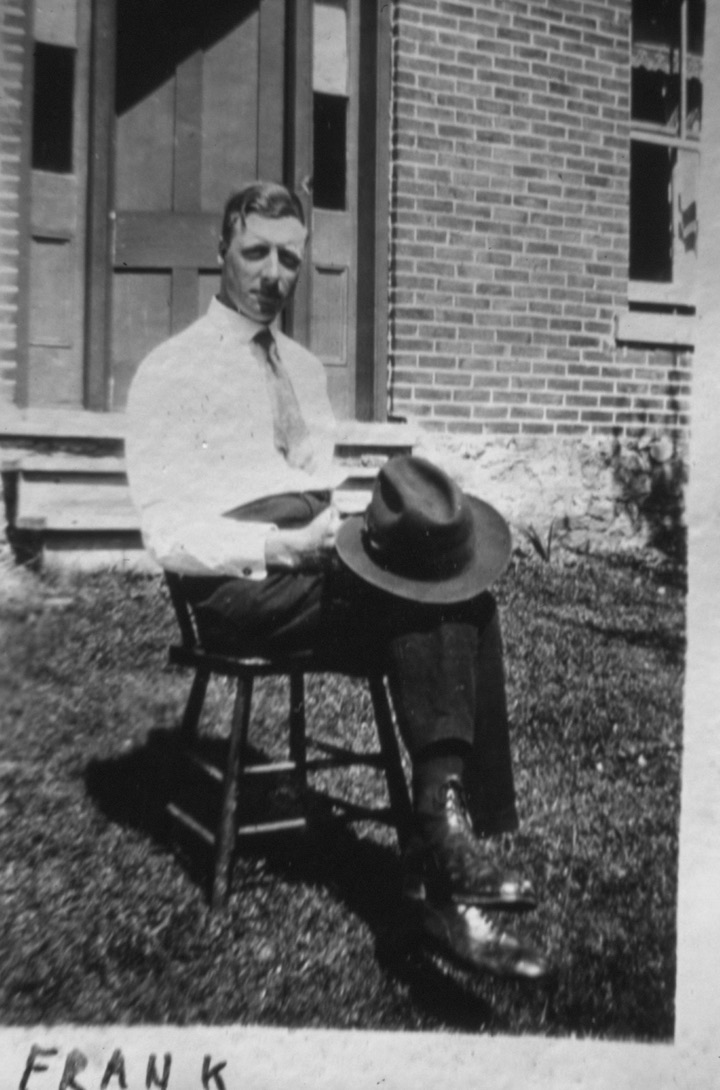
Frank Freeman, mom’s brother, wearing his best clothes. Late 1920’s I estimate. Uncle Frank became a major part of
our lives as did his wife Lucinda whose laughter still rings in my memory. They were great church goers…United Church
members after church union of Presbyterians and Methodists. Grandma and grandma were Anglicans but church was never
as big a part fo their lives as it became for Frank.
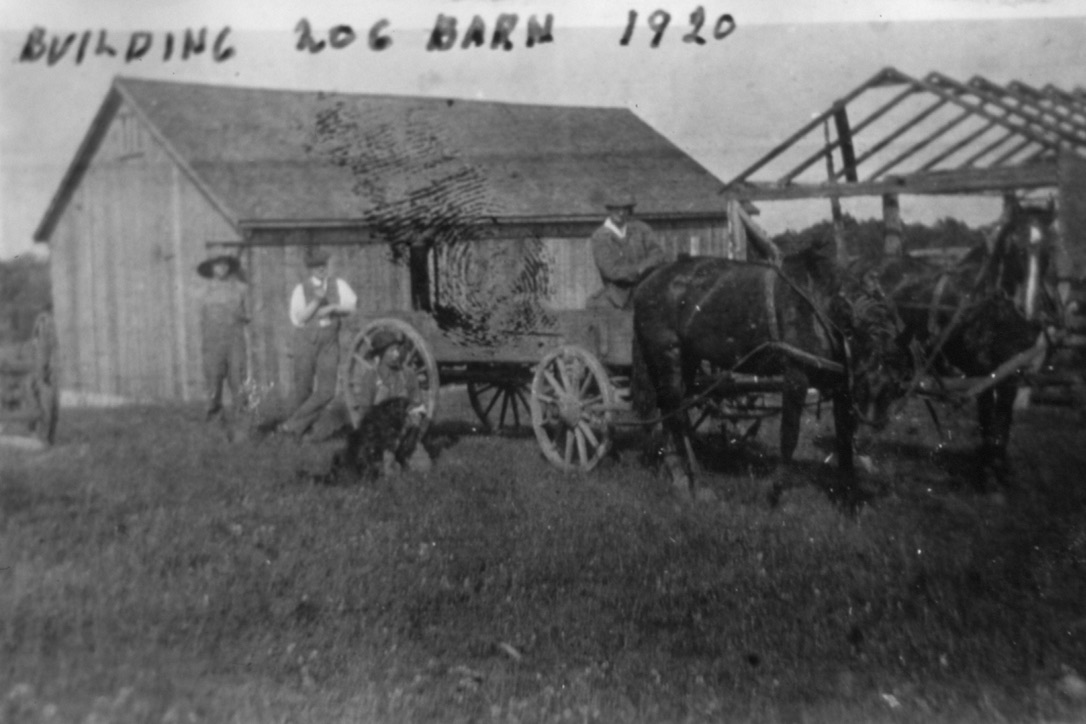
One of the great mysteries happened in the decade of the 1920’s. Granddad managed to buy the Maud farm…north of our farm. How he did this
I have no idea. Perhaps Mom provided some cash as the 1920’s were boom years for sweatshop workers in the ‘needle trades’. Maybe granddad saved
money earned making munitions. The Maud farm was no hell as a farm…too many hills and swamps…too little good soil…but it
was a real farm of 100 acres. In the picture above Frank and neighbours are building a second barn for hogs
underneath and machinery above. Uncle Frank and Aunt Lucinda moved here and farmed the land for the rest of their lives. How they
managed to make a living selling shotgun cans of cream I will never understand (but try to understand with the help of
their son Teddy, my cousin, who now lives on that farm in happy retirement with his wife Shirley (Awrey) Freeman.
MOM, Elsie Freeman, helped run the farm with Frank and Grandma during the war years but by 1920 she decided to leave the farm
to see if she could help out more by being a ‘domestic’ in Toronto Rosedale. Terrible job. She hated the person she worked for and
quit…homesick and disillusioned…returned to the farm for short time. The ‘domestic’ that replaced her, a young Scottish immigrant,
had no such escape so committed suicide by jumping from third floor window. Mom had the guts to know when an employer was
lousy for the rest of her life.
Her trip to catch the train in Acton in 1920 was a warning if you will. Partway to town the horse died in the shafts. Granddad had
to borrow another horse then get Elsie to town in time for the train. And then the dirty part. He had to return to the skin the dead
horse and arrange to bury the body or find someone who wanted dog food. Could you do that? All of us can do unpleasant things
when there is no alternative. I believe that.
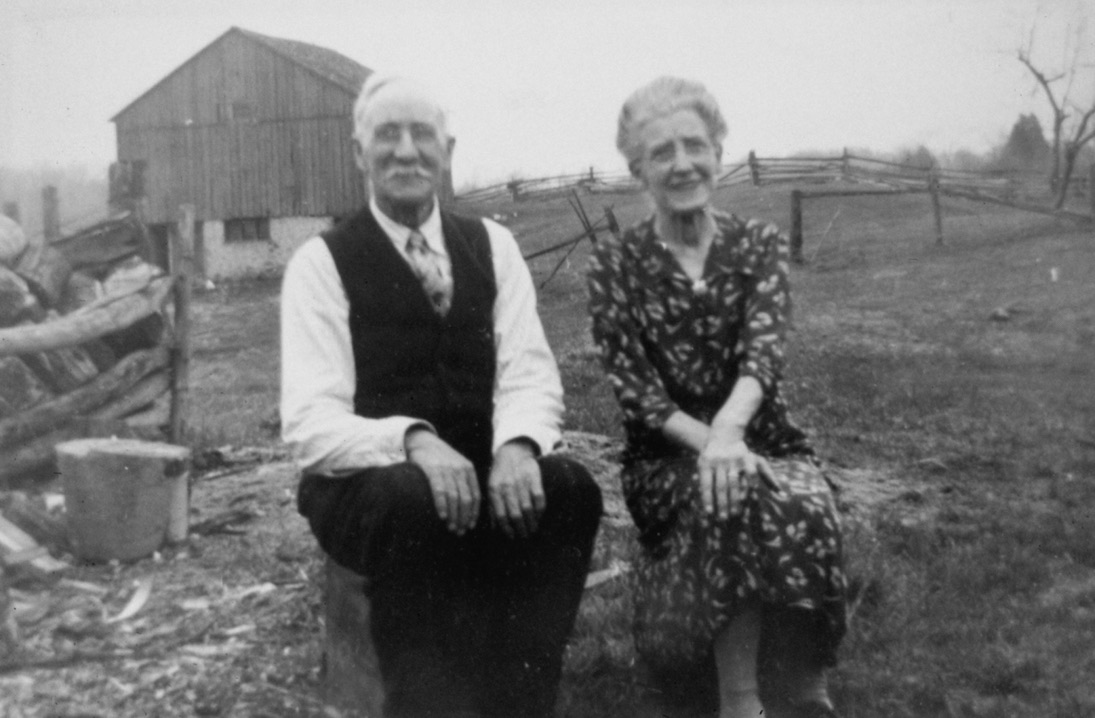
Grandma and granddad as I knew them. They were contented in their lives. That is apparent in their faces.
SAME FARM TODAY