Year: 2021

  • EPISODE 276 WELL TRAINED DOGS…CAN DRIVE TRUJCK

    EPISODE 276    WELL TRAINED DOGS…CAN DRIVE TRUCK


    alan skeoch
    March 2021

    Keep this info under your hat.  We have managed to train our
    dogs to drive our truck.  That way we can hold the load in
    the truck when there is a danger that the overhung threshing
    machine might fall out.

  • EPISODE 273 FREEMAN FARM 1914 TO 1930: harsh reality


    NOTE TO READERS:  THIS STORY IS PERSONAL…COULD BE TEDIOUS;  JUST REMEMBER
    THE STORY WAS REALITY FOR MANY.  “THIS IS THE WAY WE WERE”…photo records.


    EPISODE 273       FARMING 1914 TO 1930 .. HOW DID THE FREEMAN FAMILY EVER MAKE A LIVING?


    alan skeoch
    March 2021

    Edward Freeman, my grandfather, bought a 25 acre farm midway between Acton and Erin, Ontario as
    the crow flies.  Seems about all he could afford having been burned out of his home at Krugerdorf
    in Northern Ontario.  He never expected the farm to make an income.  It was  a place for subsistence 
    living in the country.  Away from the industrial city air that had affected Frank’s lungs. (son).

    Edward  got work in the munitions industry which was gearing up big time as the war in Europe blossomed
    into a  stalemate of trench warfare and artillery duelling.

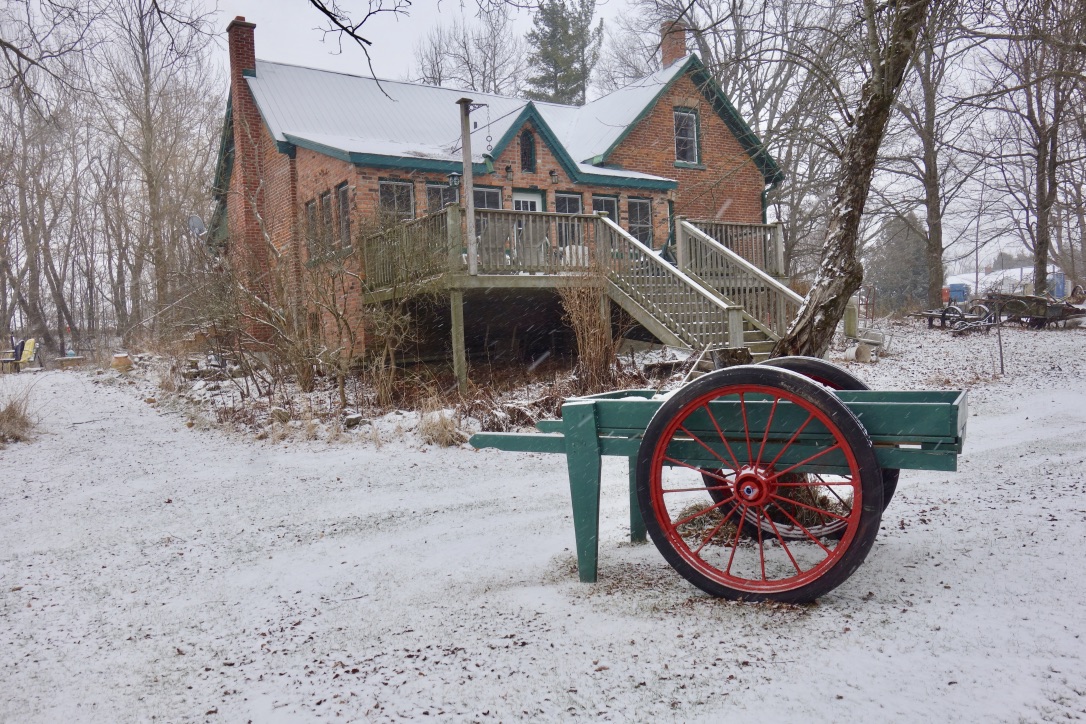
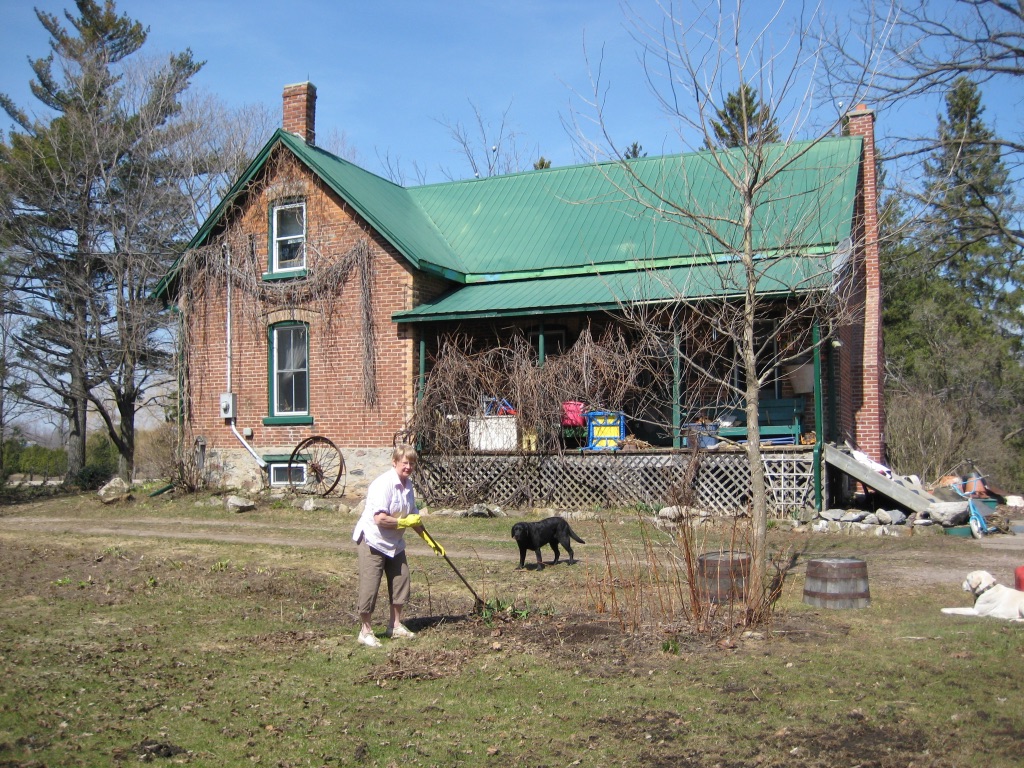
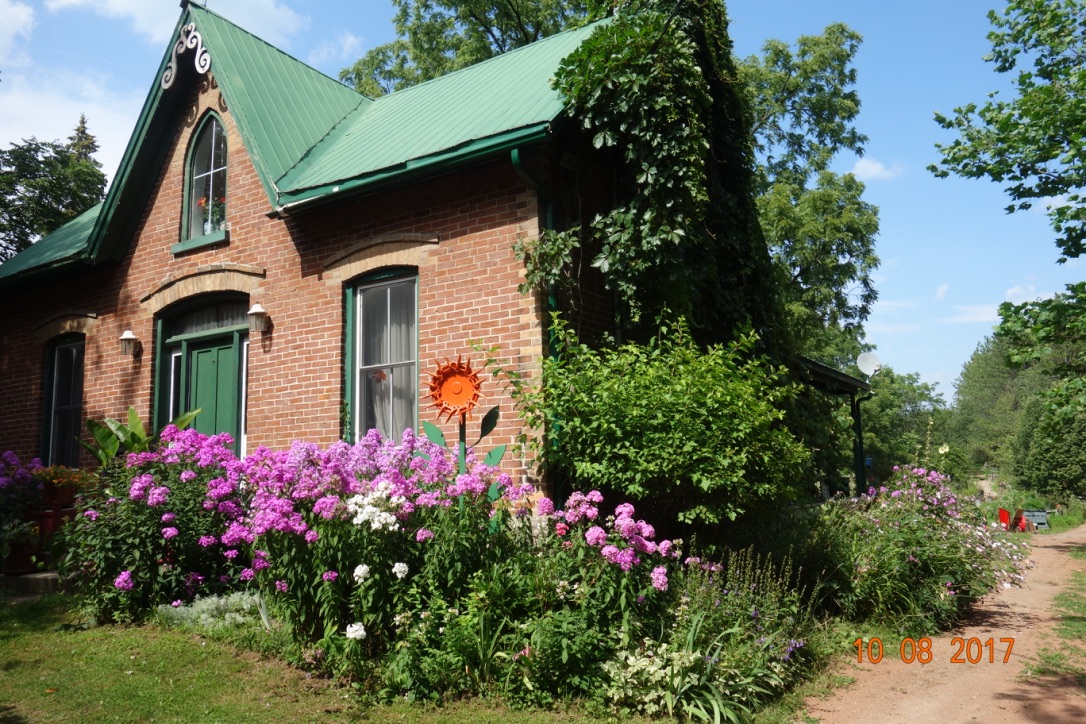
    We still own that 25 acre farm. (2021) but it does not look much like the farm granddad bought
    in 1914.  Today it is dressed in green…forested.  And the swamps  that granddad tried to drain have
    been dammed into little lakes…four of them. The house looks the same but it has been changed
    totally on the inside…gutted.  Open plan now while in 1914 the main floor had six rooms.  The old
    dirt floor cellar is now cement floored with a propane furnace that provides central heating at great
    expense. In 1914 the only winter heat came from a big wood stove in the front room kitchen…a room
    that also served as a dining room, living room and entertainment centre.  The rest of the house was
    an icebox in winter with icicles hanging from the doorframe and window ledges.

    Certainly not unique.  All the houses were heated by wood stoves and every farm family
    lived in the only room with a wood stove…the kitchen.   If I mentioned the term ‘indoor plumbing’
    to a Canadian  farmer between 1914 and 1924 he or she would be puzzled.  There was no indoor 
    plumbing.   There was a back house of course.  A little building with a slab of smooth pine from which
    a circular piece of wood had been removed. 

     The farm stayed like this until 1990 or so when 
    we were robbed big time and had to make a major decision.  Should  we restore the farm house
    or sell the farm.  We restored the farm house.  if I met the thief who stole the good furniture I  would
    shake his hand.  He helped us rather than hurt us.

    Where am I going with this story?   By pure chance I came across  some photographs taken
    by granddad or by my mom capturing the look of the farm between 1914 and 1930.  Compare
    them with the photographs taken today…a century later.   


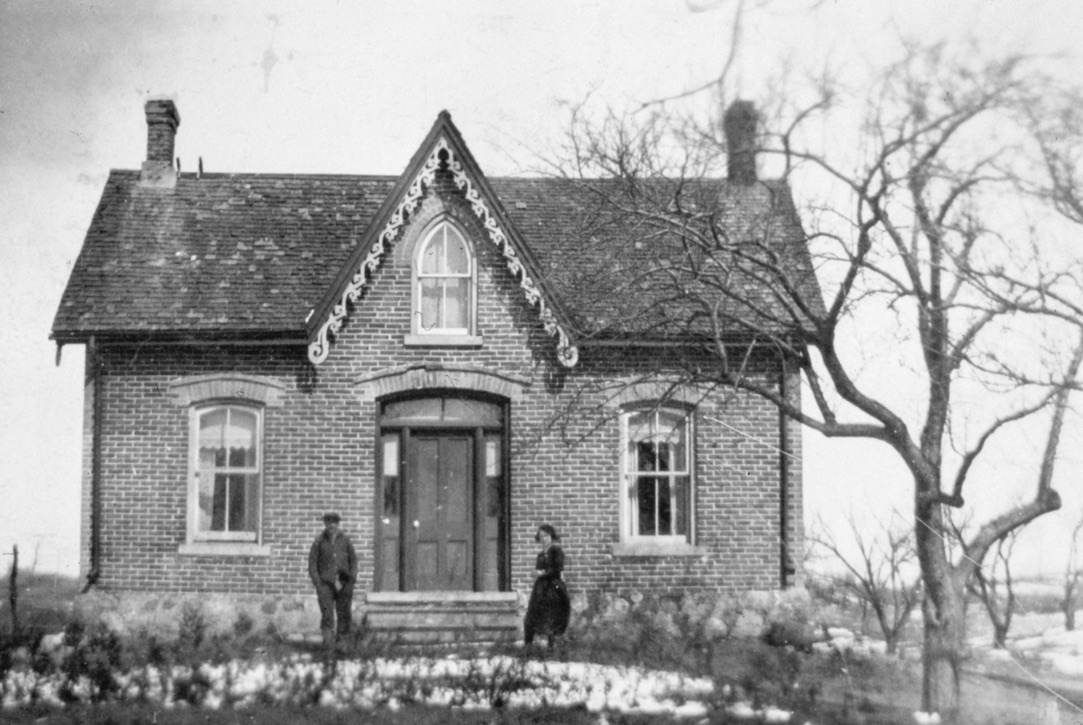
    Edward  Freeman and his daughter Elsie proudly standing in from of their newly purchased house in 1914 on the Fifth Line, 
    Erin Township, Wellington County.


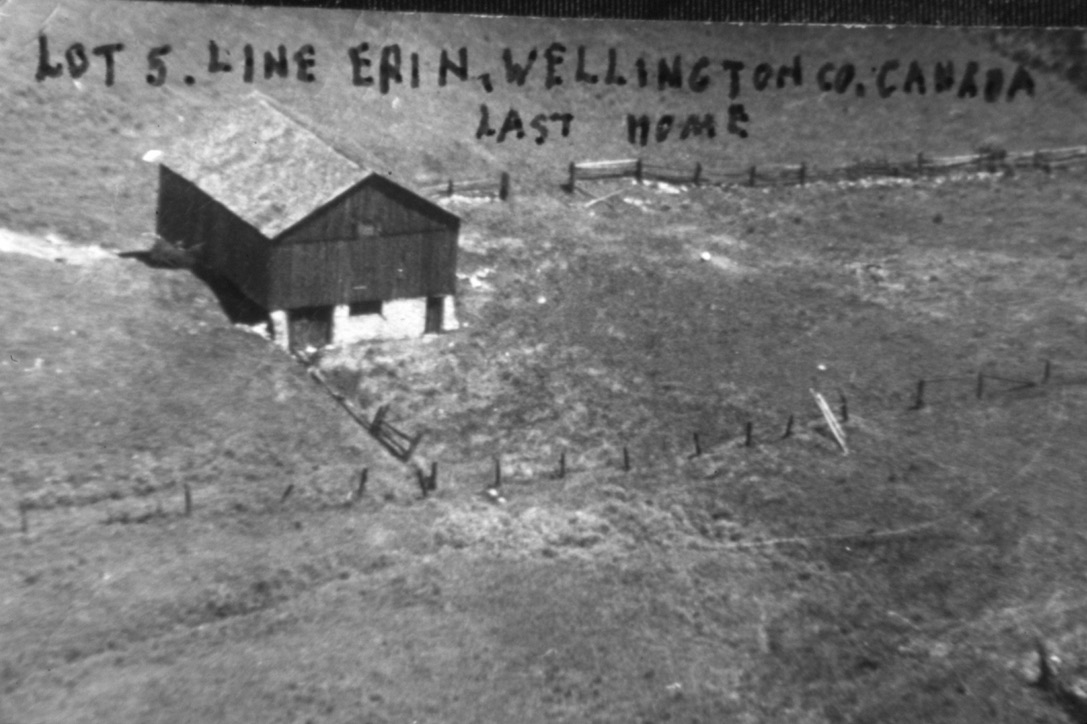
    The person who built this barn thought he was wise.  There is a steady flow of water that goes through the barn which means 
    watering the livestock will be easy.   True.  But it also led to the death of the barn from 80 years of freezing and thawing.  The barn
    collapsed about 1957.   Today this location is verdant with trees and shrubs and he stream empties into a large pond in
    the foreground.  


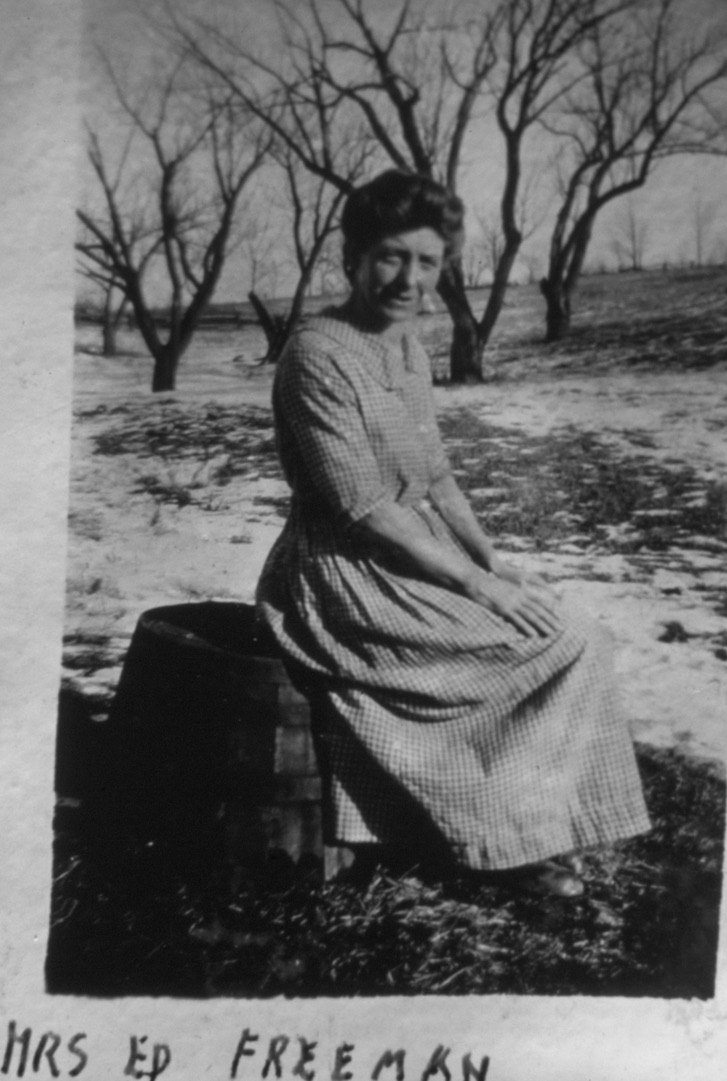
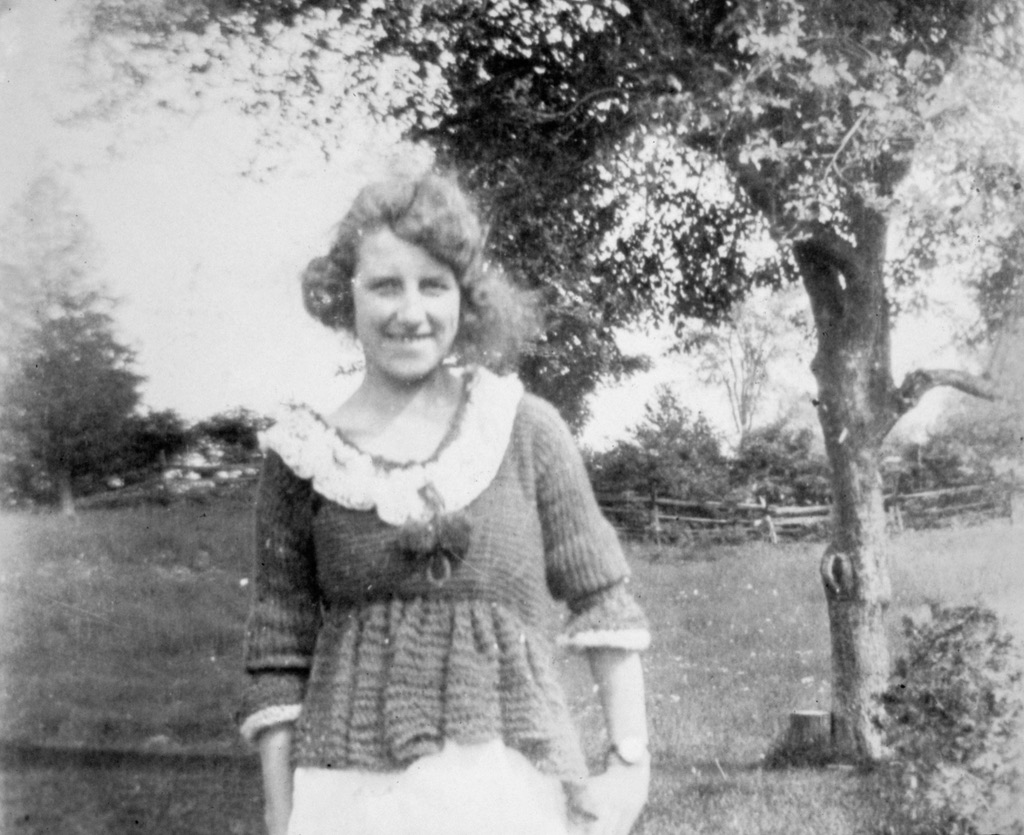
    Louisa (Bufton) Freeman around 1916 or so.  Damn good looking woman.  I never knew her
    in 1916 because i was not born until 1938.  By that time she had advanced Parkinson’s disease. Her
    hands always shook. Her writing was wiggly.  Yet she persisted.  IN the late 1950’s when
    I worked in the far reaches of northern Canada,  Grandmother wrote to me often.  Her writing was painful
    and awkward but steadfastly done.  She was Gentle and Tough at the same time. When she died
    she said, “Boys, I give you Scottie, please care for him.”  Scottie was a scotch terrier. Marjorie remembers
    that he growled when she tried to kiss me in our car in 1959.  Protecting me.


    Two calves being fed skim milk maybe. The rich cream was skimmed off for human use…butter.   Since there were two calves
    in 1916 they must have been at least two cows.  Mom spoke of one cow in 1914.  How does a farmer with two cows ensure those
    cows get pregnant?  No bull.   Often farmers took their cows…walked them…to meet a bull kept by a wealthier farmer.  There must
    have been a cost.  Not sure how much.  Later , much later, in the 1950s my cousin Ted Freeman became an A.I. man.  Artificial 
    Insemination.  Ted would go from farm to farm carrying his vials of bull sperm to be hand delivered to a cow from the rear.  Amusing
    to watch.   Ted often carried a short length of 2 x 4 in his spare hand. Why?   “Because some farms had dogs ready
    to bite strangers.  I cooled them off with a good swipe of my 2 x 4”

    One of the greatest jokes I have ever heard was told by my aunt Lucinda…told in the 1950’s. Must be shared.

    “Dear, I must work in back field today. The A.I. man is coming. Tell him
    to service the second cow in the third row in the stable. There is a big
    nail in the beam above.”
    (His wife came from the city…new wife…not worldly wise)
    “Where is the cow?” asked the A.I. man.
    “In the stable…third row…there’s a big nail in the beam above.”
    “What is the nail for?” 
    “I do not know.  Probably to hang your pants.”

    I will always laugh at that joke. Earthy.  i laugh because I can hear my Aunt Lucinda telling 
    the joke over and over.  At their golden wedding party at the church in Acton, I reminded
    Lucinda of her joke.  So she told it again.  In spite  of church crowd or maybe because of
    the church crowd.  Her laughter will never be lost.


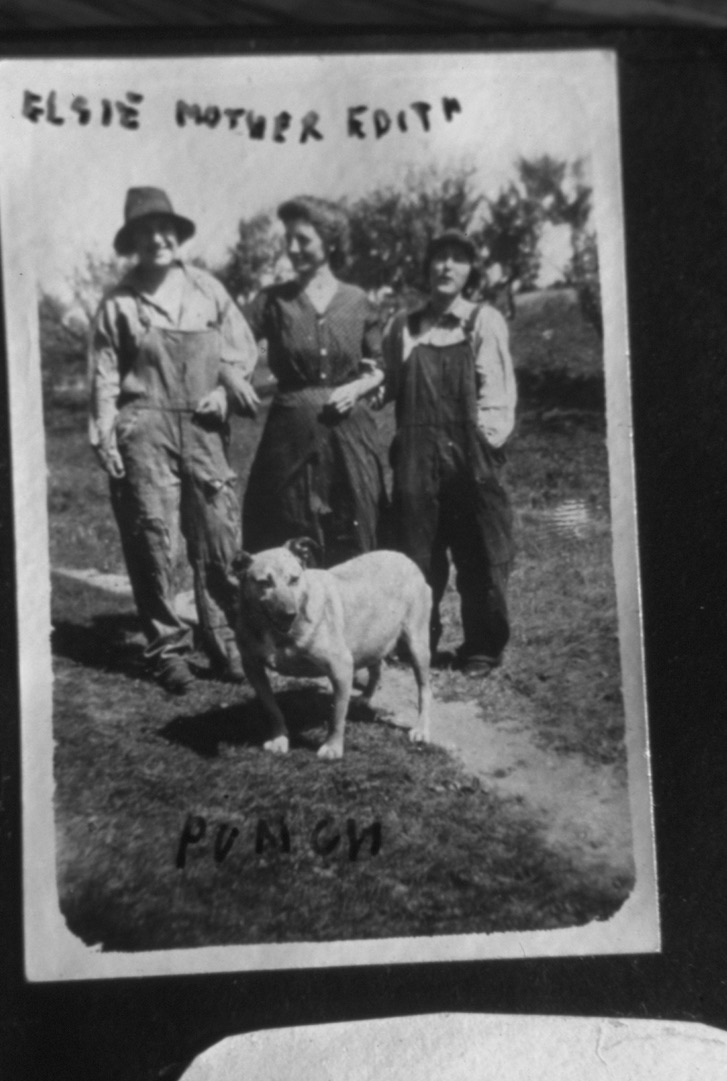
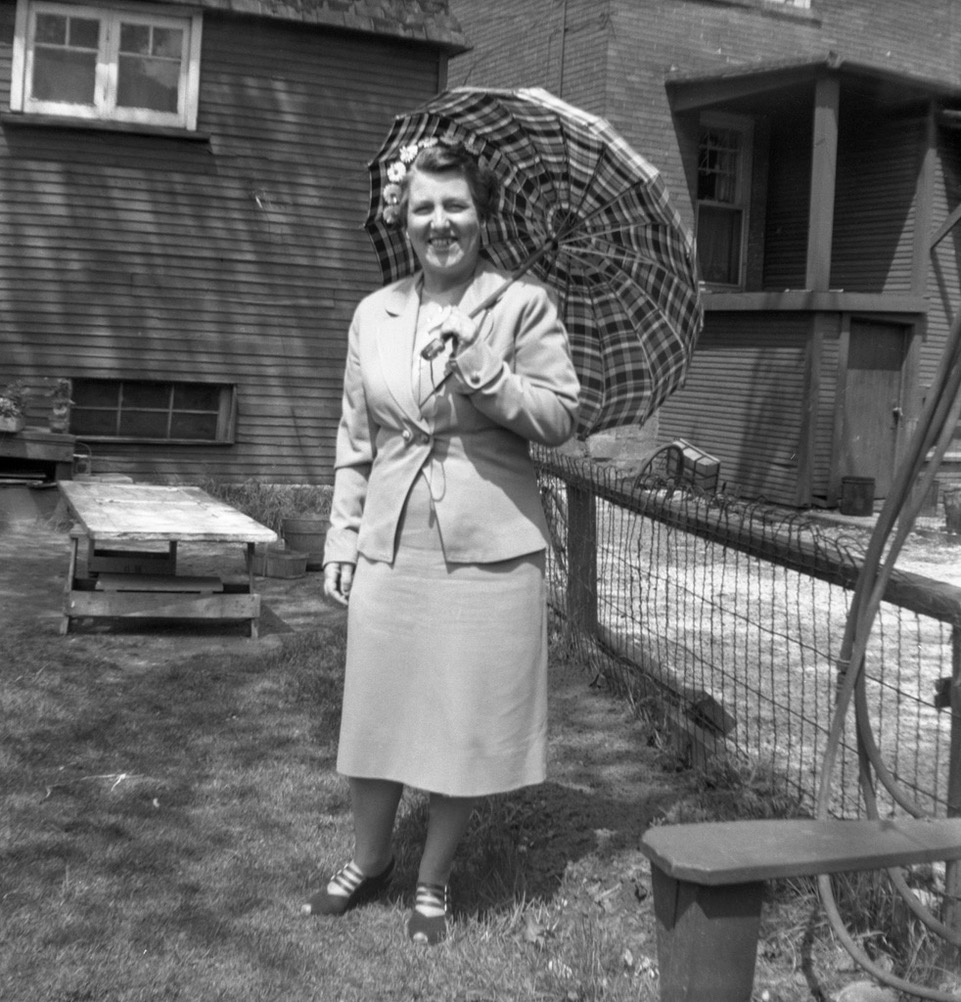
    Mom, Elsie Freeman, wearing her farm clothes…baggy, oversized. torn…not clothes meant for Vogue magazine.
    Punch…the pit bull…seems well fed.  He was loved…never used as  a fighting dog.

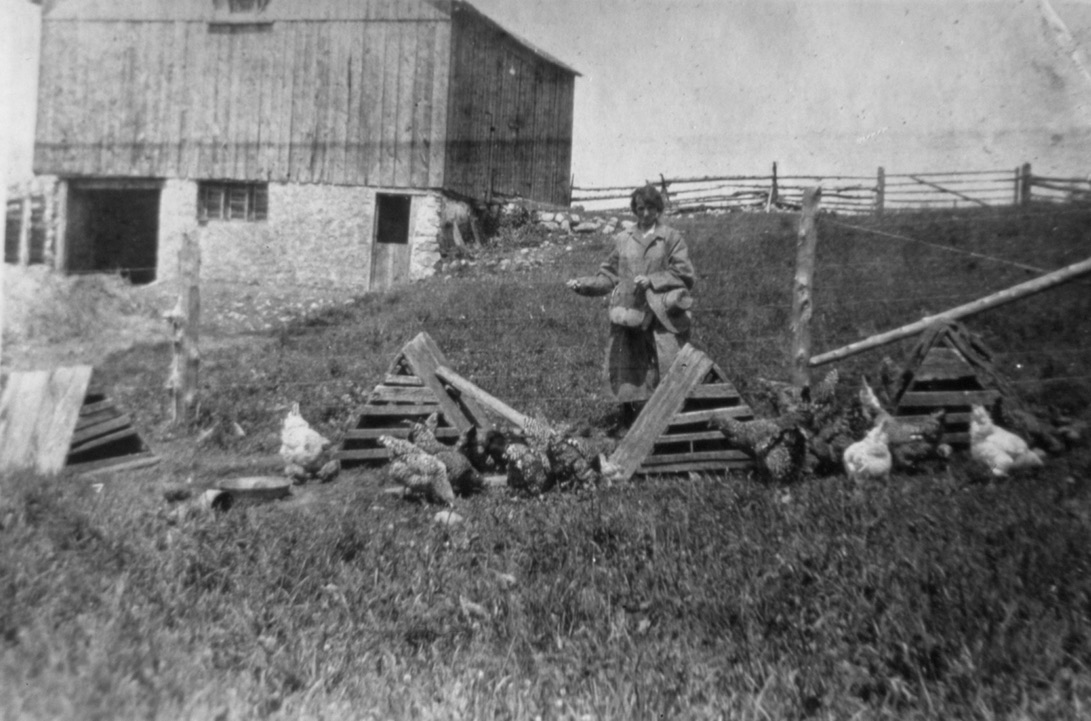
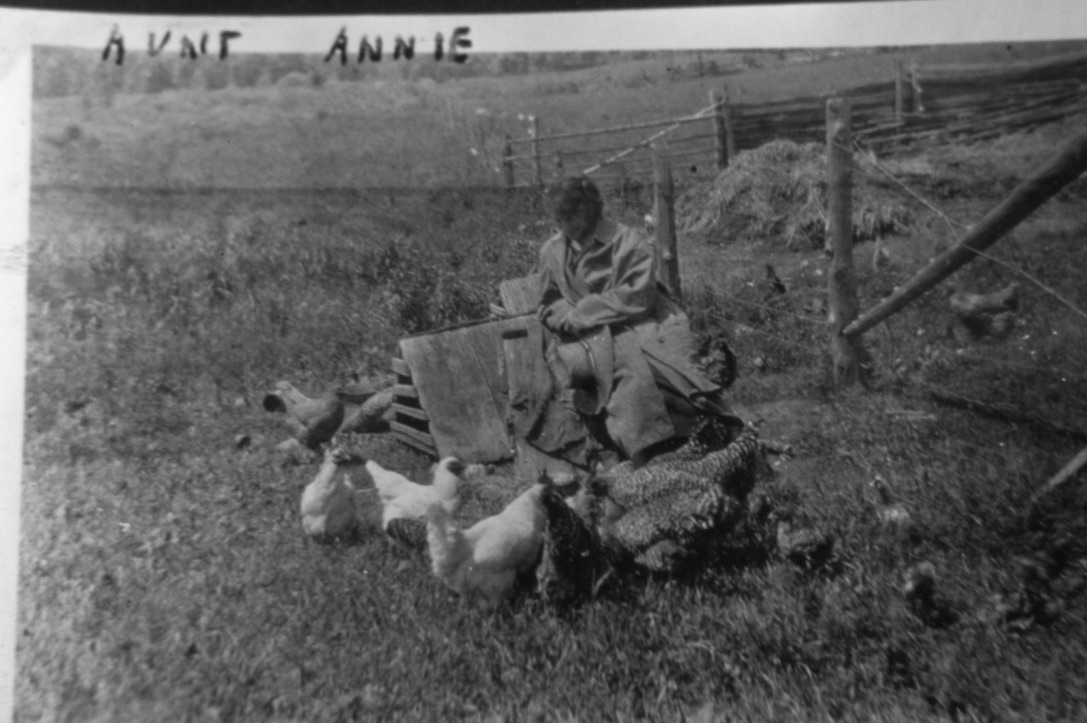
    Aunt Annie feeding the chickens.

    Frank Freeman at his farm just a hop, step and jump up the road.


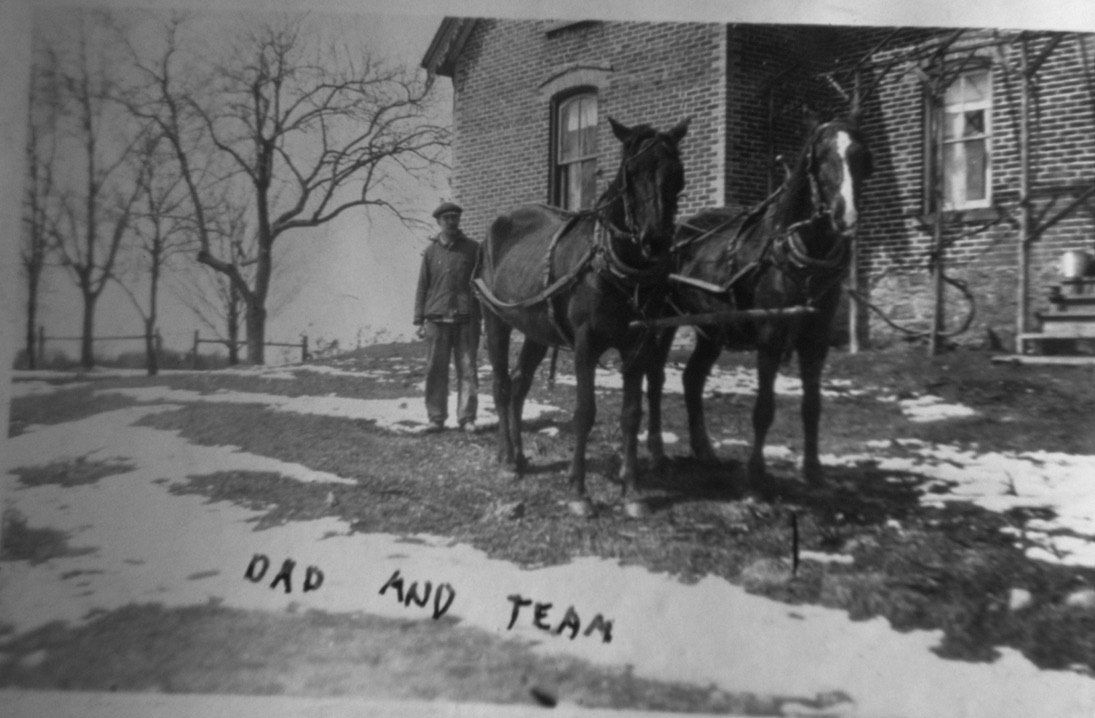
    Granddad was proud of his team…just purchased around 1914 or so.  These are old horses…


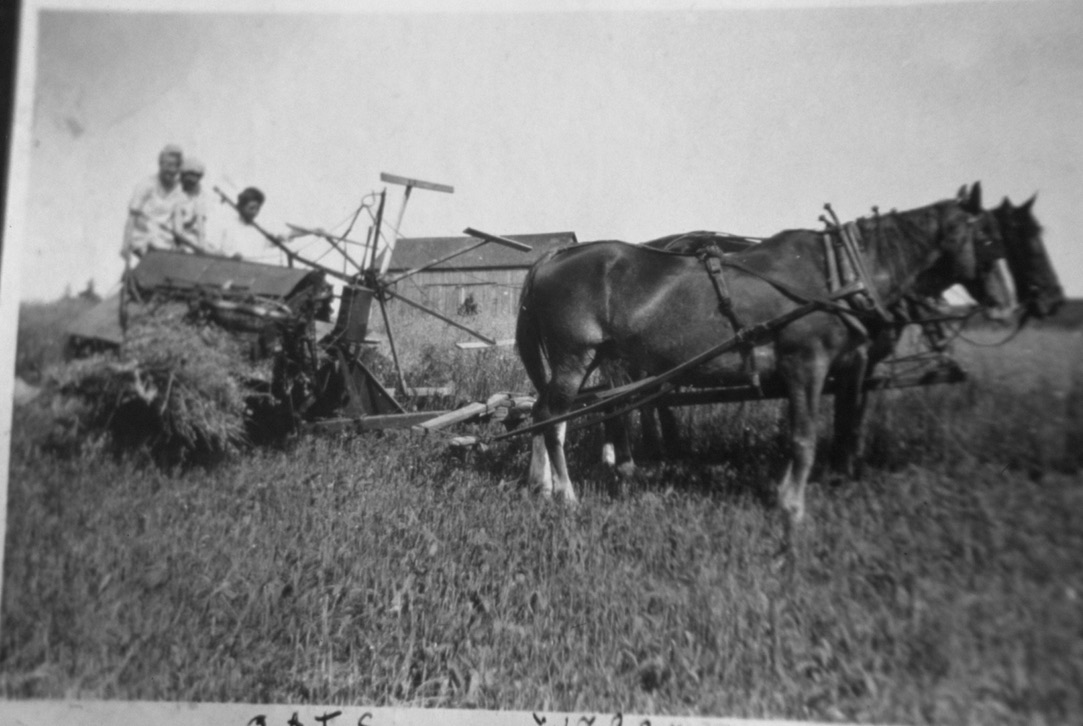
    THE BINDER: These were years when grain was  cut and bound into sheaves which  were side delivered for field labourers like Eric and me.  The stukes
    had to be set vertically so the sun could dry them in preparation for threshing.   Every task on the farm involved heavy human labour reduced
    somewhat by horses.


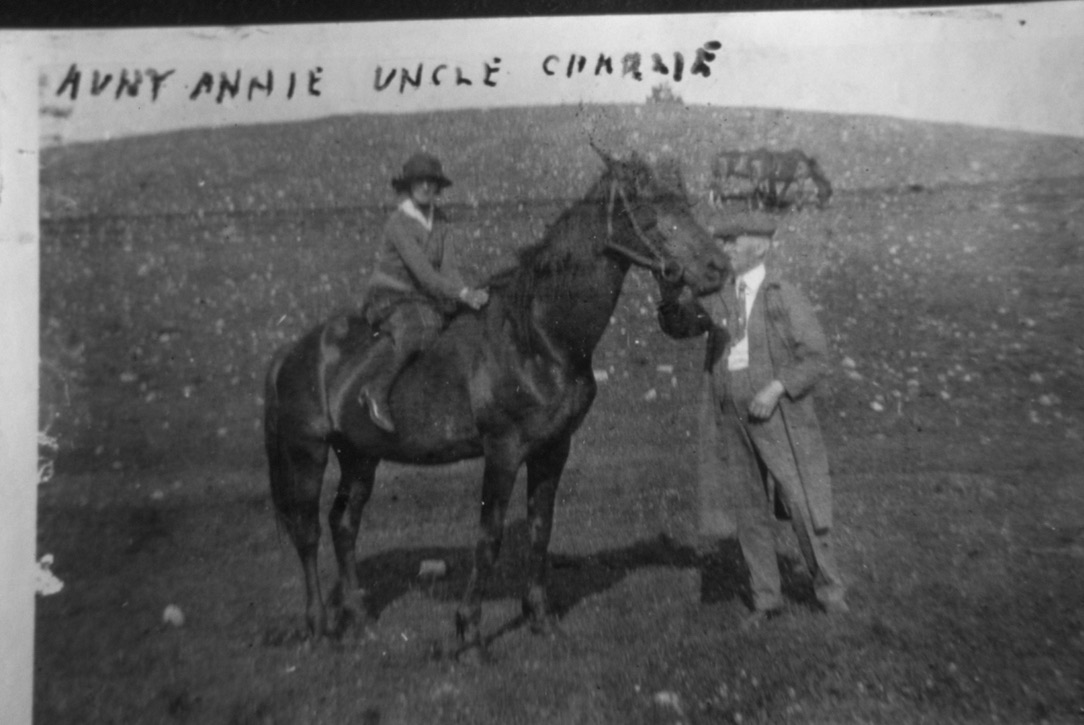
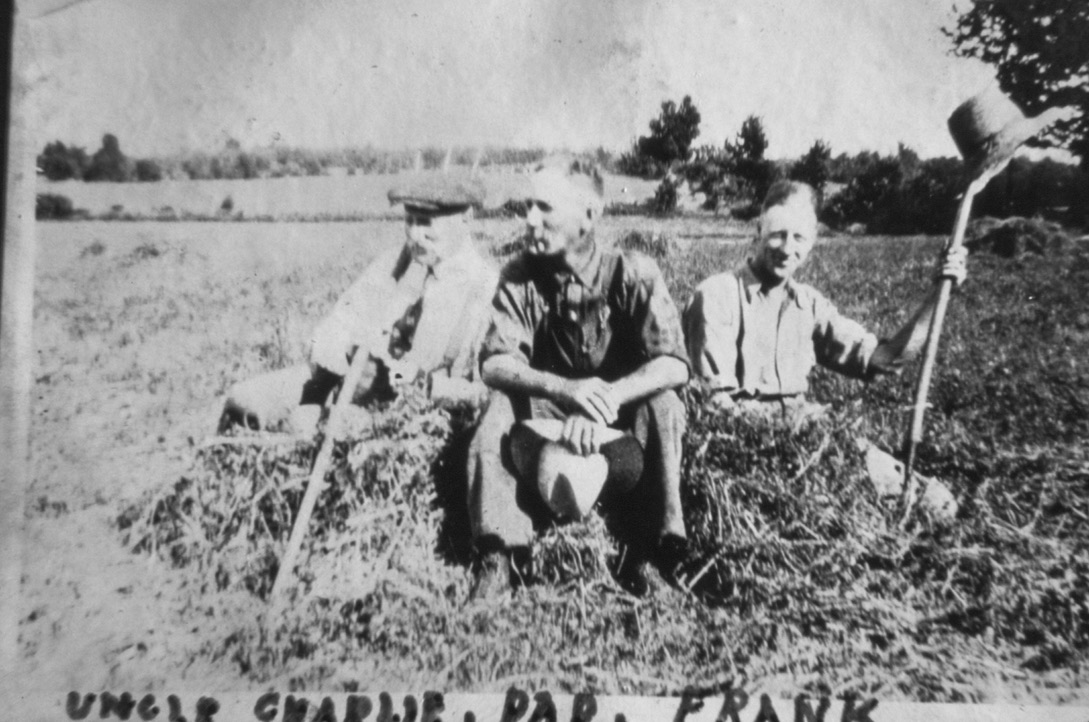
    Edward  Freeman persuaded his sister Annie to migrate to Canada along with two of his brothers, Cliff and Chris.  He wanted 
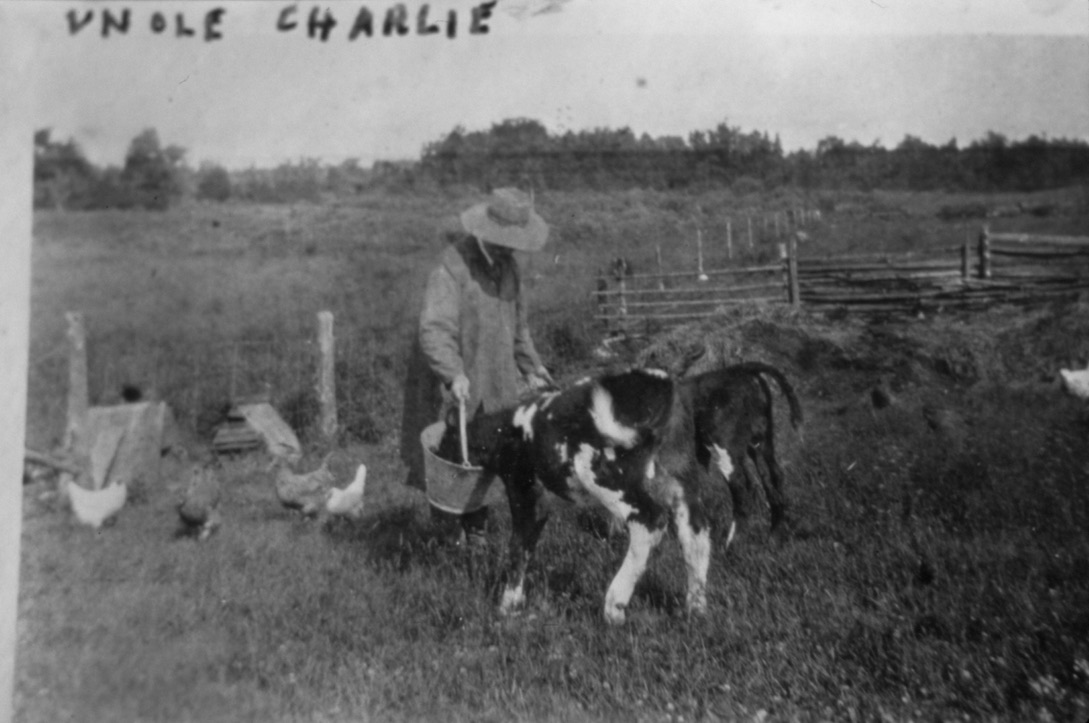
    all  nine to come including his mother.  But he did not want his father, a miserable abusive alcoholic.   I never met Uncle Charlie. Look at
    the field.  Tho whitish thing are stones.  The best crop was stone.  A new crop came up every year and had to be picked and hauled
    to the fence rows with horse and stone ‘boat’…i.e. a wood or iron slap with slightly up turned front.   Now in the year 2021 stones
    remain our best crop.

    I remember when Aunt Annie died.  She was living with us in our rented rooms at 19 Sylvan Avenue.  Mom said. “Boys, aunt
    Annie would like to see you today…to talk to to you…she has something for each of you.”
    Such a sad room.  She was in bed…dying of cancer.  I barely remember her but I still have her gift.
    “Alan, I would like to give you this little piggy bank that I brought from England.”
    “And Eric, here is little tinware globe of the world.”  Aunt Annie had so little…all in one suitcase.
    Aunt Annie died shortly thereafter.  I never really knew her but still have the piggy bank.


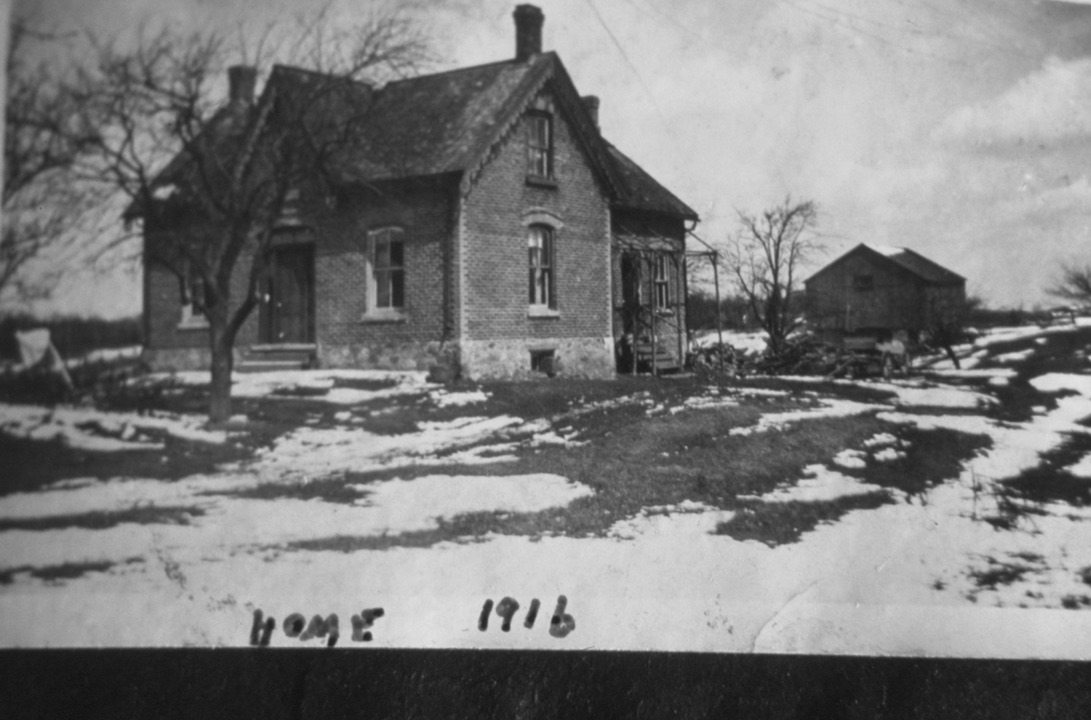
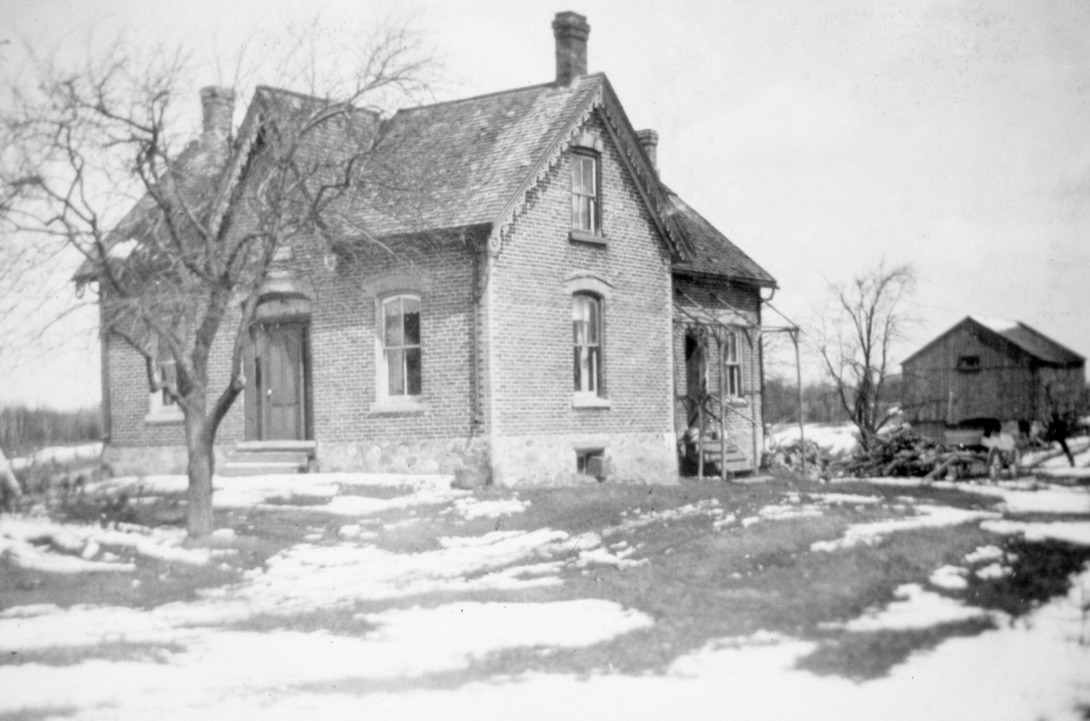
    Bleak House and barn…March 1916.   


    Granddad, Frank and Uncle Charlie are resting on a pile of new mown hay.  Each year they could only keep enough animals
    that this hay could feed.  The barn was small.  In 1916 the Freemans had one or two cows, a team of horses, a flock of
    chickens, and maybe a big fat sow (but I never heard they kept pigs)    Getting by was difficult.  Work at some place off the
    farm was a necessity.


    This  picture was taken in 1916. Two years after the Freeman farm was purchased.  The land was cleared.  Few trees….more sunshine…better chance
    of something marketable.   How to keep the house warm? See the pile of tree trunks all of which had to be hand sawn into blocks unless Angus 
    McEchern  came by with his tractor and circlular saw.  The need for wood fuel kept farmers clearing land whether they liked it or not.
    This farm in 1916 … winter …looks dreary.   The front door had so man cracks that snow piled up inside the house.  The only
    livable winer room was the front right kitchen.   Under the kitchen was a dirt floor cellar that smelled  of aging potatoes and sour milk.


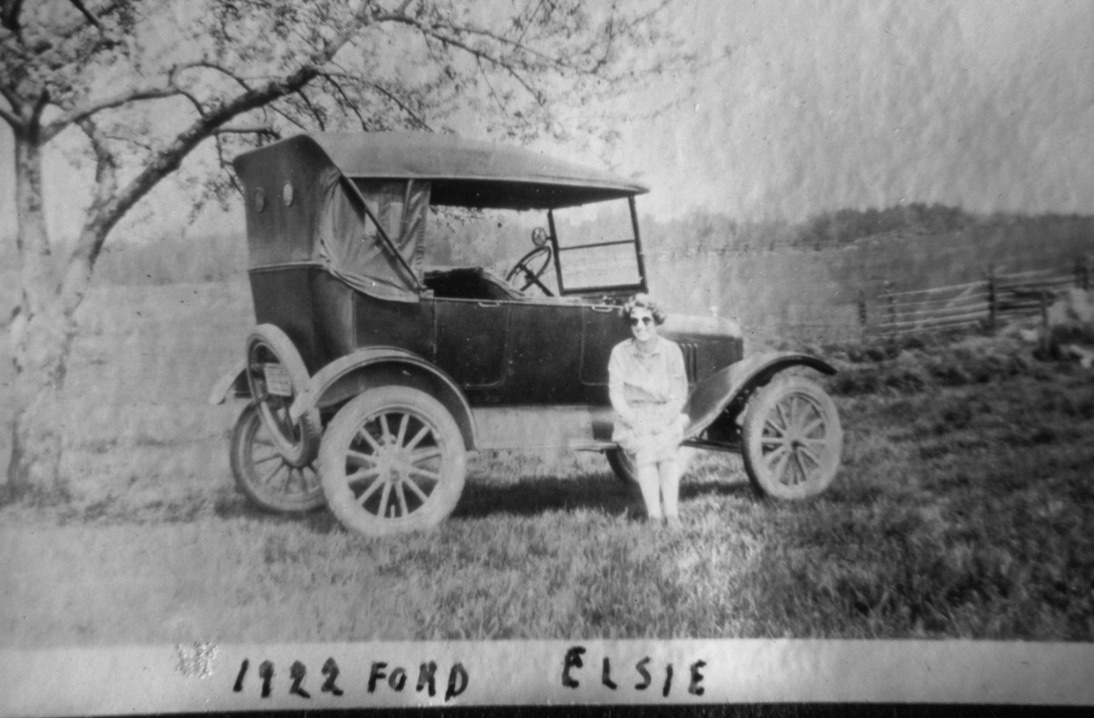
    Somehow Uncle Frank was able to purchase a car in 1922.   How could he do that when his farm only had about 60 acres tillable.?
    Frank and Lucinda certainly did not go to town for Coffee, chips and a Big Mac.


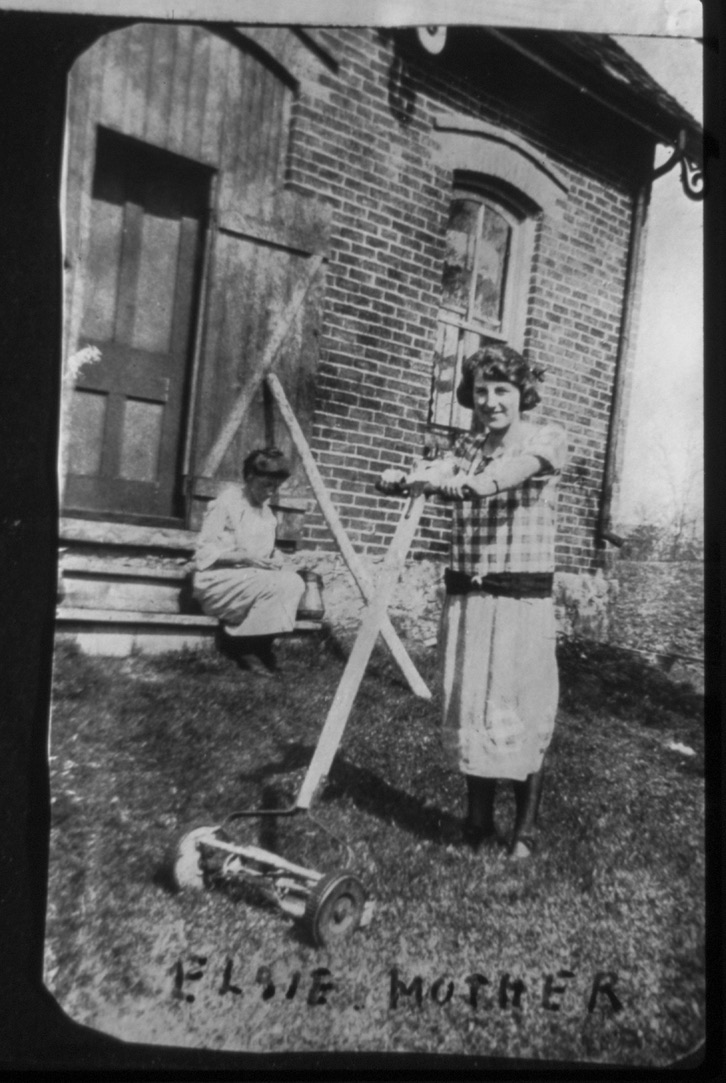
    Keeping the Freeman farm neat and tidy was not easy.  Just cutting the grass with a push
    mower would take hours and if the grass got ahead of the mower…i.e. got long…then forget
    about the mower…get the scythe.


    Grandmoher Louise (Bufton) Freeman in her Sunday best.  Ed must have been a family friend.
    The Freemans had lots of friends…because they were so musical and welcoming I believe.
    They were surrounded  by Scottish immigrants who had arrived in the 1840’s, many of whom were childless so
    Elsie and Frank were warmly received after the Scots got over their anti-English prejudices;
    And decades later, in the 1940’s and 1950’s my brother Eric and I were also warmly received
    by the Macdonalds, McLeans, McEcherns, Kerrs.  Today only the Kerrs remain.  And the
    Skeochs (our family) now own the McLean farm.   Cousin Ted Freeman and Shirley still own their
    farm. 

    DIGRESS HERE:   Why so few farmers today?…3 to 4% of Canadians. Most of the land on the Fifth line is now tilled and harvested by the Anthony Brothers’
    who rent several thousand acres which were once individual 100 acre farms.  They pay $90 an
    acre which is market value.   If a 100 acre farm is 80% cleared then the yearly income would
    be  $90 x 80 acres which equals $7,200.00.  If a new John Deere tractor costs $100,000 then
    tell me how quickly a farmer would go bankrupt.  Those big combine harvesters must cost
    $150,000 or more.  How many of those could a farmer buy with his or her $7,200.00?
    What about food? A car? Kids  education? Copies of Playboy Magazine (if they sell exist)?
    Now that is  ‘tough sledding’…better to sell  the farm and get the hell to a better place.


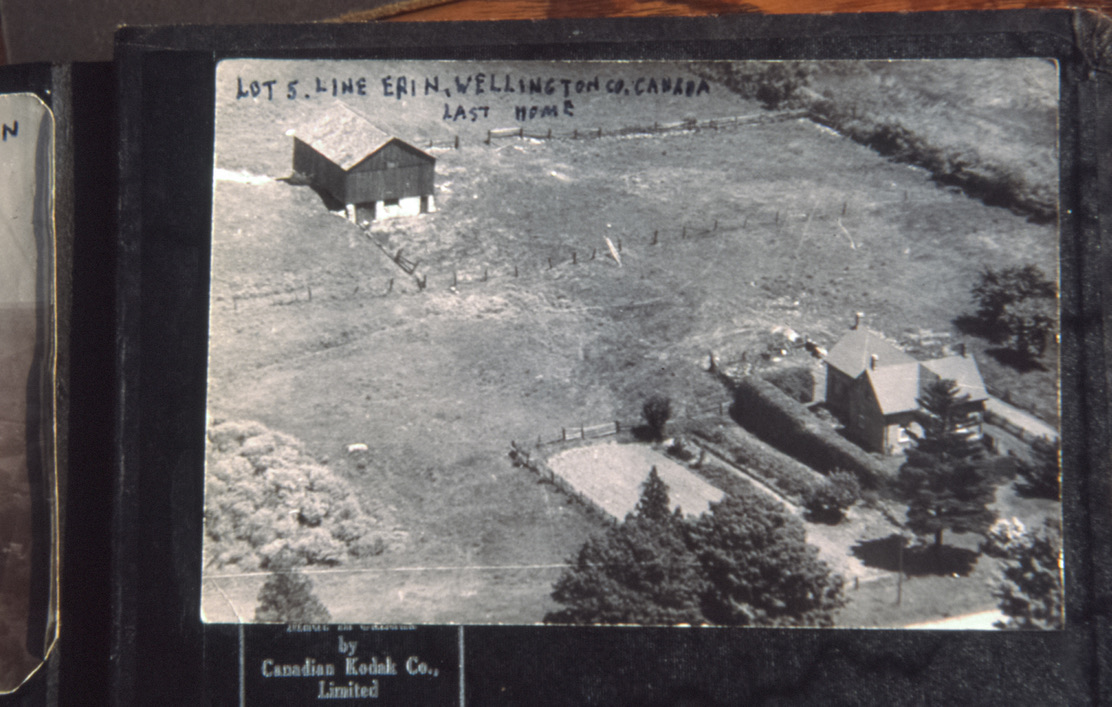
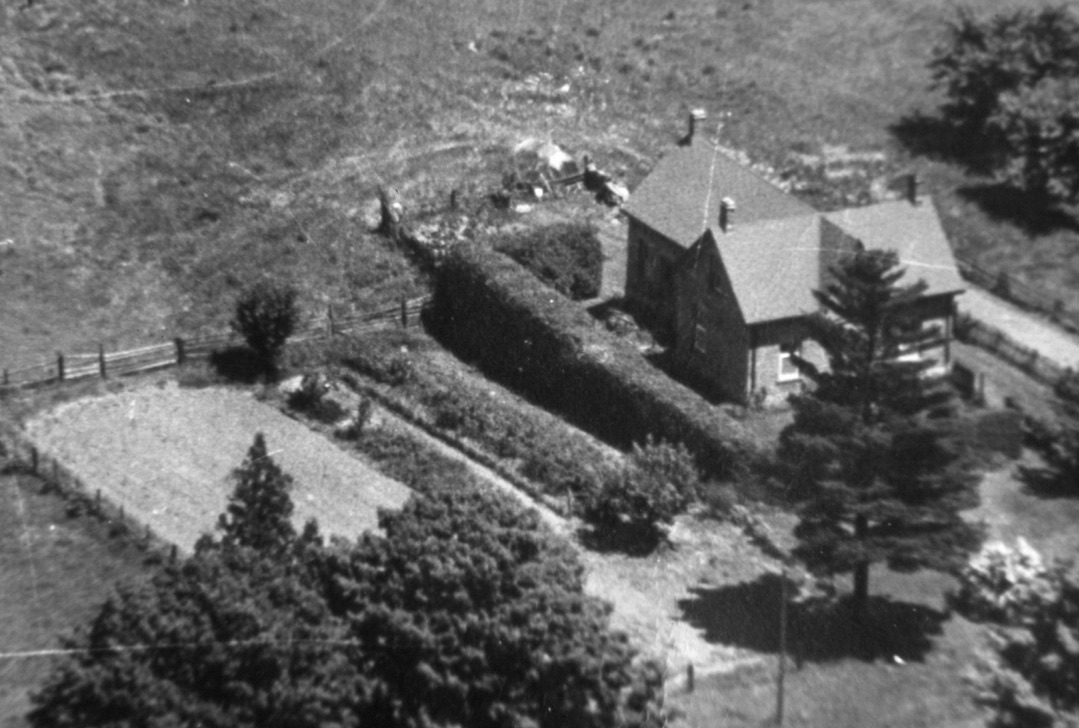
    This picture was taken from the air by an enterprising photographer who photographed farms for a living.  Used  an old WW One biplane likely
    …could fly low enough and slow enough to capture the Freeman farm around 1930 or later.  Big changes.  Compare this picture with
    early pictures in 1914 and 1916…see the impact Granddad had on the property.  House enclosed by a manicured cedar hedge.  Huge berry
    patch,  apple trees, weed free garden freshly plowed  and  harrowed…the stony ground is obvious.    The big white pine tree still remains
    …much larger and much stressed as it was struck by lightning big time in the 1940’s.  The lightning bolt followed the telephone line
    into the house but did  not set it afire. Note the lone telephone pole beside the big white pine. Granddad made the Freeman farm look a neat and manicured as the Eywood Estate had been
    back in England.   He was, after all, a ‘head gardener’.   What is missing?  Electricity.  House wired around 1950. How is the house roofed?  Cedar shingles.  How
    is it heated?  Wood  stoves…three chimneys.  Where is the back house?  Hidden in a lilac bush at back of the house.  Later this became
    the site of a grand  walnut tree which still exists. Grandma claimed I planted the walnut beside the back house around 1945.  I doubt that.
    Fencing was always a problem.  Split rail cedar fence rails surround he farm aligned as straight as a Temperance persons mind.


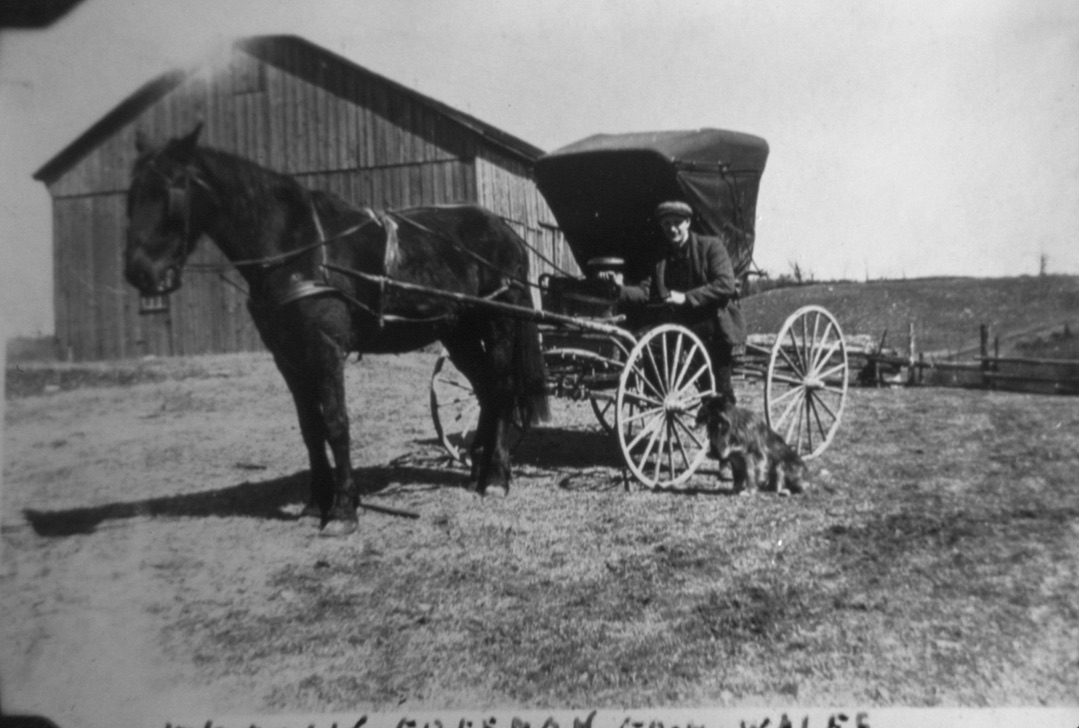
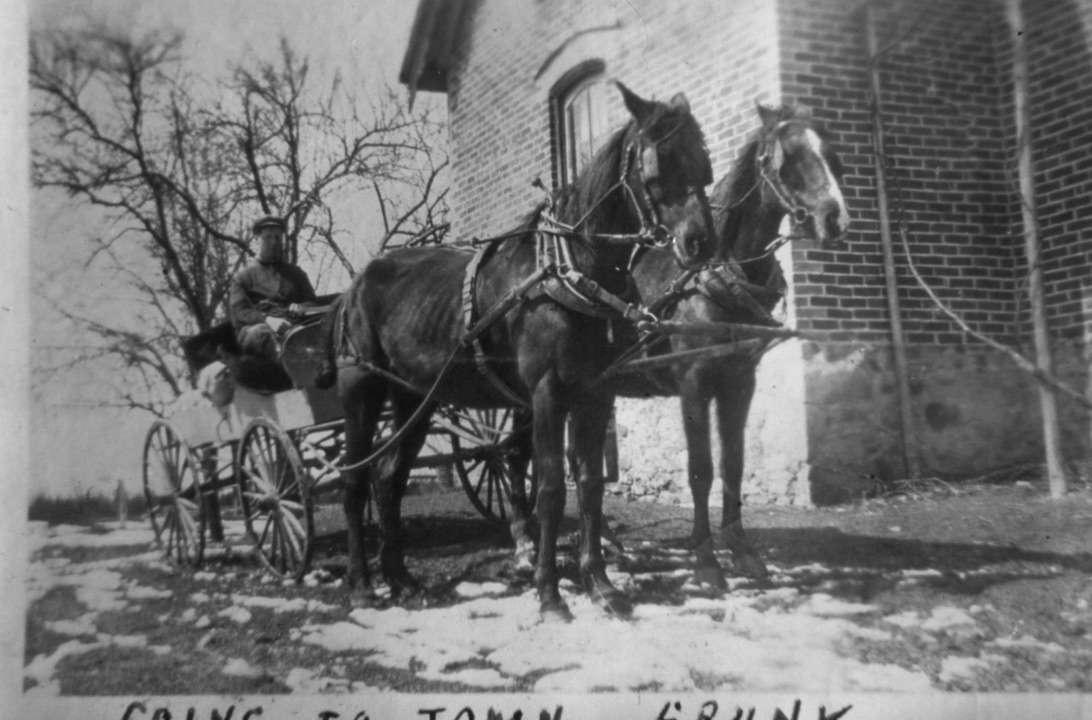
    Every farm had at least one team of horses along with a buggy and  set of bob sleighs.   This team seems to be old…has seen better
    years…so was likely purchased as such. The fate of one of these horses is recorded below when Elsie headed for a job in the big city.


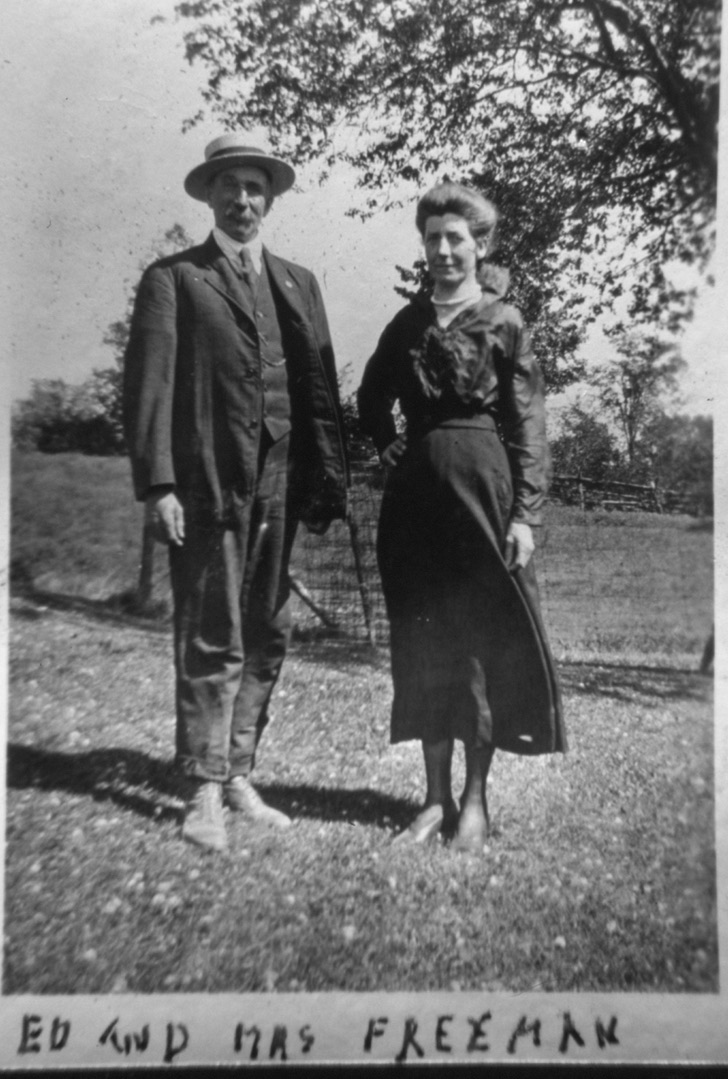
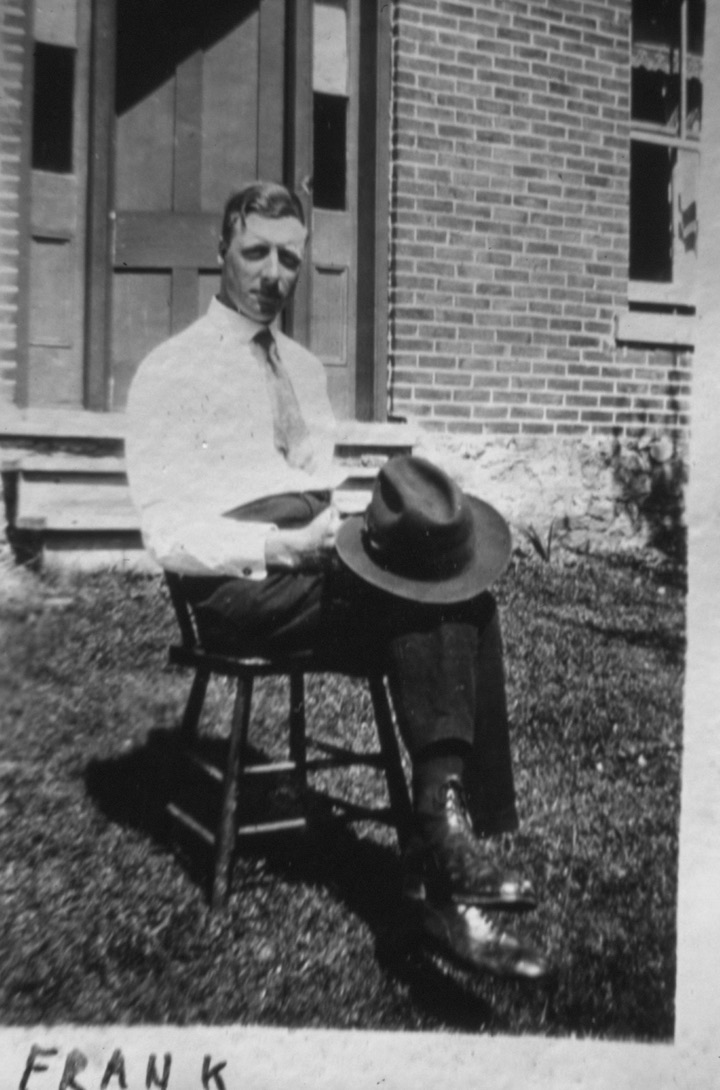
    Frank Freeman, mom’s brother, wearing his best clothes.  Late 1920’s I estimate.  Uncle Frank became a major part of
    our lives as did his wife Lucinda whose laughter still rings in my memory.  They were great church goers…United Church
    members after church union of Presbyterians and Methodists.  Grandma  and grandma were Anglicans but church  was never
    as big a part fo their lives as it became for Frank.  


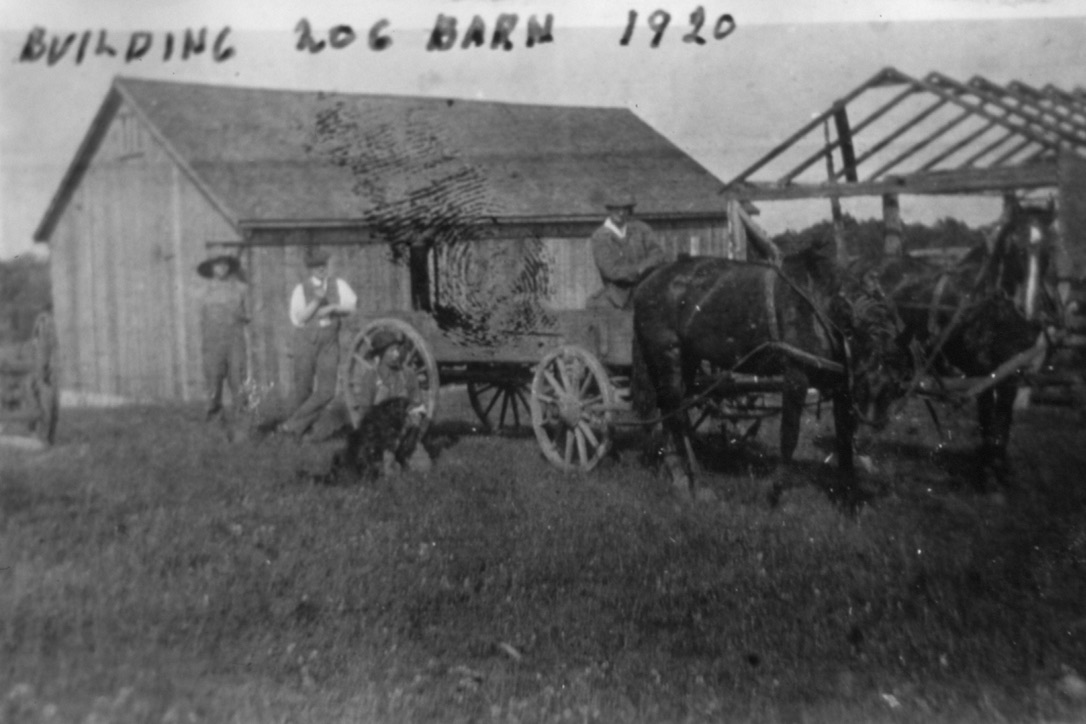
    One of the great mysteries happened in the decade of the 1920’s.  Granddad managed to buy the Maud farm…north of our farm.  How he did this
    I have no idea.  Perhaps Mom provided some cash as the 1920’s were boom years for sweatshop workers  in the ‘needle trades’.  Maybe granddad saved
     money earned making munitions.   The Maud farm was no hell as a farm…too many hills and swamps…too little good soil…but it
    was a real farm of 100 acres.   In the picture above Frank and neighbours are building a second barn for hogs
    underneath and machinery above.   Uncle Frank and Aunt Lucinda moved here and farmed  the land for the rest of their lives.  How they
    managed to make a living selling shotgun cans of cream I will never understand (but try to understand  with the help of 
    their son Teddy, my cousin, who now lives on that farm in happy retirement with his wife Shirley (Awrey) Freeman.

    MOM, Elsie Freeman, helped run the farm with Frank and Grandma during the war years but by 1920 she decided to leave the farm
    to see if she could help out more by being a ‘domestic’ in Toronto Rosedale.  Terrible job.  She hated the person she worked for and
    quit…homesick and disillusioned…returned to the farm for short time.  The ‘domestic’ that replaced her, a young Scottish immigrant,
    had no such  escape so committed suicide by jumping from third floor window.  Mom had the guts to know when an employer was
    lousy for the rest of her life.  

    Her trip to catch the train in Acton in 1920 was a warning if you will.  Partway to town the horse died in the shafts. Granddad had 
    to borrow another horse then get Elsie to town in time for the train.  And then the dirty part.  He had to return to the skin the dead
    horse and arrange to bury the body or find someone who wanted dog food.   Could you do that?   All of us can do unpleasant things
    when there is no alternative.  I believe that.


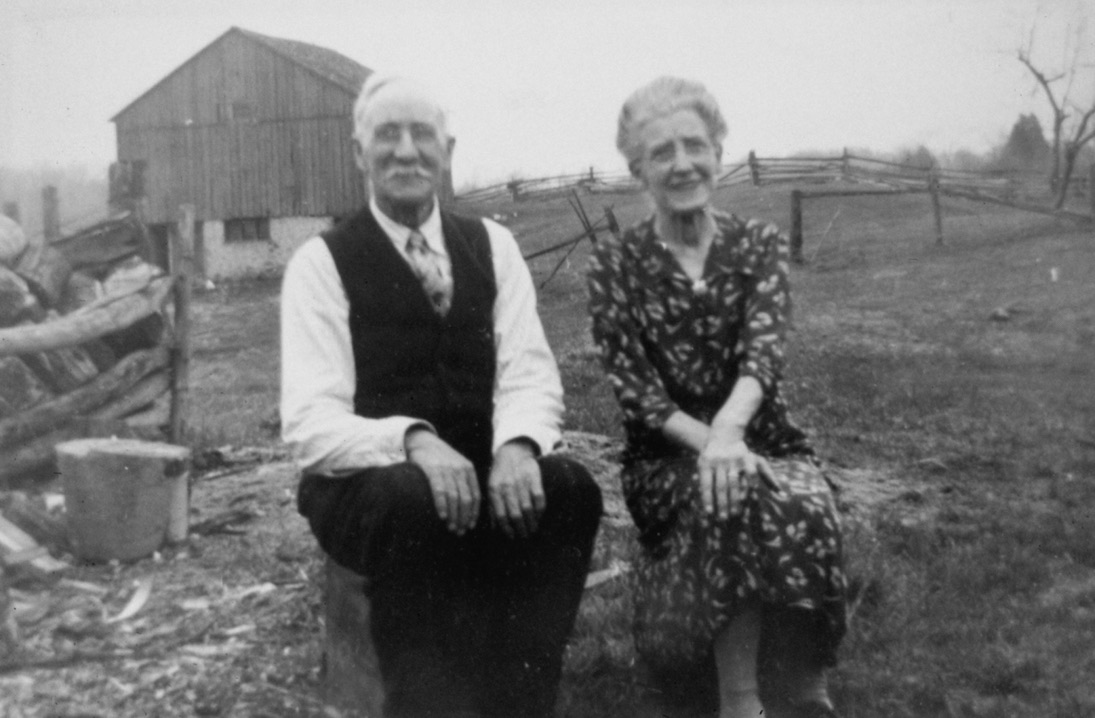
    Grandma and granddad as I knew them.  They were contented in their lives.   That is apparent in their faces.

    SAME FARM TODAY
  • EPISODE 272 THE MASSEY FERFUSON BULL WHEEL…planned symbol of working class history…GONE

    EPISODE 272    THE MASSEY FERGUSON BULL WHEEL…symbol of working class history…gone


    alan skeoch
    March 2021

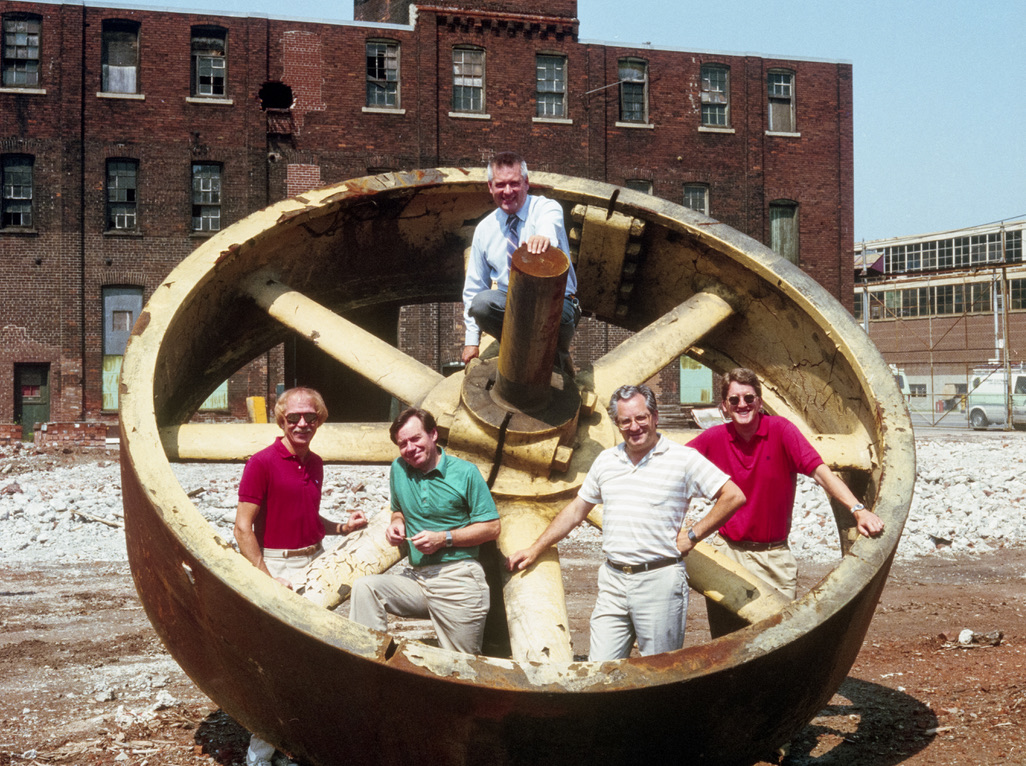
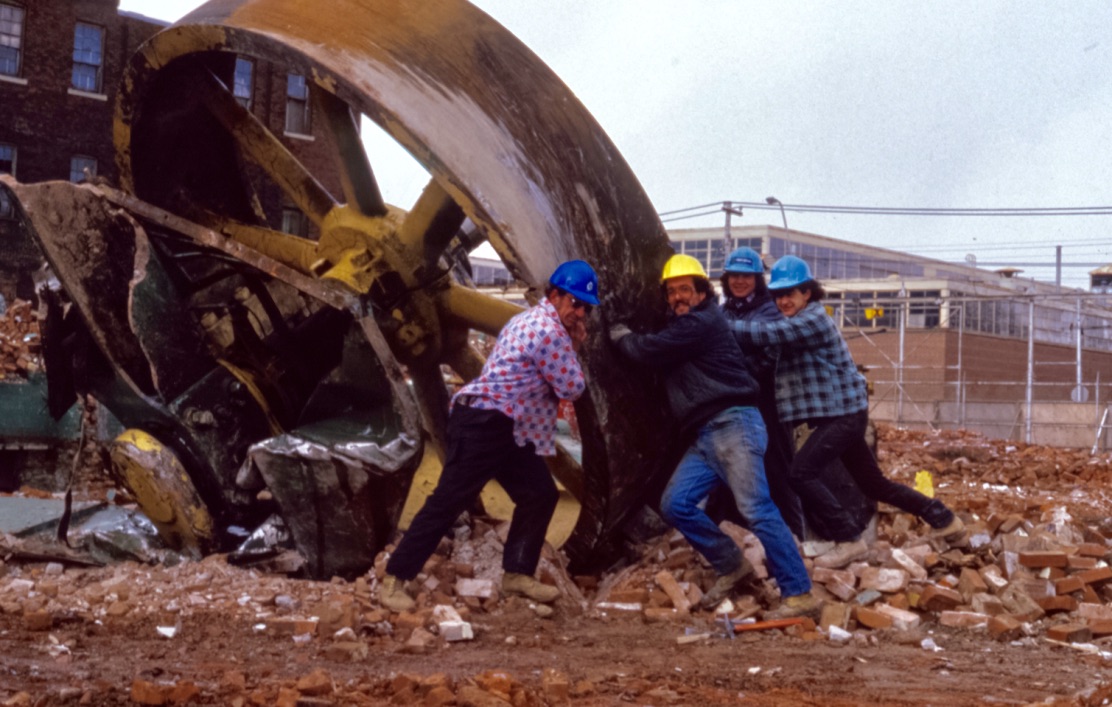
    Our history department at Parkdale Collegiate Institute in 1980.  Left to right…Lynn Roddick, Phil Sharp, Sam Markou, John Maize,
    up top Alan Skeoch. Terry Wickstrom was rescuing a few boards, missed the picture.  The glory days of teaching when history as a subject had a firm place in the curriculum. 1980, A time when
    we nearly saved something important.  A symbol of our past.  We failed but had a glorious time trying to make this wheel into a
    monument.

    THE STORY OF THE BULL WHEEL, 1980

    In 1980 the wrecking machines began to be unloaded at the Massey Ferguson 
    factory on King Street West in Toronto.  This was once the site of the biggest
    employer in Toronto.  Makers of farm machines sent around the world…horse drawn
    harrows, binders, dump rakes, wagons, hay forks.   The Massey Harris days witnessed
    the changes in farm technology of 19th century Canada eventually resulting in Massey Harris
    tractors which at one point dominated the tractor business.

    About the same time that the demolition began I wrote a 300 page thesis on agricultural
    machine technology from 1850 to 1891.  A massive job.  I am not sure that my professors
    at the U. of T. actually read the tome.   I worked in three departments at the university…three
    professors….Donald Webster in Fine Arts, J.M.S. Careless in History, and Bruce Sinclair in Engineering.  I did not
    care if it was read or not.  It was a matter of the heart.  For decades I had observed the steady
    decline of family farms across Ontario.   Farm sales were so common that there could be a
    dozen sales to choose from on any given Saturday…weekdays too.   Ontario was changing.
    Something was being lost and unrecorded.

    So when the excavators, drag lines, bull dozers began pushing down the Massey buildings…so many of them
    were in place…I was a witness.  More than that.  I was a collector.  Every morning from 6 a.m. to 8 a.m. I was
    on the demolition site.  So often that it was assumed I was part of the crew…hard hat and steel toed boots.
    I loaded my truck with all I could push or carry.  The Portuguese foreman and his
    crew even helped with the cast iron carts of which I managed to load a number.  On one occasion I remember
    our principal came out to the parking lock to see the timbers jutting five to ten feet out the back of my truck
    while I was washing the soot of a century before going to class.  

    There will be a number of stories coming about this odyssey.  Odyssey?  yes, an odyssey on a sea of broken bricks.


    The deeper the demolition the more that was found until the gem of gems was uncovered.  The giant bull
    wheel that ran the line shafts that were belt wrapped to the lathes, heavy punch presses, shapers, iron workers
    that made all those bright red and Yellow Massey Harris…then Massey Ferguson farm machines.

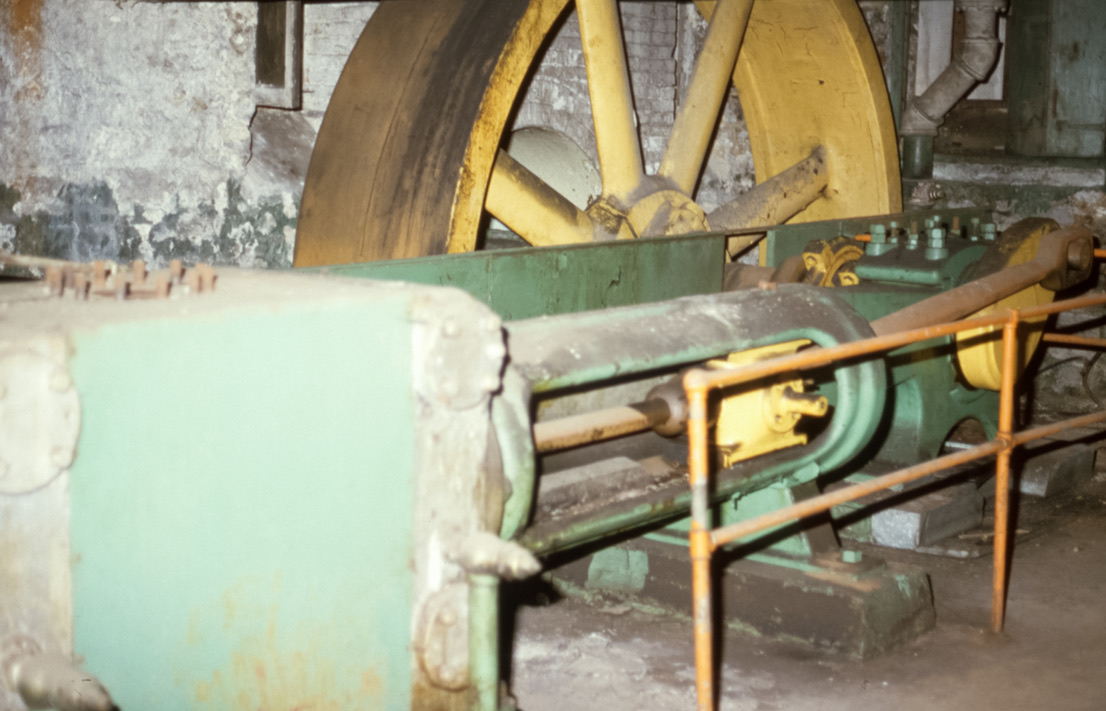
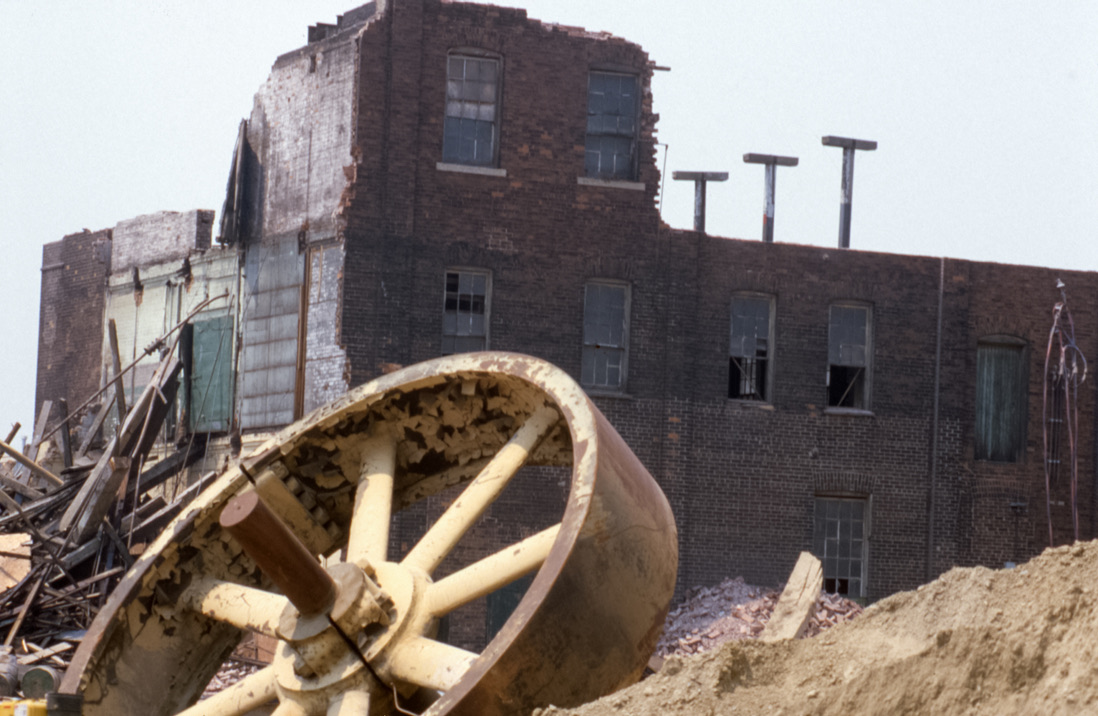
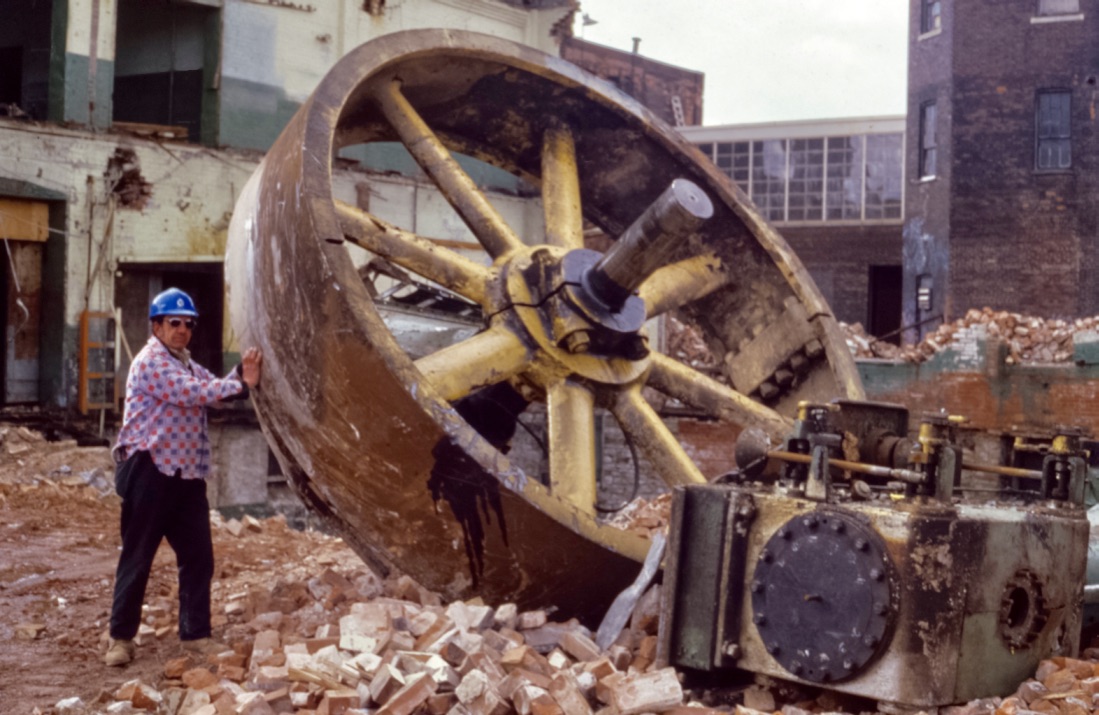
    The bull wheel!   The heart of the factory.  Huge.  Cast iron and steel.  So big that a special machines had
    to be delivered on a flat bed truck just to pull the wheel from the machine shop to an open space.

    “What will happen to this wheel?”
    “Who knows?   Need  a big wrecking ball to smash it into pieces.”
    “I would like to save the wheel.”
    “What?”
    “It is a wonderful symbol of 19th century manufacturing.  It could be an enduring monument
    to working class history.   Could be set up on a bit of parkland.”
    “It is yours if you want it.  But better be fast.”


    As  it happened Kris Korwin Kuchinski was our City Councillor for Parkdale…a district in west Toronto where
    I taught history.  Kris  was
    One of my former students.  I taught both of the Kuchinski boys.  Mark and Kris.  We even have a large
    maple tree that they gave me years ago.  Tree is now 60 feet high.  Nice kids.  

    “Kris, do you think we could persuade the City to save the Massey bull wheel?”
    “Bull Wheel?”
    “Come over to the school, we’ll go down to the demolition site and I’ll show you.”

    Kris thought the idea was great.  As did others in positions of power.  The wheels began
    to turn.  The bull wheel was going to be saved.  Even David Miller, future mayor of Toronto was  on side. It would of course cost a bit of money to do so.
    But it would happen.

    I was  elated.
    Just for fun, I asked my  whole Parkdale Collegiate history department to come 
    down to the site and pose on the wheel.  Now a cherished photo in our house.

    Then I asked the Portuguese workmen and the foreman to simulate that they
    were moving the wheel.


    In short, I was overjoyed.  

    One day, a bunch of white helmeted men arrived and nosed around while I was loading 
    American pitch pine floor planks.  They paid special attention to the bull wheel. No 
    attention to me.  They paid too much attention to the bull wheel as it turned out.

    The next day, at 6 a.m. the bull wheel was smashed to bits by a big steel ball
    swinging from a crane.

    Why?  I have no idea.  I suspect the power people had heard my plan.  It would
    cost them money…perhaps cost a parcel of land.  The site was planned for condominiums
    High profits. Dense population.

    “Smash the bastard wheel to bits.  Some damn fool wants to save it
    as a monument.   Get it the hell out of here before the city puts a stop
    work order in place.”   That is what I think happened. 


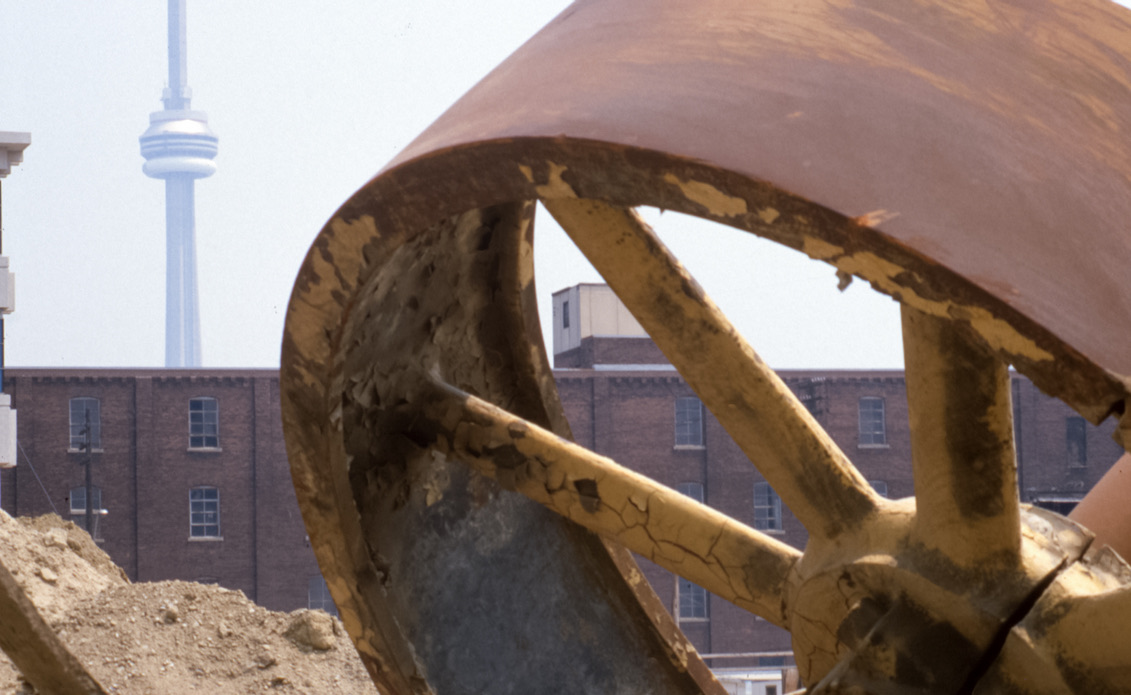
    Here is the last picture of the bull wheel with the CN tower as proof that the bull wheel was once apart of our city.

  • EPISODE 271 THE GOLDEN BROOCH and EDWARD and LOUISA FREEMAN

    NOTE TO READERS:  THIS STORY GOT AWAY FROM ME…TOO MUCH FOR MANY OF YOU

    TO READ.  WHY CARE ABOUT THE FREEMAN  FAMILY?    WELL, THERE ARE POINTS IN THE
    STORY WHERE HUMAN FOIBLES ENTER…AND  HUMAN CREATIVITY…START WITH THE GOLD
    BROOCH.  I WANTED THIS STORY TO BE PART OF MY EPISODES AS A  RECORD.  YOU DO NOT
    NEED TO READ IT.  SOME WILL BE OFFENDED.  HOW COULD YOU SAY THAT, ALAN?


    EPISODE 272     THE GOLD BROOCH

    alan skeoch
    March 2021


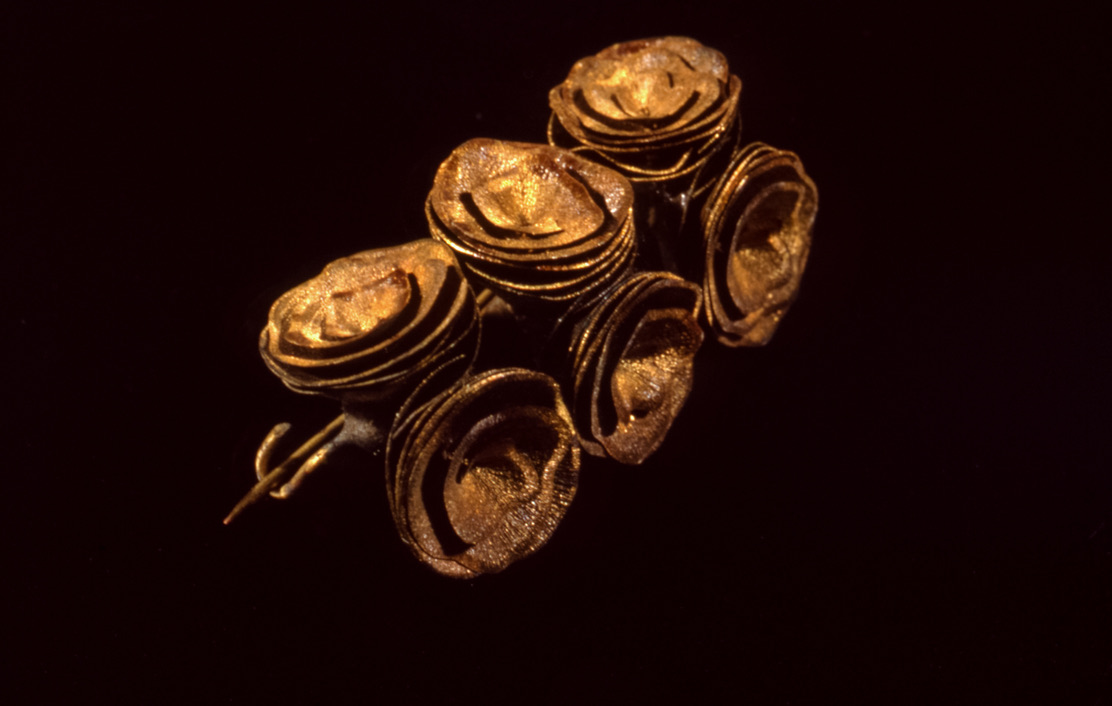
    I found the golden brooch in a box of little things that Grandma had placed
    in the back kitchen pantry at the farm.  Looked  like gold.  That is probably why I
    asked mom “Is this valuable?”

    “Where did you find it?   I thought it was lost long ago.”
    “It was in a little box with string, buttons, newspaper clippings…in the pantry”
    “Mother must have saved it…she saved bits and pieces  of just about everything.”
    “Is it gold?”
    “No.  Dad made it from the scrap brass filings from artillery shells in World War I.
    He had a job in Toronto at a munitions plant.  Made the brooch for me when I was
    12 or 13.  I thought it had been lost long ago.”

    THE GOLDEN BROOCH


    Sometimes the tiniest of things show the way back into deepest of times.  Like a mammoth tooth
    leads the mind back to a time when they wandered  freely across an often ice clad Northern Canada.
     And there are the fossils in Port Credit shale that lead the mind back to a time when much of North America
    was covered by a great shallow sea where aquatic life thrived.   In short, from small things  greater things are recalled…or discovered.  So  it is with
    the Gold Brooch.

    It is made of brass, not gold.  It is worthless, I suppose, but it triggered an avalanche of  family history.
    Why should the Freeman  family history be of even remove interest to readers  of these episodes?
    Interest is captured when unpleasant things happen.  That’s just the way we are.   Good times,
    financial success, awards, glory…attract minimal interest.  If I titled this story “Why my grandfather
    was a great man,” only a few readers would give a sweet damn.  If, however, I titled this episode
    “What my grandfather never told me,” the interest level would increase.  Better still, “The truth,
    the truth, you cannot handle the truth, Alan”  That would bring readers in flocks.

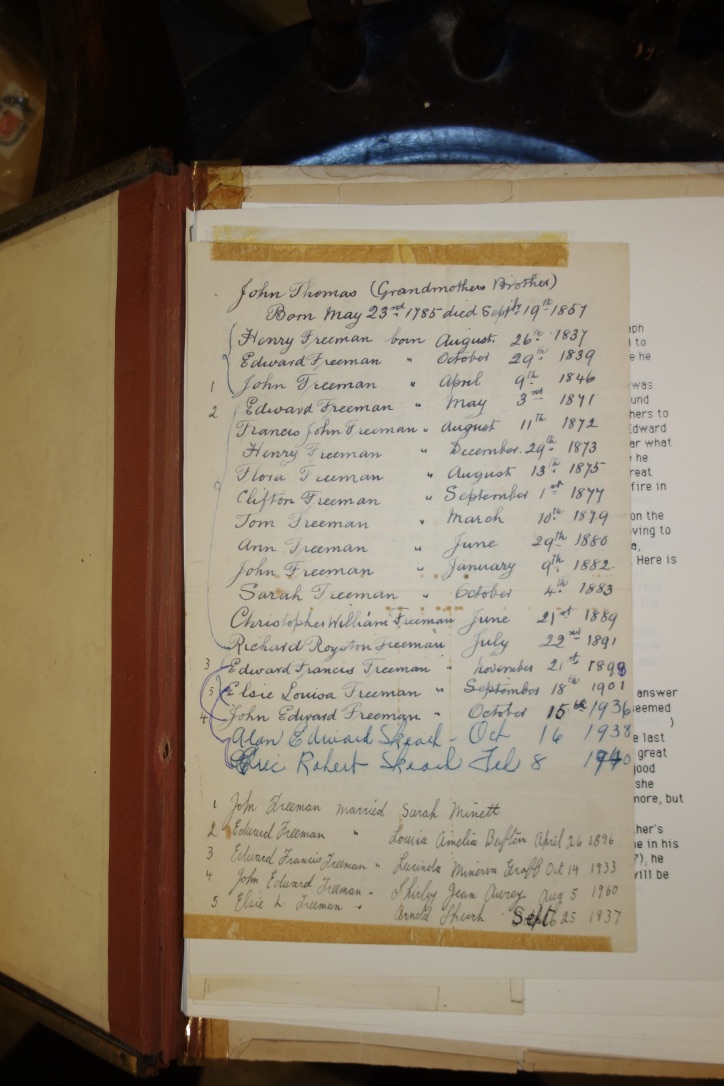
    Edward Freeman was born on May 3, 1871.  He was  84 years old when I really got to know him
    in 1955.  Even then i never knew him well.  We liked each other. That much I do know.

    Edward Freeman, my grandfather never spoke much about the past.  Even his best years… those 6 year as head
    gardener of the Eywood  Estate in Herefordshire from 1899 to 1905 were hardly mentioned. 

     It was mom that told me
    about the time Lord  Byron visited Eywood and got sexually involved the lady of the estate while her husband
    went for a stroll around and around the little lake.  Was this real or imagined?  Horny enough to be true.
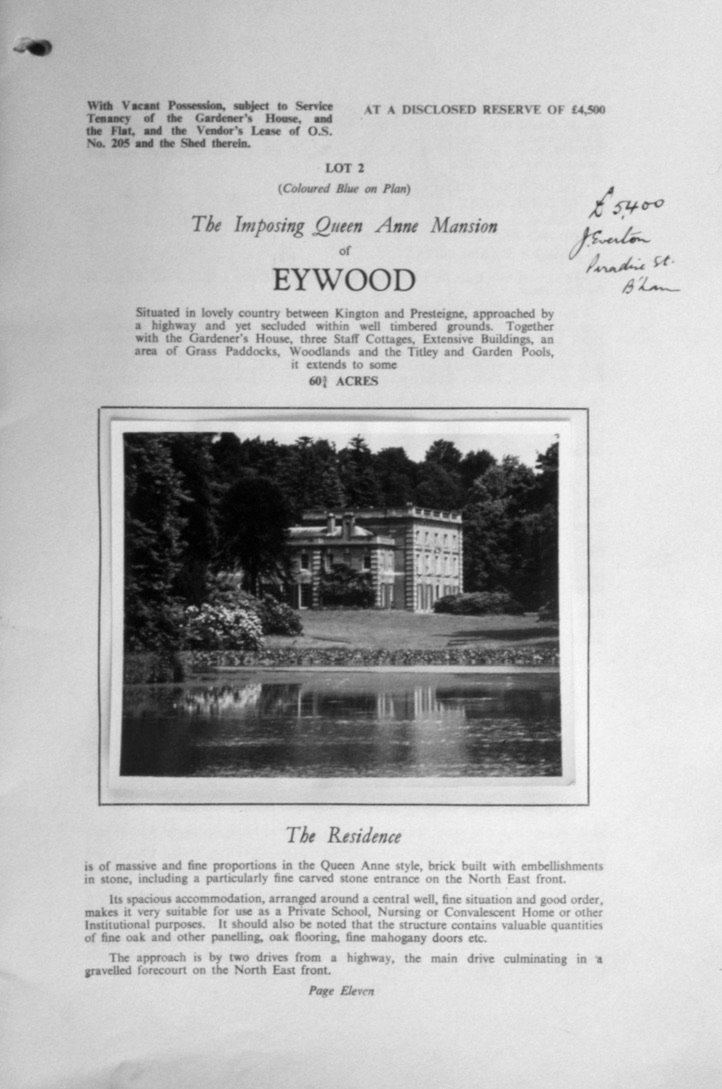
    Documented as true.  When the estate was auctioned in 1954, the Lord Byron incident was printed along 
    with the furniture, buildings, land parcels.  Weird.  

    Edward  Freeman kept some things to himself.  For instance he
     never said how much he despised his father John Freeman.
    How do I know that?  By chance.  Somehow a letter he sent from Canada to his brothers and sister back
    in Lyonshall, Herefordshire came back return mail and was laced  in the farm pantry along with the gold
    brooch.  He hated his father because John Freeman mistreated his mother.  


    There were
    ten children in the Freeman family which  must have placed heavy responsibilities on the
    parents who for a few years tried to farm just outside the village.  Not with any success
    it seems since the family moved into a village house that has now become The Royal George,
    a  pub.  John Freeman  became an alcoholic.  No record of physical abuse of his wife, but something
    triggered granddad’s hatred.   At some point John Freeman tried to kill himself by cutting how own
    throat.  MY Mom (Elsie Freeman) mentioned that several times…the attempted suicide.  I have no
    idea why.  Perhaps self loathing. How is it possible to clothe, feed and raise ten children with
    very little income.  Enough to drive a person mad.  Granddad persuaded his brothers Chris and Cliff
    to come to Canada along with his sister Anna.  Anything to get them away from his father.

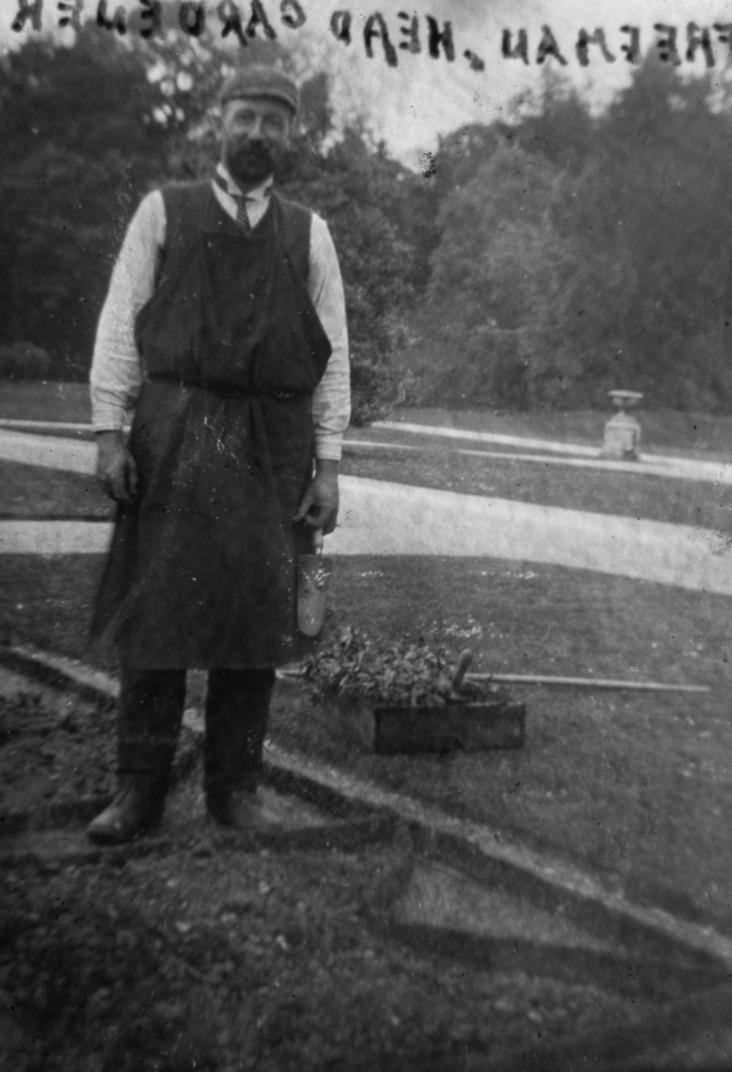
    When granddad was appointed head gardener at the Eywood Estate he grew a beard to
    make him look older.  A head gardener was a position of high regard in country estate homes
    all over England.  Huge estates.  Eywood  had 1500 acres.  Being head gardener was near the pinnacle of the ‘inservice’ hierarchy .  And  granddad knew it
    but there was also a malaise that he felt although he rarely expressed that to me except for
    the one comment about tipping his hat. (see Capability Brown…garden designs)

    Detail from Lancelot Capability Brown portrait ©NPGblog.english-heritage.org.uk/wp-content/uploads/2016/12/780-header-cb1-440×169.jpg 440w, blog.english-heritage.org.uk/wp-content/uploads/2016/12/780-header-cb1-768×295.jpg 768w” sizes=”(max-width: 780px) 100vw, 780px” style=”border: 0px; margin: 23.390625px auto 0px; max-width: 100%; display: block;” apple-inline=”yes” id=”6E0A6F9B-D542-4D35-8A49-E7D811D63C98″ src=”https://alanskeoch.ca/wp-content/uploads/2021/03/780-header-cb1.jpg”>

    If you were anyone in Georgian society, your garden would have been designed by Lancelot ‘Capability’ Brown. Wealthy lords and ladies, and even the royals, commissioned Brown to landscape their vast estates, which revealed much about their status and style. Moving from formal to functional with sweeping lawns and key focal features, Brown revolutionised gardening in England.

    This year England celebrated 300 years since Brown’s birth. You can read more about his life here. But first, we caught up with Landscape Adviser Emily Parker to explore who he was and why he became the go-to for English landscaping.

    WHERE DID THE NAME ‘CAPABILITY’ COME FROM?

    Nobody knows for sure, but it’s said that Brown used to turn up at country houses and say: ‘this place has great capabilities for improvement’ – and that’s where he got his nickname from. I think you could safely say that he changed the whole nature of English gardening from its more formal roots to something that imitated nature. That’s what we can see from Capability Brown today, particularly at Audley End House and Gardens.
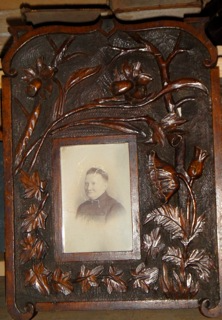


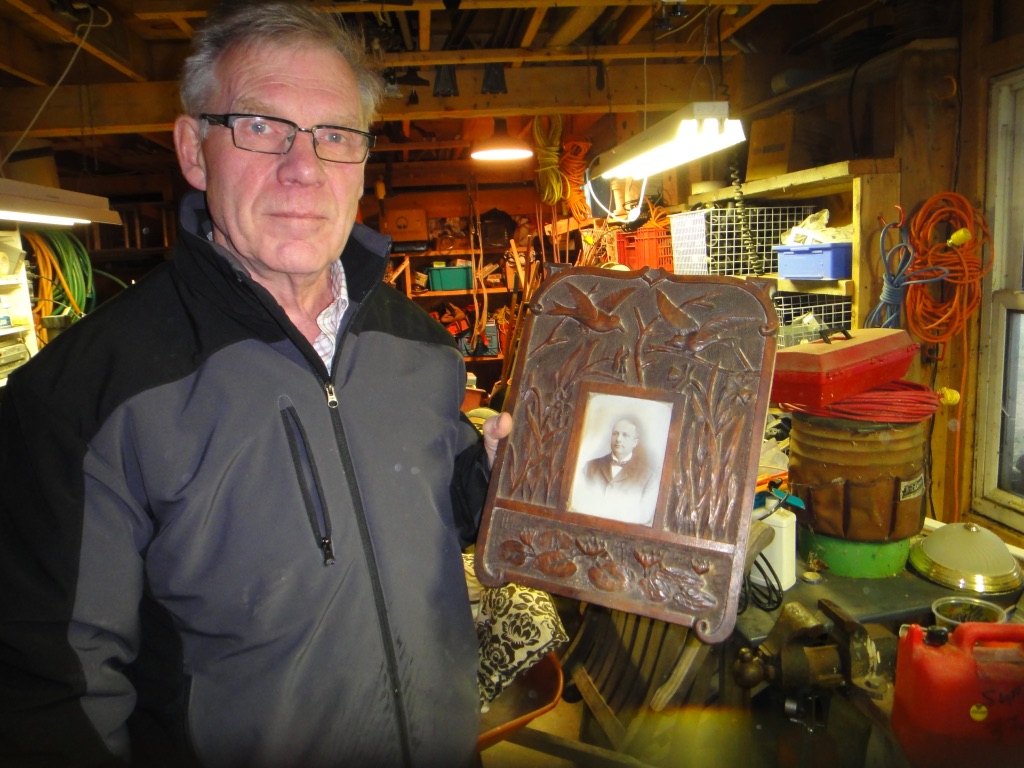
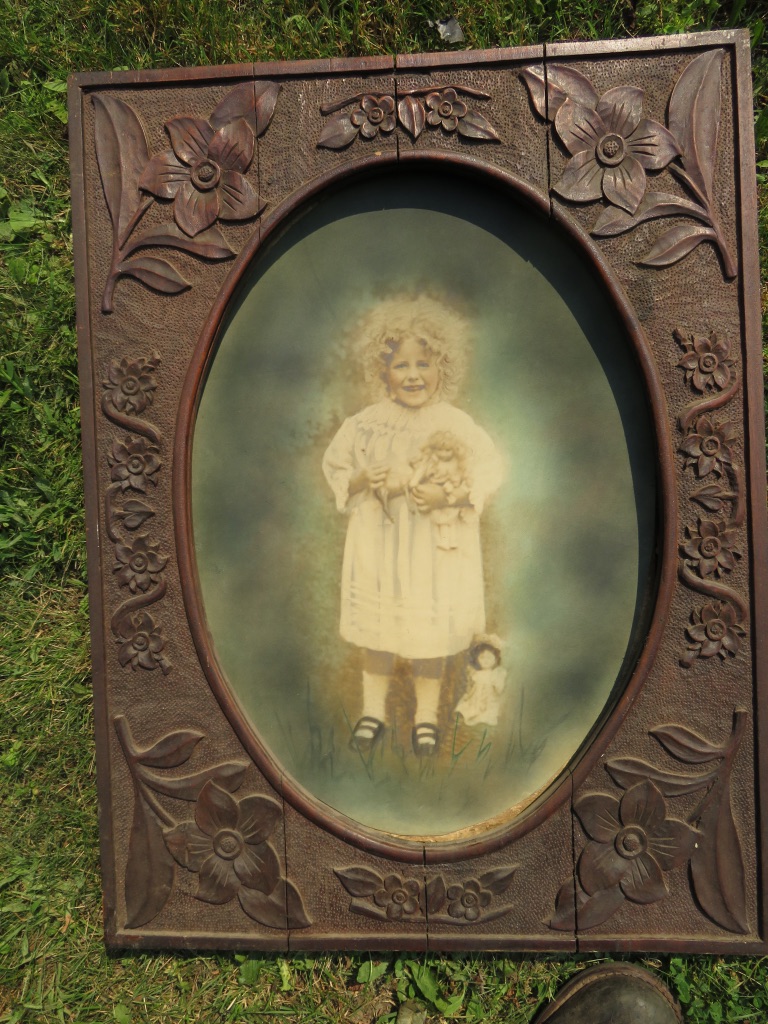
    My grandfather was trained as a carpenter, a skill he never lost as seen in the hand carved
    picture  frames that hung in our Fifth Line, Erin Township, Wellington County farm house.
    He gave up carpentry, however, in favour of gardening.  Worked as a gardener at Windsor
    Castle and then around  1899 got a ‘position’ as head gardener at the Eywood Estate, a 1500
    acre country estate near the tiny village of Titley in Herefordshire. 

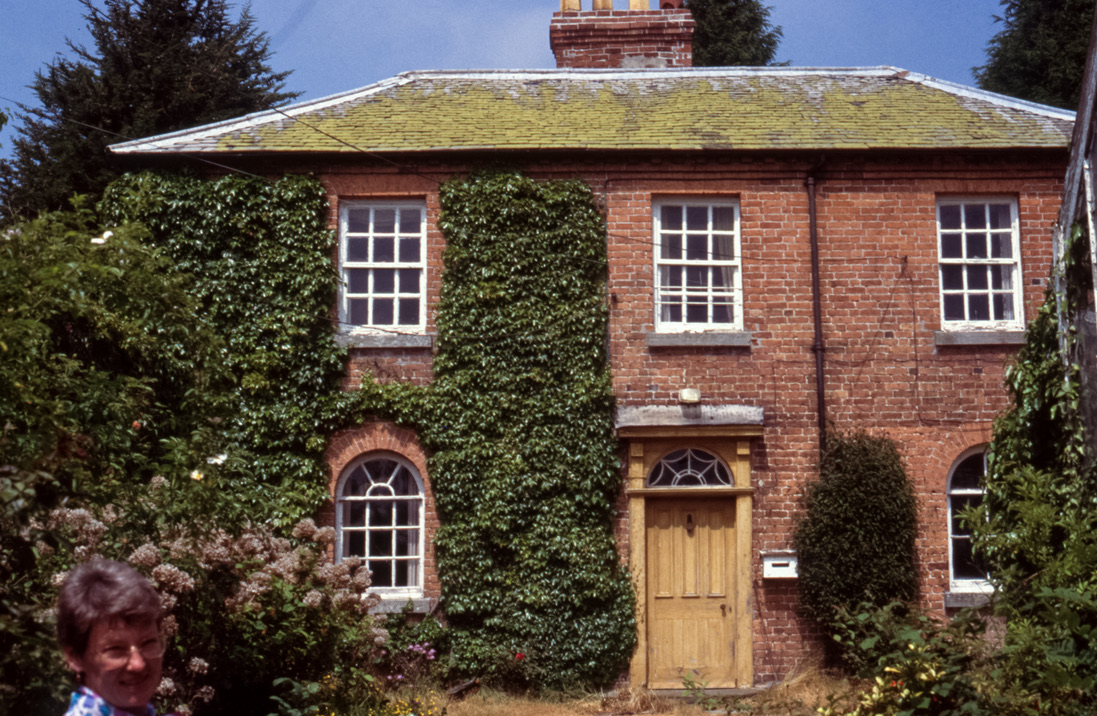
    The head gardeners’ cottage at Eywood where mom was born.  The largest house my grandparents ever lived in. Note Marjorie in 
    bottom right corner.  When Eywood Estate was sold, only one building was  destroyed…the grand estate mansion. All else remains
    the same as it was to tis day.  The Eywood gardens, two acres enclosed by high brick walls were often discussed by my grandparents
    who made their farm on the Fifth line a kind of mini-Eywood with high cedars enclosing the large garden. 


     Mom was born in the 
    head  gardener’s cottage on the estate.   The hand carved picture frames that hung on our
    farm house walls  all had photographs of  working people  on the Eywood Estate.  Not grand people.
    Ordinary people such  as the cook, the chauffeur, the assistant gardeners, the horse, the dog…
    and the grandest frames held picture of mom, Elsie Freeman, and her older brother, Frank Freeman.
    Photographs taken by granddad  using a pin hole camera.  Unusual pictures.

    The Eywood mansion sold for around $12,000 in 1954.  There was not much left inside
    once the wood panels, the floorboards, the ornaments, were sold.  So the place was knocked 
    down.  I believe blasted was a term I heard but that may be imaginary.  I went there in 1960
    while working in Southern Ireland.  Sad to see but country homes all over England were
    being pulled down as few people could afford to maintain them.


    The only negative comment I ever heard my grandfather utter was so inconsequential that
    I never understood what he meant until long after he was dead and gone.  He  liked Eywood
    but “disliked having to tip my hat to Mr. Gwyer whenever we met”.  Now  what the hell did
    that mean?  It meant noting to me until years afterward  when on a Boy Scout camping trip
    with a very arrogant, know-it-all English boy scout called  me ‘common’ meaning I was several
    steps below him in the class  pyramid.  He hated me for some reason and the word ‘common’ 
    was about the worst thing he could say. Tipping the hat was a signal of deference. ‘You are 
    better born than me and I know it.’  Tip the hat. Some call that showing respect.  In Canada 
    PICthe  hat tipping means nothing much, just
    a friendly gesture but the habit of tipping the hat comes  from a darker time. That comment
    was never dwelt upon in detail by granddad.  I do not remember him tipping his hat to anyone.
    No great scene…no comment.  But an undercurrent of embarrassment whenever deference
    was required.

    Strange really.  Of  all my relatives, and there were and  still are many, I spent most of my
    adolescent years with my Freeman grandparents. on the 25 acre farm the we still own.
    Yet all I knew about them was from fragments that meant nothing to me at the time.
    I wish that were not so.  I wish we had spent an hour or two together with granddad speaking
    and me listening but that never happened.  He was  not stand offish…remote kind of man.
    He liked me as he did my brother Eric.  When I stole one of his cherished chisels and was caught
    then hid in the hay field granddad was amused.  When I had bad pin worms and needed  an enema
    granddad and mom levered me out from under the bed to get the dreaded enema in my ass.  Granddad
    was amused.  Close.  But there were things he never dwelt on long.  He was a positive person.


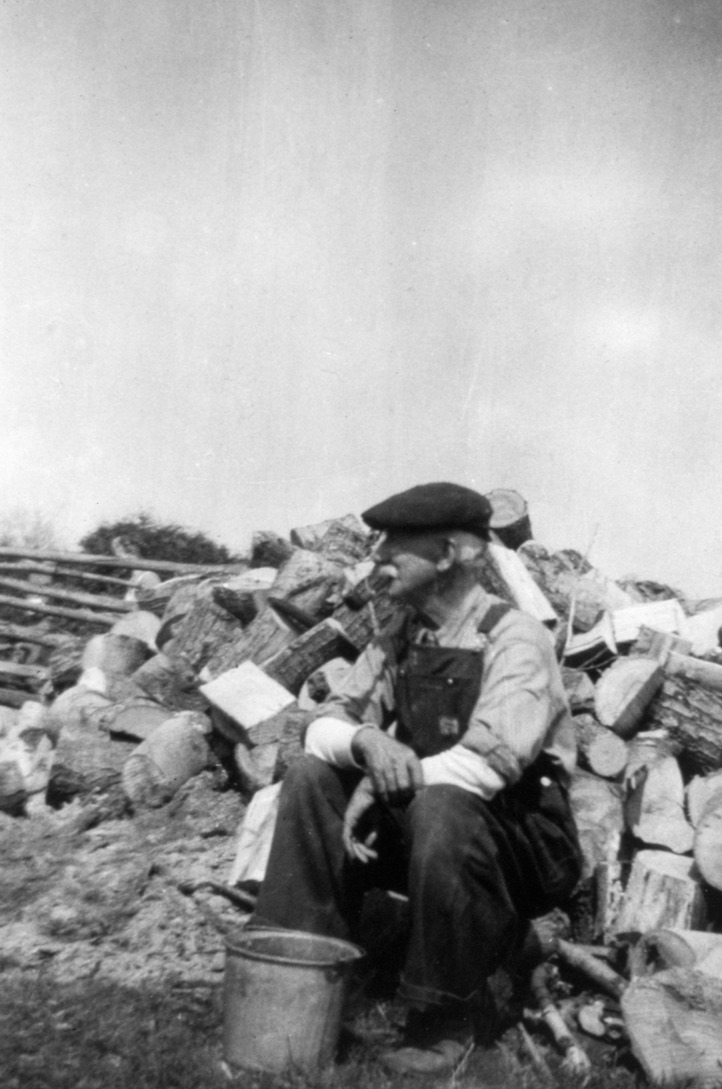
    PICTURE: When winter came there better be lots of firewood ready.  Now that use as fuel is gone.
    And when there is only one cow in the barn, a small pail will be enough for the hand milking
    (Granddad circa 1955)

    WAS EMIGRATION TO CANADA A TERRIBLE MISTAKE?

    Coming to Canada in 1905 may have been a terrible mistake.   A mistake made by hundreds…thousands
    of other economic migrants looking for a better life when the 20th century began..  Fooled  by slick advertising 
    to think Canada  was a golden land of
    milk and honey.  A land free from the strangle hold of class.  A land where a working class family could actually
    own land…be given land virtually. The advertisements sent from Canada were Partly true and partly false as with most advertising.

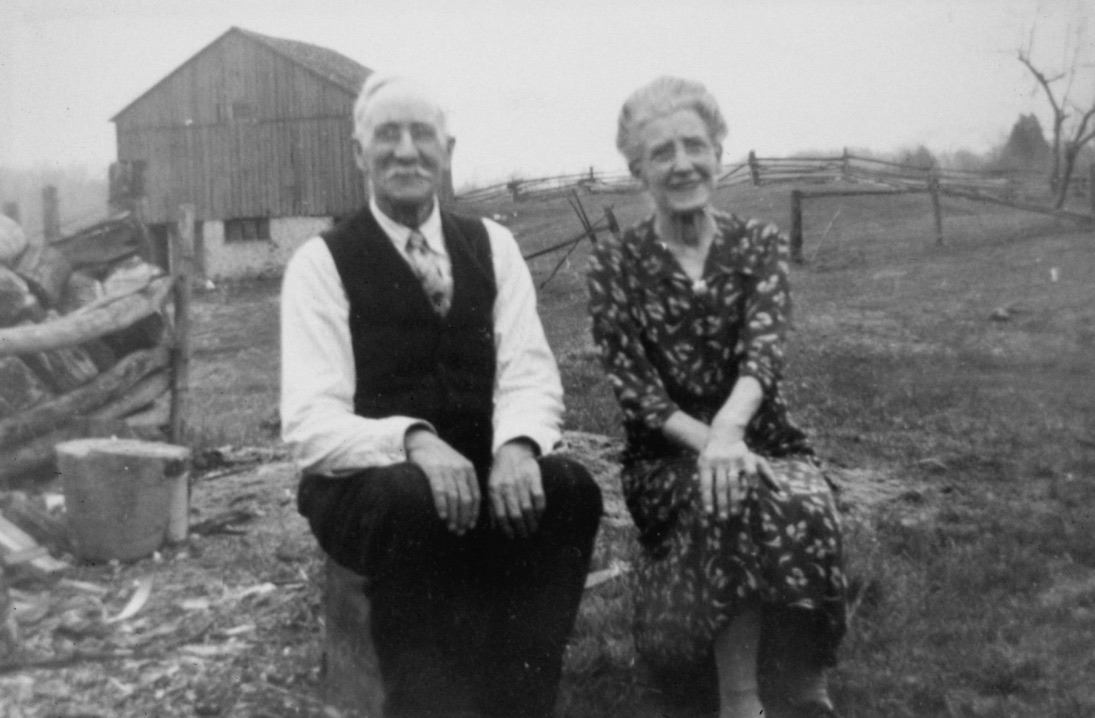
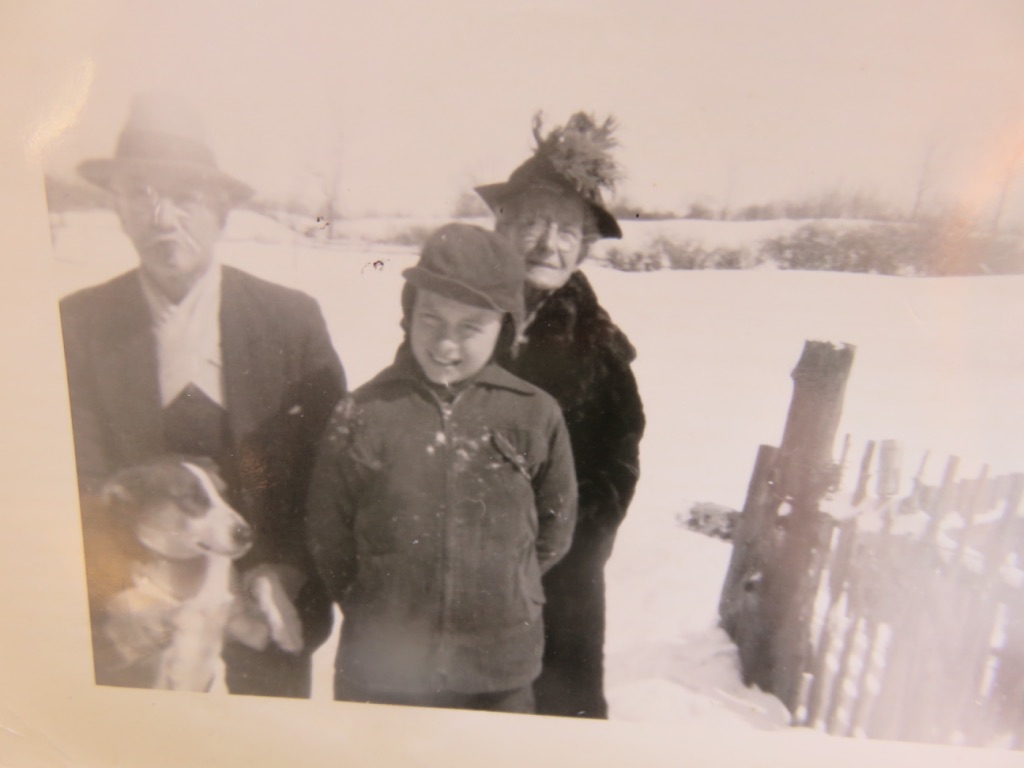
    Edward Freeman and Louisa (Bufton) Freeman, about 1955.  The barn was still standing then but empty. Look at their faces.
    Gentle people with soft smiles.  But tough as railway spikes.  They could get by when the going got rough.  They had each other.


    About here in the story is where my grandmother enters the picture.  Louisa Bufton’s mother got knocked
    up by a man known as Dr. Price.  A medical doctor.  He impregnated her but did nothing else.  No help. No
    responsibility.  No one seems  to have cared much about Louisa.  But she lived, therefore some care
    must have been provided.  Otherwise she  could have died like some
    other children born out of wedlock.  Or placed in the “home” that was not a home at all.  These were
    Not good times for grandma…childhood years. 
    At some point Louisa was living on the streets  in Birmingham…while her
    mother hunted perhaps for another man.  Once a man showed interest then the  presence of a reminder of
    illegitimacy was best swept under the rug.  Little Louisa was fast becoming a street waif.  There
    were thousands of such children in working class England.   Children eventually described as Home
    Children which  seems a contradiction in terms until the term ‘home’ is defined as an  orphanage.
    In other words no real home. Victorian and Edwardian England had a vast underclass.

    “Aunt” Webb entered the story …when she heard Louisa Bufton was  a street waif.  Just exactly who
    Aunt Webb really was has never been clear to me.  She may have been Louisa’s grandmother who knew
    the whole sordid affair of Dr. Price taking liberties with a female patient then refusing responsibility. That is
    an old story…old and true.  “Aunt Webb rescued mother from the streets of Birmingham along with her
    cousin Richard, brought them to the Edwards farm in Herefordshire where they were very happy.”

    Then Something went wrong. Louisa left the Edwards farm.  Bit of a cloud covers that event.  There had
    never been a formal adoption so grandma was cut loose it seems. By then grandma and grandpa were
    newly married.   A long and good marriage.  Even though the times
    were tough.  Marbled fat on the meat was desirable… not removed as waste.

    Hand carved picture frame with friend from Eywood featured.  Granddad carved
    these frames on winter days and nights.  Heirlooms today.


    MUSICAL

    Etched forever in my memory is the music on winer nights in Canada on the Fifth line farm. 
    They were very musical and both sang and played instruments…granddad the violin
    that he could make dance to the ‘Devils Dream’ and grandmother accompanied on the pump organ 
    with Laddie their dog howling in tune while the winter winds scoured the landscape and most
    of the farm house.  We all huddled in the kitchen where wood smoke smelling of maple syrup clouded the room.
      The only livable room in winter.  All around the
    room were those hand framed pictures of Eywood.  No comment from granddad that I would  call nostalgic.
    Canada  had not turned out to be a place of milk and honey but there was never a desire to go back
    to that grand estate to be ‘in service’ like the employees  of Downton Abbey.

    Little wonder I loved the works of Dickens, Hardy and Steinbeck. Poverty brought out the best in people
    was the message.  Untrue of course.  Happy endings?  Never happened  of course. Yet..yet..yet…grandma and
    grandpa never seemed downtrodden.  Life always seemed  good on he farm.

    Regrets?  I have a few.   Granddad wondered if I was  musical
    ‘because Alan you have  long fingers’.    He only said that
    to me once. His comment startled me.  I had no time for music lessons nor inclination at the
    time.  Today I wish I could hammer a piano like Jerry Lee Lewis and sing like Gordon Lightfoot.
     Another fragment from grandpa that I never understood until it was too late.

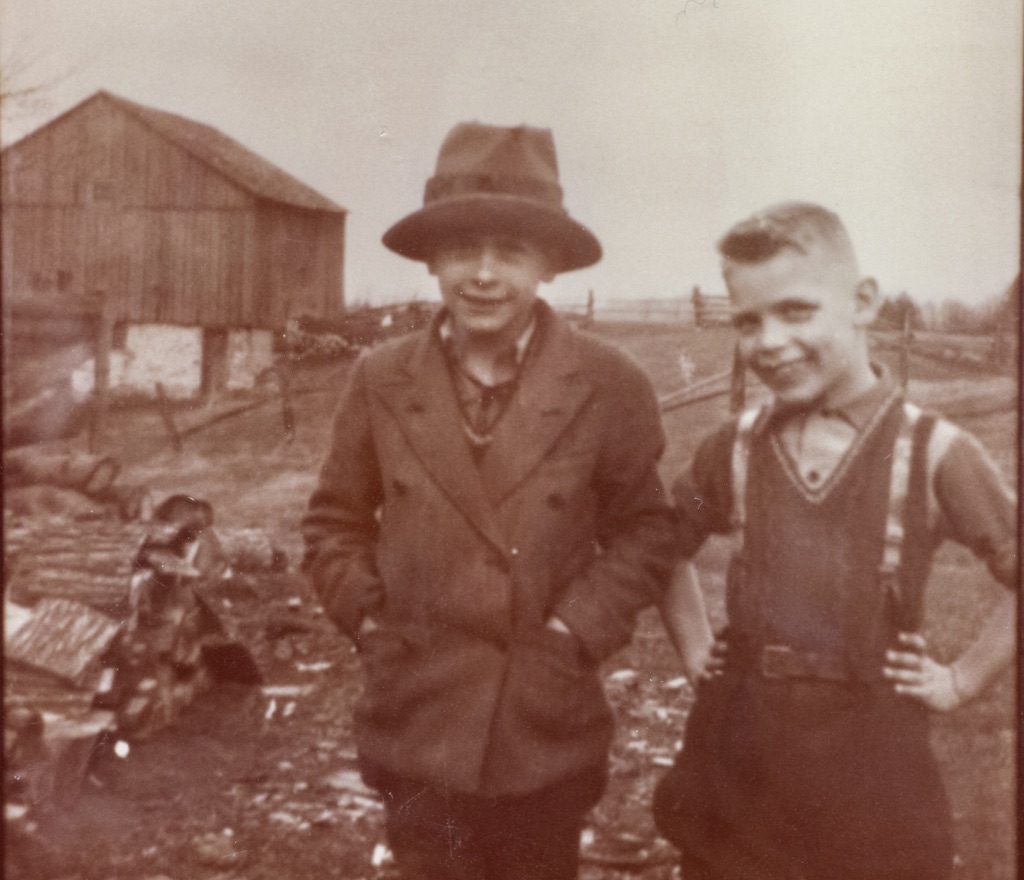
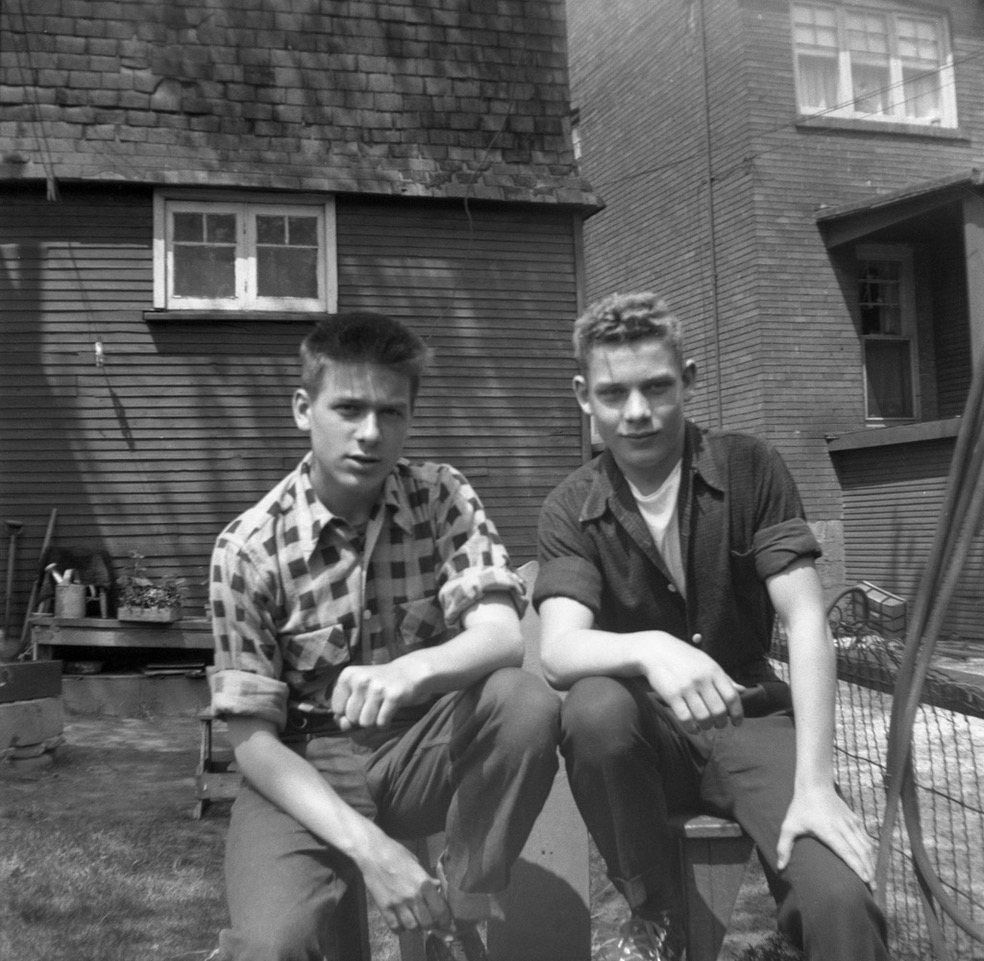
    Eric and I about 1955 when we were in high school and spent regular week ends at the Freeman farm
    where we always felt welcome.  Unannounced visits encouraged. We knew we were wanted.

    THE FARM

    The greetings by the Ansons when the Freemans arrived in Canada
    In 1905 was a little frosty.  Perhaps because the Freeman family overstayed the welcome while grandad went west
    to Manitoba to see about homesteading. Louisa’s mother had married and her family was stressed when 
    the Freeman family arrived.  An illegitimate child …whispered  maybe. Or  Perhaps  there was a  closer bond that later soured. 

    When Granddad returned and said he found land on the prairies, grandma revolted.  “No schools, no doctors….we
    are not going Edward.”

     So Granddad bought
    a small 12 acre market gardening farm where highway 427 and Burnhamthorpe Road cross.
    Growing and marketing vegetables was really tough.  Became impossible so granddad found
    a job as a carpenter on the Temiskaming and Northern Ontario railroad. They lived in a decrepit
    log cabin at Krugerdorf, a German immigrant community near Englehart which is now just
    a sign beside the railway line…nothing there anymore except for a black bear on my visit a few years ago.

    These were the years of the great fires in Northern Ontario.  Seemed the whole of the north
    was on fire.  “I remember riding a flat car through huge fires burning on both sides of the tracks”,
    he said once while at the same time commenting that “Lou managed to save the pump organ
    when our house in Krugerdorf caught fire and burned to the ground.”  They got out with only
    a few family pictures and the organ.

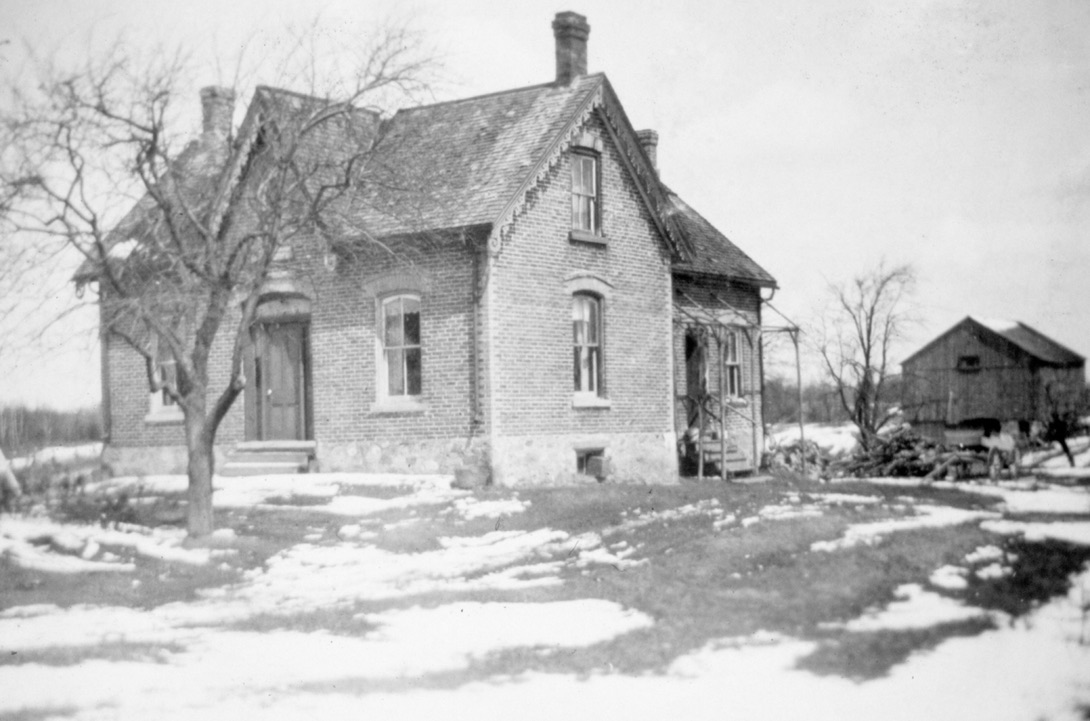
    The Edward Freeman farm as it appeared in 1914.  Brick farm houses like this were common as were hand framed
    bank barns.  Not so today.

    Mom and Grandma and Frank did the farming while granddad made explosives in Toronto
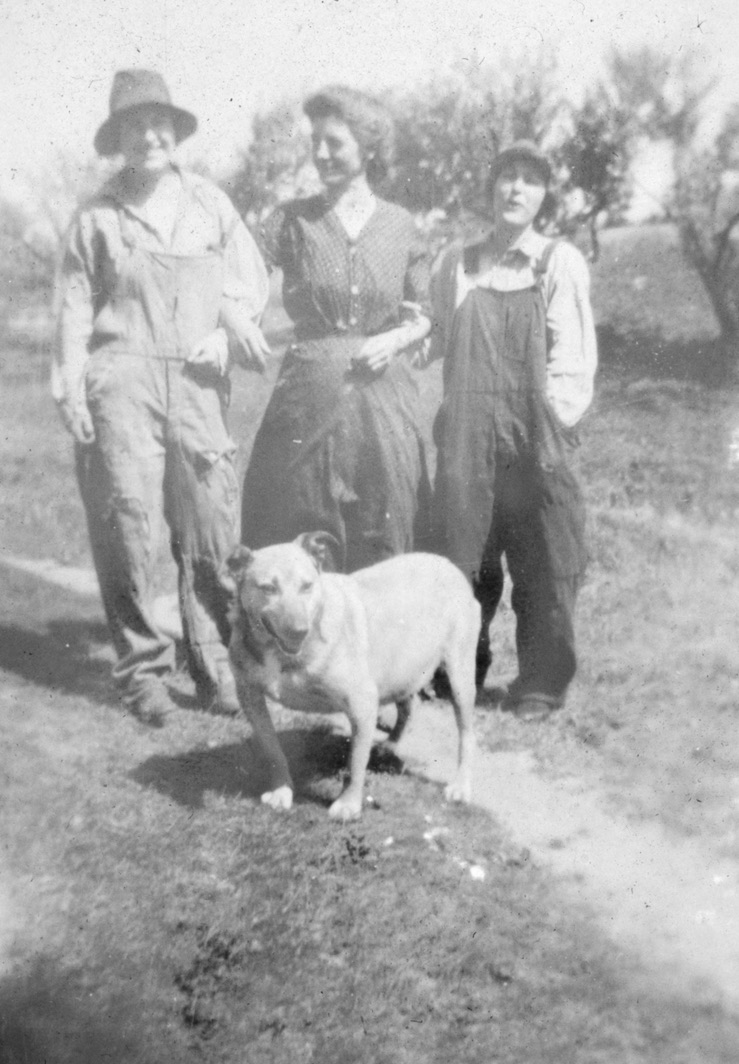
    during the war years 1914 to 1918.  Mom has the baggy clothes on the left. Grandma in centre.
    Friend on the right.
    Punch the dog in the foreground.


    September 1914.  War industries starting up centred in Toronto.  Granddad  had
    enough money to buy the 25 acre farm on Fifth Line, Erin Township, Wellington County.
    A poor farm.  Swamps, gravel soil,  boulders.  Barely an acre of sandy loam.
     But enough for grandma and her kids
    to run while granddad  was making artillery shells in Toronto. 


    That’s where the Gold Brooch* came into family history.  Might be a good
    place to stop.

    TO BE CONTINUED

    POST SCRIPTS BELOW
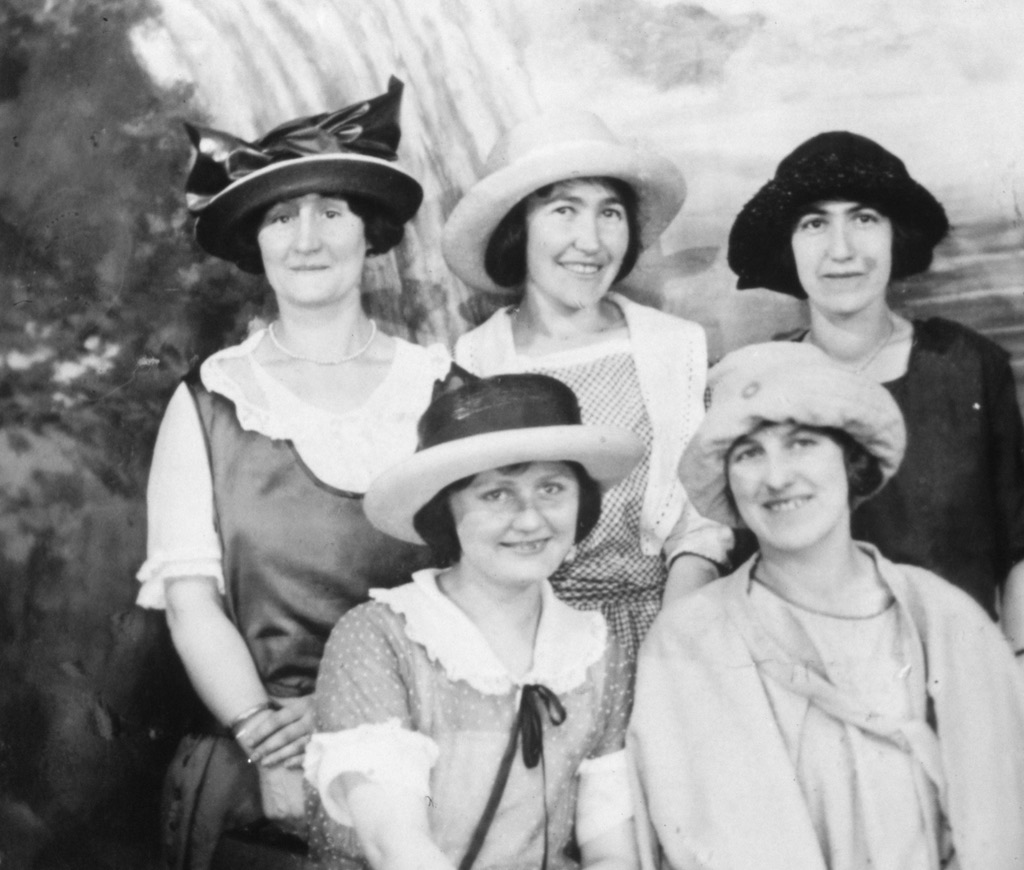
    Mom broke away from the farm in 1920 as did thousands of other young women.  The tool of escape Was the electric
    sewing machine.  Here is mom bottom right  with four other seamstresses working in Guelph in1920.  There is an aura of independence
    about them, is there not?

    Our mother…Elsie Freeman.  Dad always said she was the only woman he knew who was named after a cow.  Borden’s
    dairy in Toronto featured Elsie the cow.  Mom was a feminist but never said so.  She ran our house…saved  money to help
    Grandma and Grandpa on their little farm.  She made us feel rich.  We never knew we were poor.  She supported  us all
    because she was a whiz with a sewing machine.  Dad was  a great guy. I have told many stories about him. We loved him as
    well but never expected support from him.  He had racetracks full of horses  to support.  Mom was a leader that could accept
    human failings.  Dad’s  gambling
    was just something she had to accept.  She could love a person without the baggage of a judgmental mind. Lots of people
    live with troubles.

    Shortly before she died, I asked  her to tell us her story.    I think both of
    our stories are in harmony.

    alan  skeoch
    March  2021

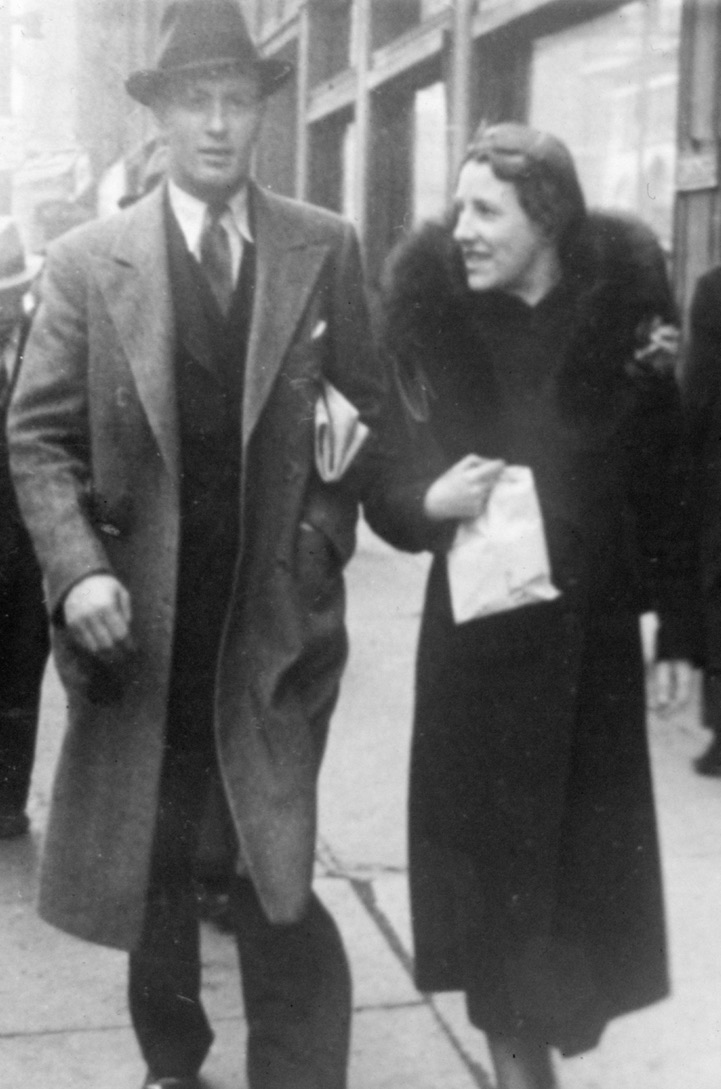
    Mom and dad on Yonge Street , Toronto in the 1930’s.  Dad was considered unmarriageable
    by many.  Mom proved that to be  false judgment.

    This is our dad…Arnold ‘Red’ Skeoch.  He has not been featured in the story because it is
    a story about the Freeman family. Dad was a great person to have as a father…sort of a
    playmate really.

    By 1955 the barn was doomed.  Canadian winters were to blame not neglect.  A barn with a stream running through it
    could withstand freezing and melting for only about 80 years.  

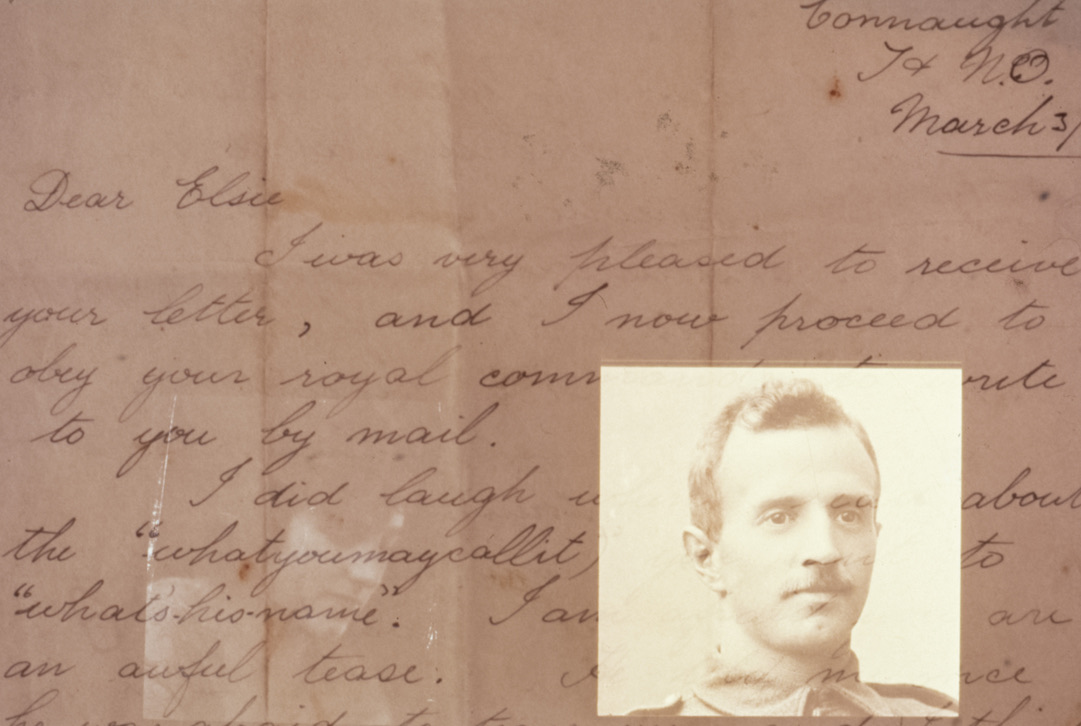
    Mom was only a teen age kid in Krugerdorf when she met Harry Horsman.  So this was hardly a romance.  But Harry wrote to
    her from the trenches of Normandy until he was killed in the Somme offensive of 1916.  She kept his letters and I made a film
    about him in the 1970’s.   That war left many young women single for the rest of their lives.  60,000 young Canadian died.   Suppose Harry
    had lived.  Would I be around?

    END EPISODE 271

    alan skeoch
    March 2021

  • EPISODE 271 FOLK ART by FRANK FREEMAN (MOM’S BROTHER)


    EPISODE 271     FOLK ART by my Uncle Frank Freeman

    alan skeoch
    Mach  2021

    There is a deep desire in many probably most human beings to create something 
    with their own hands and minds.   Some human beings follow the fine art tradition
    that involves  training…creating artistic objects in a sophisticated manner.

    Folk artists on the other hand do  not worry about fine art, sophisticated art.
    Folk artists do not worry about fine lines.   Often folk artists use items of  everyday
    life and do not particularly care about accuracy  of line and shape.  Nor do they
    worry about critical comments.  Utilitarian art in this instance…to be handled.

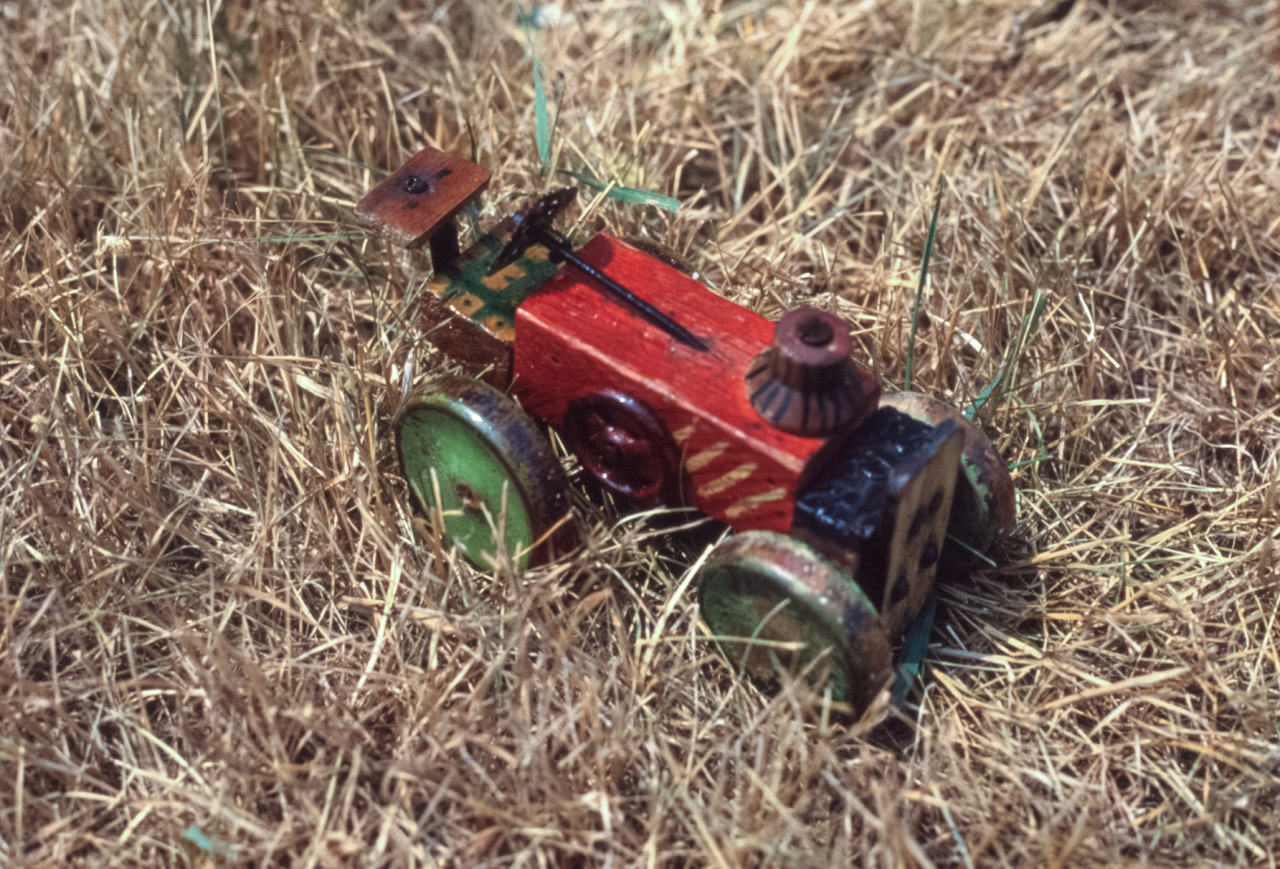
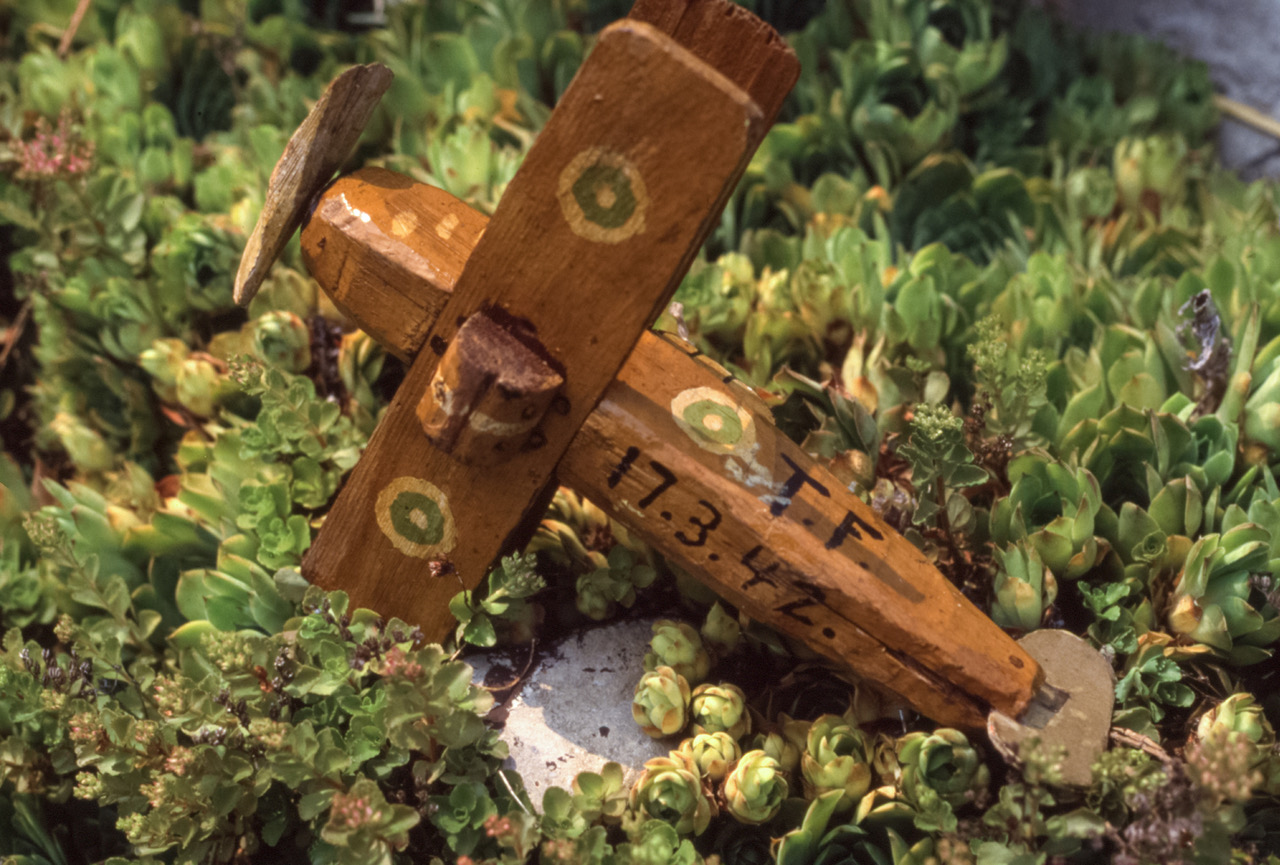
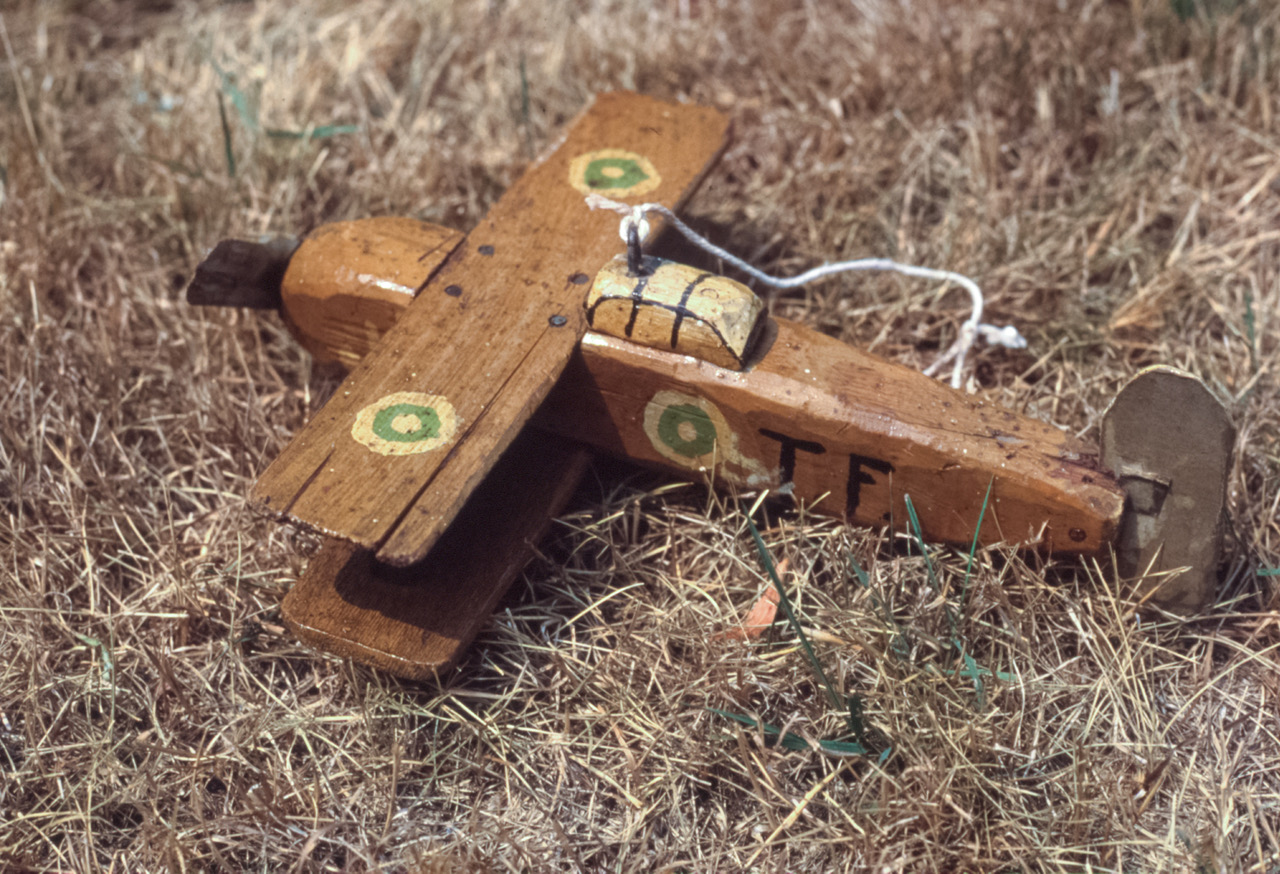
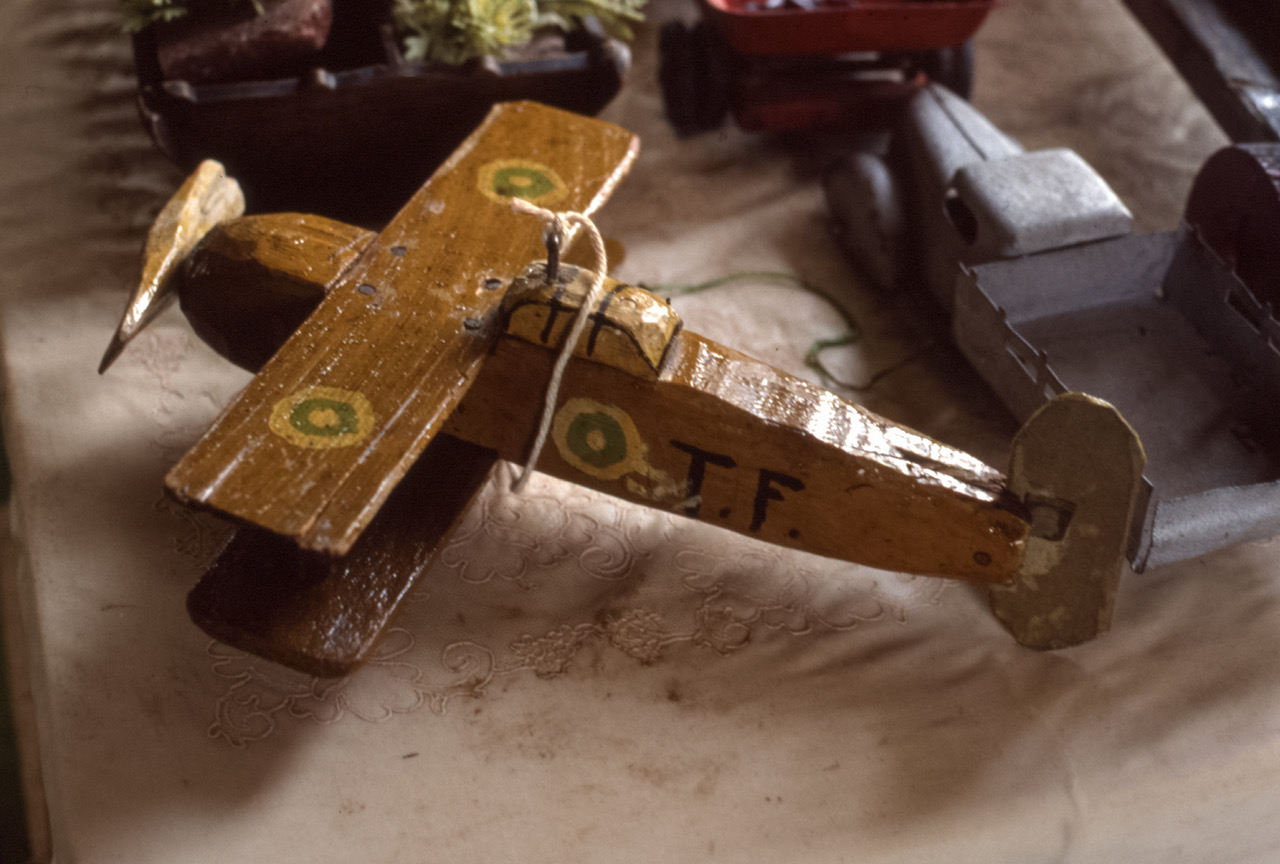
    My Uncle Frank Freeman created two early example of folk art that intrigued
    me.   He seems to have made both piece in March  1942.   And  they are objects  made
    as  toys for his six or seven year old  son Ted.   The objects  are not made
    to be submitted  for comment by a jury of accomplished lovers of fine art.
    They are made to be used.  They are made from scrap materials found here and there on 
    the farm.   They are imaginative.  Unique.  Tangible.  Unsophisticated.  Joyful.


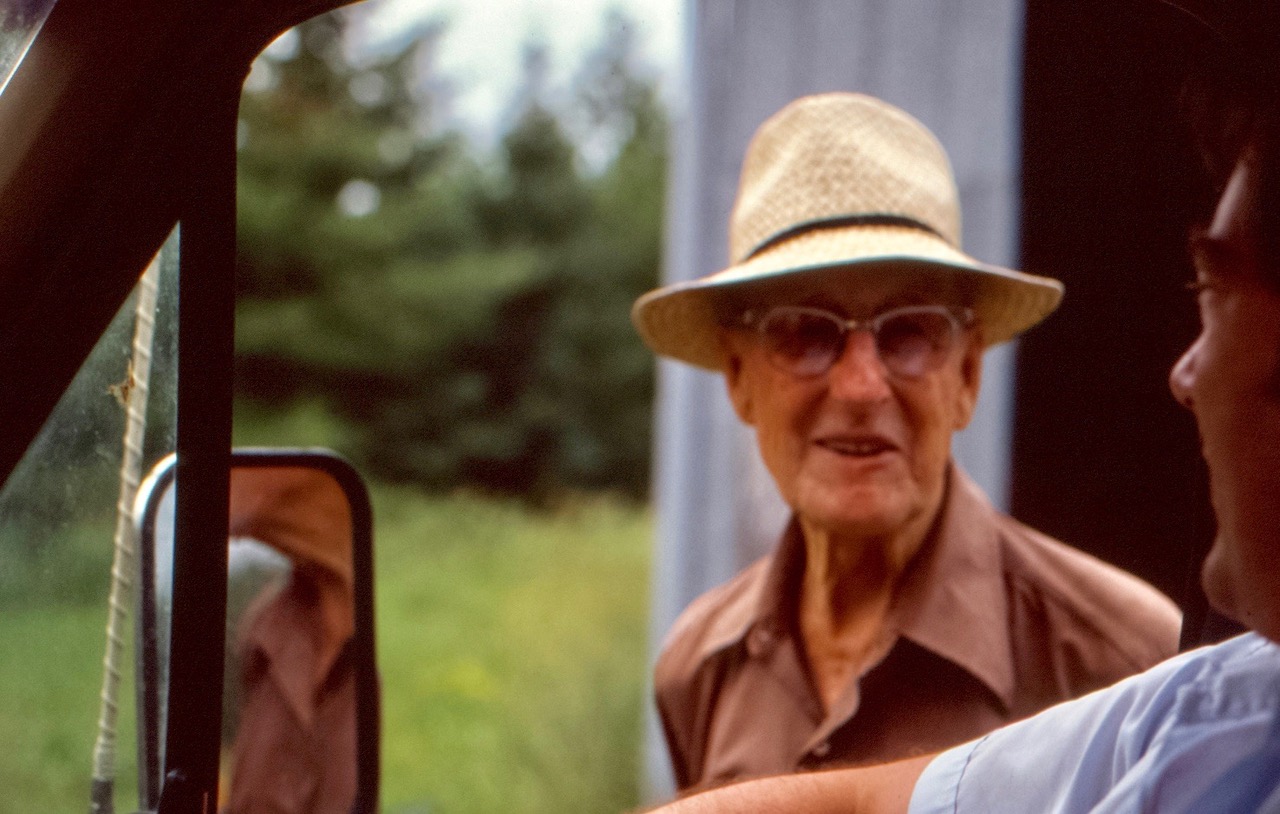
    Uncle Frank loved to talk to people.   He was tall but not silent.  Warm hearted.  Certainly not wealthy in the monetary sense
    but rich in other things particularly the natural world  around him.  He always had time for other people.  He loved  his very difficult farm
    composed  of glacial till …rocks, boulders, sand and soil…piled up forming fields that slanted in such a way that little pockets retained pools of water
    that some call  swamps.  And all these pools drained into a big swamp in the centre of the farm.  The farm owned by Lucinda
    and Frank Freeman would be 100 acres of headaches to most farmers.  To Frank, his farm was a wonder of creation.

    How do I describe him best?   I can do that with a short comment he made to me decades ago.

    “Alan, I love farming with horses rather than tractors.  Do you want to know why?”
    “Why?”
    “A tractor never stops working.  Now horses, on the other hand, must take a rest part way
    through a job.  And when the team rest I get to rest and consider the world around me.”

    Another anecdote:     One year Uncle Frank thought he was about to die from cancer.  He was not…but
    he did  not  know that.  “Alan, I took my last walk around the farm today.  Every trail, field, swamp and forest.
    Just to say good bye.”  (These are my words but they accurately cover what he said to me.)  He lived for many
    more years.  I expect he took that walk again.

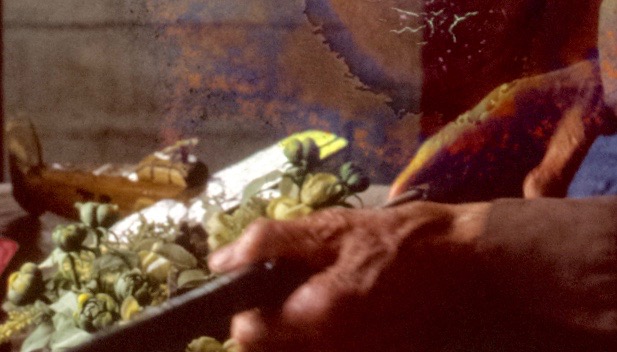
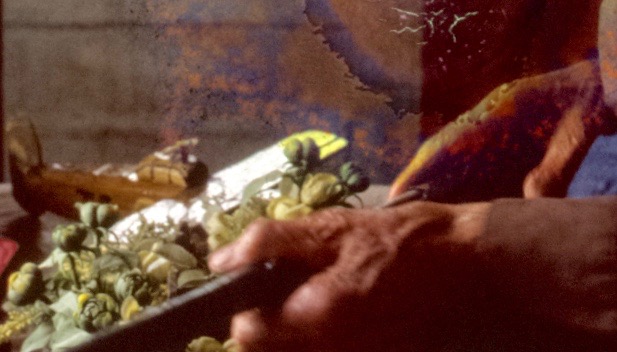
    Made with these hands…for a reason.  Made from things cast aside.   Made to be touched and handled.   Made to be useful, to entertain, to be;


    alan skeoch
    FEb. 2021

    (Fifth Line, Erin Township, Wellington County)