![]()
Year: 2021
-
EPISODE 291 STUD FEE
EPISODE 291 STUD FEEalan skeochMarch 2021
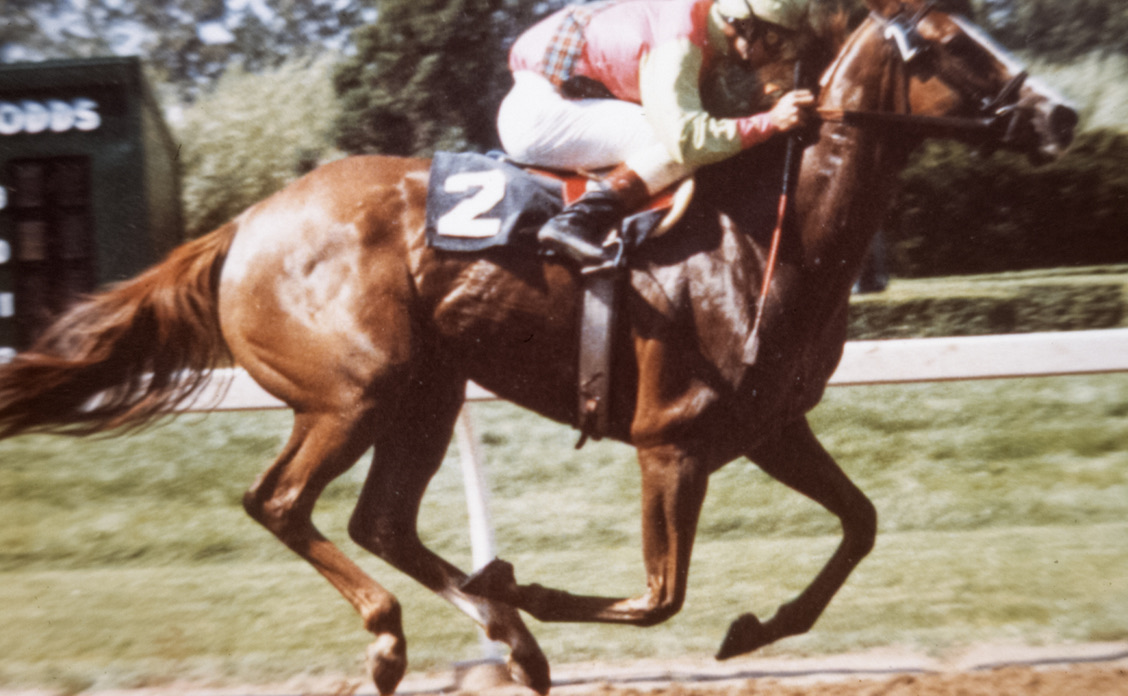
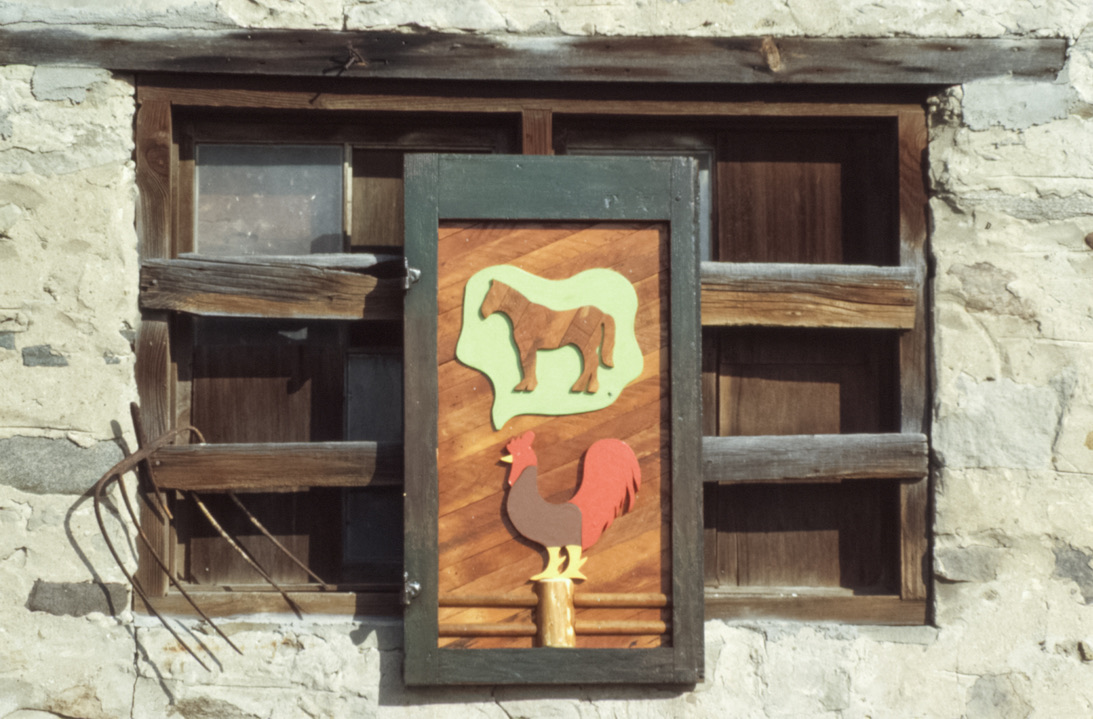
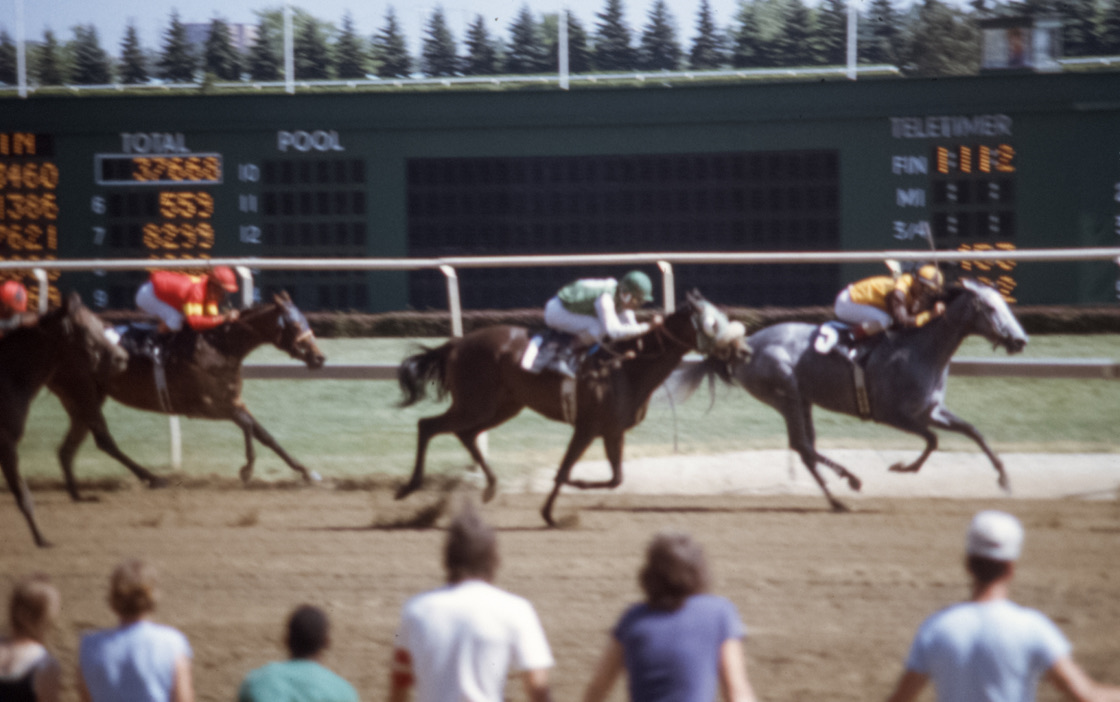
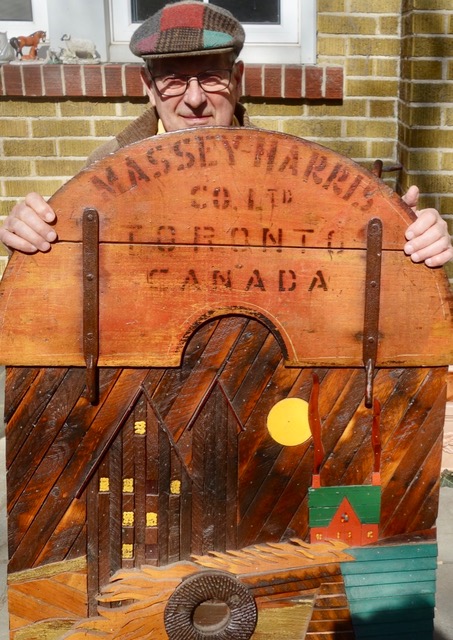
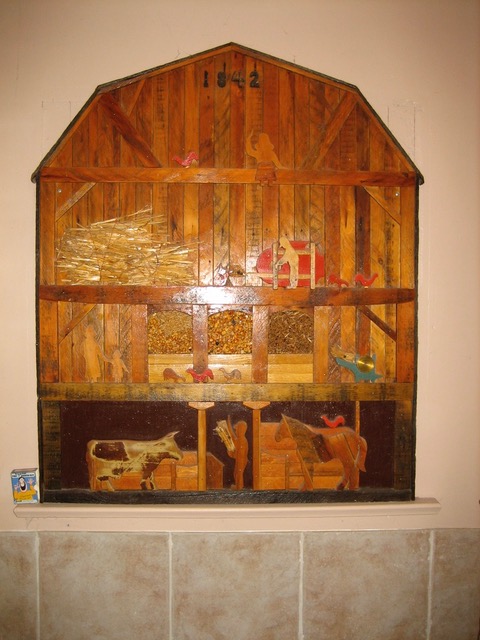
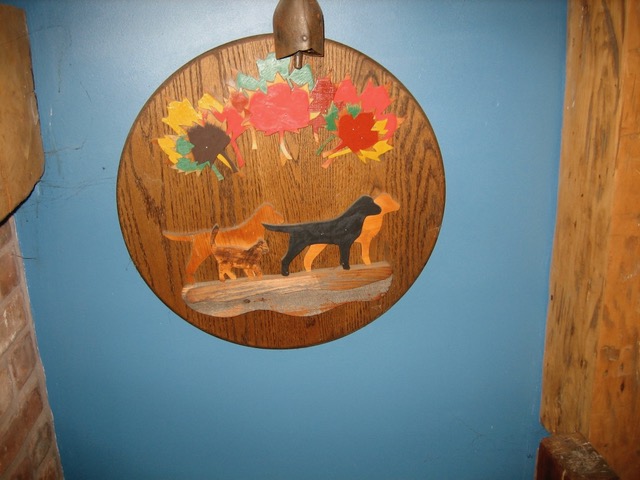
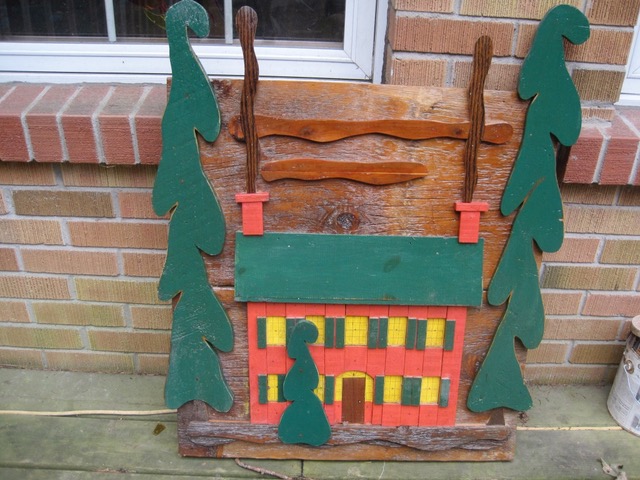
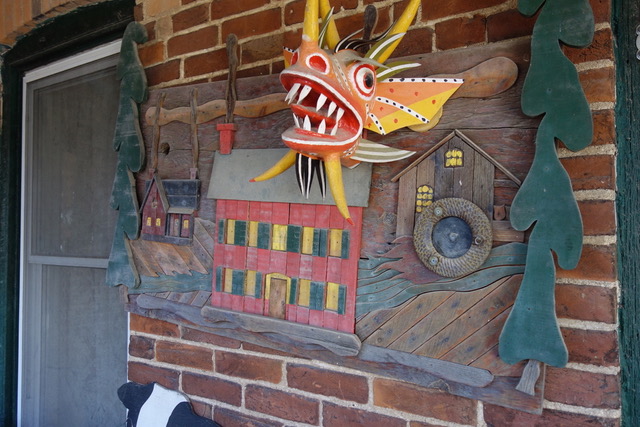
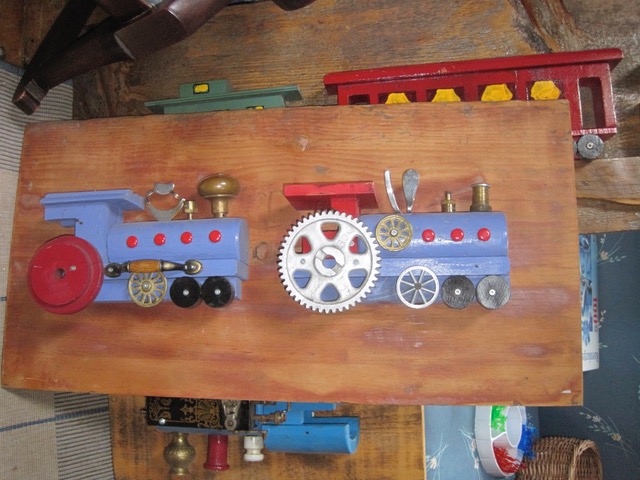
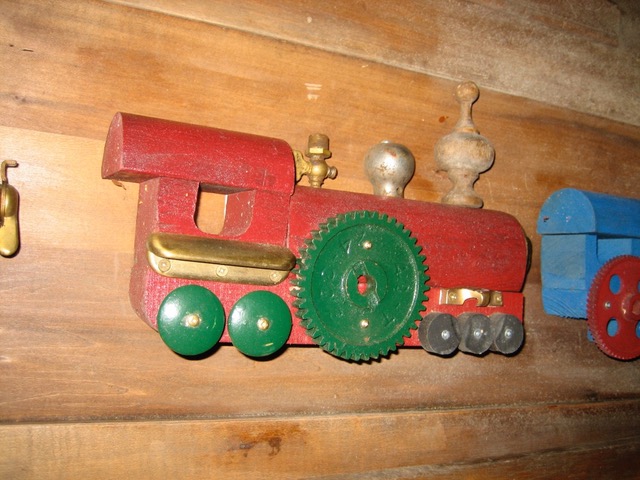
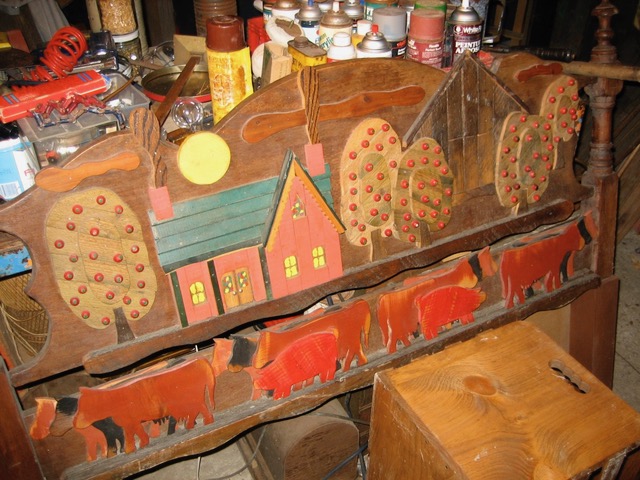
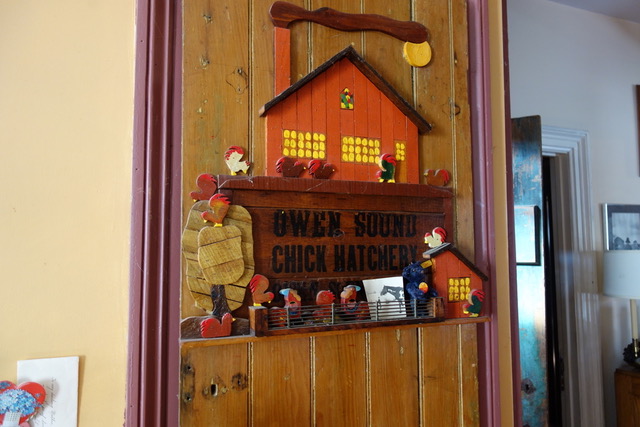
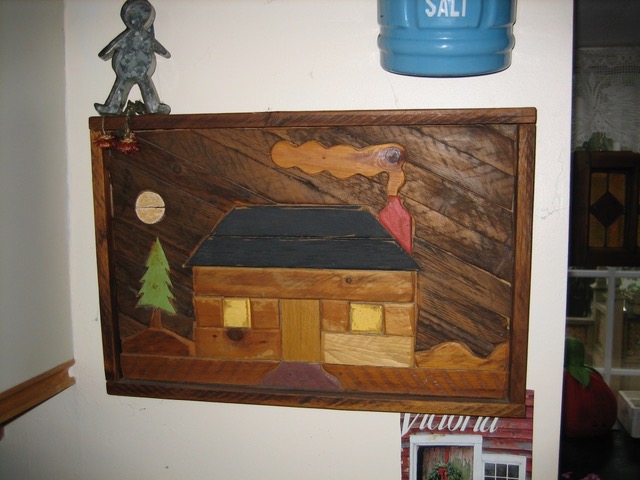
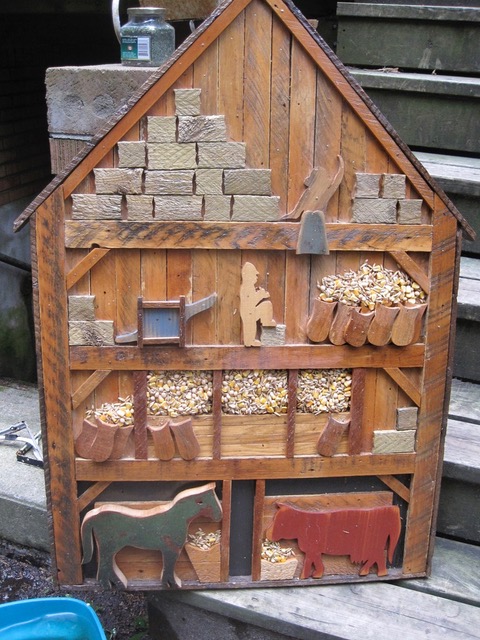
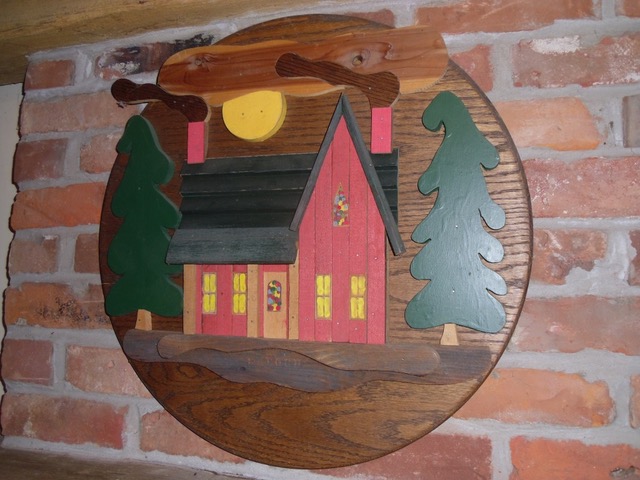
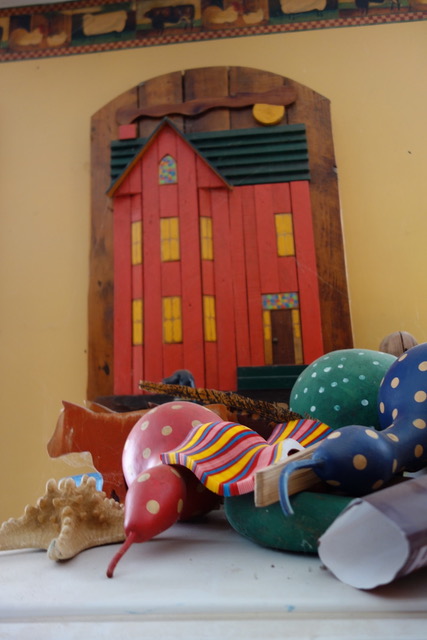
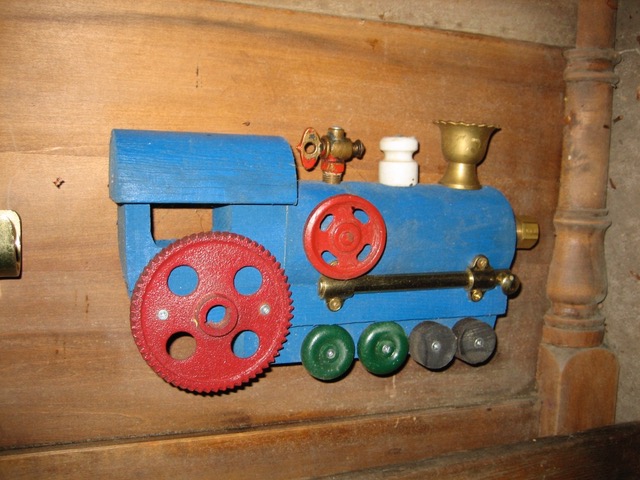
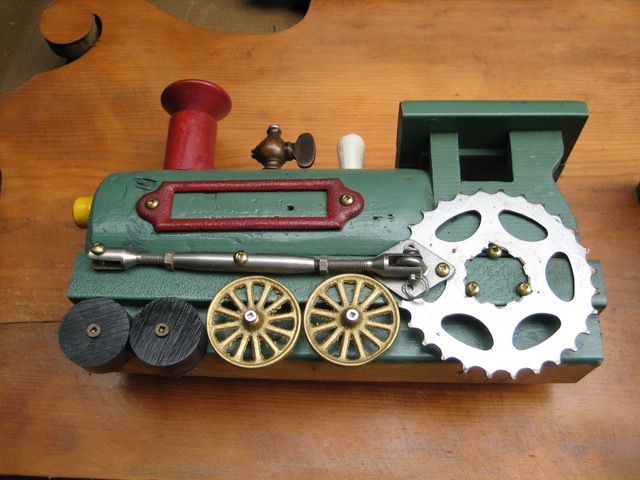
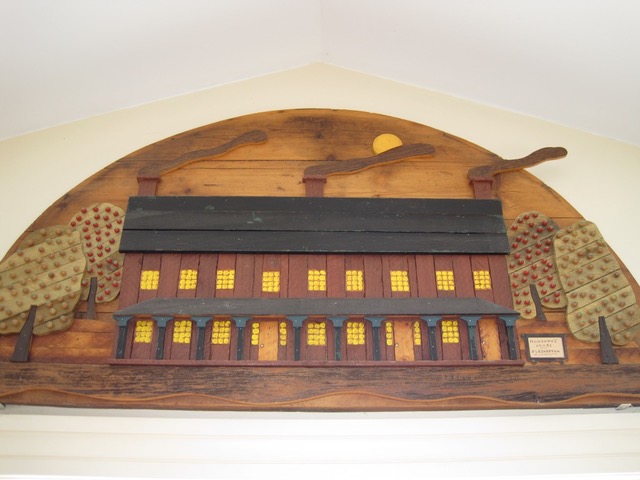
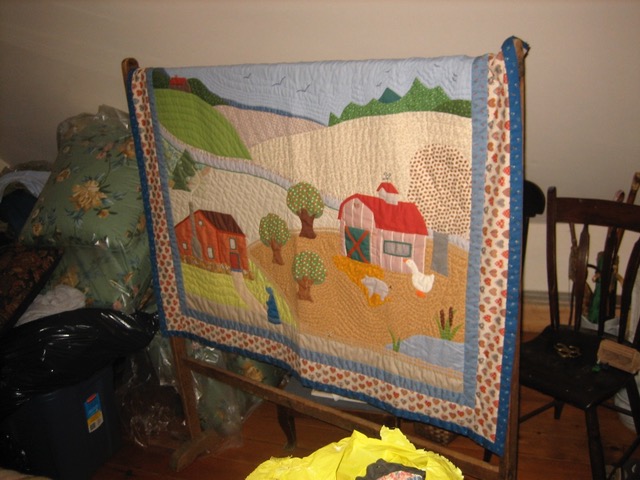
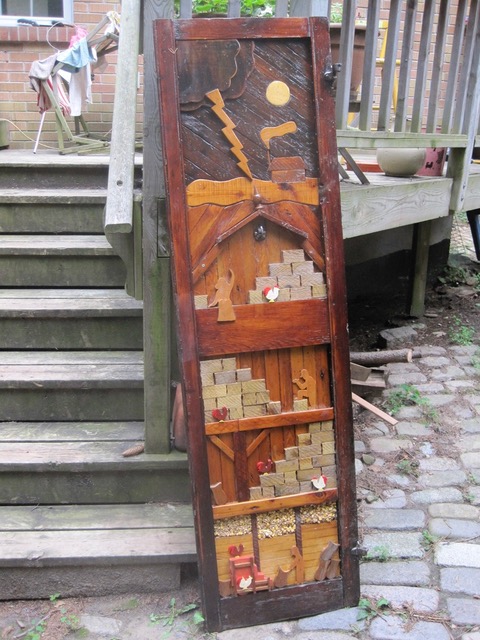
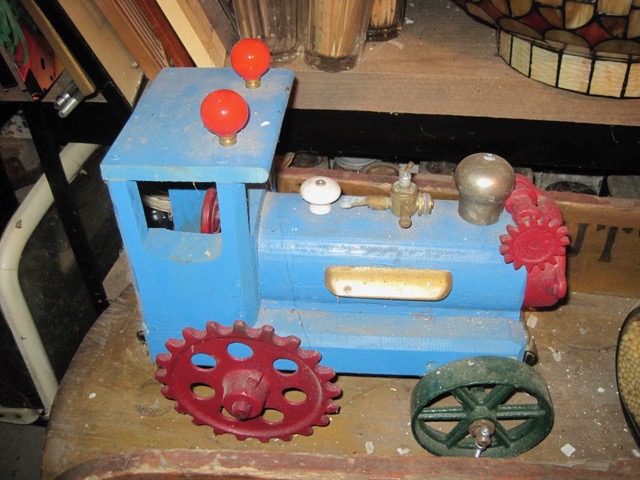
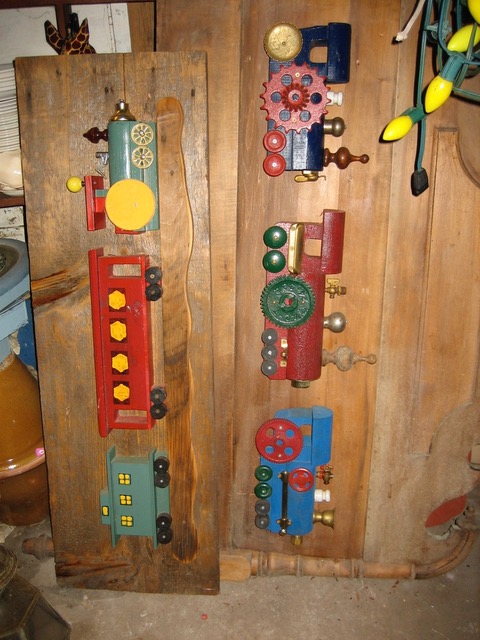
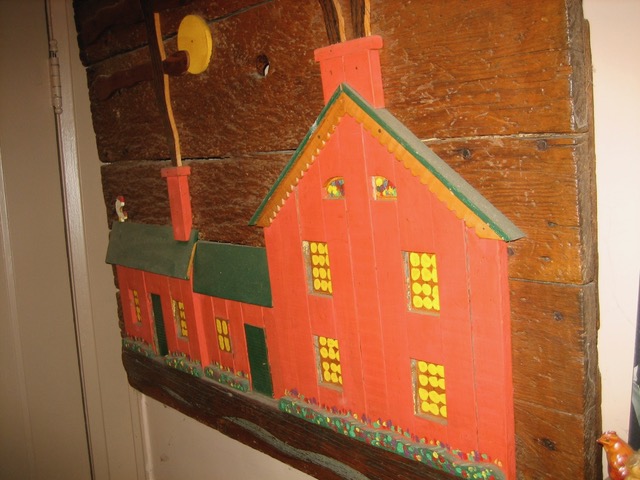
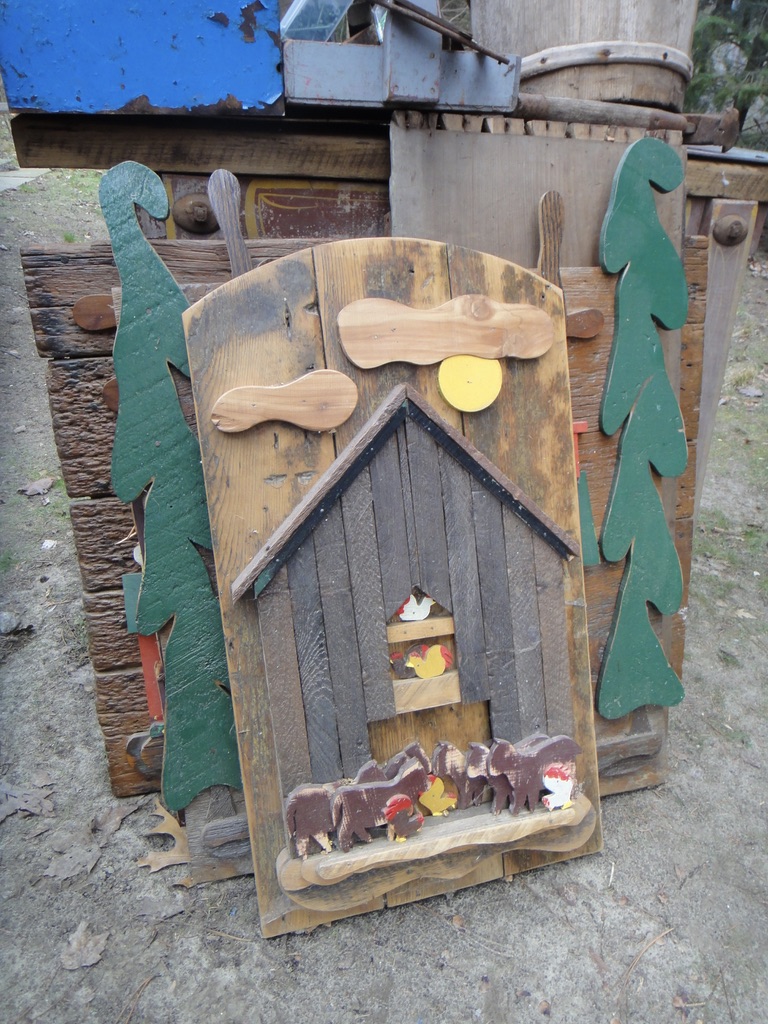
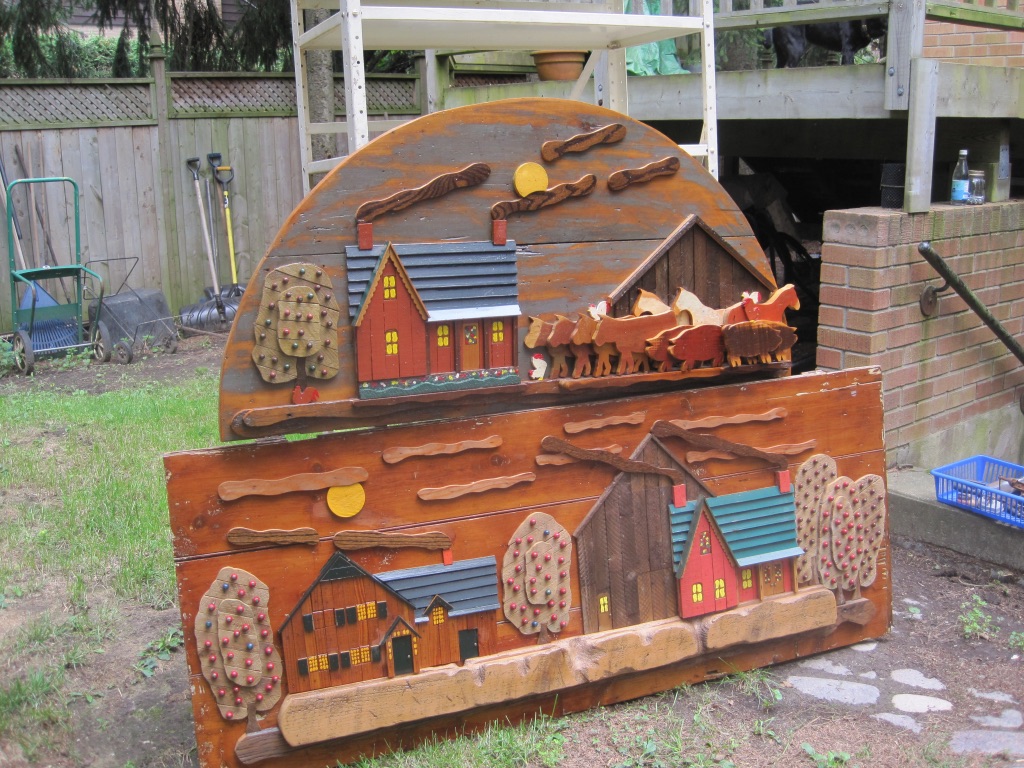
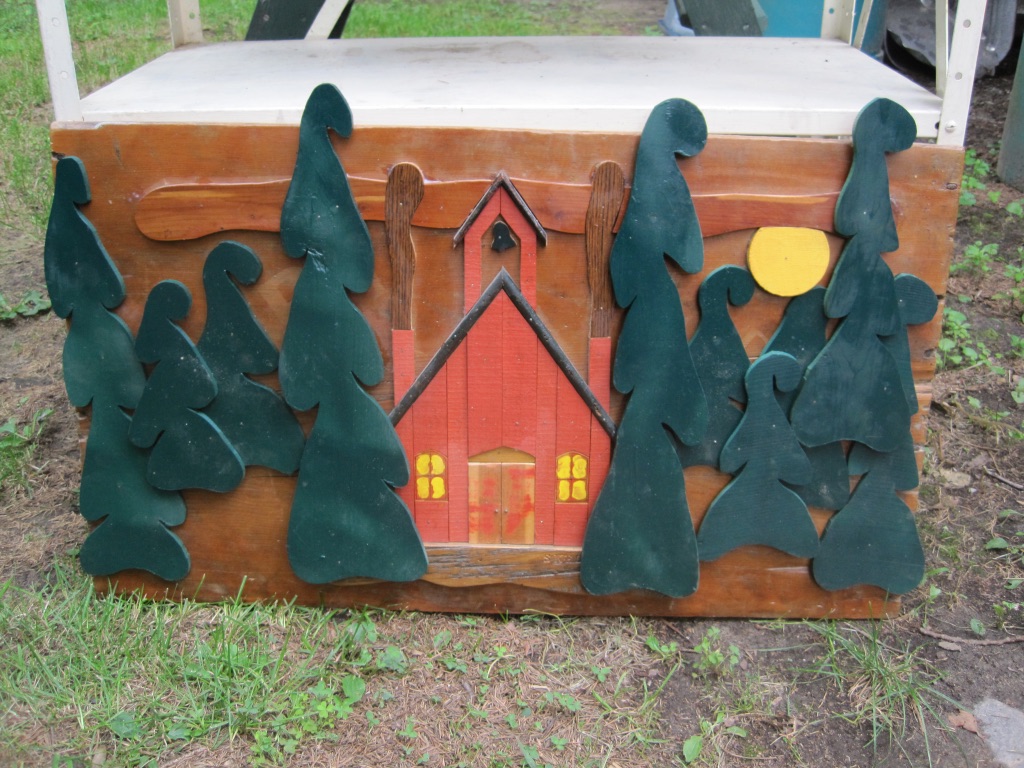
I do not remember his name. But I do remember the purpose of his visit. About a decade orso ago a wealthy horse owner approached Marjorie at an art show we were doing. Art shows arenot big deals. Often there are no sales but lots of visitors. Hardly worth doing sometimes whenwe considered the time involved and lugging 15 or 20 wooden quilts to a gallery…then sitting aroundwaiting for whatever might happen. Art is a very subjective thing. Hated or loved. But rarely purchased.I am not even sure I want to sell often. Like selling myself.“Would Alan consider making a wood quilt that I can use in place of a stud fee?”“Stud fee?”“Yes, I have a mare who is about to be serviced. Money for the stud fee is nota big issue with the stallion owner. He is comfortable.”“Maybe, Alan will do it. He likes oddball projects. Does his own thing.”“Only issue is size…not too large…will hang in the stable”Flattering. Imagine being commissioned to create a stud fee. My dad was no longer around butwere he alive I know how he would have reacted. He was a gambler. A horse race gambler.He rubbed shoulders with the big shots, the horse owners, who paid extra admission to the snobbishClub House seating at the track. If dad had been around he would have got a lot morefor my Stud Fee that’s for sure. He would wait until the transaction was concluded then hewould hit with a whisper. “You couldn’t see your way clear to lending me a few dollars, couldyou I left my wallet at home. Pay you tomorrow.” Or maybe something different like “my carbroke down…transmission…need the car to move my sons Wooden Quilts from a gallery inHaliburton. Can you spare a bit of cash. Do not have enough on me right now.”I know dad would have made much of the Stud Fee.
I did not charge much. The horse owner never mentioned a Kentucky stable or the fact the stallion ownerwas “really comfortable”. I thought the Wood Quilt was destined for some poor guy who kept a stallionand was living hand to mouth. Like Dad. So the stud fee was minuscule.This was the only timeI ever made a picture for a sexual act. That was something to brag about.We met the horse owner at the track later on. He said the stud fee was just great. Now hanging inthe tack room at the Kentucky thoroughbred stable.alan skeoch
POST SCRIPT
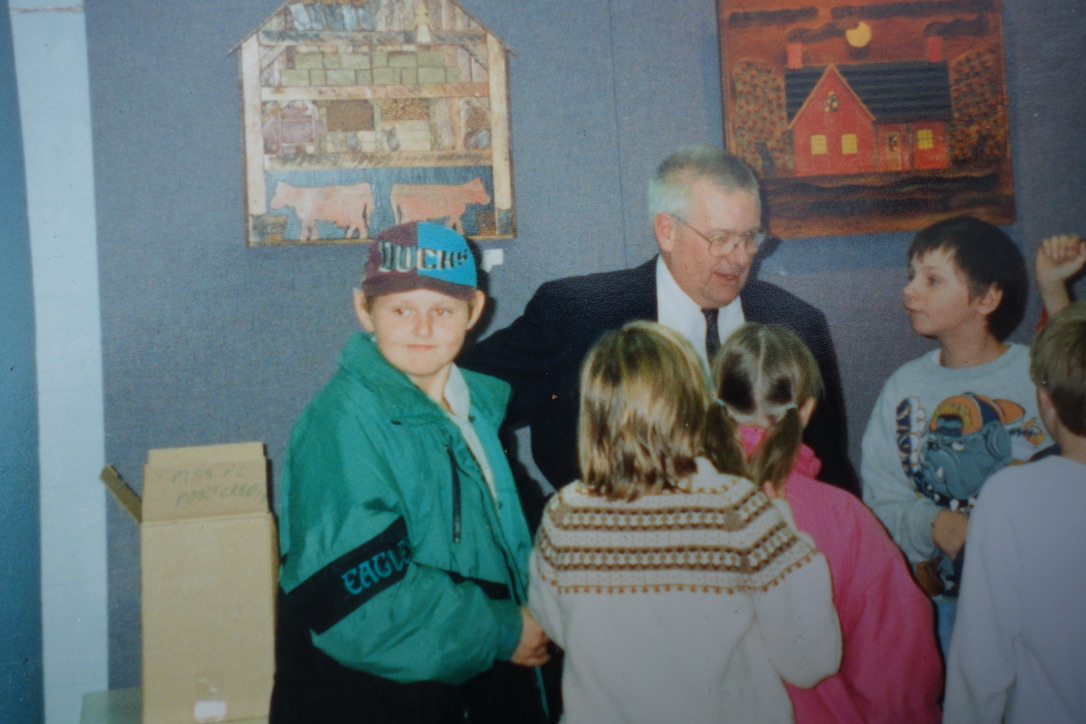
POST SCRIPTA lot of my visitors at the art shows were kids. Probably because young minds are more flexible than the minds of more sophisticatedpeople. I believe The young mind can find joy far easier than the older mind. Acid criticism is just not yet fully developed in a young mind.Juried art shows are avoided. I make the pictures because I want to make them. Not because I want a lot of criticism. I am too oldfor that.Once I was asked to conduct a workshop at a museum down near Simcoe so I cut out a bunch of cardboard shapes and hadmy audience of 10 or 12 make their own wooden quilts out of paper. Some of he audience were children.We had a lot of fun that evening. -
EPISODE 289 EGGS FOR SALE (‘THERE IS A TIDE IN THE AFFAIRS OF MEN AND WOMEN”)
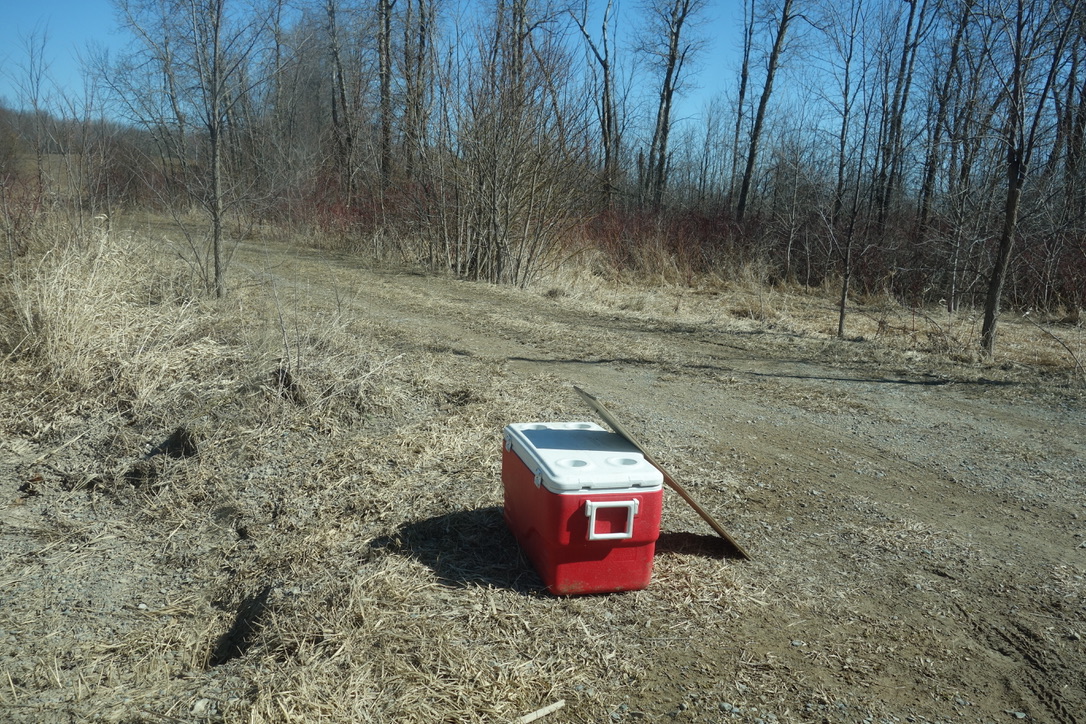
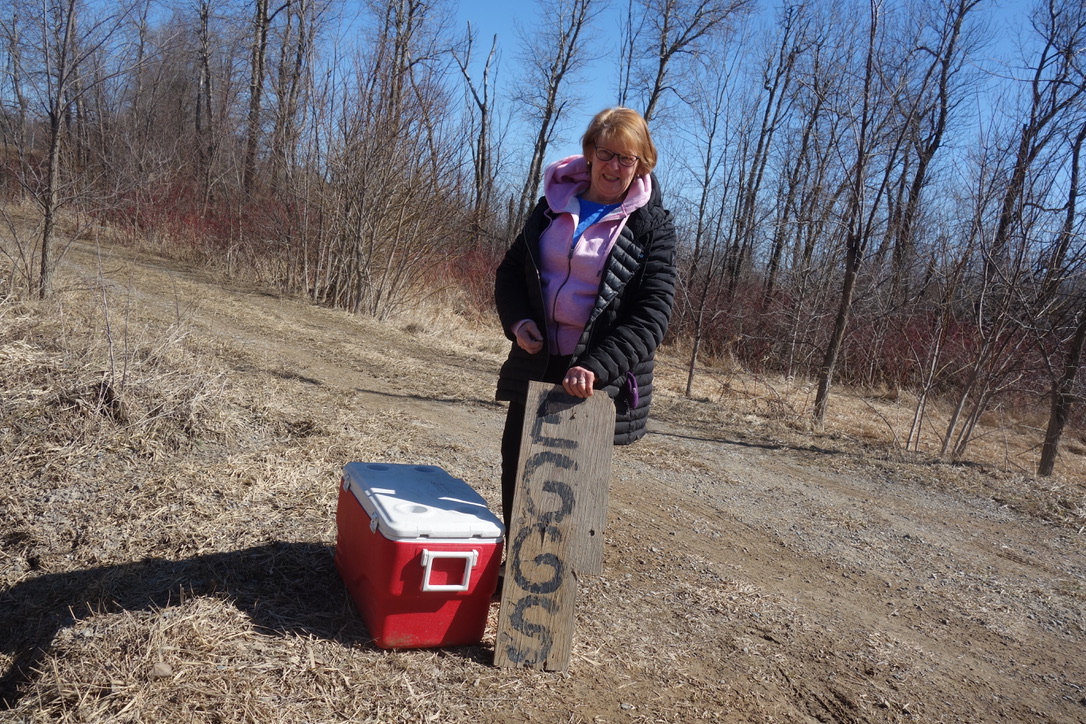
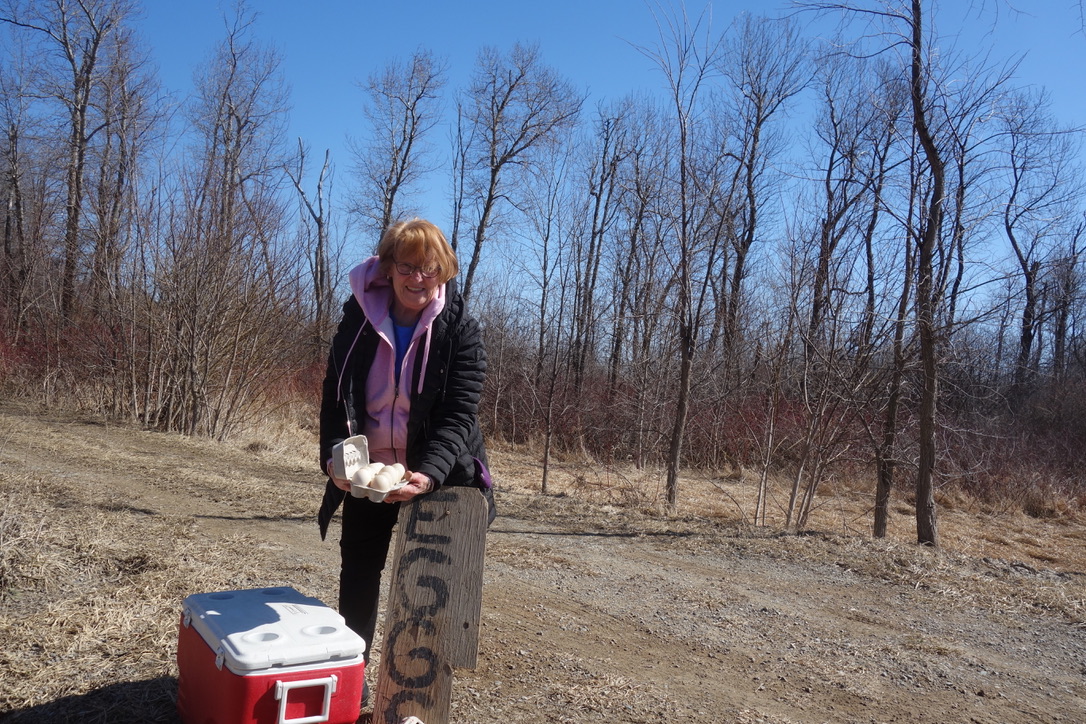
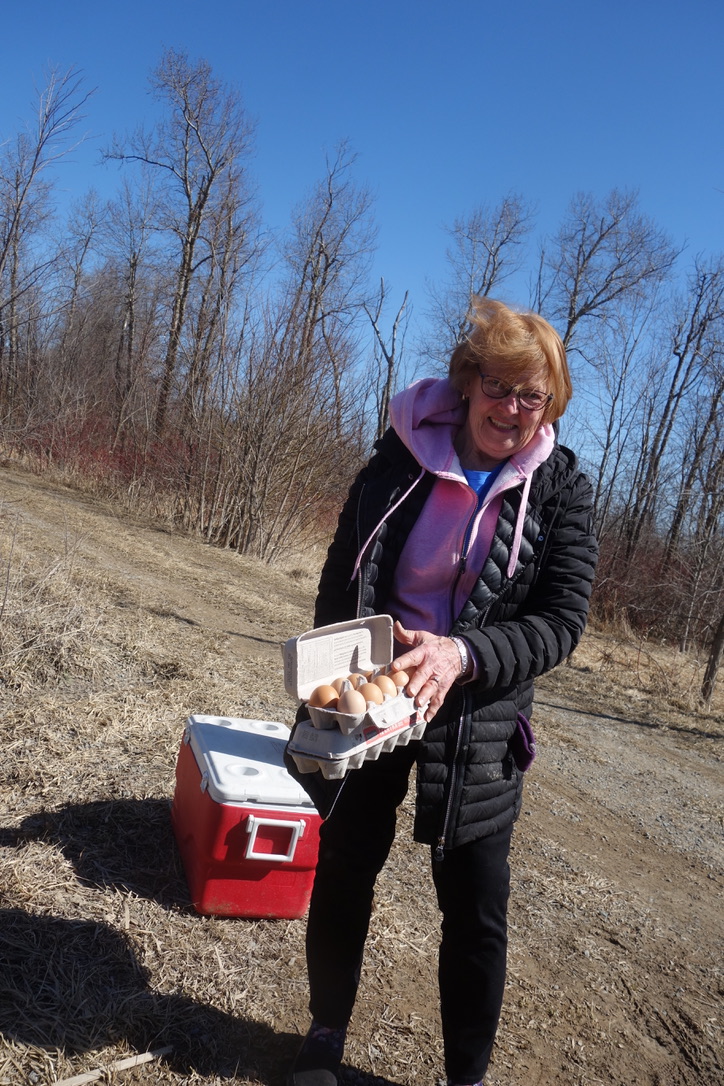
EPISODE 289 EGGS FOR SALE (“THERE IS A TIDE IN THE AFFAIRS OF MEN AND WOMEN” Shakespearealan skeochMarch 2021Strange how small things are magnified by the human mind into universal truths. That happened today as we drive upthe fifth line. The snow has nearly all gone revealing the bare bones of the land. All Beige and black against a blue sky.“Wha’s that red speck away ahead?”“That will be Sandra Faber’s egg box.”“I’ll stop and get a couple of dozen.”Such a small event…and yet so grand.
Suppose we just drove on by. Ignored the egg box. Too busy with our ownaffairs to take the time to buy eggs. Perhaps not trusting the egg box of he Faber’s.Could be old eggs.We stopped and for a moment time stood still. No. Time did not stand still. We captured a momentin time. We were riding the high tide as it were. And capturing that moment forever.“There is a tide in the affairs of men.
Which, taken at the flood, leads on to fortune;
Omitted, all the voyage of their life
Is bound in shallows and in miseries.
On such a full sea are we now afloat,
And we must take the current when it serves,
Or lose our ventures.”William Shakespeare

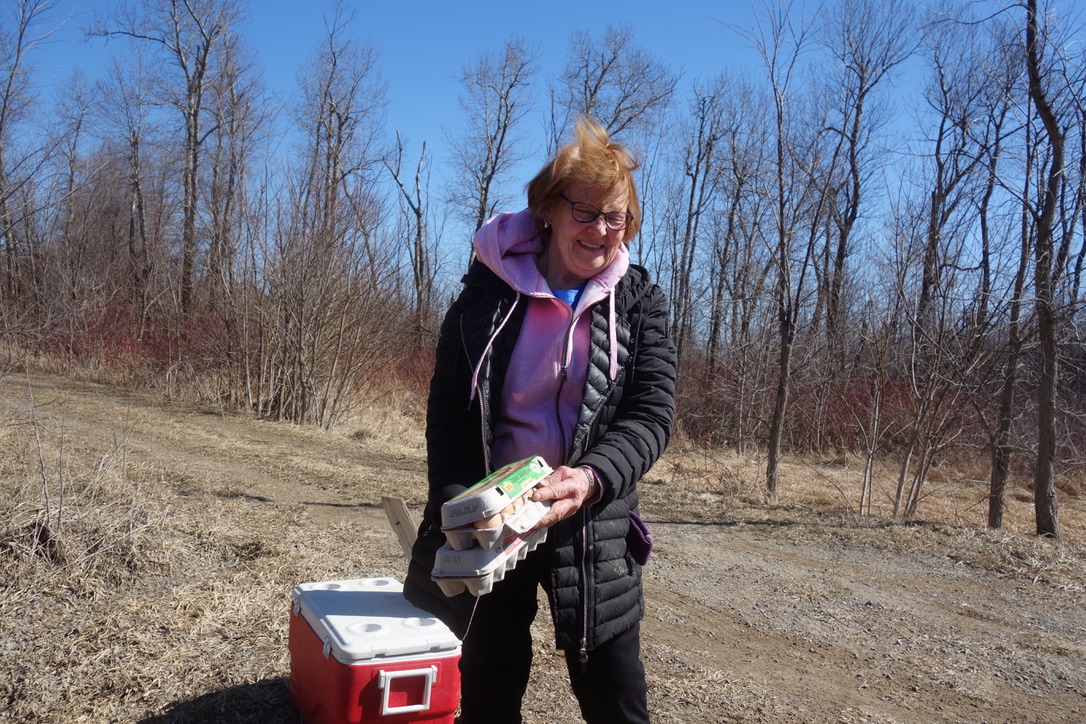
“Alan, there are a dozen goose eggs here. Ever had goose eggs? They are huge.”“Let’s stick those big brown hen eggs….and remember the days whenwe had our own chickens…New Hampshires. Brown eggs.”“Why don’t we raise chickens again?”“Too busy going here and there. Back and forth. Up and over. Far and wide.Rushing.”“Not today though. We savoured a special moment in time. Bought eggsfrom a trusting farmer who just left them waiting for us.”

-
EPISODE 288 FARMING WITH JOHN AND ELEANOR CALDER
EPISODE 288: FARMING WITH JOHN AND ELEANOR CALDERalan skeochMarch 2021
FARMING in Ontario has changed. Many farms have been combined into large holdings of several thousandacres. Corporate farms. These farms specialize in production of various grains…wheat, oats, flax, corn, soybeans.
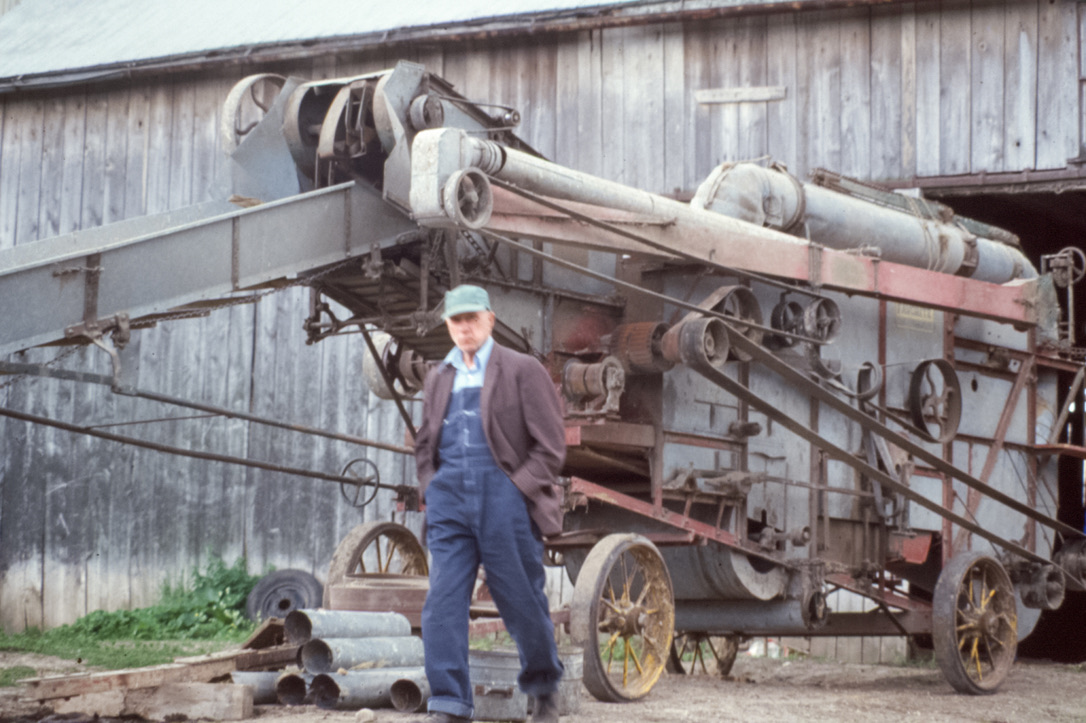
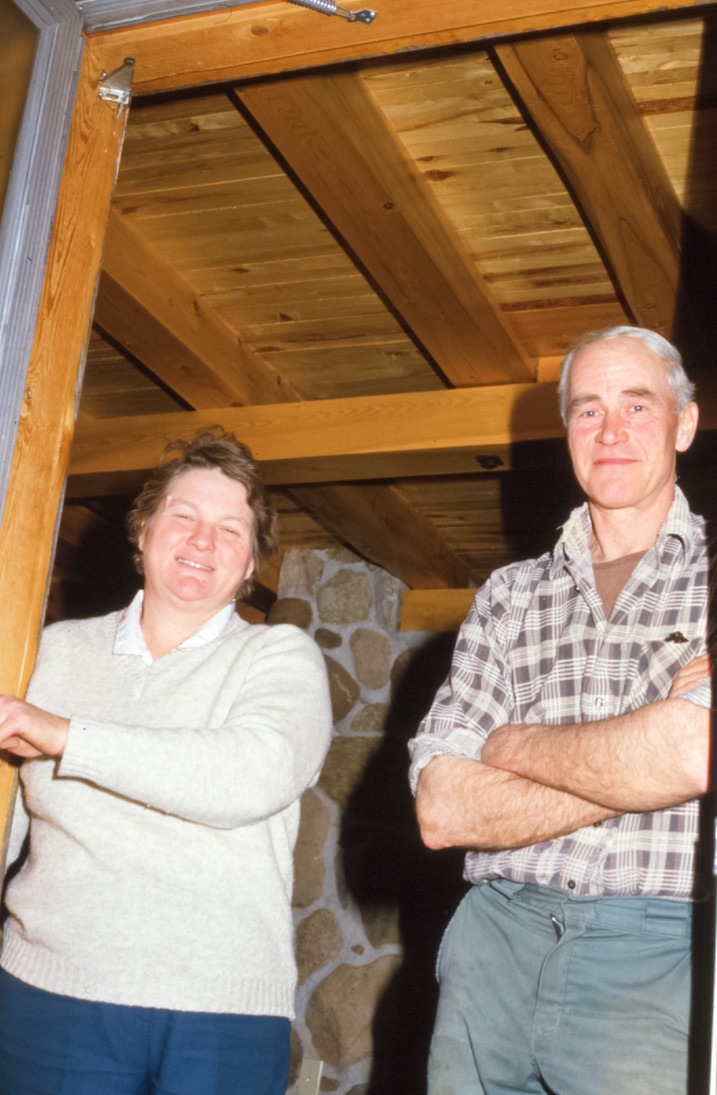
Sometimes corporate farmers have large holdings of animals as well but many others market grain on a grand scale.John and Eleanor Calder had a diversified farm. Successful. Depends how success if measured, does it not?Milk was the best income producer I believe.Sheep for John were a matter of the heart. He was a shepherd…and not just a shepherd of sheep.His vision went far beyond that. John and I formed a natural bond of shared interests and someshared values. 19th and 20th century machines. He knew how they worked. I knew how they looked.Eleanor (Townsend) Calder is a keeper of the clan. She, like her mother Elizabeth (Skeoch)Townsend, undertook the task of keeping a massive extended family in as close a contact with eachother as possible. That meant opening up the Townsend/Calder farm to all of us. I cannot think ofanyone in our family that Eleanor did not greet with open arms.Today, March 20, 2021, he task of bringing a huge extended family together is just about impossible. Why?Because none of us farm anymore. We are an urban clan spread across he world from Woodruff Farm to distantpoints in Canada to New Zealand to England to South Korea to God knows where. When I was a little boythat was not the case. We had many farms in the family. So many. Most of them in Wellington County but othersin Saskatchewan.But the Skeoch Townsend farm was the hub in the wheel. Why should you care? Because these pictures shouldmake you understand just what we have lost in the 80 years or so. For many of us the rural roots have beensevered so long ago that sometimes you may feel they never existed.John and Eleanor made sure that never happened to us.

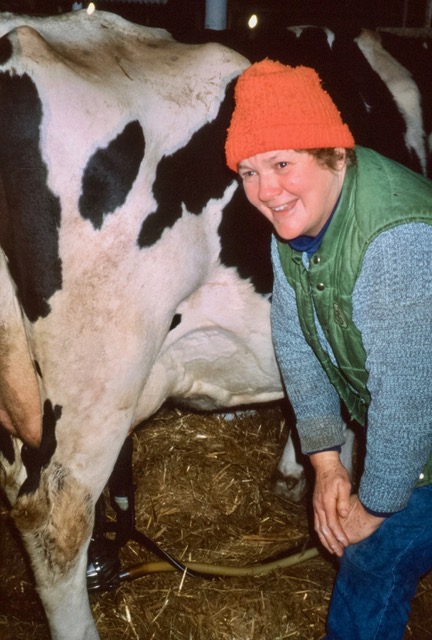
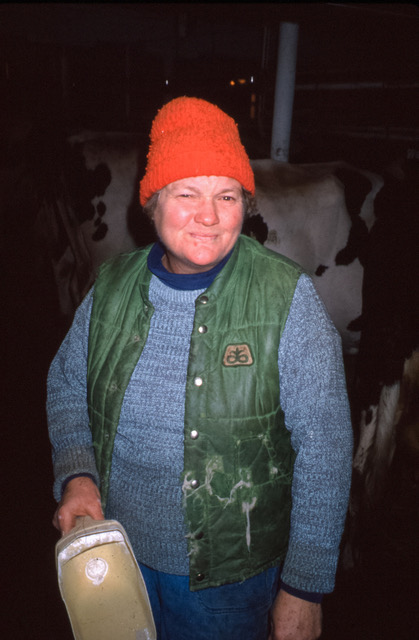
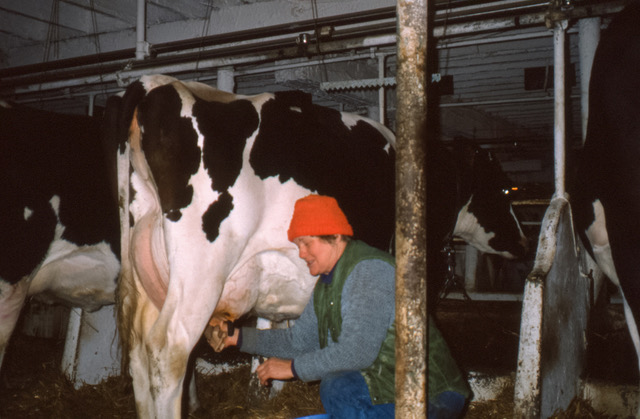
Eleanor is the big sister…oldest of the the four Townsend children…and the hardest working in my opinion. Jim and Owen will beoffended by that remark. So be it. If a cow had to be rolled helped with a calf. Eleanor was there. If kittens got out of control….I counted
30 cats in the dairy barn once…someone had to keep that population in check. Enough said.She met John Calder at the OAC where Eleanor thought of becoming a veterinarian. She would have been a natural except for one problem.She was female. Tough sledding. But all was not lost for she and John fell in love. Enduring love. Love that triumphed over minor blips inthe human journey. First they farmed near Carluke, south west of Hamilton, but something went wrong and they had to trek back to Bellwood.Trek ?
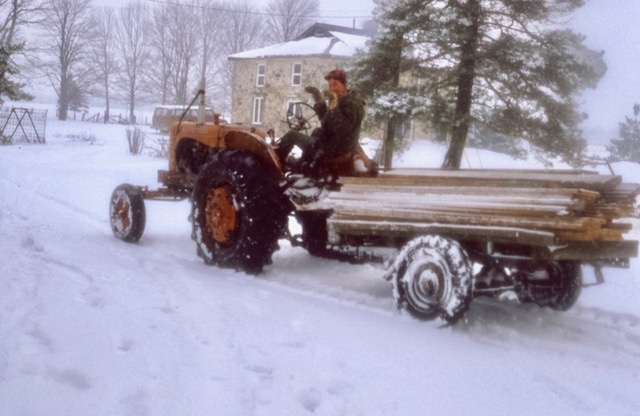
John was a collector of machines. Particularly Threshing machines. He had five or six of them….each as big as a transporttruck. All had to be hauled by back roads from Carluke to Bellwood. Along with ancient tractors, hay wagons, mowers, plows,…etc. etc. John did this alone. His tractor hooked to one thresher. Slowly making way, trip after trip. Until the Carlukefarm was stripped bare. I wish I had known. I would have traced him down on some gravel road inching his way north withall his machines. Eleanor was busy making a new home on the Bellwood “new property” her dad had purchased acrossthe highway from Woodruf Farm, the home farm.


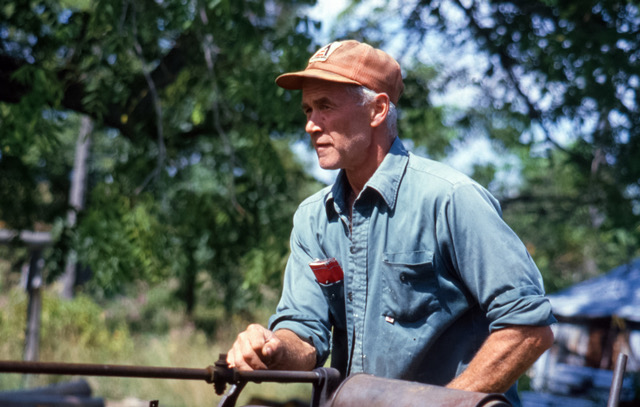
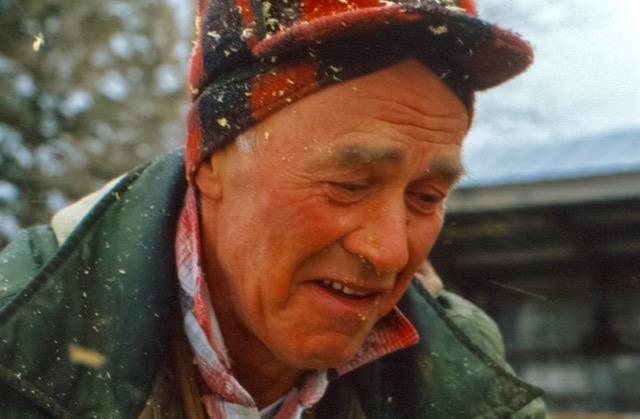
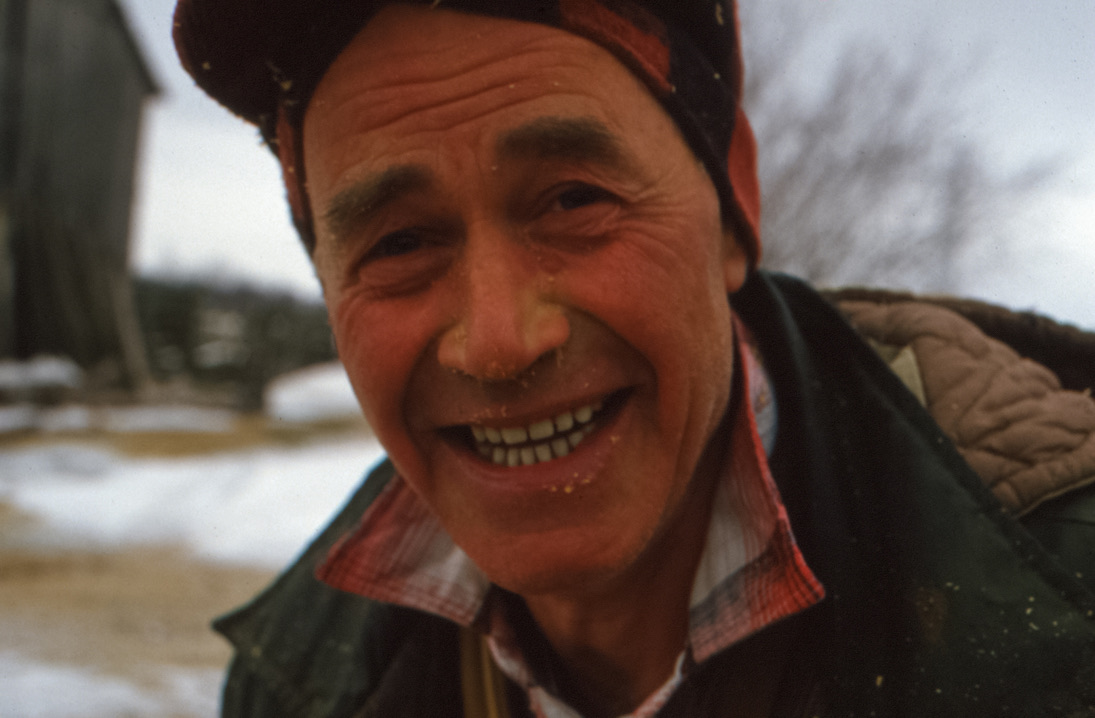
John Calder’s face seemed to always be locked in a smile.
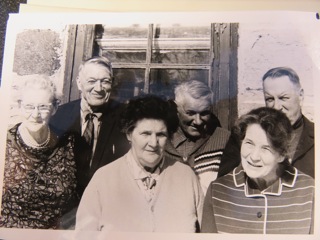
Six of the Skeoch ‘kids]’…left to right, Marguerite (Skeoch) Metcalfe, Lena (Skeoch) ToshElizabeth (skeoch) Townsend, back row…John Skeoch (Saskatchewan farm 3,200 acres),
Norman Skeoch (younger, got the Home farm), Arnold “red” Skeoch (my father, tire bullder)Stories about Red Skeoch are featured in several of these episodes. He will either offendor amuse. Missing Arthur Skeoch (tire builder), Sarah Skeoch (teacher, died in 1918-19Spanish Flu epidemic).Cousin Eleanor picked up the responsibility for the Skeoch clanfrom her mother Elizabeth in the picture. a very strong willed woman.
John Skeoch (Art Skeoch’s eldest son, spent his youth at the Skeoch farms aswe did. John and I had the thankless job of being executors at the sale of the home Skeoch farm.)
No joy in mudville doing that job., Owen Skeoch Townsend (computer specialist…entered the industry when the wordcomputer meant adding machine, James Skeoch Townsend (agronomist, University ofManitoba…potato specialist among others). Owen Townsend’s son Dirk is responsiblefor this Blog…he set it up for me. (Mary, the youngest died a few years ago. We arethe same age. Mary wanted me to play house with her on one visit. Drinking from makebelieve cups of tea, eating from make believe dinner plates, cuddling dolls to put themto sleep. I was most uncomfortable that day but did what was expected.Seems a Townsend is always in the right place atthe right time.

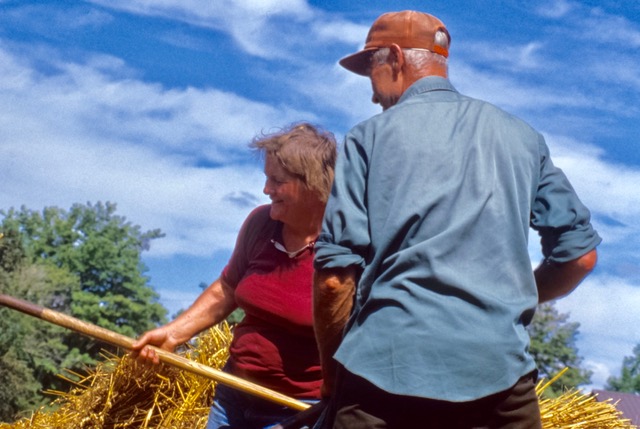
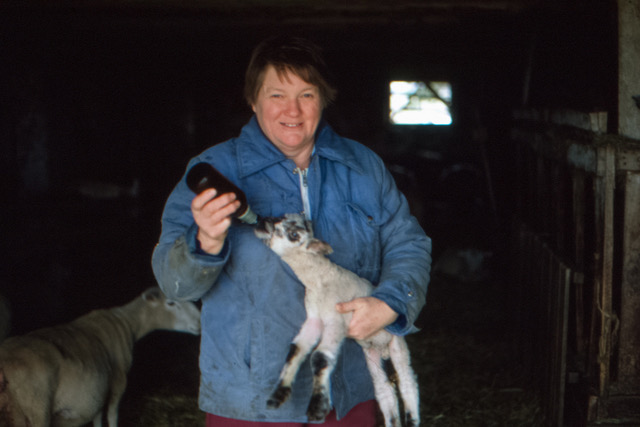
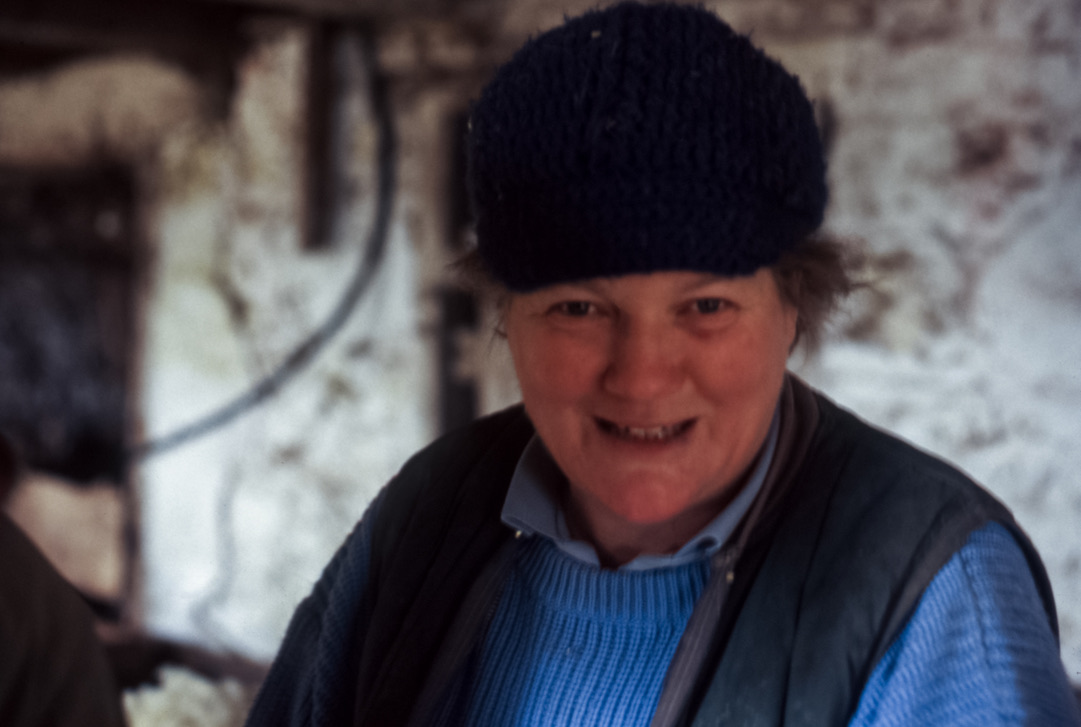
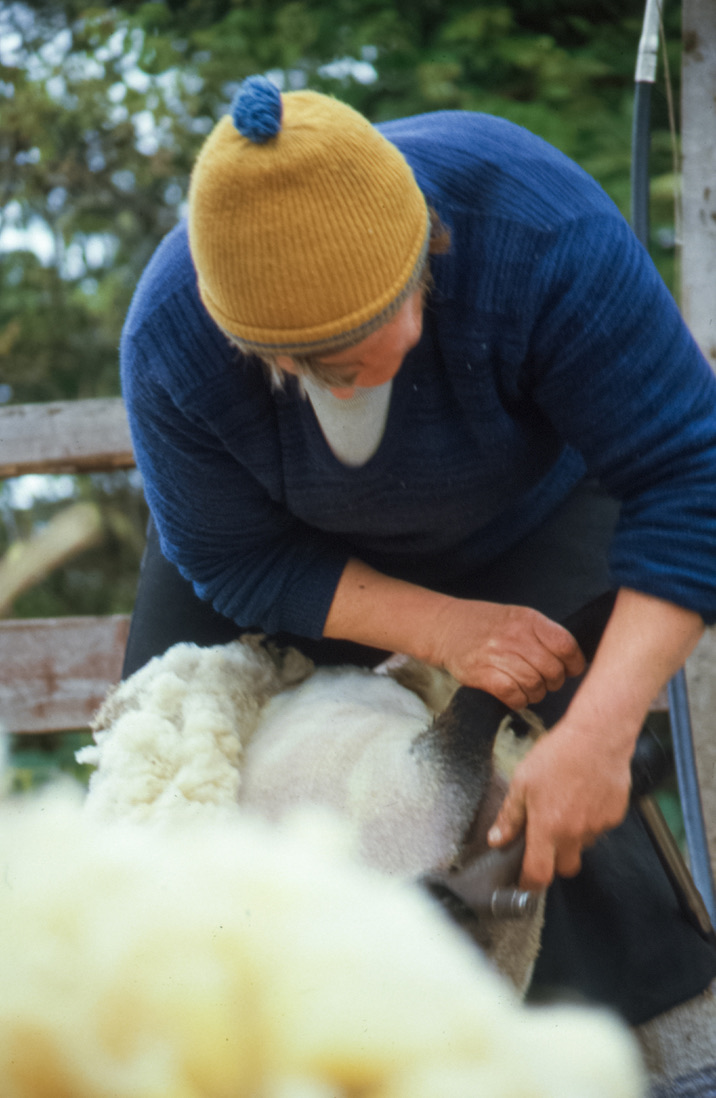
All of my pictures of Eleanor Townsend seem to show her at work. She is a
sure fire multi tasker. I am proud to call her my cousin. Admire her much.

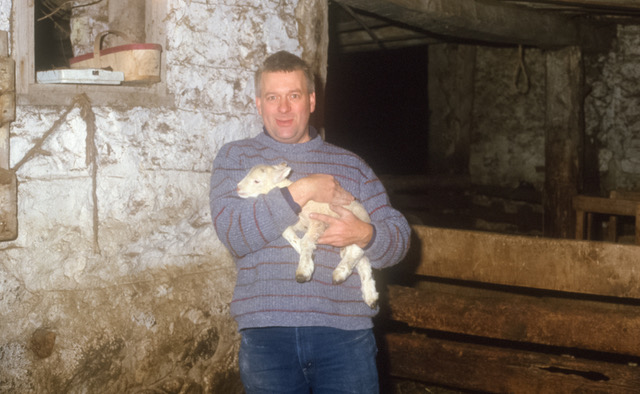
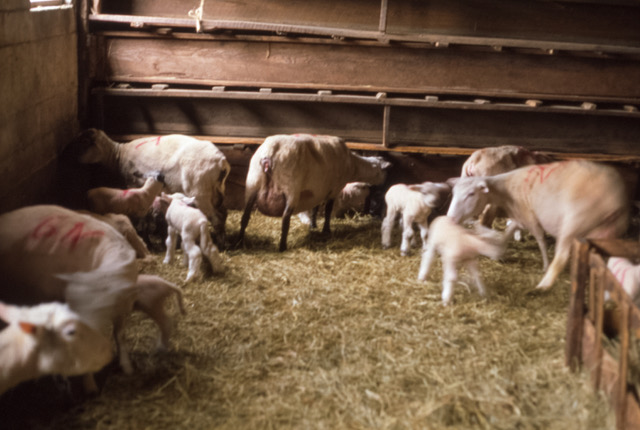
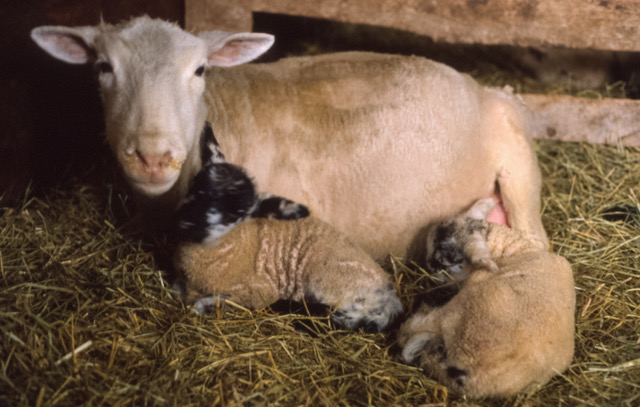
Alan Skeoch … holding a lamb …taking credit for the work of others…i.e. the ewe, Johnwho cornered the ewe on a cold March evening, Eleanor who helped the ewe put out the lamb.
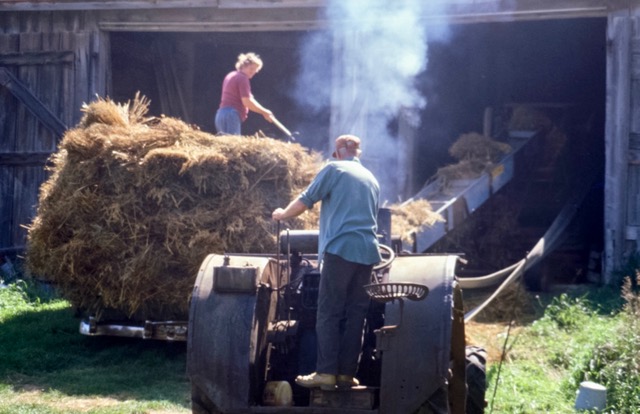
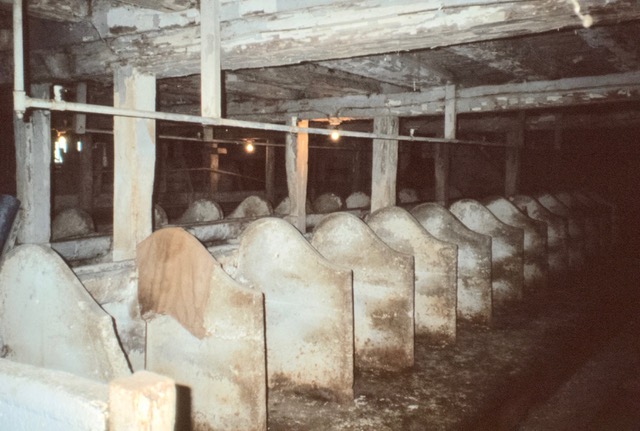
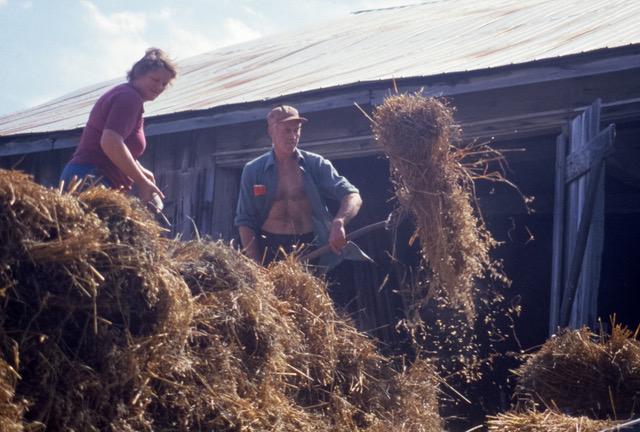
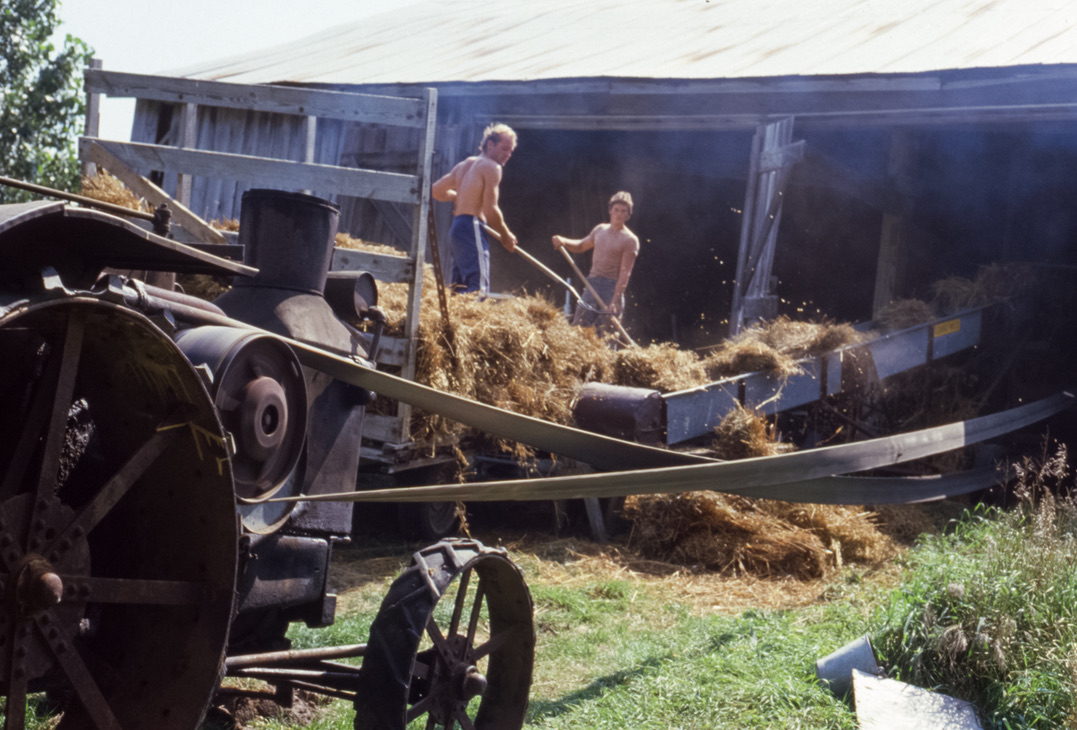
When most farms were switching over to combine harvesters, John and Eleanor insisted on takingthe crop off using a binder to cut and tie the sheaves, then each sheaf had to be “stoked” in the fieldto dry, then loaded on a wagon, hauled to John’s best Threshing machine powered by an ancientRumely Oil Pull tractor. The threshed grain was blown through a long tube into thegranary deep in the bowels of the barn.When Eric and I were 10 and 12, we were told to crawl into the granary and keeppushing the grain to the back. It was a race with death. Push the grain back or die.We kept sinking in the grain…die smothered we felt…so we fought that steadystream of wheat that showered us. We fought to stay on top.We did what we were told but got scared as our backs began to touch the ceilingof the granary and there was only one tiny escape hole. The noise of the thresherand the humping of the Oil Pull tractor was deafening. Had we been forgotten.Then SILENCE. “Crawl out boys, time for dinner.” Big spread, More pies thanI ever saw in a bakeshop….Rhubarb, apple, blueberry, mincemeat, cherry…so muchpie that we were not sure we could crawl back in the granary through that tiny hole.“It’s over boys. Threshing is done.” We looked at each other. We had been partof something great…something we would never forget. We had lived through it.


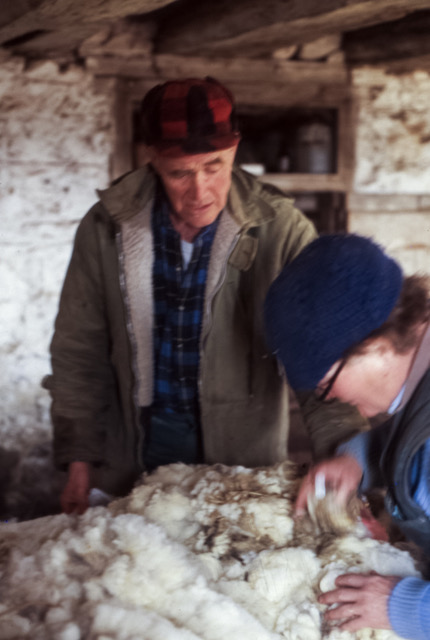
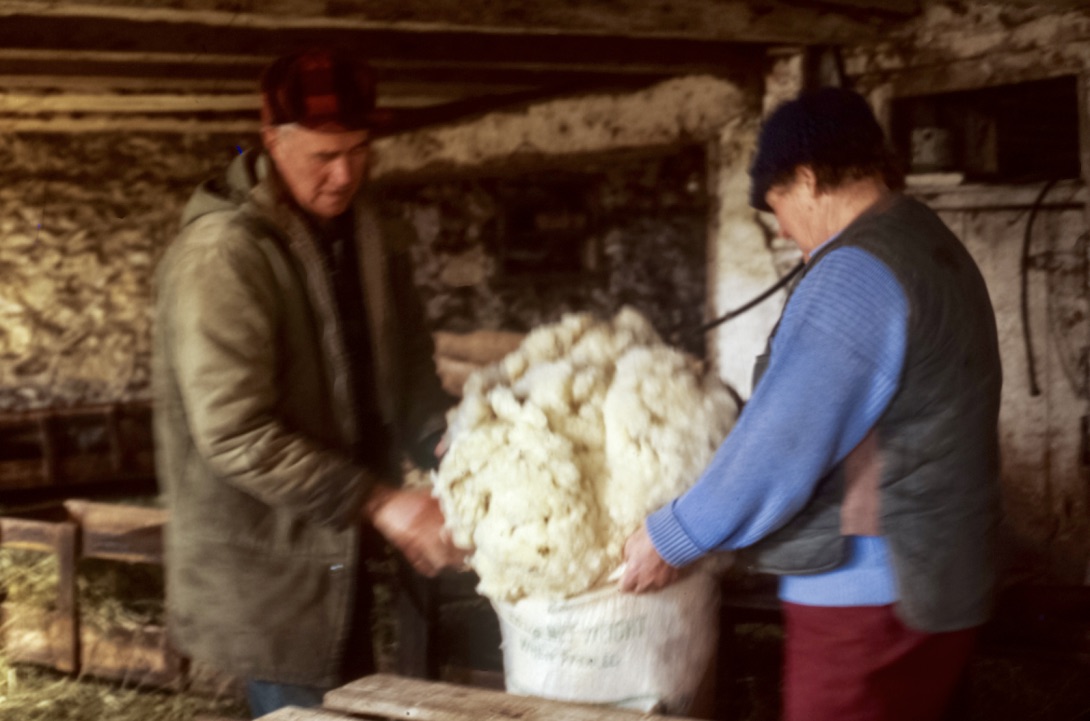
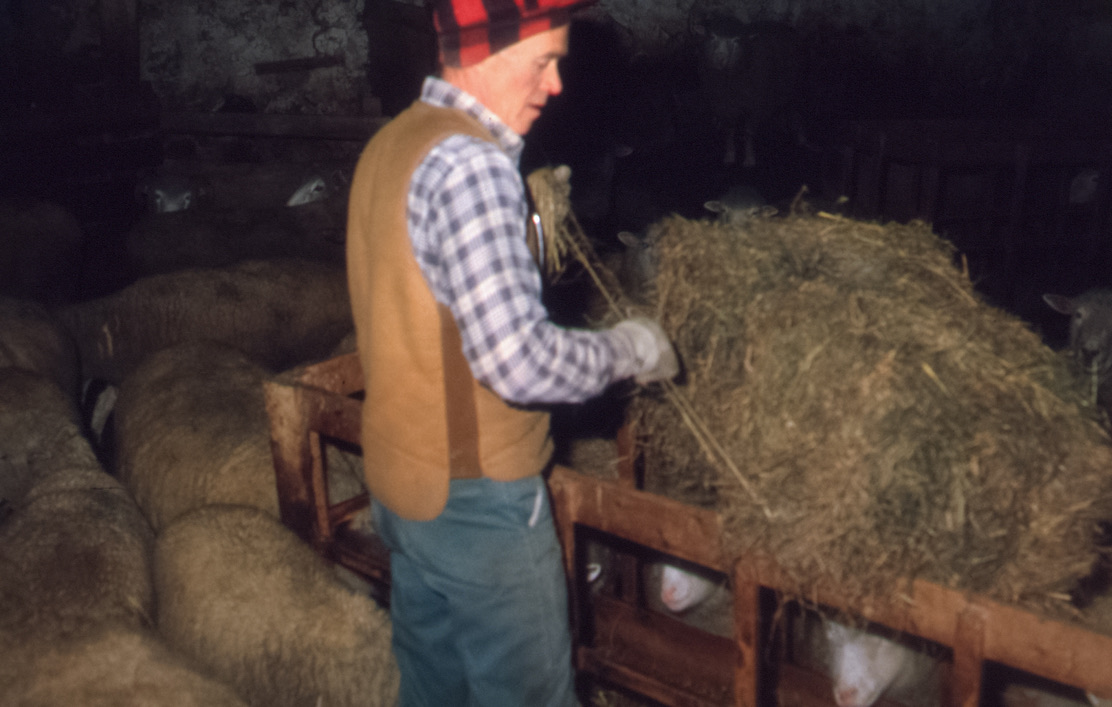
There is no money in raising sheep I am told. No one told that to John and Eleanor. They loved the
role of shepherds. Fleeces are hard to sell. Mutton is not the best kind of meat. Spring lamb meatrings of murder.I have one enduring memory of those sheep. One bright sunny late spring day I wheeled into their farm…met Eleanor who seemed a little non plussed.“Where’s John?”“Down in the back field burying his sheep.”“What?”“Dogs got into the sheep last night…ripped them bad.”“Wild dogs?”“No, I don’t think so. Likely some pet dogs that were allowed to run loose.”I hiked down the lane and there was John burying his sheep. Not all of thembut many of them. The corpses lay around like limestone boulders. John wasnot a man to curse but he cursed that day.“Alan, the dogs did not even kill the sheep. Just ripped them to pieces. I had toshoot them.”, then i saw the rifle leaning against the tractor as John hauled a eweinto the pit he had dug.“Whose dogs?”“Not sure. I do not want to talk about it.”I got the feeling that the rifle would do double duty if a dog showed up that day.

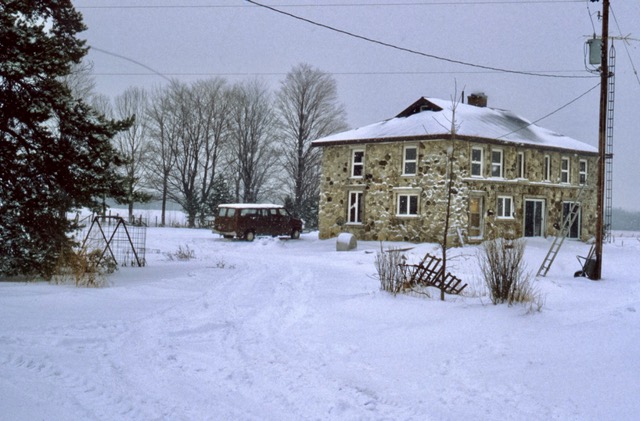
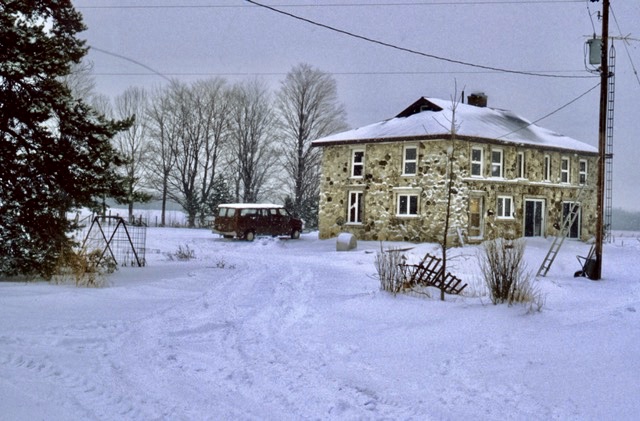
The story of this farm house will come as a separate Episode. The house, to my mind, demonstratesthe triumph of the human spirit.


-
EPISODE 287 MASSEY FERGUSON DEMOLIITION BITS AND PIECES and WOODEN QUILTS FROM THE ASHES
EPISODE 287 MASSEY FERGUSON DEMOLITION BITS AND PIECES OF THE FACTORY WOOD QUILTS OUT OF THE ASHESalan skeoch
march 2021
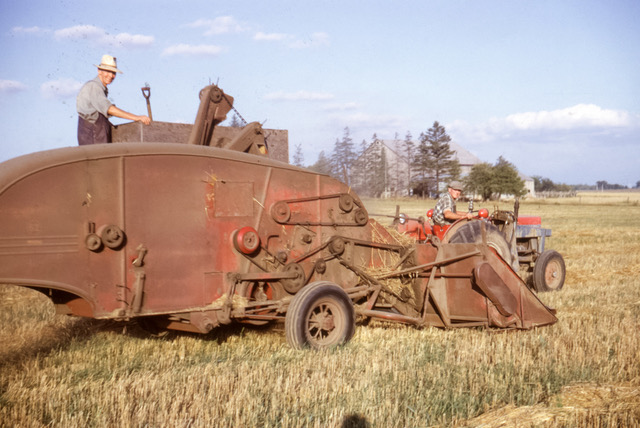
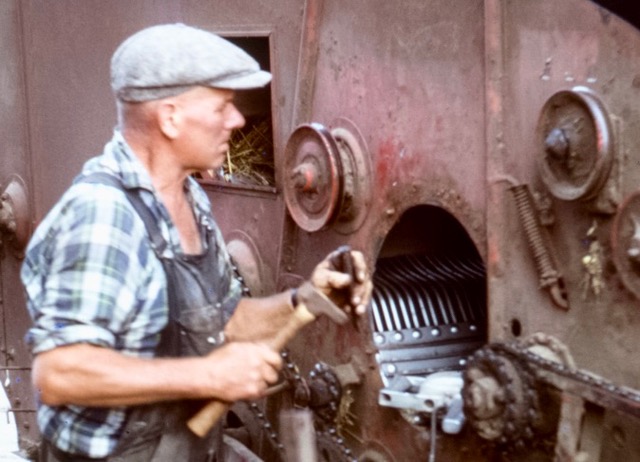
WELL this is the end of the Massey Ferguson Demolition series. Just a few bits and pieces that were notwoven into a story form. Some pictures of the Massey machines made at the factory. And some moreof the wood quilts made from some of the Massey Ferguson salvage and snow fence, old house shutters,lath from plaster walls… A mish mash.1) Uncle Norman’s Massey Harris combine harvester circa 1950….while combining it picked upa rock which dented the cylinder and could not be fixed even thought Uncle Norman tried to fix it
with a ball pain hammer. At the farm sale years later the combine sold to a scrap man for around $100even though some members of the Skeoch family thought it was worth several thousand dollars. I thinkcousin John and I, who were Norman’s executors, have never been quite forgiven.


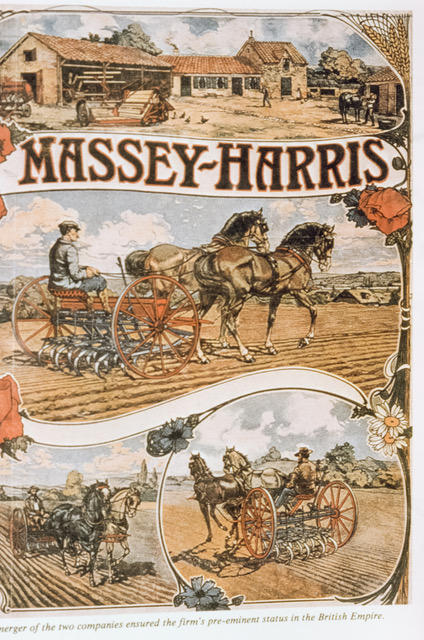
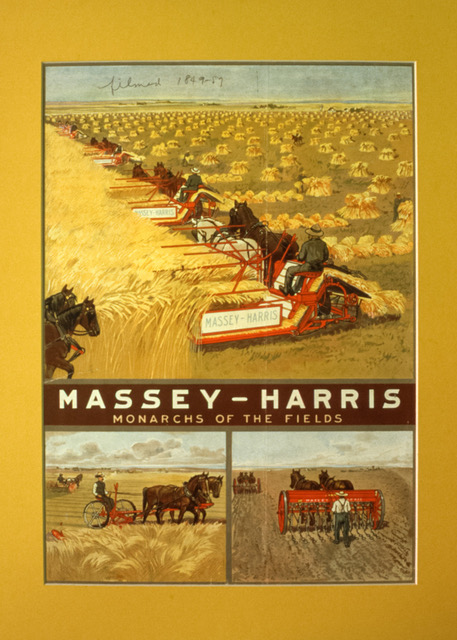
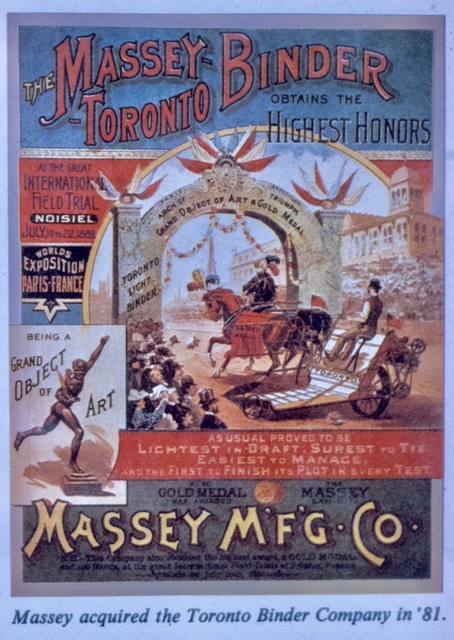
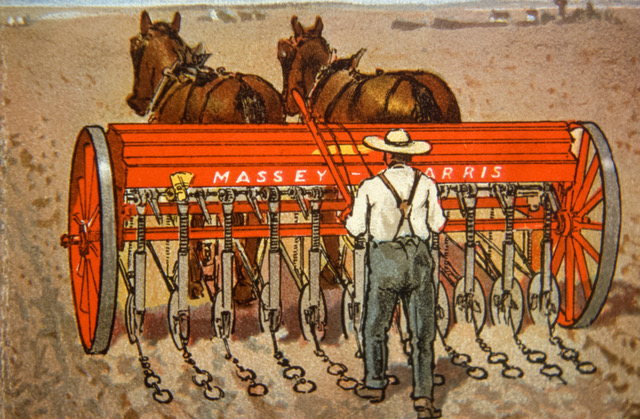
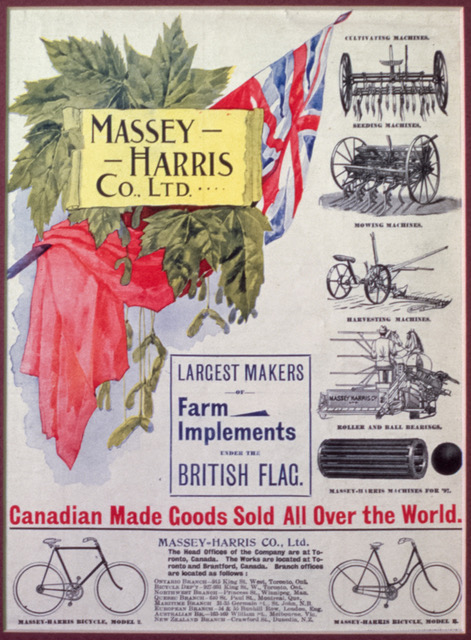
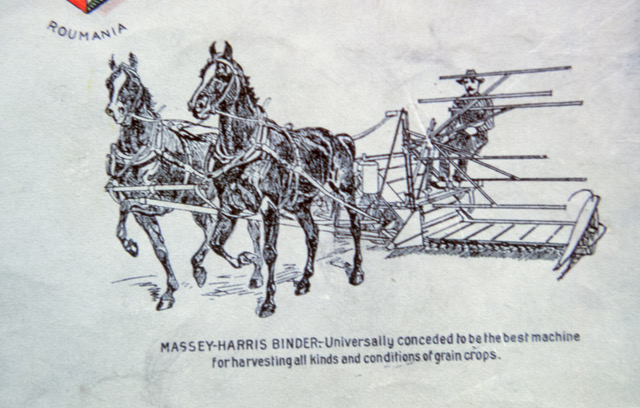
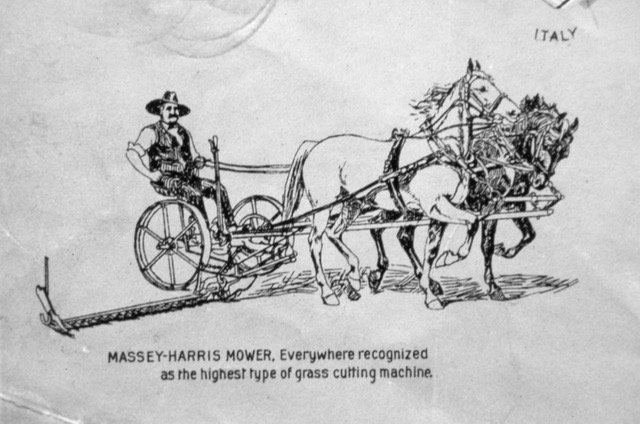
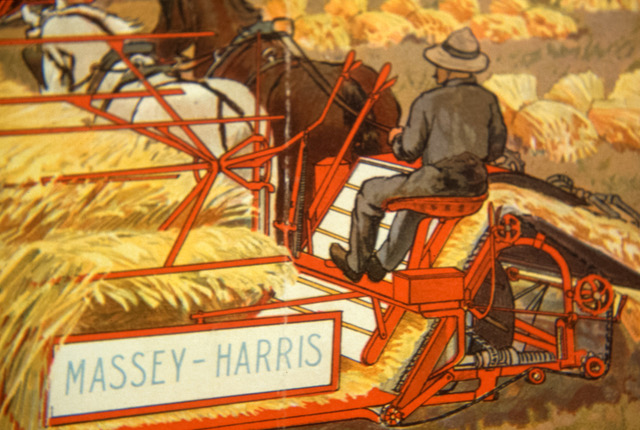
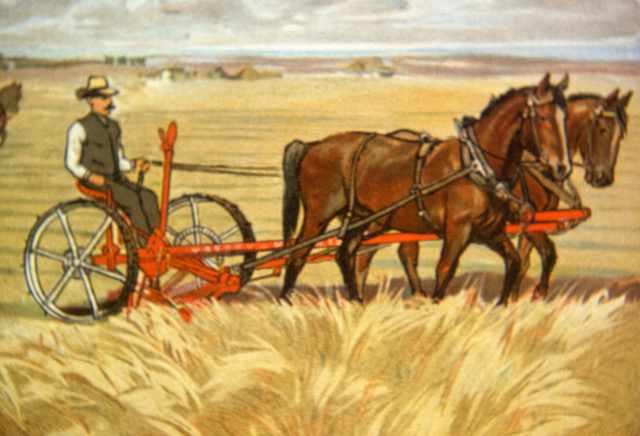
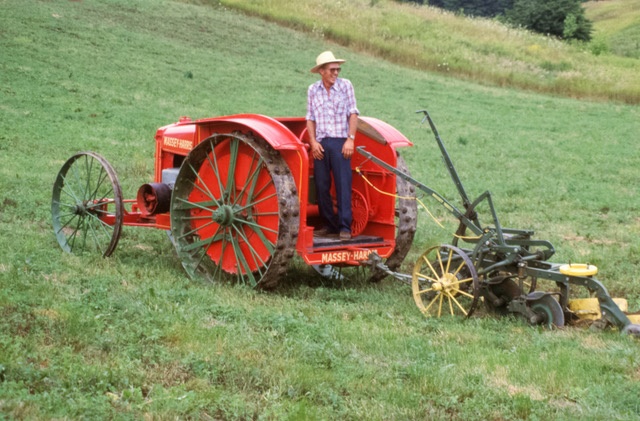
2) Below are a selection of Massey Harris machines…most of them are designed
to encourage sales. Massey Harris colours are red snd gold, two colours whichI used often in my wooden Quilts. The same colours, red and gold, were the proudcolours of Parkdale Collegiate Institute. Strange?


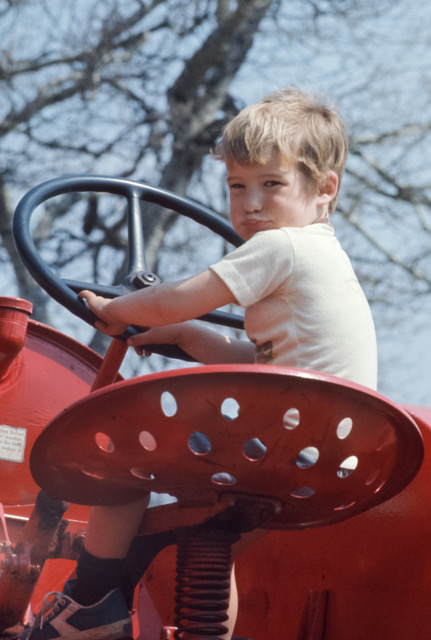
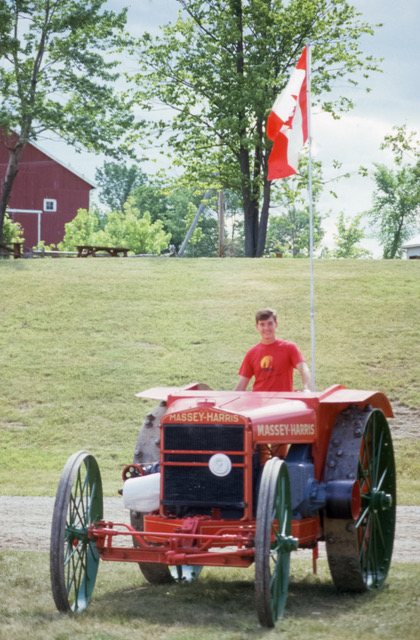
That’s one of our sons, Andrew. siting on a Massey Harris tractor. Note he is replicating thesounds the tractor would make had the motor been running.


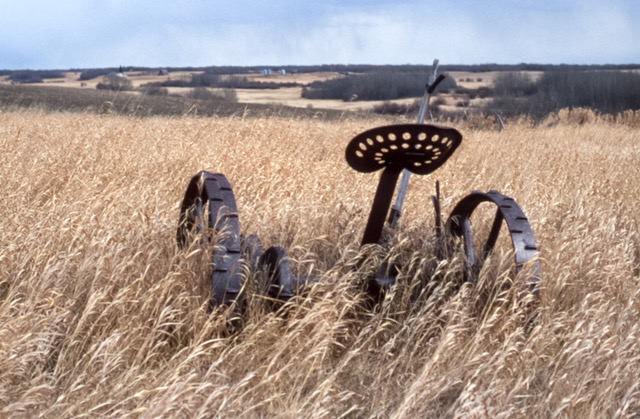
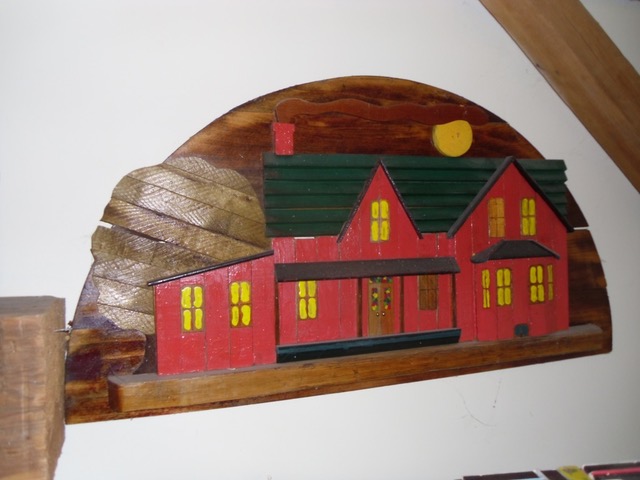
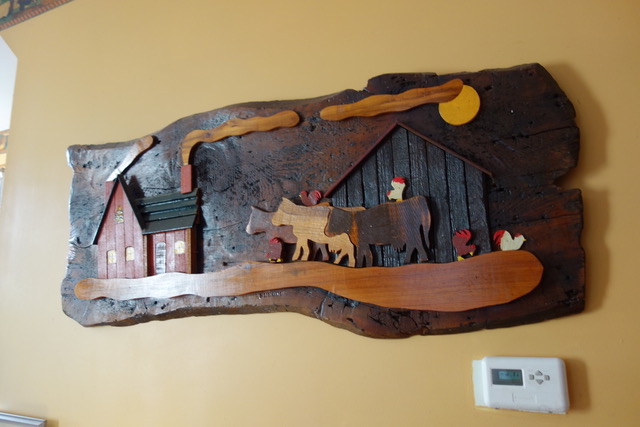
I an not sure where this ancient tractor was made. It is a Massey Harris machine however.3) A selection of my fold art. Please do not feel I am trying to sell. Just having fun.


END EPISODE 287
Post Script: Who were the Masseys?
Massey Manufacturing Co.[edit]
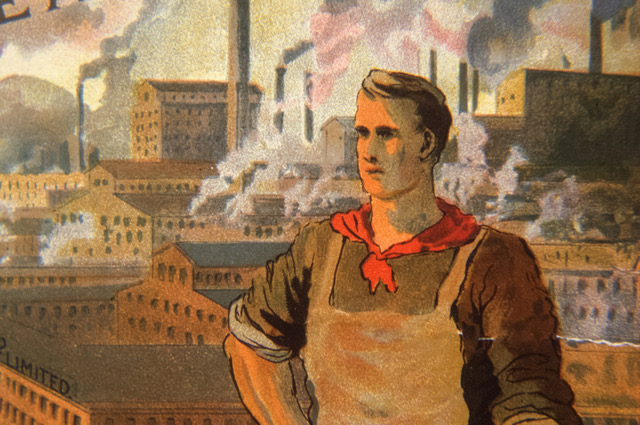
In 1847, Daniel Massey established the Newcastle Foundry and Machine Manufactory in what is now Newcastle, Ontario.[2] The company made some of the world’s first mechanical threshers, at first by assembling parts from the United States, but eventually designing and building its own equipment. Daniel Massey’s son, Hart Massey, subsequently renamed the enterprise as the Massey Manufacturing Co. In 1879, the company moved to Toronto,[3] where it soon became one of the city’s leading employers. The huge complex of factories, consisting of a 4.4-hectare (11-acre) site with plant and head office at 915 King Street West (now part of Liberty Village), became one of the best-known features of the city. The company expanded further and began to sell its products internationally.[3] Through extensive advertising campaigns, it became one of the most well-known brands in Canada. A labour shortage throughout the country also helped to make the firm’s mechanized equipment very attractive.Massey began experimenting with oil engines about 1910, with engines such as the Bulldog. However, success came only later in the 1920s with the Wallis line of tractors which was purchased by the firm.In the 1930s, it introduced the first self-propelled combine harvester.[2] Massey Harris also produced one of the world’s first four-wheel drive tractors. Hart Massey’s sons Charles, Walter, Chester and Fredbecame closely involved in the business and eventually took over its operations. They were the last generation of Masseys to run Massey-Harris. Other members of the family went on to other accomplishments: Vincent Massey became Governor General of Canada and Raymond Massey became a noted actor in American films. The Massey family used its fortune to improve the city of Toronto and many institutions, such as the University of Guelph, University of Toronto, Upper Canada College, Crescent School, Appleby College, Massey Hall and Metropolitan United Church, were partially financed by the Masseys.Credit above to Wikipedia -
EPISODE 286MASSEY FERGUSON DEMOLITION THE JOHN CALDER SAW MILL, BELLWOOD, ONTRIO
EPISODE 286 MASSEY FERGUSON DEMOLITION THE JOHN CALDER SAWMILL, BELLWOOD, ONTARIOalan skeochMarch 2021
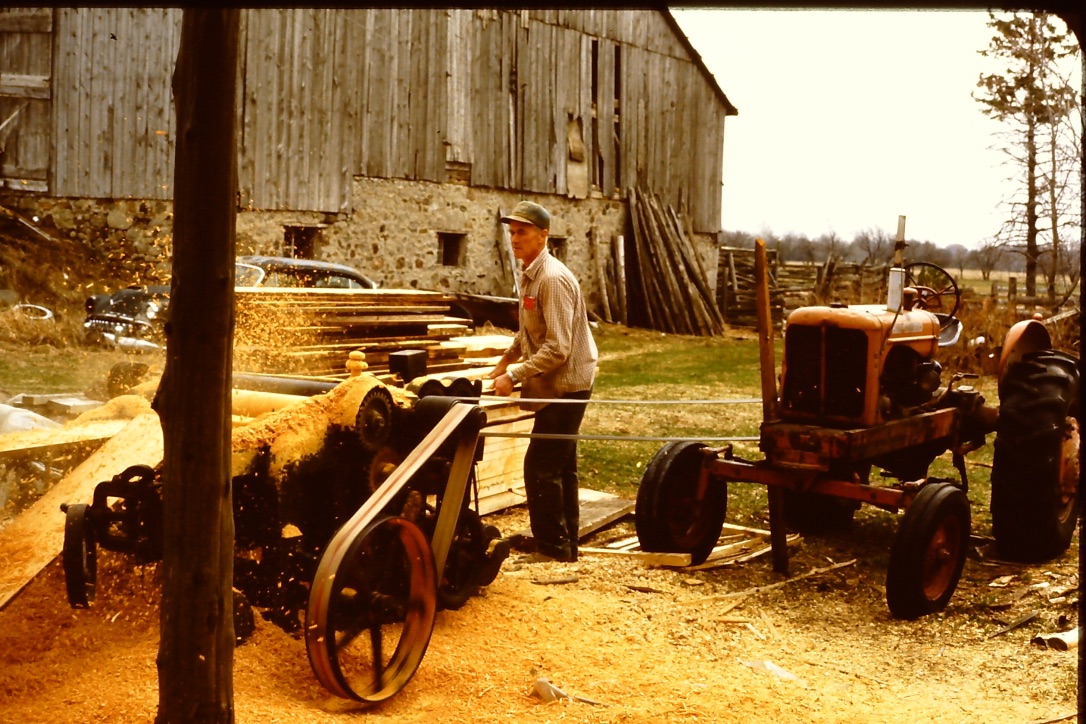
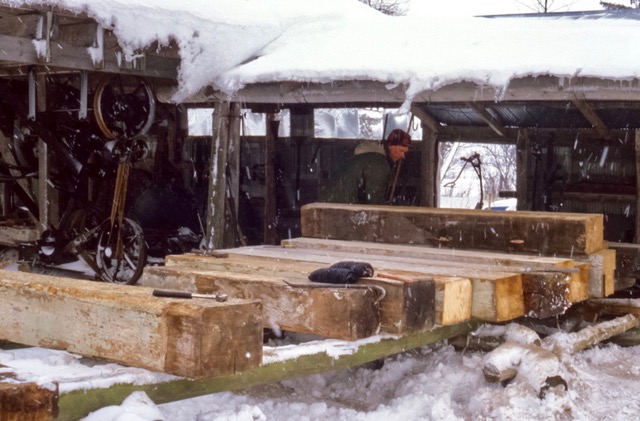
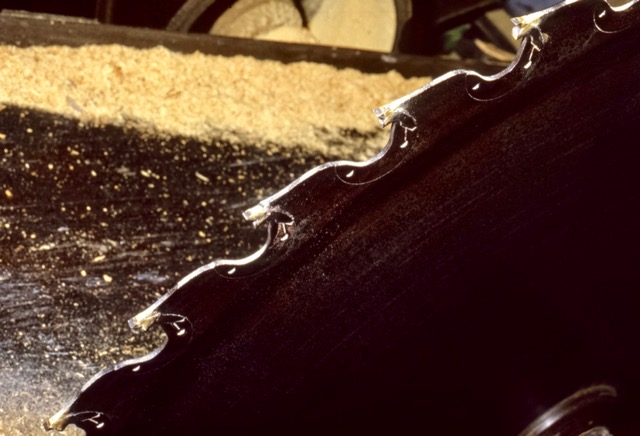
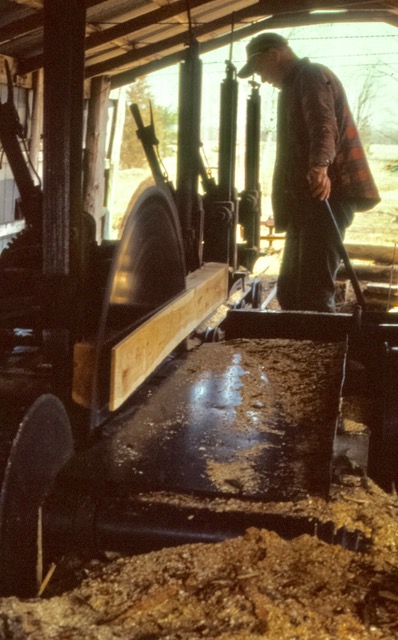
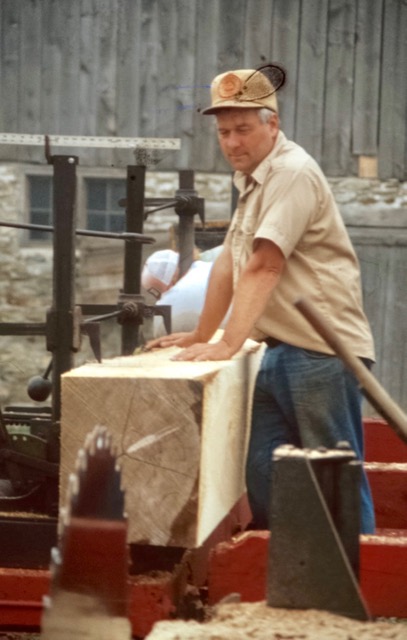
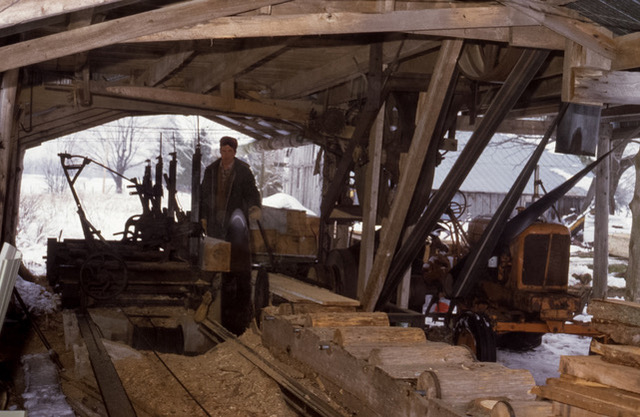
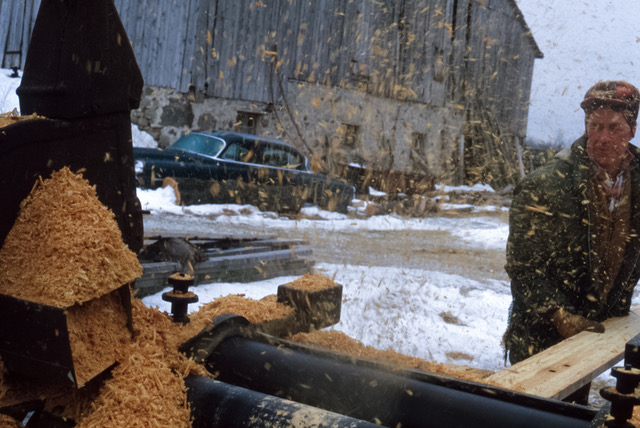
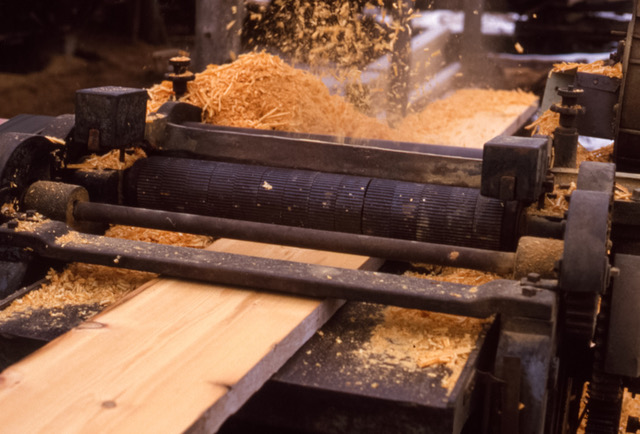
“Alan, if you ever need some logs cut into planks, bring them up to the farm.”John did not have to ask twice. On week ends i began moving my Massey Harris beamsfrom Toronto to Bellwood. And then the nice part happened. I spent several dayshelping John convert old factory posts into nice white pine planks which we thenfed into his planer.Saw dust and wood chips peppered the air and on some days the wood chip showerwas interspersed with snow flakes. It was ‘the best of times’. Unforgettable.Especially when the milling was halted for a few hours so the lambing could be assisted ifa ewe needed help getting the little lamb into the open air. Then there was milking timewhich took precedence over everything. The Holstein herd had to be milked on sa regular schedule. The Calder/Townsend herd bellowed at milking time. Painfull. Couldnot be delayed. Seven days a week job. Imagine trying to tend a flock of sheep, a dairy herd and a saw millall on the same day.John had his flock of sheep. Eleanor had her herd of cattle. There lives were contained within that frameworkfrom which there was no desire to escape. Morning, day, and night labour. No time to waste? Not quite true for there werehours in the daytime when the saw mill could be put into operation. Those were my moments.
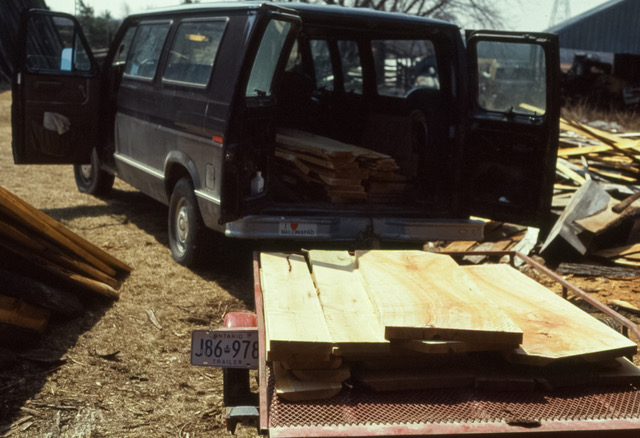
Some Massey Harris beams ready for the saw mill after we made sure therewer no nails. Jus one nail could damage the saw blade. Most small saw millswill not accept used wood beams…nor will they accept logs from city treeslest there be a fence bolt or worse buried in the log.


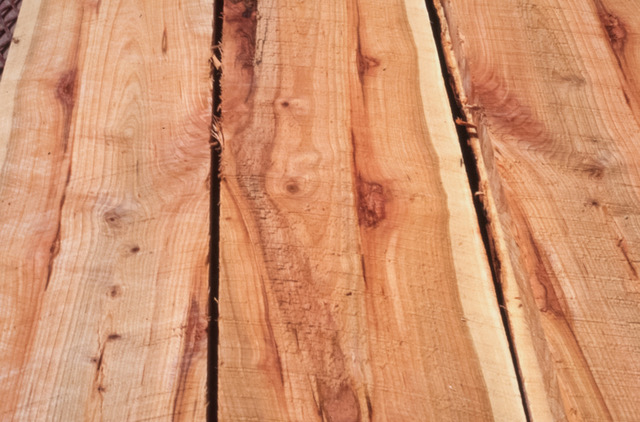
The wood grain streaks, along with blemishes from long gone branching points, made the southern pitchpine planks, in my mind, an imaginary terrain of farm fields freshly furrowed but interrupted by graniteboulders pushed down here by glaciers that towered above the land pushed and pushing those stones.
John had other jobs than mine such as this gargantuan piece. John was not a man to waste things. Even the towering skeletaldead elms on his farm were worth salvaging. Once put through his saw mill the spoliated elm planks had a beauty all their own.John used these planks with their ghostly markings to clothe the interior walls of the stone house he had almost completed.


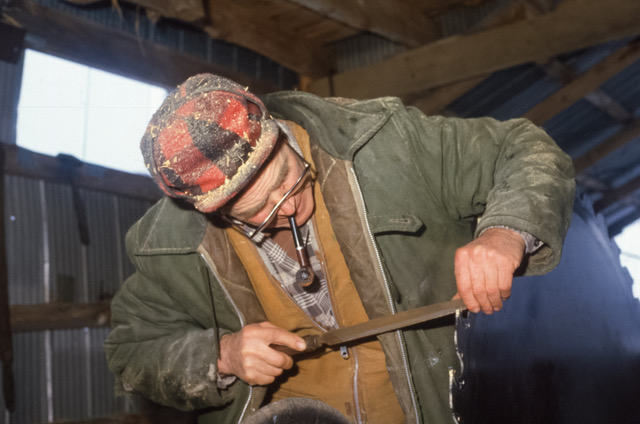
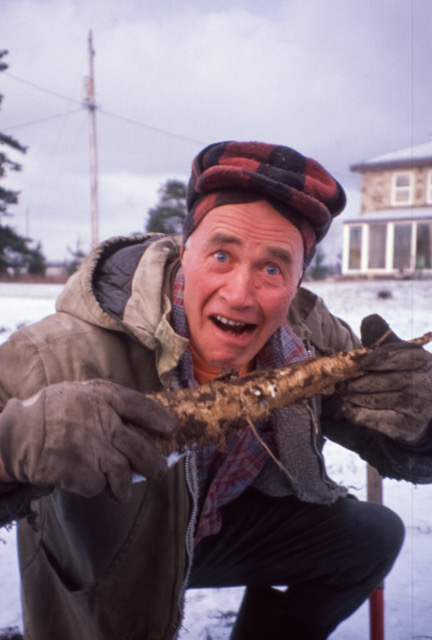
I am not sure why John is threatening to eat here.
END: THE JOHN CALDER SAW MILL, BELLWOOD, ONTARIO.NEXT: EPISODE 287: WHAT THE CALDER FAMILY WERE DOING OTHER THAN SAWING WOODalan skeochMarch 2021SAMPLES OF WOOD QUILTS MADE FROM WOOD SCRAPSPost Script Just a couple of my Wooden Quilts to remind readers that therewas an end use of some of this rescued lumber. Small bits and pieces capturedmy imagination so often. It began with a crumpled sections of snow fence on UncleNorman’s farm. Each piece of distressed lath looked like a dark and forebodingsky. A little polishing with the belt sander and shaping with the band saw and… ‘Presto’… thebusted snow fence pieces became something real.
I made this one in remembrance of an attack on John Calder’s sheep by ‘pet’ dogs…storycoming in an Episode
These large pictures now hang above fireplace at home and on wall at farm
This is an old school near Thornbury… enclosed in a white pine forest.